
Translated material
A former slave saved an entire city and became a millionaire
Black slave Robert Church was born and raised in the American South. Thanks to his father, he received a passable education, which allowed him to realize his business abilities and become one of the first black millionaires in the United States. Despite the war, epidemic and racism that was the norm in the United States in those years, Church built his own empire, helped save an entire city from crisis, and even gained the favor of the US President. However, these merits did not save him from oblivion - local authorities deliberately erased his legacy and put pressure on his family after his death. Success in spite of racists - in the material "Cold" .
They tried to kill him, but he survived and succeeded. After his death, the family was ruined and the heritage was destroyed 
It was in this political context that Robert Church was born in 1839, the son of a white man and a black woman. His father Charles was a ship captain, and his mother Emmeline was his slave seamstress . According to family lore , she was the daughter of an enslaved princess from Madagascar and a white plantation owner from Virginia.
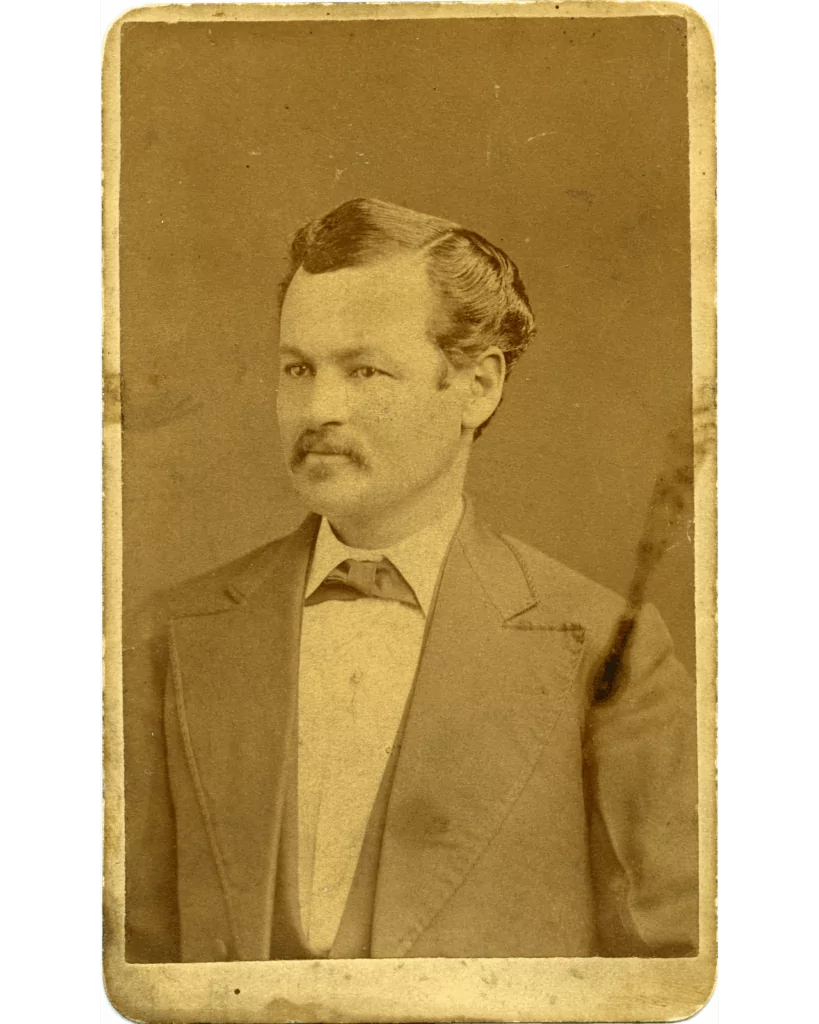
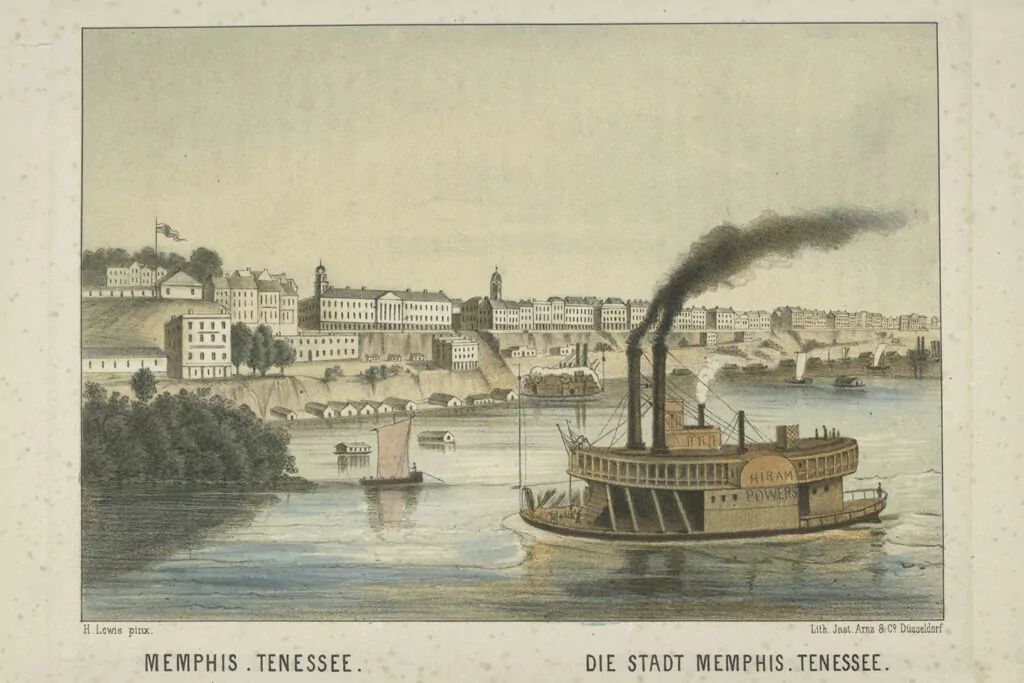
Emmeline died when Robert was 12 years old. He knew little about his mother and mostly grew up with his father, who took the boy in and set him up to work on his ship - a luxurious vessel with velvet-lined cabins, where there were tables for playing cards. At that time, steamboats on the Mississippi were one of the main forms of transportation in North America.
On the ship, little Robert Church became a jack of all trades - he served as a cabin boy, cook, dishwasher and then steward. In the cafeteria, he became friends with James Lewis, a black colleague who would later become one of the leaders of the Republican Party in Louisiana.
Church's father was with him on the voyages and tried to give his son an education useful for working on a ship. He taught him to read and count, and also explained the basics of business and accounting - this knowledge greatly helped Robert in the future.
In a ring of enemies
Working on a ship on a huge river was difficult and dangerous. One day in 1855, the ship was involved in an accident, and Robert Church almost died. And in 1862, at the height of the Civil War, the ship was captured by the military.
American Civil War
The Civil War was fought from 1861 to 1865 between two sides: the North (Union) and the South (Confederate States of America). 11 southern states - including Tennessee, where Robert Church lived - seceded from the United States because they wanted to preserve slavery and the right to make their own laws. The North, on the contrary, advocated the preservation of a single country and the gradual abolition of slavery.
The North won. The Southern states were returned to the United States, and slavery was officially abolished with the passage of the 13th Amendment to the Constitution in 1865. On paper, black people received freedom, but in practice they still had to live in conditions of discrimination for a long time.
By that time, the ship was in the hands of Confederate soldiers - they requisitioned it for military needs, but as a result of the Battle of Memphis, control of the ship passed to Union supporters who advocated the abolition of slavery. During the battle, Church decided to run and jumped overboard. Now the 23-year-old steward had to decide what he would do on land after 11 years on the river.
Memphis is located in the southern United States. During the Civil War, the region was predominantly pro-slavery, but the city itself did not remain under Confederate rule for long and fell to the Union in the second year of the war.
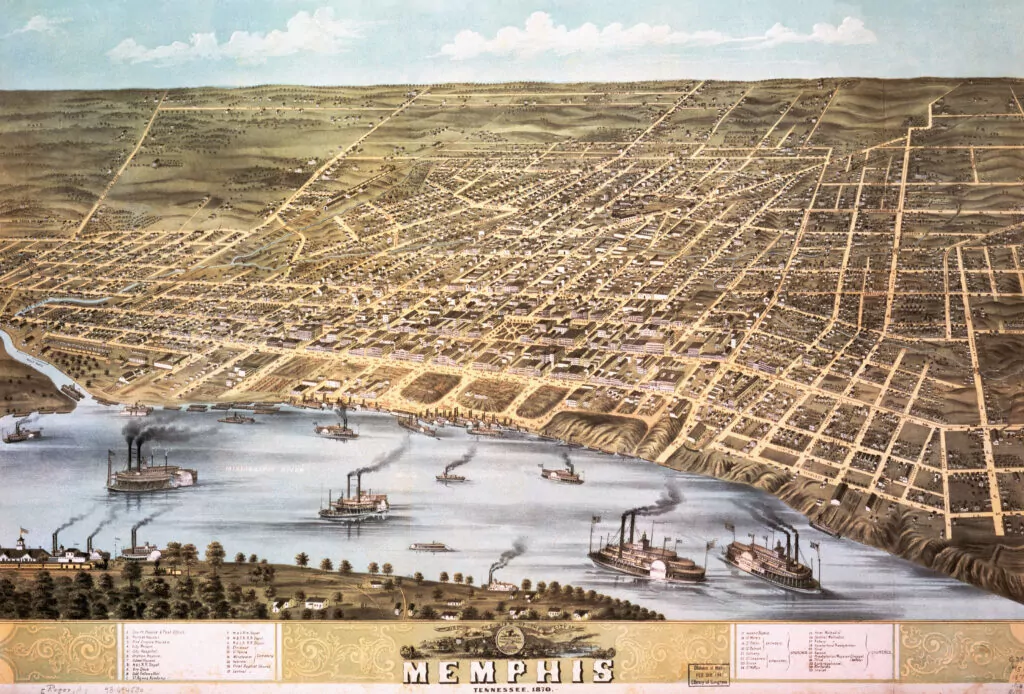
During the 1860s, more and more black people came to Memphis. As the war continued, most settled near Fort Pickering, hoping to find protection from the Confederates and new opportunities there. By 1866, the city's black population had quadrupled, to 20 thousand people.
This did not sit well with many white Memphis residents, especially Irish immigrants, who increasingly saw the former slaves as their competition for jobs. The situation was also heated by the predominantly white police, who regularly oppressed blacks, including the soldiers of the African-American regiment guarding Fort Pickering.
It was under these conditions that Robert Church decided to try his hand at business. In 1862, having become a free man under the rule of the northerners, he used money from working on his father’s ship to buy a local saloon (as American bars of that time were called - with drinking and gambling).
Race massacre
Four years later, in 1866, Church wanted to expand the business. The war ended, and he saw how many African Americans there were in the city: these were former slaves and soldiers from the Union troops. He decided to open a billiard room for them, because black people were often not allowed into white establishments. Church rented space and applied for a license, but was rejected by the city because of his skin color.
Then Church defiantly opened a billiards room for blacks without a license. A few days later, the police came to him and arrested him right in front of the visitors.
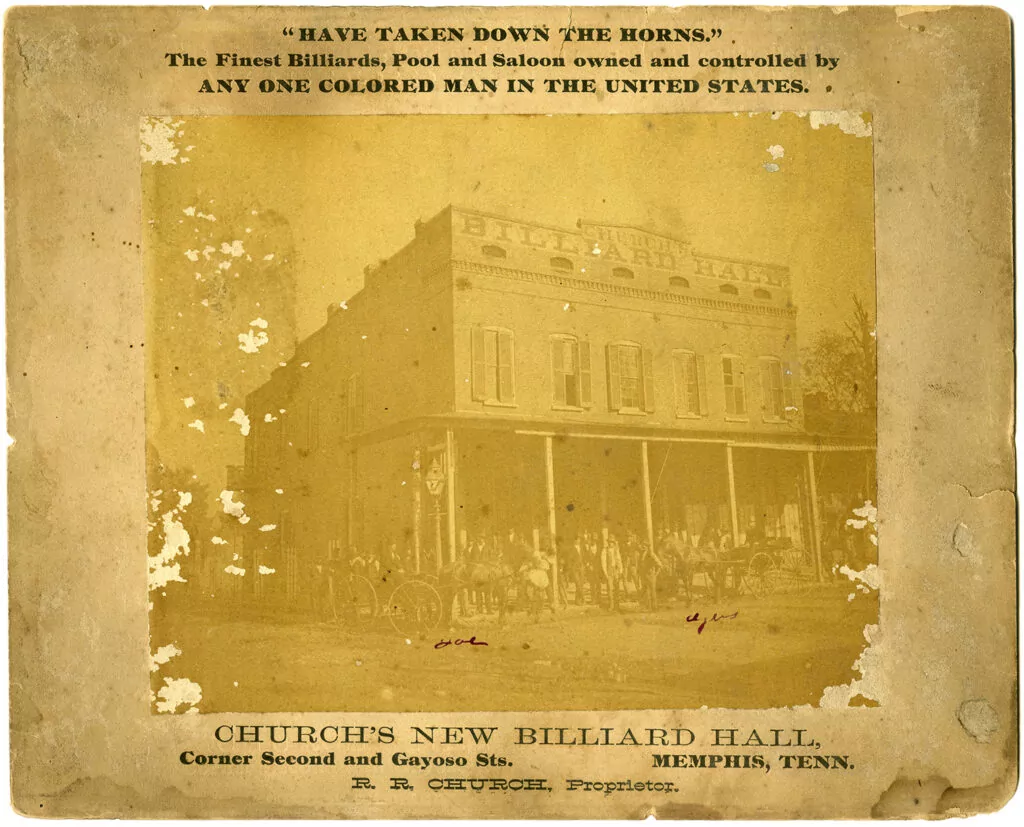
While considering the case, Church was lucky : a few days before the start of the trial, the United States passed the federal Civil Rights Act , which recognized everyone who was born in the United States (with the exception of Indians) as citizens. The new law prohibited discrimination based on skin color, which meant that denial of a license was unlawful.
To the surprise of the public, the court sided with Robert Church. After a high-profile trial, he became a star in Memphis - lines lined up for entire blocks at his establishments and the “big shots” of the city visited him.
But the court's decision did not make Memphis safe for African Americans overnight. The verdict did not please supporters of the losing Confederates, who were already angry that their city was “occupied” by black soldiers.
Memphis local discontent culminated in the 1866 pogroms, often referred to as a "race massacre." It all started with an allegedly domestic conflict: a white policeman tried to arrest a black soldier, a veteran of the Union Army, but other blacks stood up for him. A verbal altercation quickly escalated into a showdown with shooting.
These showdowns escalated into pogroms: white southerners massively destroyed the property of blacks and northerners who had moved to the city. Robert Church also became a victim - armed men attacked his saloon and shot him, leaving him to bleed. That day, Church's wife allegedly begged him not to go to work, but he defiantly came to the saloon and stood behind the bar. Church miraculously survived, although a bullet hit him in the head. Subsequently, he was tormented by severe headaches, which he suppressed with alcohol and doses of morphine.
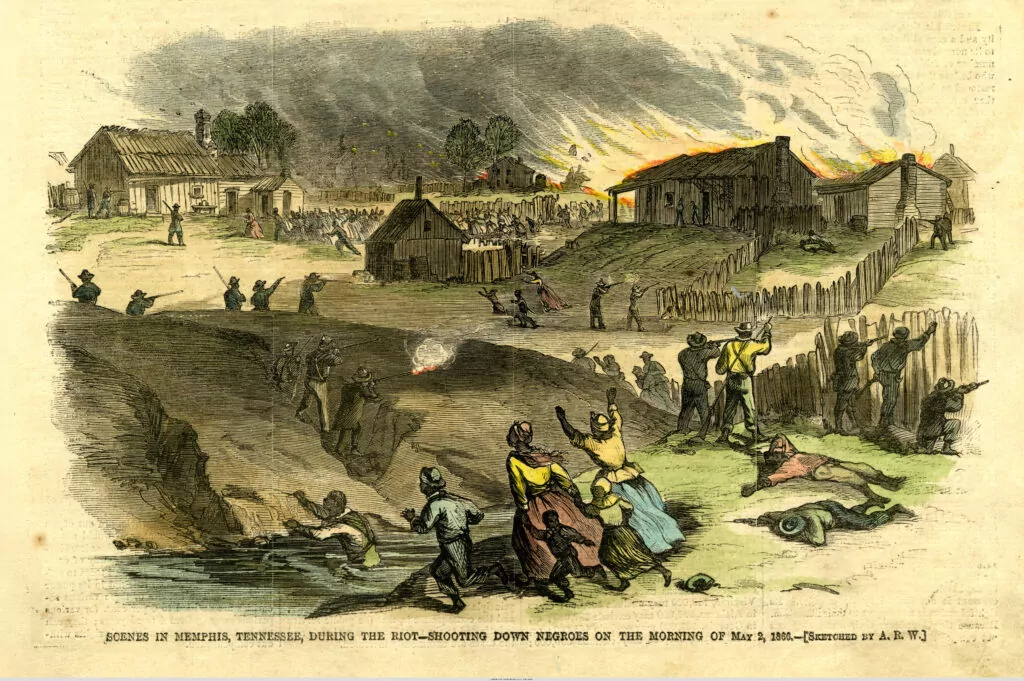
After the riots, Church became one of the investigation witnesses and actively testified against the police. During the three days of massacre, 46 African Americans were killed , several women were raped, and more than 50 houses were burned . Despite the hostile atmosphere, Church remained in Memphis and decided to develop his business here. True, from then on he always carried a revolver with him.
Misfortune helped
In 1878, one of the most devastating yellow fever epidemics in history broke out in Memphis. This disease is transmitted through mosquito bites, and at the end of the 19th century there was no way to prevent it (nowadays one dose of a vaccine is enough for this). Of the 42 thousand residents of Memphis, more than 25 thousand left to escape the deadly disease.
Robert Church decided to turn the general panic to his advantage. When Memphis residents began to leave the city en masse, land and real estate prices fell sharply - many were ready to give them up for next to nothing just to leave quickly. Church, who had already saved enough money by the end of the 1870s, remained in the city and bought many plots of land at low prices.
In subsequent years, these lands became more expensive. By that time, Church already owned property on Beale Street, the city's main thoroughfare, and leased it out as bars, clubs and retail spaces. He also established “the city’s only first-class hotel” for blacks.
Renting out real estate brought Robert Church six thousand dollars a month (almost $200 thousand today). At this rate, by 1882, he became the first African American in the South to earn a million dollars.
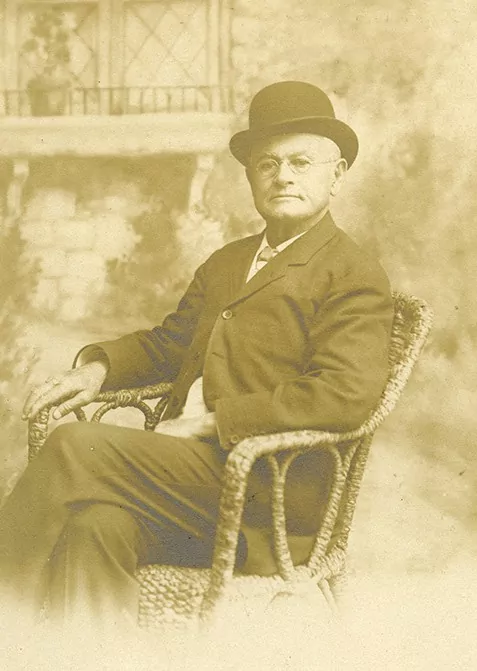
Having become a successful businessman, Robert Church wanted to try his hand at politics. In 1882, he ran for the Memphis City Board of Public Works to push for the construction of parks and other recreational facilities for the city's black residents. He lost the elections - this was the first and last time he tried to participate in them.
The election came at a troubling time for Memphis. With the loss of more than 30,000 residents (more than five thousand died due to yellow fever, and 25,000 left), Memphis plunged into a protracted financial crisis: it lost its status as a "city", remaining merely a "taxing district" with no government and a debt of five million dollars.
To return the city to official status, it was necessary to invest money in it. Investors did not believe in the potential of a small town in the South, which had not yet recovered from the epidemic, but Robert Church took a chance. In 1885, he became the first to buy a $1,000 bond (about $33,000 today), and other investors followed suit, investing about $200,000 ($6.6 million) in the city.
Bags of money on display
The risky investment in Memphis paid off. In 1891, the state of Tennessee restored Memphis to city status, and two years later it began to have local governments that could once again levy taxes. This was largely due to Robert Church, who showed the prospects of investing in Memphis.
“It can be said that Robert Church's word is as reliable as his receipt. No appeal to him for assistance in charitable or public affairs in the interests of Memphis was ever answered. He is for Memphis from the very beginning to the end,” local newspapers wrote about Church in 1899.
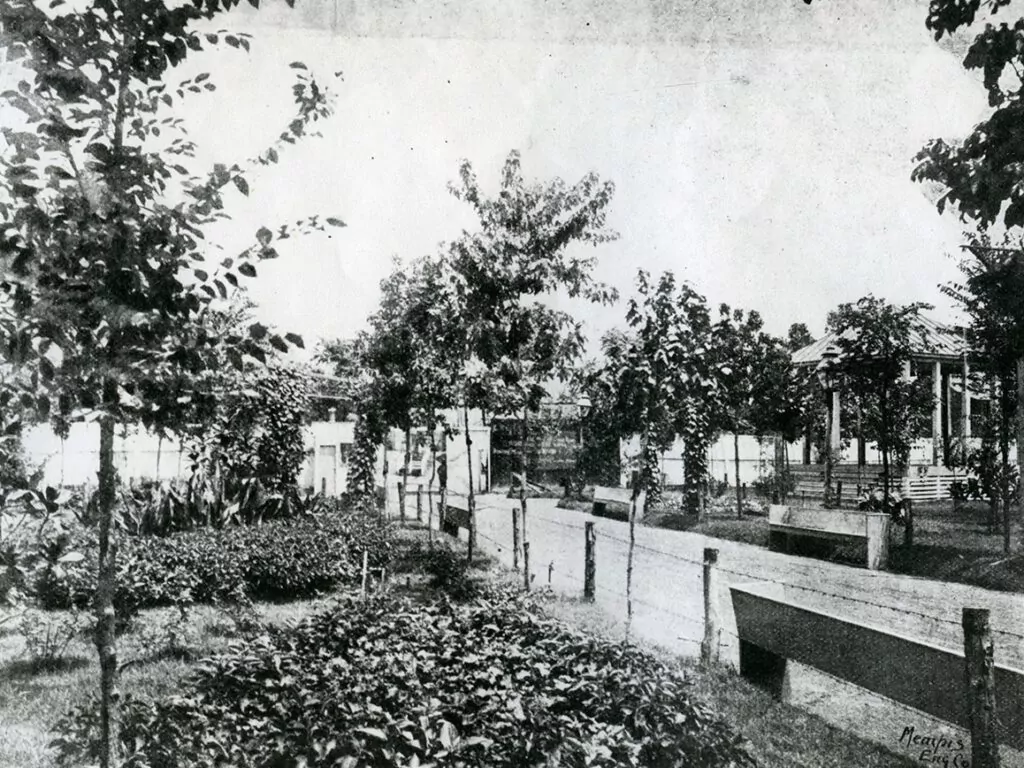
He continued to invest in the city that had become his home. In 1899, Church bought a 2.5-hectare plot of land in the city center, where he developed a park and built a concert hall for two thousand people. The entire project cost an incredible $100,000 (about $3.2 million today) and became an iconic destination for black Memphis residents, who were still barred from white city parks and theaters.
Church also actively supported African American leaders. He advised Louisiana's first black governor, Pinckney Pinchback (who served only a month as an acting governor, but served a long term in the local Senate) and used his connections to help organize a historic White House dinner between US President Theodore Roosevelt and activist Booker Washington—thefirst time an African American former slave was invited to a formal dinner with the president.
Roosevelt later visited Church Hall in Memphis. On November 19, 1902, 10 thousand people gathered in the hall to listen to the speech of the American president. Roosevelt's arrival once again showed how influential Robert Church was in the South.
In 1906, Church opened the Solvent Savings Bank and Trust Company, which was the only black bank in Memphis at the time. Regular “white” banks could not serve African Americans - they would not open accounts or issue loans. Church's bank was vital to the black community: without it, entrepreneurs could not open stores, buy real estate, or grow their businesses.
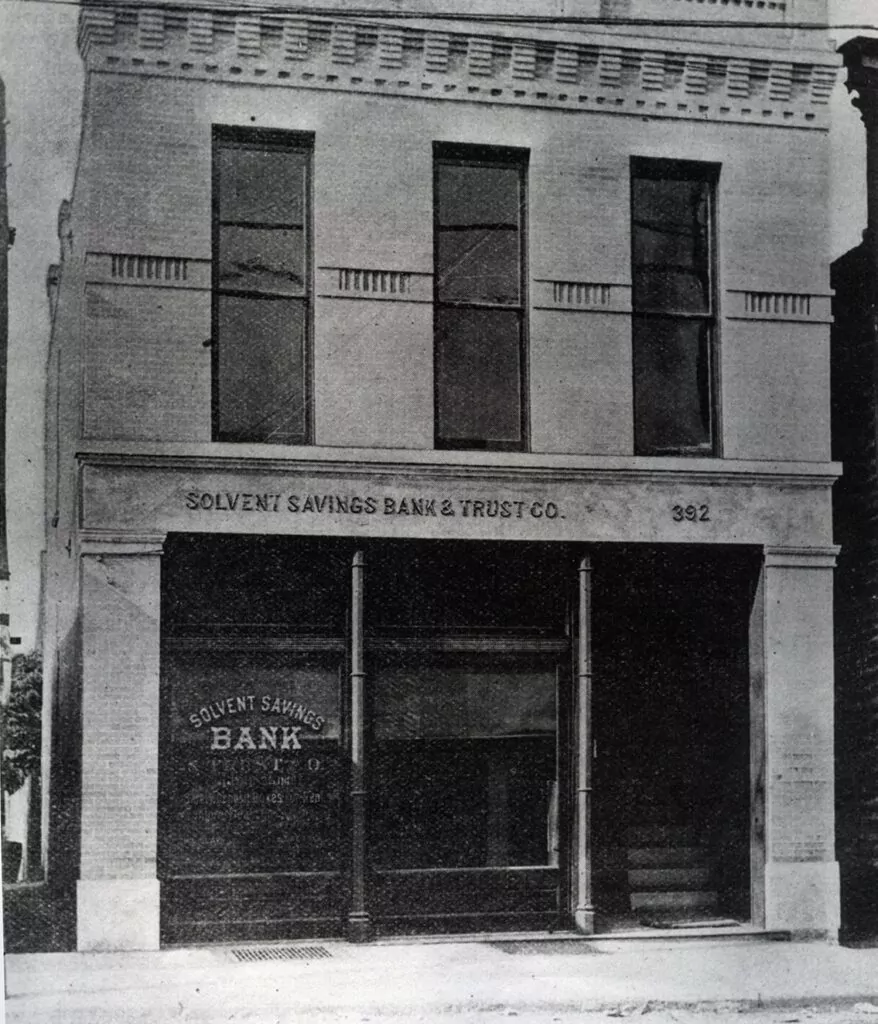
Church's Bank also survived the so-called banking panic of 1907 - the first global financial crisis of the 20th century. Then many large banks closed, and depositors withdrew funds from their accounts en masse. To avoid a similar fate, Church demonstratively placed bags of money in the windows of his bank. So he showed that the “black” bank had enough money to pay depositors.
Activist Family
Robert Church died in 1912 at the age of 73. He, like many members of his family, is buried in Memphis. At the end of his life, his fortune, according to various estimates, ranged from 700 thousand dollars to one million - in today's exchange rate this is about 24-30 million dollars.
They tried to erase Church's legacy in Memphis after his death. In the 1940s, the city government took control of his park and concert hall, removing his name from the title due to racism. Later the hall was completely demolished, and for a long time this place was empty.
It was not until 1987 that the park area was restored and redeveloped, and in 1993 the park was added to the National Register of Historic Places. Now there is a park on this site in Memphis, which is named after Robert Church - his bust is installed there.
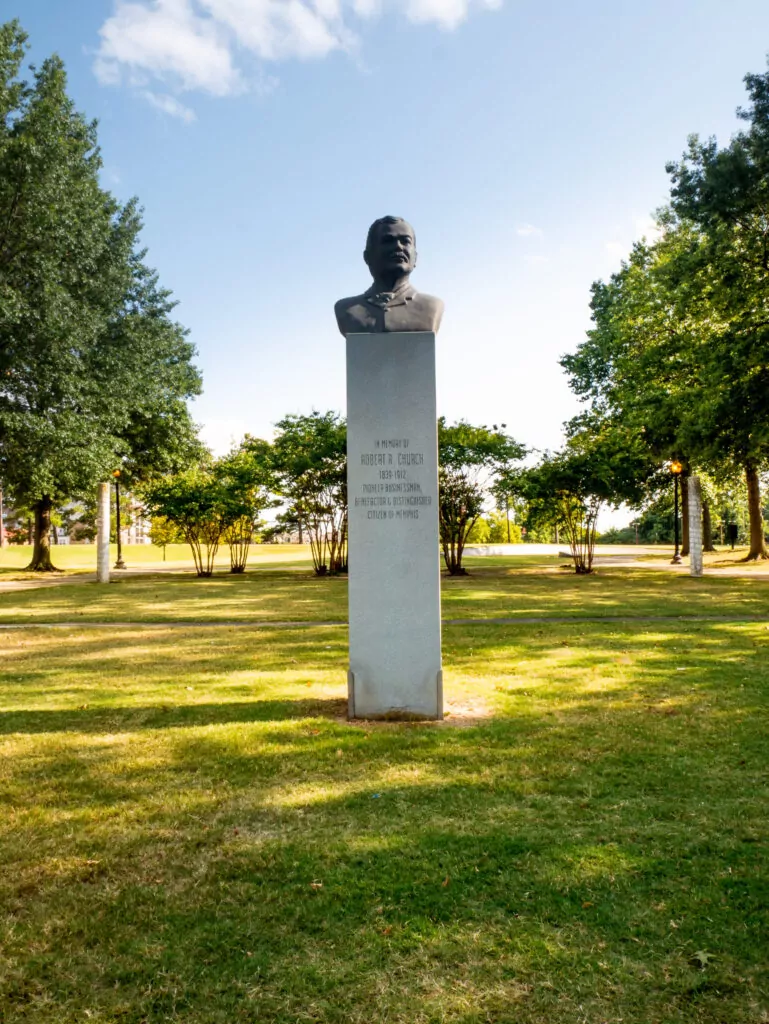
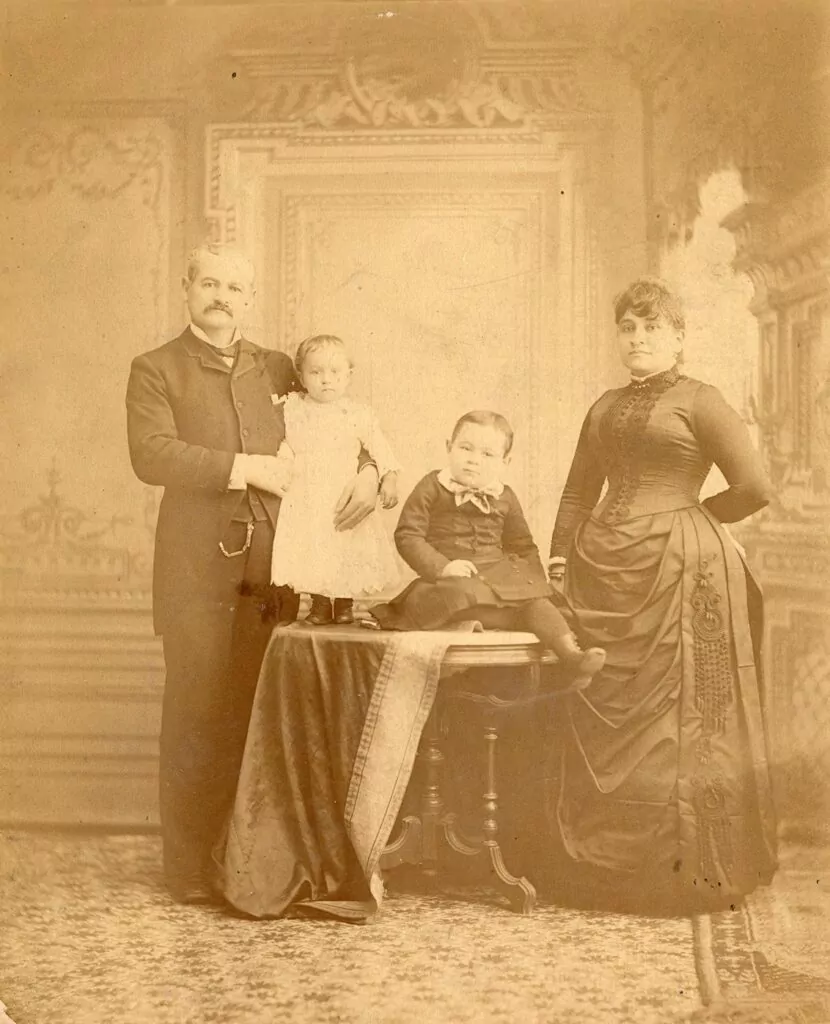
Robert Church was married twice officially (and once unofficially to a slave from Tennessee), and in each of these marriages he had two children. His eldest daughter, Mary Church Terrell, was a prominent activist and suffragist, and one of the first black women in the United States to receive a college education. She fought against discrimination almost until her death.
Church's business was continued by his son from his second marriage, Robert Church Jr. He was also involved in politics and defended the interests of the black population: in 1916, he founded the Lincoln League, which helped African Americans register as voters and even paid their taxes necessary to participate in elections. The Lincoln League later expanded its activities throughout the country.
However, over time, much of the Church family's fortune was lost due to economic crises, the Great Depression and the policies of the Memphis Democrats, especially their leader Edward Crump.
In the 1930s, Crump's city government seized Church Jr.'s property and demolished entire neighborhoods that were mostly black. City officials said they were demolishing slums, when in fact many of the black neighborhoods were quite prosperous.
Then the Memphis authorities confiscated the assets and Church Jr. himself under the pretext of allegedly unpaid taxes. In 1940, the son of the first black millionaire in the South had to flee to Washington because he feared for his life.
After Robert Church Jr. was ousted from Memphis politics, his family's influence virtually disappeared. Today, the park and Beale Street, which is called the “home of the blues” because of the many clubs where they played “black” music, remind of Church’s family.
Author: Alexandra Yastrebova