
Translated material
“You killed old people for this toy.”
In the summer of 1983, Vice Admiral Georgy Kholostyakov and his wife were attacked in an apartment in the center of Moscow. Their granddaughter Natalya was there, and at first she even came under suspicion, as she said that she had not heard anything and found her grandparents bloodied when she woke up. Who and why killed the retired military leader and his wife - in the material of "Cold".
An acquaintance of Brezhnev and a major military leader was killed in his elite apartment. Shortly before this, “journalism students” came to him 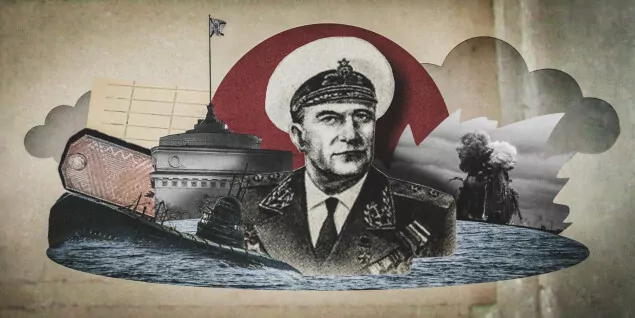
Entering the kitchen, Kunikova saw her grandmother sitting at the stove. She didn't move. At first, the girl thought that her grandmother had a heart attack, but when she came closer, she saw that Sidorova’s head was broken. She found her grandfather in the corridor near the office, lying in a pool of blood. He was breathing, but was unconscious.
In less than a month, Kholostyakov would have turned 81 years old. He died on July 21, two and a half days after the attack, without regaining consciousness, said Alexey Pel-Dmitriev, then an operative of the Moscow criminal investigation department. Kholostyakov and Sidorova were buried at the Kuntsevo cemetery in Moscow.
“Unthinkable at that time”
The housing of Kholostyakov and Sidorova could be called a “business class apartment,” said Valery Tikhomirov, an investigator at the prosecutor’s office of the Krasnopresnensky district of Moscow. It was four-room, over 100 square meters in area, well furnished. There were no signs of forced entry on the door. The house had thick, “meter-high” walls. To make sure that Kunikova could not have heard how her grandparents were killed, investigators later even conducted an experiment: people in the corridor were talking, and the person in the room listened with the door closed - it was difficult to hear.
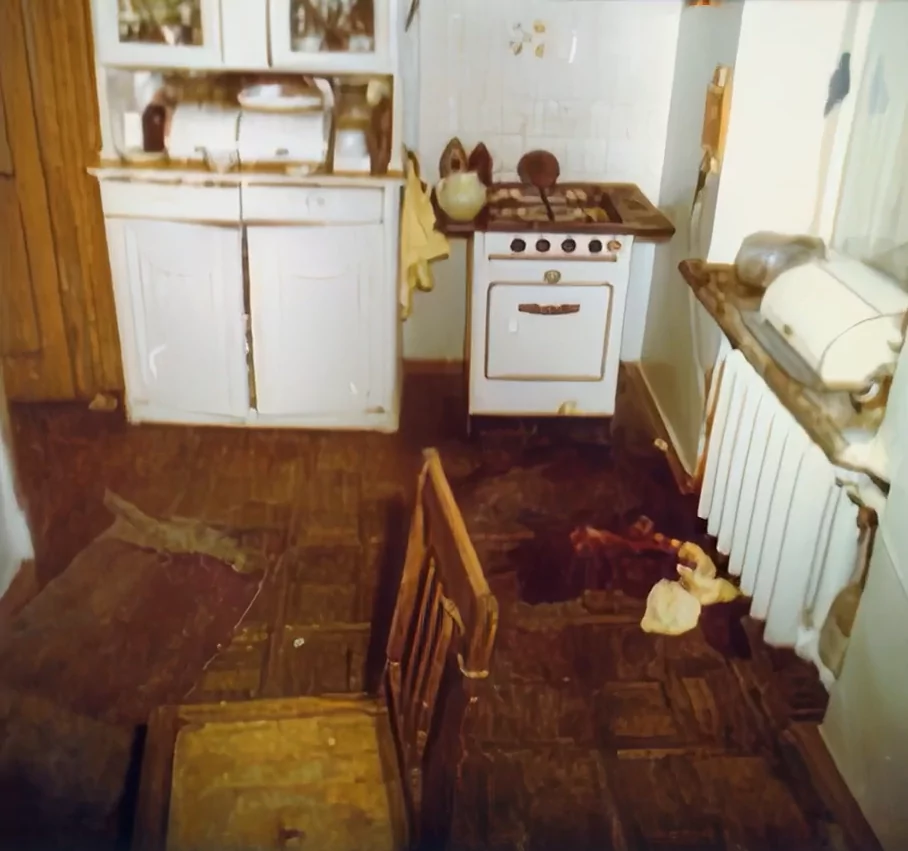
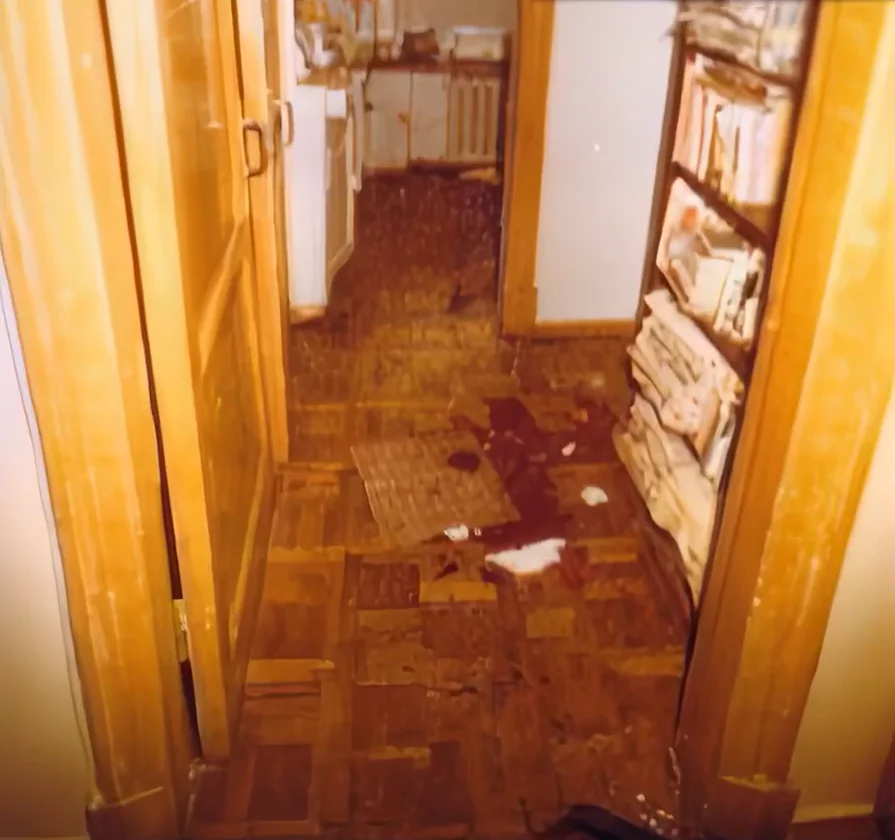
The investigation of this high-profile murder was supervised by the first secretary of the Moscow city committee of the CPSU, Viktor Grishin. Moscow investigators began to work through different versions, including the possibility that those killed might have known the perpetrator. The possibility of involvement in the murder of the granddaughter was also checked - the authorities thought that the conflict could have arisen on domestic grounds - but this version was quickly dismissed. Motives related to revenge and Kholostyakov’s military past were not ruled out, Tikhomirov recalled. But they also did not receive confirmation. Having discovered that Kholostyakov’s awards had disappeared from the apartment, the investigation began to study the theory of their theft.
The case of the murder of Kholostyakov and Sidorova was taken under control by the head of the USSR, Yuri Andropov himself. About 40 police and prosecutors worked on the case at the same time, which, according to Tikhomirov, “was unthinkable at that time.”
“There is nothing more desirable than to become the commander of a ship”
Georgy Kholostyakov was born on July 20, 1902 in the city of Baranovichi (now Belarus) in the family of driver Nikita Kholostyakov and his wife Nadezhda. Kholostyakov Sr. worked on the Polesie Railway.
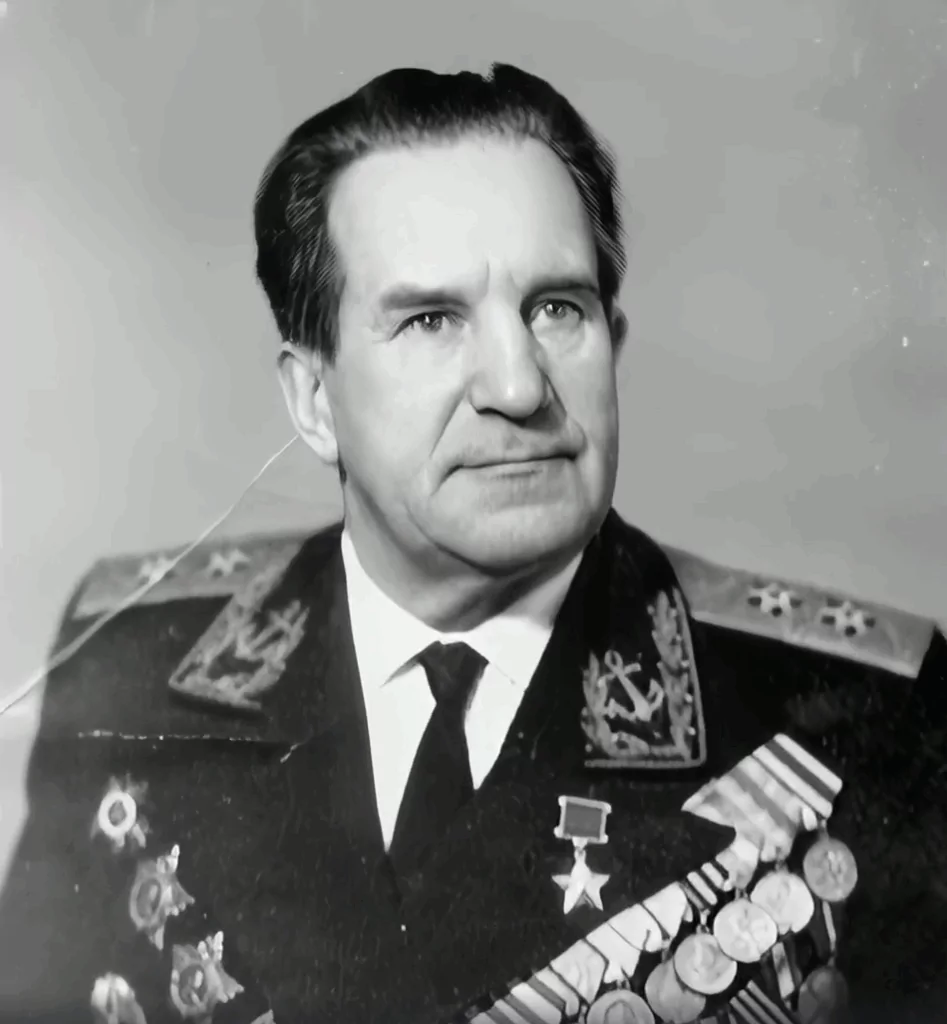
In 1915, the family left Baranovichi. “We lived in strange corners in Gomel, in Novozybkov. I worked as a laborer in sawmills. Finally, we settled in Rechitsa, a district town above the Dnieper (now a city in the Gomel region of Belarus. - Kholoda’s note), which became my second homeland. Rechitsa is associated with childhood memories of the collapse of royal power and the old world. In this town, what is called a conscious life began for me,” Georgy Kholostyakov wrote in his memoirs.
During the Civil War, all the men in the family joined the Red Army. Almost immediately Kholostyakov began to participate in hostilities - the training of young people, according to his recollections, was short-lived at that time. Then he fought in the Soviet-Polish War (1919–1921), and was captured in May 1920, from where he was released at the beginning of 1921.
He returned to Rechitsa in the spring of 1921. He decided that he wanted to serve in the navy: he came to the secretary of the Gomel provincial committee for a recommendation. He was recommended as a sailor in the Baltic Fleet.
In the early 1930s, Kholostyakov served as commander of the Bolshevik submarine. “For a person who has chosen naval service as his business in life, there is nothing more desirable than becoming a ship commander. And if we talk about ourselves, then, in my opinion, the best position for a naval sailor is the commander of a submarine. Especially when you have been in command of it for several years, have managed to get used to it, and feel your inextricable unity with the entire crew. After all, then the happy confidence appears that you can truly use the mighty power inherent in the underwater ship...” he later wrote in his memoirs.
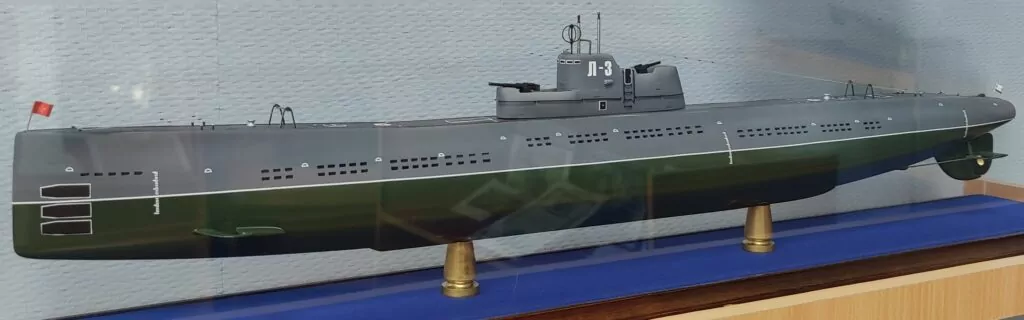
Kholostyakov graduated from tactical courses at the Naval Academy, after the Baltic he also served in the Pacific Fleet and was the commander of a submarine division. His first wife was a native of Leningrad named Praskovya. In 1935, Kholostyakov was among the first submariners awarded the highest award of the USSR - the Order of Lenin.
“Enemy of the people” and acquaintance of Brezhnev
However, he was not spared from repression. On May 7, 1938, Kholostyakov was arrested on the basis of a denunciation, in the case of connections with arrested “enemies of the people” and espionage for Poland, England and Japan. A year later, he was sentenced to 15 years of correctional labor and deprived of his military rank.
The tribunal concluded that Kholostyakov, “being hostile against the party and the Soviet government,” “carried out sabotage in the work he performed in his position, aimed at completely weakening the combat capability of the brigade and depriving the possibility of active actions during the war.”
He was sent to the Primorsky Territory to serve his sentence. However, already in 1940, considering the accusation unproven, he was released - this was facilitated by the Chairman of the Presidium of the Supreme Soviet of the USSR, Mikhail Kalinin.
In the fall of the same year, the question of Kholostyakov’s further service was decided: he was asked where he would like to continue his service. “I replied that one thing is important to me - that there be a sea and submarines. But, according to doctors, it would be good for my wife to live in the south for some time (Praskovya participated in the Soviet-Finnish war, and this affected her health. - Note from “Cold”),” he recalled. So Kholostyakov became a commander in the Black Sea Fleet.
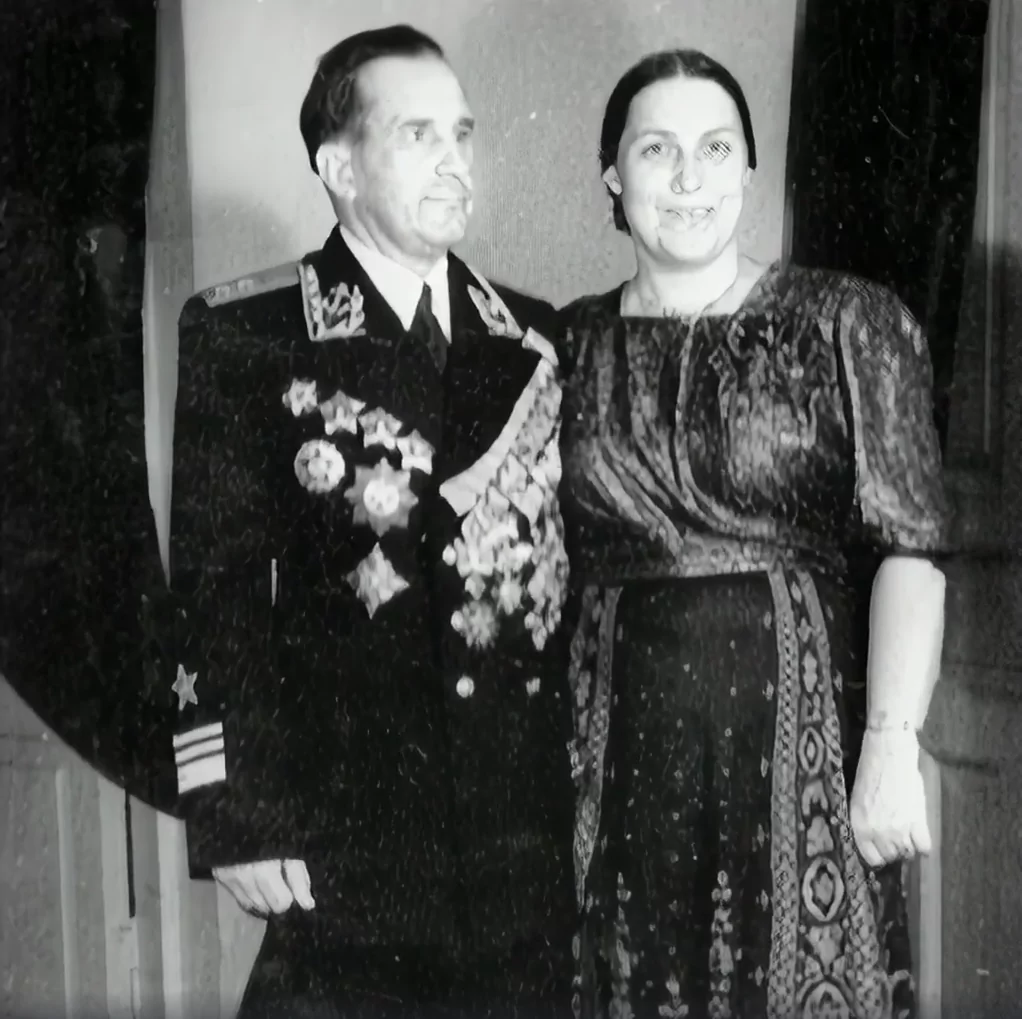
In June 1941, on the eve of the Great Patriotic War, Kholostyakov and his wife celebrated a housewarming in a newly renovated apartment - before that they had to live in a hotel. According to Kholostyakov’s recollections, at the same time the fleet began to prepare for an attack by German troops. In July 1941, when the war was already underway, Kholostyakov became chief of staff and then commander of the Novorossiysk naval base.
Later, Kholostyakov also commanded the Azov flotilla - during this period he met the future General Secretary of the CPSU Central Committee Leonid Brezhnev. Since December 1944, Kholostyakov commanded the Danube Flotilla.
For his services during the Great Patriotic War, Kholostyakov first received the rank of rear admiral in December 1942, and then in May 1945 he became a vice admiral (analogous to a lieutenant general in the ground forces). After the war, Kholostyakov commanded the Seventh Fleet in the Pacific Ocean. His wife died, and then he married a second time - to Natalya Sidorova, the widow of his colleague Caesar Kunikov, who was mortally wounded during the war.
So Natalya Kunikova became Kholostyakov’s step-granddaughter.
I always felt a close soul in Georgiy Nikitich, with whom we were not related by blood,” she said about him later.
On May 7, 1965, Kholostyakov received the title of Hero of the Soviet Union. He retired in 1969.
## Stolen orders and suspicious students
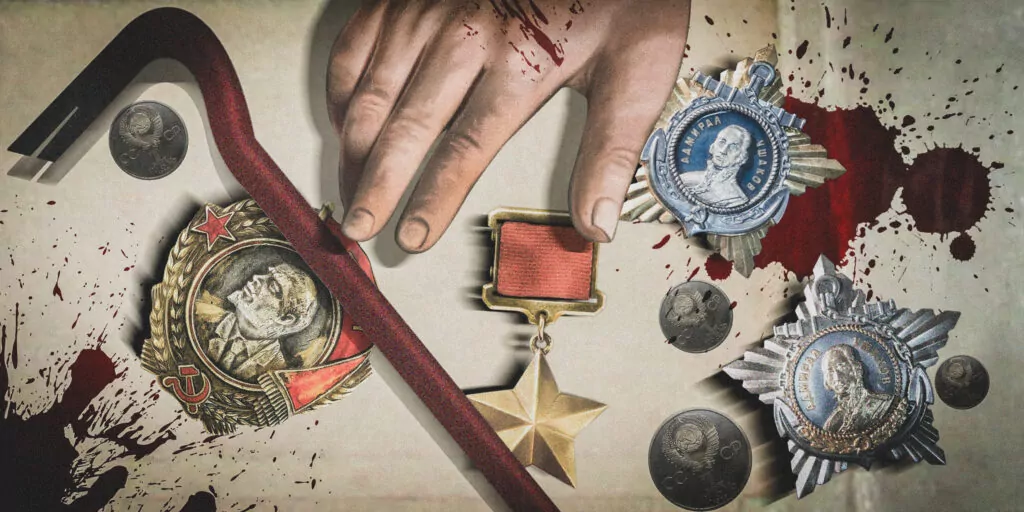
Orders were very expensive back then, said police lieutenant colonel Nikolai Dokin, who at the time of the murder was an investigator of the Moscow criminal investigation department. The Order of Ushakov, of which Kholostyakov had two, was made of platinum, and the Order of Lenin was made of gold, like the star of the Hero of the Soviet Union.
To estimate the approximate value of the awards, Dokin began going to the numismatists club. Around the same time, it became clear that this was not the first case of theft of awards from front-line soldiers. Some of the victims, according to investigator Tikhomirov, did not report them, while others reported missing, but “persons on the ground did not see any evidence of a crime.”
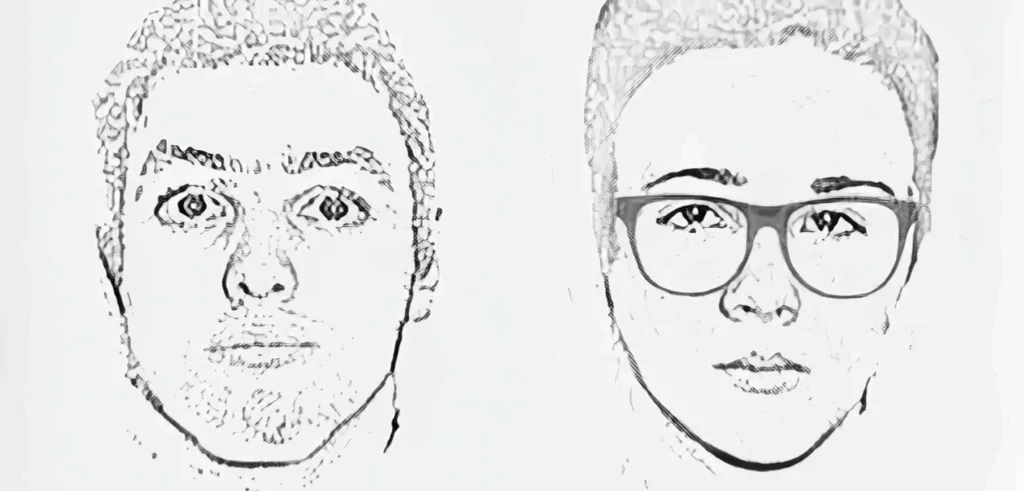
Kunikova, meanwhile, remembered an important detail: Kholostyakov told her that a man and a woman came to them, introducing themselves as students of the Faculty of Journalism of Moscow State University, collecting materials about veterans. Sidorova told her neighbor the same thing - according to her, she did not like the young people. Then investigators collected testimonies from other veterans whose awards had previously been stolen. Thanks to this, they were able to create an identikit of the “students.”
Investigators decided to take a closer look at the students of the Faculty of Journalism of Moscow State University, including those expelled. During the summer holidays, third-year student Sergei Morgultsev stayed in Moscow for the summer holidays - he was summoned to the investigators, questioned about what he did on July 18, and they discovered that he had no alibi. The investigators also showed him a photograph of a jacket with orders and medals - it was Kholostyakov’s jacket.
Morgultsev said that as the head of the course, he had lists of veterans, and he instructed students to go to them to write articles. He said that one of the students, Ekaterina Proskurina, was supposed to go to Kholostyakov, but she got sick. He did not send anyone else to Kholostyakov.
To reach potential killers, investigators published an advertisement in the media for the purchase of awards from the Great Patriotic War. The buyer was portrayed, in his own words, by operative Pel-Dmitriev. They also studied awards that were sold at markets and flea markets, not only in Moscow, but also in the regions.
At the same time, in another case, investigators found Mikhail Zaitsev, a well-known smuggler and buyer of stolen goods. During searches at several addresses related to Zaitsev, investigators seized about two buckets of silver coins of royal minting, gold and silver orders, icons, paintings and much more, Dokin recalled. The investigation established that one of the Lenin orders found on Zaitsev was stolen in the Yaroslavl region. It was stolen by a young man who came to the veteran’s apartment to allegedly write an article about him.
Zaitsev, who had already been arrested at that time, was ready to cooperate with the investigation on the condition that he would be helped with parole when two-thirds of his sentence had passed. The investigators agreed, and Zaitsev named the “student” - Ostap. Through the numismatists' club, operatives found out that it was a certain Ostap Ivanovich Tarasenko. At that time, he had already been arrested in another case, but he was soon to be released due to lack of evidence. Dokin later recalled that he spoke with Tarasenko personally.
At first, Dokin said, he tried to ask Tarasenko a few questions, but he was silent. Only after threatening to “imprison him for 10 years” did Tarasenko try to say something, but they no longer listened to him - ordering silence, Dokin told Tarasenko that he already knew about his crimes. After this, Dokin called for a convoy, which took Tarasenko away. After some time, investigators came to him again - and he admitted that he had organized a criminal group.
"Journalists"
Tarasenko told investigators that shortly before this he had met a certain Gena and invited him to trade in state awards. He was supposed to steal awards from veterans, posing as a journalist, and then bring them to Tarasenko.
So the investigation found Gennady Kalinin from Ivanov and established surveillance on him. It turned out that he had a companion Inna (in some materials - Inessa) Gavrilova (in some sources - Kalinina), who was 19 years old. At first, it seemed, she did not fit the identikit of the alleged murderers of the Kholostyakovs, said former operative Alexei Sidorov. But when she put on her glasses, it turned out that her appearance completely coincided with the identikit.
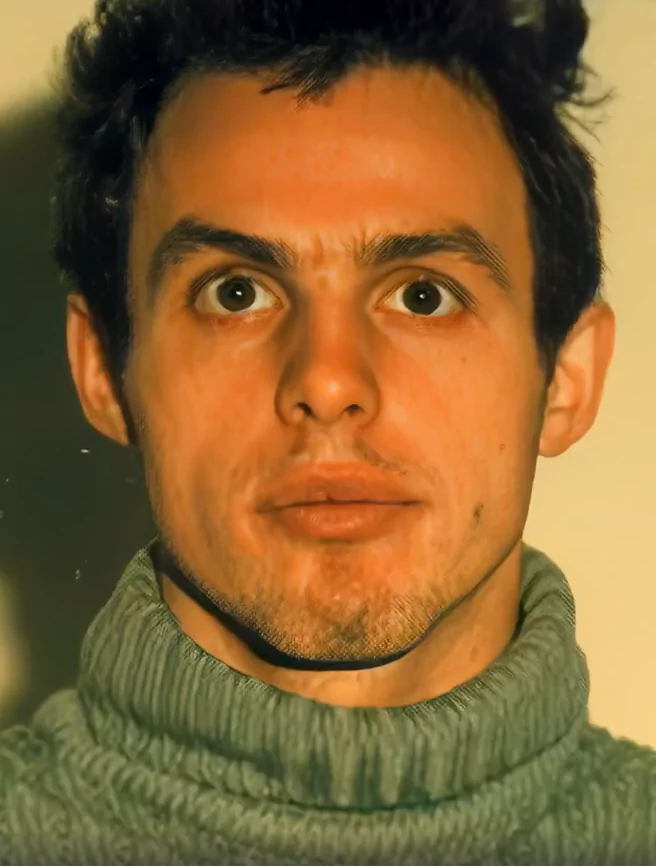
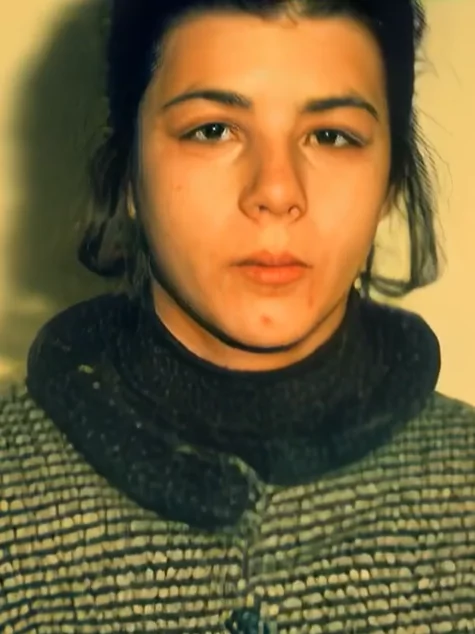
Gennady Kalinin was detained in Ivanovo. According to Dokin, searches were carried out at several addresses at once. Among the awards found was one of the orders that belonged to Kholostyakov. Then Dokin said to Kalinin: “Gena, you killed old people for this toy.” After this, according to the operative, Kalinin was “dumbfounded” and said:
We didn't want to, we didn't want to kill them."
Investigator Tikhomirov gave a slightly different version of events. According to his recollections, Kalinin was interrogated by the head of the investigation, Alexander Speer. He, as Tikhomirov claimed, hid from the alleged criminal that Kholostyakov and Sidorova were dead - when Kalinin admitted to the attack, he thought that they had survived. “One of the very high-ranking officials of the Moscow police, who was present at the interrogation,” asked Kalinin why he killed Kholostyakov and Sidorova, and “after that Gena closed himself off, and for a long time.”
Inna initially managed to escape. She was hiding in her friend’s apartment, said operative Sidorov. He recalled that when she was caught, she said: “I was about 300 meters from the house and watched you running there.”
"Forever in the people's memory"
In total, according to investigators, since 1980, Kalinin and his companion have committed several dozen thefts in different cities of the USSR. According to Dokin, Kalinin had a book about orders and medals with the names and titles of the people who received them. Arriving in a particular city, Kalinin checked people at the address bureau. Sometimes he simply met people with awards on the street and introduced himself to them, saying that he was a journalism student. Finding themselves in the apartments of front-line soldiers, Gennady or Inna asked to bring them water and at that moment they stole awards, investigator Tikhomirov said.
They learned about Kholostyakov, according to one version, from “Evening Moscow”, according to another, from the book “Forever in People’s Memory.” They managed to find out his address thanks to Mosgorspravka.
The “students” came to Kholostyakov and Sidorova more than once: the first time they failed to steal anything. “Returning home on July 14 after the second visit, I had a lot of time to think, and I became dissatisfied with myself. It turned out that I lost, I was unable to achieve my goal in difficult circumstances. There was excitement,” Kalinin said in his testimony.
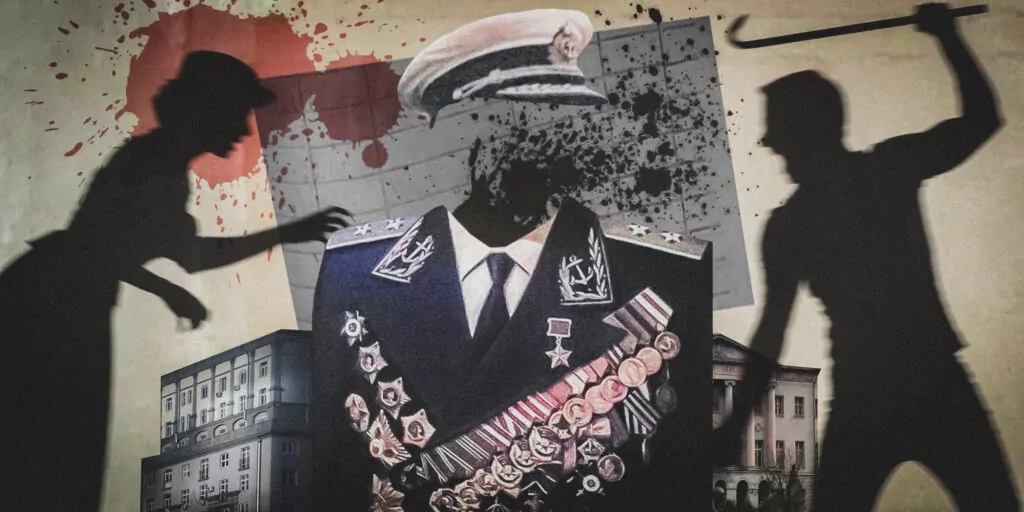
On the morning of July 18, the Kalinins again came to the vice admiral. “Bachelors said: “Leave your purses, otherwise maybe you have a pebble there and you’ll hit me on the head,” Kalinin said.
He had a metal prybar with him, wrapped, according to various versions, with either a bandage or electrical tape. When Natalya Sidorova, standing in the kitchen, turned her back to him, Kalinin hit her on the head. She screamed and grabbed her head, but did not fall. After that, Kalinin hit her again. Kholostyakov, according to operatives, ran to help his wife, and then Kalinin hit him too. He fell to the floor only after the seventh blow with a tire iron. In the meantime, Inna took Kholostyakov’s jacket with awards, investigators said.
This was not the only murder committed by the “journalist”: Kalinin also killed a pensioner in the Ivanovo region in order to steal an icon from her. In 1984, Gennady Kalinin was sentenced to death, and his companion Inna Kalinina was sentenced to 15 years in prison. The exact date of execution of the sentence, as well as Inna’s further fate after serving her sentence, are unknown. Sidorova's granddaughter, Natalya Kunikova, became a translator and expert on Japanese literature. She does not discuss this tragedy publicly.
Author: Maria Efimova