
Translated material
How a new war began
The USA and Israel bomb Iran - and it responds (for example, with strikes on the emirates). We briefly tell you what happened on the first day of this conflict.
12 hours have passed since the start of the US-Israeli operation against Iran. US President Donald Trump and Israeli Prime Minister Benjamin Netanyahu said its goal is to eliminate the threat from the Iranian regime. Military facilities throughout Iran were subjected to missile and air strikes: missile bases in Kermanshah, Hamadan, Tabriz, missile production centers and missile force command centers in Tehran and the surrounding area, in Isfahan and Qom.
Unofficially, Israeli sources reported that among the top targets were Iran's top leaders: Supreme Leader Ayatollah Ali Khamenei, President Masoud Pezeshkian, Secretary of the Supreme National Security Council Ali Larijani, Defense Council head Ali Shamkhani, Defense Minister Aziz Nasirzadeh, Islamic Revolutionary Guard Corps (IRGC) commander Mohammad Pakpour and others. There is still no exact information about their fate. Since the beginning of the war, only Foreign Minister Abbas Araghchi has appeared in public among Iranian senior officials.
In fact, American and Israeli leaders declared the goal of the operation to overthrow the ayatollah regime in Iran - or at least create the conditions for Iranian protesters to overthrow it.
For the Israeli Air Force, the operation on February 28, 2026 was the largest in its history. About 200 aircraft were involved in it, they struck about 500 targets.
Iran, for its part, launched missiles at Israel and at the most important American bases in the Middle East: Al-Udeid in Qatar, Ali al-Salim in Kuwait, Al-Dhafra in the UAE, as well as the headquarters of the US Fifth Fleet in Bahrain.
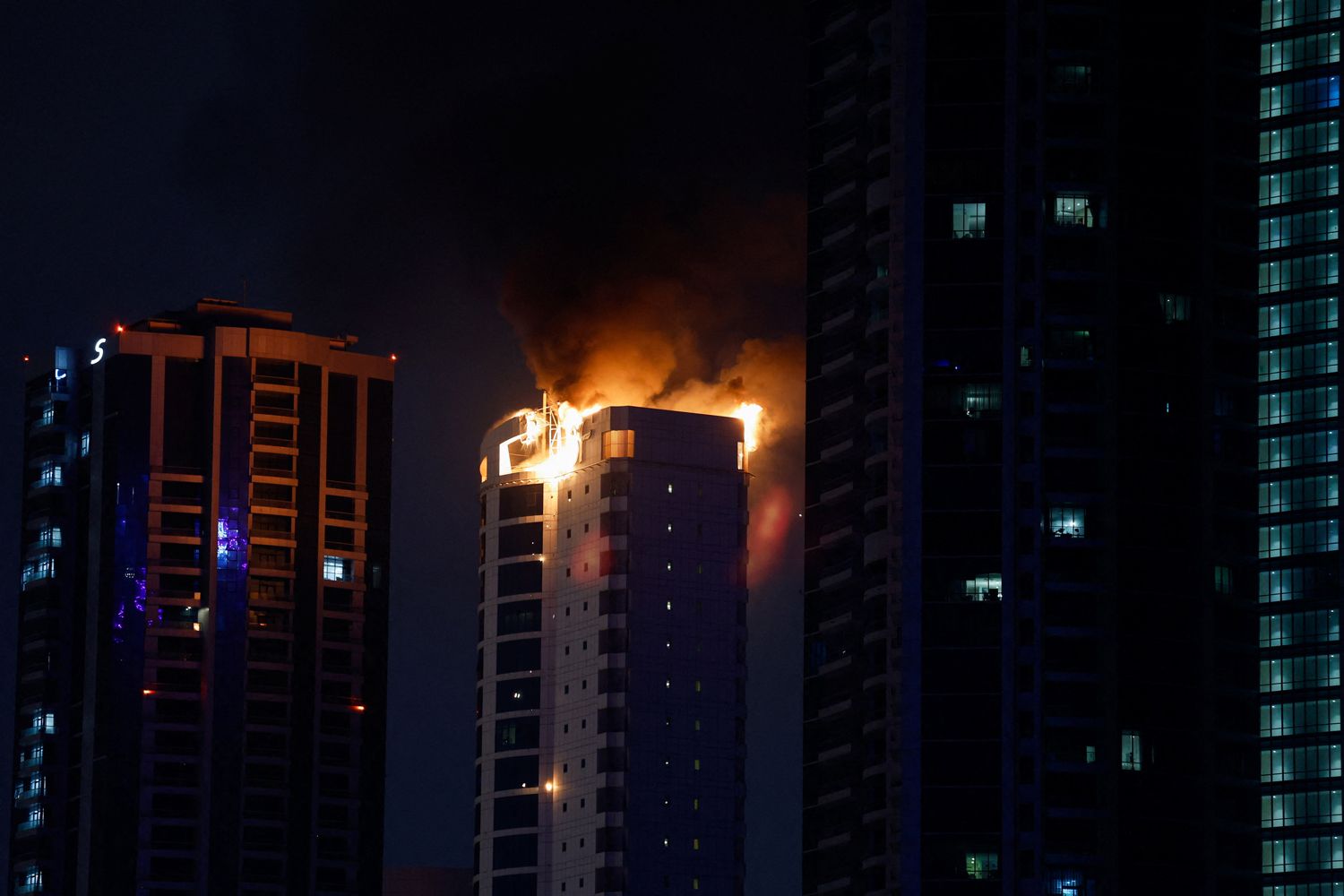
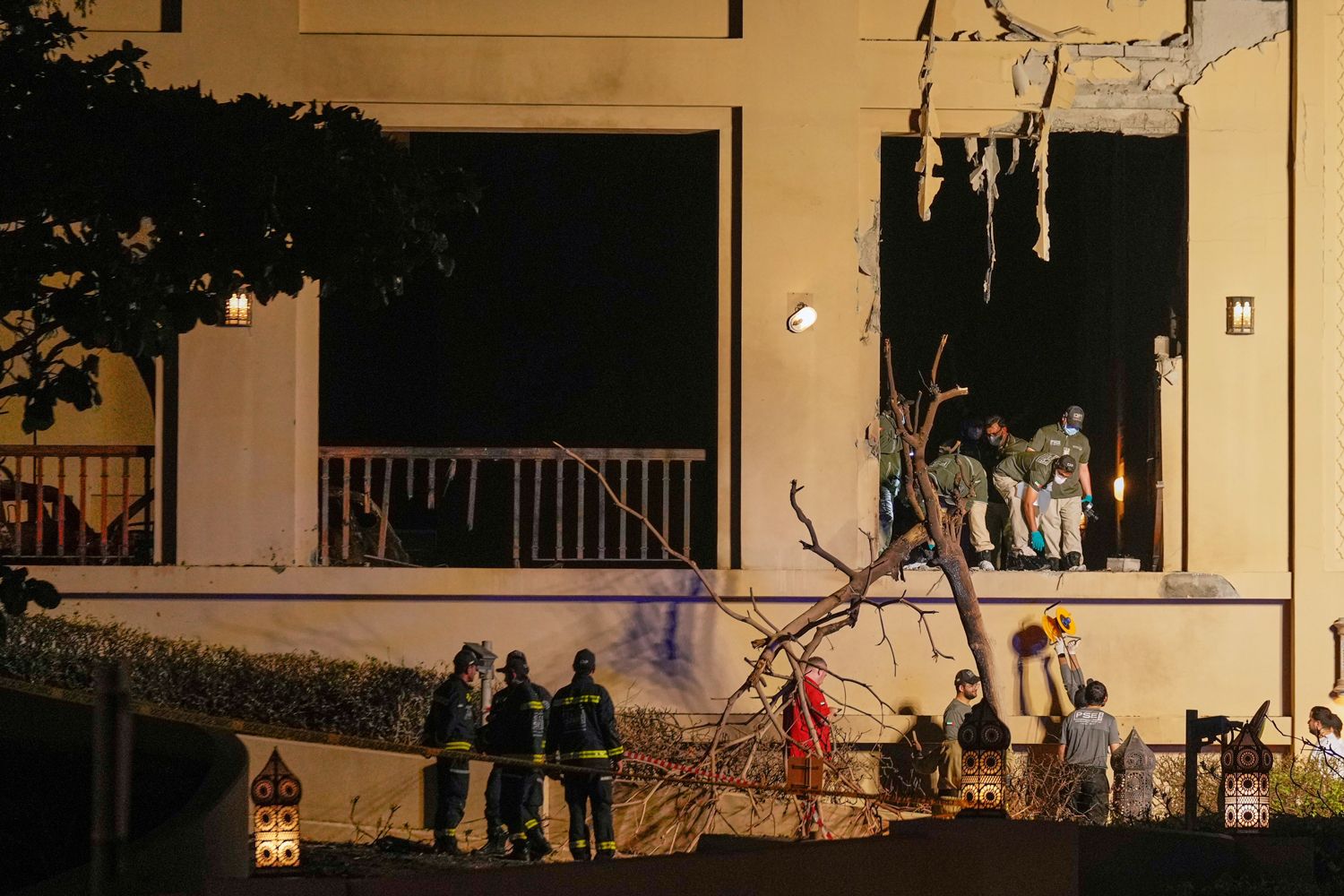
Iranian missiles or their debris fell in Abu Dhabi and Dubai in the UAE. Saudi Arabia was also attacked: an air raid alert was activated in the Eastern region of the country (the main center of oil production), as well as in the capital Riyadh. In addition, Iran attacked other US allies in the Persian Gulf (in particular, airports in Kuwait, Qatar, Bahrain and the UAE) with long-range Shahed kamikaze drones.
At least some of the Iranian strikes succeeded. According to unconfirmed reports, a radar was destroyed in Al-Udeid, and a fire broke out at the base in Bahrain.
It is known that one person died in Abu Dhabi, four more in the Syrian Suwayda, where debris fell from a downed Iranian missile, which was apparently flying to Israel.
According to preliminary data from the Iranian Red Crescent, more than 200 people were killed and more than 700 were injured as a result of the American and Israeli strikes.
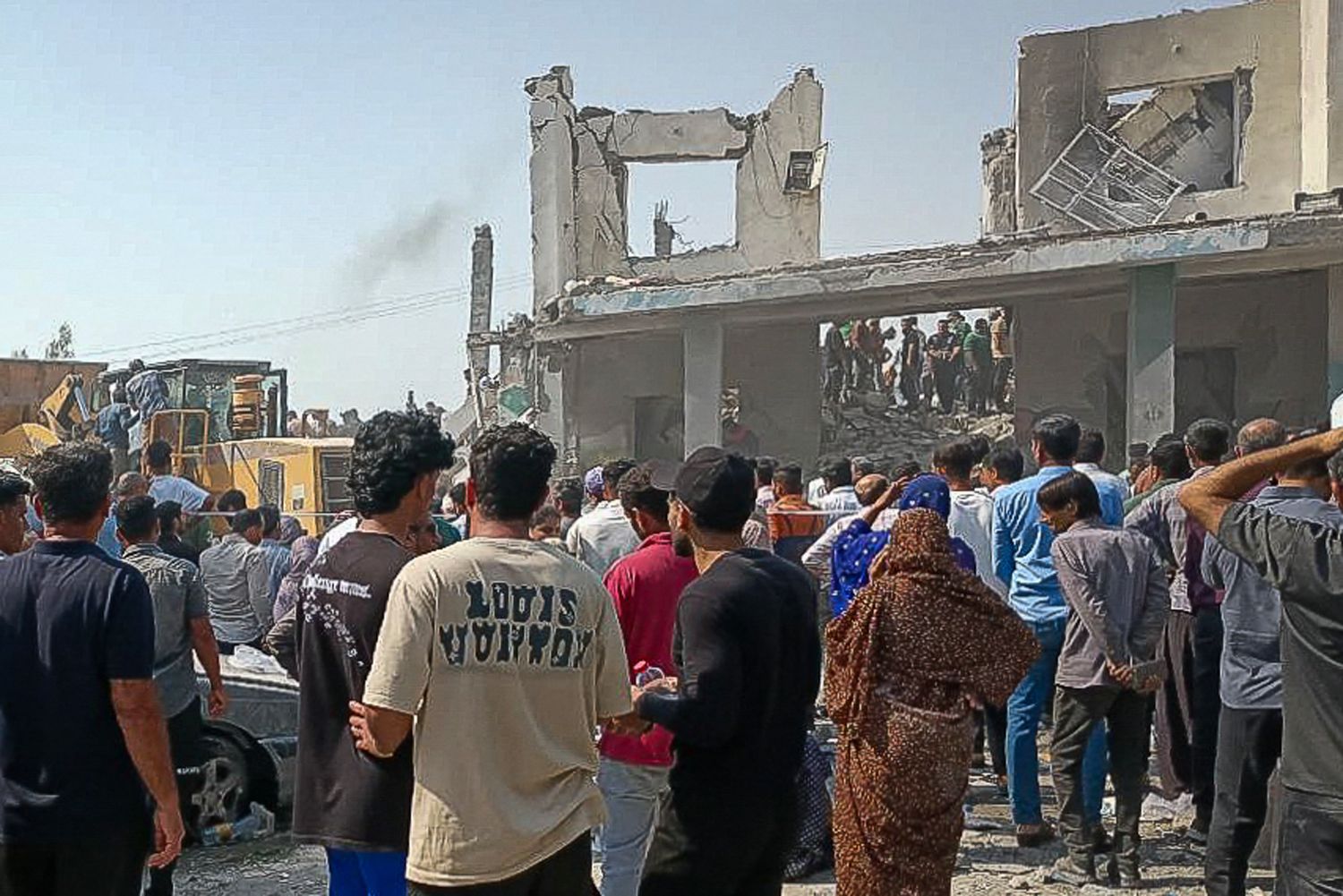
According to Iranian news agencies, a girls' primary school in the city of Minabe in Hormozgan province in the south of the country was hit. According to the local prosecutor's office, at least 85 people died - how many of them were students is not specified. There is no independent confirmation of this information. The strike was likely targeted at the IRGC base in Minab.
Late in the afternoon, Iran announced that it was closing the Strait of Hormuz, the outlet from the Persian Gulf to the Indian Ocean through which about a quarter of all global oil traffic passes. How exactly the Islamic Republic plans to block it is still unclear: its own fleet consists mainly of small boats, while the United States can send several large ships into the strait if necessary. Theoretically, Iran could attack passing tankers with drones or mine the strait, but there have been no reports of this yet.
Do you want to understand what is happening in Iran? Very soon, the Meduza publishing house will publish the second edition of Nikita Smagin’s book “Iran to Everyone” - the most important book about this country. You can pre-order now.