
Translated material
More than 30 countries have unlocked the largest strategic oil reserves in history
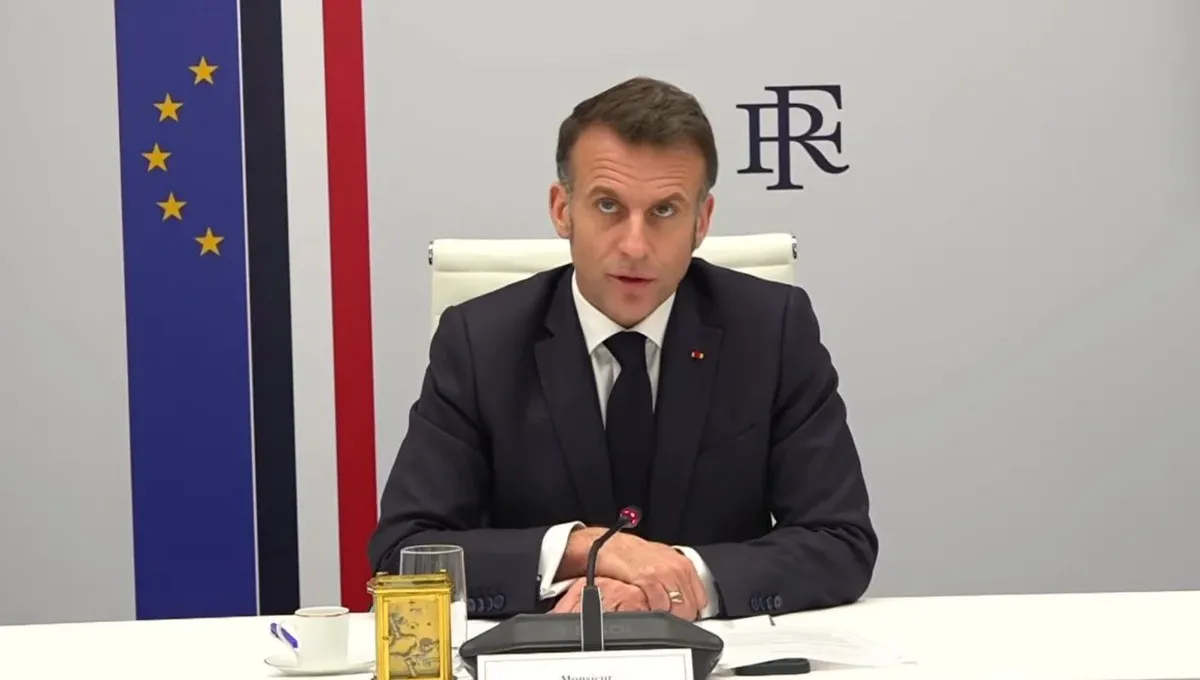
The authorities of 32 countries that are members of the International Energy Agency (IEA) have decided to release 400 million barrels of oil from strategic reserves, French President Emmanuel Macron said following a video conference of G7 leaders.
“400 million barrels is approximately 20 days for barrels to pass through the Strait of Hormuz. So this is a significant measure, this is the largest release of barrels since we began to practice such actions with strategic reserves,”
— the French leader specified.
According to him, “the release of reserves will be carried out in stages, depending on the development of the market situation and in coordination with key partners. For France, the volume will be about 14.5 million barrels.
The President emphasized that we are talking about resources that states store under their obligation in domestic markets.
“We are not taking them away from anyone. These reserves are intended to regulate the market and allow intervention in the event of destabilization,”
- he explained.
“Emergency supplies will be made available to the market for a time appropriate to the national circumstances of each member country, with individual countries further subject to additional emergency response measures,” the International Energy Organization said in a separate statement.
The main goal of the measure is to stabilize world oil prices against the background of the ongoing Israeli-American bombing of Iran and the Iranian retaliatory strike, which affected shipping in a strategically important region. According to Macron, there are currently “several hundred tankers and container ships docked on both sides” of the Strait of Hormuz.
In parallel, the G7 countries agreed on three areas of work to ensure freedom of navigation: a naval presence in the eastern Mediterranean; maintaining free passage through the Red Sea within the framework of the already existing EU operation Aspides; and preparing to coordinate multiple navies to escort ships through the Strait of Hormuz - work Macron said would take several weeks.
“At the moment, the conditions have not been met - the strait is a theater of military operations, but this work must be organized. We proposed to prepare it in parallel with work with maritime companies, carriers and insurers,” said the French President, who earlier on Monday, March 9, had alreadyannounced the preparation of a “purely defensive mission” to escort ships in the Gulf of Hormuz with the participation of “European and non-European partners.”
According to Macron, the G7 leaders also confirmed the consensus that the current crisis “does not justify” changing approaches to sanctions against Russia, and should not “reduce our attentiveness to Ukraine.”
The conflict in the Middle East, which began on February 28, 2026, has disrupted oil flows through the Strait of Hormuz: exports of crude oil and petroleum products are now less than 10% of pre-war levels, according to the IEA.
IEA member states have more than 1.2 billion barrels of strategic oil reserves, as well as 600 million barrels of industrial reserves. Prior to this, since the agency was founded in 1974, the decision to use oil reserves has been made five times - in 1991, 2005, 2011 and twice in 2022.