
Translated material
The Gulag History Museum has been liquidated: what will happen to the memory of repression?
On February 20, 2026, it became known that a new museum dedicated to the genocide of the Soviet people in World War II would appear on the site of the Moscow Museum of Gulag History. We asked former employees, researchers and activists what the museum's demise means for preserving the memory of victims of repression and what consequences it might have for society and regional initiatives.

Homemade doll from the collections of the GULAG History Museum, 1940s - late 1980s © State GULAG History Museum
In November 2024, the Moscow Museum of Gulag History was closed “due to non-compliance with fire safety regulations,” and two months later it became known about the dismissal of director Roman Romanov, who had led the museum since 2012.
Anna Trapkova, director of the Museum of Moscow, was appointed to replace Romanov. At this time, the museum team continued its non-public work: it conducted research and fund activities, advised on the restoration of family history, and provided support to victims of political repression of the 1930s–1950s.
And on February 20, 2026, it was announced that a Memory Museum would open in the halls of the Gulag History Museum. The official website says that “it will be dedicated to the memory of the victims of the genocide of the Soviet people. The exhibition will cover all stages of Nazi war crimes during the Great Patriotic War.” Natalya Kalashnikova has been appointed the new head of the museum. The opening is scheduled for June 22, 2026, the anniversary of the start of the Great Patriotic War.
According to Kalashnikova, the museum will feature thematic installations and interactive exhibits - for example, a carriage for sending people to death camps, a recreated room of a resident of besieged Leningrad, as well as scales from a concentration camp on which the hair of prisoners was weighed before being sold. “One of the key tasks of the museum is to form among the modern generation a strong rejection of Nazism in all its manifestations. This is especially important now, when there are almost no real witnesses to those terrible events left,” said the new director. “In the Woods” talked to researchers, activists and former employees of the Gulag Museum about what its closure means and what fate awaits the unique funds that have turned out to be unclaimed and even “dangerous” in modern Russia.

Vladislav Staff,
What do you think it means to completely change the concept of the museum - from the memory of the victims of political repression to the memory of the genocide of the Soviet people during World War II?
It’s difficult for me to talk about the logic and goals [of closing the Gulag Museum]. In recent years, a new narrative has emerged in Russia about the “genocide of the Soviet people during the Great Patriotic War.” Previously, as far as I know, such a formulation was not used, and if it was encountered, it was not part of the state historical policy. However, similar ideas began to appear back in the late 2010s - just remember the illegal excavations of the Russian Military Historical Society in the Sandarmokh tract to find Soviet soldiers shot there by the Finns during the Finnish occupation of Karelia. Or how in 2020, a “concentration camp museum” was opened in the Karelian village of Vatnavolok to show schoolchildren the period of occupation and to engage in patriotic education with children.
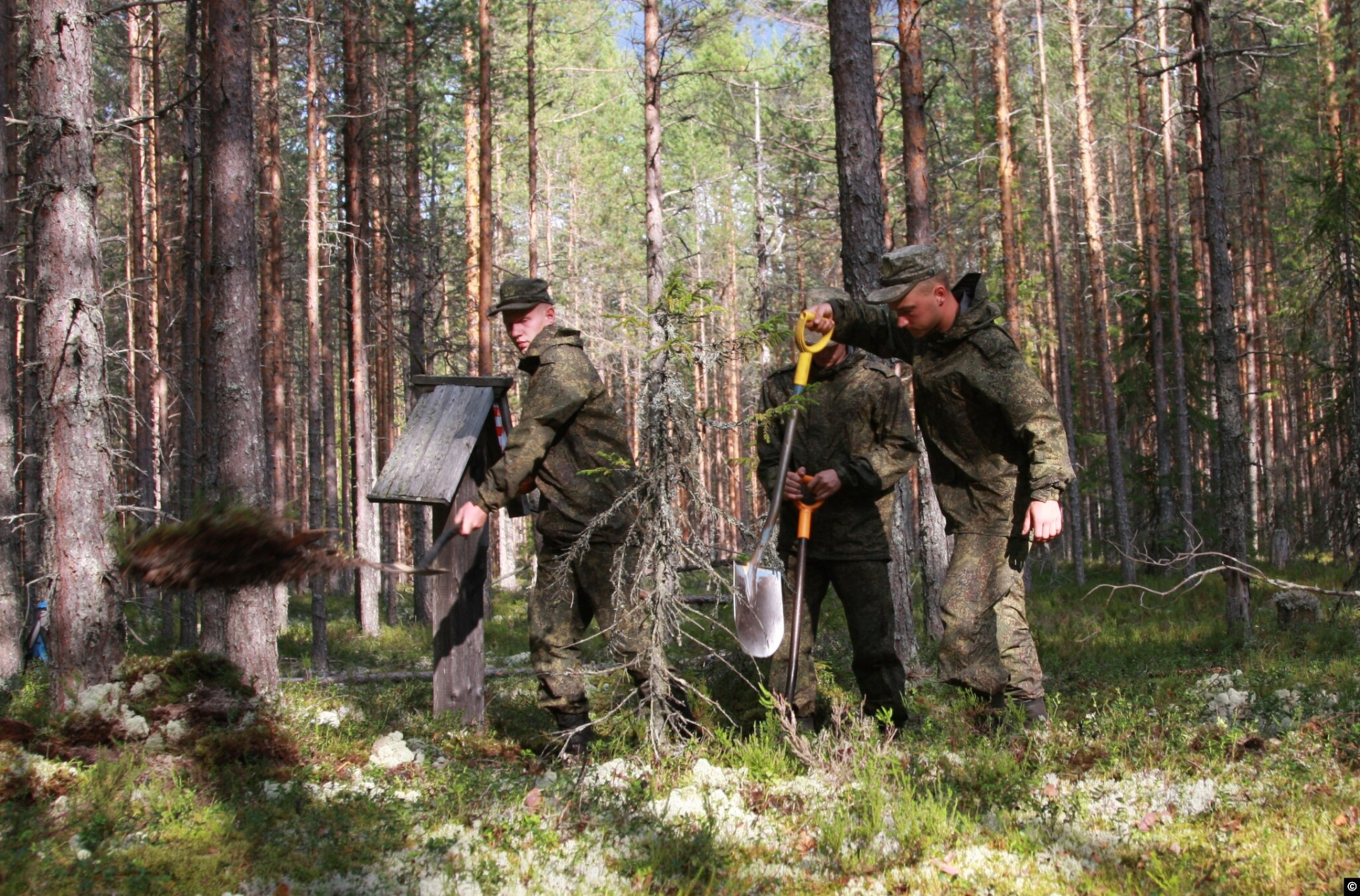
Excavations of the Russian Military Historical Society in the Sandarmokh tract, August 2018 © Iofe Foundation
What the “Memory Museum” will look like on the site of the former Gulag History Museum is still unclear: there are no concepts presented yet. However, it is obvious that we are talking about replacing one vision of history with a completely different one. Previously, one could find a partial justification for the Gulag: “without the Gulag it was impossible to win the war” or “that was the time.” However, the liquidation of the Gulag History Museum is not a justification for the Stalinist Gulag, but simply erasing the memory of three decades of the Soviet camp system in order to replace it with the memory of Nazi crimes in the occupied Soviet territories. And this despite the fact that the theme of “genocide of the Soviet people” is already presented in Moscow and the Moscow region in a number of museums and exhibition spaces from Patriot Park to VDNKh.
Will the closure of the “central site” affect regional museums?
I'm afraid so. Already in the mid-2010s, it was clear how differently things were with the memorialization of Soviet repressions in different regions of Russia: for example, in 2014, the liquidation of the Perm-36 museum began, and there were already problems with the [regional branches] of the Memorial society*. And at the same time, in 2015, a museum telling about the Gulag was opened in Moscow in a new building, with generous government funding. The museum was to some extent a “compromise” on how one could safely talk about the Gulag in post-Soviet Russia: the exhibition did not have a section on the late Soviet camps, everything ended with the death of Stalin and the liquidation of the Gulag. Nevertheless, many visitors came to the museum, lectures, conferences, concerts and performances were held. In 2015, both the Memory Fund and the Association of Russian Memory Museums, which included museums from different regions of Russia, appeared on the basis of the Museum. The Memory Fund organized exhibitions in regional museums; its employees were even able to buy the entire premises of the NKVD Investigation Prison museum in Tomsk in order to expand its territory and create a new, more modern exhibition. Since 2020, a lot of work has begun to study the Dneprovsky mine in the Magadan region for further museumification. Now these projects can hardly be continued.
Memorial
The International Society "Memorial" was included by the Ministry of Justice of the Russian Federation in the list of foreign agents.
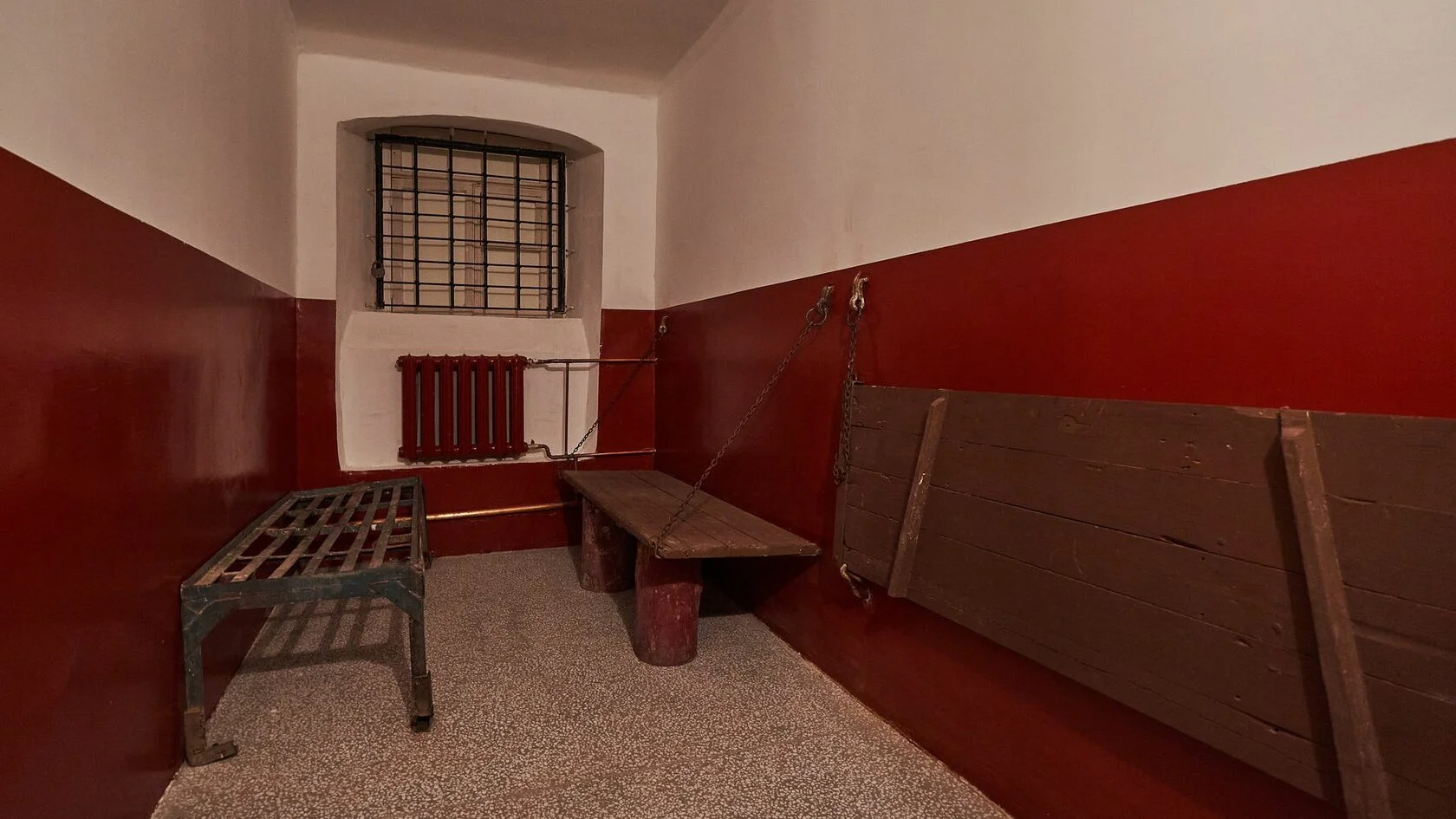
A museumized prison cell in the NKVD Investigation Prison museum in Tomsk © Memory Foundation

Anonymous expert
The exhibition of the new museum will be built around the concept of “genocide of the Soviet people.” What does it mean?
The concept of “genocide of the Soviet people” is not scientific, because there was no unified policy of total extermination against all citizens of the Soviet Union. If we are talking about the Second World War, then the Soviet Union became, firstly, a space for the implementation of pan-European practices of extermination - primarily of Jews and Sinti and Roma. But there was also its own specificity: in relation to Soviet prisoners of war, who are the second group of victims after the Jews in terms of the number of those killed. This is also occupation terror, which, however, is comparable to occupation terror in Poland or occupied Yugoslavia (Serbia). Plus the tragedy of the Ostarbeiters, but again there were Ostarbeiters in all the occupied territories. Accordingly, the concept of “genocide of the Soviet people” simply erases and cancels all these specific historical phenomena. This is undoubtedly a convenient political construct, built on the logic of victimhood nationalism - the idea that Russia, as the legal successor of the USSR, has always been a victim of the crimes of others. As many centuries ago, so during the Second World War.
And the topic of “genocide of the Soviet people” allows you to avoid talking about the mistakes and crimes of the Stalinist leadership
If the same blockade of Leningrad is exclusively genocide on the part of the Nazis, then the actions of the Soviet leadership of Leningrad in those years no longer look like criminal negligence or a criminal policy towards its own citizens.
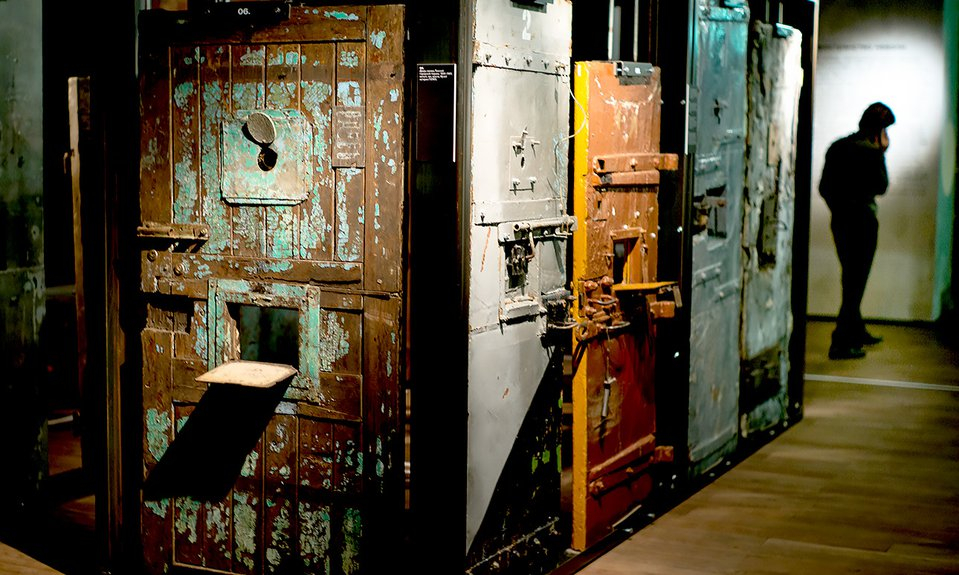
Fragment of the old exhibition of the GULAG History Museum © State GULAG History Museum
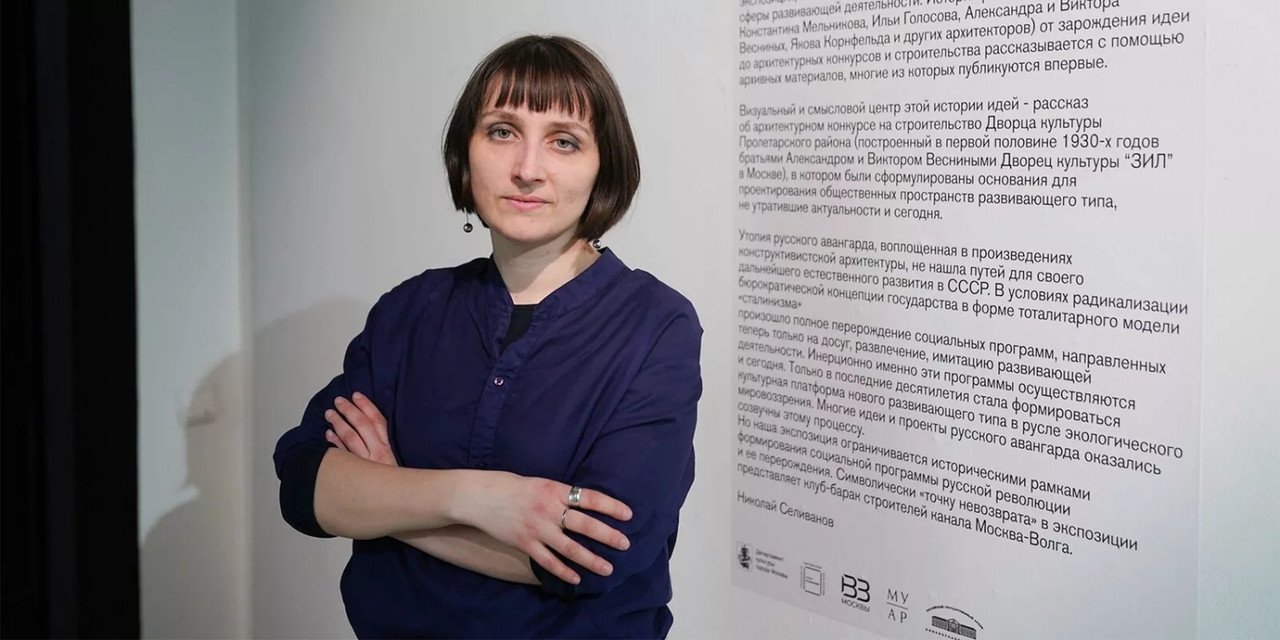
Alexandra Selivanova,
What fate awaits the exhibition and museum funds?
Of course, there will be no traces of the old exhibition, collection or general theme of the museum. This causes horror and very serious concerns for me, although it would seem that the collection of a state museum cannot be thrown into the trash. However, anyone who has worked in museums understands that a collection can be treated in such a way that after a few years there will be nothing left to store. And this is especially true for the collection of the Gulag Museum, which consists of very fragile objects. All of them require special storage conditions: for example, sculptures made from bread crumbs, toys sewn from some scraps, very old letters and documents, drawings. Everything that the relatives and friends of the repressed so carefully kept, and what they handed over to the museum with hope and trust, will be put into boxes and sent to storage. And in what form and how it will be stored is absolutely unclear. I am afraid that these storage conditions will be such that these things will not survive until the moment the museum opens again - but I still believe in this.
Does this undermine the credibility of the museum as an institution?
Yes, this is a serious blow to the reputation of the state museum. Of course, the history of the 20th century shows us that no museums are citadels of memory, collections were sold, transported and disappeared, but society still has some kind of trust in museums: people are ready to transfer there the most valuable things, things that have been kept at home for decades. Even among my colleagues and friends there are those who were going to donate something to this museum, but for one reason or another it didn’t work out. And now they are happy about it. Of course, there remain digitized archives, online materials, recorded interviews, maps made, filmed remains of camps, found burials, and so on. This is the entire body of knowledge that has been collected over the past decades, and it is not going anywhere. However, the dissemination of this knowledge and the place for its discussion are missing. The renewed museum will open on June 22, and I am sure that from September 1, schoolchildren will be actively taken there, who will be told how the whole world tried to destroy the Soviet people. But we already have a lot of museums about Nazism, the crimes of the Nazis during the Great Patriotic War. But in general there are no platforms where you can learn something about repressions and deportations.
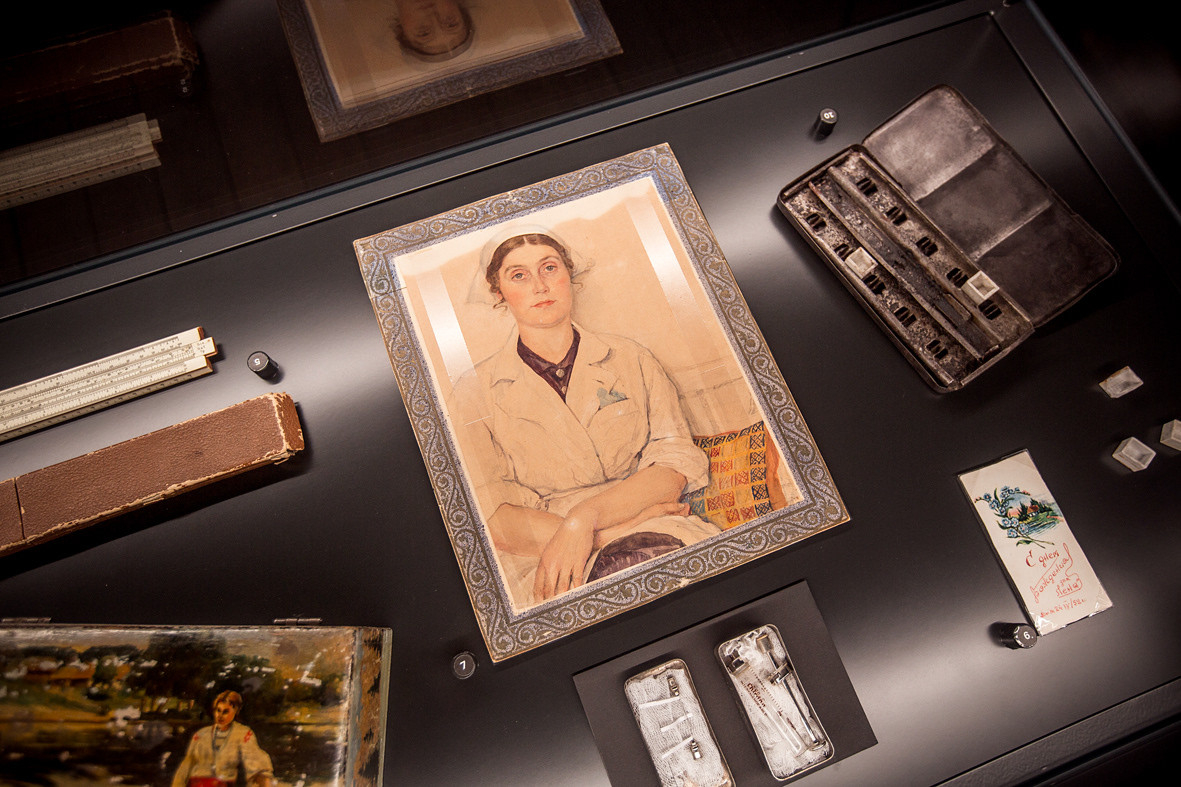
Fragment of the old exhibition of the Gulag History Museum © Bright. Lighting design studio

Oksana Matievskaya,
How does the closure of the state museum affect the preservation of the memory of repression in general?
The actual closure of the Gulag History Museum is a refusal to comprehend the tragedy that happened to us, to our society. Grandfathers fought, but grandfathers sat and imprisoned people too. While working on “The Last Address,” we daily encounter the relatives of victims of state terror and know very well how sensitive this topic is, how painful it is when justice cannot be achieved with even a symbolic gesture. And how important it is for relatives, colleagues, and fellow countrymen to remember people who don’t even have graves. But it turned out that it is difficult to work with a difficult memory, where not all “ours” turn out to be heroes - it is much easier to have an enemy outside.
The Gulag History Museum was the only state museum dedicated to the topic of repression. By closing it, the state is demonstratively refusing to study this page of history.
Why exactly now this page turned out to be sealed, like pages in archival files, is worth understanding. What do they want to hide, why?
I would like to hear the answer to these questions from those who made the decision. But they refuse to speak directly to society. They fire one director, appoint another who runs a non-functioning museum, then a third - what kind of leapfrog is this and what is it connected with? This lack of transparency is a sign of the city government's lack of respect for citizens. There is also a question for the Moscow City Duma, which in 2022, two years before its closure, awarded the museum a certificate of honor for services to the city community. Why, having especially noted merits, was the museum not needed? Or are these insignia worth nothing? In the same way, no one received an answer to the question, where did the monument to the victims of political repression from Muzeon Park go [in November 2025]? The townspeople cease to feel at least some connection with the city authorities, and the authorities, obviously, do not consider it necessary to enter into dialogue with those who hired them to manage the city and who support them with their taxes.
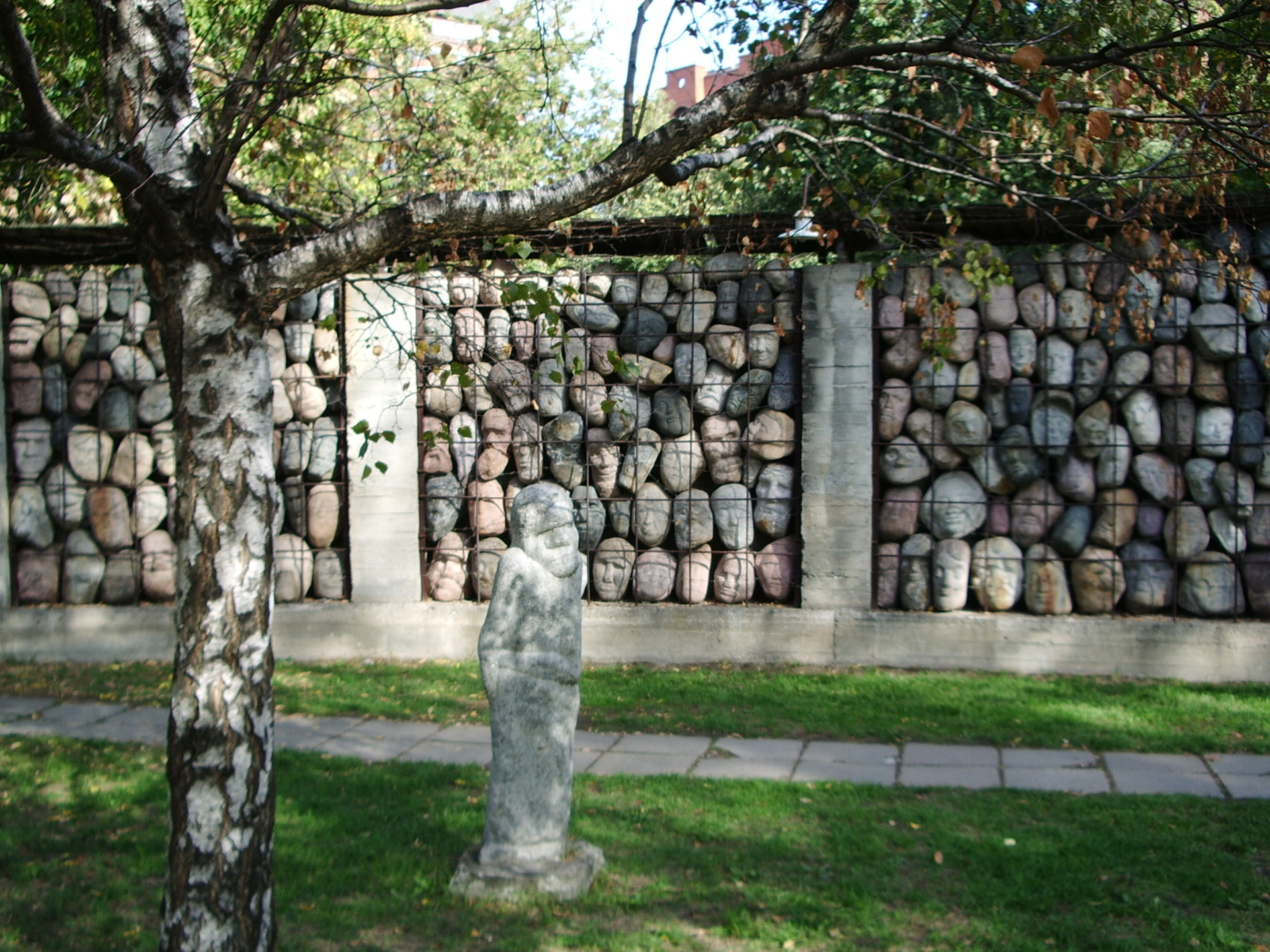
Monument to the victims of political repression in the Muzeon Art Park, 2010 © Andreykor / WikiCommons
Former museum employee
How expected was the news about the “renaming” of the museum?
I parted ways with the Gulag History Museum in 2020, but I keep in touch with my colleagues and have been aware of the situation for quite a long time. I had known for a long time that the museum would be closed or remodeled. To be honest, what was more surprising was that he worked until the end of 2024. It was such a strange disruption in the system, a singularity. There was almost never any need for the Aesopian language we often speak today in public contexts. There was some kind of scientific honesty of historical fact, which did not need to be surrounded by scenography and “multimedia”, but very delicately presented.
Do you think that the future of memory of repression now lies with the regions and grassroots initiatives?
I seriously doubt that in the long term there will be any large institutions dedicated to the memory of repression, especially government ones. I can assume that de-institutionalized communities in the regions have a better chance of surviving, simply because there is less attention to them.
It seems to me that work with the memory of repression is generally marginalized, as it was in the late Soviet period. It can become a strange, eccentric hobby that borders on illegality. After all, the museum also solved a very important task: it placed work with memory, reflection and conversation about it in the field of mainstream, permitted and even encouraged activity.
Over the years, a community has developed around the museum - colleagues, researchers, visitors, volunteers. Has this community disintegrated or does it exist in some other form?
From the point of view of the community that the Gulag History Museum has nurtured, I can only say about the professional, museum community. Here, in its own way, a new museum school was born: it eschews the provincial copying of large foreign studios, but also keeps its distance from the age-old post-Soviet museum traditions. Many museum employees now continue to work in other institutions, which personally makes me very happy and inspiring.
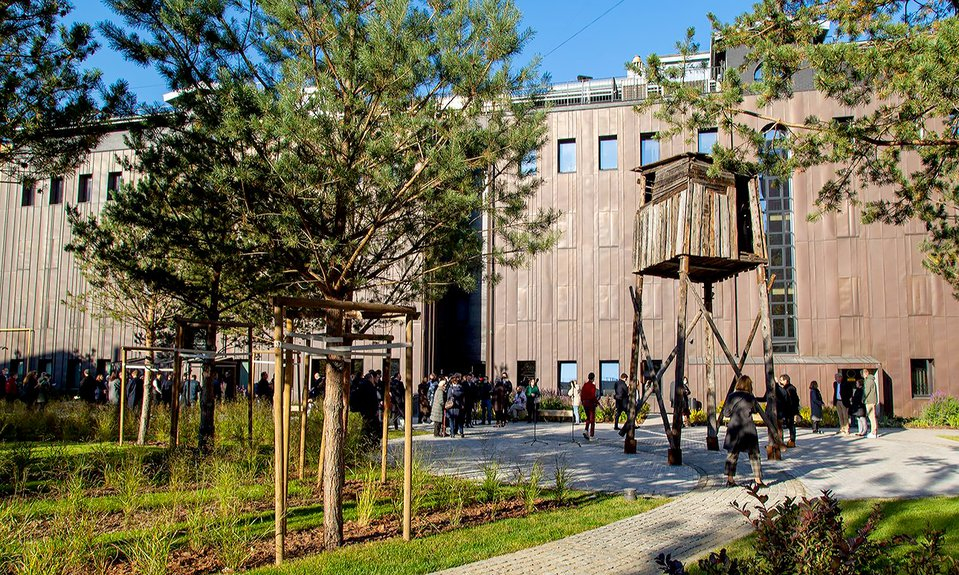
Memory Garden in the courtyard of the Gulag History Museum with a replica of the camp tower © State Museum of Gulag History
Former museum employee
Did you have any hope that the museum would still be opened after the episode with non-compliance with fire safety regulations?
There was no hope that the Museum would be opened from the very beginning. I had two theories about the future of the museum. The first is like the Mayakovsky Museum in Moscow - they will simply close the exhibition, but objects from the funds will be given to others, and at least some scientific work will remain. Although the Mayakovsky Museum, judging by the news, will indeed open soon. And the second option, which was eventually implemented, is like the museum of the siege (then defense) of Leningrad. The Leningrad Defense Museum was opened in 1945; it was liquidated during the Leningrad Affair. For several years the museum was simply closed to visitors, and in 1952 it was closed completely. Nobody needed the memory of the blockade then. It was reopened in the 1990s, when it became possible to deal with the difficult past. Apparently, even with the Gulag we will have to wait until the new Perestroika.
What are your biggest concerns about the Museum's closure?
The consequences of the museum's closure are global. Foreigners came to the museum, it’s a whole culture to come to a new place and go not only to the national historical and art museum, but also to the museum of memory. Now no one will know this story. There were international projects, communication with memory museums in other countries. Of specific things, both people and the collection cause concern. I am sure that we will not see the items from the funds - they will be hidden in storage far away. People for whom this topic is important have nowhere to go; they shouldn’t expect exhibitions, performances, or lectures. We will, like previous generations, discuss it in the kitchen, and on telegram.
Do you believe that the memory of repression can be preserved without state museums?
Memory can always be preserved, it was somehow preserved until our time, even without the Internet. There are no witnesses, but there is a video interview; items can be destroyed, but a digital trace will still remain, there are scans of documents, digital projects. I believe in private initiatives. The time has come for exhibitions in apartments and workshops. Caring people will still explore and report.