
Translated material
Cherche la extremism
The cases (at least two) of the former Galitsky spouses are full of surprises and promise an exciting continuation

Aliya Galitskaya. Photo: social networks
The suicide of Aliya Galitskaya on February 6 in the temporary detention center of the city of Istra wove several stories into a tangled knot, some of which lead far from family feuds.
On March 11, the General Prosecutor's Office appealed to the Tverskoy District Court with a demand to recognize Alexander Galitsky and his business structures as an extremist association and to convert his property to the value of 8 billion rubles. into state ownership. And the day before, Galitskaya’s lawyer Dmitry Emelyanov reported that the case of extortion against his trustee, based on the results of the prosecutor’s check, was terminated “due to the lack of information confirming the presence of signs of extortion,” that is, due to the absence of the crime itself (Part 1 of Article 24 of the Code of Criminal Procedure of the Russian Federation).
This already indicates that the interconnected cases of the former Galitsky spouses are under special control and will continue: if the investigative authorities wanted to let the extortion case slide, as often happens, it would have been terminated due to the death of the accused (Part 4 of Article 24 of the Code of Criminal Procedure) and buried with her.
The termination of the case under Part 1 retrospectively raises the question of the likelihood of initiating a case against the investigator under Art. 299 of the Criminal Code of the Russian Federation: “ Bringing a knowingly innocent person to criminal responsibility or illegally initiating a criminal case.”
There may also be a composition for Judge Fyodor Grigoriev, who agreed to take Galitskaya into custody: Article 305 of the Criminal Code: “Imposition by a judge of a deliberately unjust sentence, decision or other judicial act.”
In the event of grave consequences, and the suicide of the accused may be classified as such, the investigator and judge may face from five to ten years in prison.
Having said “a”, you must also say “b”. The question is who, besides the deceased’s lawyers, is interested in this.
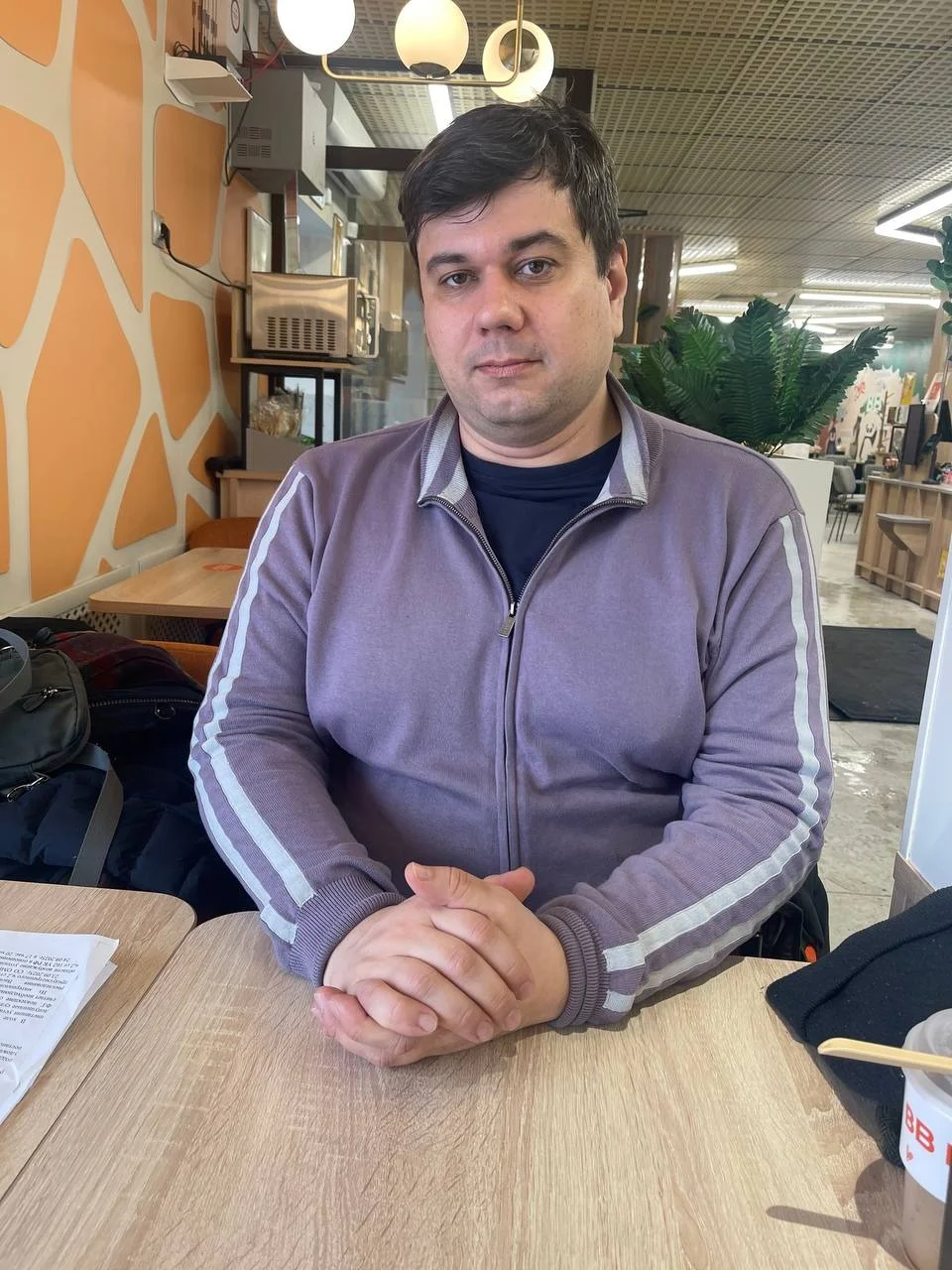
From the first reports from TASS and Interfax on February 19, we know that the story of suicide “outraged” the Chairman of the Supreme Court Igor Krasnov. In turn, Judge Fyodor Grigoriev, with whom we spoke on February 21, told Novaya that he wanted to limit himself to bail, and the decision to take Galitskaya into custody was allegedly dictated to him through the chairman of the Istrinsky City Court, Irina Putynets, allegedly by the chairman of the Moscow Regional Court, Alexei Kharlamov. ( It seems that investigative or not quite investigative bodies can also be involved in confirming or refuting this version expressed by the judge - editor's note. )
In an interview with Novaya (on the website on February 23), Grigoriev admitted that he has no evidence of Kharlamov’s alleged interference in his consideration of the material regarding Galitskaya, and supposedly only Putynets can confirm this. Well, is there any evidence or will there be any? Then questions may arise to Kharlamov, the protege of Vyacheslav Lebedev, for whom he worked as a referee judge for several years. Coincidentally, this may be of interest to the current Chairman of the Supreme Court, if Krasnov really intends to continue getting rid of the “Lebedev legacy.” Moreover, changes are also possible in the leadership of the Moscow region due to the persecution of Sergei Shoigu’s deputies.
There are generally a lot of coincidences in this scenario - but what would a detective story be without them? The demand of the Prosecutor General's Office to recognize Galitsky and his business structures as an extremist association also seems to be an independent storyline. But this takes us back to the beginning: to the question of whether Aliya Galitskaya’s actions contained extortion.
After all, the fact that her ex-husband allegedly provided assistance to Ukraine became known precisely and only from her. We are not discussing the question of whether this is good or bad, we are only stating that Galitskaya, it seems, did not just blackmail Galitsky - before committing suicide, she could have ratted him out.
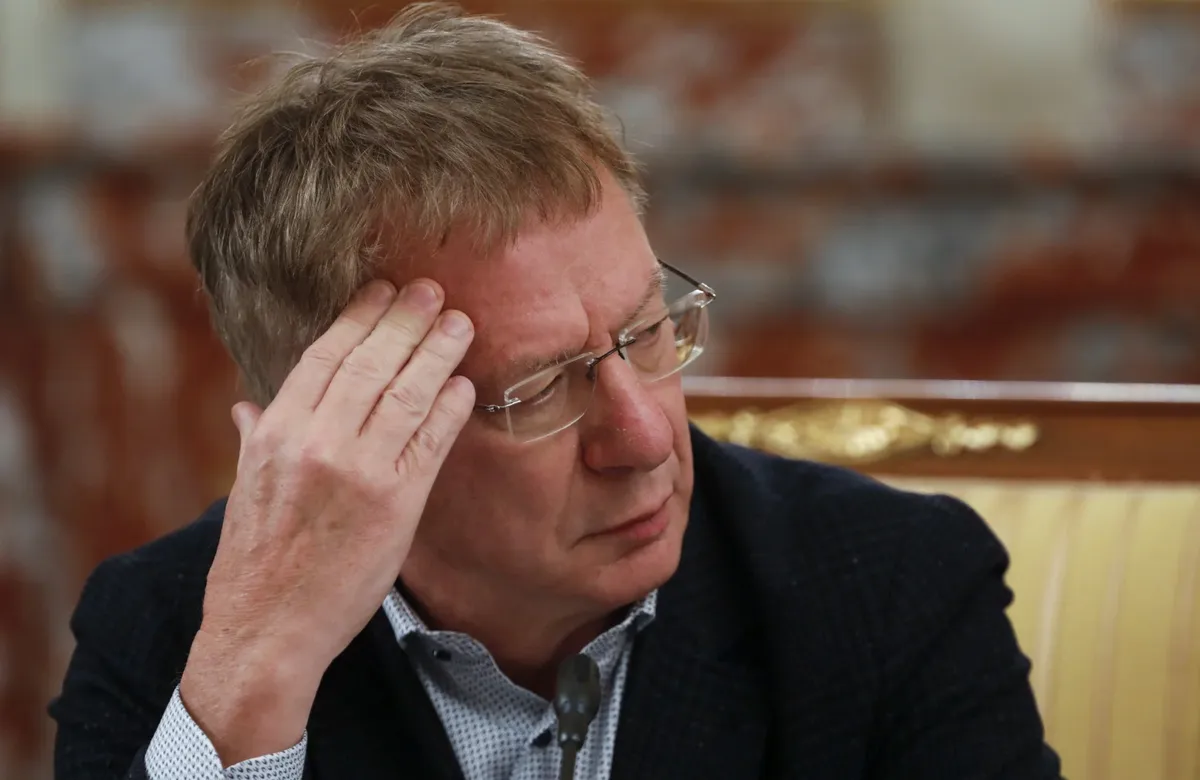
Ilya Shumanov* researched the biography and business structures of Galitsky for their joint project with Tatyana Felgenhauer*. He said that in Russia Galitsky worked very successfully with projects in the field of communications, where he could not help but contact the FSB. At the same time, he built an entire empire of startups, the bulk of which are located in foreign jurisdictions, in particular in the United States. According to Shumanov, what Galitsky is accused of as aid to Ukraine was, in fact, allegedly also an investment.
As a talented man in everything, Galitsky had several official and unofficial wives, and that’s how he got burned. Aliya Galitskaya, according to Shumanov, was not harmed by her ex-husband with property during the divorce, so the fundamental dispute concerned not money, but two daughters, who, according to a court decision, were supposed to live with their mother in Russia, but were allegedly kidnapped by their father and are abroad. Under such circumstances, blackmail cannot really qualify as extortion.
Lawyer Emelyanov, who parted ways with his trustee in the temporary detention center literally three hours before her alleged suicide, told me that she was depressed, like any person deprived of freedom for the first time, but was in a completely business-like mood:
they discussed her business assignments, there was nothing to indicate her intention to commit suicide.
The detective still has a whole series of mysteries. Who, other than a lawyer, could visit Aliya in the temporary detention center in Istra, which, as those who have been there say, is a very dark place? What, after all, was in Alia's suicide note, which no one saw and the full contents of which were also not made public?
Galitsky, in an interview with RBC, said that his venture fund Almaz Capital dealt exclusively with civilian projects and never financed the production of weapons, including for Ukraine: “I have not and am not hiding from anyone, I am in Russia and am ready at any time to give detailed explanations to law enforcement agencies about the work of the fund and my participation in it.”