
Translated material
"It won't function in a damn way." How Moscow and the regions are coping with the loss of the Internet
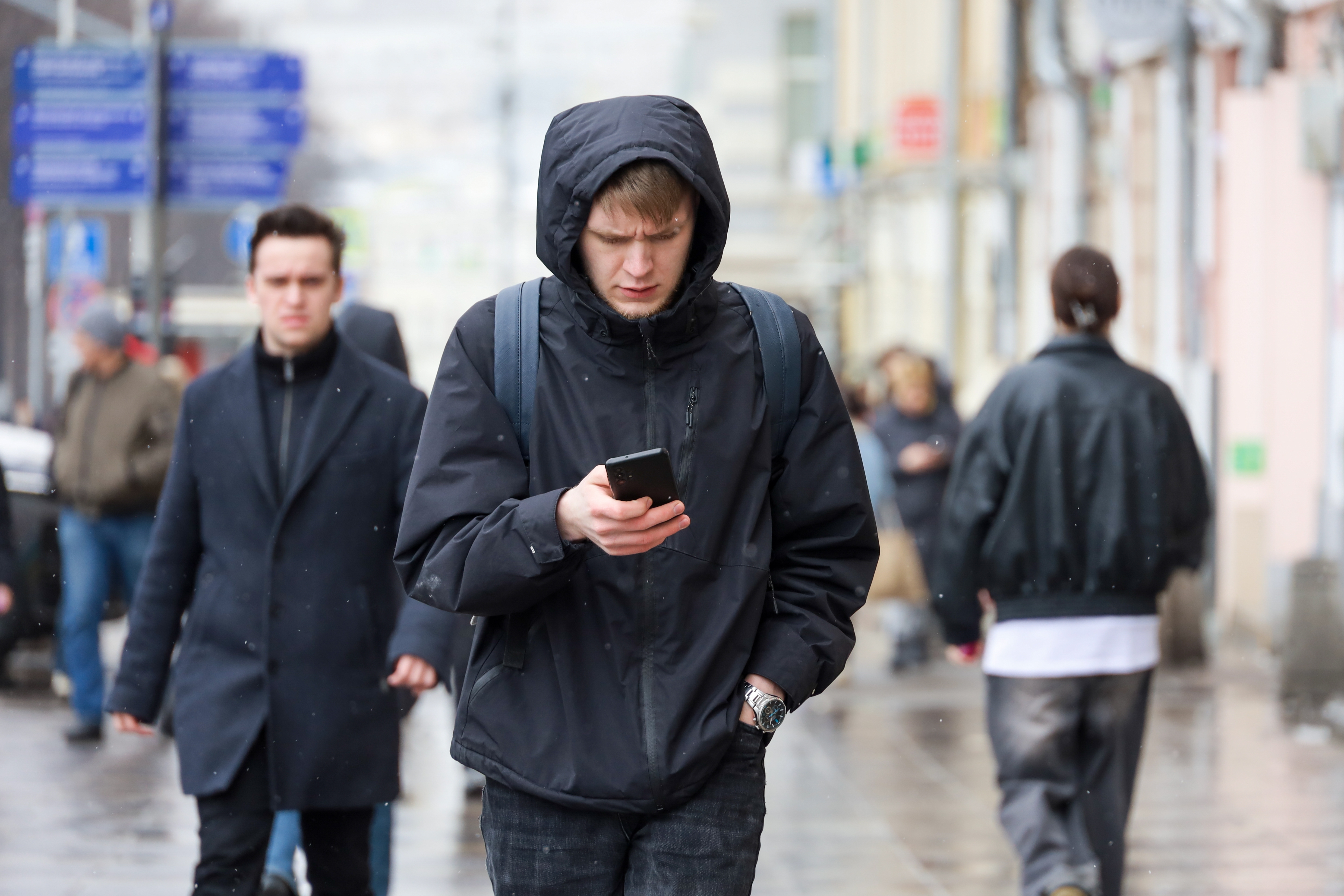
For more than a week now, Moscow residents have been complaining about large-scale interruptions in mobile communications and the Internet. Residents of the Southern Administrative District were the first to report outages, then the Central. Now information about problems with the Internet is coming from all 12 districts, in some of them the authorities are blocking home networks and mobile communications.
In Russian regions, the complaints of Muscovites do not evoke sympathy: “We have been living like this for a long time.”
"White list" was also blocked"
According to Wildberries, cited by Business FM , in Moscow the demand for household radio stations jumped by 27%, pagers by 73%, landline phones by a quarter. There is also a rapid increase in the popularity of portable routers with built-in VPN . At the same time, routers have also become more expensive - last year they cost between 10-15 thousand rubles, now they cost 25-50 thousand.
“I’m in Sokolniki and I don’t have a network at all, even my phone is in “Emergency Calls Only” mode,” says designer Alina from Moscow. – I’m a freelancer, I literally can’t work without the Internet, and I need a stable connection so that the speed is high. Coffee shops are not for me. I wandered around for two days until I found a good coworking space. I had to give a discount to the client because I let him down on time.
According to her, on the first day she tried to change her Beeline operator to MegaFon, but this did not help.
– It became clear that outages occurred throughout the “Big Four” - MTS, Beeline, MegaFon, Tele2. And it depends not on the operator, but on geography. A friend lives outside the Moscow Ring Road, on the outskirts of Zelenograd,” says Alina.
According to Sibir.Realii's interlocutors, mobile Internet in Moscow is now blocked everywhere - in the central regions of Moscow, in residential and business districts. Communication - within the Moscow Ring Road.
– If on March 5 and 6 the so-called “white list” (a list of safe resources to which the authorities promise not to block access - SR ) was still working - State Services, VKontakte, the Russian Railways website and resources for purchasing air tickets, then since March 7 - everything is down. It's simply impossible to get online. You go down to the metro and inside the trains you can “catch” messages in instant messengers, etc. At the stations, that’s it, the block,” says office worker Dmitry . – And the closer to the center, the more deafening it is!
Officials from various ministries and State Duma deputies confirm that they do not have mobile communications or the Internet at work. Instead of calling, they “walk the walk and talk the talk.” “We upload documents via wired Internet, deputies have a directory that contains information about where this or that colleague’s office is located. We go there on foot and talk. As they say, without the use of mobile communications,” says Deputy Chairman of the State Duma Committee on Information Policy Andrei Svintsov, whose statements about restrictions on the Internet invariably cause the most acute and negative reaction on the Internet.
The same deputy said that Internet “white lists” are planned to be expanded in the next 2-3 weeks. According to him, they should include most of the services that Russians use every day, including banking applications, marketplaces and email. In addition, he claims that within 3-6 months Roskomnadzor will have the technical ability to completely limit or block any VPN traffic. According to him, Telegram will not escape this fate either: “Telegram will also be stupid through a VPN. If someone thinks that everyone will just download a VPN and continue using the messenger, then I hasten to upset you... Roskomnadzor can track everything. Telegram will not outwit anyone - it will not function at all.”
The restrictions on the Internet in the Russian capital were also commented on by the press secretary of the head of state, Dmitry Peskov: “All disconnections and restrictions on communication occur in strict accordance with the current legislation. Information on this matter was provided in advance. You had the opportunity to familiarize yourself with the laws that were recently adopted in this regard. This is all connected, in fact, probably with the main need – ensuring security,” said the Kremlin representative. He called the business problems arising from the restrictions “a subject for additional analysis.” During the next briefing, answering the question whether communication restrictions in the center of Moscow affected the work of the Presidential Administration, Peskov said that they “use landline phones.”
However, such statements hardly reassure Muscovites. Officials and deputies, in their opinion, have little to lose, unlike ordinary citizens.
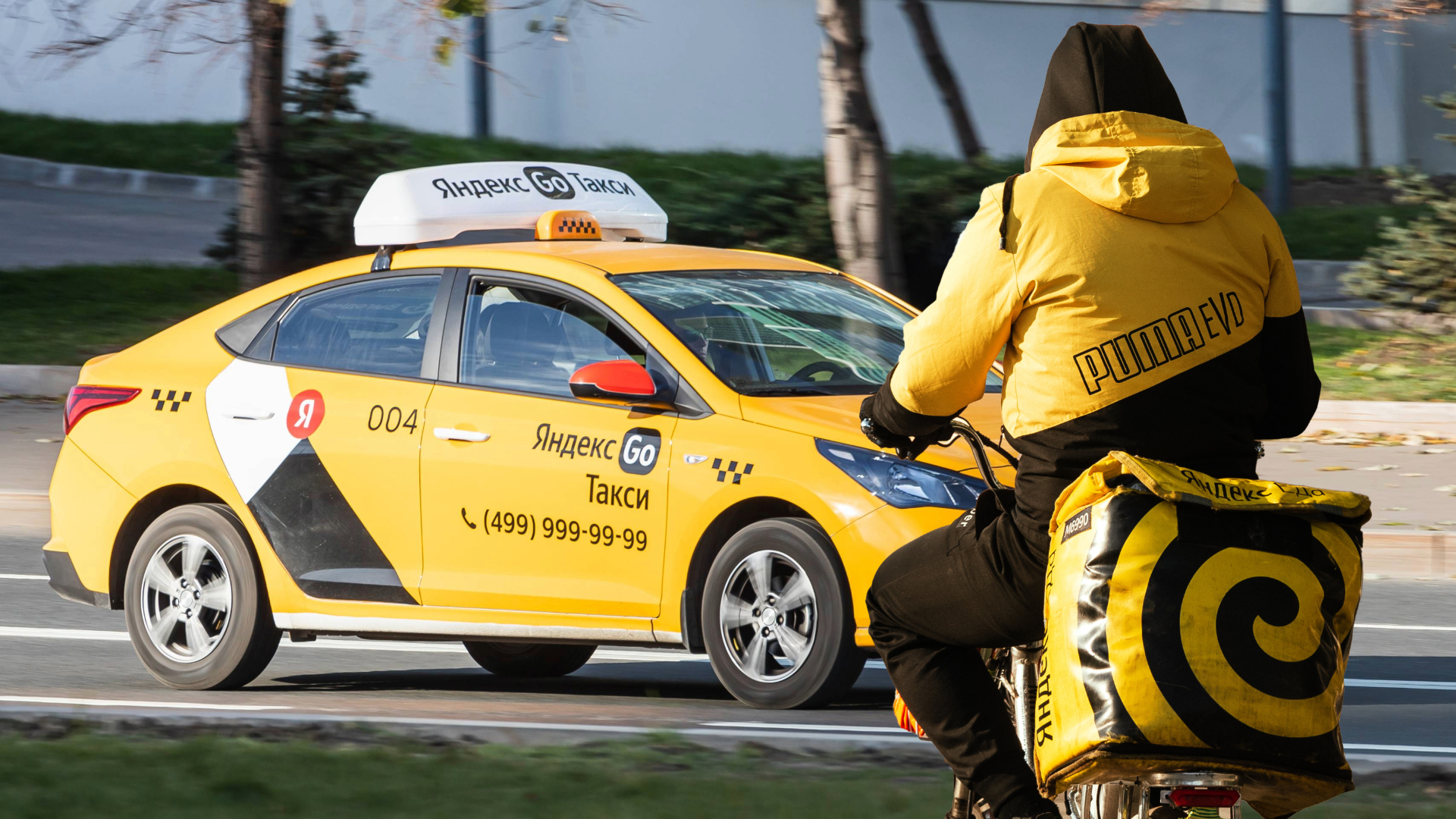
“They have cars with alarms, but we can’t call a taxi or order a car sharing service.” On March 6, I was an hour late for work (!) because at first I couldn’t call a car. Yes, Yandex Taxi has a button to call and call for cash, but I was already in the center - there was simply no connection there. As a result, I took a local train, then the metro, and then walked almost two kilometers to our warehouse, because it’s impossible to even pay for renting a scooter! - says Maxim from Zelenograd. However, the ITAR-TASS channel “Tassovka” has already reported that it will be possible to rent a scooter in Moscow if there are problems with the Internet using SMS.
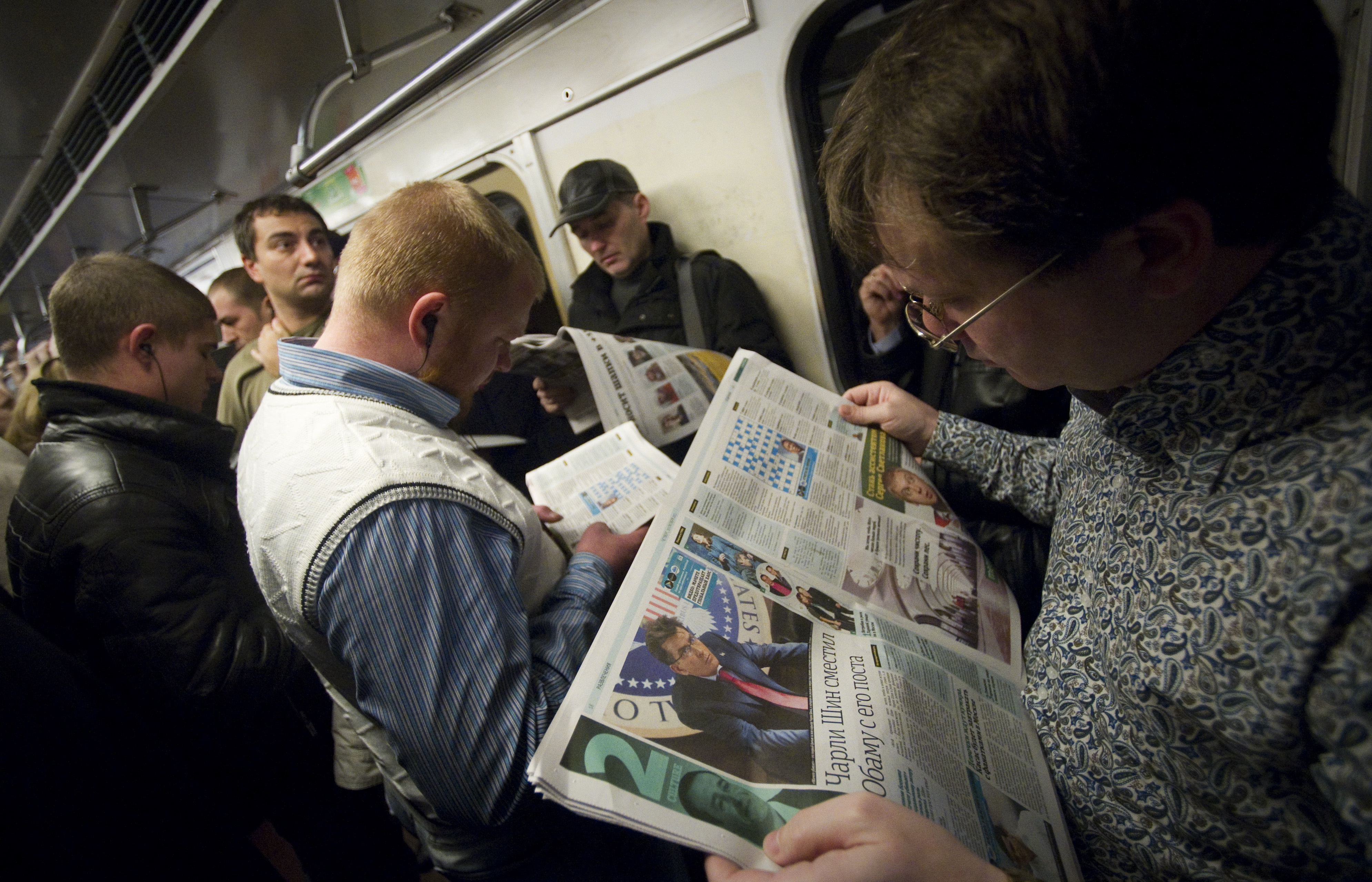
Interlocutors of Sibir.Realii say that even in the metro the Internet works selectively, since a white list has been introduced on some lines. Card payments are not possible everywhere due to the lack of both the Internet and communications.
“In our shopping center there is no single Wi-Fi, our cafe worked from a mobile network for more than two years, it was enough to pay through the terminal,” says the owner of the coffee point Svetlana . – Now we are hostage – when shutdowns began at the end of the year and the authorities began to “warn” about blockages, we decided that we would accept payment by QR code. Let's break through. But it turned out that to enable offline payment, which is not active for everyone, customers need a network. Then a limited number of codes with a limit on amounts are allocated. After which the network is needed again. Which, as you understand, is not within a radius of half a kilometer from the cafe. All these days we are in a severe, simply brutal, loss of revenue. More than half have no cash, people have simply lost the habit. If this continues until the end of March, we will collapse in April.
According to Kommersant , the total damage to business in the capital during just five days of restrictions is estimated at 3 to 5 billion rubles.
"We've been ready for a long time"
Residents of the regions, unlike Muscovites, have been living with lockdowns since last year.
“Well, now they will feel our pain,” says Natalya from the Irkutsk region. – In June, our Internet began to slow down, at the end of the year there was a complete blockade, now the situation is like this - they can block it at any time, for several days and weeks. However, even when the network is active, the speed is very slow - we do not send video or audio. Only the text gets through. Sometimes it’s only a few hours later, depending on your luck. The circle in the telegram may arrive to the interlocutor in two days. But now the mobile connection works, with sisters who are in poor health and need to be monitored, this is how I call them.
According to her, in the last month there were no network interruptions, but the Internet speed was dropping.
– My nephew works as a taxi driver in Irkutsk – when there were blockages and geolocation did not work, there was confusion with calls, he even gave up this part-time job for a while. I was freaking out a lot. My friends, arriving at the airport late, made arrangements in advance with friends. Or they already agreed to bomb at exorbitant prices,” says Natalya. – Not only pensioners began to carry cash with them. Well, we still didn’t have scooters and the metro. In general, it was as if we were being prepared for the Third World War. Well, one might say, we are ready - we stocked up on cash (although it was not without problems to withdraw from banks, which were heavily closing their branches), we bought gasoline, and groceries too. Now it’s the Muscovites’ turn to get ready.
Other interlocutors of Sibir.Realii do not hide some gloating about the reaction to the Internet shutdowns in the capital.
“We spent half of February in this mode, without melting,” says Elena from Saratov. “The whole of Saratov and neighboring Engels were switched off. In the Yaroslavl and Vladimir regions it’s the same. It was simply impossible to call a taxi - there was no network, and telephone ones - and by that time they had not existed for a long time. They began to withdraw cash quickly because the terminals stopped working. By the way, the most sophisticated ATMs didn’t even work. We have rolled back to the last century in general. This spring, we are thinking of starting to plant potatoes in the dacha again. Just in case.
Direct order
On February 20, 2026, Vladimir Putin signed a law obliging telecom operators to suspend the provision of services at the request of the FSB. At the same time, the authorities released the operators from liability to customers if the shutdown was caused by compliance with the requirements of the intelligence service. The State Duma adopted the law on February 17, and the Federation Council approved it the next day.
On February 24, Putin, at a meeting of the FSB board, announced the need to strengthen the “anti-terrorist protection” of the energy and transport infrastructure, as well as places of public gathering of citizens against the backdrop of growing “terrorist threats.”
From March 1, 2026, Roskomnadzor received the right to limit Russians’ access to the international segment of the Internet in emergency situations, namely “in the event of major cyber attacks, significant disruptions in the operation of networks within the country or on the border with foreign providers.”
Back on March 6, Big Four operators in support services referred to “security measures,” admitting that they could not influence the situation and did not know the recovery time frame. Tele2 reported “restrictions related to security measures,” Beeline reported “external restrictions,” and MegaFon announced stable operation of the network. Kommersant's sources in the telecom market at the same time stated that operators had received a direct order to limit mobile Internet in certain areas of the city.

In response to complaints from Muscovites about damage that operators refuse to compensate, Roskomnadzor said that questions about communication and mobile Internet failures in the center of Moscow should be sent to the Ministry of Digital Development.
Meanwhile, the topic of “protecting critical infrastructure” was the subject of the next operational meeting with permanent members of the Security Council of the Russian Federation, which Vladimir Putin held on March 13. A number of experts associate this with the missile attack on the Bryansk military enterprise Kremniy El on March 10. The General Staff of the Ukrainian Armed Forces stated that the target of the attack was the production of control systems for Russian missiles. The strike was carried out by British Storm Shadow missiles.
"It won't function in a damn way." How Moscow and the regions are coping with the loss of the Internet