
Translated material
Iranian leader Ali Larijani eliminated
In addition, the head of the Basij paramilitary force was killed.
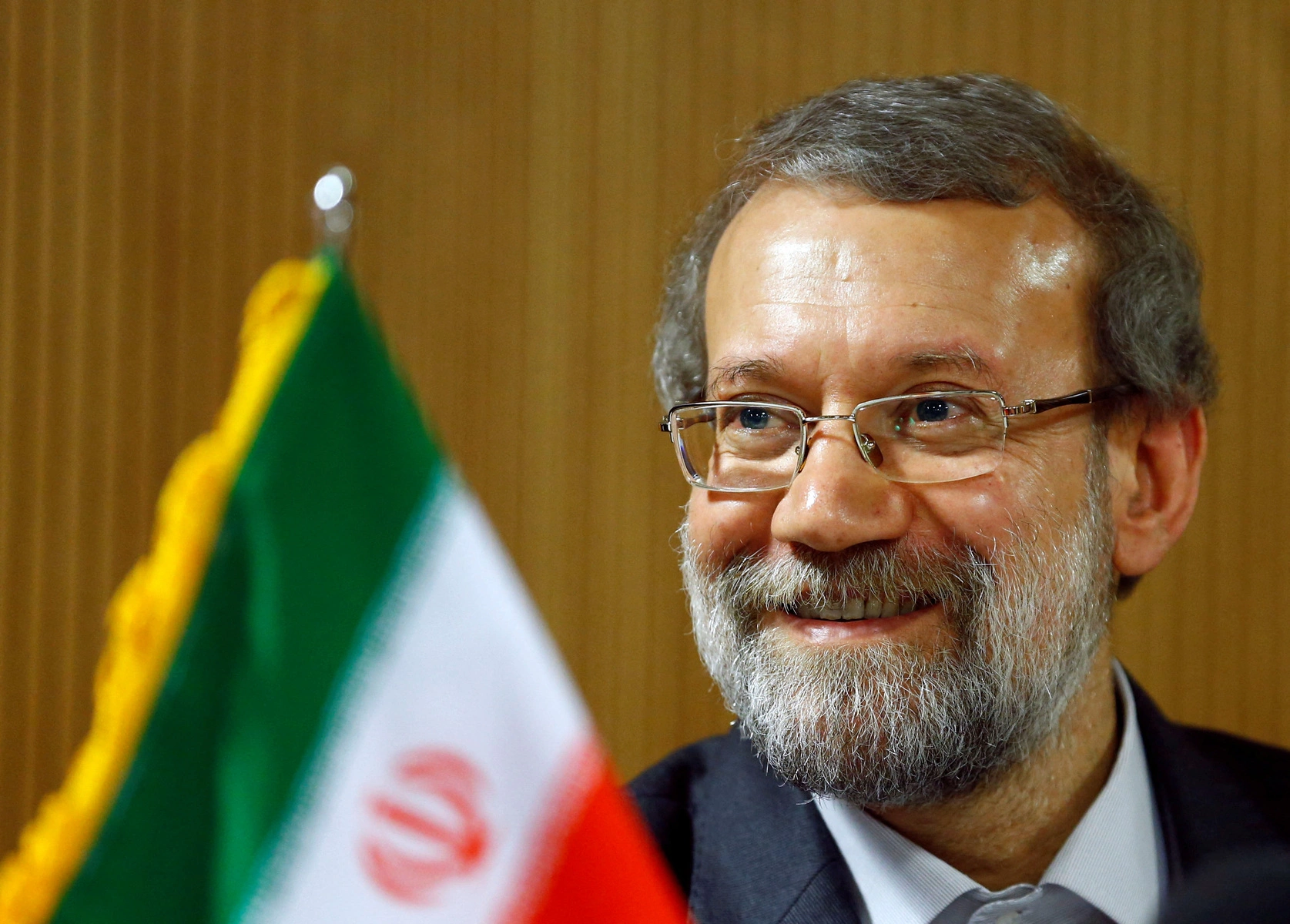
And in Tehran, the Secretary of the Iranian National Security Council , Ali Larijani , was eliminated. Israeli Defense Minister Israel Katz was the first to announce this. A few hours later, Tehran confirmed the information.
Ali Larijani is the most senior Iranian leader killed following the assassination of the country's Supreme Leader Ayatollah Ali Khamenei. It was Larijani who was tasked with suppressing protests and preparing for war with the United States and Israel shortly before their joint attack on February 28.
Larijani also maintained contacts with Tehran's key partners - Russia, Qatar and Oman - and oversaw negotiations with the United States on the Iranian nuclear program.
The Israel Defense Forces also reported that the commander of the Basij volunteer paramilitary force, Gholamreza Soleimani, was killed in a strike on Tehran. Later, his death during American-Israeli attacks was confirmed by the Iranian side.
The Basij is a unit within the Islamic Revolutionary Guard Corps (IRGC), created after the Islamic Revolution as a tool for protecting the regime.
The organization operates through an extensive network of cells throughout the country - from cities to universities and government agencies. It performs the functions of internal security, ideological control and mobilization reserve, including participating in the suppression of anti-government protests.
In order not to miss new texts from “Layout”, subscribe to our telegram channel
A blow to the top and a crisis of power
The US and Israeli operation against Iran began on February 28. In the early days, Supreme Leader Ali Khamenei was assassinated. The country was led by his son Mojtaba Khamenei , who was wounded in the same attack that killed his father.
According to Axios, it is now unclear who makes decisions in Iran "as many senior officials have died." American officials believe that Foreign Minister Abbas Araghchi does not have decision-making authority, but coordinated work with Larijani.
"Letter after Death"
Amid reports of Larijani’s death, a post appeared on his social networks with a handwritten appeal dated Esfand 26, 1404 (March 16, 2026). The letter is related to the death of the sailors of the frigate Dena, sunk by an American submarine in early March off the coast of Sri Lanka. According to the Iranian side, out of 180 crew members, more than 100 were killed.
“The martyrdom of the soldiers of the [ship] Dena of the Iranian naval forces is part of the sacrifices of the brave Iranian nation who fought against international oppressors,” reads the note allegedly written by Larijani.
In order not to miss new texts from “Layout”, subscribe to our telegram channel
Contacts with the US and mutual denials
Against this background, Axios sources report that a direct communication channel between Tehran and Washington has been restored. The publication's interlocutors claim that Iranian Foreign Minister Abbas Araghchi sent messages to US Presidential Special Envoy Steve Witkoff focused on ending the war. This is the first known contact since the conflict began.
The Iranian agencies Tasnim and Fars called the information about the resumption of contacts between Tehran and Washington “a complete lie.”
“Iran does not trust the promises of Trump, who at least twice during the advanced negotiations played with these false statements and attacked Iran. There is no agreement that secures the long-term national security interests of Iran and its regional partners, and certainly general conditions in the region will not return to pre-war conditions,” Tasnim writes.
Araghchi previously stated that Tehran did not ask for negotiations, and US President Donald Trump said that only an agreement on Iran's surrender was possible.
Negotiations broke down
According to Reuters, Trump rejected attempts by Middle Eastern countries to begin negotiations to end the war . The White House confirmed that Washington is betting on continuing the military campaign.
Iran also refused a ceasefire until the end of the US and Israeli strikes.
Oman's mediation and possible contacts involving US Vice President J.D. Vance did not lead to negotiations.
The last negotiations on the nuclear program took place on February 26 in Geneva - 2 days before the start of the war.
Previously, “Layout” talked about how oil prices rose due to the war in Iran. We found out how long this would last and how it would affect the Russian budget.
Photo: Ali Larijani at a press conference after the session of the Inter-Parliamentary Union in Geneva, Switzerland, October 9, 2013. REUTERS/Denis Balibouse
Support “Vestka” - it’s important and safe →