
Translated material
Thoughts under investigation
How words, likes and even Google searches can turn into punishment

Photo: Anton Novoderezhkin / Kommersant
The broker was sent to prison for talking in a closed chat with friends. The streamer was punished following Mizulina’s denunciation for words spoken during the game. In Chechnya, they were fined for a search query. For a profile photo - protocol. For reposting a two-year-old interview - another one. Pictures that “resemble symbolism” are punishable. The teenager was charged for reactions under the posts. The former deputy was sent to a special detention center for a meeting that the security forces themselves turned into an “action.” This is no longer “bad news”, but a well-functioning system. Here they do not look for a crime, but assign it. Another issue of “Chronicles of Current Repressions”, in which any incident becomes an occasion, and any everyday occurrence becomes a formal composition.
"Fakes" and "discredit"
On March 10, security forces raided the home of Nikolai Markin, an activist and member of the Yabloko party near Moscow. After the investigative actions, he was taken to the Investigative Committee department in Ramenskoye. Having managed to contact his comrades, he said that he had become a defendant in a criminal case about so-called fakes about the Russian army.
This is not the first episode of pressure on the activist. In 2025, the Ramensky City Court already fined Markin 35 thousand rubles under the article on “discrediting” the army. The reason was two posts on VKontakte. Then the matter was limited to administrative punishment. Now we are talking about criminal prosecution.
After interrogation and charges under Article 207.3 of the Criminal Code, Markin was released on his own recognizance.

* * *
The Kuibyshevsky District Court of Omsk published a sentence for broker Anton Zaznaev: three years and two months in a maximum security colony under the same article on “fakes.”
The formal reason for the persecution was a comment on Telegram written in October 2023. According to investigators, a year later Zaznaev allegedly tried to “resolve the issue” and offered an FSB officer a bribe of 300 thousand rubles. He allegedly managed to transfer part of the money: 50 thousand rubles and 500 dollars “for stopping the inspection.” The meeting, according to the case file, took place under a hidden camera.
It follows from the verdict that the “fake” episode itself is connected with two messages that Zaznaev sent to a closed chat in which he and four of his childhood friends were members. The correspondence, where they usually discussed everyday things and “going to the bathhouse,” ended up at the disposal of the security forces.
* * *
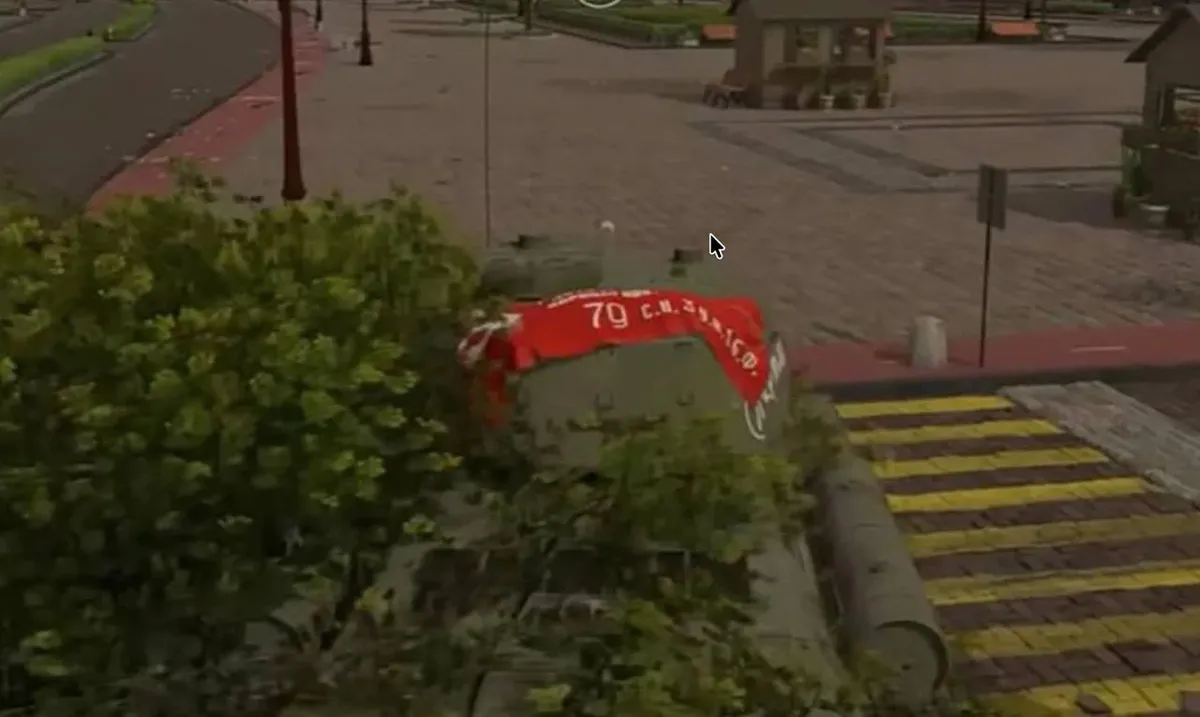

The Kanavinsky Court of Nizhny Novgorod fined streamer Maxim Chernyshev (CrewGTW) under the article on “discrediting the army” (Article 20.3.3 of the Administrative Code) for statements during a game of War Thunder after Mizulina’s denunciation. The amount of the fine is not specified.
The resolution states that employees of the Center for Combating Extremism of the Ministry of Internal Affairs studied Chernyshev’s streams after seeing Mizulina’s post published in November 2025. She put together fragments of streams and accused Chernyshev of rehabilitating Nazism and supporting Ukraine. She also added that she sent these CrewGTW records to the Investigative Committee and the Ministry of Internal Affairs.
Search for prohibitions
The Naursky District Court of Chechnya imposed a fine of three thousand rubles on a resident of the republic, Isa Magamadov, for searching the telegram channels NIYSO** and TABUK on the Internet, Mediazona* found out. This is already the third case recorded in Russia of the application of the new administrative article on the “search for deliberately extremist materials” (Article 13.53 of the Administrative Code).
We are not talking about distribution or storage - the query itself in the search engine is enough. The NIYSO telegram channel was recognized as an extremist organization in the fall of 2025. He publishes materials about human rights violations in Chechnya and regularly criticizes the head of the republic, Ramzan Kadyrov. Among other things, in January the channel reported on a serious accident involving his son, Adam Kadyrov. "TABUK" is one of the resources related to NIYSO, dedicated to religious topics.
Magamadov admitted guilt in court. According to “Verstka”*, he is 29 years old and lives in the village of Alpatovo. Previously, he worked in the private security structure Alpha Legion, created by veterans of the special forces unit of the same name.
Display of prohibited symbols
The Abinsky District Court of the Krasnodar Territory awarded a resident of the village of Fedorovskaya one thousand rubles for a photo in the MAX messenger, which shows a tattoo with an eight-pointed star - a symbol that the court considered associated with the AUE movement**. The resolution states that the image was on the profile in the summer of 2025. The man himself admitted guilt. This is the first known case of “display of prohibited symbols” in the MAX messenger (Article 20.3 of the Administrative Code). Until now, VKontakte remained the main source of such protocols.
* * *
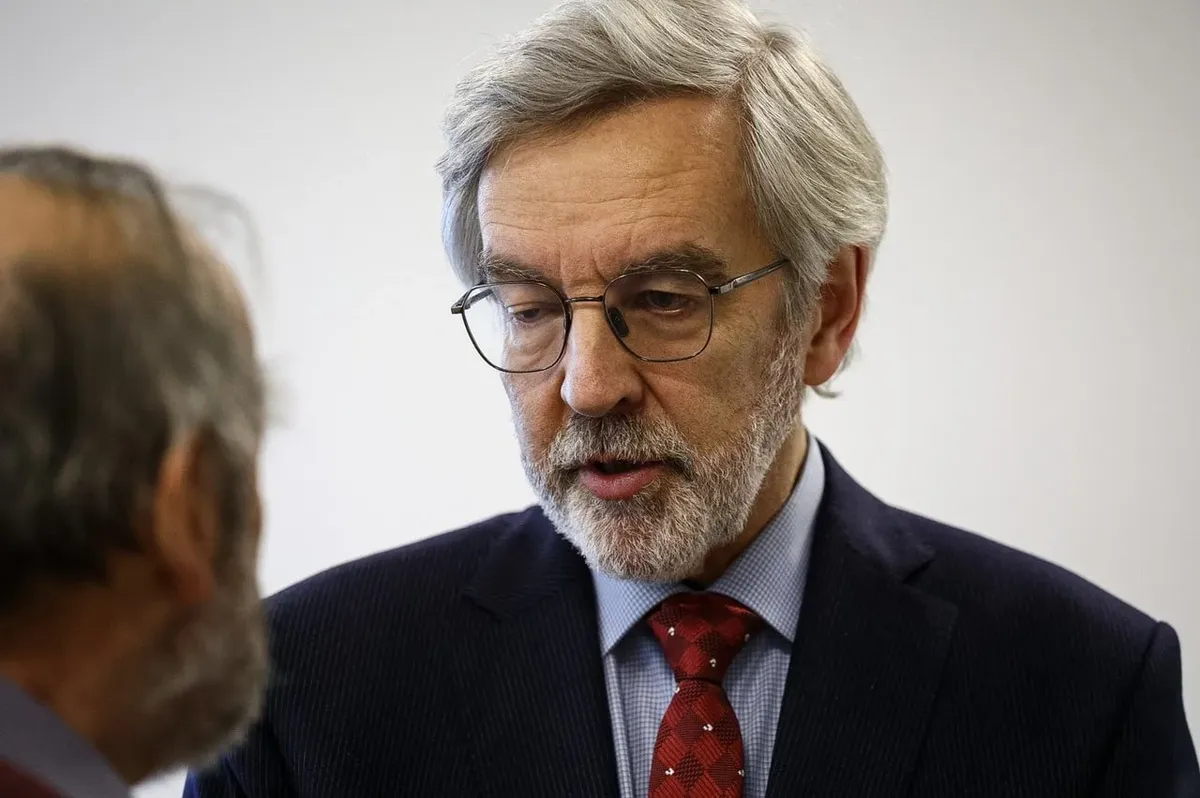
At the same time, in St. Petersburg, a similar protocol was drawn up against the head of the Yabloko faction in the city parliament, Alexander Shishlov. He himself learned about this after the fact from journalists.
The reason was a repost from the party’s telegram channel: a publication about an interview with Yabloko founder Grigory Yavlinsky, which was published back in 2023 on the Living Nail YouTube channel. According to media reports, experts saw “signs of extremism” in the text itself, in particular in the mention of Alexei Navalny without the obligatory clause recognizing structures associated with him as extremist.
Such protocols have more than just symbolic meaning. Even administrative punishment under this article actually closes the way to elections. A person cannot be elected within a year after the decision comes into force. Yabloko is already linking what is happening with the upcoming 2026 election campaign: previously, other party representatives were fined on similar grounds.
* * *
The Sestroretsky District Court of St. Petersburg fined Alena Ermolaeva one and a half thousand rubles for images that were considered “attributes of the international satanism movement”**.
The reason was six photographs on VKontakte, where employees of the E Center discovered images similar to the sigil of Baphomet (an inverted pentagram with the head of a goat). Russian courts classify this symbol as “international symbolism of Satanists,” and the movement itself is recognized as extremist. Ermolaeva admitted guilt and said that she had deleted the images.
Gender party at the monument
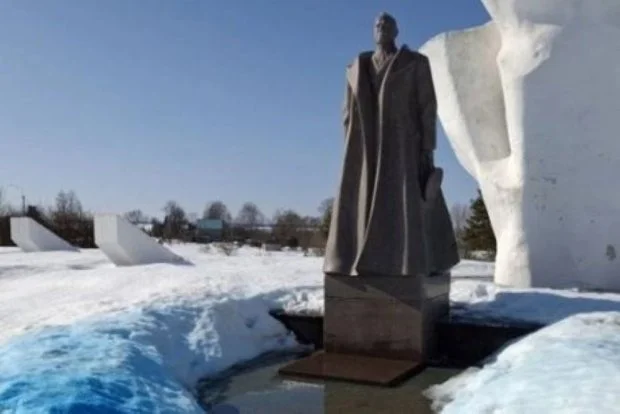
In the Kaluga region, a criminal case was opened after paint was poured over a monument. But the story, which began as a message about “desecration,” quickly turned out to have a completely different meaning.
The regional department of the Investigative Committee reported damage to the memorial to Marshal Georgy Zhukov in the village of Strelkovka. According to the department, an “unidentified person” applied paint to the monument. The head of the Investigative Committee, Alexander Bastrykin, instructed him to report to him on the progress of the investigation, separately emphasizing that it is necessary to take into account “arguments voiced in the public space.”
The first report of the incident appeared on March 10: employees of the Zhukov Museum spoke about the “desecration” and published photographs. They show blue paint on the snow next to the pedestal and on the memorial itself. In the official commentary, they called the incident an act that “has no name,” recalled the 130th anniversary of the commander’s birth, and added that such actions are committed “in the rear of our troops.” The consequences, according to employees, were soon eliminated.
However, after two days the picture changed. A video has appeared online that shows blue paint being sprayed at the monument. Not as a sign of protest or with the intention of damaging the property, but as part of a family celebration. A family with two children organized a gender party at the memorial: parents recognized the gender of their unborn child by the color of the paint. When the cloud turned blue, one of the children shouted joyfully: “Boy!”
Treason
The 1st Eastern District Military Court sent 54-year-old resident of Khabarovsk Elena Karakina to a general regime colony. The prosecutor's office reported on the decision, presenting the case as a story of “cooperation with Ukrainian intelligence,” allegedly in exchange for the opportunity to travel abroad.
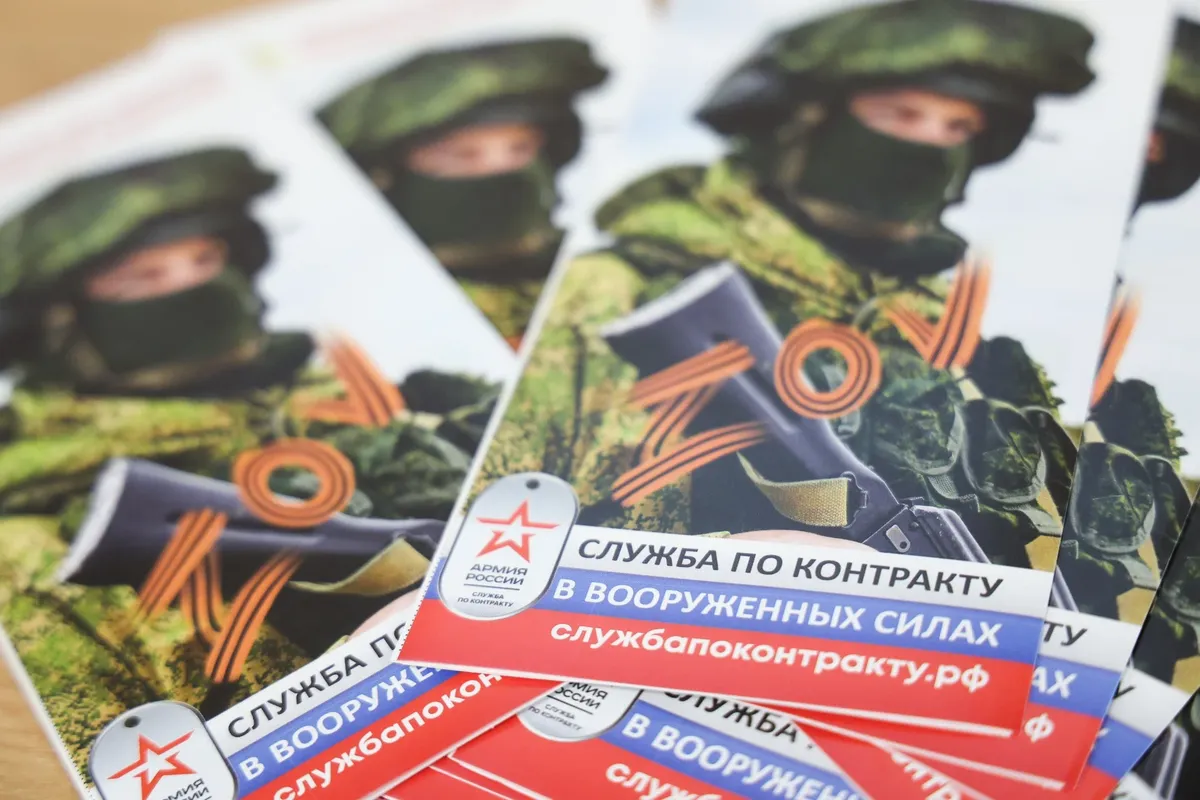
According to the prosecution, the woman tore off leaflets calling for service in the Russian army; we are talking about at least 14 episodes. In addition, she was charged with transmitting information to the Ukrainian Armed Forces: she found publicly available information about a deceased Russian soldier and sent it to a “representative of Ukraine.” What exactly was contained in these data and whether they represented any classified information is not specified in the materials of the prosecutor's office.
Human rights activists give another version of the circumstances. According to them, the reason for the criminal case was a telegram correspondence with a person who introduced himself as a member of the Ukrainian Legion “Freedom of Russia”***. Moreover, the initiator of the contact was the interlocutor himself.
It is known that since the early 2000s, Karakina lived in Greece, and in 2020 she came to Russia to visit relatives. She could not return back - after the start of the SVO, circumstances turned out differently.
Penalty for reacting on Telegram

In the Kemerovo region, a teenager was sent under house arrest on charges of financing terrorism (Part 1.1 of Article 205.1 of the Criminal Code).
According to security officials, from November to December 2025, a 17-year-old youth from the Kuzbass city of Belovo financed an unnamed organization banned in Russia “by means of a cashless transfer of funds through his account in one of the messengers, using the reaction function under the channel’s posts.”
The local publication NGS42, citing its sources, reports that the teenager left premium “stars” in the telegram channel of one of the units of the Ukrainian army.
Denunciation from the Center for Surveillance of Teenagers
The Artemovsk City Court of the Sverdlovsk Region fined a local resident 12 thousand rubles under the article on inciting hatred or enmity (Article 20.3.1 of the Administrative Code). The reason was comments on VKontakte, which, according to experts, contained statements addressed to Azerbaijanis and calls for violence against Muslims.
The protocol was drawn up by the prosecutor's office based on data from the Center for the Study and Network Monitoring of the Youth Environment (CISM). This structure was created in 2018 on Putin’s instructions after the shooting at a Kerch college and since then has been analyzing Internet activity, primarily among young people.
The court materials describe in detail the digital footprint of the accused: over more than ten years, from 2013 to 2025, he gave over 33 thousand likes, left more than 2.6 thousand comments and published two posts.
The case was based on several comments in thematic communities: “Hand of the Kremlin Z”, “Slavic Association” and “Slavic Community”.
CISM conducted a linguistic examination of these statements. In them, the center’s employees found “signs of an extremist orientation.” Previously, journalists described this system as a tool that allows them to create detailed user profiles and transfer them to law enforcement agencies.
Court decisions based on the center's data are no longer isolated. Based on such materials, Russians are fined under various administrative charges: from “discrediting” the army to “extremism.”
Arrest for meeting
After nine days of administrative arrest, former deputy of the Sverdlovsk Regional Council Mikhail Borisov was released, Mediazona reported. The reason was the protocol on “organizing an uncoordinated public action” (Part 2 of Article 20.2). In fact, his presence on the day of the anniversary of the murder of Boris Nemtsov in the place where memorial events are traditionally held in the city.
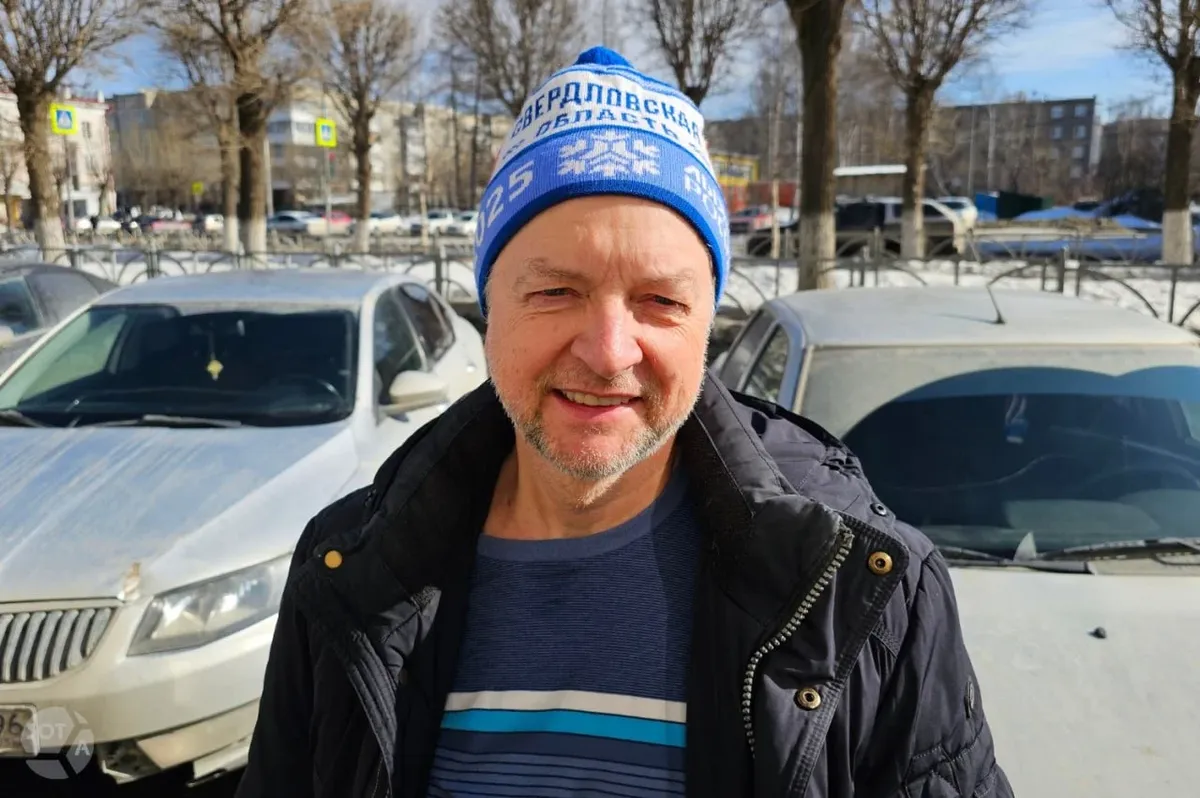
Borisov himself insisted: there was no action. He came without posters and without flowers, just to meet with the head of the local Memorial* Alexei Mosin. “It was a personal meeting between two elderly people,” he explained in court.
The situation changed after the police showed up. When Mosin left the bouquet, the security forces demanded that it be removed. He took his flowers, Borisov removed the strangers that had been there before. At this moment they were photographed. Within a few hours, the pictures appeared on the URALLIVE telegram channel as an illustration of the “promotion”.
“They themselves made it public,” Borisov said in court, pointing out that it was the security forces who turned a private meeting into a reason for the record.
The documents in the case also raised questions. The protocol was drawn up by Major Otar Amoev, known in Yekaterinburg for cases related to political activity. In court, he argued that a certain inscription appeared on the spot as additional evidence of the “action.” However, the corresponding report appeared in the file only on the eve of the meeting and without a date. Amoev himself explained this simply: he “forgot” to issue it on time.
The defense tried to draw the court's attention to obvious inconsistencies. In the city on the same days, flowers were left near the theater during the farewell to playwright Nikolai Kolyada, and this was not considered a violation.