
Translated material
War
One thousand four hundred and eighty eighth day. Ukraine and the United States have resumed meetings - but peace talks are stalled, and this began even before the war in the Middle East
Since February 24, 2022, Meduza has been broadcasting live about the Russian-Ukrainian war. We publish your letters every day because we are sure that we need to continue talking about the war. Share with us your thoughts about the war. What feelings are you experiencing? How does war affect your life and your attitude towards the world? If you have a story related to the war, tell it . The feedback form is at the end of this article. A review of the previous day can be read here .
World
Peace talks between Russia and Ukraine are stalled - and not only because of the pause caused by the war in the Middle East
On March 21, the delegations of Ukraine and the United States met in Florida for the first time after a long pause associated with the outbreak of war in the Middle East.
Both sides reported the meeting. The head of the Ukrainian delegation, Rustem Umerov, wrote that the negotiations continued “discussion of key issues and further steps within the framework of the negotiation track.” Trump's special envoy Steve Witkoff said the parties "had constructive meetings" focusing on "narrowing the issues" and "resolving remaining issues" to move closer to a peace agreement.
Vladimir Zelensky, in his evening address on March 21, said that “the teams will continue to communicate tomorrow.” “The most important thing is to understand how ready the Russian side is for a real end to the war and how willing they are to do this honestly and with dignity. Especially now, when geopolitical problems have only grown due to the Iranian situation,” he wrote.
A pause in negotiations (both bilateral and trilateral) arose due to the war in the Middle East, which began on February 28. The last meeting between Russia, Ukraine and the United States took place in Geneva on February 17-18, and the next one was supposed to take place in early March in Abu Dhabi - but by this time it was already unsafe in the Gulf countries. Vladimir Zelensky said that the American side is ready to meet, but only in the United States, because the war in the Middle East prohibits them from leaving the territory of their country. But, according to Zelensky, Russia did not agree to this.
However, despite the resumption of at least bilateral contacts (Vladimir Putin’s special envoy Kirill Dmitriev also recently met with Witkoff in Florida), peace negotiations are still stalled - and this began even before the war in the Middle East, the BBC Russian Service found out , having spoken with a senior European diplomat and two other sources familiar with the progress of the negotiations.
According to the BBC's interlocutors, the trilateral peace process began to "fade out" even before the start of the war with Iran. In discussing key “political” issues - the fate of the Donbass territories and the Zaporozhye nuclear power plant - the parties did not come close to any compromise. The BBC recalls that the American side proposed creating a “free economic zone” in the disputed territories, and Ukraine proposed stationing a contingent of peacekeepers there, but this option did not suit Moscow. As a result, as the BBC’s interlocutor says, “the Russian side’s interest in the idea of a special economic zone has decreased.”
Another issue remains security guarantees for Ukraine, the agreement of which has not been announced. Zelensky said Washington was now insisting that security guarantees be approved at the same time as the final peace agreement, but Kyiv wanted them first. A BBC source calls this situation a “vicious circle”: without guarantees, Ukraine cannot discuss territories, and without resolving the territorial issue, it is difficult to imagine progress in the negotiations.
In addition, as the BBC's interlocutors note, the parties have not even begun to discuss other topics - for example, non-expansion of NATO and other security issues - and this "reduces Moscow's interest in the diplomatic process." The European diplomat believes that the US administration “does not always correctly understand Russia’s priorities”: in his opinion, Putin “needs not just Donbass, he needs sovereignty over Ukraine.”
The BBC's interlocutors believe that the agenda and the very format of the negotiations in their current form are unlikely to lead to the end of the war in Ukraine. Kremlin spokesman Dmitry Peskov, answering questions from journalists about progress in the negotiations, said that “nothing has begun to fizzle out.” “It was clear from the very beginning that the trilateral negotiations would not be easy. Indeed, many issues, especially the territorial issue, still need to be discussed further. It's very complex. Many other difficult questions. And we prefer, of course, not to voice them publicly. We hope negotiations will continue in the near future,” Peskov said.
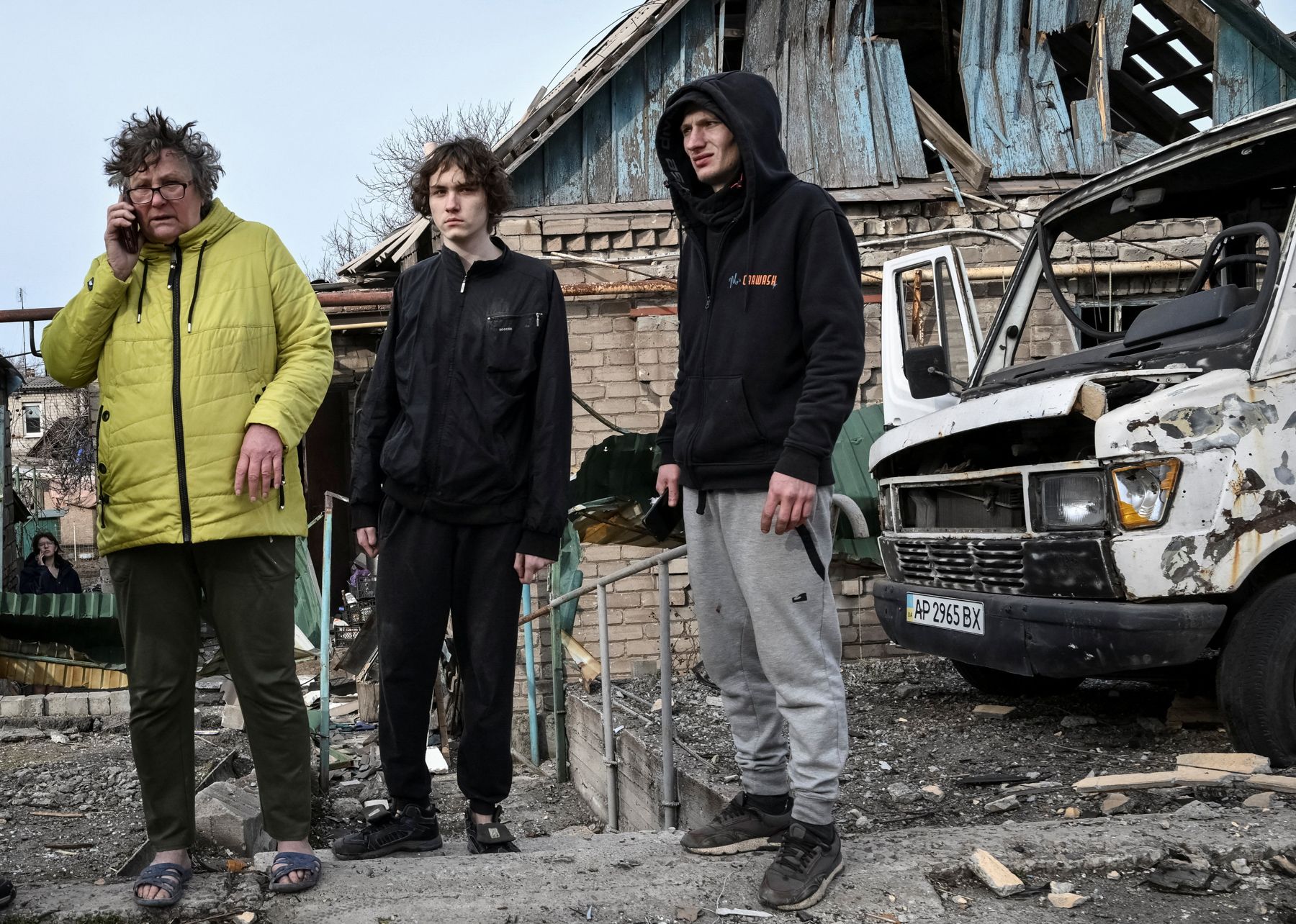
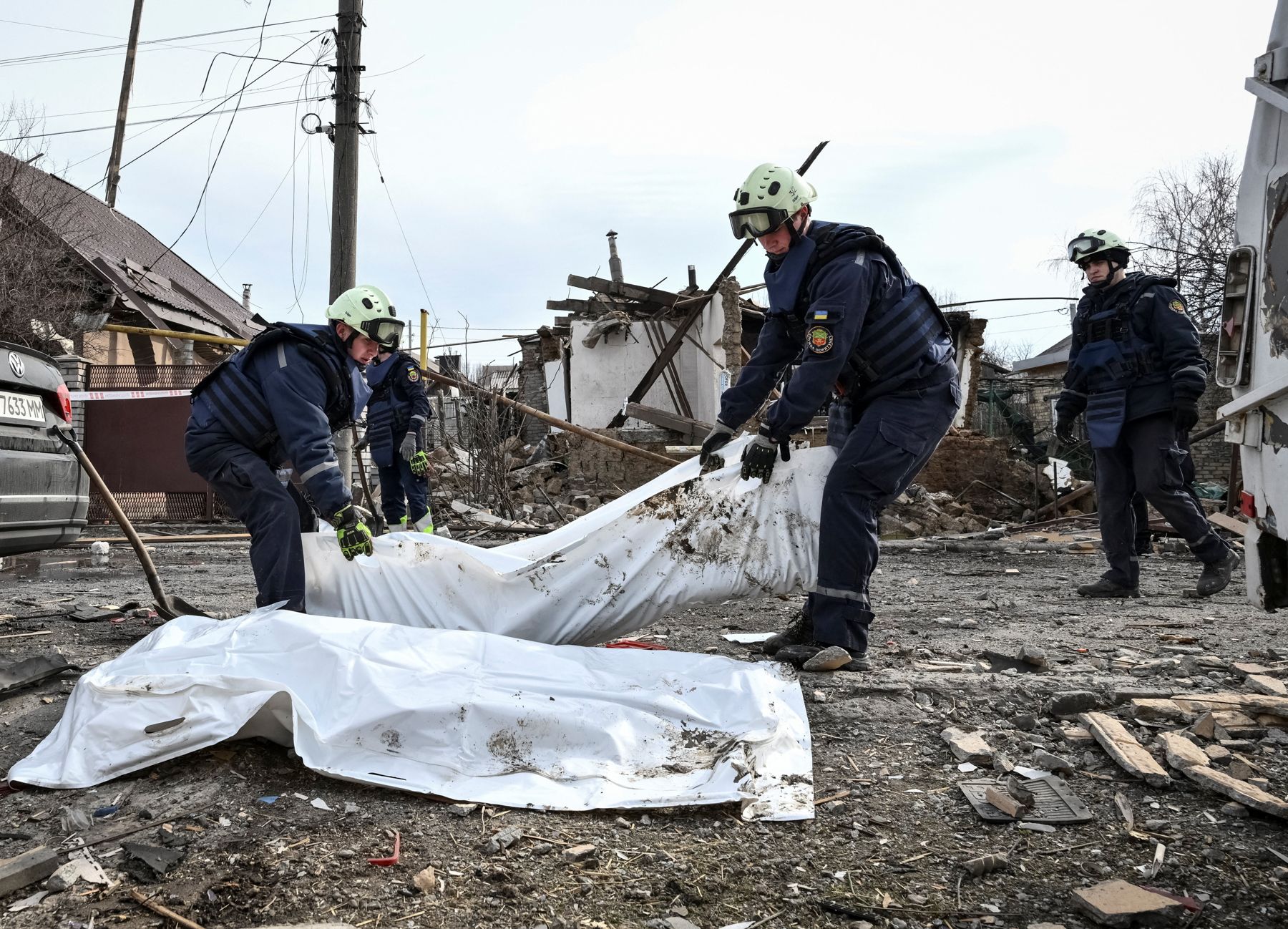
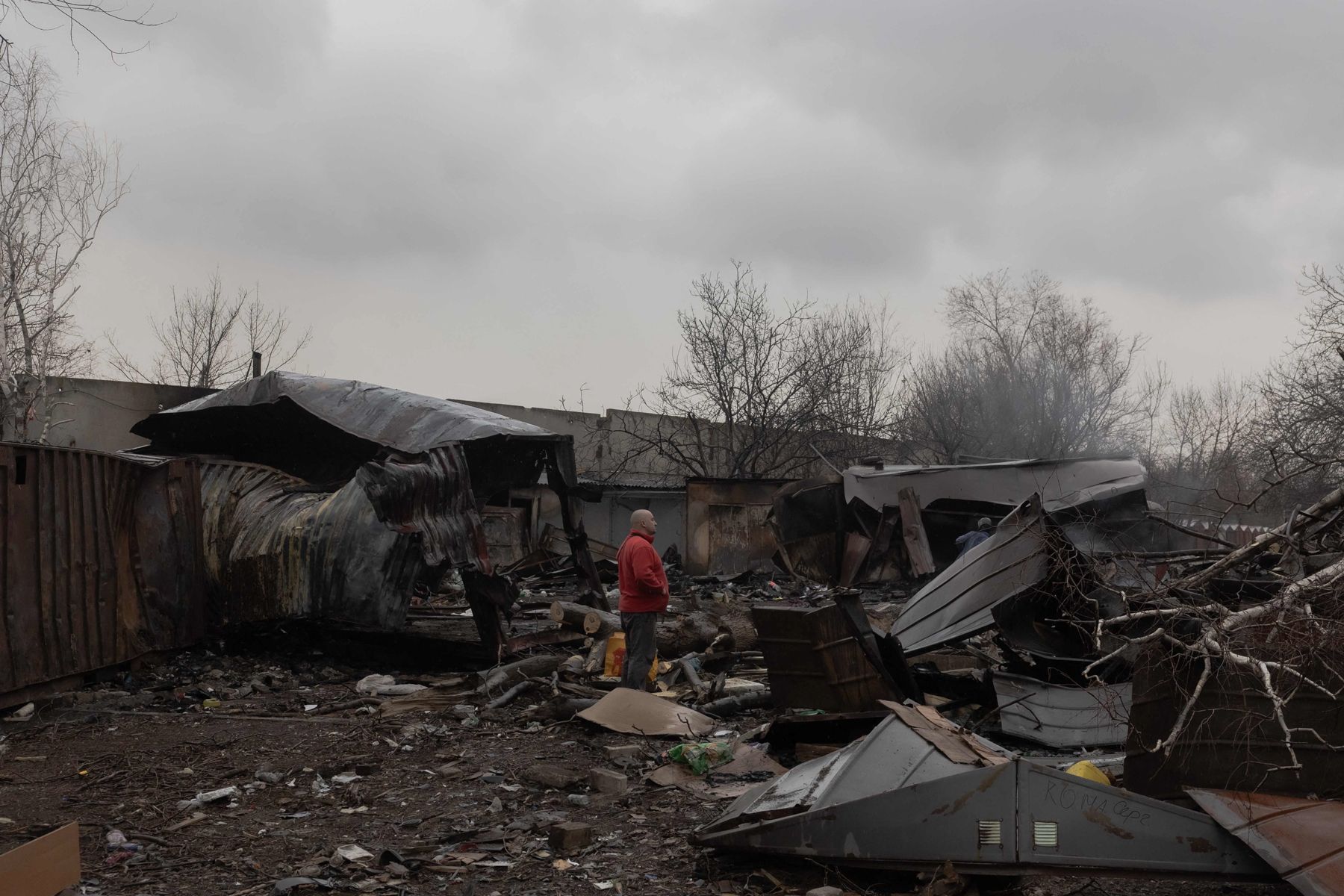
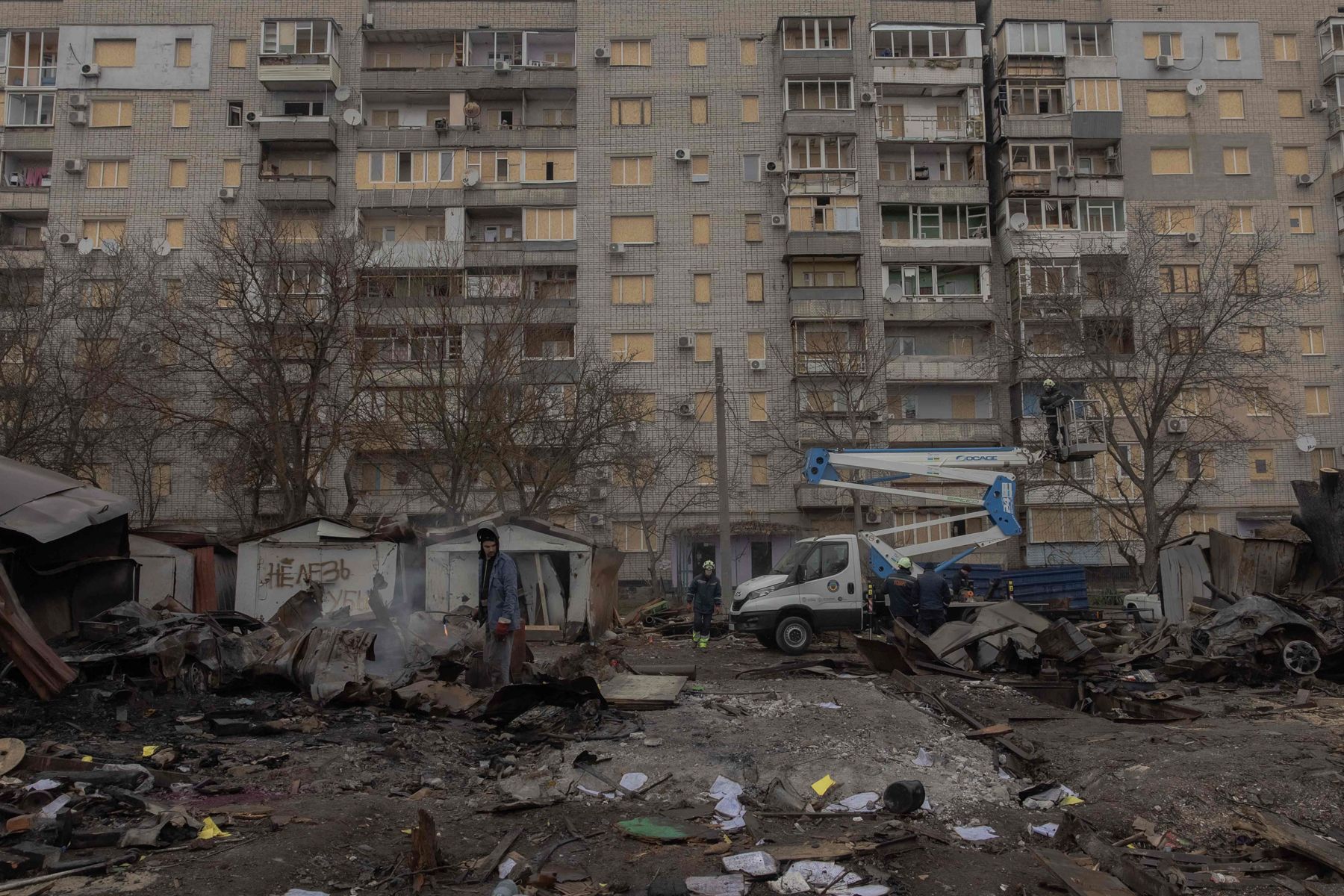
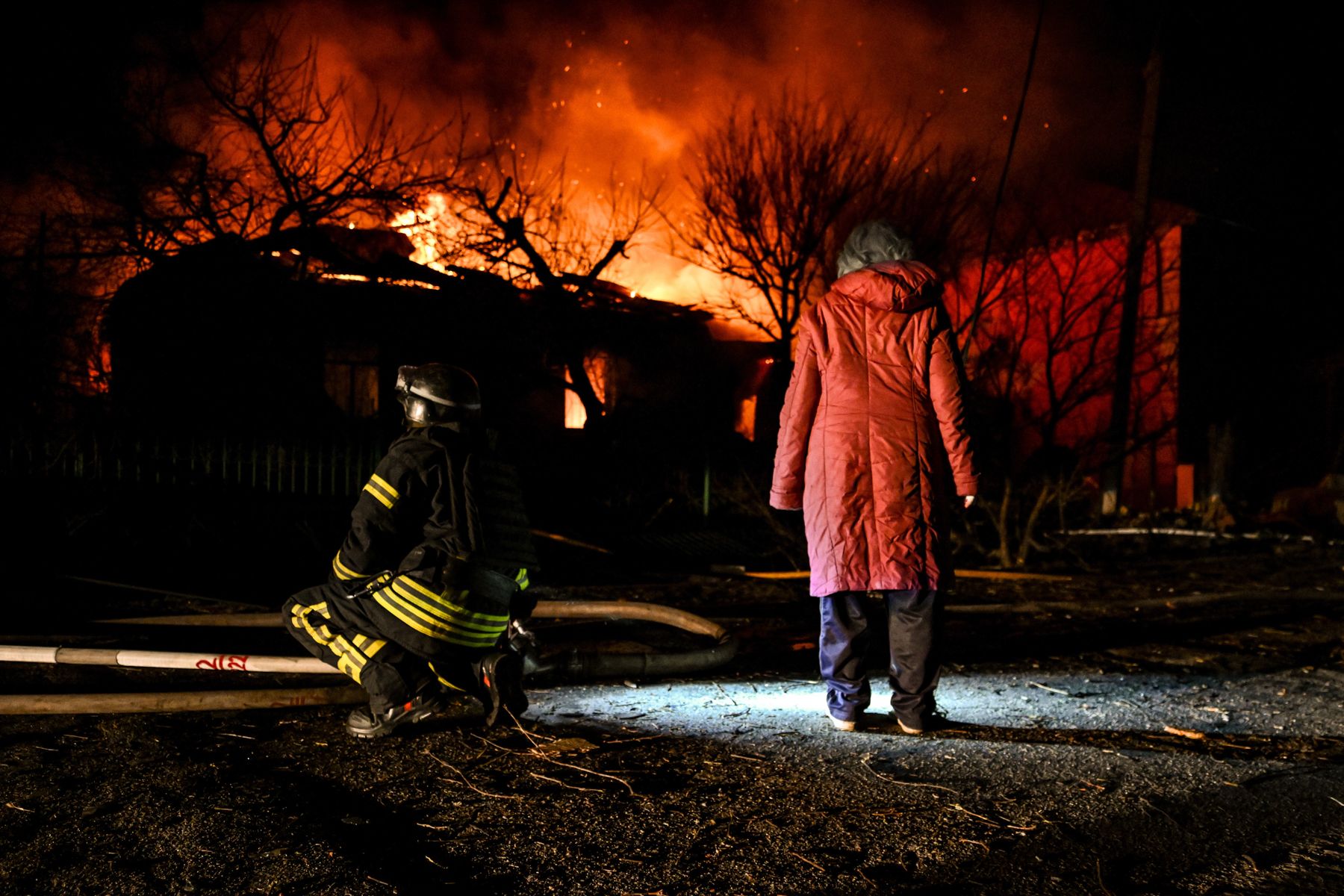
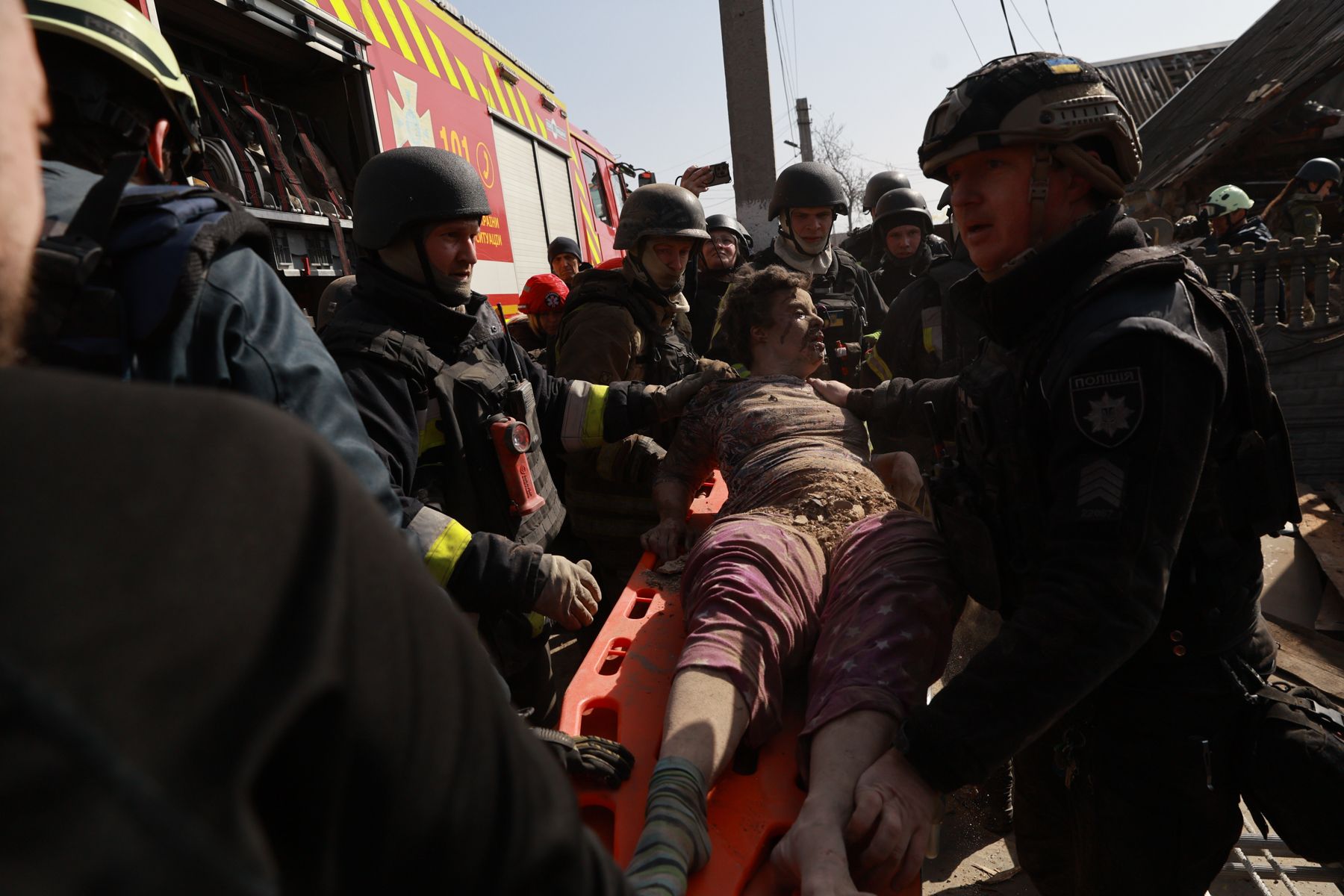
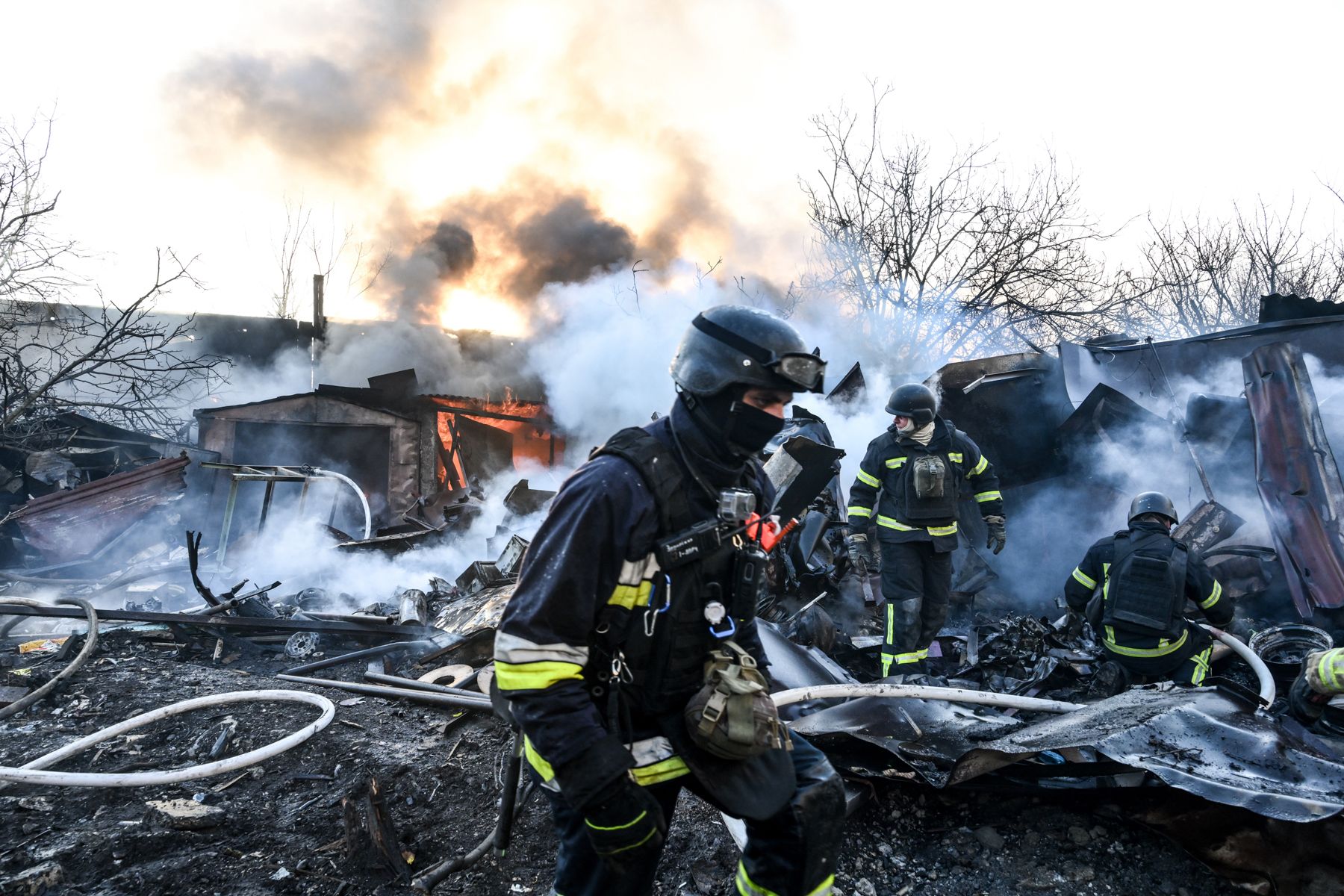
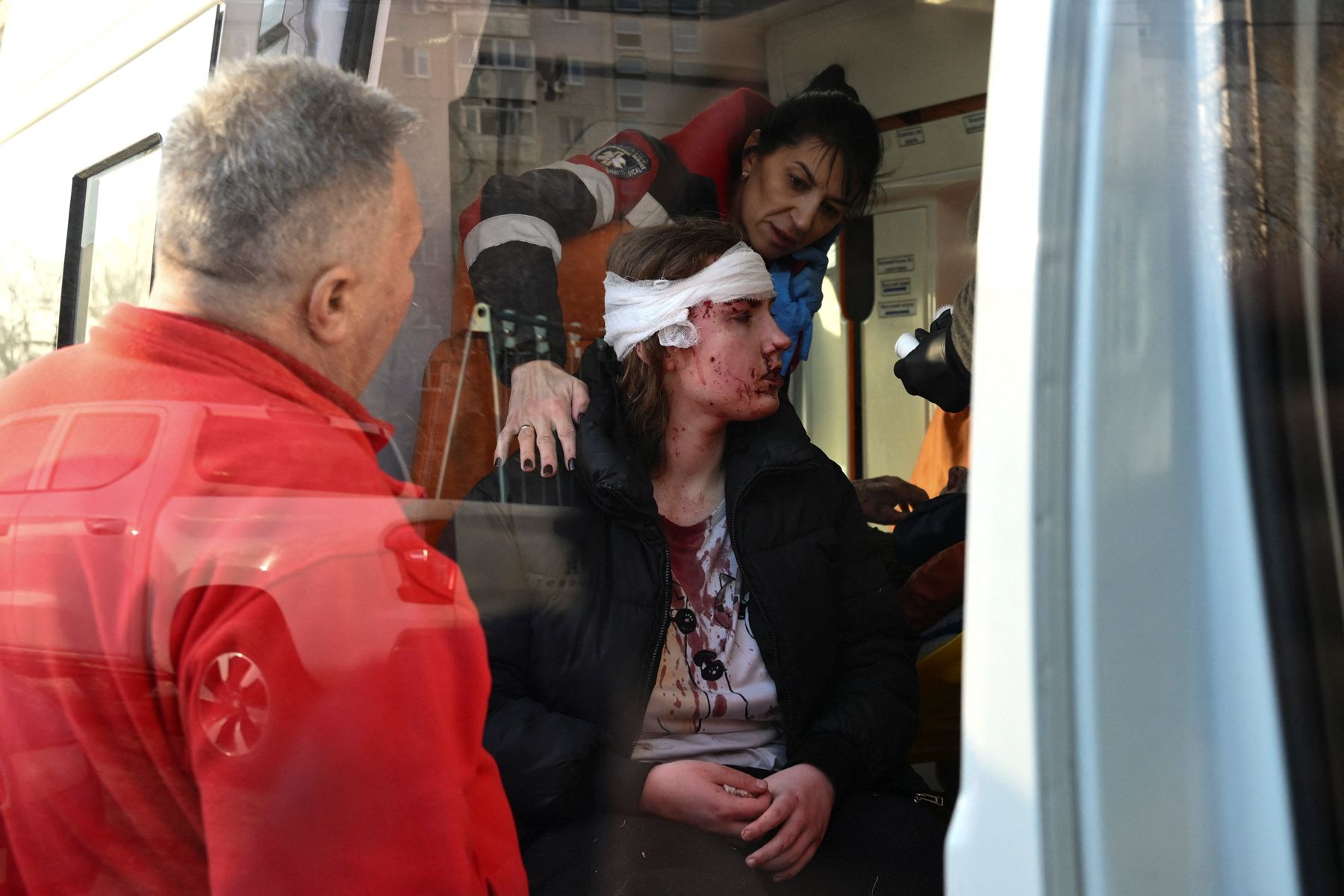
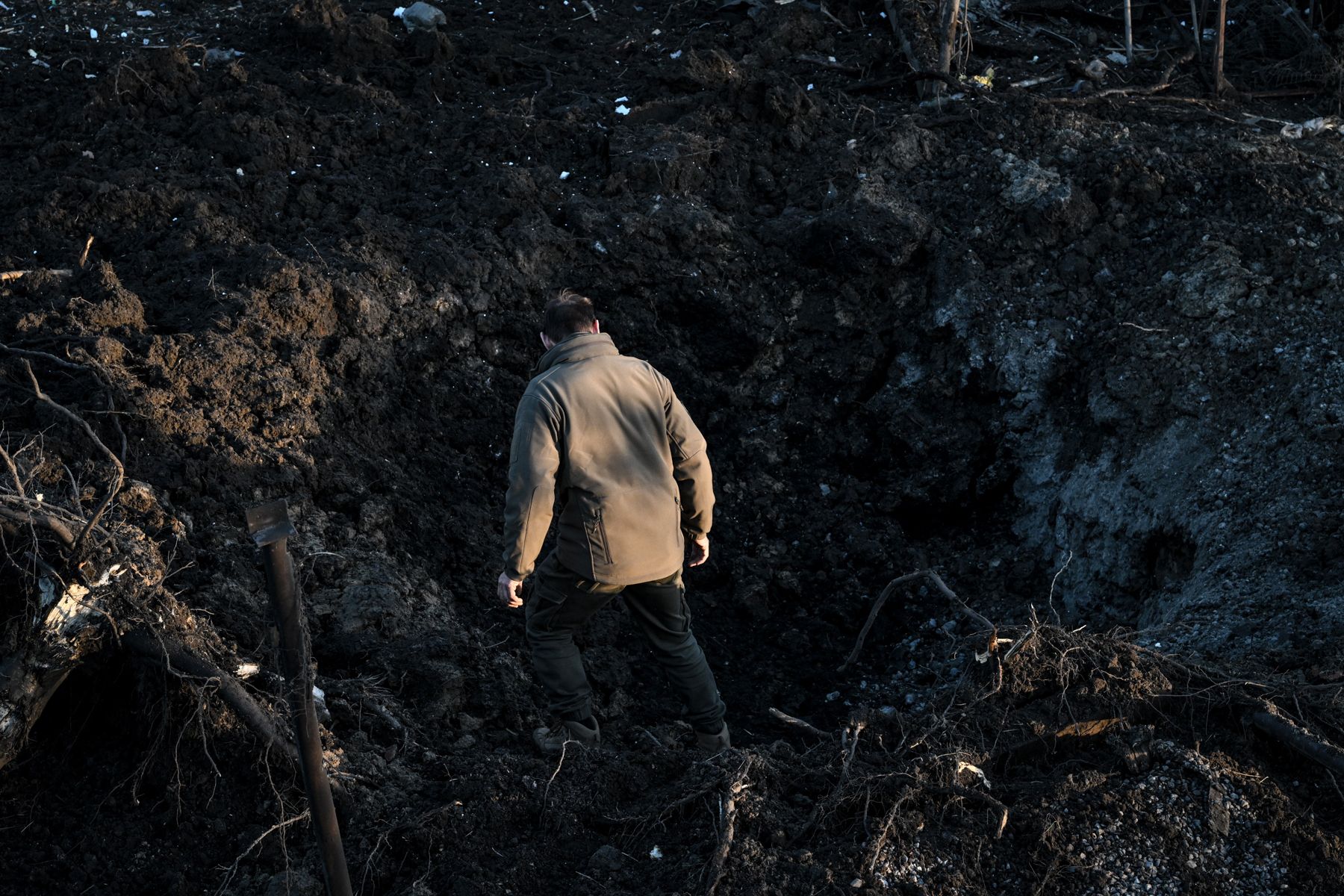
War in photographs. Zaporozhye under attack from Russian bombs and drones
War through the eyes of Meduza readers
How we choose letters
Meduza's readers live in different countries and have different attitudes towards the war. We publish your letters to see this event through your eyes. Our editors try to present all points of view, even if they do not coincide with the editorial position. However, in accordance with the Meduza code, we do not publish messages that contain “hate speech,” justify the murder of civilians, or express direct support for an aggressive war.
Ksenia (Moscow). When the war started, it was a shock. I was on the train and read the news. There was a feeling that everyone in the carriage froze in bashful shock. How? Why? We were taught at school that Russia is a liberating country, and here it is.
A month or two later, when huge waves of sanctions and condemnations poured into Russia, the thought ran through: maybe it was right to start a war? Everyone hates us so much, they cancel Russian artists and athletes. And for several months I really supported SVO. I donated, entered into discussions... But my opinion was first shaken on May 9, when they began to compare one with the other and justify one with the other, then in September, when the first general mobilization began.
The rose-colored glasses finally cracked when mass repressions began in the country. Frankly, I cannot say that I live in fear and horror. I live an ordinary, simple life, I try to read less news. I just wanted to share that perhaps not all people immediately realized what “we had gotten ourselves into.”