
Translated material
Mobile Internet in Moscow returned after blocking
Communications have been partially restored, the “government belt” remains a blackout zone, experts are waiting for new shutdowns
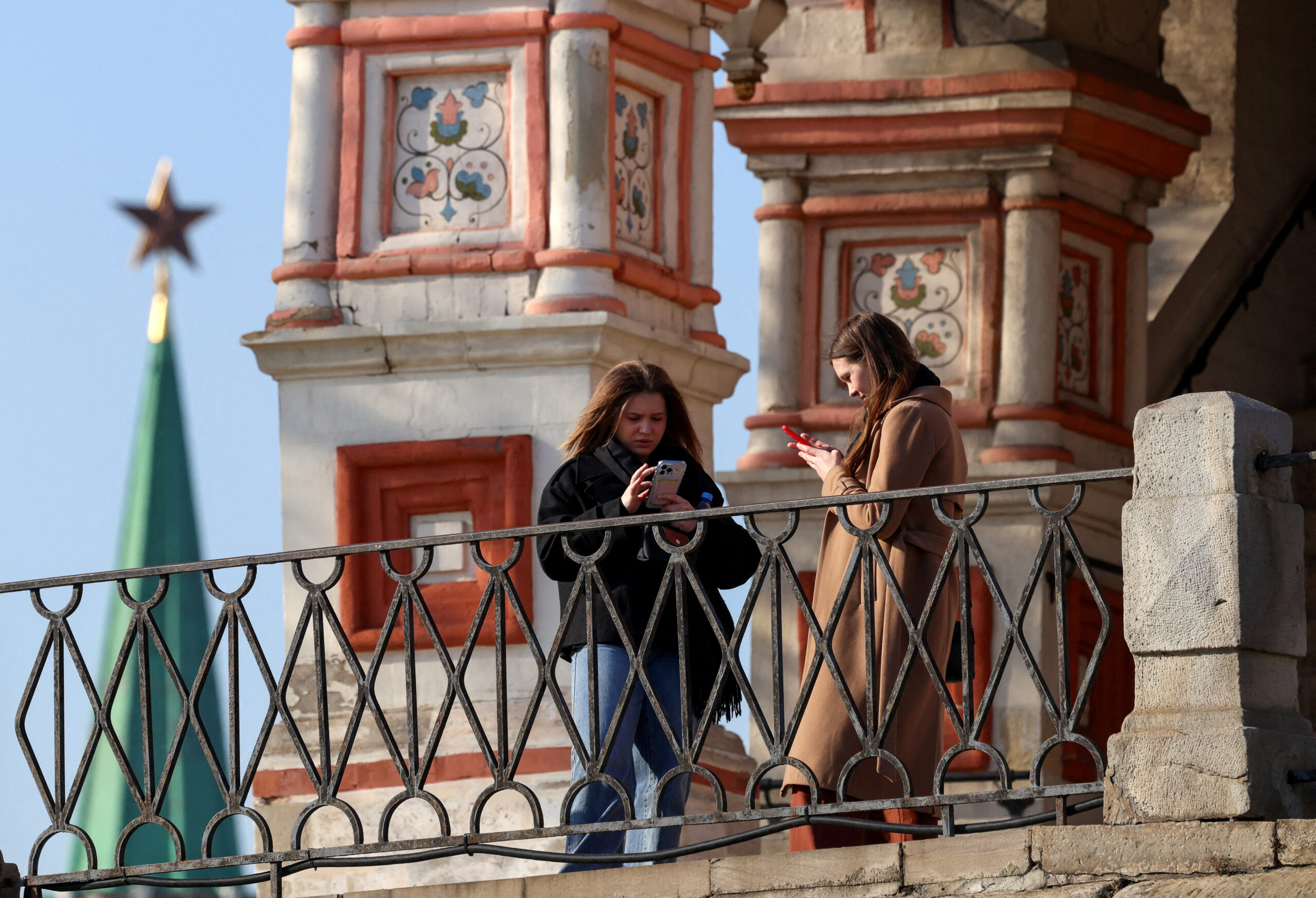
For the first time in 19 days, mobile Internet has started working again in the center of Moscow. The restoration of communication was reported on March 24 by RIA Novosti, TASS, as well as correspondents from the Moscow agency, Sotavision and the publication We Can Explain.
According to users and journalists, the network has begun to operate stably, but previously blocked resources and Telegram are not opening.
The Internet appeared in areas near the metro stations “Park Kultury”, “Oktyabrskaya”, “Arbatskaya”, “Kurskaya”, “Ploshchad Revolutsii”, “Kyiv” and other points. The restrictions, which began on March 5–6, affected almost all districts of the capital, with the exception of New Moscow, but were most stringent in the center.
In order not to miss new texts from “Layout”, subscribe to our telegram channel
How the blocking went
The large-scale shutdown lasted 19 days - this is a typical period for the regions of Russia, the “Agency” was told in the “In touch” project. In Moscow, the same scheme was used: partial shutdown and access only to sites from the “white list”.
At the same time, even permitted services were unstable. Users had problems with Telegram and WhatsApp, including via VPN. “The mobile Internet works under VPN, but it’s unstable with messengers: I see that a message has arrived, but in order to view it, I have to turn off the VPN and turn it on again,” noted the Agency’s interlocutor.
Residents also encountered problems at home: prescriptions could not be opened in the unified medical information and analytical system, it was impossible to pay for services, including home Internet, and paid street toilets stopped working because the operator was not included in the list of permitted services.
Where the Internet still doesn't work
Despite the formal restoration, zones of almost complete shutdown remain in the center of Moscow.
According to journalists, mobile Internet is absent or extremely weak in the area of the State Duma on Okhotny Ryad, the Prosecutor General's Office and the Federation Council on Bolshaya Dmitrovka, near the buildings of the Ministry of Defense on Znamenka and Roskomnadzor on Kitaigorodsky Proezd, as well as near the Kremlin and Red Square.
“In general, the entire “government belt” of the center turns out to be a zone of almost complete shutdown,” noted a correspondent for one of the publications.
At the same time, in a number of other points of the center - near the FSB building on Lubyanka, the Central Bank on Neglinnaya and the presidential administration on Staraya Square - communication works stably. As you move away from the center, the quality of the Internet improves.
Why was it turned off and what next?
The authorities explained the restrictions by “ensuring security.” “All communication shutdowns and restrictions occur in strict accordance with current legislation,” said presidential press secretary Dmitry Peskov.
Sources in the telecom market associated what was happening with the testing of the “white list” system, which began working on March 13. On March 18, Muscovites also began receiving SMS messages about possible communication interruptions.
Experts believe that outages may repeat and become more targeted.
Some cybersecurity experts believe the restrictions may be related to the "paranoid attitude toward security" of Russian President Vladimir Putin and his circle, which has intensified amid threats of drone attacks.
Previously, “Layout” told how you can bypass Telegram blocking . We also found out that Roskomnadzor continues to conduct commercial activities through Telegram, which it itself blocks. A subsidiary institution of the department conducts an examination of content for money, but not about blocking.
Photo: Moscow, March 20, 2026. REUTERS/Anastasia Barashkova
Support “Vestka” - it’s important and safe →