
Translated material
War
1491st day. The Ukrainian Armed Forces are attacking Russia in the Baltic: a ship was damaged at the shipyard in Vyborg, there was a strong fire in the port of Ust-Luga. Ukrainian drones fell in Latvia and Estonia
Since February 24, 2022, Meduza has been broadcasting live about the Russian-Ukrainian war. We publish your letters every day because we are sure that we need to continue talking about the war. Share with us your thoughts about the war. What feelings are you experiencing? How does war affect your life and your attitude towards the world? If you have a story related to the war, tell it . The feedback form is at the end of this article. A review of the previous day can be read here .
Russia
The Ukrainian army launched a massive drone strike in the Leningrad region. According to the governor of the region, Alexander Drozdenko, 56 drones were destroyed over the region on the night of March 25.
One of the targets of the attack was the port of Ust-Luga, a key port for exports in the Baltic: crude oil and petroleum products, as well as coal, iron ore, fertilizers, and liquid chemicals pass through it. In 2025, its cargo turnover amounted to 130.5 million tons. In February, the port shipped about 450 thousand barrels of oil per day.
This is the second major attack in three days on Russian infrastructure in the Baltic - on March 23, the port in the city of Primorsk came under attack, causing shipping operations there to stop for a long time.
The drone hit caused a large fire in the port. No injuries were reported. The General Staff of the Ukrainian Armed Forces later stated that the tank farm and devices for loading oil and petroleum products were damaged.
“The specified facility is an important component of the Russian energy infrastructure and is used for the export and transportation of petroleum products, the proceeds from the sale of which are used to support armed aggression against Ukraine,” the General Staff explained the choice of target for the attack.
The General Staff of the Armed Forces of Ukraine also reported that the shipyard of the Vyborg shipyard was attacked, as a result of which one of the ships was damaged. The Russian authorities did not officially comment on this, but photos of the consequences were distributed, including in Russian Z-publics. According to the Military Informant, the patrol icebreaker of Project 23550 (Ermak) was damaged - it tilted and collided with a neighboring ship.
In Vyborg, a drone damaged a residential building, Governor Drozdenko said, without providing details. Astra, with reference to photos and videos of eyewitnesses, writes that this is a cultural heritage monument of regional significance, which is located opposite the building of the FSB border department for the region.
Two drones flying to the Leningrad region fell in the Baltic countries - one in Latvia, one in Estonia. Latvian President Edgars Rinkevich confirmed that the downed drone was part of a “Ukrainian-coordinated operation against targets in Russia.”
Another “unidentified aircraft” entered Latvian airspace from the direction of Belarus, it “made a slight turn and flew towards Russia,” the Latvian military said .
In Estonia, a drone damaged a pipe at a power plant in Narva. The authorities did not specify whose drone it was, only emphasizing that it entered Estonian airspace “from Russia.”
Earlier this week, drones have already fallen in Lithuania and Latvia. Against this backdrop, assumptions began to spread in Russian pro-war publics that the route of Ukrainian Armed Forces drones attacking the Leningrad region was planned to pass over the territory of these countries with the tacit consent of their authorities. There is no independent confirmation of this.
War in photographs. Kramatorsk


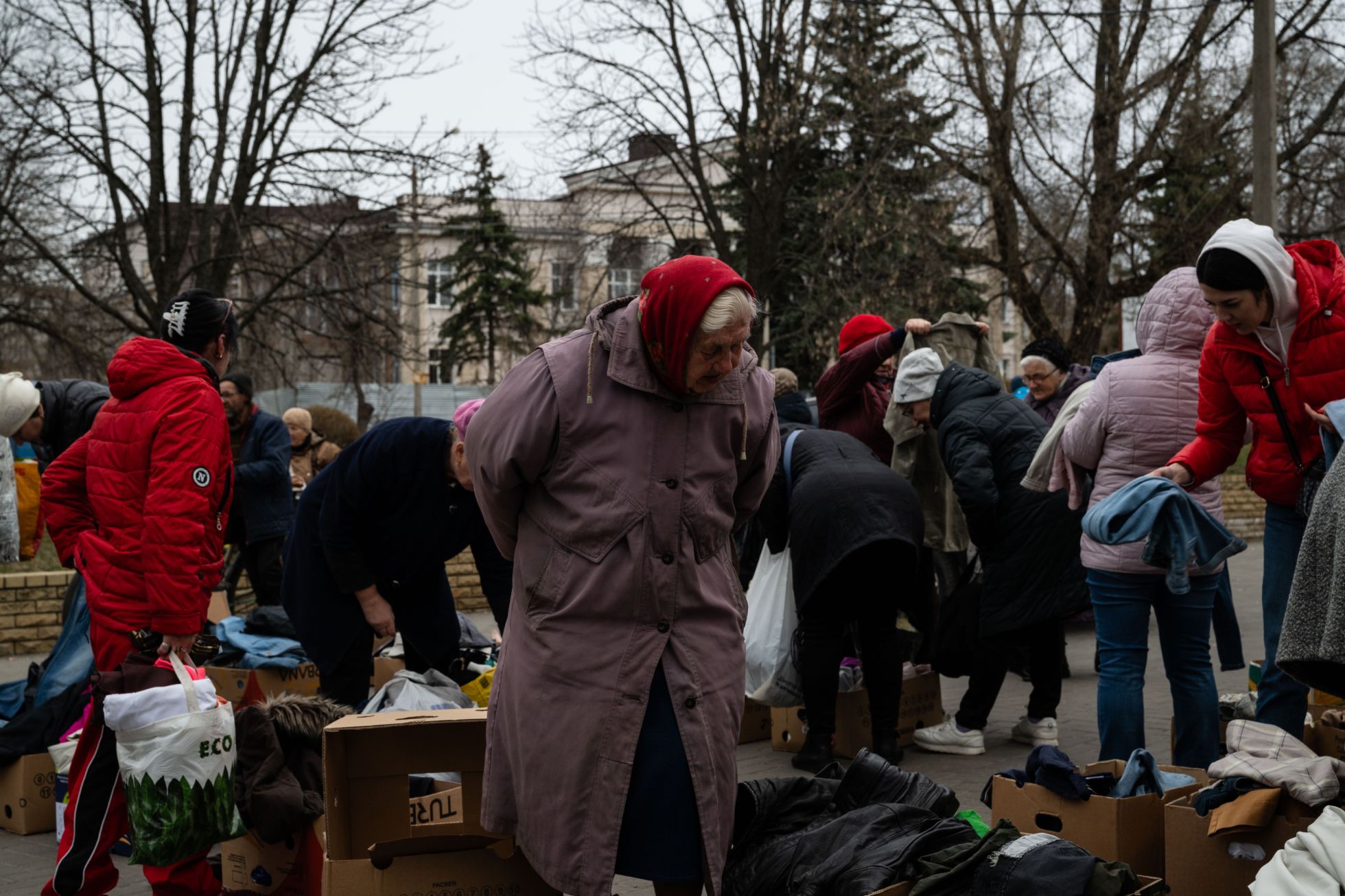
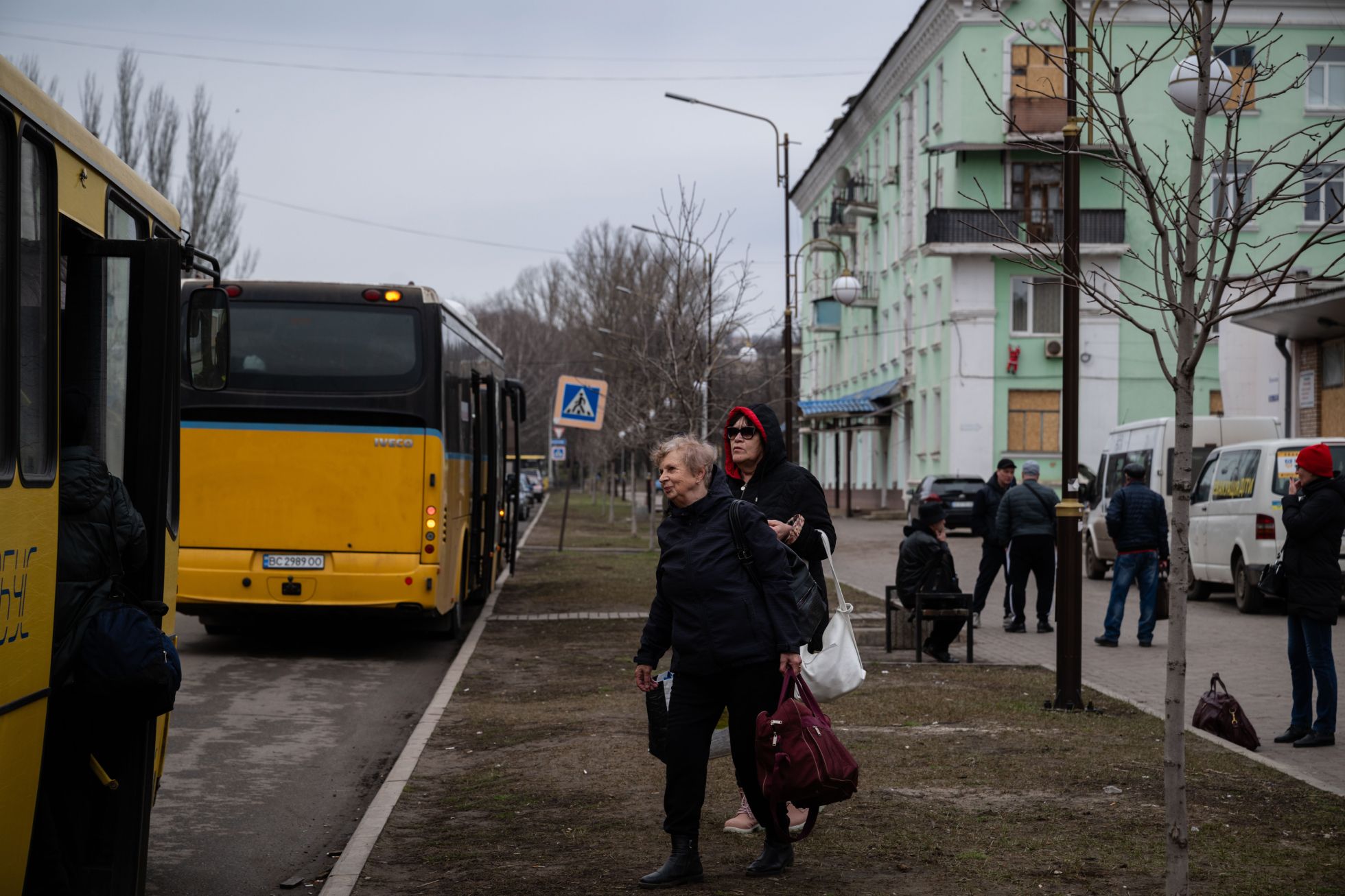
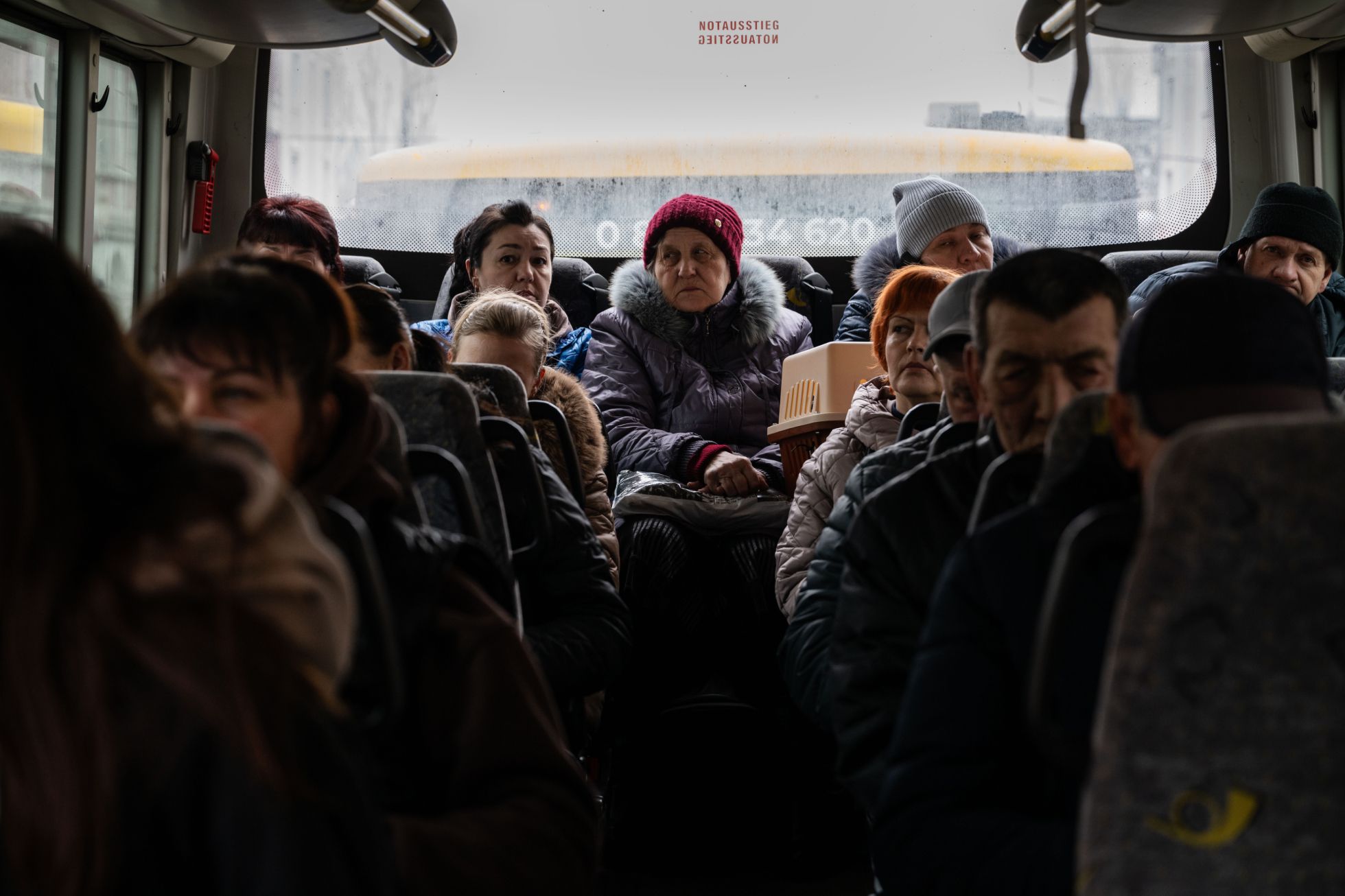
War through the eyes of Meduza readers
How we choose letters
Meduza's readers live in different countries and have different attitudes towards the war. We publish your letters to see this event through your eyes. Our editors try to present all points of view, even if they do not coincide with the editorial position. However, in accordance with the Meduza code, we do not publish messages that contain “hate speech,” justify the murder of civilians, or express direct support for an aggressive war.
Anonymous reader (Tambov) . Today, the vice-rector of a regional university came to the university to campaign, [to convince] to sign a contract and “inoculate us with patriotism.” This was my first meeting, perhaps that is why it shocked me so much. From his story one could conclude that our army is the brightest, the purest and the most grandiose. But this person did not talk about the “nullification”, did not tell what happens when you want to break the contract, and did not talk about the torture initiated by the Russian military. “We don’t have it, they do it.” Only them. What are we doing? Nobody answered this question.
They didn’t force us, but they tried to prove to us that the contract was not a legal license to kill, but a contract that opened up great opportunities, good salaries, the work of a lifetime. “The contract is tailored for young people” - this phrase was heard at the end of the meeting.
From the meeting it could be concluded that in Russia the idea that contracts are for young people is progressing and developing. “People over 40 are unteachable.” Only young people can master the assembly and operation of UAVs, only young people have the flexibility and other skills that adults do not possess. This [idea] can be seen in many universities; it grows to the level of ideology. But everyone sitting in the audience understood that the signed contract was suicide.
Our state does not want qualified young specialists, our state wants murderers and the death of young people, which these young people will do themselves.
Share your thoughts about the war
"Jellyfish"