
Translated material
Assimilated rights
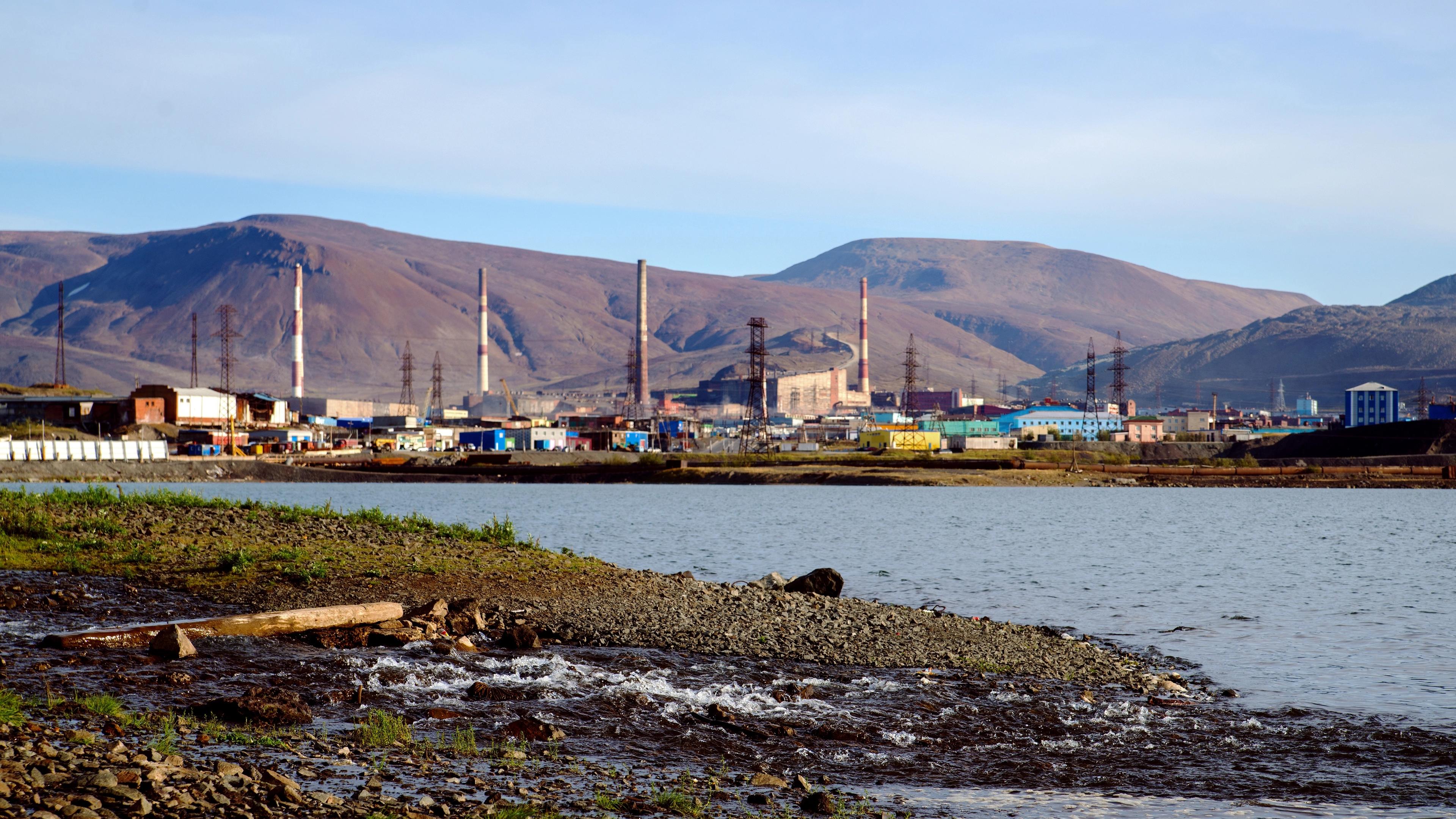
How major infrastructure projects in the Russian Arctic are affecting indigenous peoples from Murmansk to Chukotka
The Russian Arctic is becoming an area of increasing geopolitical, economic and logistical importance. Climate change, shrinking ice cover and advancing technology are driving interest in the region, making it more accessible for shipping, mining and infrastructure.
At the same time, a significant part of large infrastructure projects in the Russian Arctic are being implemented in the territories of residence and traditional management of indigenous peoples.
Arctida has prepared a report on how such projects affect the indigenous peoples of Russia and the extent to which existing mechanisms are able to protect their rights. Using the example of six cases - the Lavna port, the Vostok Oil project, the Baimsky GOK, Yamal LNG, the infrastructure of the Northern Sea Route and coal and gold mining on the territory of the Iengrinsky Nasleg - the study examines the social, environmental and territorial consequences of industrial development for indigenous communities.
This is a shortened version of the report prepared by Arctida. The full version with a detailed description of the cases, data used and methodology can be downloaded below.
Asserted rights. Arctida reportAbout the study
The study focuses on several interrelated issues:
- how the Russian legal system defines indigenous peoples and what specific features it has in comparison with international standards;
- how consultations and procedures for participation in the projects under consideration are organized;
- how the representation of indigenous peoples works in interaction with the state and business;
- how the infrastructure projects reviewed impact indigenous lands;
- the extent to which existing mechanisms are able to accommodate and minimize the impact of large projects and associated infrastructure.
The report also examines how the projects' engagement practices with indigenous peoples compare with international standards, including the principle of free, prior and informed consent (FPIC).
This study was prepared as part of a project to monitor large infrastructure projects in the Russian Arctic.
He examines the consequences of industrial and logistics development in the region in various areas: from environmental and climate effects to issues of indigenous peoples' rights, territorial access, infrastructural transformation and political governance of the Arctic.
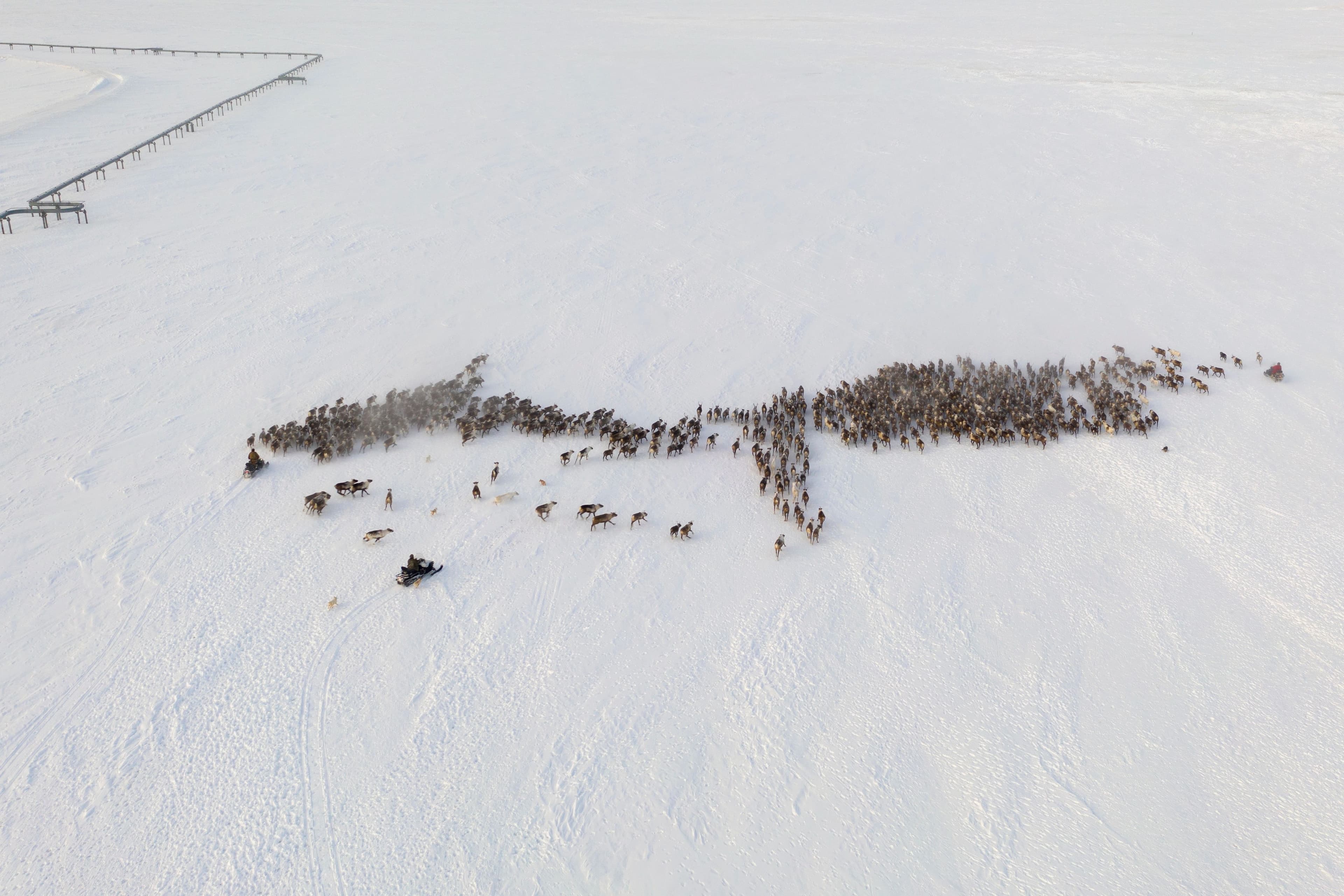
Key findings of the report
- The Russian model of protecting the rights of indigenous peoples is limited both in content and in institutional support.
Find out more:
- Even the limited participation procedures provided within the system are in many cases implemented by companies in a formal or non-transparent manner.
Find out more:
- A significant role in the system of interaction between the state, business and indigenous peoples is played by GONGO organizations that are closely associated with government agencies or corporate funding.
Find out more:
Conclusions from the cases
Vostok Oil and Taimyr
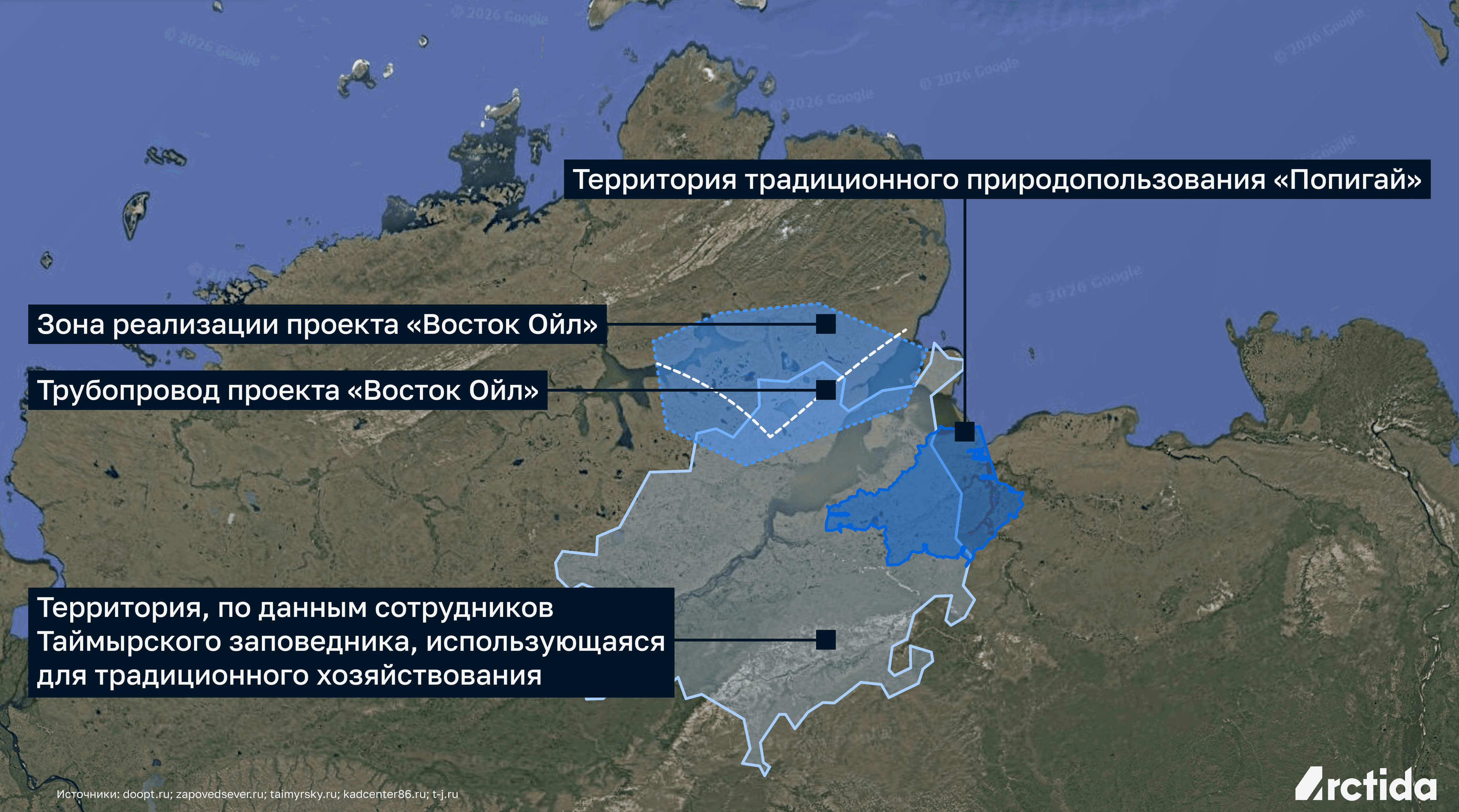
Vostok Oil is one of the largest oil projects in the Russian Arctic. The development of its infrastructure reflects the logic of viewing the Arctic as a territory of “development”, within which priority is given to resource and transport infrastructure rather than to the protection of traditional economic territories.
The Rosneft megaproject involves significant changes in the affected areas and strengthens the inclusion of indigenous communities in the extractive economy.
The key risks of the project for indigenous people are related to the fragmentation of traditional natural resource management spaces, the impact on fishing, reindeer herding and hunting, as well as the long-term consolidation of industrial infrastructure in the region. Meanwhile, approval procedures are structured according to the minimum requirements of Russian legislation and require the collection of opinions, and not FPIC, as a mandatory condition of the project.The report also shows that the strongest formal protection mechanism that exists in Russia— Traditional Natural Resources Management Territories (TNRs) —does not protect all of the areas where Taimyr’s indigenous communities actually live and farm, and is limited to a small area.
Port Lavna and the Sami
The construction of the infrastructure of the Lavna port, a large terminal intended for the export of coal , demonstrates the limitations of the Russian legal system. The Sami are not considered at all within the project as a separate affected group with independent interests and rights , despite the connection of the project with the territories of their residence and economic activity. This is largely due to the fact that the project area does not have the status of a TTP or other protected area, so issues of traditional environmental management and economic activity actually find themselves outside of special protection and accounting mechanisms.
A key channel of potential negative impact relates to threats to the aquatic environment of the Kola Bay due to pollution and noise and may affect fishing as a continuing practice of traditional Sami environmental management.
Baimsky GOK
The Baimsky mining and processing plant in Chukotka is one of the largest industrial projects in the Russian Arctic. At the same time, its implementation demonstrates the reactive nature of interaction with indigenous communities. Communication around the project is built not through mechanisms of direct participation of the actually affected groups, but through officially recognized organizations and intermediaries, primarily the Association of Indigenous Peoples of Chukotka, built into the Raipon structure and headed by a member of the United Russia party. Consultation procedures became public after the project began to be implemented on the ground.
The impact on the traditional way of life of the project was systematically underestimated due to the artificial separation of the deposit itself from the supply infrastructure , which creates the main risks for traditional natural resource management.
The benefit-sharing model is built around patronage social support and symbolic partnerships with indigenous communities: procurement of venison, transfer of equipment, support for cultural events, schools and medical institutions. At the same time, the damage is territorial, economic and long-term in nature. It affects pastures, deer migration routes, access to the coast and natural resources, opportunities for fishing, hunting and other forms of traditional environmental management.
Yengra and cumulative impact on land
The situation around industrial activity for coal and gold mining in the area of the village of Iengra in the Republic of Sakha shows the limitations of existing protection mechanisms even where special legal instruments are formally present. The presence of special legislation on ethnological examination in the Republic does not in itself guarantee the protection of the rights of indigenous peoples. Its effectiveness is limited if there are no mechanisms for implementing the findings of the examination. Similarly, participation procedures do not work fully when some of the affected communities are excluded from discussions on projects or have no real influence on their parameters.
The case demonstrates that without effective consideration of indigenous communities in development planning, they are forced to seek protection through complaints, inspections, courts and compensation negotiations after impacts have begun.Yamal LNG
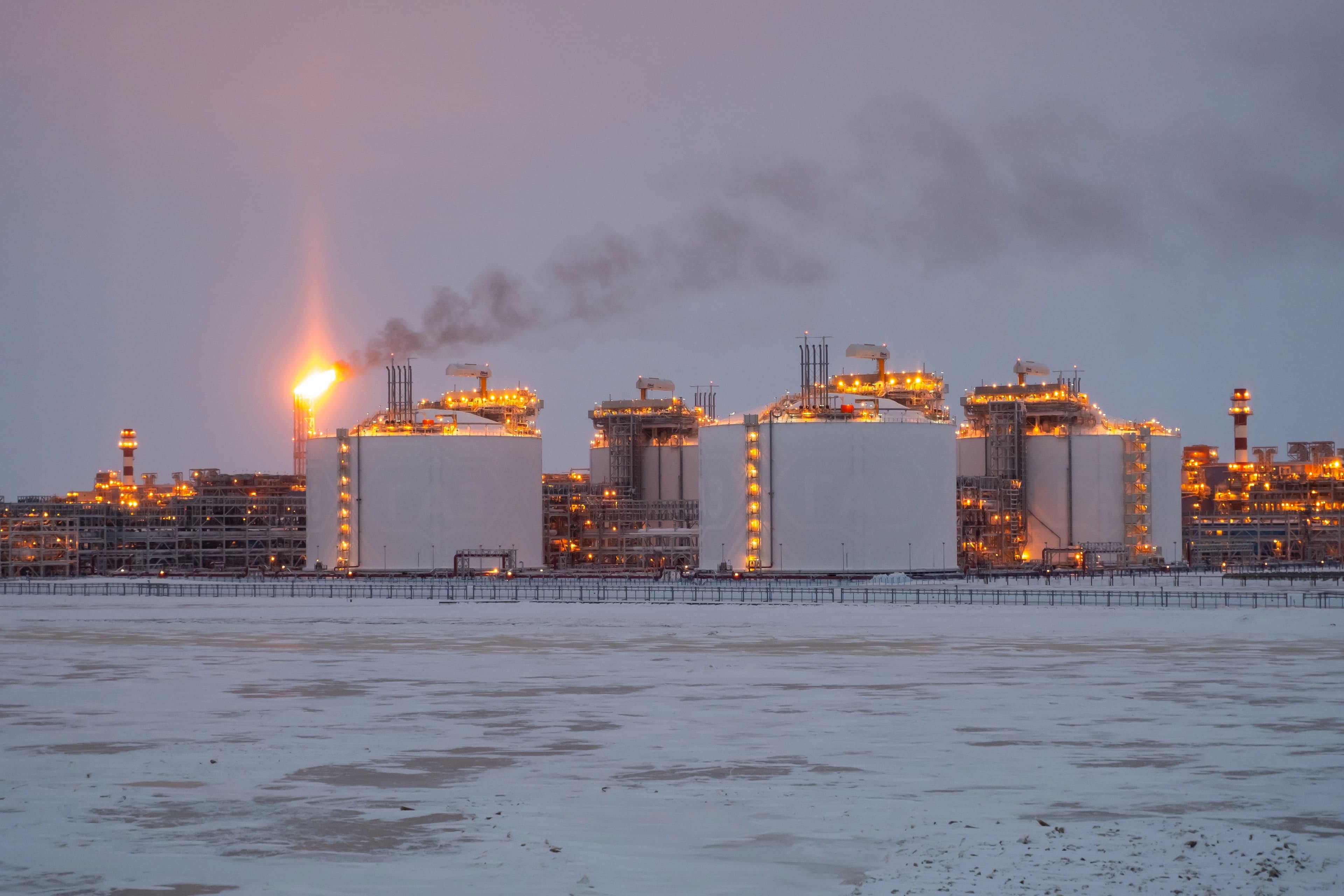
Yamal LNG is a large project for the production of liquefied natural gas. Its consultation and social framework was institutionally better developed than in many other Arctic cases, but this did not lead to compliance with key international standards of indigenous participation and consent.
Until 2022, the participation of Western investors and international institutions partially stimulated the use of international ESG rhetoric and certain additional consultation procedures. However, the implementation of elements of international standards turned out to be formal, since it does not contradict Russian legislation and is at the same time easier to implement.
Indigenous representation has been partially mediated by co-opted associations embedded in the state-corporate regime of territorial governance, which narrows the space for autonomy and the right to refuse. Without a transparent methodology for assessing damage, clear targeting criteria, and the participation of indigenous groups themselves in determining what constitutes benefits and compensation for them, the distribution of benefits and damages in a project is asymmetrical.
Benefits are directed primarily at the area and local population as a whole, rather than at the specific groups that are harmed. Particularly vulnerable remained groups outside formal economic structures, whose rights to land were not documented.As in the case of Iengra, the impact on the Yamal territory consists not only of the parameters of a single project, but also of the cumulative transformation of the peninsula under the influence of gas, port, transport and rotational projects over decades, and this must be taken into account when assessing the impact of new projects. Technogenic pressure increases existing risks.
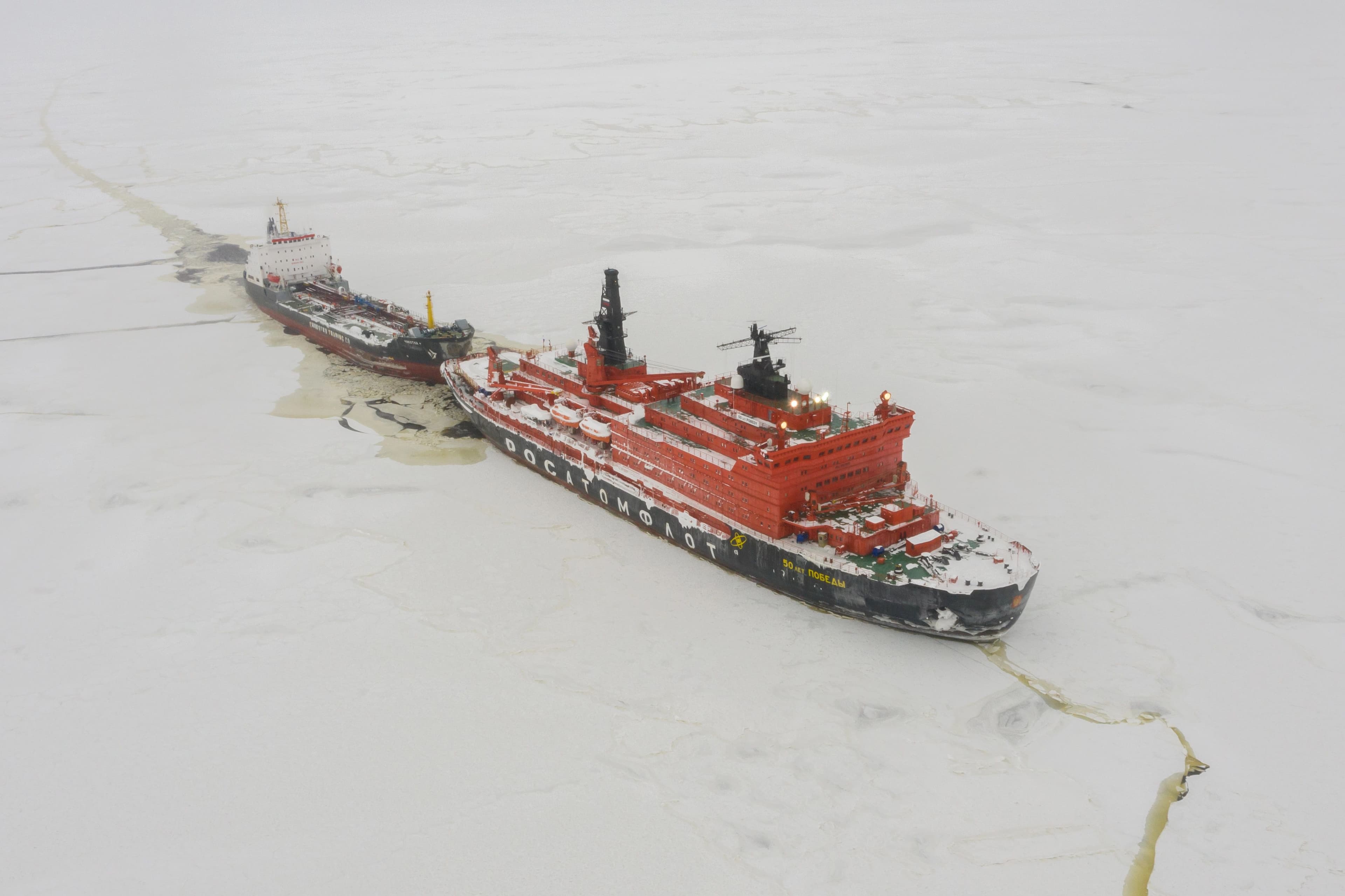
Northern Sea Route
The development of the Northern Sea Route is an example of cumulative infrastructure impacts that do not fit into the framework of individual project procedures.
Ports, shipping, energy infrastructure, resource extraction projects and supply chains form a unified system of impacts on the territory and way of life of Arctic indigenous peoples. However, the mechanisms of participation themselves remain fragmented and tied to individual objects.
The report views the Northern Sea Route as a distributed infrastructure megaproject, the scale of which is disproportionate to existing procedures for consultation and taking into account the views of indigenous peoples. The project, the consequences of which are distributed across the territories and waters inhabited by indigenous peoples, is being developed without the full participation of those communities that bear the main environmental and social costs.
Infrastructure projects and indigenous
The cases examined show that the problem of violation of the rights of indigenous peoples in the Russian Arctic is systemic in nature and is associated not only with individual violations, but also with the structure of the normative and institutional model itself. In its framework, the main social, environmental and territorial costs of development fall on indigenous peoples and communities, who do not have a proportionate influence on decision-making. Compensation for damage and the participation of indigenous people in decisions are ritual in nature: consultations do not oblige companies to take real action, and compensation, as a rule, is not directly related to the damage caused.
Infrastructure projects in the Russian Arctic cannot be analyzed solely through the prism of energy, logistics or resource security. We also consider them from the perspective of indigenous peoples' rights, analyzing access to territory, transparency of procedures, mechanisms of representation and risks of co-optation and the limitations of the Russian model of recognition and participation.
Policy towards the Russian Arctic must take into account that low levels of internal standards, difficulties in their implementation, state control over representation and a limited recognition model form a single environment of systemic risk.
You can view the full Arctida report by downloading it:
Asserted rights. Arctida reportCover photo: Hugo1311 / Depositphotos