
Translated material
Mobilization: will it happen or not?
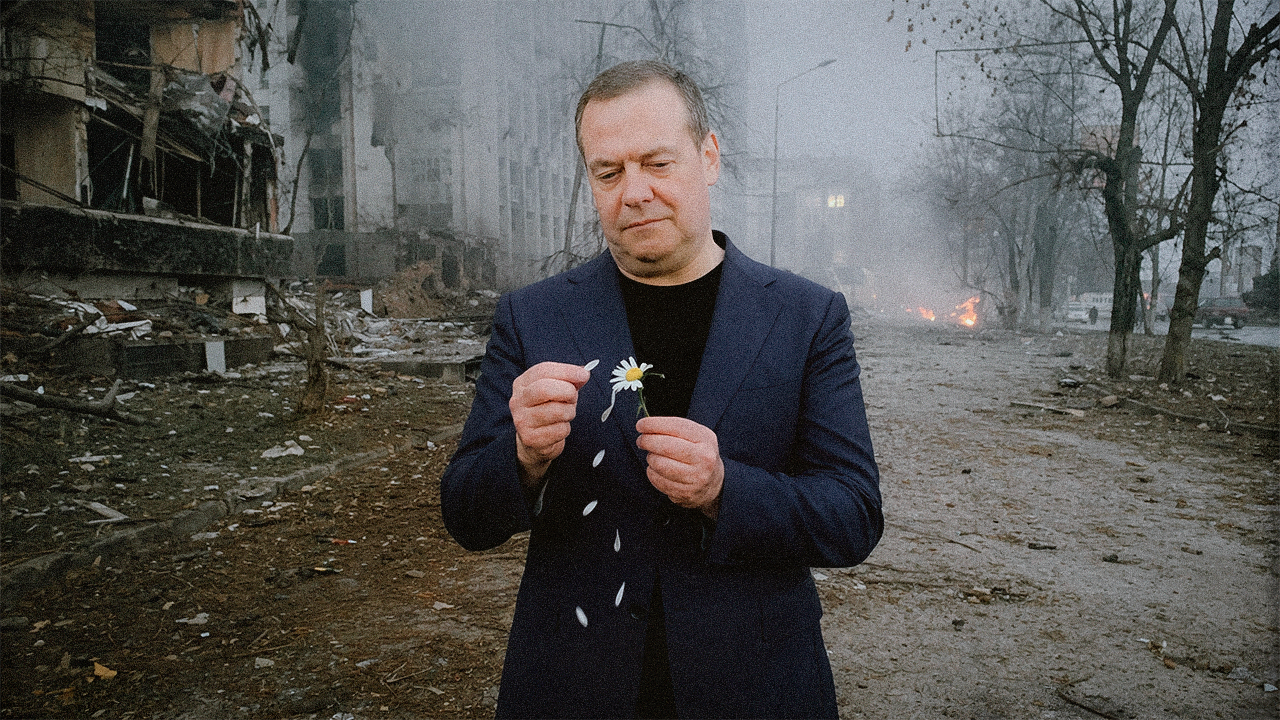
The Kremlin still intends to fight
Putin is preparing to fight in Ukraine for a couple more years. Bloomberg writes about this, citing sources in the Kremlin. Amid a protracted pause in peace talks, a new offensive is being prepared. Putin's press secretary Dmitry Peskov demanded that Vladimir Zelensky urgently make a decision on the withdrawal of Ukrainian troops from Donbass, and the Russian Ministry of Defense once again announced the complete capture of the Lugansk region.
In Russia they are talking about mobilization again. Over the past week, Dmitry Medvedev had to refute rumors that had spread twice. The student recruitment campaign is also ongoing. The Faridaily telegram channel claims that the leadership of universities is required to send at least 2% of the number of students to war: this task was set to the rectors at the beginning of the year by the Minister of Science and Higher Education of the Russian Federation Valery Falkov.
However, even those who spoke about the need for the first one do not support the new mobilization. Many “military correspondents” write that the country cannot withstand a new mass conscription.
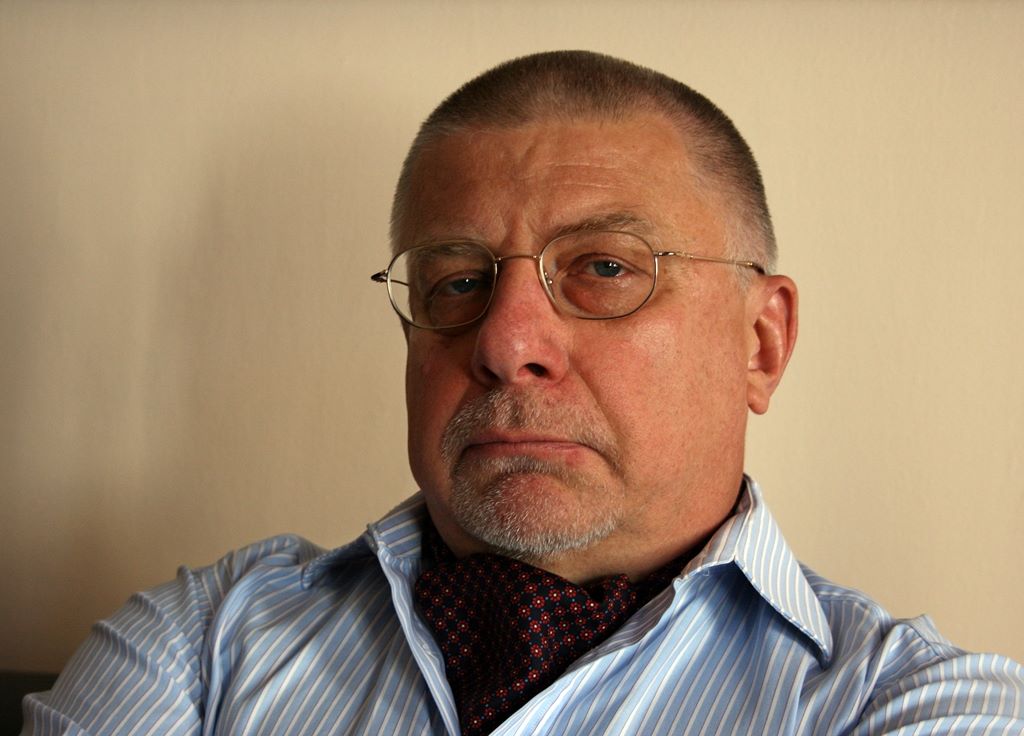
We are talking with military expert Yuri Fedorov about whether Russia is ready to fight for “a couple more years” and a possible new mobilization.
Ukrainian President Vladimir Zelensky announced Russia’s new demands in Donbass. Russia wants Ukraine to leave the region within two months, Radio Liberty's Ukrainian service reports . The media write that Vladimir Putin is ready to wage war against Ukraine for at least two years.
The Kremlin still intends to fight
by Radio Liberty Text copied width px height px The URL has been copied to your clipboard
No media source currently available
Military expert Yuriy Fedorov believes that the news about Russia’s readiness to fight for at least two more years is part of an information campaign against Ukraine:
The meaning of what they are trying to instill with such messages is the meaninglessness of resistance
- This is information for the population of Ukraine and its public opinion. In addition, it is intended for Western political, military and business circles - American and European audiences. Russian propagandists want to show that the war will last a very long time, you will suffer for a very long time, especially in winter. The meaning of what they are trying to convey with such messages is the meaninglessness of resistance. If resistance is futile, then why resist? It’s better to give up, capitulate, and try to somehow decide your personal destiny in the context of the nation’s capitulation. The calculation is very simple - the population needs to put pressure on the government, on the political leadership of the country, on President Zelensky so that he capitulates. If we talk about those messages that are addressed to Europe, the idea here is that the war will be long, and the European political class should ask itself the question whether it would be better to try to come to an agreement with Putin than to endure a war that turns into trouble for Europe. There is also a task to spur patriotic sentiments in Russia itself.
In two months in Donbass, from where Putin demanded the withdrawal of Ukrainian troops, nothing will change. Maybe Russia will advance somewhere, take a dozen villages that are not of strategic importance. But I don’t expect any fundamental changes on the battlefield. In 2026, a new factor emerged that significantly undermines the prospects for a Russian offensive. Mikhail Fedorov, a very young and effective manager, was appointed Minister of Defense of Ukraine, under whom it was possible to overcome the superiority of the Russian army in the number of unmanned aerial vehicles. This sharply reduced the offensive capabilities of the Russian army. Moreover, the range of operation of drones used by the Ukrainian armed forces has been expanded to 30 kilometers.
As a result, the Russian offensive, which was undertaken in the winter, actually choked
This means that the supply of resources and personnel reserves, which must participate in battles already in the combat contact zone, is under attack. This is another factor that reduces the offensive capabilities of the Russian army. These two moments significantly changed the nature of the fighting. As a result, the Russian offensive, which was launched in the winter, virtually fizzled out. In addition, losses increased sharply. This happened because commanders, including at a very high level, are driving assault groups. Usually the military calls them “assault twos” because two people go into battle. They are trying to get through the death zone. There is data, the authenticity of which we cannot confirm, that 8 or 9 attack aircraft out of 10 die before they reach the combat contact zone. All offensive potential is destroyed even before these people begin to fight, says Yuri Fedorov.
Why in Russia, despite the dissatisfaction of the population and even pro-government bloggers, do talks about possible mobilization and a long war continue, says military expert Yuri Fedorov:
The Kremlin needs a bloody nose to achieve some kind of victory or something that can be sold for victory
-The Kremlin needs to achieve a bloody nose to achieve some kind of victory or something that can be sold for victory - both to its own population and to the political, business and bureaucratic elite. Because both in the mass consciousness and in the Russian elite, the question arises: what have we achieved and why are we continuing the war? At the beginning of the war, Putin’s goals were proclaimed - the absorption of Ukraine and the entry of the Russian army to the Polish border, in order to dictate its will to Europe from there. This goal was clear and pleasant both for the average person and for the Russian elite. But now everyone understands perfectly well that nothing similar can be achieved. Then the question arises, why does everything continue? Is it really for the sake of occupying a maximum of six thousand completely destroyed square kilometers of the Donetsk region, which requires colossal funds for restoration?
The war has lost its meaning. This is a key change in Russian political discourse, intuitively perceived by both the masses and the elite. In order to avoid very difficult questions that will have to be answered, Putin needs to show that we have achieved some important victory. We eliminated the threat that seemed to arise and accumulate in Ukraine, and we were forced to get drawn into this war, but we achieved victory. And if this does not happen, then the question arises - why was this war? And who is to blame for the fact that it is impossible to win it? After all, if we didn’t win it, then we lost. This is an interesting feature of the current Russian situation. But for Ukraine the situation looks different - if Russia did not win the war, then we won it. This logic, as I understand it, dominates or is at least recognized by society in Ukraine,” military expert Yuriy Fedorov is sure.
Mobilization: will it happen or not?