
Translated material
The path of water. In the footsteps of Izhevsk coopers
In the 19th century, the village of Izhevskoye experienced a real economic boom: its coopers supplied the entire south of Russia with barrels. This trade allowed them not only to get rich, but to redeem themselves from serfdom long before its abolition and create elected bodies of self-government in the village. Why is this story important today? Read the article by Dmitry Ermakov, a photographer and one of the project participants, about the path of Izhevsk coopers along the rivers of Russia.
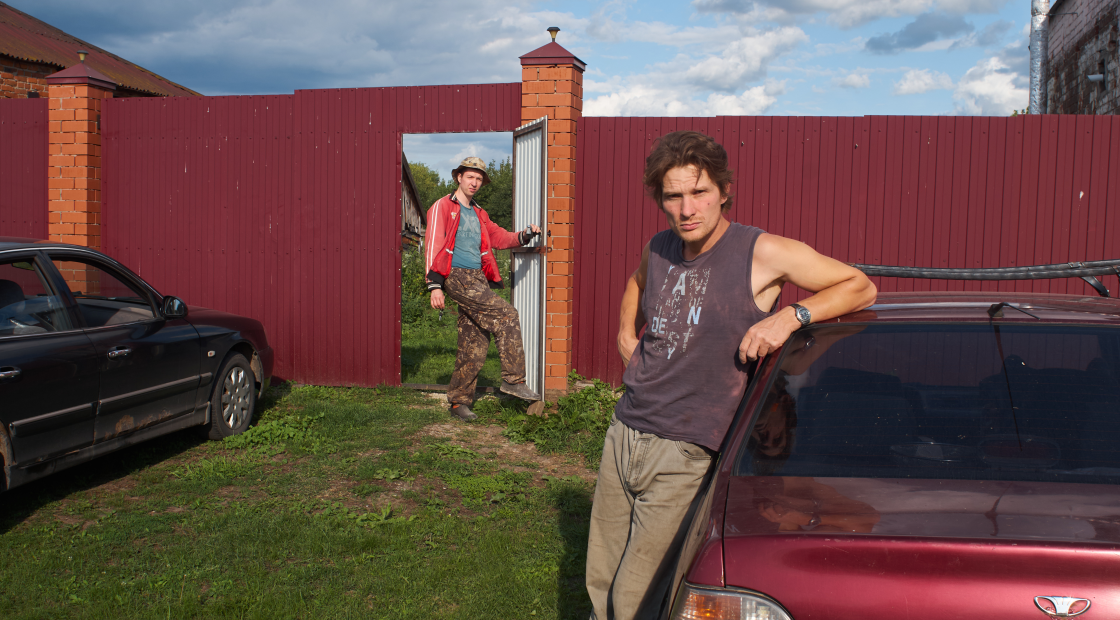
Activist Nikita Girin (left) and builder Alexander Shirinya © Dmitry Ermakov
Now there is still someone to talk about your roots with: while the children and grandchildren of people who experienced all the upheavals of the last century and the “golden age of Stolypin and Witte” before the First World War are still alive. However, whether it was golden is a big question: writers and ethnographers of that time often paint gloomy pictures of peasant life. One way or another, while this memory - dried up by time, sifted by censorship and distorted by retellings - has not yet completely disappeared, enthusiasts are trying to collect and preserve it.
Recently, the word - and concept - craft has become fashionable. That is skill. But this is not a new aesthetic category. There have always been many artisans in Russia, and more than a century ago the economy of the empire was largely built on manual labor.
Many artisans before the revolution (and in some regions after) were engaged in the so-called latrine trade. Artels from one area or another, possessing certain skills, went to where these skills brought them good earnings. Often very far away.
For example, in the middle part of the Ryazan region, not far from the current Oksky Nature Reserve, there are several villages where they knew how to make excellent barrels. The people who made barrels were called coopers. The surname Bondar or Bondarev comes from a barrel maker, just as Kuznetsov is the son of a blacksmith.
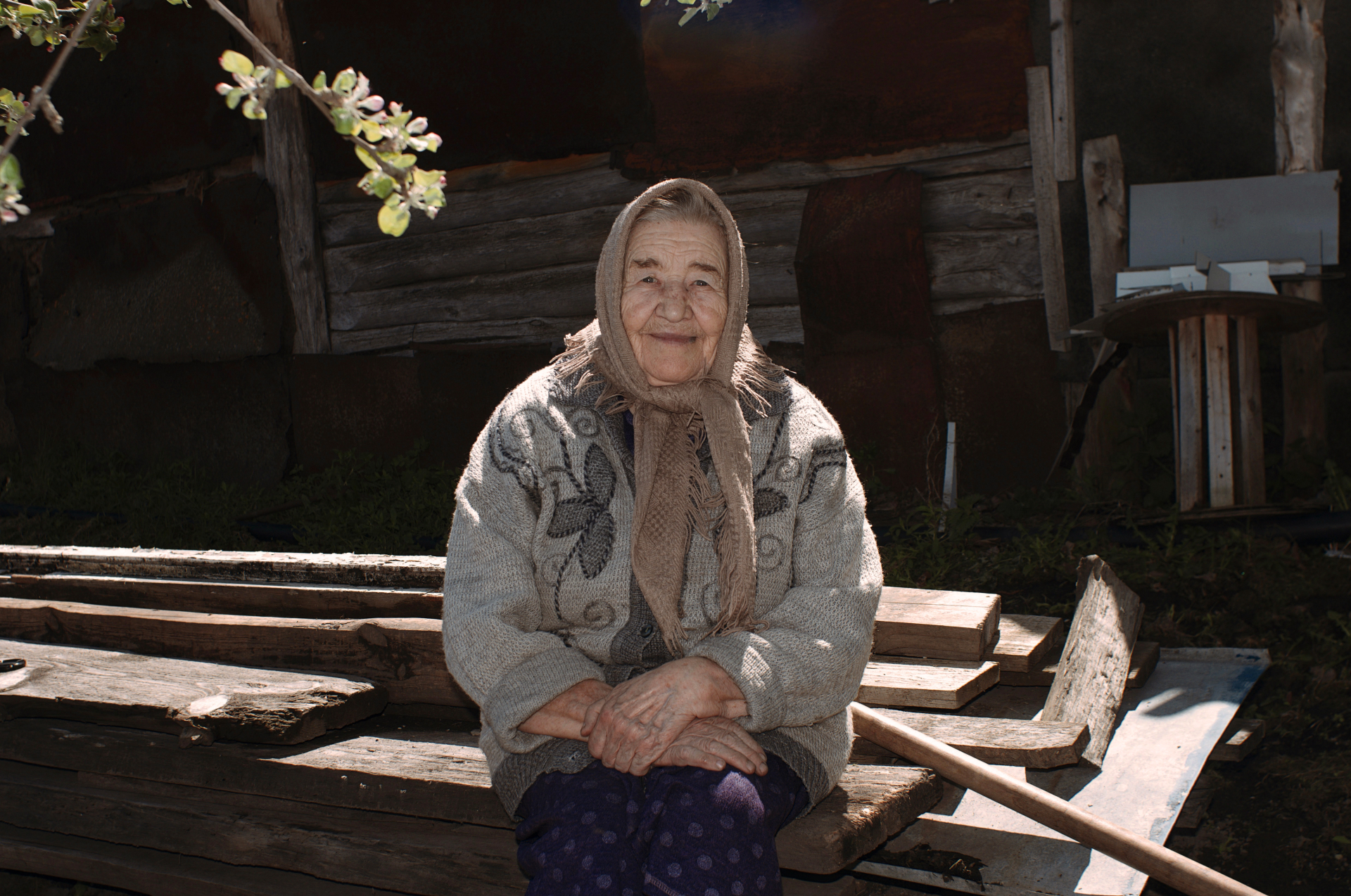
Valentina Mikhailovna Zarshchikova, was married to the son of one of the last Izhevsk coopers © Dmitry Ermakov
In one of these villages - Izhevsk - the coopers were especially enterprising. Starting from the first half of the 19th century, artels from here went to ports or large trading cities in the south: Astrakhan, Taganrog, Mariupol, Kerch and further to Kherson, Odessa. In these cities they traded fish, wine, oil, including from other countries. And for this we needed barrels, many barrels... And preferably strong ones.
Customers liked Izhevsk barrels so much that in the second half of the 19th century, most of the able-bodied men in the village began to go to this trade: by peasant standards, they earned a lot of money. Some of them, having become rich, left the coopers and founded entire merchant dynasties.
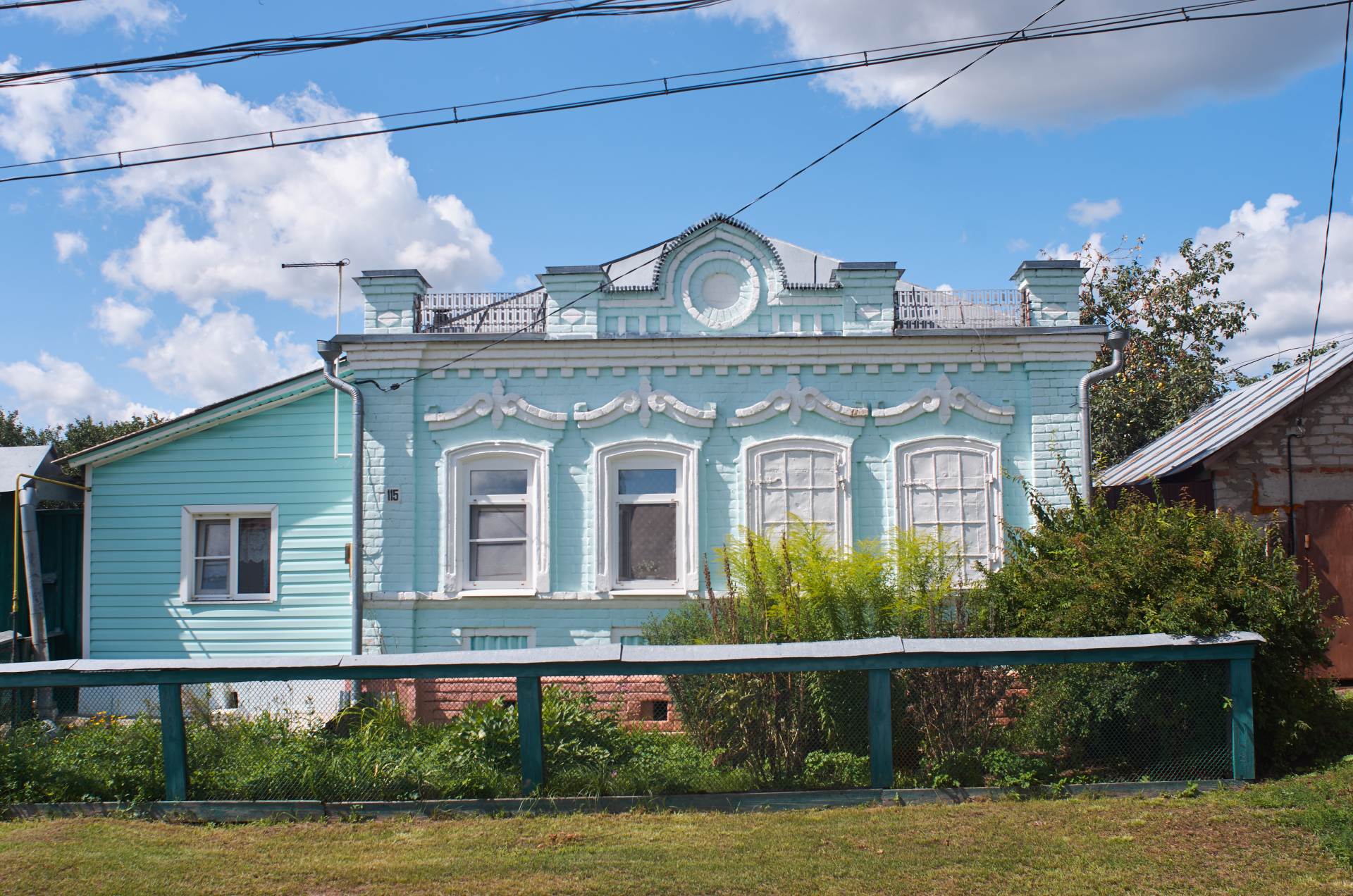
One of the houses of rich peasants in Izhevsk © Dmitry Ermakov
Folk principles
But the first half of the 19th century was still the era of serfdom. How could landowner peasants from the middle zone turn into free artel workers?
In Izhevsk there was an unusual landowner and not quite ordinary peasants. Nikolai Demidov (a descendant of famous mining owners) in the 1820s himself actively encouraged his coopers to migrate to the south. In 1829, the residents of Izhevsk introduced their own Constitution, according to which the village began to be governed by a veche: an elected council of six peasants! Finally, in June 1832, Demidov and his serfs entered into an agreement on the self-redemption of the peasants of the Izhevsk volost - for 3.4 million rubles, which had to be paid within 33 years. Thus, local peasants officially gained freedom 29 years before the abolition of serfdom.
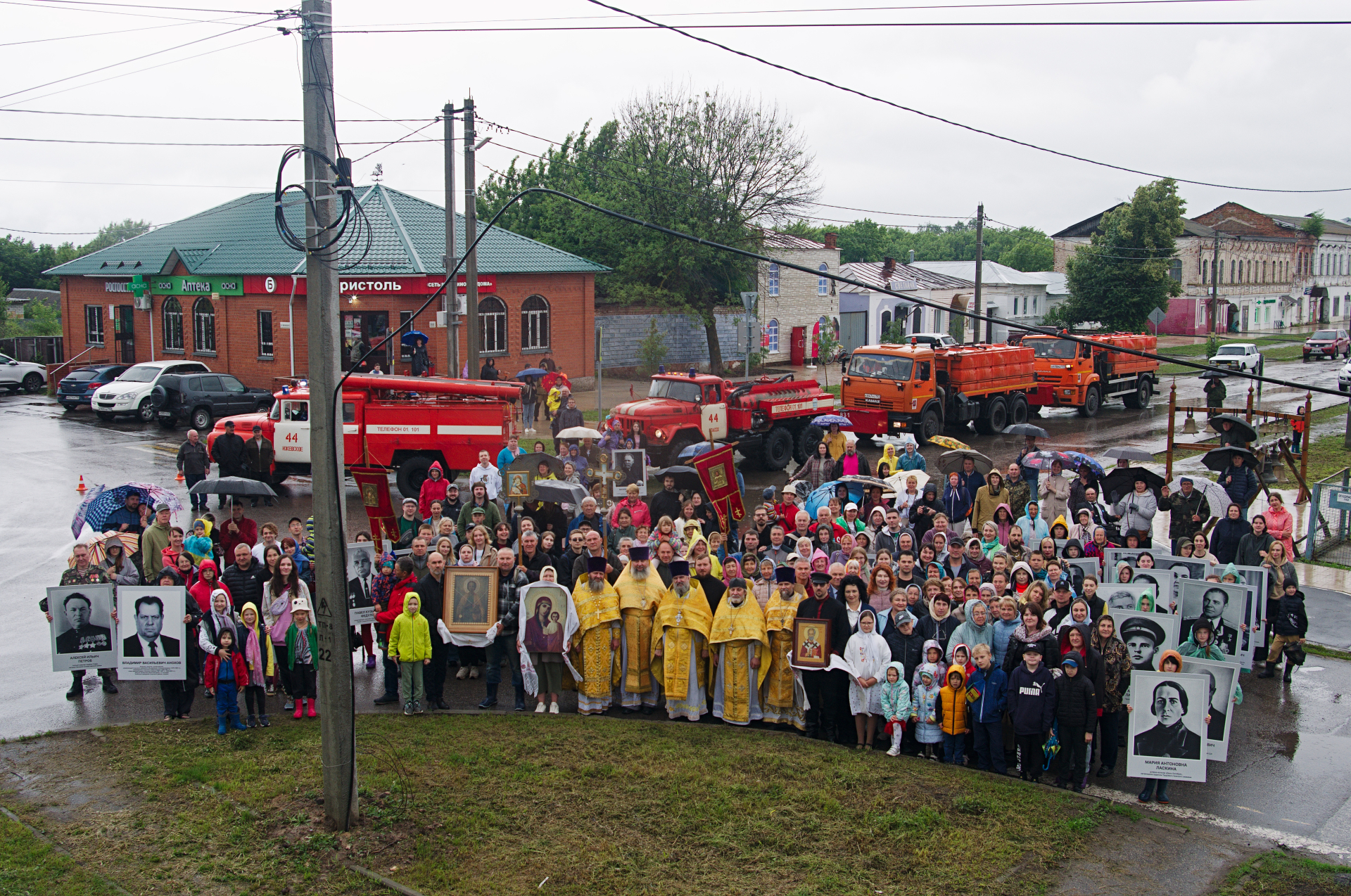
On Village Day in Izhevsk, which is celebrated on June 23 - the anniversary of the self-redemption of peasants. In 2024 it was celebrated for the first time after an almost century-long break © Dmitry Ermakov
By the way, four years before its abolition, the future pioneer of astronautics, Konstantin Tsiolkovsky, was born in a free village. True, he lived here for only six months. But a museum in his honor was created in the village - in 1967, already in the space age. On a popular basis.
In general, “folk principles” play an important role in Izhevsk. Politically and economically, the village resembles the famous medieval “republics” of the North: Novgorod, Pskov, Ladoga... Rich trading cities that were connected with the outside world by water. And since all the residents were very independent and earned decent money, the cities were governed by the veche. Something similar happened in Izhevsk.
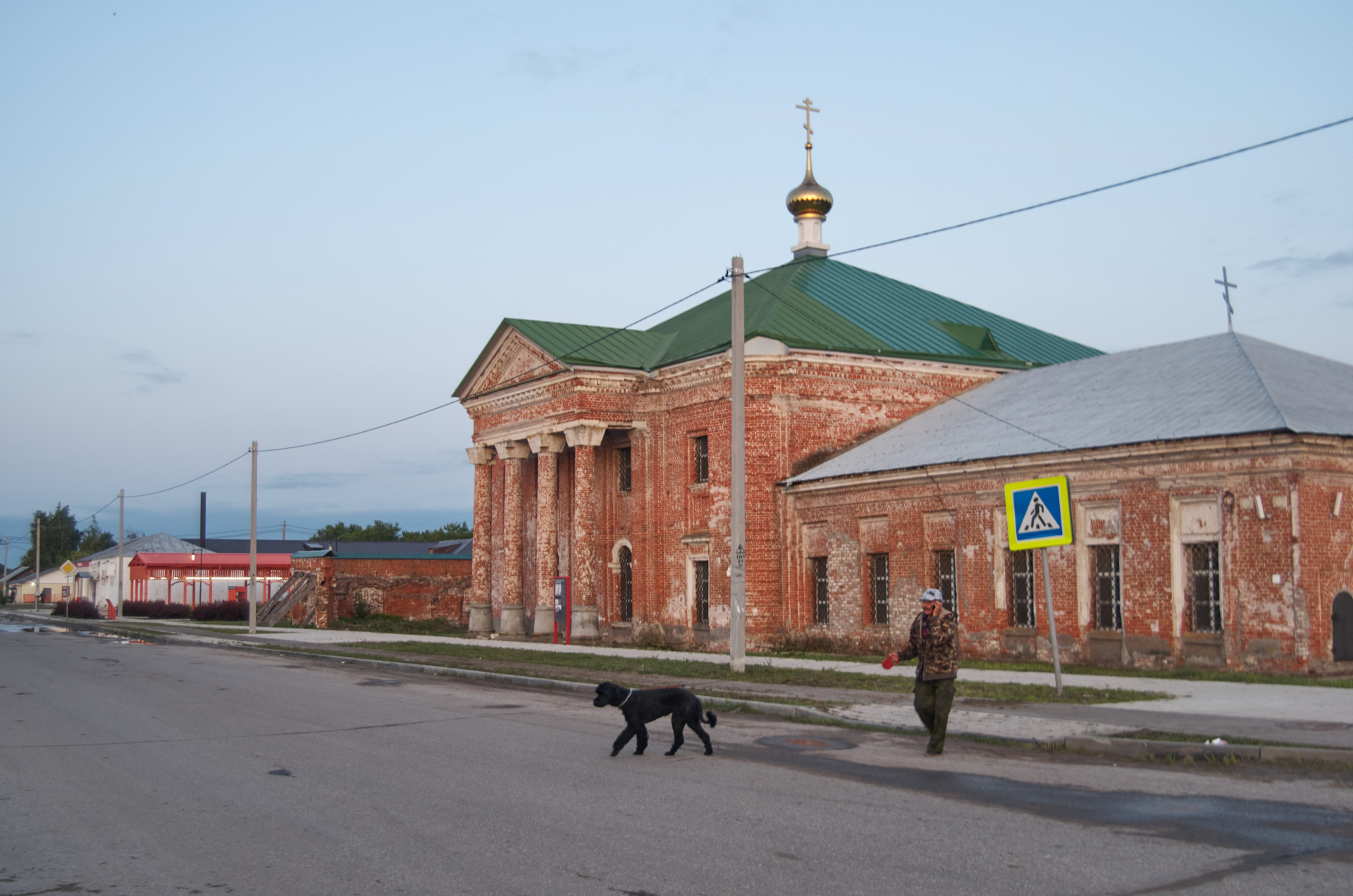
Kazan Church in Izhevsk © Dmitry Ermakov
Memory search
The history of Izhevsk is, without a doubt, amazing and unique, but the memory of their ancestors among modern residents of the village is rather fragmentary and foggy. This is not surprising: the main tragedies of the 20th century did not bypass Izhevsk: the First World War, the Civil War, the Gulag, the big war again... And, of course, mass migrations associated with industrialization and utopian attempts to build a new, just world. Connections between generations were severed, people did not keep systematic records, home archives were destroyed or lost. And although quite a lot of technical data has been preserved - in metric books, Soviet archives - genealogy in Izhevsk, as elsewhere in Russia, is a difficult matter and requires a lot of involvement.
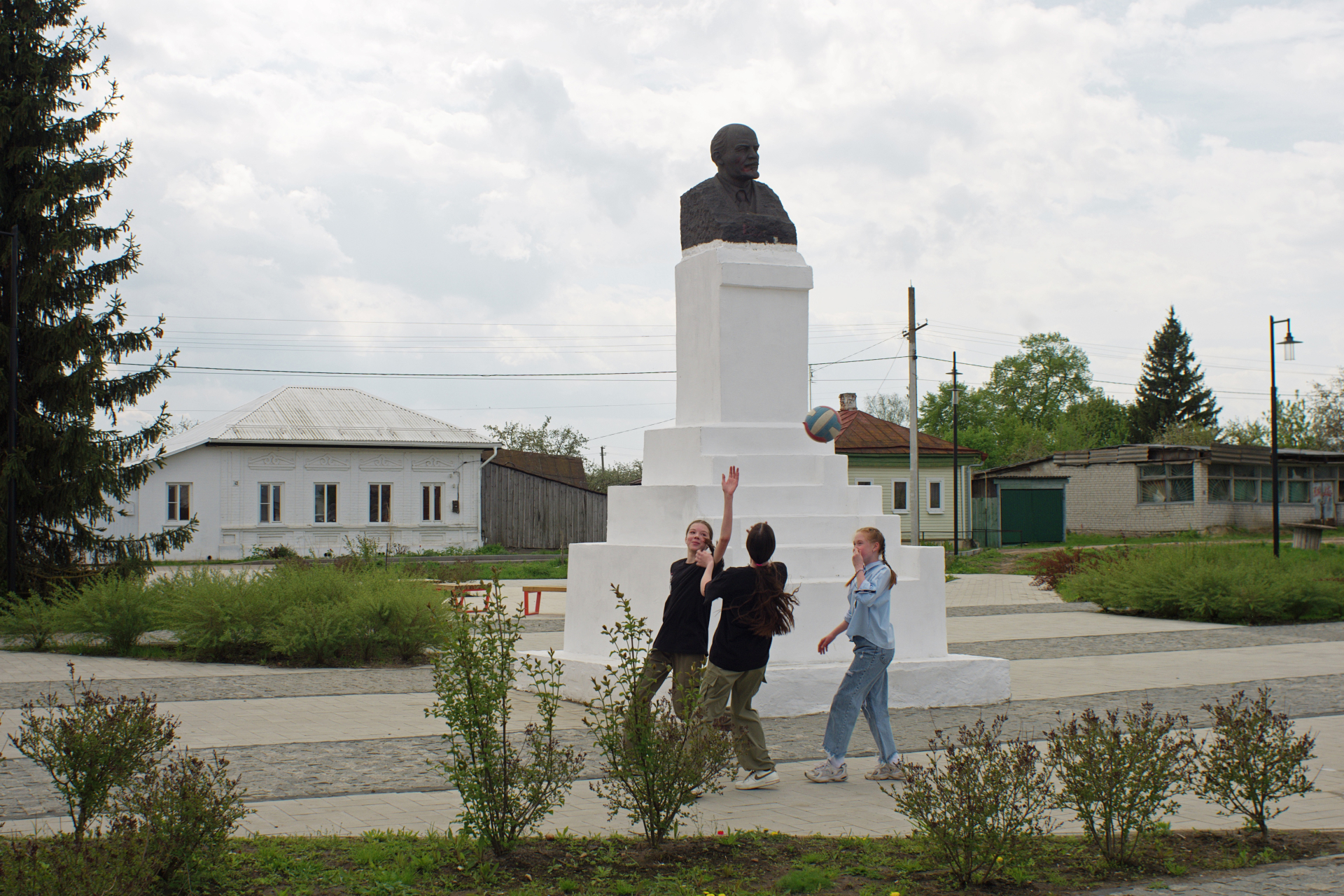
Monument to Lenin in Izhevsk © Dmitry Ermakov
Local residents, of course, know that there were “glorious coopers” in their village, but many families cannot even say which of their ancestors was engaged in this craft. But if not all, then certainly half of the residents of Izhevsk had ancestors who were barrel makers!
Some old-timers, however, still have some stories to tell. Basically, of course, these are vague childhood memories or retellings: it happened a long time ago. Soviet self-censorship also worked. Bondar is a rich man, a kulak, a nepman. Stories about such ancestors were not welcomed.
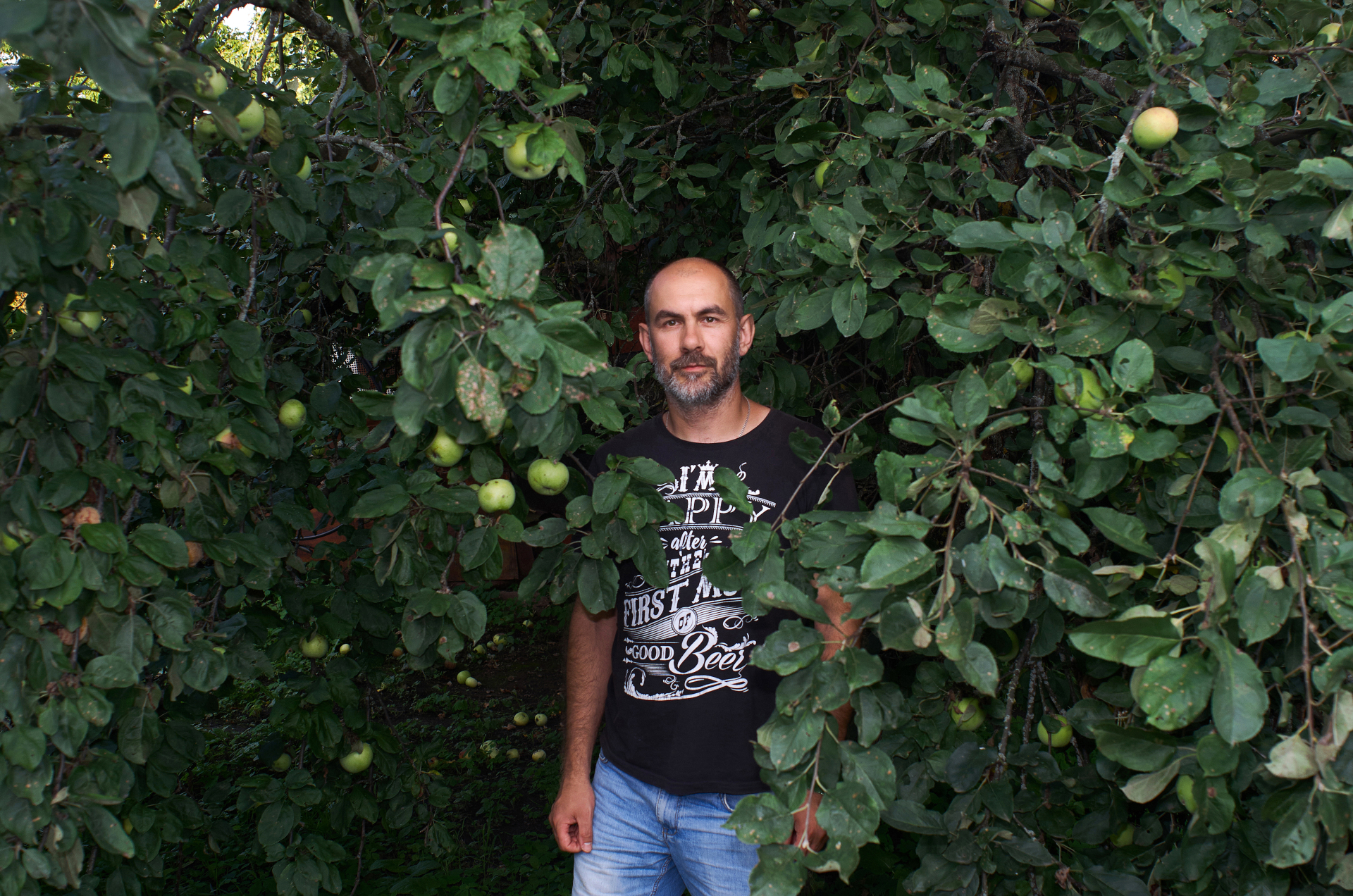
Dmitry Gorbach, resident of Izhevsk and researcher of its history © Dmitry Ermakov
The story of Tamara Milovzorova, who now lives in Ryazan and can tell in relatively detail about the past generations of her family, can be considered a rare success:
“My grandmother took notes in the eighth grade, the teachers then were interested in the history of the village, and so she wrote down something about her relatives. If not for these records, such details would not have been preserved.
My husband’s grandfather Vasily Ivanovich went to Astrakhan during the fishing season [intensive fishing season]. He had his own two-story house there. And then his eldest daughter Maria came there. She got married there and settled there.
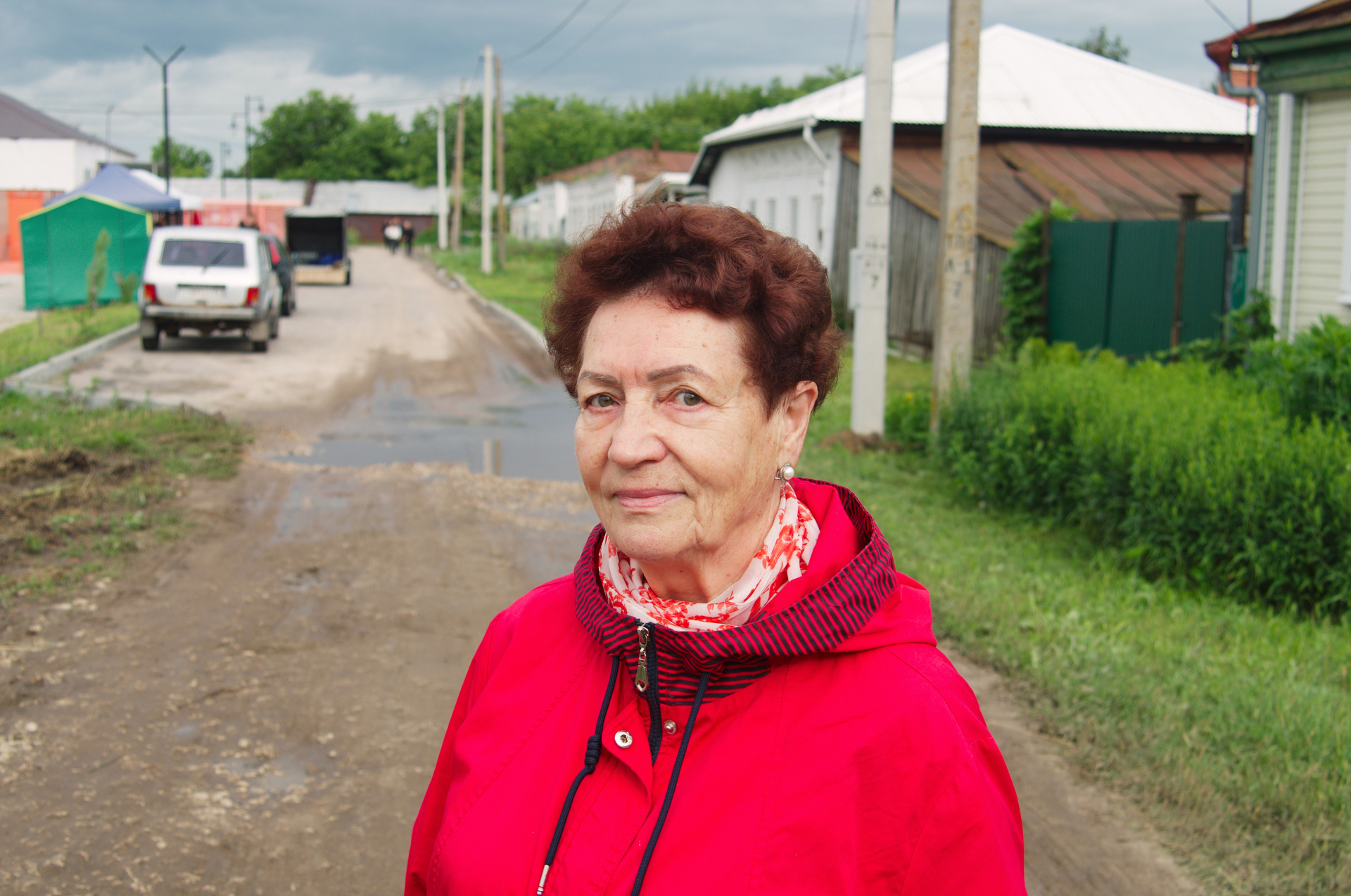
Tamara Milovzorova, widow of a descendant of coopers © Dmitry Ermakov
Many relatives then went to Astrakhan to visit their relatives. Vasily Ivanovich’s wife Ksenia Sergeevna, for example, went with her children to visit her husband. We traveled on a steamship, which then sailed directly from the Izhevsk pier during the flood. They took sheep and geese with them and gave them to the captain, because it was a long sail. And I had to feed myself and my children.
Coopers came to Astrakhan in whole convoys, they also came back by ship, they brought barrels of wine, fish, and various provisions, whatever they brought from there. And then they could probably live on all this for a year!”
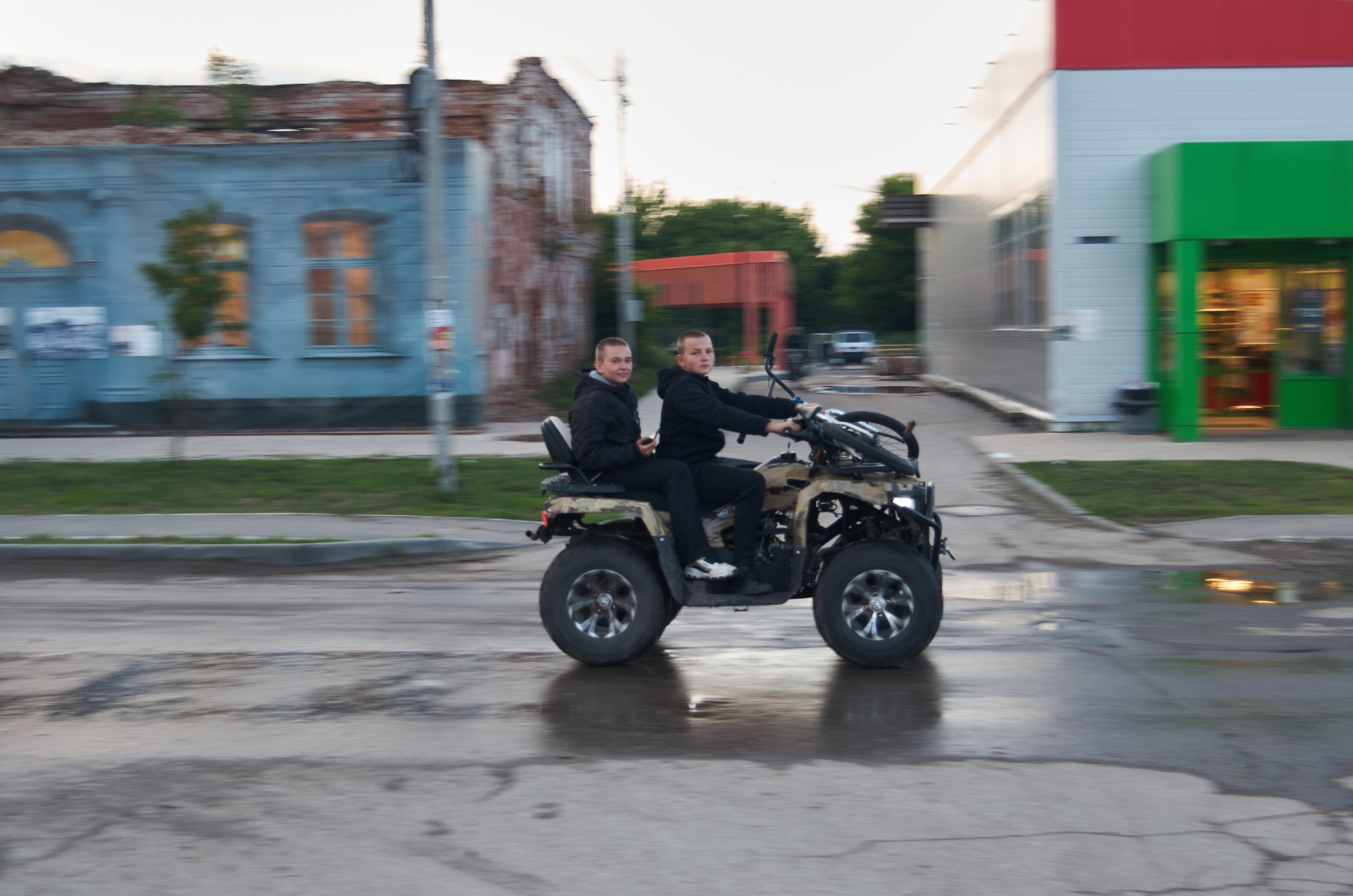
Residents of Izhevsk © Dmitry Ermakov
“I don’t want the work of my ancestors to become dust”
The history of Izhevsk coopers and the very fragmentary memory of them prompted local historian Nikita Girin and urbanist Arina Emelina to dedicate a media project to them. Nikita now lives in Izhevsk and is engaged in the restoration of several important objects in the village, including the house of local photographer Ivan Filatov. Arina is from Astrakhan, but since childhood she knew about her connection with Izhevsky: her family preserved dozens of photographs from there, including pre-revolutionary ones. As Arina says:
“One of my most vivid memories of my youth is evenings spent looking at family photographs. Endless boxes, folders, albums, some of which were tightly filled with pre-revolutionary portraits of relatives on my mother’s side. A rarity and luxury inherited from our second great-great-grandmother: the only branch of our large Izhevsk family that was not subject to the traumatic events of the last century. The photographs were always accompanied by stories. Of course, over time, only scraps and fragments of one’s own memories remained; but it was always etched in my memory that our family history was not tied only to Astrakhan, but went back to the then still mysterious village of Izhevsk for me.

Arina Emelina © Dmitry Ermakov
It always seemed that in order to begin to remember “seriously” and put everything together, I needed to see my ancestral village with my own eyes. So in 2024 I went to Izhevskoye. She prepared thoroughly to share her story with her generational fellow countrymen: she wrote down everything that she considered important not to forget, collected photographs and documents from the family archive. Later, I realized that this was not an attempt to fill in the blank spots in the family history - rather, I wanted to figure out what my own memory wanted to achieve from me. Perhaps it was returning home after a century and preserving the history that brought me into this world.
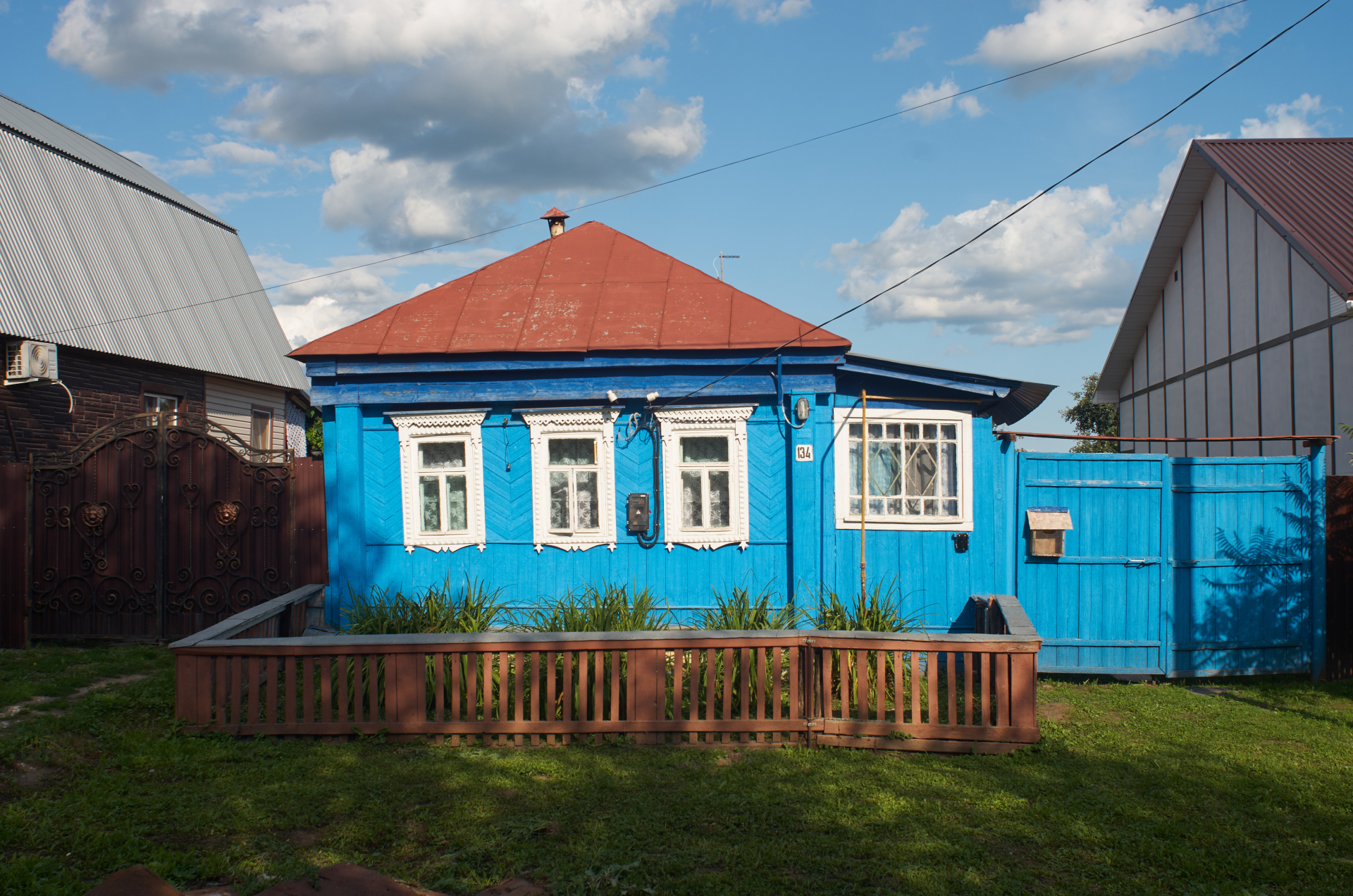
One of the houses in Izhevsk © Dmitry Ermakov
The idea for a project about Izhevsk coopers was born very organically to Nikita and me. We didn't seem to have much discussion about the concept or how helpful we could be to each other in the future. While walking around the village, my post-memory was strongly triggered - I couldn’t leave the feeling that the pier, the lake, and the stone houses seemed very familiar. The surnames were the same as in my family or that were found among the neighbors of my grandparents in Astrakhan. An incredible number of coincidences confirm our intention to show the unique history and fragile relationship of two distant points on the map.”
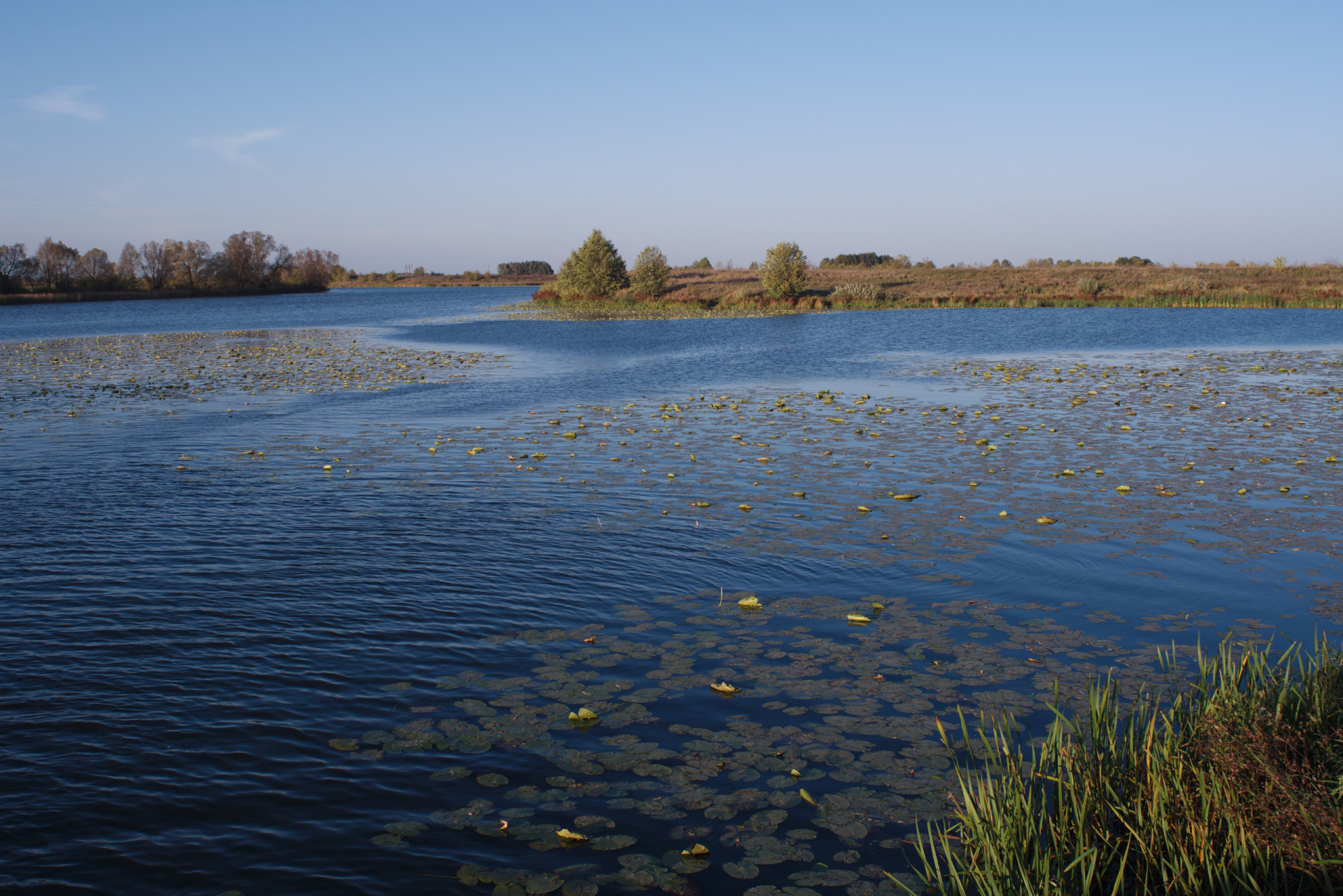
Lake Izhevsk © Dmitry Ermakov
Nikita, oddly enough, had no coopers in his family. This project is important to him for other reasons:
“My ancestors were participants in the self-redemption of 1832, and at the level of the entire community it became possible precisely thanks to the colossal work of coopers. If shortly before the ransom, the Izhevsk peasants had not discovered this gold mine, they would not have fulfilled the terms of the agreement, they would have been returned back to the fortress. Therefore, as a local historian and as a person of anti-authoritarian convictions, it seems to me important to study this phenomenon, its mechanics, stages, because the entire history of Izhevsk in the second half of the 19th - early 20th centuries is a consequence of self-ransom and providence.
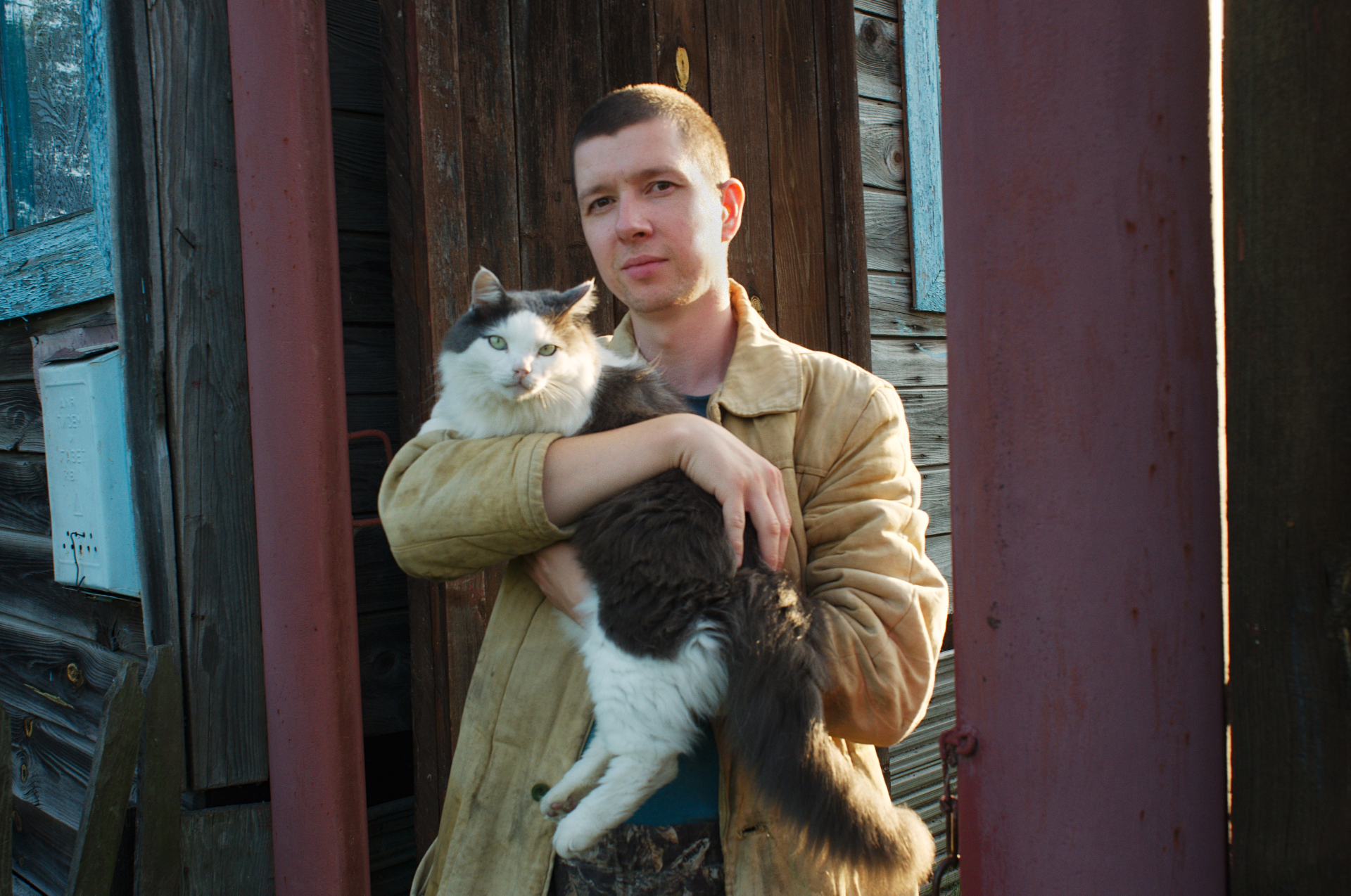
Nikita Girin and cat Leva © Dmitry Ermakov
I don't know of another such defining connection between such distant points on the map. The fishery influenced the lives of thousands, thousands and thousands of people in Izhevsk and Astrakhan, gave the village expressive stone buildings, and the city - wonderful architectural monuments built by our most successful peasants. A little over a century ago, the Oka and Volga pulsated from this connection, but now this pulse cannot be felt. It’s shocking how tightly everything around us is connected and yet fragile. I remember “Batavian tears” - drops of tempered glass that you can even hit with a hammer, but if you break off the thin tail, they burst into dust. I don’t want the work of my ancestors in the name of freedom and the relationships between people and places that it gave birth to become dust. Then there’s the project.”
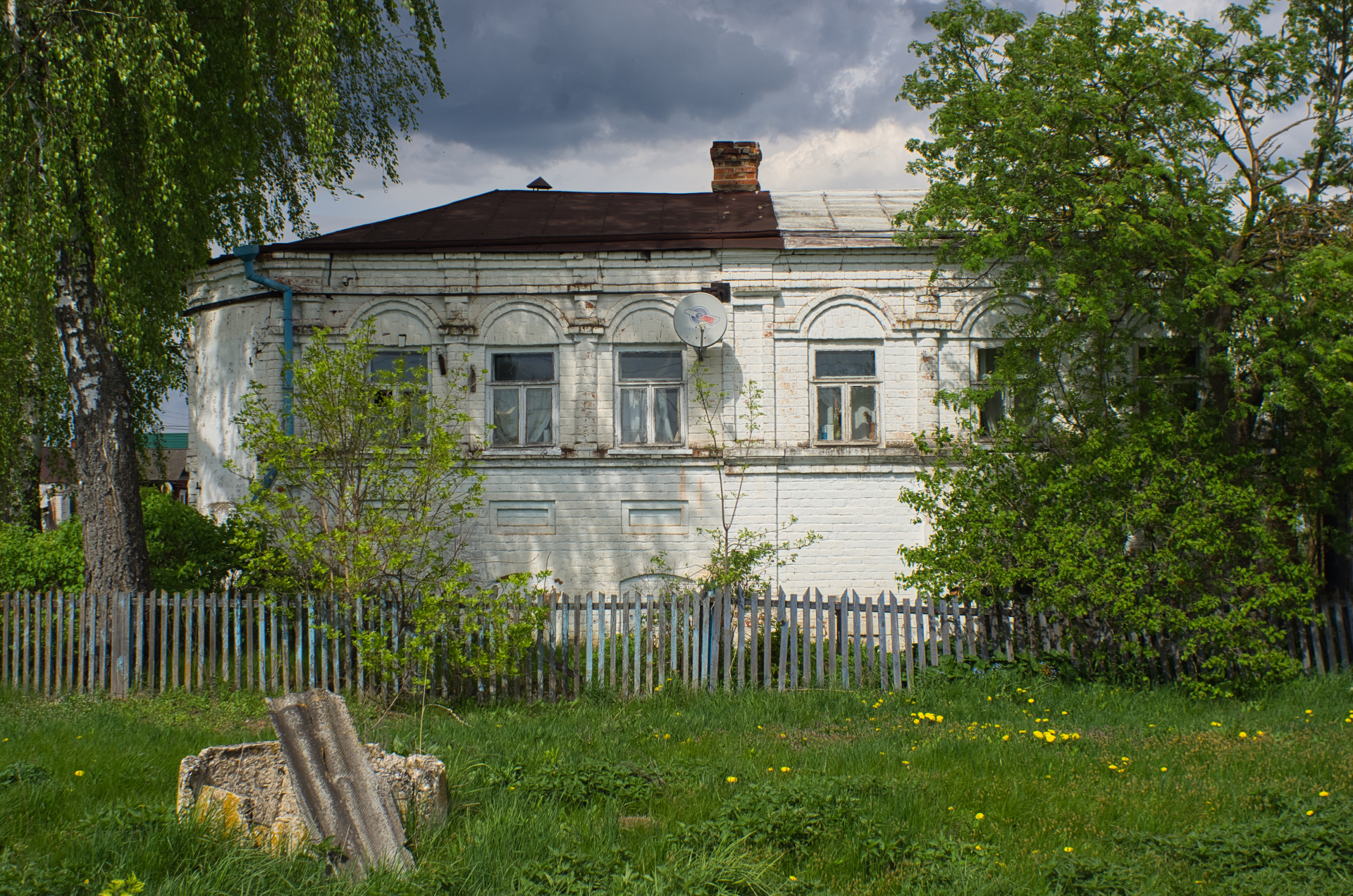
Buildings of the 19th century © Dmitry Ermakov
In Izhevsk, Nikita and Arina are looking for villagers who know that their ancestors in the second half of the 19th - early 20th centuries went to work as coopers in Astrakhan. And in Astrakhan - townspeople who know that their ancestors were coopers from the village of Izhevskoye, who remained in the city forever. This will be a media project about how people walked on water to distant lands, creating the economy of not only their own village, but also the south of Russia. How this water connected two worlds - forest and steppe, craft and trade, a quiet Ryazan fair and a loud multilingual bazaar. The final goal of the participants is to follow the path of the coopers along the Oka and Volga from Izhevsk to Astrakhan.
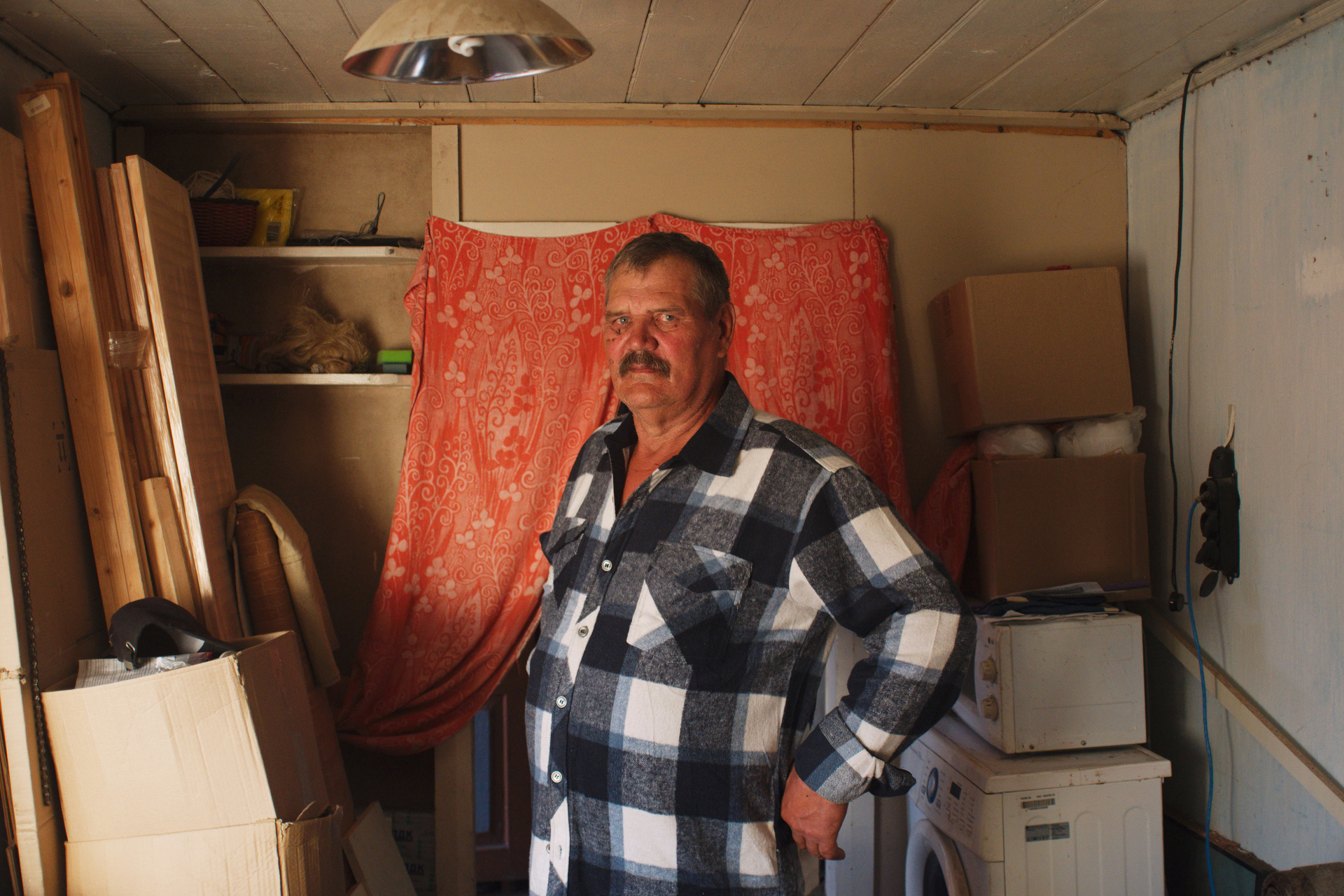
Anatoly Zhurashov, descendant of coopers © Dmitry Ermakov
Photographic memory
“Family memory is the core from which the idea of one’s own self and family past comes, and it is on its basis that the cultural codes, norms and values of a certain social group are formed,” Arina emphasizes. “We also learn about our native area from archival, local history and literary sources, but without the so-called communicative memory passed on from mouth to mouth, they simply cease to be alive.”
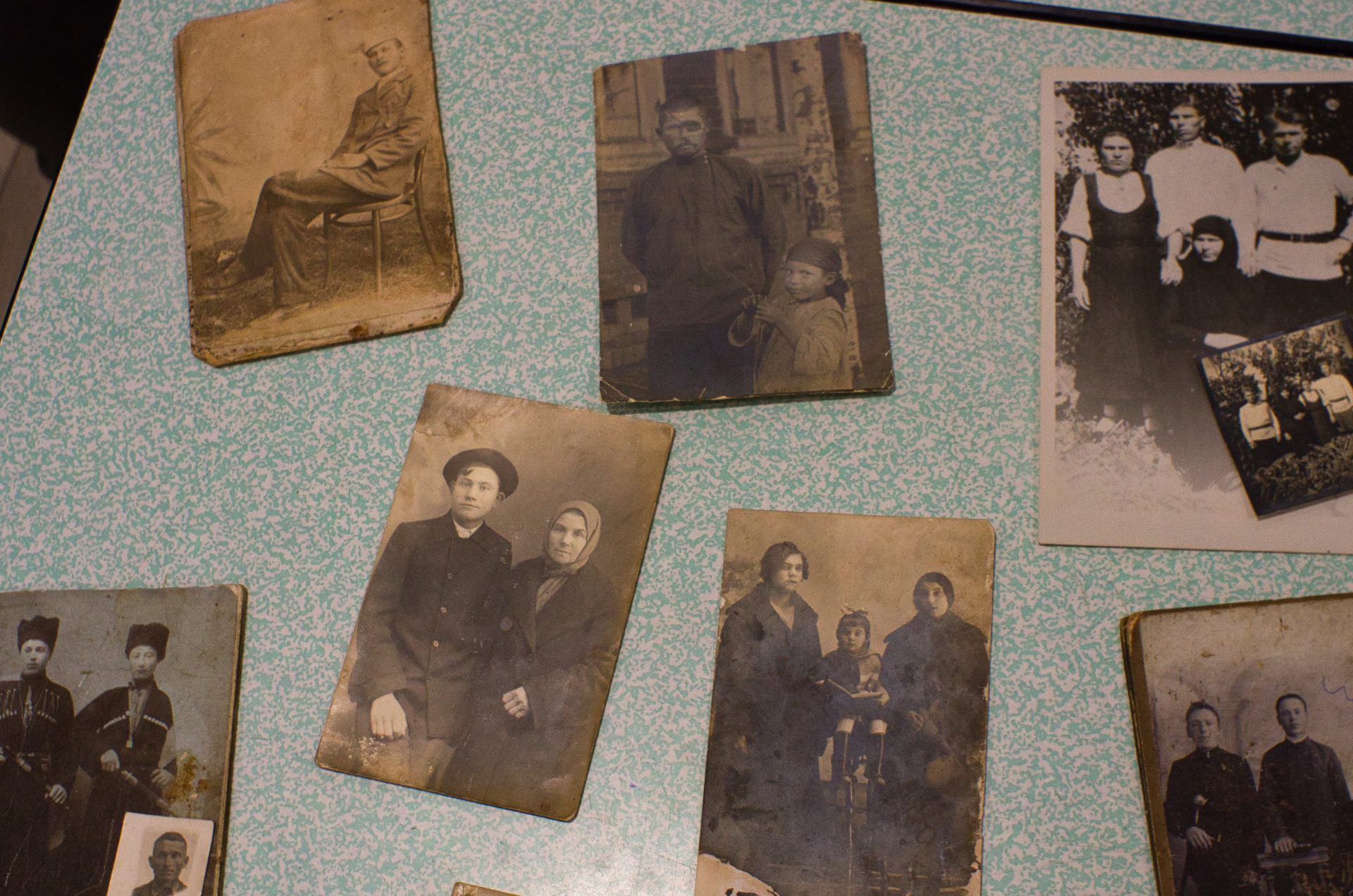
Photos from the archive of Alexander Shapochkin, a descendant of coopers © Dmitry Ermakov
The history of Izhevsk coopers is captured, however, not only in oral stories, but also in photographs. Izhevsk was lucky - the chronicle of the village in the “golden years” was kept not only on paper. Here lived Ivan Filatov (1860–1937), a peasant who received only a school education, became a photographer and captured 40 years of life in Izhevsk in the first half of the 20th century. His student Ivan Mysev also filmed a lot. Later, another talented photographer, Vladimir Simakin, worked in Izhevsk: he did not find either Filatov or Mysev, but became a continuator of their work, a chronicler of his village and surrounding area.
Photographs of these three authors in the form of dusty plates and prints are kept somewhere in the attics of many residents of Izhevsk. Some of the photographs, however, are already in museums, including federal ones. Nikita is identifying Filatov’s photographs and restoring the house where the photographer lived. Many of the people photographed by Filatov are those same coopers and their descendants.
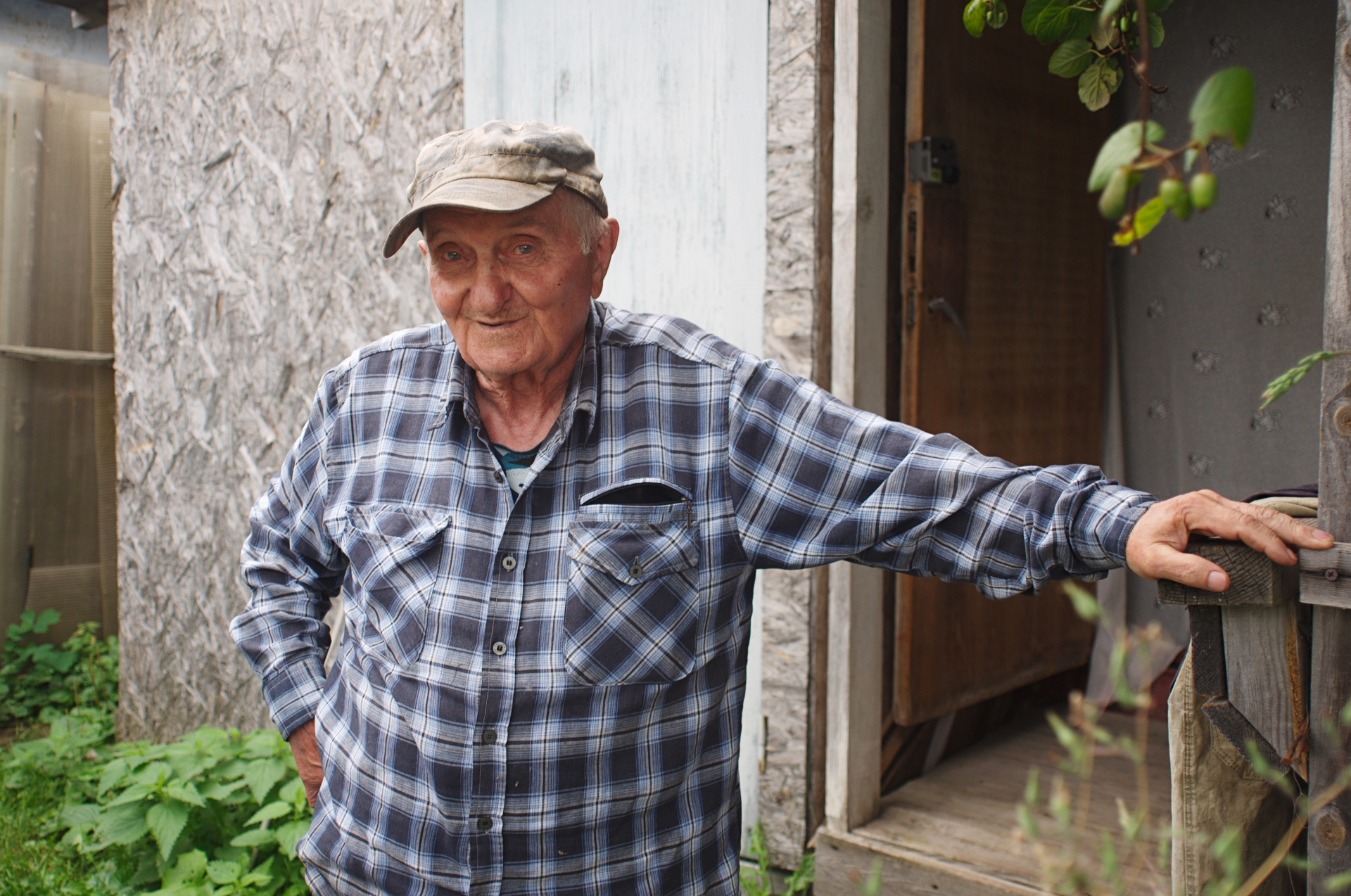
Victor Petrykin, descendant of coopers © Dmitry Ermakov
“We are often afraid of losing, but the stage of oblivion does not always mean the end, because our memories can return to us in a different form,” says Arina. “Therefore, our project does not have the task of preserving and bringing everything out of oblivion and turning it into a historical reference. It is much more important to find a unique and ethical approach to understanding the past of Izhevsk peasants. It will probably become a story about life itself through memory.”