
Translated material
Divided Kingdom
How Britain no longer fits into two parties

Photo: Zuma/TASS
For a long time, British politics was a race between two parties: Conservatives and Labour. Occasionally, prominent representatives of other forces appeared on the horizon: leaders or parties who gathered people around one topic. But soon the country still returned to its usual rhythm: one of the two main forces loses, the other comes to replace it, and power remains in the hands of two large party machines. But now this scheme is breaking down before our eyes.
“I don’t trust any of them anymore. All these politicians live in their own world. My mother is 81 years old, she has worked all her life, and now she cannot afford to turn on the heating one more time. And he can’t get to the doctor - the queue is such that the next window for an appointment is in two months. I don’t see any such problems among politicians. Everyone is running around in their suits. Oh, that’s it, I’ll start now,” Emma, a resident of the town of Newton Aycliffe in the north of England, tells me.
Newton Aycliffe itself is a remarkable place. It was built from scratch on the site of a series of military factories immediately after World War II. This town was to become a symbol of the new post-war Britain - a country that promised to rise from the ruins of the bombing and give its inhabitants a modern economy and a powerful social welfare system. Even Queen Elizabeth II, at that time a young and energetic woman who had recently ascended the throne, came to the official opening of the city.
Newton Aycliffe today is a far cry from the picture the Queen saw on opening day.
The city, which should have become the personification of a strong, fair and humane state system, has now become a symbol of its decline. Of the 45 shops on the city's main pedestrian street, 23 have closed and remain empty.
The surviving businesses include a pawn shop, four fast food outlets, four discount stores, and four more “thrift stores,” which sell items donated by others at low prices, with the profits going to support a charity (such as a local cancer foundation). All that remains of the prosperity and well-being that reigned here in the 1960s and 1970s are the memories of local old-timers.
“People worked in different industries, at a chemical plant. Stable job, good salary. It was an amazing place to live. The city center was absolutely magnificent. A better place to live could not be imagined. And now? The top ruined everything,” sighs 68-year-old Paul.
And in the north of England in Newton Aycliffe, and in the Welsh town of Bangor, and in the Scottish town of Fort William, my interlocutors on the streets said the same thing: they are disappointed in both the Conservatives and Labour. This is confirmed by the election results.
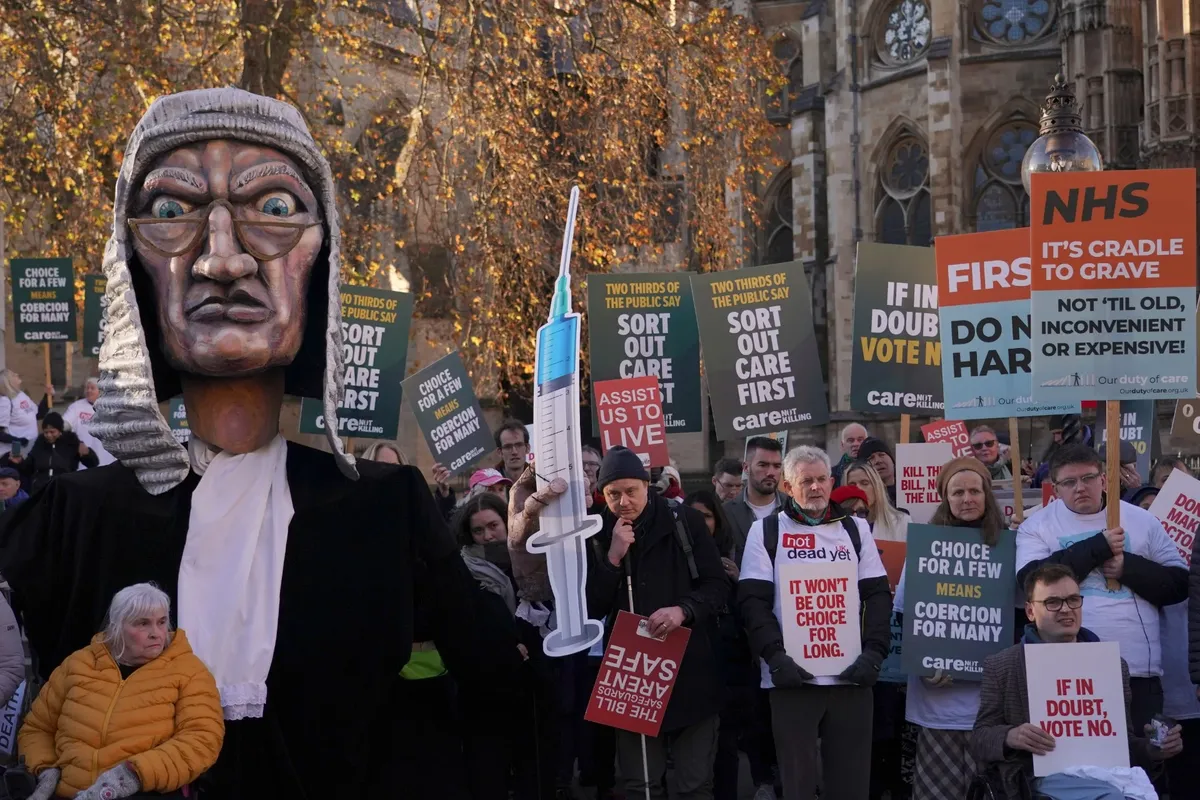
On paper, everything is the same: power is shared by two big parties. In the 2024 elections, Labor confidently won 411 seats, the Conservatives won 121 and went into opposition. But behind the seemingly ordinary picture there is already a new reality: together the two main parties collected the minimum number of votes in a hundred years. And for the first time since 1923, there were more than a hundred deputies from third forces in parliament - 117 people, and this is an absolute record for modern Britain.
“This time, the century-long dominance of Labor and the Conservatives truly appears to be coming to an end,” Peter Kellner, a respected British political analyst and former president of the British pollster YouGov, wrote after the election.
“And the most important trend is the continued flow of votes away from mainstream forces towards parties that were previously perceived as fringe,” he adds.
Over the past two years, this trend has only intensified.
The Labor Party in power is rapidly losing confidence, their votes - judging by the results of municipal elections - are gradually moving to the right-wing populist Nigel Farage's Reform party.
And the Conservatives are losing not only the support of voters, but also members of their party. At the end of February 2026, 26 former and current members of the British Parliament switched from the Tories to Reform. More than 60 other politicians who were nominated by the Reform party in the last municipal elections were previously conservatives.
But the question now is not how many MPs the Tories will have left or how quickly Starmer's rating will fall. The question is whether the old deal itself is still alive: the idea that all the fears, conflicts and hopes of a country should be placed into one of two parties. ( Prospect )
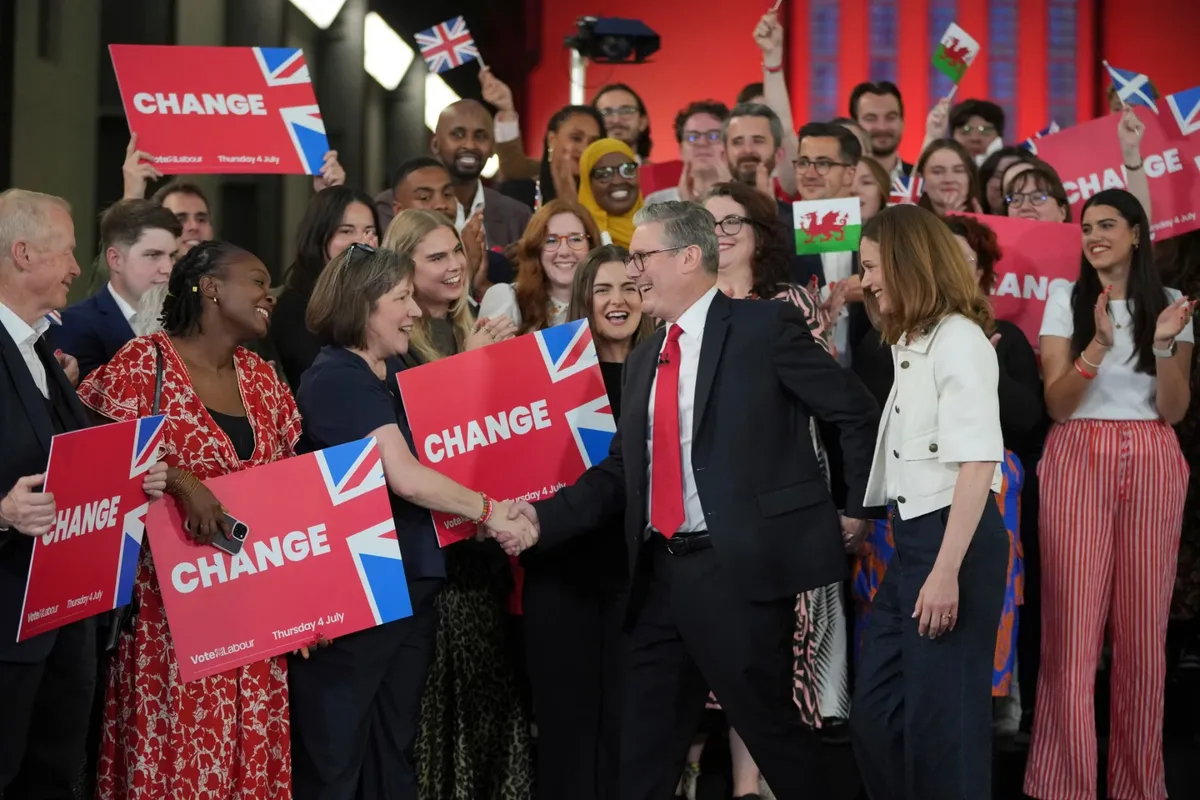
And the point is not that these people switched sides to other parties (although some did), but that far fewer people identify themselves with any party.
Polls by the British Election Research think tank show that the number of people voting for one of Britain's two main parties has been falling steadily for several years. Moreover, this process is accompanied by a decline in the number of those who identify themselves as Labor or Conservative. It seems that the phrase “you don’t even know us” is becoming a real illustration of the relationship between part of the electorate and the dinosaurs of British politics.
First crack
To understand how Britain ended up at the point of collapse of the two-party system, we need to take a couple of steps back into history.
In the 1950s and 60s, Labor and the Conservatives reigned supreme on the country's political landscape. Both forces easily gained 40 percent or more in the elections. And the political preferences of the population were determined simply. It all depended on what social class you belonged to.
80% of the population considered themselves supporters of one of the two big parties. Working people overwhelmingly voted Labour, while white-collar workers and businesses voted Conservative.
And this division reflected more the social differences of people than the difference in their ideological attitudes. Millions of people, primarily men, worked in large factories, mines, shipyards and steel mills. Most of them were members of powerful trade union organizations. All these people have been Labour's mainstays for decades.
Most people who did not do hard manual labor tended to vote Tory. These people worked in offices, were minor officials, managed personnel, or worked in finance, education, and health care.
At the same time, when they came to power, both the Conservatives and Labor pursued rather moderate policies, without taking reforms to extremes.
But now this world has disappeared, the economy has changed dramatically. The share of people employed in industry and construction fell from 40 to 15%. By comparison, British Steel employed almost 300,000 people in 1967, while the only surviving steelworks in Scunthorpe now employs fewer than 3,000 people.
In the 1960s, a little more than 50% of the workforce was employed in the service sector; now the figure is more than 80%. Demographics have also changed: there are now about as many women working in Britain as men. Union members have halved, and most of them work either in the public sector or in nationalized industries such as energy and transport.
All this primarily hit Labour’s electoral base. But modernity has brought problems for conservatives too. They are traditionally popular with part of the electorate that does not have a higher education. But if in the early 1960s this was the majority (only 4% of yesterday’s schoolchildren went to universities), now almost 40% of graduates go for a university diploma. And these graduates in the absolute majority (about 70%) vote for left-wing and progressive parties: the Liberal Democrats, the Greens, the Scottish National Party (SNP) and so on.
To summarize this historical excursion: the world has changed dramatically, and with it the political preferences of people who previously almost without hesitation voted for Labor or Conservative simply on the basis of their position in society. According to research, only 1 in 10 Britons now strongly identify with one of the main political parties. In the 1960s there were five times as many .
And the first to react to these changes were representatives of small parties, who are constantly looking for opportunities to “hook” new voters.
Now political analysts agree that the first bell of a future big shift sounded back in 2010. Then, for the first time in 36 years, Britain received a so-called “hung parliament” - a situation when no party receives an absolute majority of seats in the House of Commons. The Conservatives won then, but they lacked 20 seats for sole rule - they had to make an alliance with the Liberal Democrats. This was the first coalition government since World War II. At that time, many interpreted this turn as a one-time failure of the usual system. But this turned out not to be the case.
The 2015 elections showed that the cracks in the two-party system are becoming more visible. The populist Farage's party received more than 12% of the vote nationwide, but due to the peculiarities of the British electoral system, it received virtually no representation in parliament. In Scotland, the SNP, the largest political force in favor of secession from Britain and joining the EU, received the most votes. Both of these results underscored a growing trend:
Britain no longer fits into the old Tory versus Labour box. That year, Labor effectively lost voters in Scotland, and the Conservatives entered the precarious path of competition with Farage's far-right rhetoric.
Point of no return
Brexit, the 2016 popular vote on whether Britain should leave the European Union, also dealt a significant blow to the two-party system.
On paper, the question sounded simple: Britain should stay in the EU or leave. But it soon became clear that this was not just about bureaucracy or trade rules. Much deeper debates have flared up around the referendum: who actually makes decisions in the country, whether the state controls its borders, whether politicians can be trusted, why some feel that globalization has opened up new horizons for them, while others feel that they have lost their jobs, status and sense of home.
Before the referendum, British politics was structured around the usual left-right opposition. Labor and the Conservatives debated taxes, social security and the role of the state. But Brexit has introduced a new divide - those in favor of leaving the EU versus those in favor of remaining. And this dilemma split many families, social groups and the entire country. Millions of people began to define themselves not as Tory or Labor supporters, but as those who voted for Brexit or wanted to remain in the European Union.
This was a real test for the old two-party system.
Labor and Conservatives were split within themselves. There were both EU supporters and staunch Leave supporters in both parties. As a result, political disputes took place not so much between parties as directly within them.
Brexit has become a powerful impetus for those forces that promoted the idea of betrayal of the “common people” by the system and the old parties.
Thanks to the efforts of Nigel Farage, for many voters the referendum became not so much a choice on the European issue, but a way to express distrust and dissatisfaction with the current political elite of the country - both the Conservatives and Labour. This gave new impetus to anti-elite and anti-system sentiments.
Brexit has accelerated the formation of other dividing lines in public sentiment: between young and old, residents of big cities and rural areas, university graduates and those without a higher education, prosperous areas and regions where economic recession is felt. Brexit has taken these topics out of the pub and into the national conversation.
As a result, it was the Brexit referendum that became the moment when Britain’s two-party system began to fail not only in political headquarters, but also in the minds of the voters themselves. It used to be that you could grumble about politicians and still consider yourself a Tory or Labor supporter. After Brexit, for many, something else became much more important: which side did you choose in the great political and cultural dispute: stay with Europe or follow the “special” British path.
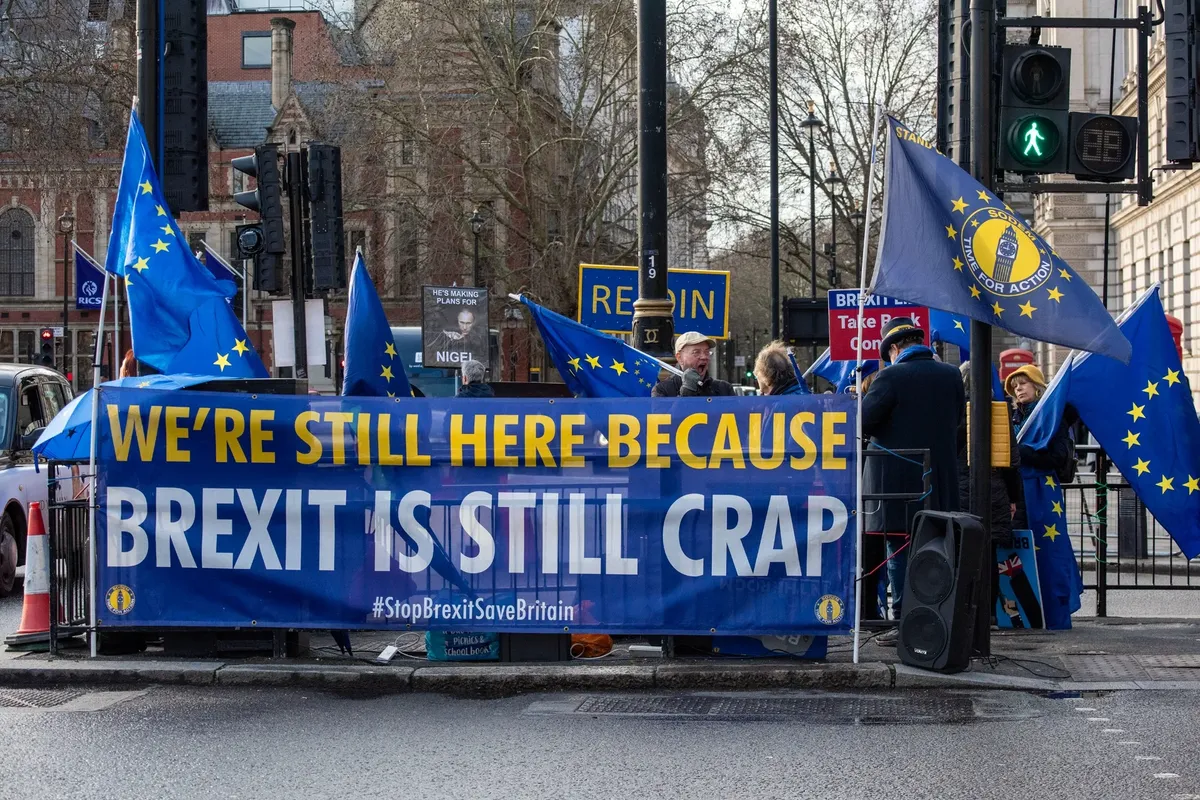
And the difference between these two camps turned out to be minimal. Over 17 million people voted to leave, and just over 16 million voted to remain members.
“The foundations of the traditional system have disappeared, they have been undermined. Social class no longer determines political choices. Politics has become multi-vector,” explained Professor John Curtis, senior researcher at the National Center for Social Research, in an interview with the Guardian.
In 2025, this center published the results of an in-depth study that showed dramatic changes in the voting behavior of the British. Analysts have concluded that political preferences now primarily depend on a person's age and level of education, rather than on their social class.
“Our political life is no longer about left versus right, and Brexit has only accelerated this process,” Curtis concludes. “Now we have a second dimension that has always been present to a certain extent, but now has much greater significance.” And these are, in essence, culture wars, these are social liberals against conservatives, these are libertarians against supporters of authoritarianism.”
How the Conservatives won the election but lost their party
Let's get back to the numbers. Statistics tell us that the last 15 years of British politics have been dominated by the Conservatives. They once again came to power in 2010 and remained at the helm until 2024. They led the country through the economic crisis, the Brexit referendum, the process of leaving the EU itself and Covid. Some will call this an era of total Tory dominance. Others are a long road to self-destruction. Both will be right.
David Cameron brought the Tories to power after the party was defeated in as many as three election cycles (from 1997 to 2005). He wanted not just to return the Conservatives to power, but to update their image.
Since the days of Margaret Thatcher, the party has been associated with decisive and strict functionaries, ready for painful and unpopular reforms. But Cameron tried to show that the Tories could be soft-spoken and willing to talk about the environment, minority rights and social equality issues.
It was under Cameron that same-sex marriages were officially allowed in Britain. And some party members have never forgiven the prime minister for this. Cameron tried to reinvent the Conservatives as a large, open coalition for the new middle class.
However, all this time the question of Britain's future in the European Union hung in the air. For many conservatives, the conversation about relations with Europe was by no means an afterthought. By the mid-2010s, the popularity of the UKIP party began to grow in Britain. This party, and especially its leader Nigel Farage, gradually began to “bite off” the votes of the very right part of the electorate from the Tories. Eurosceptics, led by Farage, insisted that it was time for the country to take back control of its laws and borders and stop taking orders from Brussels. Having successfully won the national elections in 2015, Cameron decided to close the European issue once and for all and strengthen the position of the Conservatives by announcing a referendum. He was confident that he could easily persuade voters to vote to remain in the EU. Instead of an easy ride and triumph, Cameron faced a powerful crisis and left his post.
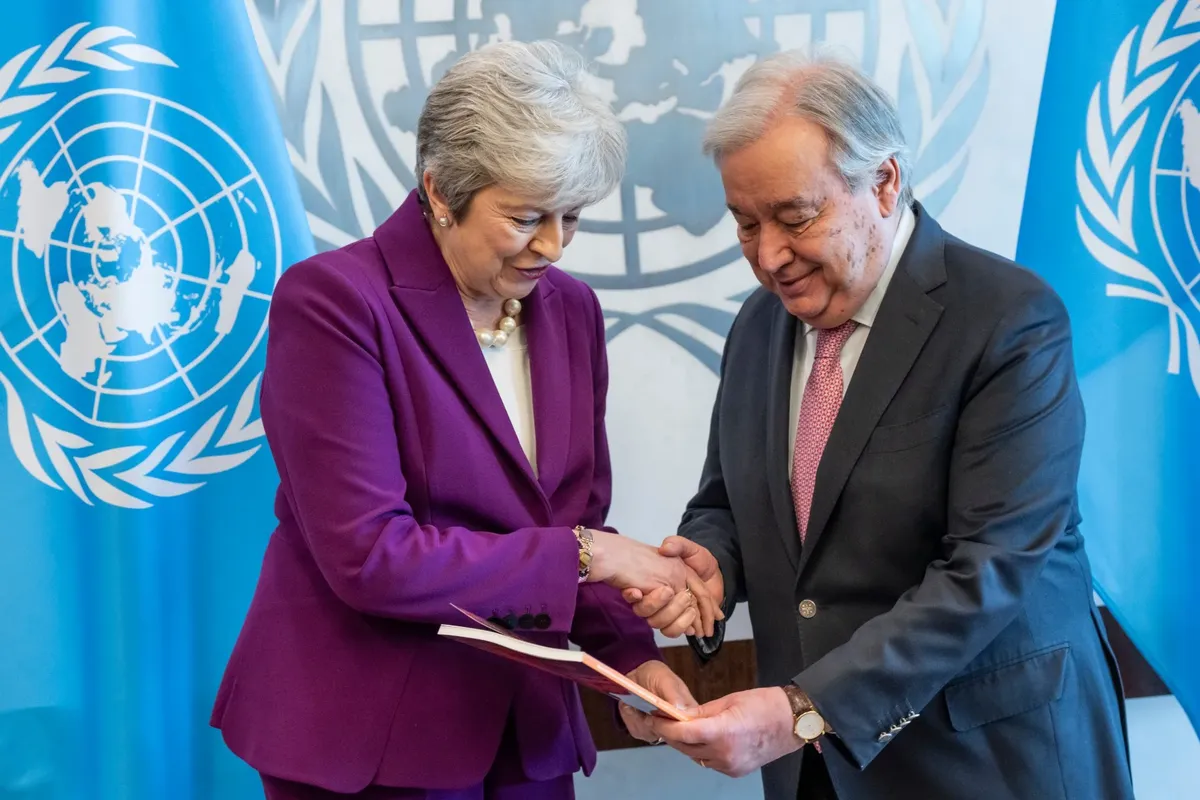
His replacement, Theresa May, found herself sandwiched between two opposing camps within the party itself. Some demanded a hard break with the EU and a speedy exit, others were afraid of the economic consequences, and others simply wanted the crisis to end. As a result, it was May who became the symbol of this political impasse.
On this wave, Boris Johnson managed to do what May failed to do: turn fatigue from the crisis into energy for change. His populist slogans and promise to “get Brexit done” provided voters with a simple emotional release. In the 2019 election, the Conservatives received more than 43% of the vote.
It seemed to many that the Tories were then able to successfully reassemble their image. At that moment, they began to be supported not only by traditional supporters from the south of the country and from the business world.
Conservatives flirted with nationalist ideas and successfully appealed to the feelings of provincial residents and blue-collar workers. It seemed that the Conservatives had become both the party of property owners and the voice of the provinces. Both supporters of the authorities and the protest electorate voted for them. But in the long run it turned out to be a trap. Such a wide audience turned out to be too diverse, and its interests were often contradictory.
As long as everyone was united by the idea of completing Brexit, the coalition worked. But as soon as the exit from the EU was completed and the drama gave way to everyday life, it became clear: people with directly opposite aspirations and expectations gathered under the roof of one party. One part of the electorate expected from the new Tories a tough fight against migrants and liberals, while the other, on the contrary, expected a quiet life without new political dramas and predictable economic development. Retaining such a diverse public turned out to be much more difficult than simply winning elections.
And then “Partgate” happened - a scandal surrounding a series of parties that Boris Johnson and his subordinates held on Downing Street at a time when the whole country was under the strictest Covid quarantine. Many families could not see each other for weeks, and some patients died from Covid alone (only medical staff could be nearby): following government instructions, hospitals did not allow visits to seriously ill patients. Restrictions were even placed on funerals. At this moment, government employees successfully violated all these rules and drank wine at work while snacking on cheese.
After Partygate, the Conservatives lost the trust of a huge number of voters. While the authorities demanded discipline, patience and sacrifice from ordinary people, the officials themselves lived by completely different rules.
All this happened against the backdrop of growing economic problems: weak growth of budget revenues, stagnation, poor wage dynamics. Gradually, more and more people wanted to see at the helm of the country not just another “effective manager,” but someone who promised to break the boring system and give the country a shake-up.
And the shake-up did happen, just not at all in the way that conservatives or their voters expected. After Johnson, Liz Truss took over as prime minister. One of her cabinet's first decisions was to publish a recovery plan for the British economy. The document implied a series of radical economic reforms and colossal additional budget expenditures (totalling a quarter of a trillion pounds).
The plan was silent on where to get new income, and there were no independent assessments of its feasibility before publication. The government debt market and the pound exchange rate have fallen to previously unprecedented depths. The pension system was on the verge of collapse. The situation was saved by the Bank of England.
To prevent a systemic crisis, bail out the government and save pension funds, the regulator turned on the printing press at full capacity. But it was no longer possible to keep the conservatives’ ratings from collapsing. Bookmakers began actively taking bets on how quickly Truss' party members would force her to resign. The Economist magazine, in an analytical column, even compared Truss’s activity as prime minister to the expiration date of a package of green salad. The tabloid Daily Star newspaper went even further and organized an online voting and video broadcast under the headline: “Who will live longer - Liz Tras as Prime Minister or a head of store-bought lettuce?” Even before the lettuce leaves withered, Truss announced her resignation. She served as prime minister for only 44 days - the shortest term in the country's history. In fact, Truss managed to provoke an economic and political tornado in just seven days in power, because the first two weeks of her premiership included the death of Queen Elizabeth II and the mandatory ten days of mourning that followed - that is, virtually a complete lull in the country's political life.
Tras's replacement, Rishi Sunak, promised to return calm, order and controllability to the party. To some extent, this was successful: under Sunak there were no high-profile political scandals or new budget disasters. But this was no longer enough.
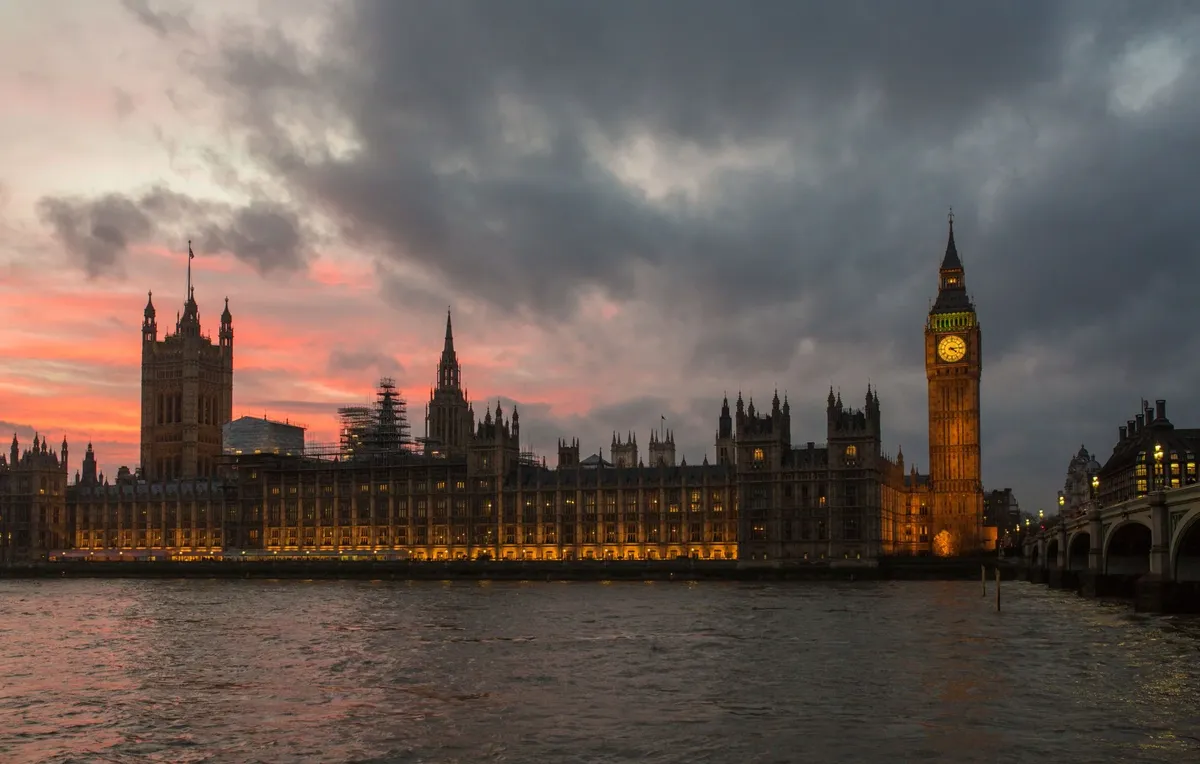
“The recent turmoil within the Conservative Party has made governing the country significantly more difficult, undermined confidence in politics and disrupted the smooth functioning of government,” noted political scientist Anna White .
Sunak inherited from his predecessors a faltering economy, a party plagued by scandals and a government system that was now lurching from one crisis to another. Workers in the transport sector were constantly on strike, immobilizing parts of the country, the healthcare system was failing, working on the verge of collapse, and the unresolved issue of illegal migration provoked more and more local scandals. As a result, Sunak was never able to return the Conservatives to the image of a party that knows how to manage the economy in the interests of business. Voter confidence has not returned either.
The 2024 parliamentary elections turned out to be a predictable defeat for the Tories: the Conservatives lost 244 seats and retained only 121 seats in the House of Commons. But the most interesting thing is not the defeat itself, but how the behavior of voters has changed. Conservative votes went to both more left-wing parties (Labour and Libdem) and more right-wing parties (Reform).
The 2024 elections showed: the crisis of the conservatives is no longer another change of power in the two-party system, but a sign of a deep crack between society and the entire old political order. Labour's victory then became just another illustration that the old rules no longer work.
Failed triumph
Formally, 2024 was a triumph for Labour. 411 seats in Parliament, return to Downing Street after 14 years in opposition. But the devil, as always, is in the details. If you dig a little deeper into the numbers, it turns out that Labor won power and a majority in parliament with less than 35% of the vote nationwide. And the turnout in those elections was the lowest in the last 20 years.
In other words:
voters gave Starmer the prime minister's portfolio, but it was more of an advance that had to be worked off. And the Labor leader failed to cope with this task. Instead of decisiveness, he showed slowness, instead of participation, detachment.
A striking example is the story of a heating subsidy for pensioners in the winter. Previously, almost all people of pension age in England and Wales received the payment automatically. In the summer of 2024, the Starmer government decided to issue subsidies only to the least wealthy and older pensioners. As a result, the number of benefit recipients decreased 10 times: from 10.6 million to 1.3 million.
People were outraged: Labor, who came to power under the slogan of change, almost with the first stroke of a pen reduced assistance to one of the most vulnerable categories of the population. The reaction was immediate. Starmer's party members quickly began to lose in municipal elections, but the prime minister was in no hurry to reverse the unpopular decision. A year later, under pressure both from the public and from some members of the same party, the Cabinet of Ministers finally rolled back the decision, returning the subsidy to approximately 9 million pensioners. From an economic point of view, Starmer is back where he started, but with a huge loss of credibility.
An even greater test for Labor was the scandal with the appointment of Peter Mandelson to the post of British Ambassador to the United States. Mandelson is not just another politician. A former European commissioner and confidante of Tony Blair, he has been part of the British establishment for decades. Back in the 1980s, he was nicknamed the “Prince of Darkness” for his virtuoso mastery of behind-the-scenes intrigue. Mandelson managed to maintain influence under both Labor and the Conservatives. But this is a well-known side of his personality and career.
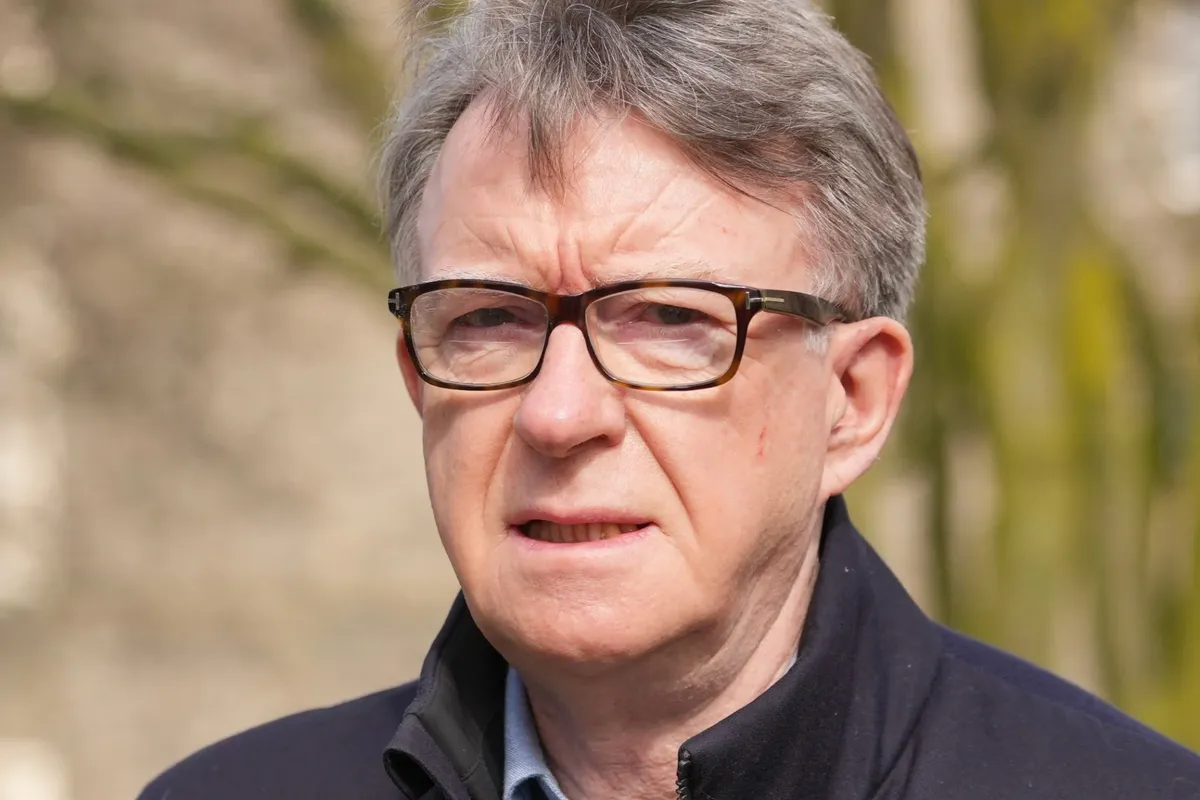
But Mandelson’s close ties with American financier Jeffrey Epstein, convicted of pedophilia, remained in the public shadows for a long time. In 2024, at a time when the Epstein scandal had already gained momentum, Starmer decided to appoint Mandelson as head of the British diplomatic mission in the United States.
The ambassador to the United States is not just an official, he is the person through whom London maintains daily contact with its main ally on security, economics and global politics. The experience and skills of the “Prince of Darkness” were very useful here.
But bad luck turned out. In 2025, the US Department of Justice released thousands of Epstein files, from which it turned out that Mandelson supported the financier in every possible way. Moreover, he questioned the fairness of Epstein's sentence and believed that the decision should be reconsidered.
Mandelson said he was misunderstood. And Starmer did not rush to resign the “prince”, despite his tarnished reputation.
In February 2026, the end came. From a new batch of published letters, it became known that Epstein transferred large tranches of money to Mandelson. And the Briton, in turn, being the Minister for Business Affairs, transferred to the financier classified government information that could affect market trading.
The prime minister rushed to make excuses and finally fired Mandelson from his post as ambassador.
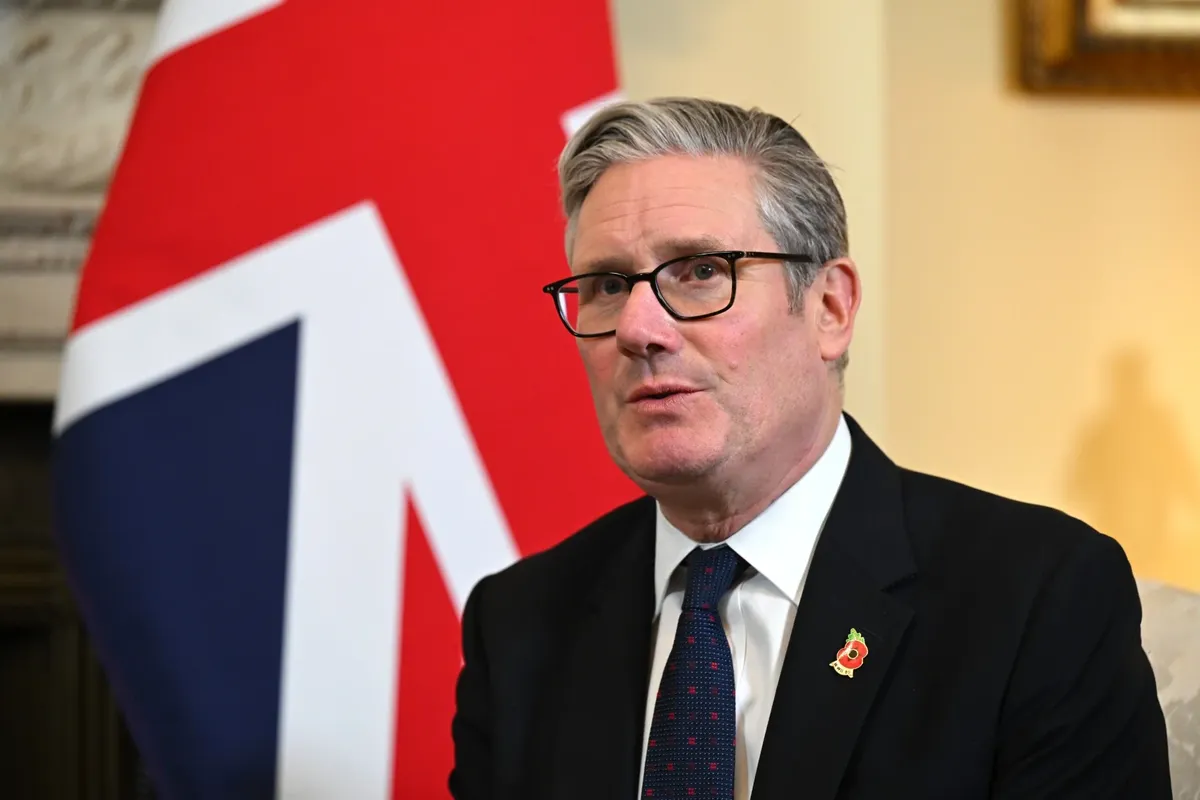
“I regret his appointment. If I had known then what I know now, he would never have been in government,” Starmer apologized in the House of Commons.
But it was already too late. The prime minister's rating continued to fall. And the public scandal quickly grew into an internal party revolt. Several prominent politicians demanded the prime minister's resignation. Starmer remained in office, but the Mandelson affair appears to have dealt the final blow to his political image as an “other”—a politician and leader supposedly fundamentally different from his predecessors.
Starmer, and with him the Labor Party, promised gradual change for the better, competent and scrupulously clean governance as an alternative to the many crises of the Conservatives. But they ended up making the same mistakes as their predecessors: double standards, a degree of political cronyism, and a preference for simple political gain over complex but morally sound decisions.
At the same time, even Starmer’s close associates call him a simple person and not too far-sighted. In Get In, a book about Labour's rise to power, his own advisers make barbed jokes at Starmer's expense.
For example, they compare Starmer to a child sitting on the DLR subway in east London. The trains on this line travel without a driver and are controlled by a computer. However, many carriages have stickers that mimic the train control panel. Thus, a child sitting on a train presses buttons and imagines that the train obeys him, while in fact the train is simply moving according to a pre-set program. And the British like this program less and less.
The Conservatives and Labor still present themselves as bitter rivals. But millions of Britons increasingly see them as two parts of the same machine.
“They have become joint custodians of a Westminster system that has stopped working for many people,” Guardian columnist Raphael Behr sums up the view.
What grows on the ruins of the old order?
But while the old parties are losing trust, new associations are finding it. Libdems are growing stronger in the south of England, where the Tories have reigned supreme for decades. The Greens are gaining popularity among young and educated voters in major cities. Increasingly, non-party independent candidates are also achieving success in local elections.
But Nigel Farage's Reform party is moving forward most successfully. By making populist promises, she is winning more and more seats on municipal councils. Farage's strength lies in his ability to respond to the electorate's concerns with simple, understandable stories.
His slogan: “The country is broken, the old parties have failed us” provides an easy answer to a complex mixture of worries about stagnation, migration and the decline of industry.
British politics is now at a point where the traditional parties have not disappeared, but they no longer seem like the obvious choice for voters. According to opinion polls, the level of trust in politicians is now at a historical low. And this is best seen at the local government level.
Previously, one of the two major parties won the majority of seats on municipal councils. Now the picture is exactly the opposite. Most local bodies across the country do not have sole leadership of any party. Deputies have to negotiate and enter into temporary alliances. Analysts are already saying that Britain is entering an era of “seven-partyism” - when seven smaller parties, rather than two large ones, will determine the political life of the country.
But here the political realities “on the ground” come across the peculiarities of the UK electoral system. According to the rules, in each constituency the winner is the one who scores more than the rest - even if the gap is minimal. But the overall distribution of votes across the country does not affect the number of seats in parliament. This system means that new or small parties rarely succeeded in the past, and power continued to shift between the Conservatives and Labour.
But now society, disillusioned with the “traditional” parties, has begun to adapt to this feature. As alternative parties have grown in popularity, people have increasingly resorted to what political scientists call “tactical voting.” Now a voter often votes not for his favorite party, but for those who in a given district have a better chance of defeating the least favorite candidate. Someone whom a person definitely does not want to see in power.
The phenomenon has become so widespread that leading pollster YouGov has been forced to change its weekly survey methodology. People are now asked not one, but two questions: how would a person vote in a general election in general; and how he would vote specifically if he were thinking about the election results specifically in his district.
All this only confirms once again that Britain no longer votes along the lines of the old two-party system. In more fragmented politics, people often make last-minute choices to block the rise of the most disliked politicians.
All recent public opinion measurements show confident leadership of the Reform party. According to different versions, it is supported by 25 to 30% of the population. The most interesting picture emerges from the YouGov poll, which takes into account the influence of “tactical voting.” There, Labor and Conservatives are fighting not even for second, but for third place in the rating (“Reform” - 25%, “Greens” - 19%, and Labor and Tories - 17% each).
In this scenario, the decline of Britain's two main parties is not their abrupt disappearance, but the slow and painful process of losing their monopoly on determining the country's future. Yes, both Labor and the Tories are still capable of winning elections, taking hundreds of seats in the House of Commons and forming governments. But now they no longer seem to be the only ones who will influence the future of Britain. But for two mastodon parties that have lived for centuries with precisely this confidence, perhaps this is the real political death.
Margarita Krovelschikova