Translated material
Opalnik Petr Grigorievich
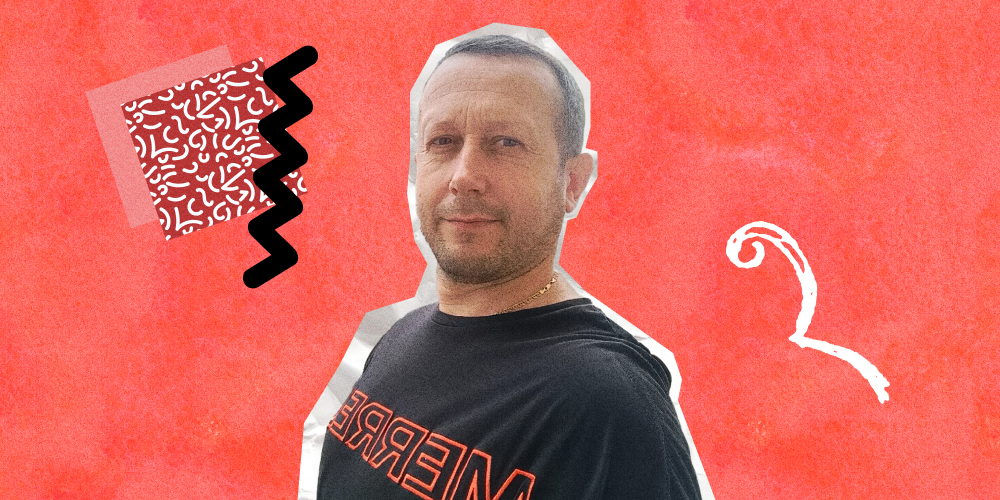
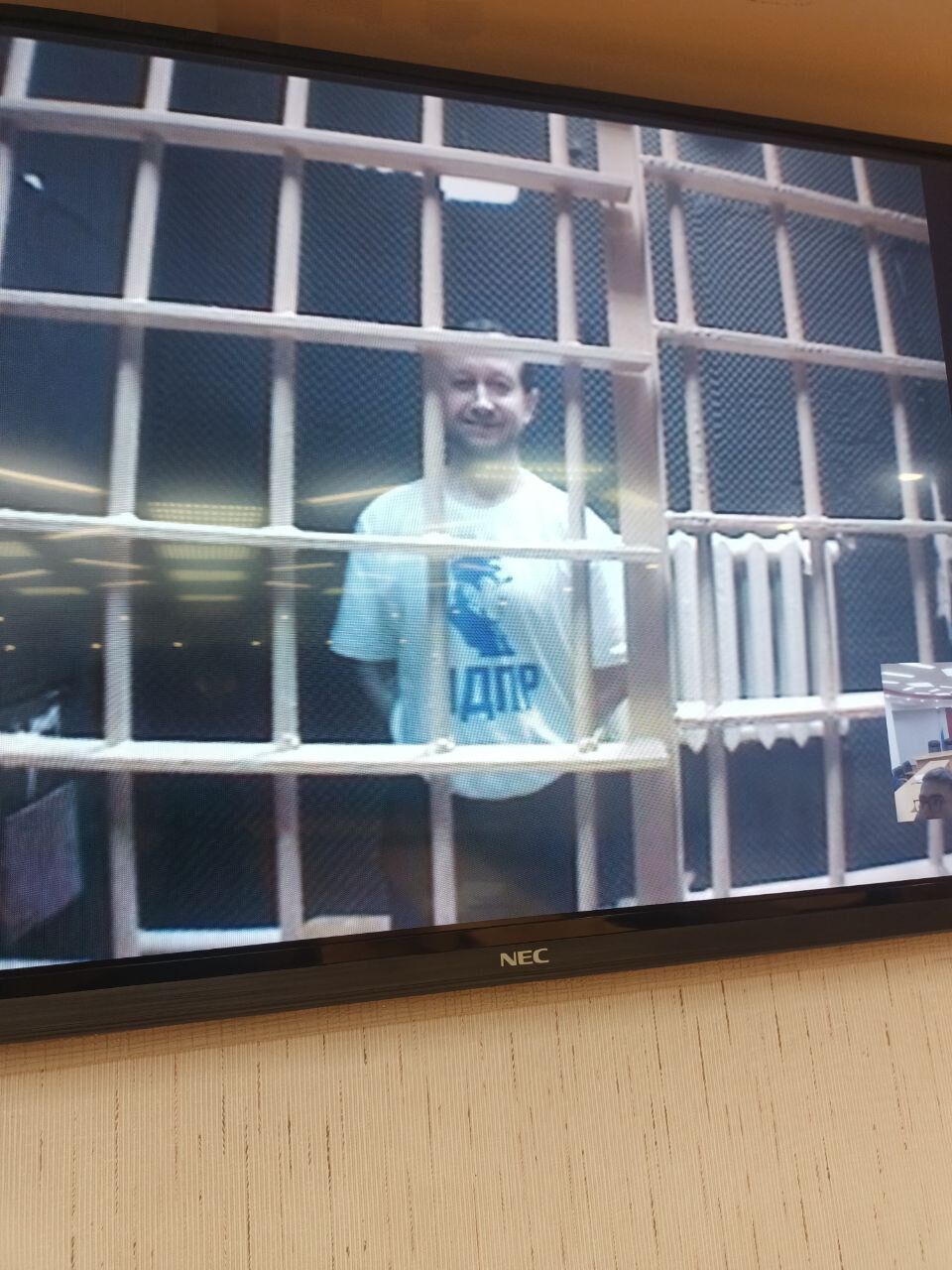
Opalnik was detained in January 2023. He was accused of confidential cooperation with Ukraine (Article 275.1 of the Criminal Code); 14 months after his arrest, the charge was made more serious by adding another article - “attempt to organize voluntary surrender” (352.1 of the Criminal Code).
According to investigators, Opalnik was going to convince Russian soldiers to surrender, “while the crime was not completed due to circumstances beyond his control.”
Pyotr Opalnik had a hard time with the first months of his imprisonment. “After I’m gone, the body will be burned and the ashes sent to my mother. Here (in Russia, - Note of the “First Department”), no one needs me anyway, under no circumstances should they bury me here!” Opalnik wrote to his relatives from the pre-trial detention center.
When Opalnik had lawyers by agreement, and caring people began to write letters with words of support, his mood changed . Opalnik began to say that he was no longer afraid of anything, had nothing to lose, so he was ready to fight for the truth and his freedom.
In prison, Peter Opalnik reads a lot. Subscribers of the “First Department” regularly send him books: detective stories by Agatha Christie, books by Bulgakov, Nekrasov and Remarque, non-fiction “History of the Russian State” by Boris Akunin, to whom Peter gave an interview for his collection “ AUTO-Graph ”. Unfortunately, not all books are given to Opalnik. For example, “The Gospel of Luke,” which was sent to a pre-trial detention center by a priest from St. Petersburg, Grigory Mikhnova-Vaitenko, did not pass censorship.
Until the sentencing, Opalnik sincerely believed in the fair decision of the court and made plans for release. Therefore, the conviction and sentence of eight years in prison was truly terrible news for him. Now Peter is in a difficult psychological state. He really needs letters with words of support and communication with caring people.
January 18, 2023
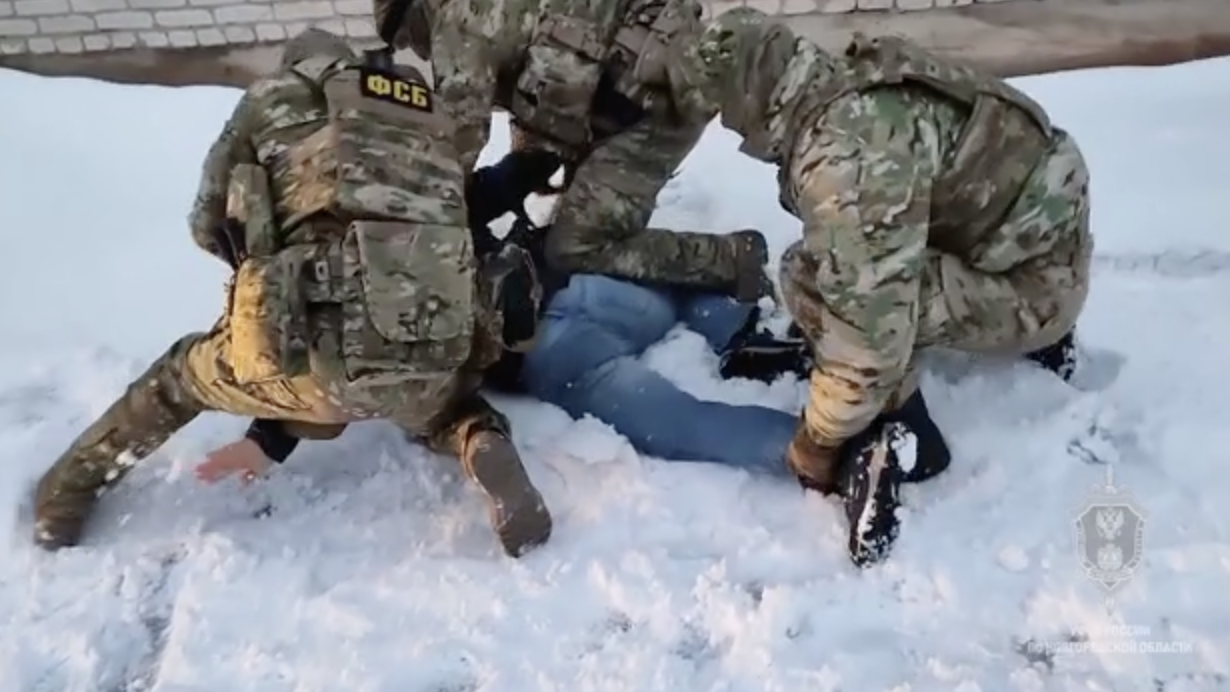
Pyotr Opalnik was detained as he was leaving the house: “There was a police car parked next to the house, and when I was closing the garage, I saw that Pyotr was being detained. Three special forces men put him face down on the ground, the fourth asked me to put my hands on the car. We weren’t allowed to talk to Peter, we weren’t allowed to say goodbye,” said his partner Irina.
In the photo: Pyotr Opalnik during his arrest
April 2023
At first, Opalnik was defended by an appointed lawyer, but later Peter entered into an agreement with other defenders. Then the lawyer who participated in the case on the basis of Art. 51 of the Code of Criminal Procedure, wrote a petition to recuse himself - according to the law, he cannot impose legal services on the accused. However, the investigator refused to grant his request. Lawyers under the agreement appealed the refusal in court. Even before considering the complaint, the Council of the Chamber of Lawyers of the Novgorod Region stated that the participation of an appointed lawyer in the case is illegal - double protection contradicts the position of the Constitutional Court and the decision of the Council of the Federal Chamber of Lawyers. On April 14, 2023, at a meeting, the investigator said that the participation of an appointed lawyer was necessary in the interests of state security and justice. The court agreed with him and ignored the arguments of the defense and the opinion of Peter himself. Later, the lawyers, by agreement, were able to challenge this decision and get the appointed defense attorney to withdraw from the case.
October 5, 2023
Here are some arguments from the court and the prosecutor's office:
- the apartment, the owners of which agreed to allow Peter to live in the event of house arrest or a ban on certain actions, is located too far from the investigation agency - 300 km from the FSB of Veliky Novgorod
- Opalnik has Ukrainian citizenship
- Opalnik was brought to administrative responsibility under Part 1 of Art. 18.8 Code of Administrative Offences. Several years ago, Peter was late in submitting documents to the migration service, for which he paid a fine of ~1,000 rubles. Peter committed this offense several years ago (and the term for prosecution under this article is one year), that is, there can no longer be any legal consequences
- Peter’s registration in an apartment in the Russian Federation has expired. At the same time, at the time of arrest, she was valid for another month; it is impossible to extend it from the pre-trial detention center
- the man served in the Ukrainian army. True, this was in 1996-1998, Peter did not pick up a machine gun during these two years - his military ID indicated the specialty “fitter-driver”
- Opalnik has relatives in unfriendly countries - Ukraine, Poland and Portugal
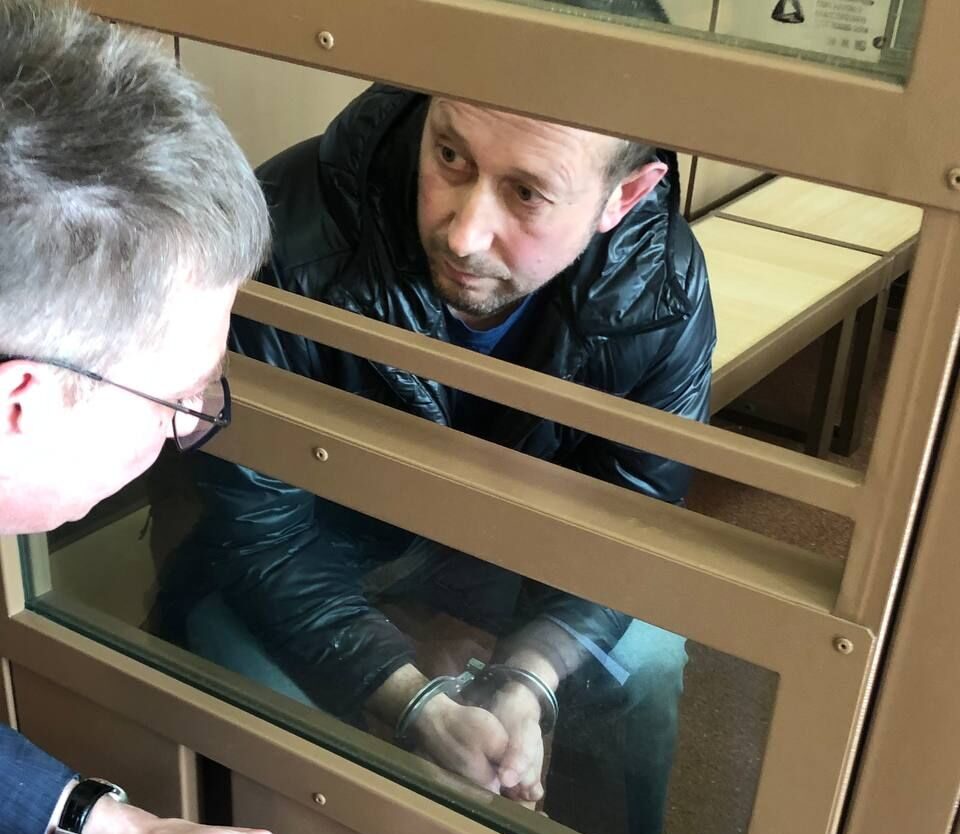
March 2024
A case file for Pyotr Opalnik appeared on the website of the Novgorod Regional Court. Initially it was reported that he was accused of “confidential cooperation” with Ukraine, now two articles appear in the case. The new charge is “attempt to organize voluntary surrender.” According to investigators, Opalnik was going to convince Russian soldiers to surrender, “while the crime was not completed due to circumstances beyond his control.” Previously, he faced up to eight years in prison; now the maximum possible sentence has been increased to 12 years.
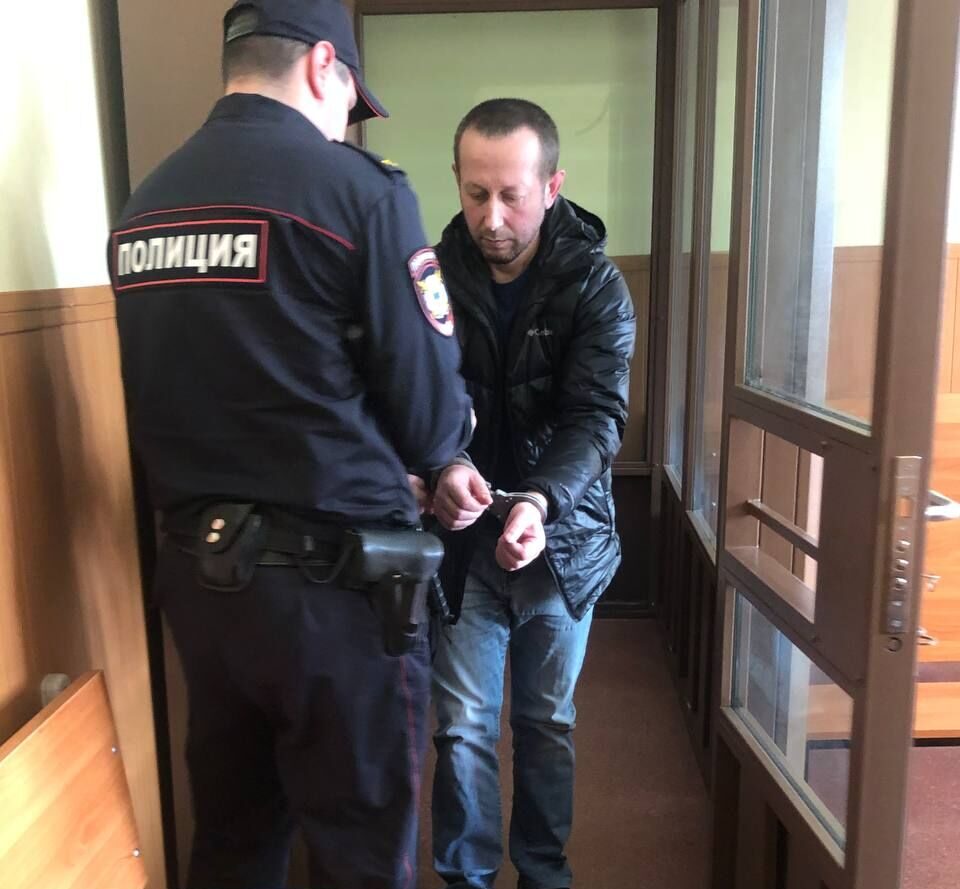
July 5, 2024
It became known that Petro Opalnik was being pressured for receiving the Prison Bulletin, a samizdat for prisoners being persecuted for political reasons. For example, the issue for June 2024 contains news about an increase in prices for sending letters by Russian Post, the renaming of Tinkoff Bank to T-Bank, an outbreak of botulism in several cities, information about Putin’s trip to North Korea and his statements about “the conditions for ending the SVO.” The publication is not prohibited in Russia.
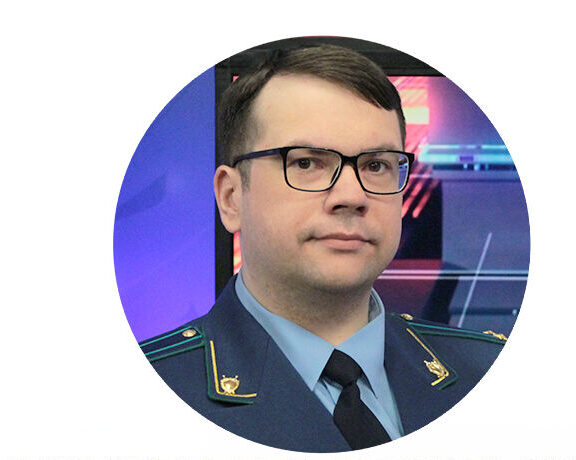
July 23, 2024
Prosecutor Georgy Zhukov, who in 2023 was recognized as the best state prosecutor in Russia, requested for Pyotr Opalnik a sentence of nine years in a general regime colony, as well as a fine of 500,000 rubles and restriction of freedom for one year.
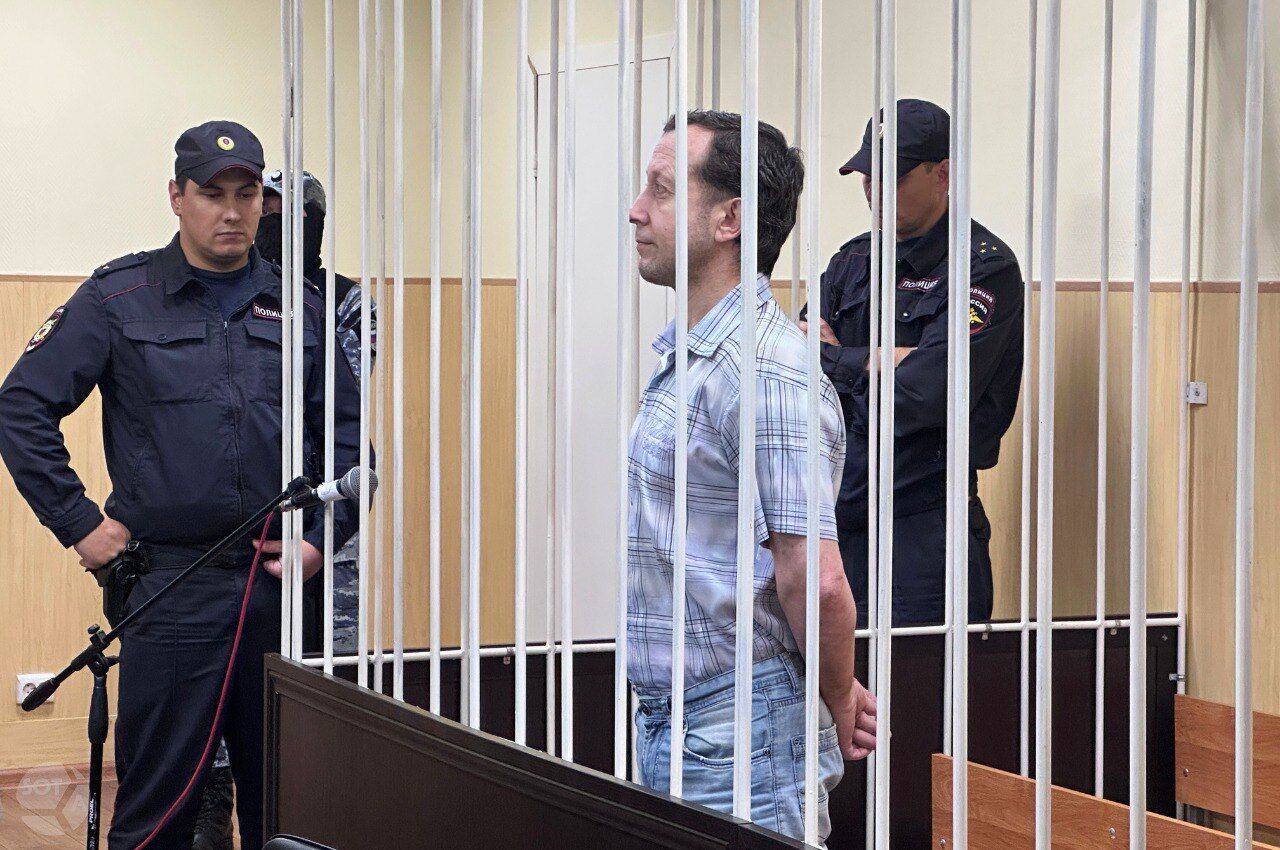
August 1, 2024
Judge Alexei Stanovsky sentenced Pyotr Opalnik to eight years in a general regime colony. Opalnik was also sentenced to a year of restriction of freedom. This means that after his release, he will not be able to leave Russia, as he will be required to regularly report to the Federal Penitentiary Service. The punishment will be calculated on the basis of a day spent in a pre-trial detention center for one and a half days in a colony. The court did not impose a fine of 500,000 rubles, which prosecutor Zhukov asked for, but demanded that the appointed lawyer and Opalnik’s ex-wife Svetlana be reimbursed for almost 60,000 rubles spent on the road from Stavropol to Veliky Novgorod and back. Svetlana came to speak in court on the side of the prosecution and testify against Opalnik. Opalnik did not admit guilt. His lawyers filed an appeal against the verdict.
December 27, 2024
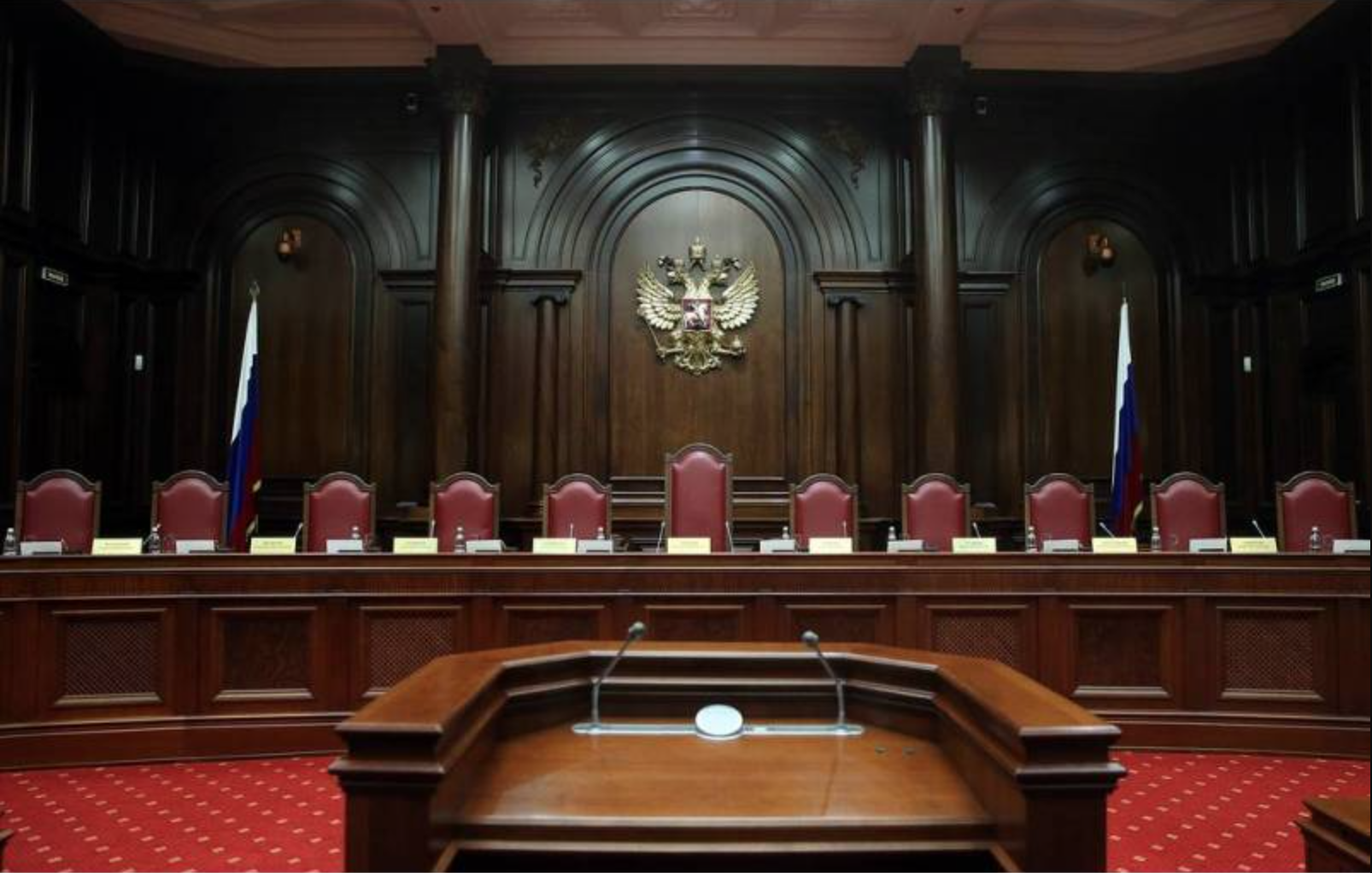
Petr Opalnik challenged the constitutionality of Article 52 of the Code of Criminal Procedure, according to which the refusal of a defense lawyer declared by the accused is not mandatory for the investigator, interrogating officer or the court.
Because of this provision, in March 2023, Opalnik was unable to refuse the services of an appointed lawyer. This was prevented first by the investigator, and then, when the defenders by agreement challenged this decision, by the court. At the meeting, the investigator said that the participation of an appointed lawyer was necessary in the interests of state security and justice. The judge agreed with him and ignored the arguments of the defense and the opinion of Opalnik himself. At the same time, the lawyers had no complaints against their colleague. He is trying to get out of the case, but the investigator artificially created a conflict situation - Opalnik was forced to provide the services of an appointed lawyer, which he refused.
On December 27, it became known that the Constitutional Court refused to consider Opalnik’s complaint.
January 13, 2025
The Court of Appeal denied political prisoner Petro Opalnik's request to review his sentence. The complaint was considered by judge Elena Kondakova.
September 2025
The prisoner reported this in a letter from the colony.
Other news
- Story April 4, 2023 “Confidential cooperation” with your country. This is exactly what Russia accuses Ukrainian Petro Opalnik of. This is his story."
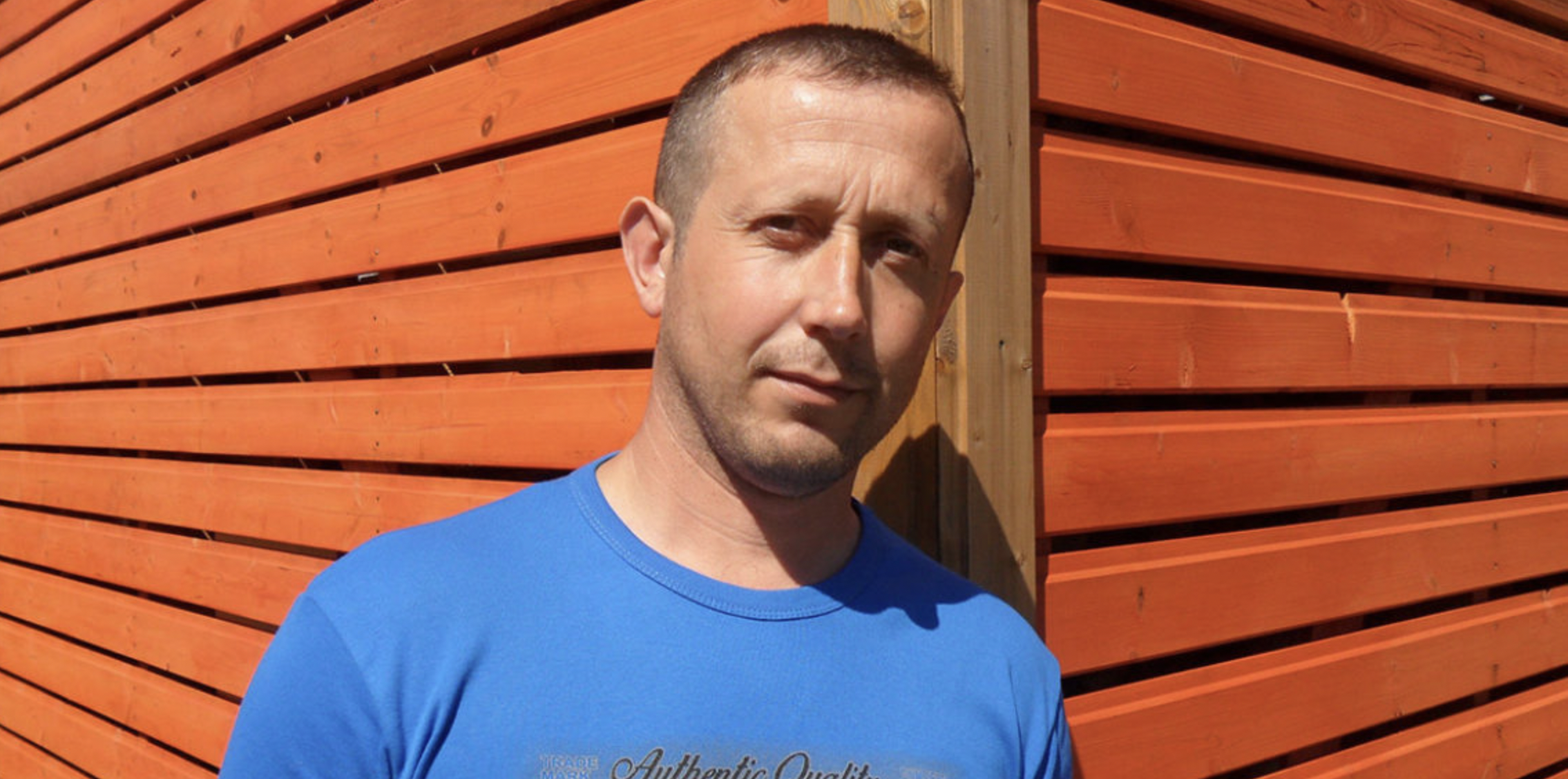

- Interview June 2, 2023 “In our country, the judicial process is adversarial.” Interview with the best state prosecutor of Russia" Georgy Zhukov, who requested 9 years for Opalnik

- Interview October 30, 2023 “I just wanted to help the person.” Petr Opalnik gave an interview to writer Boris Akunin