
Translated material
fault line
How does Hakob Melkonyan's trilogy about pain, genocide and war work?

Still from the film "Blokus"
Armenian cinematography consists of two cultural and geographical spaces: inside Armenia itself and outside its borders - in cinema created by directors of the diaspora. This division is a direct consequence of genocide, wars and subsequent social and economic disasters, which forced hundreds of thousands of people to leave their homeland in search of security and stability.
But even being geographically, and in many ways culturally separated, Armenian authors from the diaspora again and again return to the theme of Armenia as the center of their own identity. One of these directors is the young French documentarian Hakob Melkonyan. Having spent his childhood and youth in Armenia, as a student he went to study in Munich, and then settled in France, where he began to build a professional career. Working with the largest European television channels - France Télévisions and ARTE - Melkonyan gained the necessary experience and professional connections, after which he began creating his debut feature film “Tree”. The central theme of the film was the Armenian genocide in the Ottoman Empire. This film marked the beginning of the author’s trilogy about Armenia, which also included “Blokus” - the story of the inhabitants of a border village - and “War Diaries” - a film connecting the wars in Ukraine, Georgia and Armenia into one tragic line. Especially for Novaya, film researcher Vladimir Kocharyan follows in the footsteps of the director, who is trying to comprehend the tragedy of his people through personal and poetic lenses.
"Tree"
The central character of the film is the director’s grandmother, Azniv Martirosyan. A survivor of the genocide and the only survivor of 39 members of their extended family living in Western Armenia, she tried to avoid stories of the past and protect her children and grandchildren from the cruelty she had to endure as a child. Those stories that broke through her desire to forget became the basis for the film, the method of which the author chose “testimony.”
The witnesses are children, eyewitnesses and victims of those events - already centenarians, for whom returning to the time of the genocide is a difficult experience, but they cannot remain silent when the camera is pointed at them and the gaze through generations of modern viewers. Through the lens of a child looking up at the world with hope and admiration, we are confronted with a level of violence that is difficult to experience even as a mute observer. The destruction of entire settlements, the forced relocation of hundreds of thousands of people along the “roads of death,” and the endless stream of murders of adults and children are a consequence of the public madness and nationalist myths that gripped Turkish society of that period.
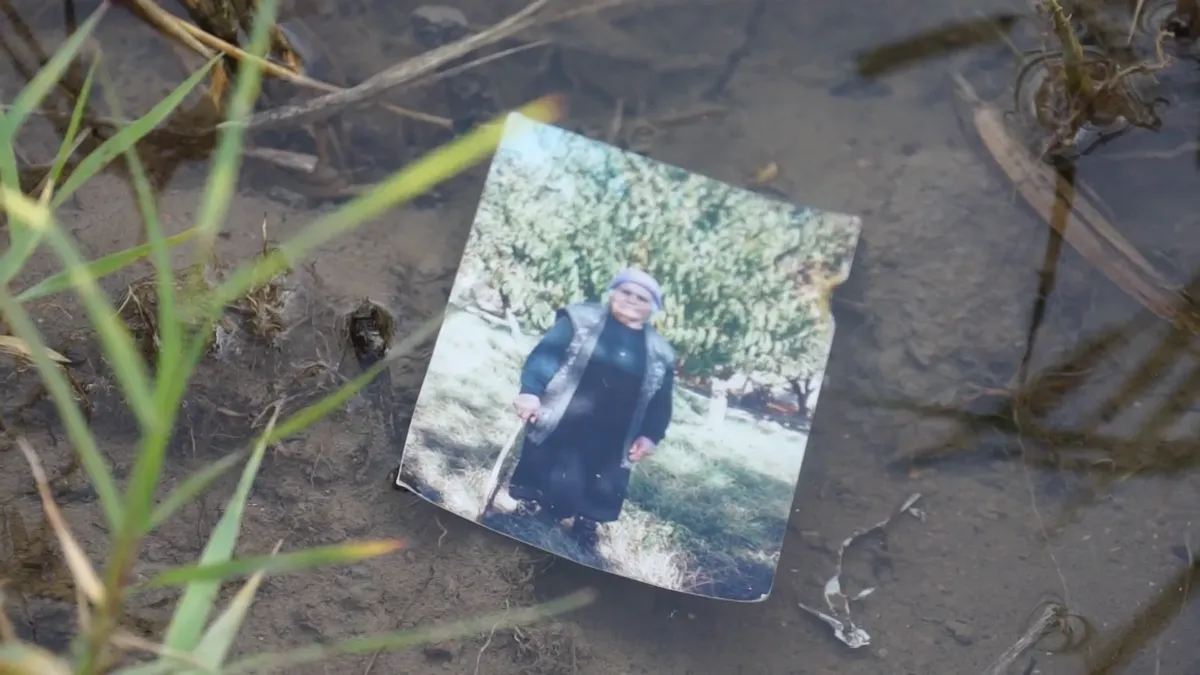
In unison with the voices of the witnesses, the voice of the director himself sounds, who goes to the lands where his ancestors once lived and conducts a dialogue with the new inhabitants. They remember that Armenians once lived here, some even remember their customs and traditions, but no one dares to name the reason why they “left” these places.
Silent oblivion, which was once tacit consent, is also one of the pillars of the tragedy that claimed the lives of more than a million indigenous people in the region.
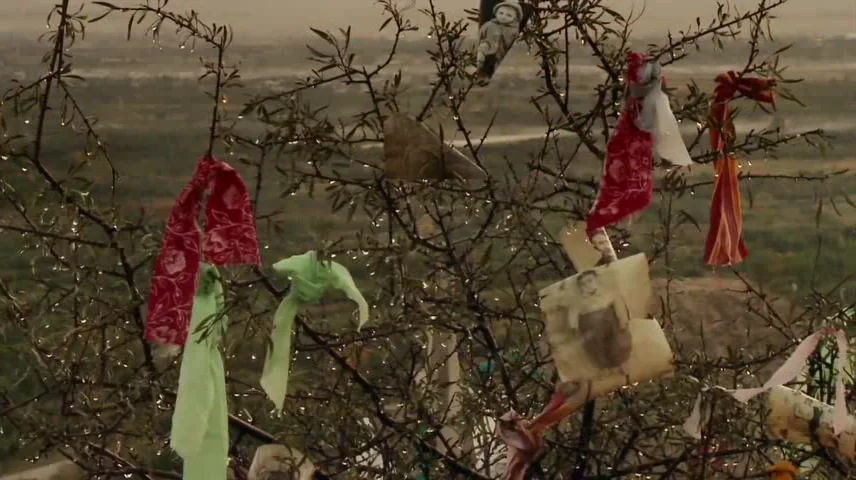
Former friends, neighbors and even relatives instantly became gunners, traitors and pogrom-mongers, each of them seeking their own benefit in the tragedy of the people whose fate was determined by destruction. Behind the detailed details of the methods of extermination of the Armenians, the author also tries to disassemble the ideology - the very mythical motives that motivated the Young Turks. Despite the general atmosphere of the film, the director still finds the strength to maintain hope, even if in this hope there is no expectation of justice or retribution for the cruelty that follows every Armenian from the past to the present. This is hope for memory, symbolized by the tree of life - Kenats Tsar, which his ancestors once decorated with ribbons, each of which was a wish. In the case of this film, it becomes a desire - to remember.
"Blokus"
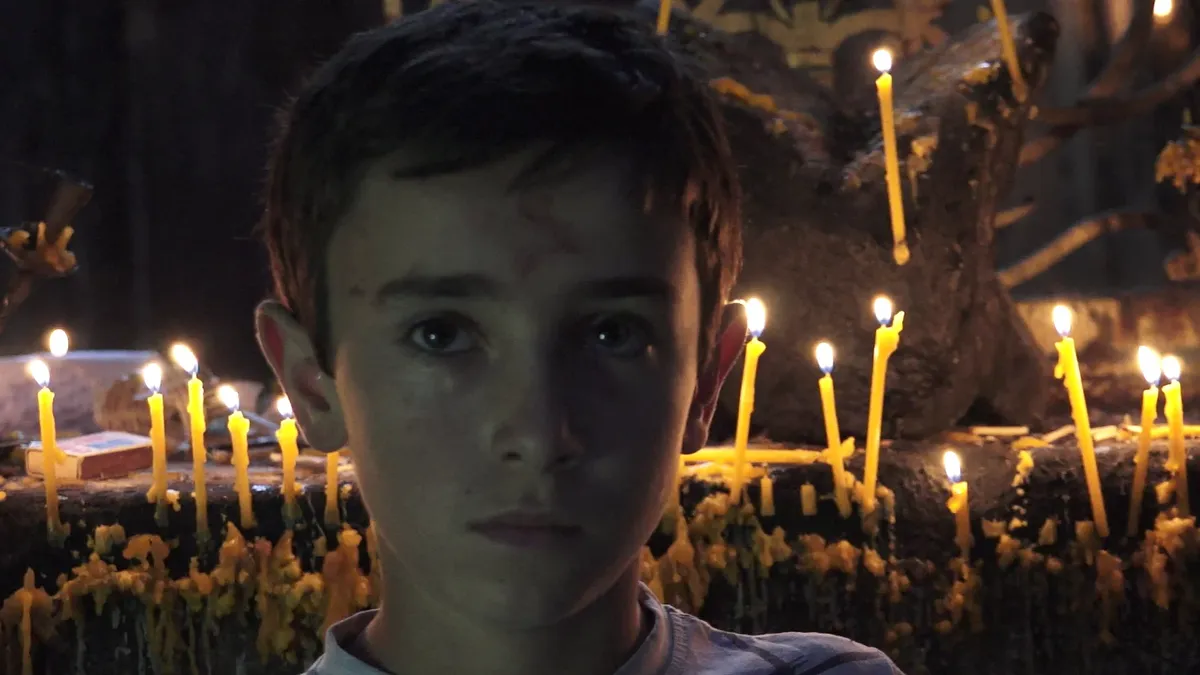
The border village of Chinari is an idealistic picture of an Armenian pastoral idyll: a house surrounded by green forest, a young family with growing teenage children and their own household, which needs to be looked after in the same way as your children. This is how we see the life of the Petrosyan family, living on this land from generation to generation.
Their small home is not just the center of their lives - it is also an outpost of Armenian identity and the republic, one of the settlements located in the eternal line of enemy fire. On the other hand, there is Azerbaijan, and the war, which is now in its third decade, has not ended. The peaceful work in the fields is abruptly interrupted by gunfire. The daughter begins to scream, and the son steadfastly listens to his father’s orders: “Lie down, one by one we begin to run.”
This daily routine of land ownership and war, like the rhythm of life and death, permeates the fate of the Petrosyan family. The head of the family is a military man, and when the last members of the family go to bed, he puts on his uniform and, with his weapon at the ready, looks into the dark distance, trying to predict the actions of potential invaders. He also has to stand on the border, which stretches along the hills surrounding the village. From these hills he sees his home, children and wife, going about their business.
His son runs through the streets and forests surrounding the village along with the same boys.
In schools they are taught war, but in their heads they have other thoughts: do the children on the other side want to play with us? Would they be friends with us? Do you think the war can end? Do you think they can be trusted?
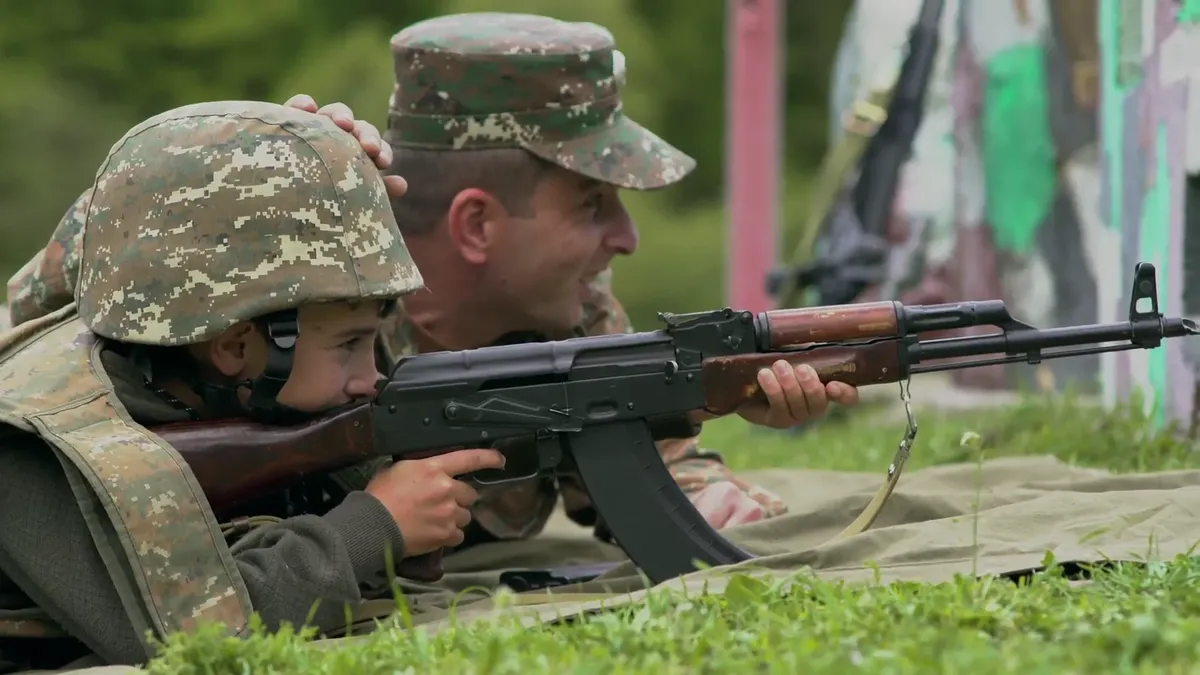
The questions the children ask are the questions asked by anyone who is destined to stand on the edge of these mountains and look down the barrel of a gun at the man on the other side. But as long as shots are fired and as long as radio reports report more casualties, there is only one answer. A future in which there will always be war - such a future is predicted by the calm and confident voice of a father looking at his son, a future warrior who is destined, like an eagle, to fly over these mountains.
Hakob Melkonyan created one of the most vivid poetic images of Armenian society, which has been living under siege for more than three decades. Without patriotic madness, radical machismo and unnecessary bravado, we have before us a portrait of a family that has chosen as its destiny a land soaked in the tears and blood of its ancestors. That land that they will not leave and on which their children’s children will live. Such thoughts are conveyed by the heroes - outwardly calm and peaceful, like the wind over the hills, against which machine gun fire sounds again.
"War Diary"
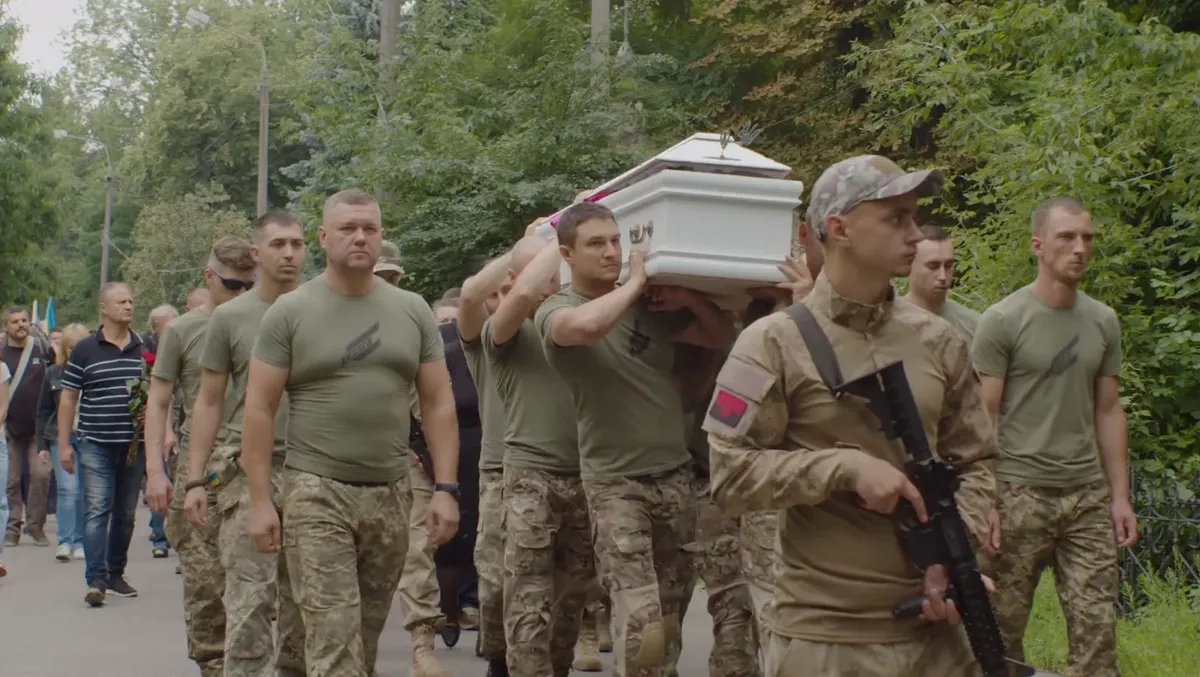
2022 There is another escalation on the border between Armenia and Azerbaijan. The country is in an extreme stage of nervous tension, there is talk of general mobilization and a new big war. At the same time, the director goes to the archive to find information about his grandfather, who died during the Second World War. Information about his death never reached the family, and now, almost a century later, the director finds information about his ancestor. In the same archive, along with the death certificate, he receives a diary in which his grandfather’s path from Armenia through the republics of the then USSR to his last battle is described. His grandson decides to repeat this route: from Armenia to Georgia, Russia and Ukraine. Once a single entity within the Soviet empire, these former “brotherly republics” are now in a state of military and territorial conflicts.
Actually, the motive of “brotherhood” is what especially worries the director.
In his diary entries, his grandfather calls the Azerbaijanis brothers, with whom he rides side by side in carriages to defend their common homeland.
How did it happen that today the director is in a country that has to fight a defensive war against yesterday’s “brother”, today’s bloody enemy? He again turns to witnesses - this time war veterans, each of whom becomes a narrator. But the stories of these witnesses are clouded not only by the fog of war, but also by nostalgia for the Soviet utopia for which they were ready to give their lives. The director does not interrupt them or argue with them - he gives the opportunity to tell how they remember their reality, and to hear how they react to the one that came and brought the war back into their lives.
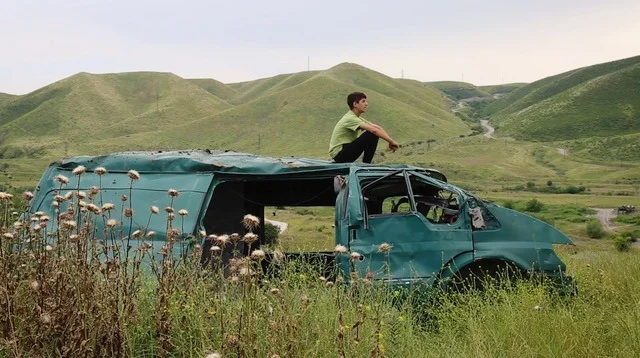
From Armenia through Georgia the author enters the territory of Russia, where at that moment partial mobilization is announced, and the war has been going on for many months. The author looks at Russians as a person who knows this society from a common past, but no longer understands it through the prism of the present that separates them. We hear the voices of those who support the war, as well as the quiet utterances of those who do not want to accept the path chosen by their country. As in the case of war veterans, the director does not enter into controversy. Only once does he say that the USSR is returning - but in the form in which the author of the concept of the new Russian Empire, that is, Putin, perceives it.
Reaching the battle line, the director finds himself on the territory of Ukraine, in the very thick of war. There is no longer talk about brotherhood and common memory - here there is only pain, revenge and the demand for justice. Nostalgia turned into war. Myths that have turned into real weapons. But the director needs to reach the end - to see the name of his grandfather on the memorial, even if this name stands alone in the list of hundreds of names of heroes who once defended a common utopia, which now no longer exists.