
Translated material
"Drama" by Kristoffer Borgli
Robert Pattinson marries Zendaya in scandalous rom-com with a dark twist
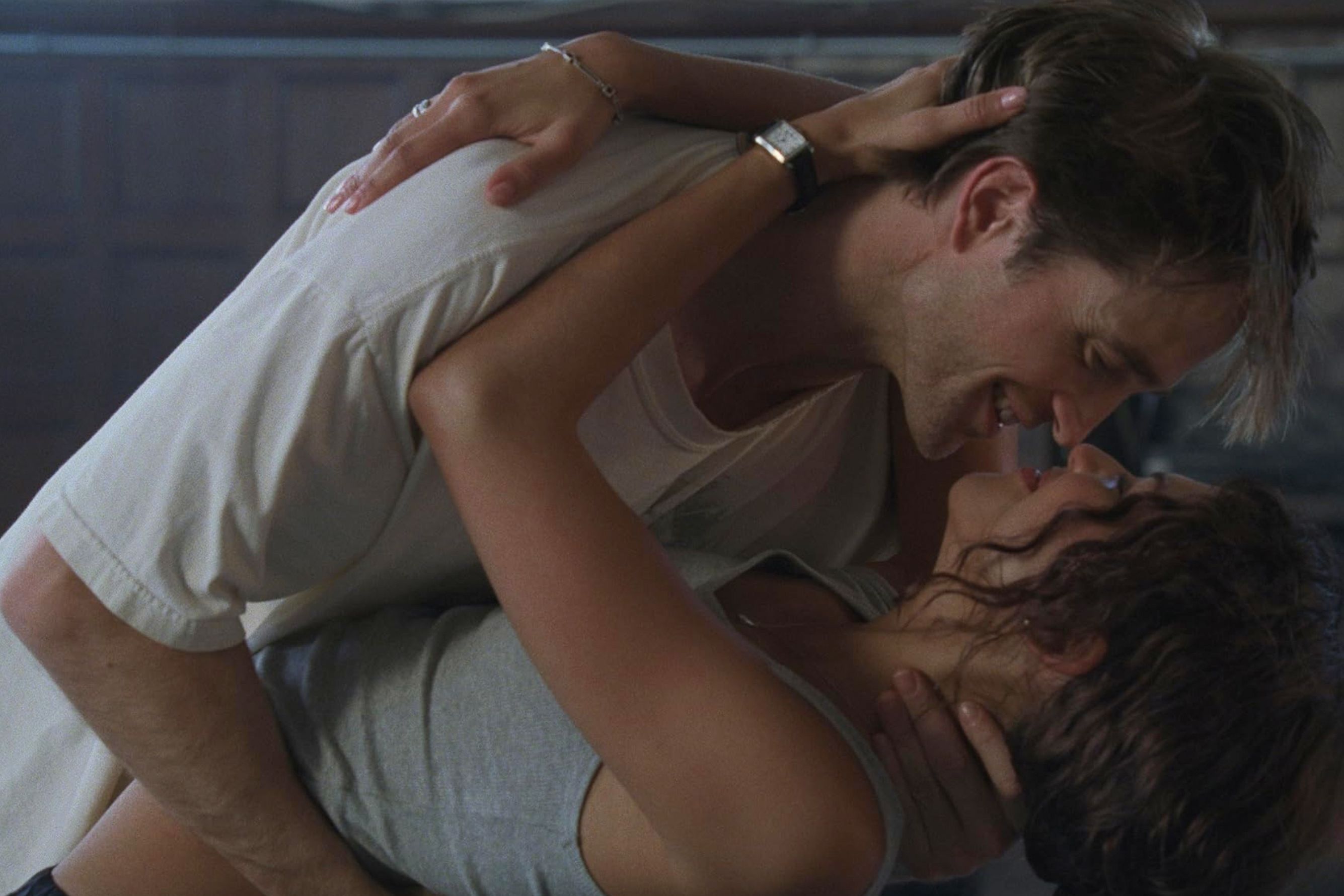
The A24 studio’s film “Drama” is being released worldwide (it was released on Russian screens under the title “What a Drama!”). The film was directed by Norwegian Kristoffer Borgli, and the main roles - newlyweds Emma and Charlie - were played by Zendaya and Robert Pattinson. Days before the wedding, Charlie unexpectedly discovers a secret about Emma's past, putting both the ceremony and the couple's future in jeopardy. The review contains a description of this important plot twist, about which we additionally warn.
Anton Dolin tells how Borgli managed to combine a heavy taboo topic with a light comedic form, praises the performances of Zendaya and Pattinson, and along with the many advantages of “Drama”, notes its fundamental flaw.
There's something both outrageous and funny about the consonance between the film and the situation around it. “Drama” is a story about what is not customary to discuss, what is scary to talk about and even think about; Once you let this genie out of the bottle, you can’t put it back. Reviews and responses to “Drama” are structured in a similar way. Critics and bloggers widen their eyes and suggestively hint at the cruel twist embedded in the romantic comedy about a wedding. And then they put their finger to their lips, involuntarily joining in the conspiracy of silence and filling the reviews with insignificant assessments of the camera work, dialogue or acting of Robert Pattinson and Zendaya.
Both actors are at their best - charmingly superficial in the flirting scenes, delightfully natural behind the scenes of the impending wedding, grotesquely comic in the second half of "Drama", when the film (really unexpectedly?) begins to live up to its name. But, really, it’s much more interesting to think about the plan of Kristoffer Borgli, who showed himself to be an interesting playwright and director in the previous absurdist parable - he shot for the same studio A24 “The Hero of Our Dreams” with Nicolas Cage.
The author's favorite risky technique is to take a popular movie star and use his or her image to play provocatively with audience expectations. It’s worth remembering: Zendaya and Pattinson, who have repeatedly shown themselves to be thoughtful and experimental artists, are still just instruments. And the main drama plays out not even on the screen, but in the viewer’s head.
The film fits perfectly into the “uncomfortable wedding comedy” format set by commercial classics from “The Philadelphia Story” and “Runaway Bride” to “Bitter” and “The Hangover.” Although the Norwegian Borgli, no doubt, has studied radical Scandinavian cinema well, especially Thomas Vinterberg’s “Triumph” and Lars von Trier’s “Melancholia”. The charmingly awkward couple of wealthy hipsters from good families - Charlie (Pattinson) and Emma (Zendaya) - have apparently found harmony and happiness. They meet in a cafe under funny circumstances, remember their first date and first kiss, prepare a wedding dance and dinner speeches. What, when and why will go wrong?
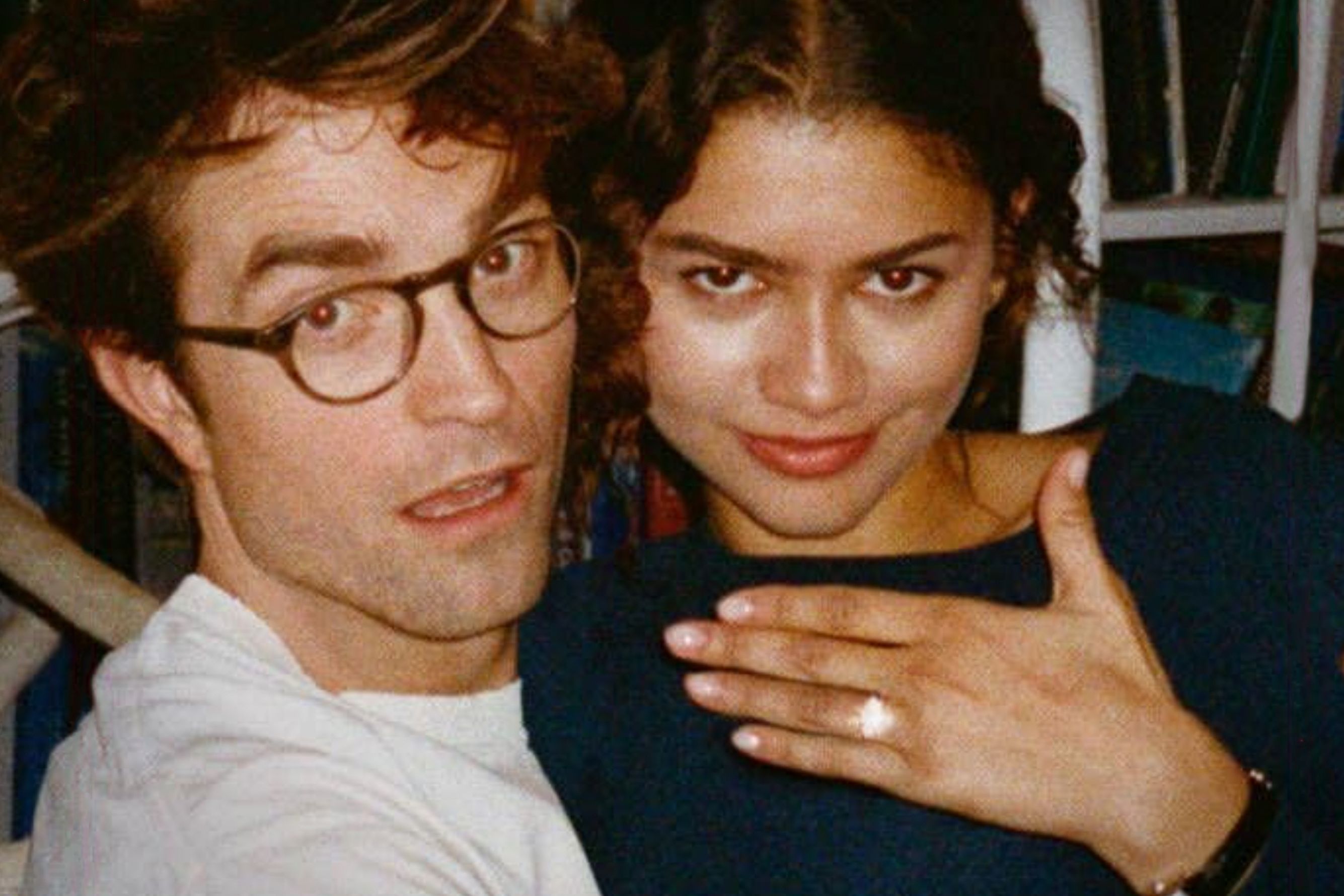
To answer this question, you will have to resort to spoilers - if you are afraid of them, then it is better to watch “Drama” first and only after that return to reading the text.
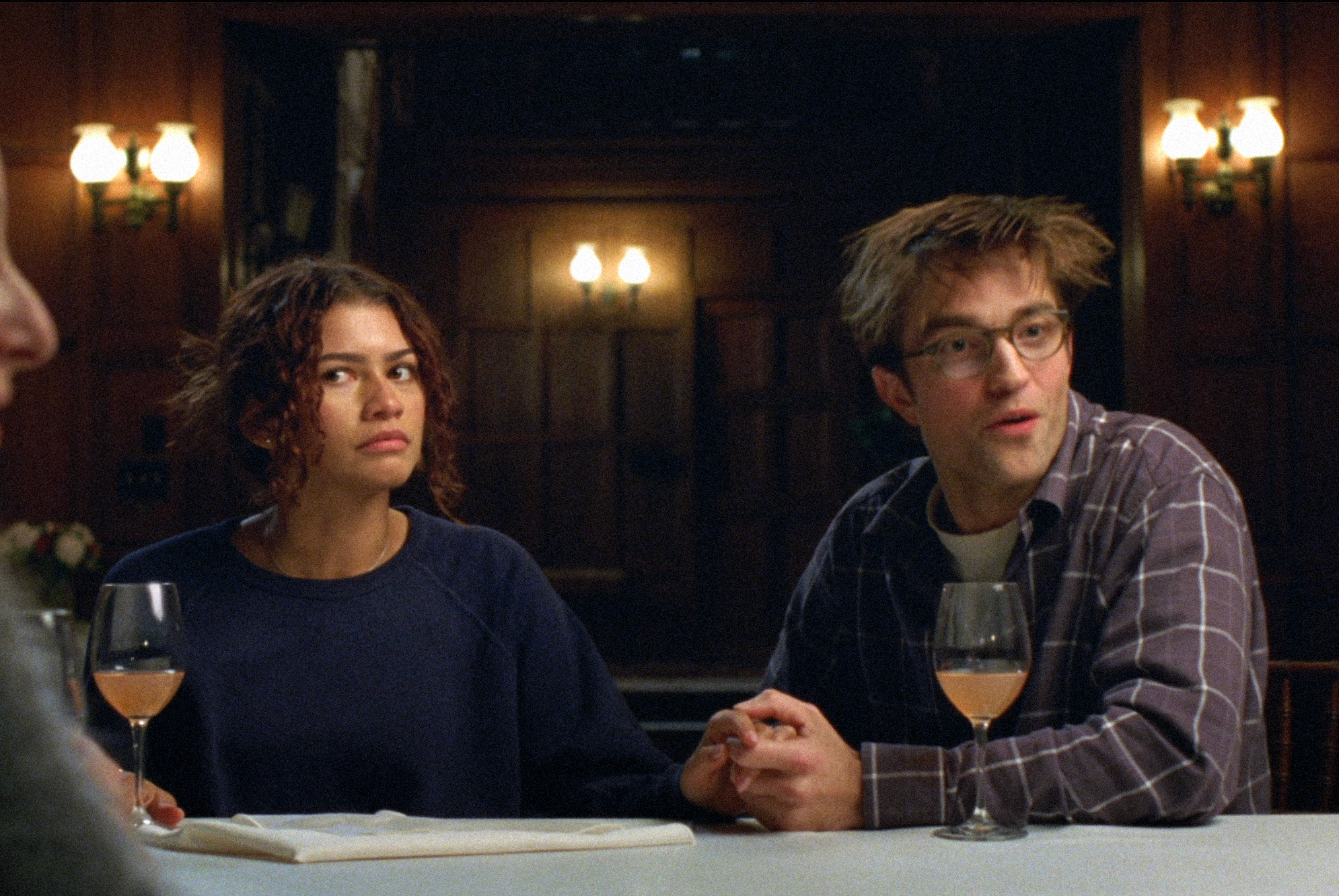
Shortly before their wedding, Charlie and Emma are sitting at an expensive restaurant with a couple of married friends, Mike (Mamoudou Athie) and Rachel (Alana Haim). They tease each other, remembering an old bet: to tell each other about the worst thing they ever did. It comes to awkward confessions of shameful sins; Emma and Charlie, as witnesses, inevitably find themselves drawn into the game. A tipsy Emma is the last to speak. For the first time in her life, she says that in high school she planned to come to class with her father’s rifle and shoot her classmates who were harassing her. Confession causes a silent scene. Friends and fiancé have no idea how to react to a creepy confession to a crime that was never committed. This starts the flywheel of action, calling into question the upcoming ceremony, and at the same time the relationship of the lovers.
The public is also dumbfounded. She just had time to relax and tune in to easy entertainment, and here it is: instead of “The Wedding Planner” - “Bowling for Columbine” and “Elephant” . The shock effect is achieved by the dramatic contrast of the most difficult taboo topic with a frivolous comedic form. It is impossible to understand where the goal is and where the artistic means is. Borgli and A24 decided to freshen up the rom-com genre with an inoculation of scary reality? Or, on the contrary, did they dress up a serious political statement in the garb of an unpretentious wedding farce?
"Drama" instantly turns from a harmless comedy into a rather evil satire. It turns out that not everything is acceptable to laugh at. The level of awkwardness increases every minute, spreading from the screen into the auditorium. We see how dependent private life, including the most tender intimate feelings, is on journalistic archetypes and hidden phobias. For example, now Charlie is afraid of his bride (but he’s even more afraid to admit it to her), constantly imagining her 15-year-old version in place of the beautiful Emma - an ugly duckling with glasses and a gun.
The title of the film Borgli is extremely apt. Mockingly refuting himself, he calls comedy “Drama”. From Emma's father's speech at the wedding, we also learn that the girl was interested in drama - in the sense of amateur theater. The failed shooting was supposed to become a large-scale bloody performance. But isn't every wedding staged, requiring us to follow artificial rituals - from uncomfortable clothes to carefully censored speeches? How can we prevent the falseness of this show from eating away at our true emotions?
Even before the fateful dinner, Emma and Charlie notice on the street at night a girl invited to DJ at a wedding: she is smoking heroin in the company of friends. They are shocked - so what now, fire her? This introduces the themes of hypocrisy, the discrepancy between the public image and the private underbelly, and punishment for secrecy. But “Drama” digs deeper. Without abandoning comedic overtones, Borgli poses serious questions about ignorance - is it not better to choose it by abandoning bitter revelations? - and forgiveness as a measure of love. Sometimes we don’t know something most important even about the people closest to us, and this realization hits harder than secrets as such.
While the highly original film has many strengths, it also has a fundamental flaw. The authors have absolutely nothing to say about school shootings - America's long-standing, ongoing catastrophe. When thoughts are found, they are strikingly banal: outcasts take up arms to take revenge on the collective for their rejection. Borgley, a stranger to the United States, is deeply horrified by the violent tendencies that are found again and again in America's DNA. It’s not for nothing that the hero of his film, Charlie, is also a newcomer in the story—an Englishman. How can we understand how to explain the readiness of completely peaceful, civilized people to pull the trigger, taking the life of the offender - and revive the savage law of the frontier?
This is a drama without any jokes or quotation marks. Maybe I should thank the director for camouflaging it as a funny love story. Even if this move looks like capitulation to material that is too uncomfortable.
Anton Dolin