
Translated material
What's happening to the Strait of Hormuz? At first Trump wanted to open it, and now he started a blockade. Wait, wasn't Iran doing the same thing?
What Western media and analysts write about the situation with the strait
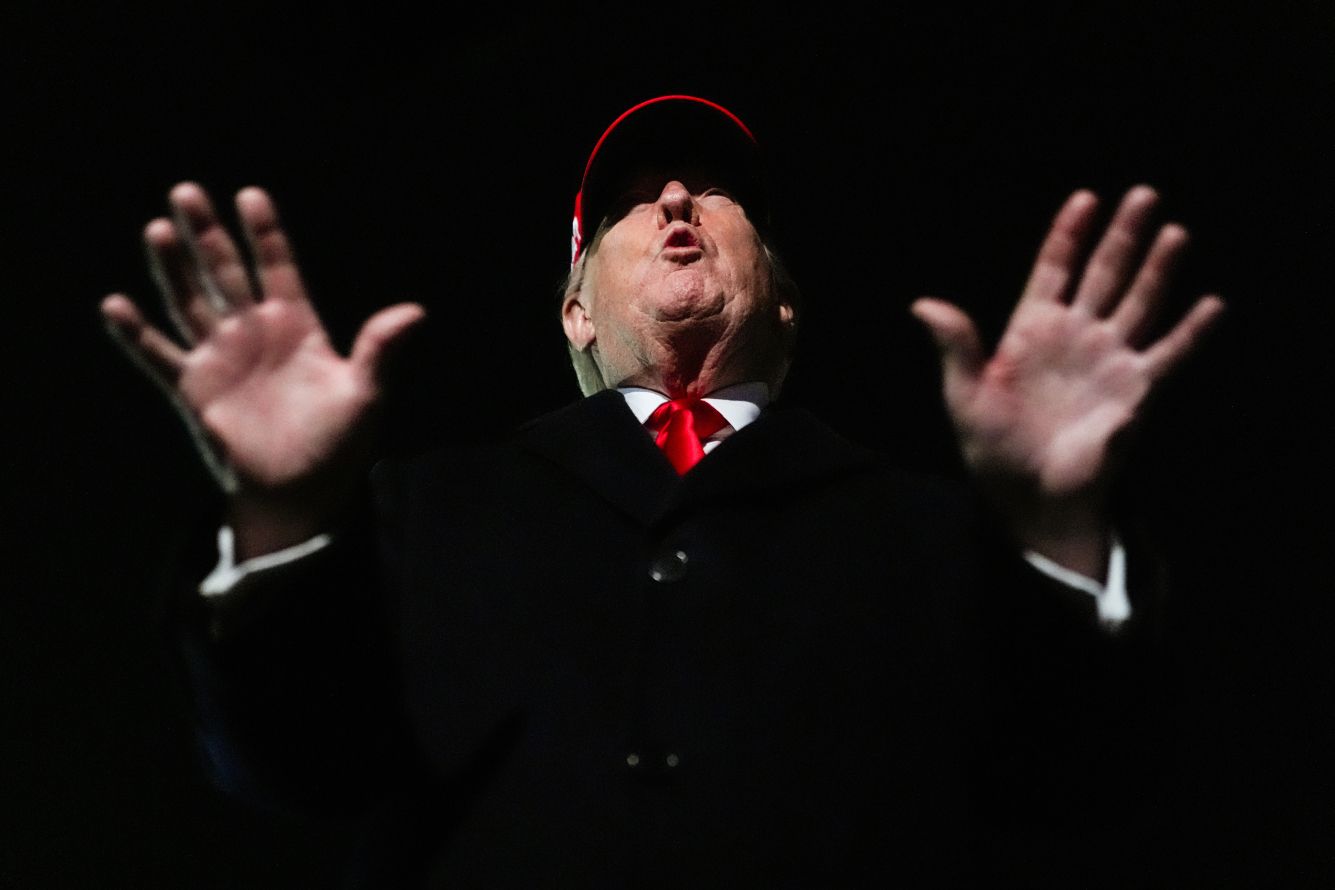
The US Navy has begun blockading the Strait of Hormuz, an important and almost unalternative sea route for energy supplies from the Middle East. In peacetime, a significant portion of the world's fuel passed through it. On the first day of the war with the United States and Israel on February 28, Iran declared the Strait of Hormuz closed to shipping and struck several tankers. This has driven up oil and gas prices and fueled fears of rising inflation. On the night of April 8, Washington and Tehran agreed on a two-week truce. The US President called the immediate opening of the Strait of Hormuz a condition for a ceasefire, but this never happened. After the failed negotiations in Islamabad, Donald Trump announced that the United States will now block the strait. We tell you what Western media write and experts say about the situation around the Strait of Hormuz.
Listen to the audio version of this text on Radio Medusa
What kind of blockade did Trump declare?
After the failure of negotiations with Iran, Donald Trump announced that the US Navy "will begin to block any and all ships attempting to enter or exit the Strait of Hormuz." According to the president, other countries, including Great Britain, will join the blockade. However, as The Guardian writes , London will not participate in the blockade.
Trump promised that the US military will begin clearing mines in the Strait of Hormuz, and anyone who attacks the US or civilian ships will “go to hell.” He ordered the navy to identify and detain ships in international waters that paid Iran tolls to pass through the strait.
US Central Command (CENTCOM) later clarified that the blockade would affect ships from any country traveling to or from Iranian ports, as well as those passing through Iran's coastal areas. Restrictions began to apply on April 13 at 10:00 Eastern time (17:00 Moscow time).
At the same time, the United States will not interfere with the passage of ships going to the ports of other countries and back through the main channel of the Strait of Hormuz.
What is happening to the strait now?
Since the outbreak of hostilities in late February, Tehran has announced the closure of the strait and has launched drone and missile strikes against tankers attempting to pass through it without permission from Iranian authorities. In addition, Tehran informed shipowners that the main channel of the Strait of Hormuz may be unsafe due to mines. But there is no evidence that mines have been placed in the strait. Most of the Iranian minelayers were sunk early in the war. At the same time, Iran allows some tankers along its coast in exchange for a duty of a dollar per barrel of transported oil. Ships pay in yuan or cryptocurrency. According to the US Central Command, ships sailing along the Iranian coast will now be detained by the US fleet.
On April 8, the United States and Iran announced a two-week truce. Trump called the immediate opening of the Strait of Hormuz a condition of the agreement. Iran told negotiators it would allow 10 ships a day through the strait. Over the past 36 hours, fewer than ten ships have passed along the route along the Iranian coast. For comparison: the day before the start of the war between the United States and Israel with Iran, more than 100 ships passed through the strait.
In total, about 100 tankers have passed along this route since the beginning of the war, most of which transported Iranian oil products to China and India.
Why should the United States block the strait if they previously demanded that it be opened?
This is Trump’s attempt to seize the initiative after the failure of negotiations and deprive Tehran of control over the main lever of pressure - access to the Strait of Hormuz, writes the Financial Times.
Tehran is using the strait as its advantage and a tool of influence in negotiations with Washington. Iran's decision to close the route to free shipping has caused severe economic damage to countries dependent on Middle Eastern oil and led to rising energy and fuel prices around the world.
The risks of a protracted crisis and dissatisfaction with rising gasoline prices both within the United States and in other countries are forcing the Trump administration to rush to end the war. Especially on the eve of the midterm elections to the US Congress, which will be held in November, according to CNN and the BBC .
In addition, the American blockade is designed to reduce revenues from Iran's own oil exports and limit its ability to finance military operations.
How will the blockade work?
The US military is unlikely to use missiles or other weapons against the tankers due to the risk of environmental disaster, according to experts interviewed by The Guardian. The most likely option is that the US Navy will use threats to force tankers to change course, and if this does not work, they will send military groups to seize the ship. It is unclear what will happen next to the captured tankers.
A large U.S. Navy presence in the Gulf of Oman near the Strait of Hormuz would give Trump the ability to intercept tankers, according to analysts interviewed by The Wall Street Journal. In particular, the aircraft carrier USS Abraham Lincoln, located in the Arabian Sea, could become a base for landing operations.
By the beginning of the war, the United States had eight destroyers in the region (how many there are now is unknown), which could also be involved in the blockade and repel Iranian air attacks. In addition, Washington could use the Coast Guard or special operations forces to seize the tankers.
On April 13, OSINT analysts noted , the United Kingdom Maritime Trade Operations Office (UKMTO) issued a warning to all ships in the region, notifying of restrictions that would affect the coast of Iran. According to the report, neutral ships located in Iranian ports were allowed to leave them without hindrance. It is not specified how long this “limited grace period” lasts.
How will the blockade affect the economy? And what will happen to the truce?
The Wall Street Journal and the Financial Times warn that the blockade could further destabilize global energy markets, trigger a new surge in oil prices and threaten the already fragile truce.
First of all, it is unclear how Iran and its proxies will react to the blockade. The Islamic Revolutionary Guard Corps, in response to Trump's announcement of the blockade, warned that warships that approach the strait will be considered ceasefire violators and "will receive a tough and decisive response."
Tehran, if backed into a corner by cutting off its ability to export oil, could attack reserve energy export routes of other Gulf countries. We are talking about the UAE oil pipeline to a port in the Gulf of Oman and the Saudi Arabian oil pipeline to a port on the Red Sea. Iran has already launched a missile attack on a Saudi oil pipeline on the eve of the truce. In turn, Iran's allies may try to block the critical shipping route through the Bab al-Mandeb Strait off the coast of Yemen, the authors of The Wall Street Journal believe .
On the other hand, the very cessation of Iranian oil supplies to world markets could also cause a short-term rise in prices, The Guardian notes .
The Wall Street Journal believes that the blockade is the beginning of a new and very unstable phase of the US war with Iran, and now we are actually talking about an open-ended attempt by America to control the Strait of Hormuz. “The prospect of such a blockade could lead to a tough confrontation in which it will become clear who has a greater margin of safety - Tehran or world markets,” the publication writes.
But if Trump's plan works, it would deprive Iran of its main leverage in negotiations with the United States and make the strait safe for global trade again. This, in turn, will reduce oil prices, Reuters believes.
“Trump wants a quick solution. But the reality is that such an operation is difficult to carry out alone, and its results are likely to be unsustainable in the medium to long term,” Dana Stroul, a former senior Pentagon official now at the Washington Institute for Near East Policy, told the agency.