
Translated material
They came for notaries
Anti-corruption lawsuits initiated by the Chairman of the Supreme Court cover an increasingly wide range of officials

Photo: Anatoly Zhdanov / Kommersant
As RBC reported, the Prosecutor General's Office filed a claim for the seizure of property worth 23 million rubles. from the Chairman of the Notary Chamber of the Krasnodar Territory Galina Chernova. This message is doubly interesting: Galina Chernova is the ex-wife of the chairman of the regional court, Alexander Chernov. On the other hand, this is the first precedent for bringing an anti-corruption claim against a notary as the holder of certain state powers.
The defendants in the anti-corruption lawsuit are also the daughters of the Chernovs - vice-president of the notary chamber Elena Ryazanskaya and judge of the arbitration court of the Krasnodar Territory Anastasia Shepel.
According to the prosecutor's office,
the ex-wife and daughter helped the head of the regional court register property for themselves and other relatives. Local sources add that the data of 432 deceased residents of the region were allegedly used to formalize chains of fictitious transactions.
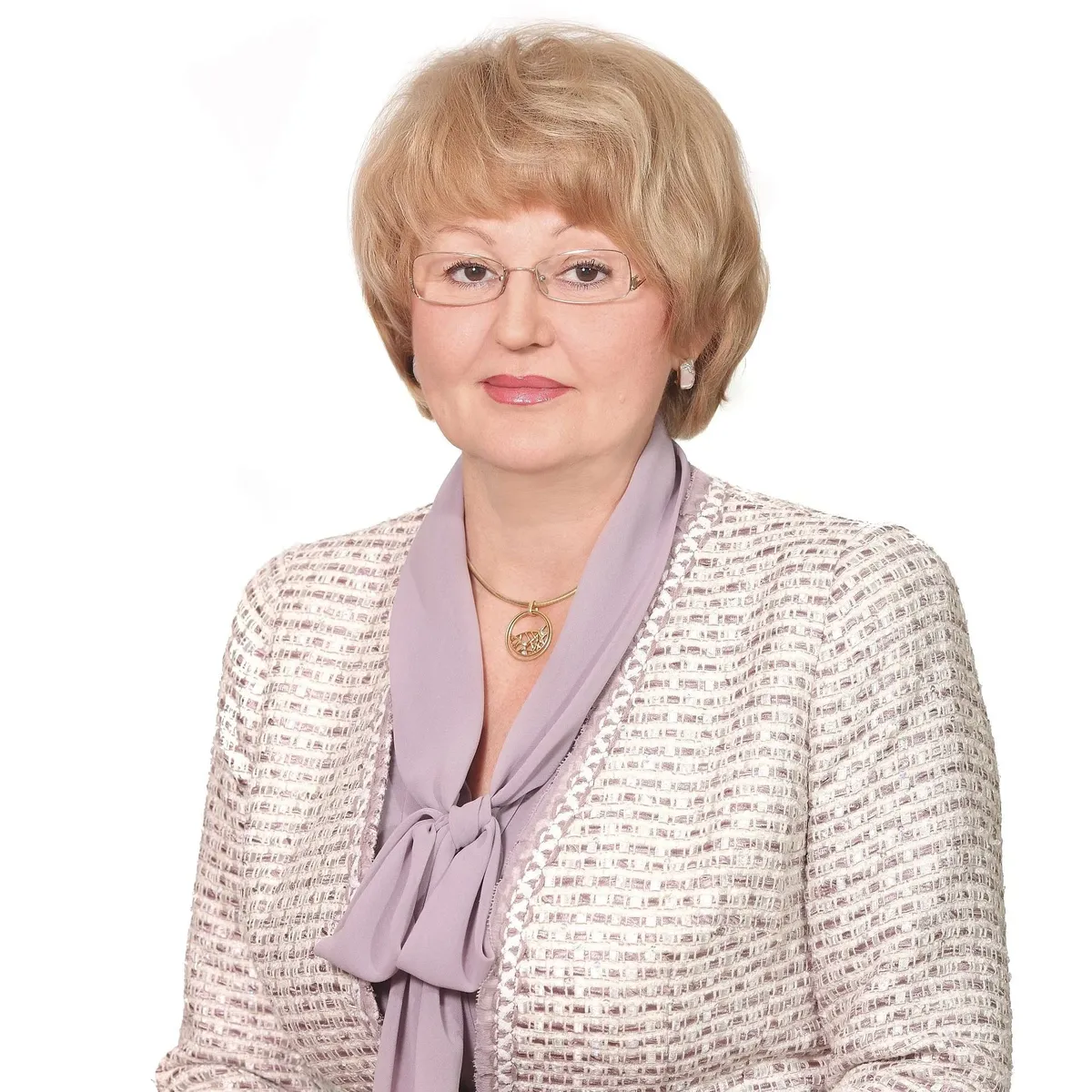
This is not the first time we have come across Galina Chernova - she played a key role in the history of the raider seizure of land plots of the former Caucasus collective farm. As the chairman of the notary chamber, Chernova gave an incorrect explanation, according to which the owner of a share in privatized land can bequeath it even when it was not allocated in kind. This clarification then allowed the raiders to acquire other unallocated shares and oust the farmer Andrei Kalinin, who cultivated them, from the lands of the former “Caucasus” (see the Leviathan-South investigation in Novaya No. 49, May 14, 2018).
Simultaneously with the claim to turn over the property of Chernova and Ryazanskaya to the state, the Prosecutor General's Office demands that they and two other notaries of the region be prohibited from engaging in notarial activities. But why does this only apply to future transactions? Transactions, including those related to wills, certified by these notaries before, require verification to determine their legality. At a minimum, such transactions turn out to be contestable in the claims of interested parties. Verification, as we have already pointed out more than once, also requires judicial decisions, the adoption of which could be influenced by corrupt court leaders.
The anti-corruption activity of the new Chairman of the Supreme Court of the Russian Federation, Igor Krasnov, can only be welcomed, but there is some kind of understatement in the fact that anti-corruption lawsuits, replete with the texture of malfeasance, are not translated into criminal cases.