
Translated material
Hungary vs Budapest
We promise everything, but we deliver nothing. This is not only the slogan of the freak party

Budapest. Photo: Jaap Arriens / Sipa USA / TASS
The elections in Hungary, one of the poorest countries in the European Union, are a striking example of hope and hopelessness rolled into one. More precisely, bottles that can be returned at the nearest large supermarket. The current electoral process generates a lot of controversy, scandals and an endless amount of analysis. It is probably pointless to compete with professional political scientists. However, you can describe reality by simply going outside.
If you fly to Budapest in the midst of the election campaign without minimal knowledge of the Hungarian language, you might think that the main candidate for the post of prime minister is Vladimir Zelensky. His portrait on the way from the airport to the city can be seen more often than the faces of real candidates. In this way, the ruling party is hinting at something. But to what end is absolutely unclear. The symbols and flags of Ukraine are no more and no less than in any other European city. But voters have completely different problems. The Russian-Ukrainian armed conflict concerns only a modest percentage of residents immersed in political life.
Meanwhile, problems are obvious. On the one hand, the capital is the most attractive place for tourism: beautiful architecture and sculpture, excellent infrastructure for guests. There is no cuisine that you cannot try if you wish. Afghan? Please. Peruvian? No question at all. You don’t even need to mention Georgian restaurants.
But on the other hand, this is all for travelers and expats.
Hungarians are actively leaving, giving way to IT specialists and other remote workers who do not look into trash cans in search of containers that can be returned - here such an action is considered habitual and not at all shameful. Moreover, the cost of the bottle is indicated separately on the price tags.
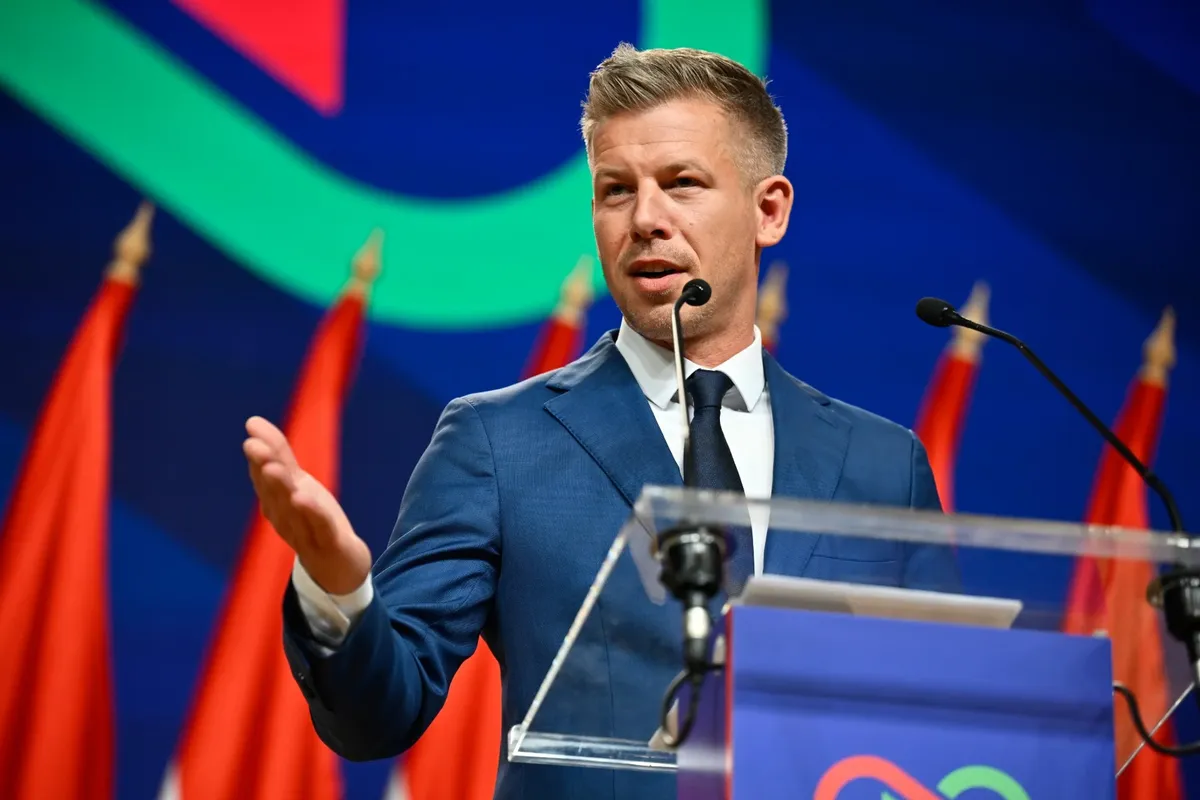
The names of most Hungarian politicians, with the exception of Viktor Orbán and Peter Magyar, will mean almost nothing even to an advanced reader, as will many internal political squabbles, including traditional methods of electoral manipulation: from cutting up constituencies in a profitable way to endless compromising evidence. Everyone is not perfect.
But it seems that there is a simpler view of what is happening, which is universal not only for Hungary, but also for other countries: the conflict between the center and the countryside.
It is too harsh to say that Budapest is against Orbán, but those who publicly express support for him are very few. The city is about as oppositional as Moscow or New York. The countryside, in turn, is simple and conservative - they didn’t live well, so you don’t have to start.
The April 12 elections, meanwhile, were important for everyone. For the European Union, for which Orban is like a thorn in one place, for Russia (we are formally friends). For neighboring countries, the victory of the right is now a trend. For the Hungarians, after all, there was noticeable fatigue from long years of rule by the same person. If you look at the world media, this is an important election even for the United States. Was it in vain that both Trump and Vance personally supported Viktor Orban?
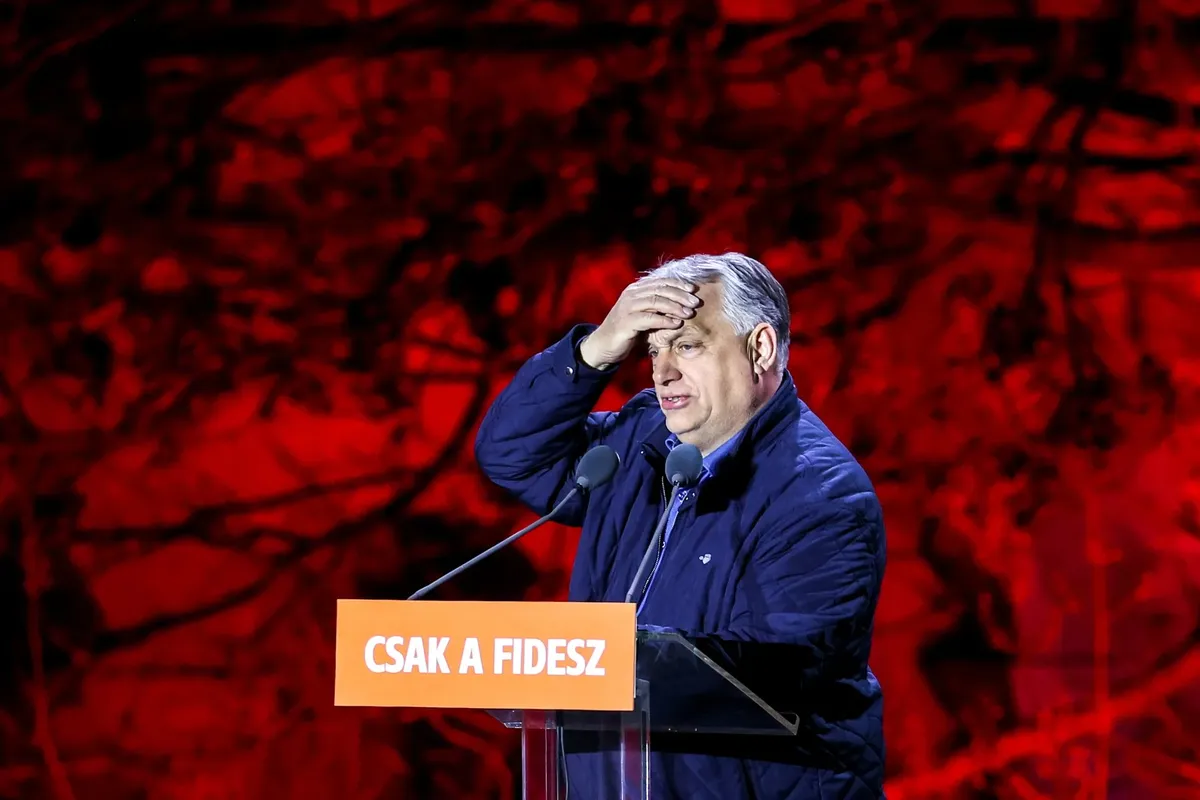
But on the street, apart from the tinsel of propaganda, none of this is felt. Yes, some events are taking place, the last rally in support of the opposition on Heroes' Square attracted as many as one hundred thousand people and, as is typical for Hungary, was absolutely peaceful and without incidents. The only attractive things are pictures from drones and the joyful faces of local youth. Otherwise, you can’t even say that the country is experiencing the main event in recent decades.
Election Day, April 12, is not the end. Of course, there will be celebrations or mourning at the headquarters, there will probably be “celebratory” events in the main squares, but the vote counting will last at least several days.
But Budapest continues to live its own life. Numerous tourists fill the streets in search of goulash, dubious citizens still rummage through garbage cans in search of empty containers, and it seems that nothing will change even after the elections. But this impression is deceptive.
All the fun stuff happens behind closed doors. Real life is somewhere in apartments or courtyards. And it is very difficult: inflation, unemployment and general hopelessness, especially compared to rich neighbors.
At the same time, the politics are very bright. Before the winner was known, all parties, not just the established leaders, were setting the stage and preparing for the evening's events. A Peace March was expected from the Two-Tailed Dog Party (Magyar Kétfarkú Kutya Párt), which requires a special mention.
Among the party's proposals: eternal life (with the possibility of extension), free beer, one working day a week (optional), reduced gravity (to make it easier to walk) and other important initiatives like the creation of artificial mountains so that Hungarians have a place to ski. And the main slogan “We promise everything! But we won’t accomplish anything.”