
Translated material
Pick some gold
YouTube launches monetization in Armenia: who will be able to earn money and what will change for viewers

Photo: Evgeny Razumny / Kommersant
Armenian content creators will soon be able to earn money from their videos directly through YouTube. In the spring of 2026, the platform will launch an affiliate program in Armenia - a monetization system that allows authors to earn income from advertising and other platform tools. For bloggers, podcasters and independent media, this means the opportunity for the first time to officially earn money from views.
YouTube announced the launch of the program on February 10. The company said that Armenian creators will be able to join the global community of more than three million content creators who are already making money on the platform.
“YouTube is built on a simple idea: we are only successful when our creators are successful,” the company said in a statement. According to the platform,
Over the past four years, YouTube has paid out more than $100 billion to creators, artists and media companies around the world.
The launch of monetization in Armenia will be part of the expansion of the global “creator economy,” in which creators can turn video production into a source of income. The launch of the partnership program was announced during the visit of US Vice President J.D. Vance to Yerevan. During this period, the Armenia–US Technology and Innovation Summit was held in the Armenian capital, dedicated to cooperation between the two countries in the field of technology and the digital economy.

Armenian Minister of High-Technological Industry Mkhitar Hayrapetyan welcomed the launch of the YouTube partner program in the country and noted its importance for the development of the digital environment. “This is an important step toward strengthening Armenia’s digital economy, empowering our rapidly growing community of content creators, and increasing the global visibility of Armenian content, culture, and innovation. For Armenia, platforms like YouTube are not just about content; it's also about economic opportunity, digital entrepreneurship, and strengthening society's resilience to misinformation through diverse and credible voices."
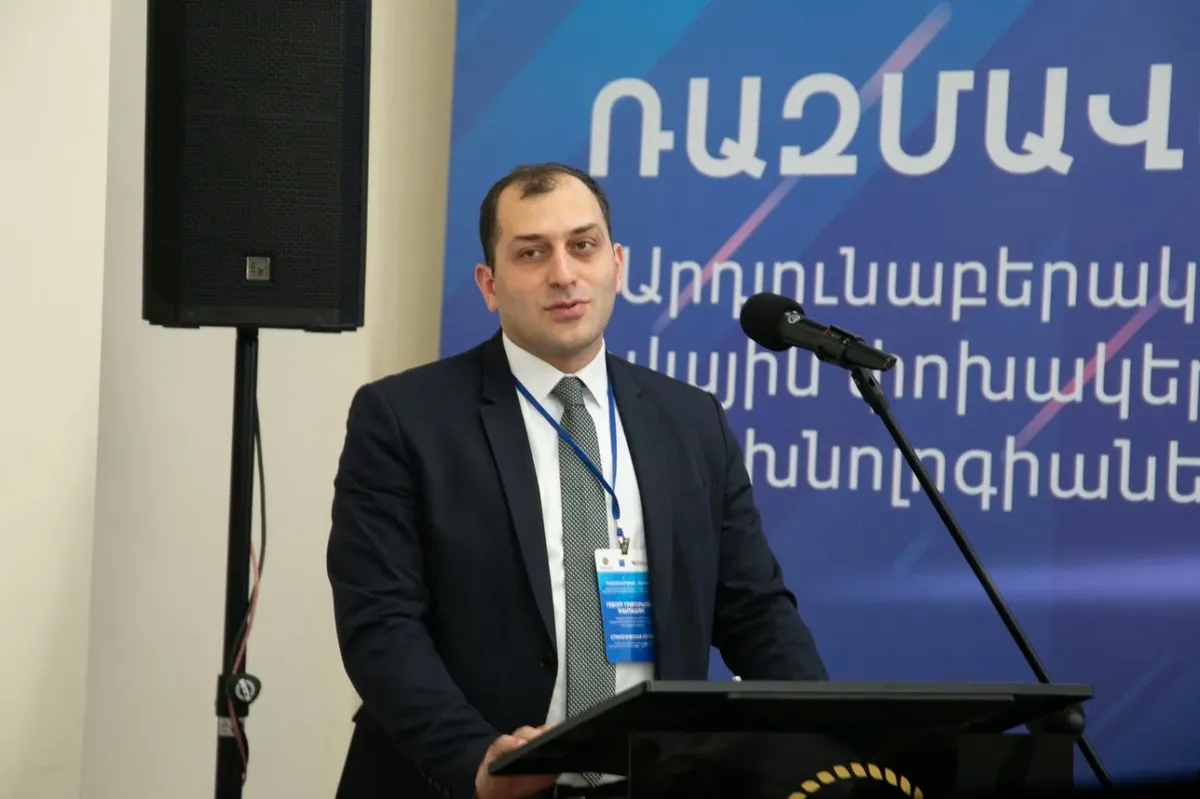
First Deputy Minister of High-Tech Industry Gevorg Mantashyan noted that negotiations with Google and YouTube on the launch of monetization in Armenia had been going on for a long time. One of the goals of the negotiations was to ensure that Armenian creators have access to the same tools and monetization opportunities that content creators in other countries enjoy.
The YouTube Partner Program allows creators to earn income from advertising placed on their videos. To enable monetization, the channel must meet several requirements. These include adherence to YouTube's community guidelines, originality of content, and absence of copyright infringement. The platform also evaluates the channel before enabling monetization. Moderators can check the channel's topic, most popular videos, latest posts, channel description, and video metadata.
YouTube places special emphasis on original content. Channels that post duplicate or auto-generated videos may be denied monetization. At the same time, the platform allows the use of other people's fragments if the author adds his own analysis, comments or creative processing.
The main source of income for authors is advertising. However, the platform also offers additional monetization tools, including paid channel subscriptions, donations during streams, and viewer support.
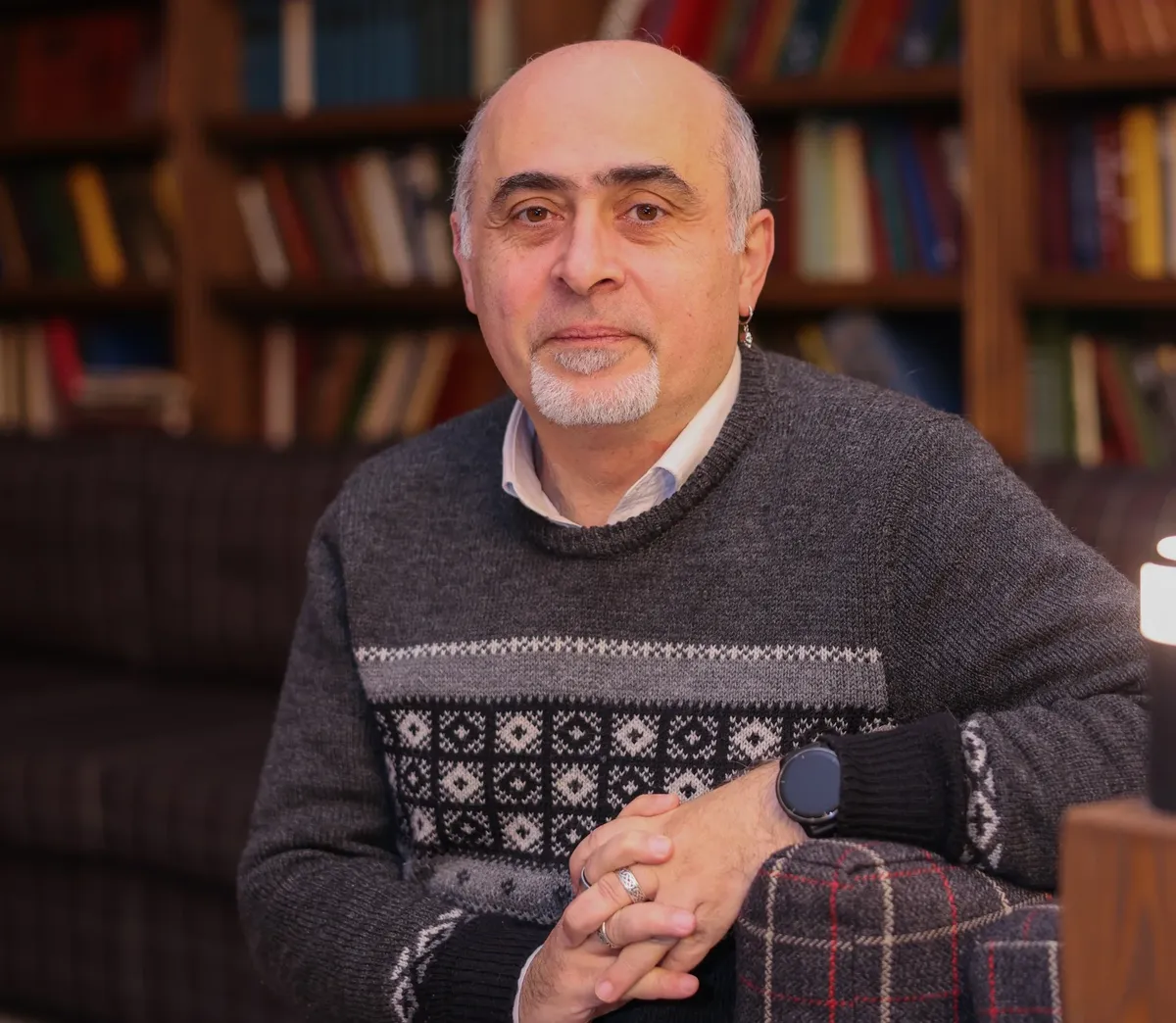
Internet technology expert Samvel Martirosyan believes that the launch of monetization can give independent media and bloggers a new source of income. “On the plus side, independent media will have the opportunity to monetize their content and gain additional financial independence. Perhaps some podcasters and bloggers will also be able to promote their content more actively. In addition, marketing companies and the private sector will be able to use YouTube as an advertising platform. At the same time, most likely, the main income will be received by large media, because they produce much more content: bloggers can make one or two videos a month, and media publish several videos a day,” says Martirosyan.
The more videos a channel publishes and the more views it receives, the higher the potential income. However, blogger and marketer Onik Sanjyan suggests that the income of Armenian authors will be lower than that of content creators in Europe or the United States. “If in Europe or America it costs approximately $0.001 per view, then in Armenia it will most likely be cheaper. The advertising market there is much larger: large brands advertise actively, so YouTube pays more. Our advertising will mainly be from local brands, and there is much less money in this market,” he believes. According to him, to earn about a thousand dollars from one video, it can take more than a million views.
However, even with an increase in the income of individual authors, we are talking about relatively small amounts. Martirosyan believes that the launch of monetization will most likely not have a serious impact on the country’s economy. “If we talk about the impact on the Armenian economy, I don’t think it will be significant. There may be some side effects, but overall this is too little money for the country’s economy,” the expert says.
Still, the opportunity to earn income can be an additional motivation for authors, Sanjyan believes. “I started being active on YouTube during the COVID-19 pandemic. I have a channel about travel, now there are more than ten thousand subscribers. I tried to enable monetization even earlier - through another country, as many do. You can specify, for example, England or the USA and thus connect it. I did that too. But in fact, it didn’t work, because my blog is Armenian and the entire audience is in Armenia,” explains the blogger.
He believes that creating videos takes a lot of time and energy, so when a person puts in hours of work and doesn't get any financial return, it's demotivating: "If monetization brings in even a little income, it might motivate me to be more active in blogging again." At the same time, the blogger suggests that the launch of monetization may temporarily lead to an increase in the amount of low-quality content: “First, many will begin to actively use YouTube and will upload everything there - the same thing that they post on Facebook, Instagram or TikTok. Many will hope to make a quick buck from monetization. But it seems to me that this will pass in a year or two. In the end, there will be those who really work, shoot normal content and invest time and effort into it. And those who just want easy and quick money will most likely get tired and stop doing it.”

For viewers, the launch of monetization primarily means an increase in the number of advertisements. Yerevan State University student Mikael Hovhannisyan believes that this could be the main disadvantage.
“On the one hand, this is good because there are a lot of people who make content and they will be able to make money from their videos. Perhaps they will put more effort into the videos. There may also be an increase in Armenian content on the platform,” he says.
However, according to him, it is the increase in the number of advertisements that can become the main inconvenience for viewers. Sometimes, Hovhannisyan notes, viewers may be shown advertisements that they do not want to see at all, for example, religious propaganda or advertising for sites with 18+ content. And at the same time, he admits that he tried to limit such advertising in the YouTube settings, marking it as unwanted, but it continued to appear. “This can be especially problematic if children see such videos,” he said.
But despite being annoyed by the ads, he has no plans to buy a paid YouTube Premium subscription. “This is an additional waste of money that I do not consider necessary. I continue to use YouTube the same way as before, but sometimes the ads are really annoying,” says Hovhannisyan.
Usually, along with the launch of monetization, YouTube begins to actively promote the YouTube Premium subscription, a service that allows you to watch videos without advertising. According to experts, subscription prices in Armenia will most likely be adjusted to the local economy.
Users who don't want to see ads can sign up for a paid subscription and watch videos without commercials. Despite the fact that the income of Armenian authors may be lower than in countries with larger advertising markets, the launch of monetization could be an important stage for the development of digital media, experts say.
According to blogger Onik Sanjyan, much will depend on how actively authors will use new opportunities. “Hopefully people will create quality content and be able to have both fun and money from it,” he concludes.
Anna Yeganyan