
Translated material
The golden ring will become 7 times larger: is this good or bad?
In January 2026, it became known about the expansion of the Golden Ring. To the usual route of eight cities - Sergiev Posad, Pereslavl-Zalessky, Rostov, Yaroslavl, Kostroma, Ivanovo, Vladimir, Suzdal - 49 more cities and towns will be added. Together with experts, we tried to figure out how this project will affect the heritage of the regions.
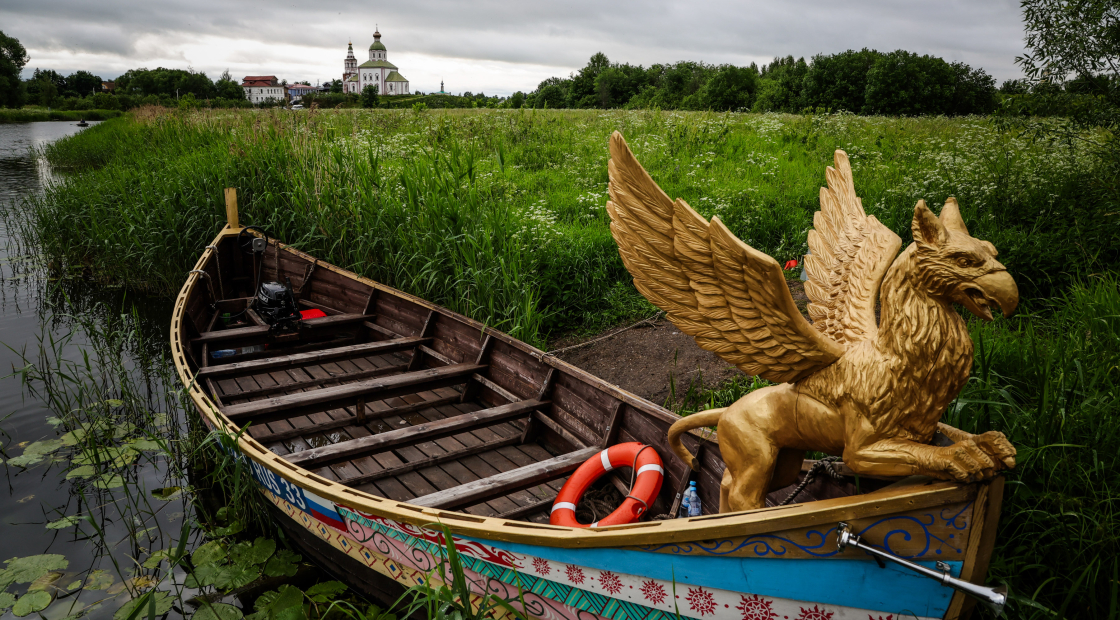
Suzdal © Roman Naumov / URA.RU / Global Look Press
In honor of the 60th anniversary of the Golden Ring, it will include not only regional centers, but also many small towns and villages, which will be called “satellites” - a total of 49 new points. In addition, the tourist route will be expanded into two regions - Tver and Nizhny Novgorod regions.
According to the press service of the Government of the Russian Federation, such an expansion is intended to “further contribute to increasing the tourist attractiveness of the regions of the Golden Ring and... ensure an increase in the share of tourism in the country’s GDP to 5% by 2030.” On March 18, it became known that the TsSR [Center for Strategic Research], the Ministry of Economic Development and the Russian Orthodox Church signed an agreement on the development of a new route. The objectives are formulated as follows: increase the tourist flow, preserve the country’s cultural code and create a powerful economic driver for the regions.
However, there is still no public information about the programs and special projects that are planned to be implemented within the framework of the new national project. What support will the federal center provide to the regions? Why unite such different cities under one brand? Are the small towns that will be included in the expanded version of the Golden Ring ready for their new role? And in general, why is it necessary to expand the Golden Ring, instead of creating new, alternative routes? We asked all these questions to regional activists, experts and project representatives.
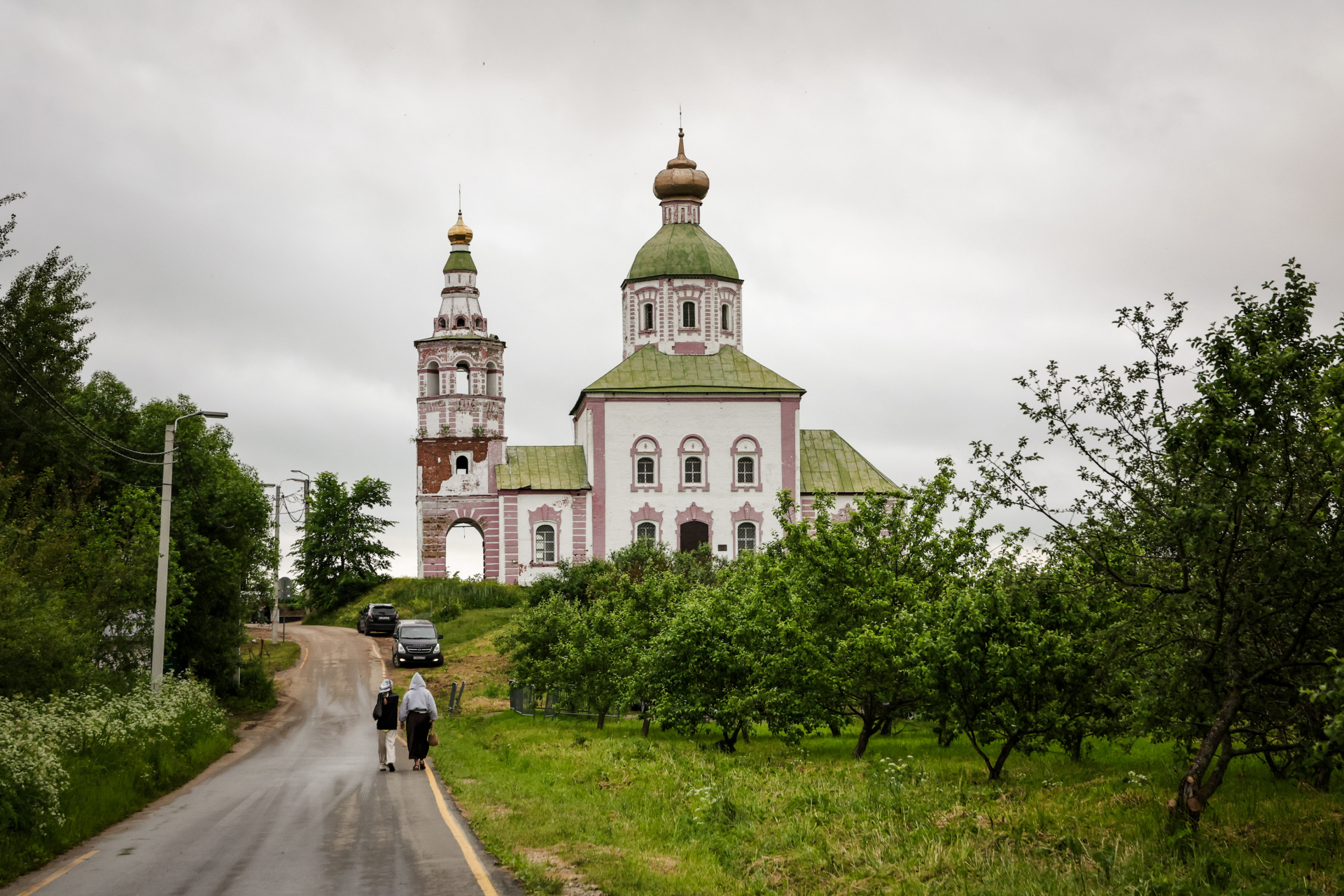
Suzdal © Roman Naumov / URA.RU / Global Look Press
How did it all start?
The history of the “Golden Ring of Russia” is traditionally started from a series of essays by the Soviet writer Yuri Bychkov. In November 1967, after visiting the ancient cities of Central Russia, he published a series of articles in the magazine “Soviet Culture” about his trip under the general title “Golden Ring”.
However, the very idea of creating a large-scale tourist route arose somewhat earlier - in the 1960s, a group of Soviet cultural figures consistently and persistently lobbied for it. They spoke on behalf of an independent public organization - the All-Russian Society for the Protection of Historical and Cultural Monuments (VOOPIK).
Evgeniy Sosedov,
The role of VOOPIK in the fate of the Golden Ring, of course, was not limited to a purely organizational role. It was VOOPIK, represented by its regional branches and museums, which were often headed by members of the community... that protected these historical cities from major demolitions, sought the restoration of the most significant monuments and invested considerable funds in this, collected through voluntary contributions. In general, we all still benefit from the achievements of our predecessors. The preserved landscapes of Suzdal or the restored churches of Yaroslavl are the merit of the ascetics of those years. This includes the creation of regional restoration centers, which, in general, supported restoration in many regions until recently, the emergence of the first protection zones... This is a whole system of protection and preservation of heritage, which now completely falls out of sight of those who make decisions on the development of the Golden Ring.
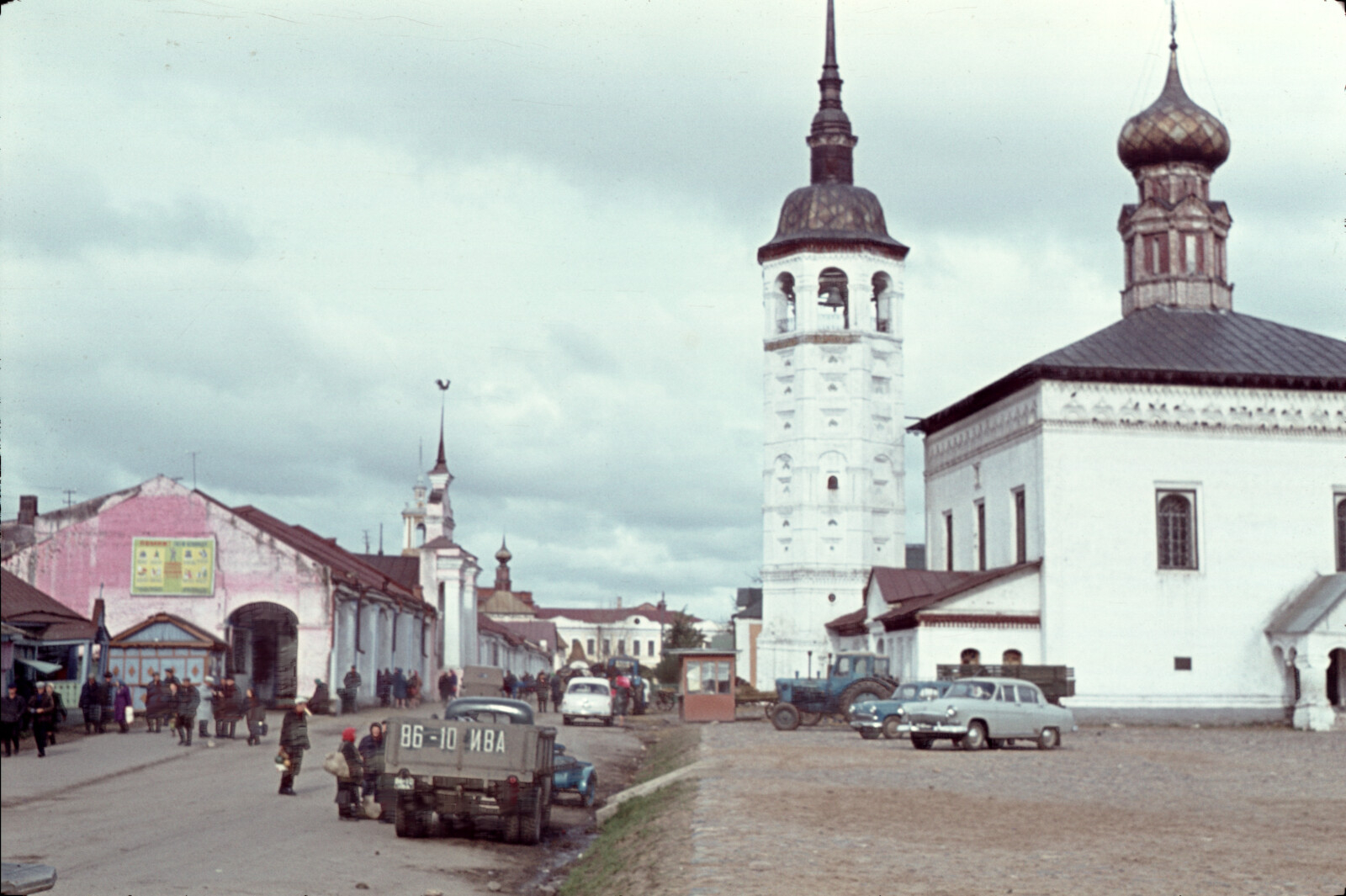
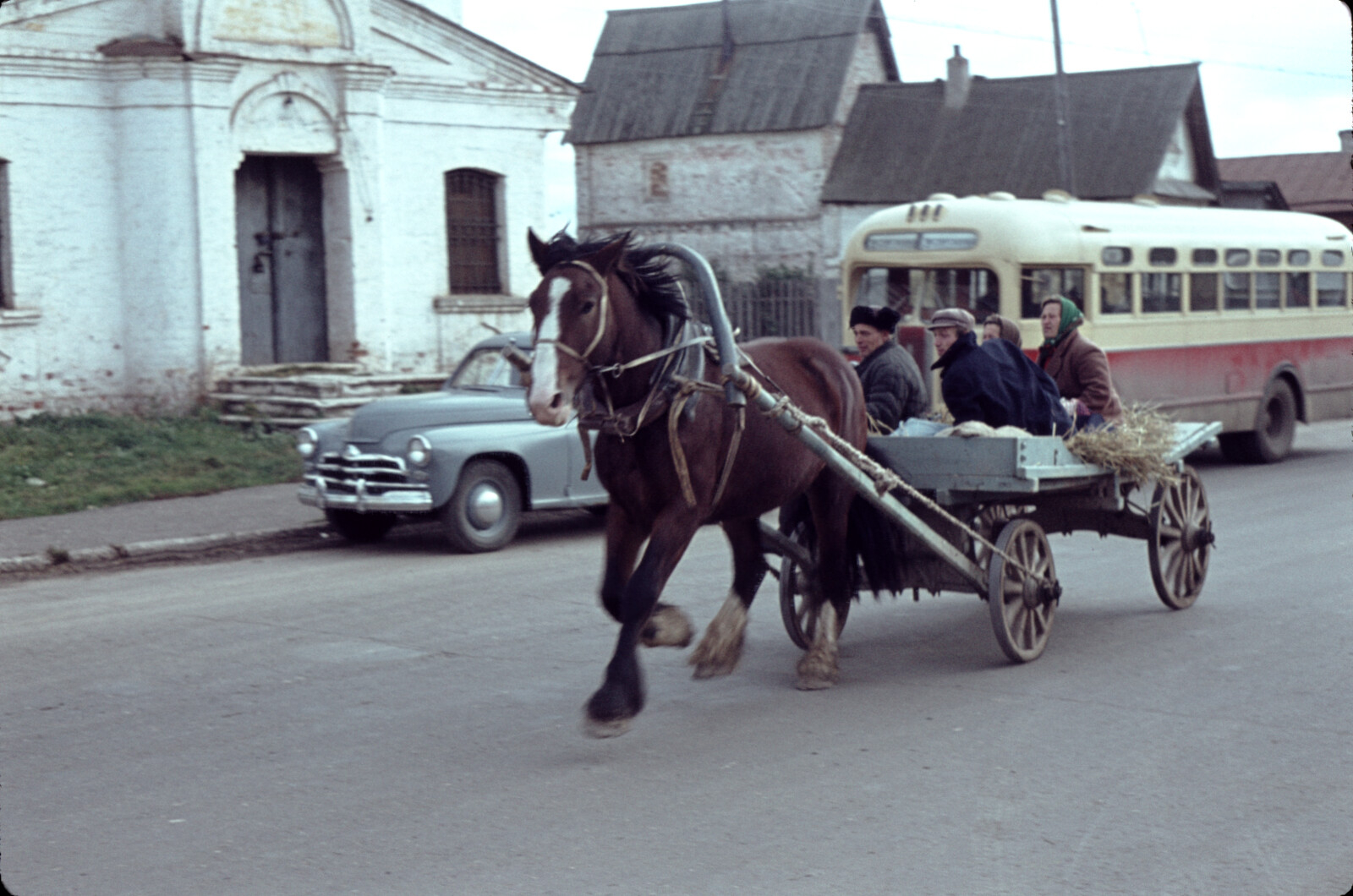
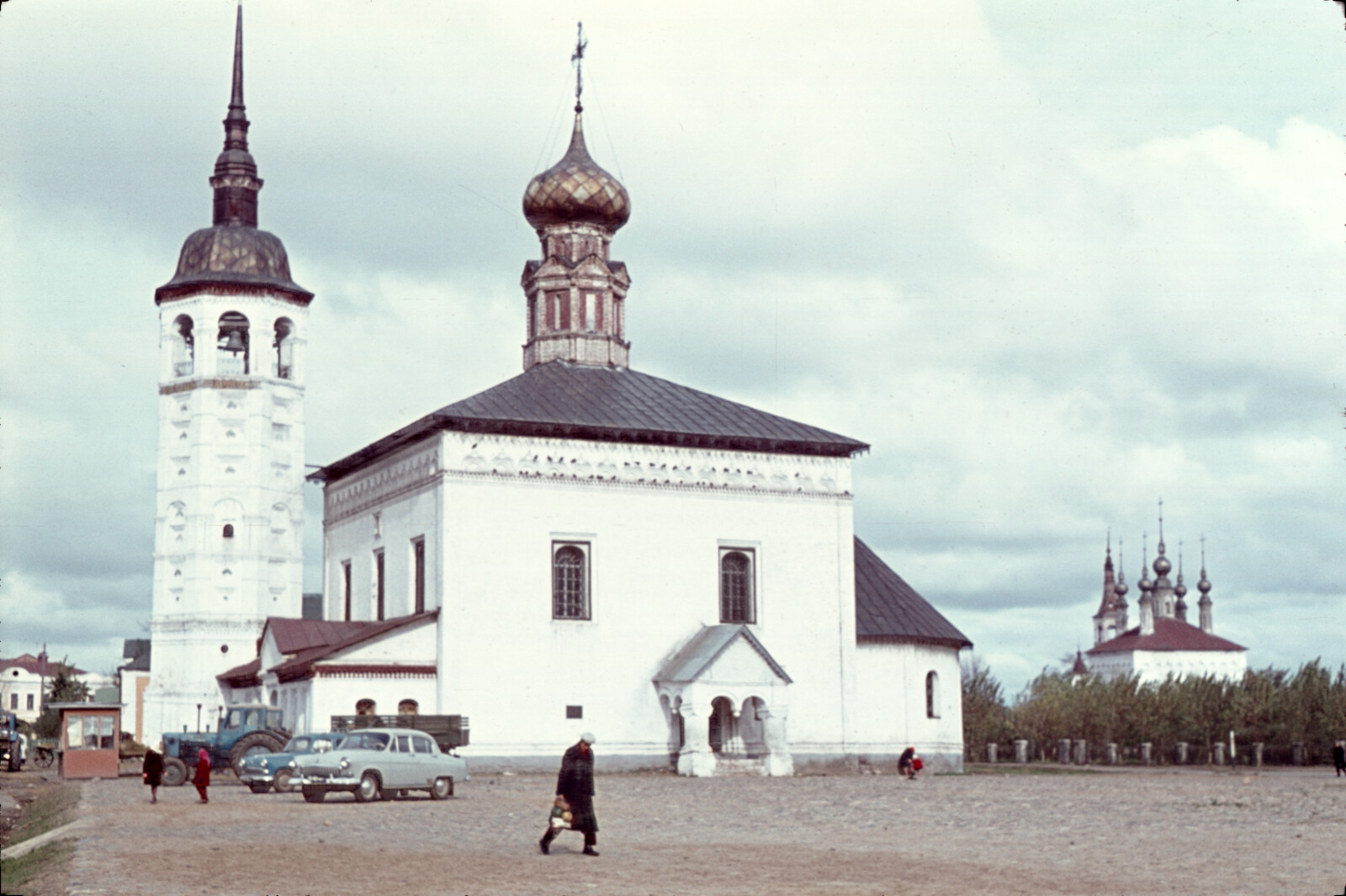
At the same time, the problem of heritage preservation was actively discussed in the press - there were debates about the fate of antiquities and the tourism potential of historical cities. One of the first and illustrative examples of the transformation of an old city into a tourist center was Suzdal.
Thus, the creation of the Golden Ring was an organic part of the plan to save the architectural heritage. Tourism became, rather, a way to substantiate the significance of the pre-revolutionary - primarily temple - heritage in a secularized society.
Today, few people know that the “Golden Ring” trademark still belongs to VOOPIK. The travel brand has long since separated from its founding fathers and taken on a life of its own as a full-fledged market product. Many images of the Golden Ring are no longer directly related to the architectural heritage. It is not surprising that in the presentation of the press service, narratives about saving monuments are replaced by purely “economic” metrics about the development of domestic tourism, the creation of a line of tourism products and the development of territories. It is pointless to criticize such pragmatism; from the point of view of market logic, it is justified. However, in implementing the assigned tasks, these territories may encounter a number of difficulties.
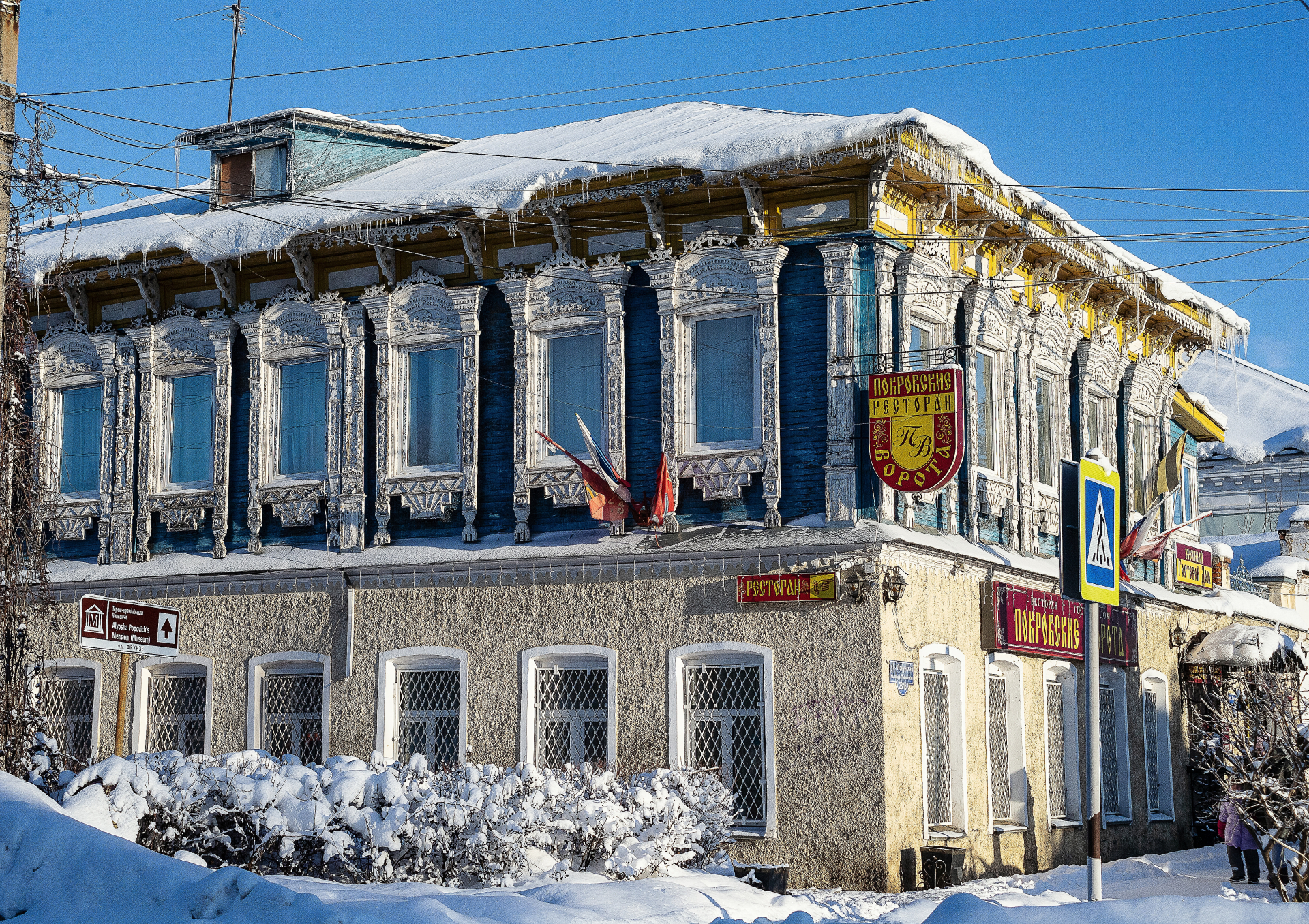
Rostov the Great © Roman Denisov / Global Look Press
Who is responsible for what?
Most likely, the Golden Ring will become a frame product - a well-packaged, rich and vibrant brand. First of all, branding specialists and consultants will develop a base of meanings and design solutions, which will subsequently be handed over to the regions for use.

Anna Bulochnikova,
According to media reports, a management office has now been created. Moreover, there are several federal institutions that are participating in this project. These are the Ministry of Economic Development of the Russian Federation, VEB [State Development Corporation], TsSR [Center for Strategic Research]. Each of these institutions acts rather as a top-level regulator. They will set standards and support with subsidies for the creation of infrastructure. Local implementation will be transferred to city administrations and local investors. They will be given branding standards, service standards, and so on - this is very important, but it seems that this is not all that is actually needed.
Thus, the development of routes and navigation, branding of territories, control over the quality of service - all these are the obligations of the center. However, local authorities will be involved in repairing roads, installing signs and restoring monuments - in other words, the implementation of the project, as always, will fall on the shoulders of regional and municipal managers. At the same time, the management hierarchy of such a large-scale project remains unclear. Who should, say, the administration of the city of Kashin report to - the management office or the governor of the Tver region? It is possible that the multilateral agreement concluded in March provides for the distribution of responsibilities between regional authorities and federal consultants, but how such a hybrid management system will work in practice is still unknown.
How will the new project affect the tourism market as a whole?
According to the ideologists of the project, the Golden Ring should become not just a rethought tourist brand, but a new competitive and capital-intensive cluster along with the “southern” tourist routes.
Anna Bulochnikova,
This puts us in serious competition with large regional clusters that should soon appear. I’m talking about the Caucasus, about New Anapa, about the Dagestan cluster - one way or another, they have already been publicly announced. We are creating a kind of competition market for macro-clusters, macro-territories, with large capacities that will include tens of thousands of rooms [in hotels]. This, in my opinion, is a difficult moment.
Such competition, on the one hand, makes it possible to again concentrate and redirect investment resources to Central Russia, and on the other hand, it creates artificial competition between regions and their associations. Of course, competition in itself is not a problem for the market. Questions arise when the framework of this competition is set by the state, stimulating some regions and ignoring others, which are less attractive from the point of view of logistics and investment.
Anna Bulochnikova,
One of the support measures is targeted subsidies with which the Russian Ministry of Energy supports the development of tourism in the regions. The amount of this subsidy is calculated by a system of coefficients. When we have such large, priority projects, the state has the opportunity to further support their development.
If we imagine that the system will work well, and local managers, along with investors, will receive support from the state or business for the improvement of tourism infrastructure, one more question remains - how traffic will be generated. Tourist traffic is not only a matter of infrastructure, but a matter of well-structured products, services and promotion. Without an effective promotion plan at the country level, there is a risk that PR will also fall on the shoulders of the regions.
Anna Bulochnikova,
We will unite everything under one name and therefore there will be an increase in traffic there? But it doesn't work that way. Traffic only works when supply and promotion increase. And promoting a tourism product is quite difficult, because it is multimodal. Who should promote it? Operators, as holders of the entire product, do not have such budgets; hotels promote themselves. That is, when our promotion remains at the level of small businesses, this is always not enough.
Thus, there is a risk that if the federal authorities do not take care of tourist traffic and promotion, then infrastructure innovations simply will not reach the end consumer.
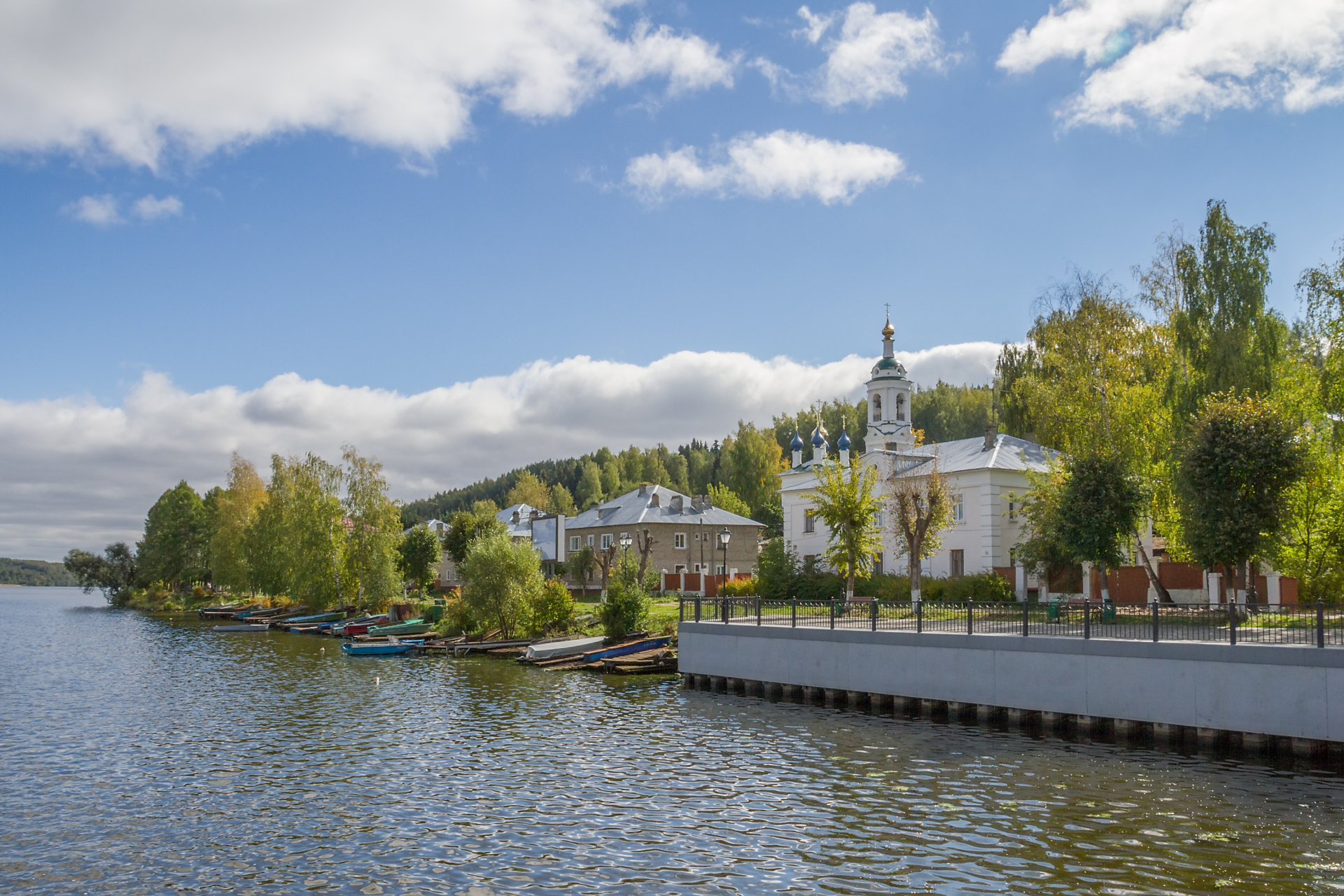
Ples will be part of the expanded Golden Ring © Ilya Galakhov / Global Look Press
New cities - new ideology?
However, no less important than metrics and financing is the ideological content of the project. As Vera Shipulya, the ex-head of the project office of the Center for Social Development “Golden Ring”, states, this “must be a really good ideology, and it must meet the general [state] meanings so that people are not deceived.”
In the current hierarchy, the central office acquires the right to select the right stories that fall under the designated pool of meanings and ideologies. In this case, the tool for filtering meanings will be purely market-based. The Golden Ring is, first of all, a quality mark that will be awarded to hotels, establishments and excursion bureaus, whose narratives will fit into the ideological framework set by the central office.
Apparently, the new ideology of the Golden Ring will be built around the idea of a common historical mission of the lands united around Moscow.
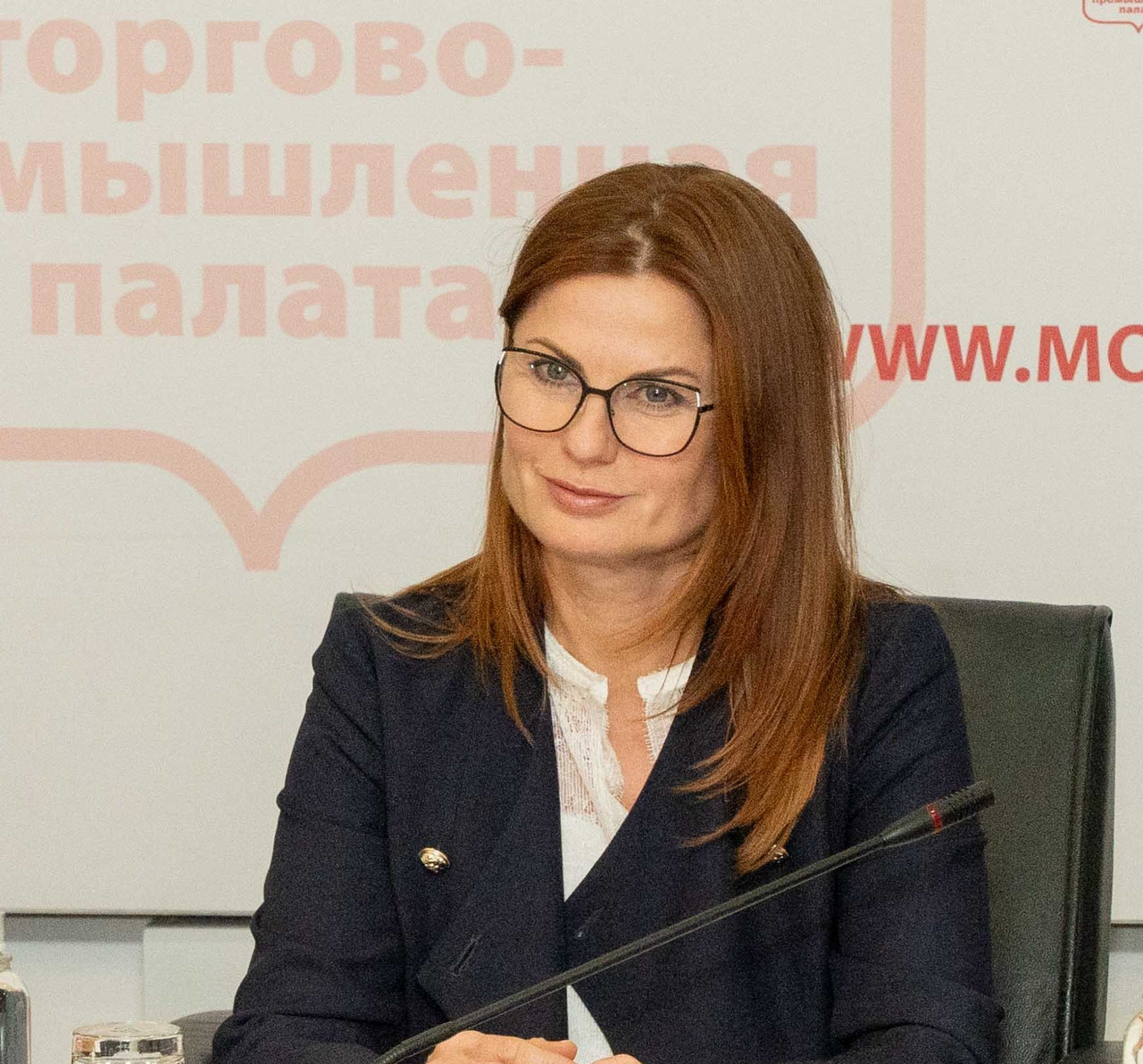
Vera Shipulya,
The Golden Ring of Russia is the country’s calling card for both domestic and incoming tourists. This is what unites meanings and generations. The unification of lands, the formation of statehood, the history of the Russian state is very concentrated in these territories. If we remember our spiritual fathers, look at historical figures - Alexander Nevsky, Dmitry Donskoy - turn to our rulers... right up to the present day, [including] Vladimir Vladimirovich Putin - [it turns out that] the history of Russia is inextricably linked with these lands.
Visual expression will also acquire new meanings. Thus, in March, the Central Strategic Office presented the brand book of the Golden Ring. The project logo resembles either a gold earring or a gilded dish. This is how the brand book describes its semantics:
The sign is read in many layers: in it you can see the sun as a source of life and light, a medal or order as a sign of recognition and value, as well as a reference to award aesthetics... This gives the logo a sense of officiality, dignity and status. At a more subtle, cultural level, the sign is revealed through a folklore image. It echoes the motif of a poured apple on a golden saucer - a fairy-tale medium through which marvelous cities and new lands are revealed.
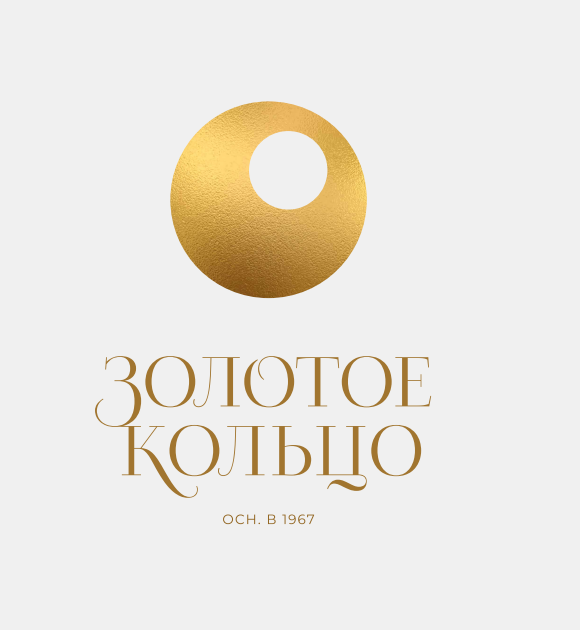
New logo of the Golden Ring © discoverrussia.ru
However, how will this ideology affect reality itself? The new federal project is intended not only to remind people of national unity and strengthen the spiritual and moral guidelines of different age categories. Its task is also to encourage businesses and citizens to take responsibility for the implementation of the plans outlined by the central office.
Vera Shipulya,
Our special projects unite people and confirm the Russian tradition of unity: just like before, when a house burned in the village, the entire community helped to defend it... If it is a business, it can help with conservation materials. And if you can’t help with rubles, you can take your children and come volunteer. If you want to save your home, land, small homeland, this step must be taken. Yes, the state can help in some ways, but it will not do everything for us. We must take responsibility for preserving and passing on the heritage to subsequent generations. Therefore, the Golden Ring is a national brand.
One example of the implementation of such a “conciliar” strategy can be considered the register of OKN, which is formed by VOOPIK as part of the project to expand the Golden Ring.

Olga Tkachenko,
The register is a tool that makes the problem of heritage conservation visible and understandable to a wide audience. We want to show business and tourists that many objects today are in danger of being lost, and everyone has the opportunity to become part of their preservation. Participation can be different: from information support and distribution of materials to direct contribution to the work. It is important for us to involve the widest possible range of participants - business, professional community, private donors. In this way, a model of collective participation is formed, where each contribution - be it resource, expertise or attention - becomes part of the overall result.
In the future, it is planned to create a single platform that will unite large corporate partners for systematic fundraising. It turns out that along with popular stories about the country’s past, spiritual fathers and shrines, we also receive a fairly understandable call. Namely: the development of territories is not a paternalistic responsibility of the state, but the business of everyone.
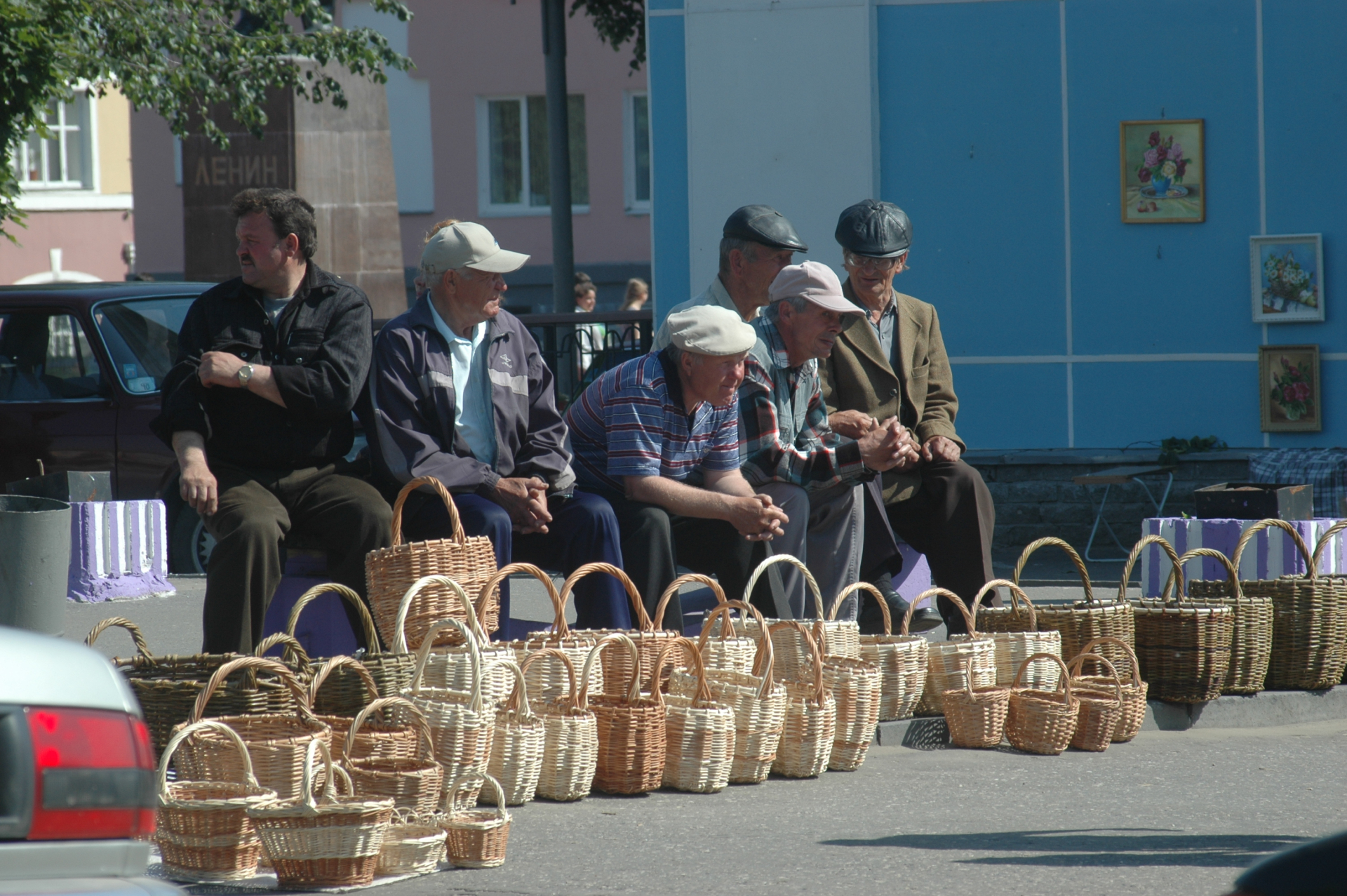
Small business in Murom, which will be part of the Golden Ring © Anton Kavashkin / Russian Look
How do they react to the project in the regions?
Regional activists, forced so far to only guess about the plans of Moscow managers, still hope that the project will be aimed primarily not at developing a multimillion-dollar tourism infrastructure, but at caring for monuments and supporting local businesses. In this context, inclusion in a large federal project is seen as an advantage rather than a burden. In addition, it is a matter of status, extra points and attention from the center.
Mark Grigoriev
When I learned that Nizhny Novgorod and the Nizhny Novgorod region would be included in the Golden Ring, my first thought was “finally,” and the second was about restoring historical justice. Because in me, like in many Nizhny Novgorod residents, there lived a story that in 1967, when the Golden Ring was being created, Gorky did not enter it solely because of his closedness to foreigners. In fact, this, of course, is not true - this, as I understand it, is an urban legend...
However, there are also some preliminary concerns. Not everyone understands how their city is connected to the Golden Ring. Will the inclusion of new cities in the route lead to the fact that their history, their uniqueness will be reduced to a rather simplified historical “mission” in the formation of a great power?
Mikhail Lysachev
It is not clear why we again use this Golden Circle model and constantly expand it. I don’t really understand... how can Tutaev exist in this Golden Ring? What are the semantic connections? I just understand that it was in 1967. I don’t understand what it’s like in 2027.
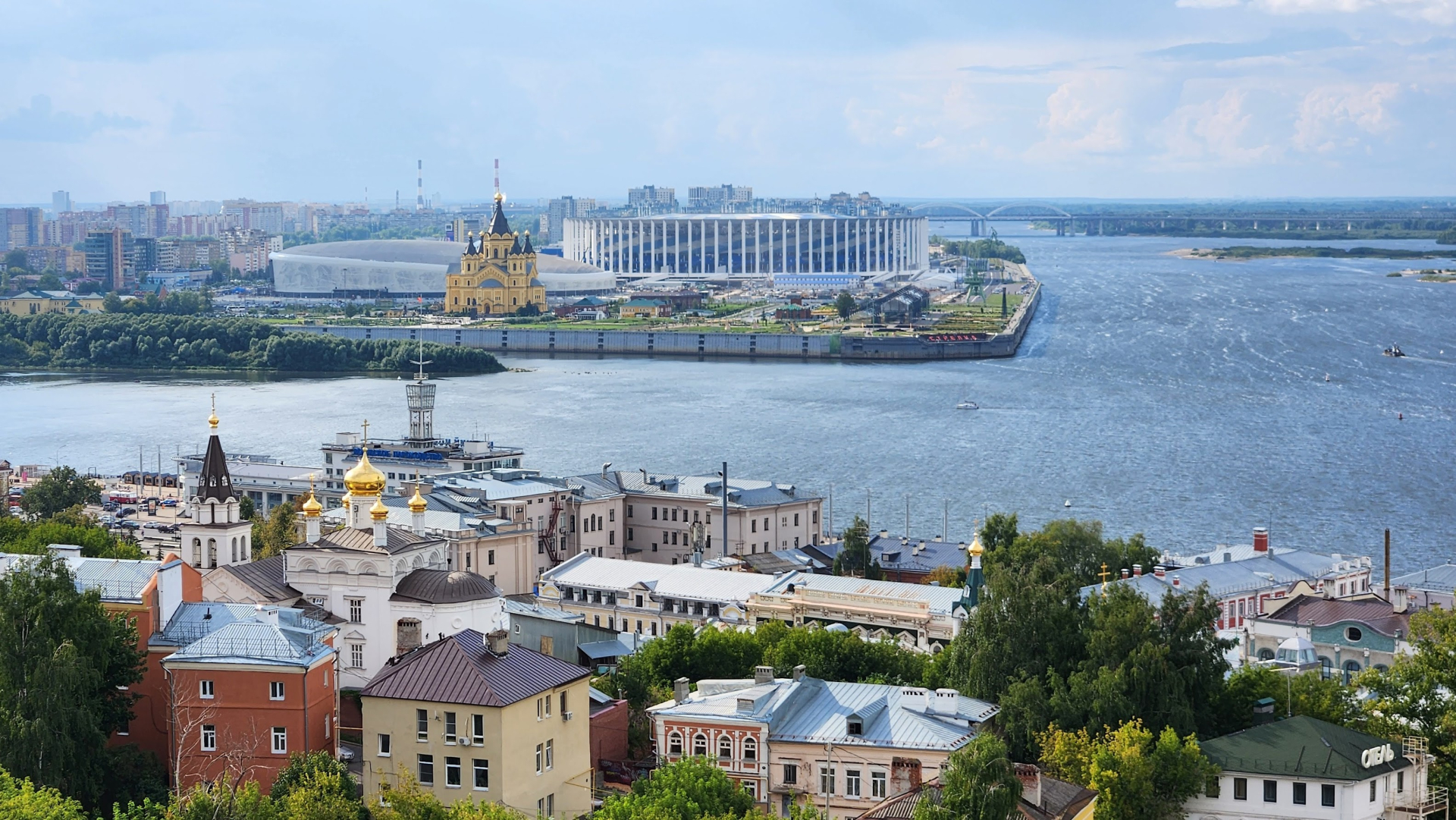
Nizhny Novgorod © Prokhorov Sergey
Along with the danger of blurring meanings, there is always the fear of losing the authenticity of a space and a tourist product. On the one hand, it is pointless to fight the market in this regard, on the other hand, small brands that naturally arise in cities can be forced out by the federal agenda, without falling under the general plot that is formed by the project office.

Anastasia Nuzhdina
I really want to believe that Shuya will not be turned into a second Suzdal or Ples. Now I hear from guests that they come to us precisely for authenticity, because of the sincerity of the ancient prayerful Shuya. There are few souls left in popular cities with fierce commerce. It's very sad. Our task is to protect and preserve the Shuya things in Shuya: our courtyards with ropes and clothes on clothespins, wooden architecture, Shuya platbands and carved decor, low-rise estates and estates, merchant architecture in a single row, geraniums on the window and cats basking in the sun on the fence. And also ducks on the pond in the remains of the fortress moat near the Kremlin and our wooden lavas with fisherwomen on the banks of the Teza River.
Mikhail Lysachev
There is a danger that money will conquer people. People come with money, with processes that have no time to wait. And they start doing something. To what extent do these people have enough vision and depth, in addition to money and processes? They have no time, no time to wait... Because to do it well, you need to spend too much money, nerves and time. If we do it poorly, we will get a worse version of Rybinsk, Rostov and Yaroslavl. There is no point.
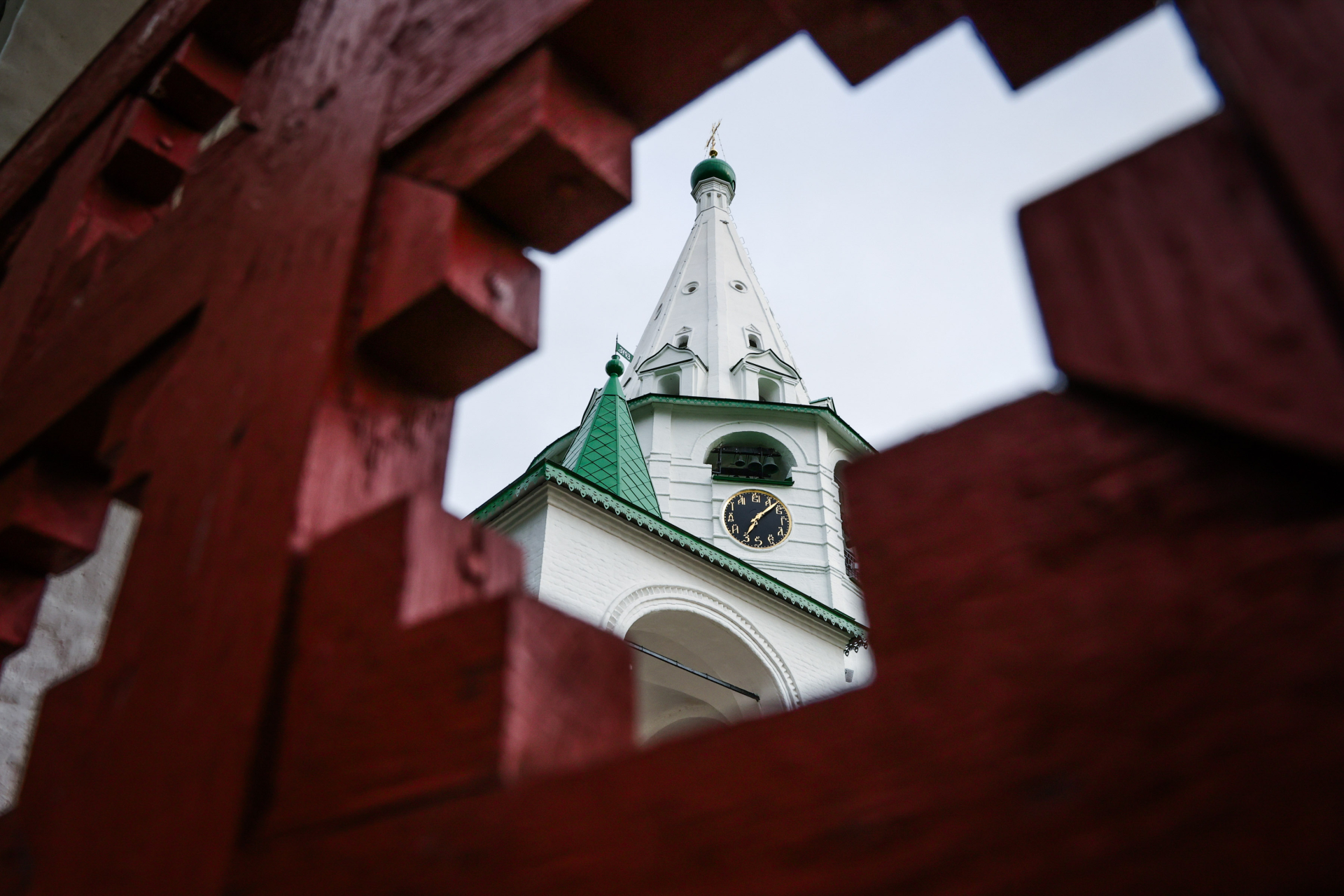
Suzdal © Roman Naumov / URA.RU / Global Look Press
So is this good or bad?
From the point of view of market logic, the project to expand the Golden Ring is quite justified - in the central regions there is already capital and reputation that will work for the updated brand. From the point of view of management strategies and stimulation of artificial competition, the project seems very risky - in the absence of real local assistance.
The ideological content of the project meets the modern demands of the state for the unification of meanings. The implementation of the project in terms of financing and promotion will be carried out at the expense of large businesses. At the same time, excitement is caused by the competition of the state brand with the meanings and ideas that are being formed right now in small towns. Will these fears and forecasts come true? We'll watch.