
Translated material
"Recipes" from a saboteur's notebook
The Balkan training network in the training camps for demolitions and spies has been exposed: there is a “Russian trace” in it

One of the training camps in the Balkans. Screenshot from video
New details about training camps in the Balkans were published by the investigative platform BIRN (Balkan Investigative Reporting Network). And in Chisinau, sentences were just announced for five citizens of Moldova in the case of sabotage training camps, where these people, according to investigators, were taught to work with combat drones, reconnaissance of diplomatic facilities and elements of sabotage tactics.
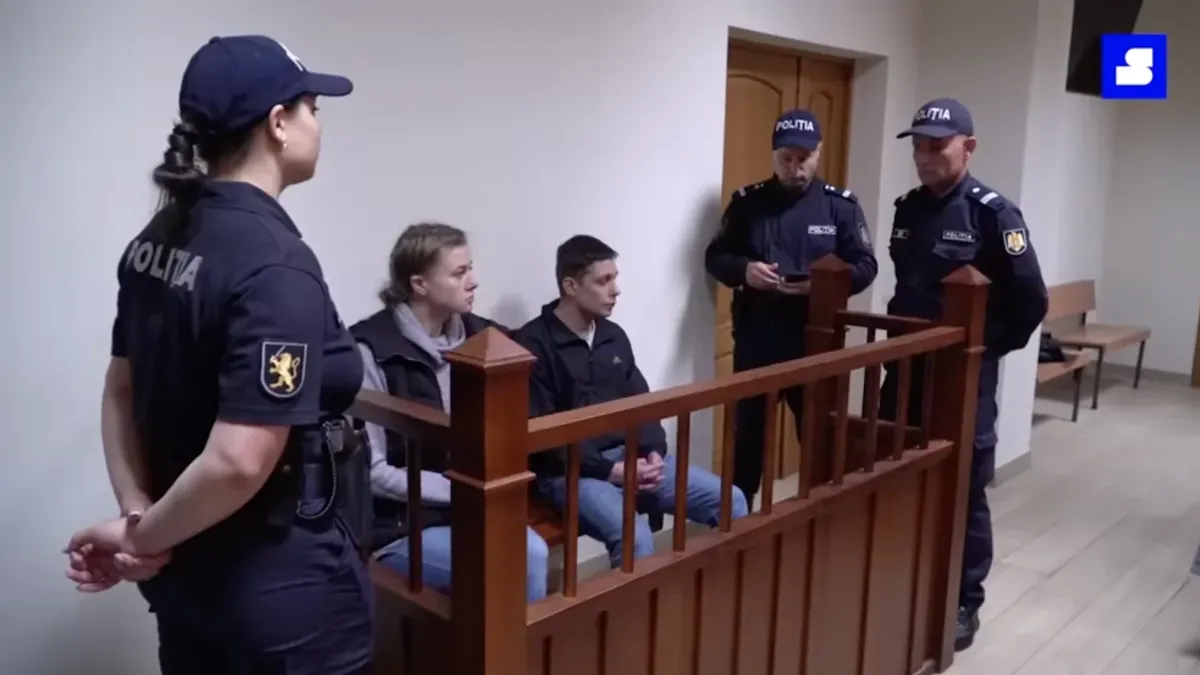
Alena Gotko received four years and one month in prison, Lyudmila Kostenko - four years, Vladimir Kharchevnikov - 5 years and 4 months. All three are on the run and did not appear in court when the verdict was announced in February. Ion Chiritu and Nikita Sirenco received suspended sentences of 3 and 3.5 years in March. But thanks to investigations by journalists, it is now becoming completely clear that this was not about isolated episodes, but about a repeating pattern of preparation. The BIRN investigation, published last week, allows us to reconstruct this scheme in some detail and understand what role the Balkans played in it.
Embassy intelligence: Sarajevo, Zagreb, Belgrade
At least three groups, from five to 12 people each, passed through the camp in Bosnia and Herzegovina from July to early September 2024. Moldovan prosecutor Dumitru Štırţa explained to BIRN the transport route: the participants arrived in Bosnia through Romania and Serbia.
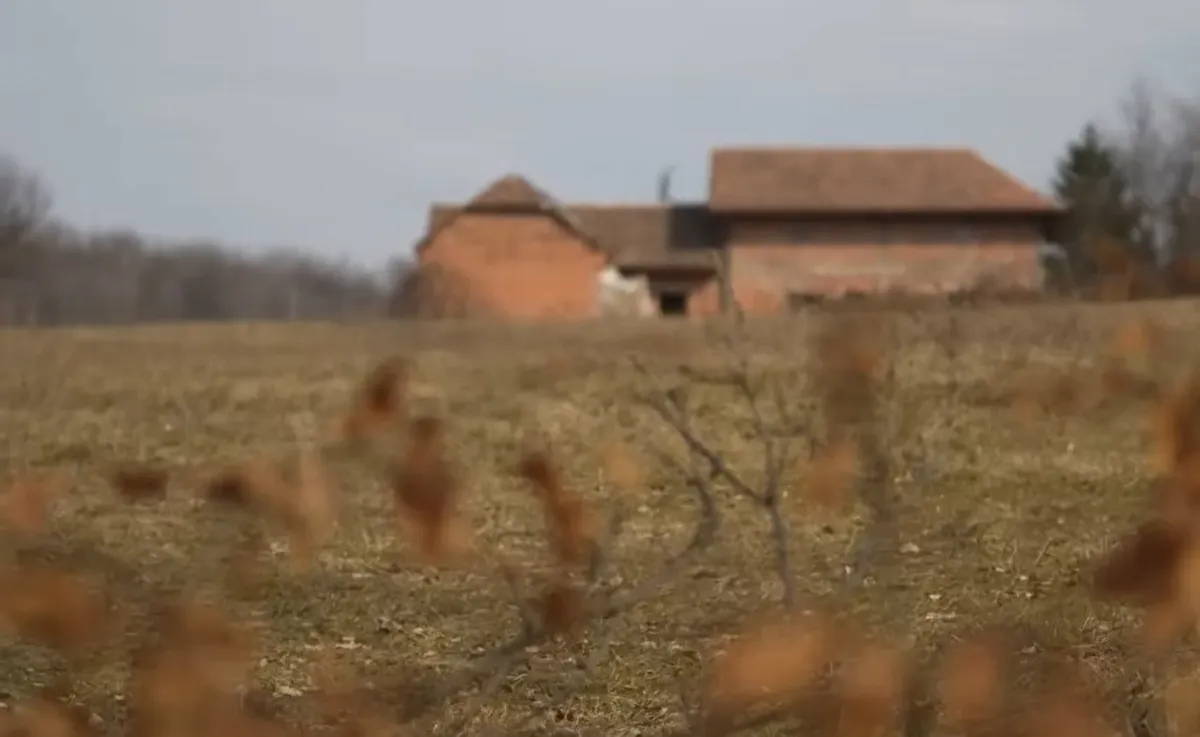
The verdict states that the training camp was located near the village of Glamocani, 18 kilometers from Banja Luka, the administrative center of the Serbian part of Bosnia and Herzegovina - Republika Srpska. Before the start of the training, all participants were required to hand over their phones and passports. The boot camp taught people how to break through police cordons and how to fly drones to drop explosive devices. According to one of the failed “commandos,” these were combat drones costing between three and five thousand euros.
Camp students were used to collect intelligence data, and quite specific ones at that.
According to the materials of the Moldovan court, instructors with the call signs Grigore and Alexandru sent groups to Banja Luka for practical training: the “cadets” had to map administrative and government buildings and identify possible launch points for drones. They were given phones with an application to download coordinates.
The instructors acted exclusively under pseudonyms. At least five are mentioned in court cases: Grigore, Alexandru, Alexander, Gosa and Bata. The real identities of none of them have been established.
Then, one training participant recalls, they were given the following instructions: “You two are going to Bosnia to photograph the US Embassy from all sides, but without being detected; you two go to Croatia and photograph the Russian and Moldovan embassies.” Or: “Go to Belgrade to photograph the Czech Embassy.” The investigation does not publicly explain why these particular embassies.
The students were promised serious money: according to BIRN materials, for 10 days of training they paid from 450 to 800 euros. The calculation was made in cryptocurrency.
Demoman Recipes
The main documentary evidence in the new BIRN investigation is photographs of pages of a handwritten notebook in Russian, discovered during the arrest of three convicts: Gotko, Kostenko and Kharchevnikov.
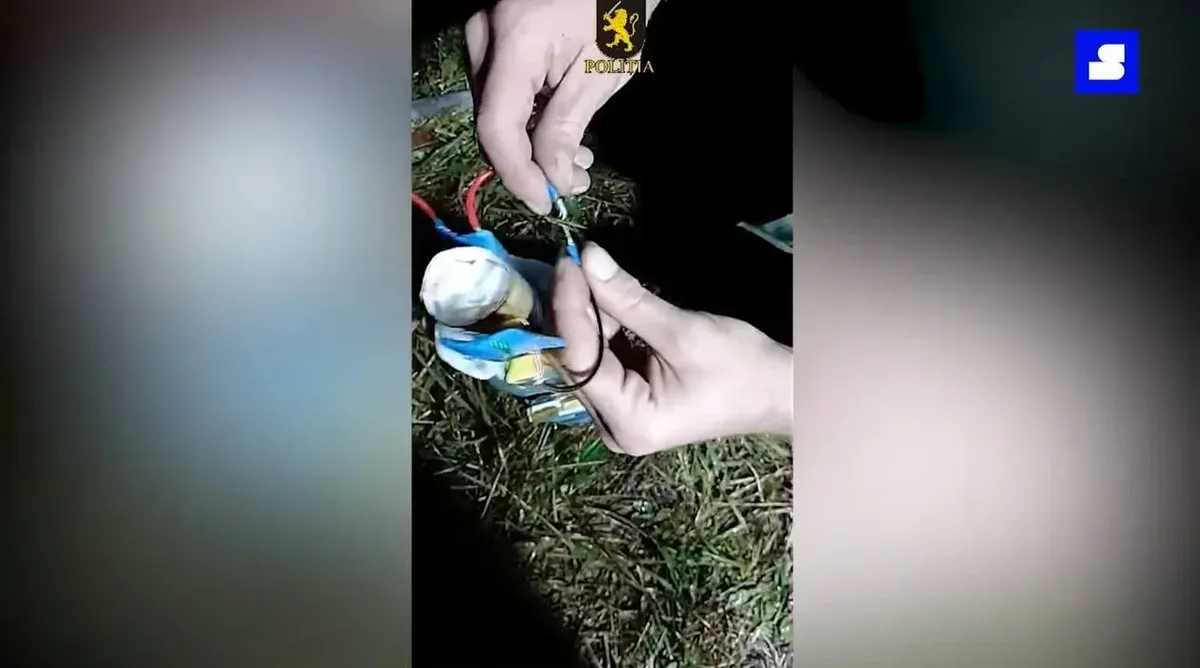
The notebook contained instructions for training drone operators and sabotage activities. One of the sections with the heading “Recipes” described how to prepare incendiary mixtures, and there was also a warning: “Be prepared for things to go wrong.”
In addition to the notebook, Kostenko, Gotko and Kharchevnikov received a separate manual entitled “Russian Cuisine: The ABCs of Domestic Terrorism” - a voluminous work in Russian with instructions for making explosives and poisons from legally purchased components. This book, according to BIRN, is banned in the Russian Federation.
Change of scenery
The camp was eventually moved from Bosnia to Serbia; the reason for this became known from the testimony: one of the participants in the previous group reported the location of the camp to the authorities. The instructors reacted quickly - they changed their location.
Drone footage obtained by BIRN from a source close to the investigation shows Alena Gotko and Vladimir Kharchevnikov at a facility in the village of Radenka, in eastern Serbia. Serbian police searched the site in October 2024 and found equipment used by camp students. When detained, parts of drones, virtual reality glasses and radio control devices, as well as Serbian and Bosnian currency were found in their car. The six black objects were described in court documents as "disposable air-dropping grenade devices."
Shadow build
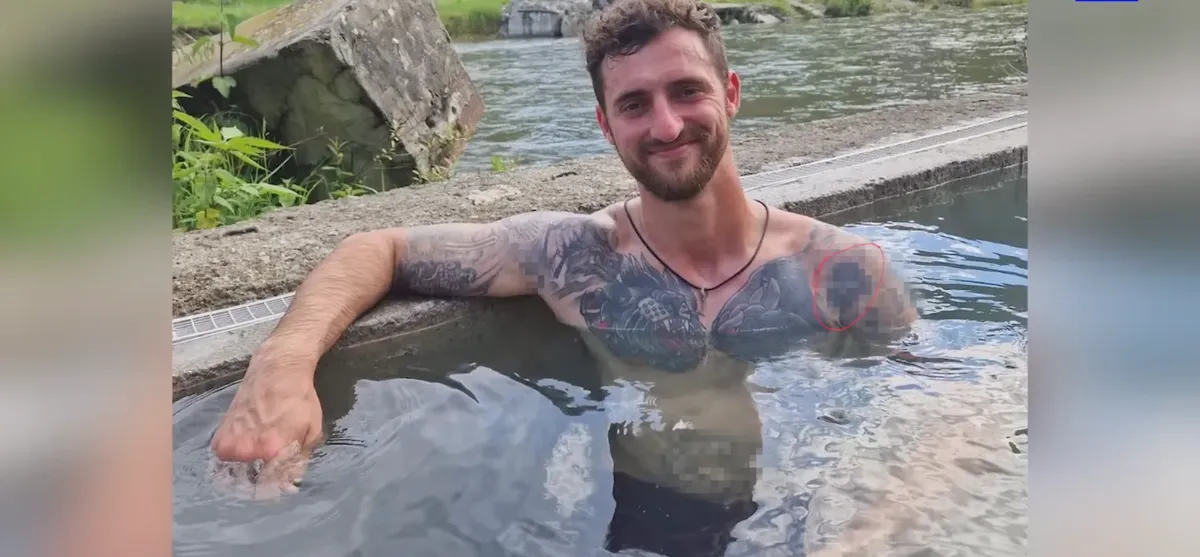
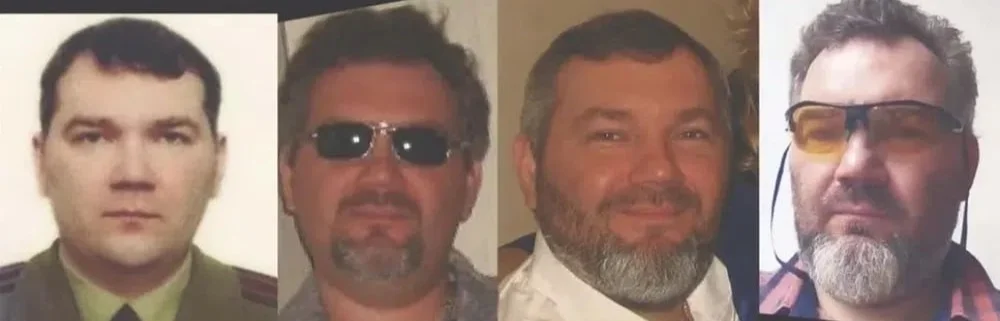
Among the instructors, the figure of the Bulgarian citizen Mircho Angelov stands out. This person, as established by Moldovan intelligence services, was “one of the foreign citizens who participated in the operation of training camps in Bosnia and Herzegovina and Serbia.” In particular, he supplied the students with food. In October 2025, this character was sentenced by a Paris court to three years in prison for the so-called red hands case (an action involving the application of handprints smeared with red paint on the wall of the Holocaust Museum), but escaped punishment.
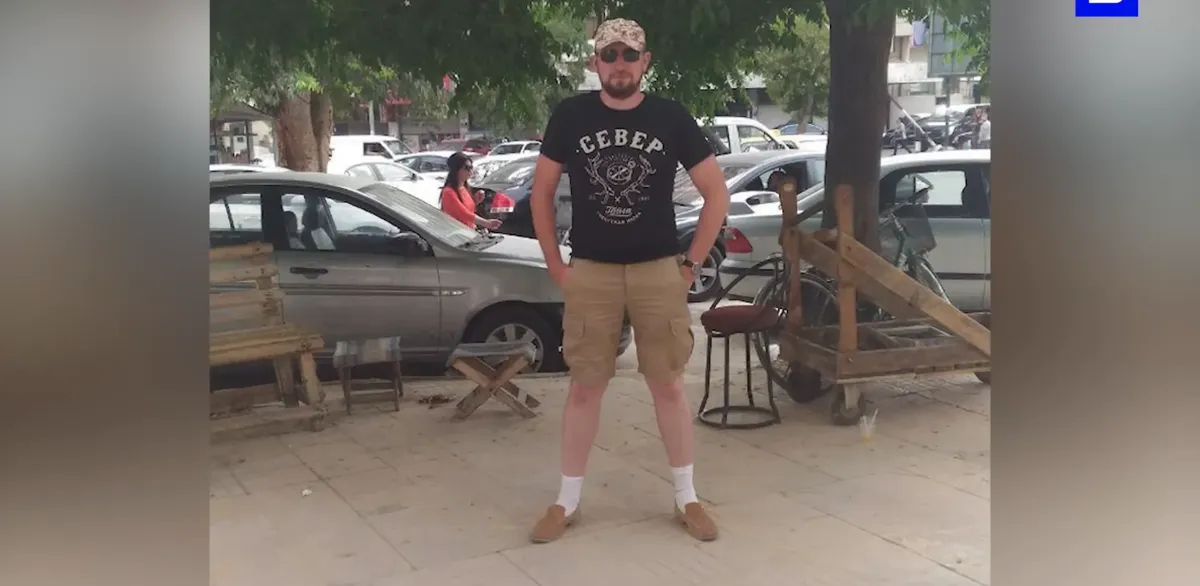
There are other names on the Moldovan list of 13 organizers and instructors. Mikhail Potepkin is under sanctions from the EU, US and UK for alleged links to the Wagner group. Having contacted Potepkin through the VKontakte network, journalists received confirmation that he was the same person from the list. Another person involved is Konstantin Goloskokov; back in 2009, he told the Financial Times about his participation in a cyber attack on Estonia two years earlier.
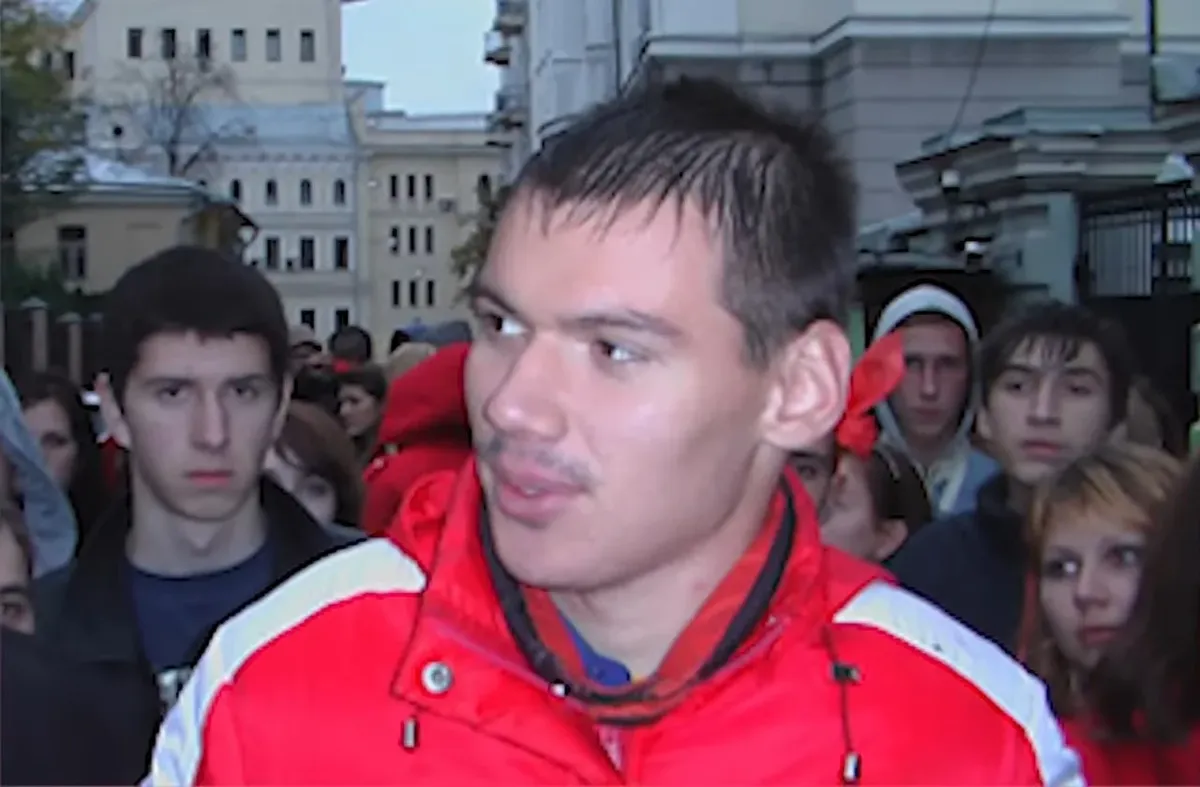
The Moldovan Security Service named Potepkin and Goloskokov as coordinators of the training camps. Among the alleged instructors was also Andrei Bekker, who entered Bosnia on August 23, 2024 and founded an IT company called AE 777. Another person involved is Alexander Volkhonsky, also known as Sotov , whom journalists associate with Wagner operations in the Central African Republic.
The overall portrait of the people involved in the operation is indicative: former Wagnerites, neo-Nazis, organizers of provocations in Paris, cyberwar veterans.
Harbor of Sabotage
The choice of Republika Srpska and then Serbia as sites for the camps was not an accident or a miscalculation.
Russian intelligence services, writes defense24.com (one of the most influential portals in Central Europe, specializing in military topics, geopolitics and the defense industry), closely cooperate with the Serbian intelligence service BIA on the basis of the so-called open-book principle, that is, a regime of maximum transparency. This cooperation includes the exchange of information, joint operations, and targeted support for local actors seeking to join Serb-controlled areas. The support of politicians such as Milorad Dodik (president of Republika Srpska at the time of the events described, and now its informal leader) fuels similar annexationist aspirations in Bosnia and Herzegovina, often bringing the state to the brink of internal conflict and gradually undermining the Dayton Agreement.
A suitable stage for training saboteurs.
The “Serbian world” and its ideological “mother” - the “Russian world” - do not need armies to win, notes the VoxEurop portal. They thrive on silence, weariness and the illusion that the world can survive without justice.
The lesson is clear: hybrid warfare begins with disbelief and ends with disintegration.”
American pause and European vacuum
The history of the Balkan camps formally dates back to 2024. Attempts to use them and other elements of the plan to disrupt the re-election of Maia Sandu as president of Moldova ultimately failed, but the context has only become more complex since then.
In October 2025, Washington lifted sanctions on Milorad Dodik in exchange for his agreement to resign from the Republika Srpska presidency and withdraw a number of separatist laws. Former US Presidential National Security Adviser Michael Flynn spoke out in his support on social networks: in one of his posts he called for “supporting Dodik in the fight against globalists.” Among those who worked for Dodik were former US presidential lawyer Rudy Giuliani and also former Illinois Governor Rod Blagojevich, who served a prison sentence on corruption charges until Trump commuted his sentence in 2020.
Bosnian-Canadian political scientist Jasmin Mujanovic, who specializes in the Western Balkans, assessed the deal regarding Dodik’s “pardon” with skepticism: “I can’t imagine that the Americans did not calculate the consequences. But they clearly thought that what they got in return was significant enough to turn a blind eye to it.”
The problem is that no one really explained what exactly was received in return. And it is precisely this silence that today affects the political reality of the region. For Washington, this was apparently a tactical deal: de-escalation here and now, relieving tension around the institutional crisis in Bosnia and Herzegovina, perhaps temporary stabilization before broader foreign policy actions.
For Europe this is a vacuum. Brussels continues to declare its commitment to the territorial integrity of Bosnia and Herzegovina, but does not offer mechanisms comparable in severity and effectiveness to American sanctions. As a result, the space between formal EU statements and ad hoc US decisions is being filled by the same actors that appeared in the camp story: informal networks, intermediaries and players with their own agenda.
And if Mujanovic is right, if the Americans really “got something,” then the question of what exactly is happening on the periphery of this deal remains unclear.