
Translated material
Stumbling rails
Nicholas II and Lenin could not build this road; Stalin, Brezhnev, Gorbachev and Yeltsin timidly approached it

Photo: Alexander Manzyuk / TASS
No, we are not talking about Stalin’s polar “dead road”. We are talking about the middle “royal path”. Sevsib is the central link of the northern backup of the Trans-Siberian Railway, a highway planned by Nicholas II. The eastern link - BAM - is ready. And the country takes 110 years to build the whole link.
Finding out about Sevsib is both difficult and easy.
It’s difficult, because the construction of a road through Western Siberia (and partly Central Siberia) north of the Trans-Siberian Railway (an average of 500 km) is not widely discussed anywhere. In the 2000s, the North Siberian Railway was included in the Transport Strategy until 2025, but in the “closed” part. Into the "secret doctrine".
And it’s very easy to find out that the state is planning some kind of unclear route for a railway to the north . Any news about progress in the fate of this mysterious major project spreads across agency feeds like fire across dry grass. This was the case in December 2025, when it became known that the government did not advise President Putin to invest in the highway, which he had thought about two years earlier. A resume is inappropriate. The argument is the price: 50 trillion rubles.
The news was reprinted and commented on by colleagues from all types of press.
Previously, a similar media wave on the topic of Sevsib occurred in October 2023, when the Kremlin announced Putin’s previously given instructions to consider the construction of the North Siberian Railway. The deadline for the report was given to the federal government and separately to the authorities of Kuzbass, as well as the Academy of Sciences and JSC Russian Railways until March 1, 2024. But in the end, an unnamed source reported only about a letter from Deputy Prime Minister Vitaly Savelyev, dooming Sevsib to another long shelf life.
This road was planned, but Nicholas II and Lenin could not build it; Stalin, Brezhnev, Andropov, Chernenko, Gorbachev, Yeltsin timidly approached it from afar. What kind of stumbling rail is this?
Yes, that is what it is, an open gestalt of three forms of Russian statehood.
***
The project has very far roots; it is appropriate to give a key to words from the past: the idea of a path first swept through the corridors of power during the First World War and the Civil War with their abbreviations. Military style, stuck in the country for 110 years.
VSP - Great Northern Route. It is believed that the artist and polar explorer Alexander Borisov sparked the idea of the highway for Nicholas II. VSP is also an abbreviation for the Great Siberian Route: that’s what the Trans-Siberian Railway was called in the 1890s, when construction began. This name, given by English and American newspapermen to the intercontinental project, has become so attached to the main road that few people remember about the Great Siberian Road.
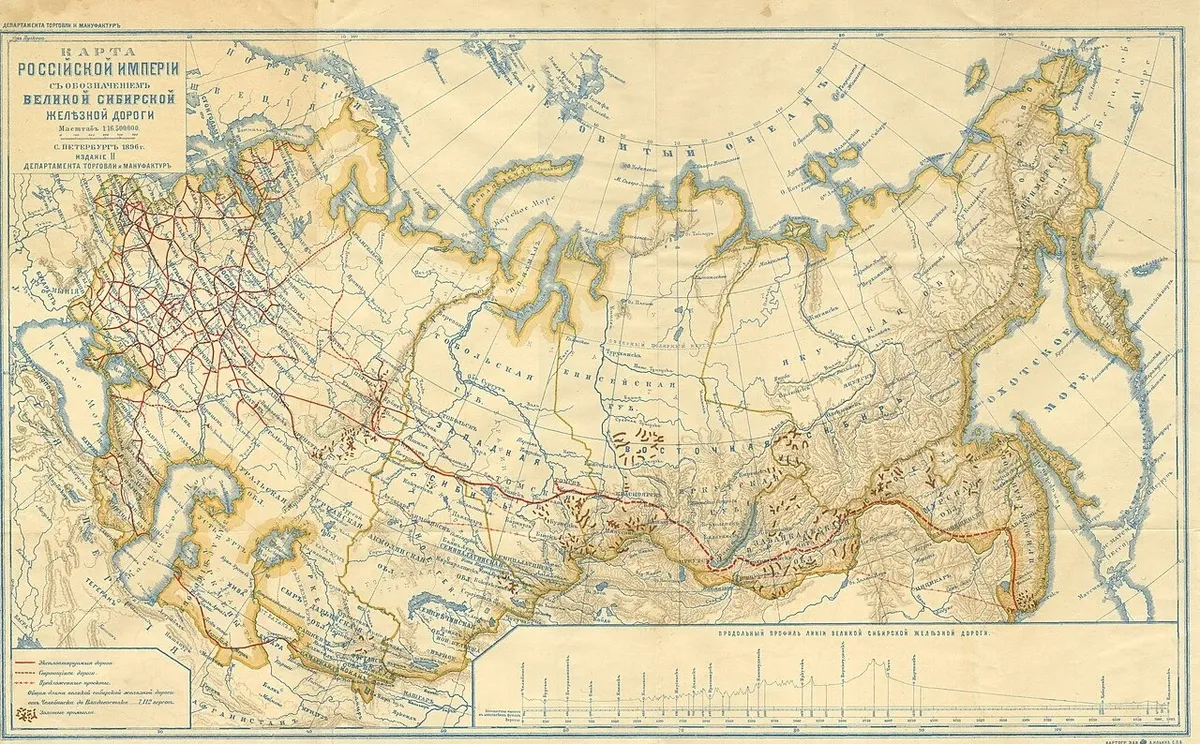
However, initially Russia was supposed to have two VSPs, two twin roads, two overlapping routes along the West-East axis. Only now, taken together, they brought the North-South dimension into the country. Forest - Steppe.
In November 1916, the Interdepartmental Meeting to develop a five-year plan for railway construction for 1917–1922 included the construction of the Great Northern Route in the five-year plans, which did not go at all according to plan and turned out to be the fifth anniversary of the Civil War in Russia. Left - and for a long time, until now - with one and only Trans-Siberian Railway, VSP-1, with the South and the Steppe (the Trans-Siberian Railway was laid along grain granaries, along the old Moscow-Siberian tract, known since the 16th century), the country lives with only half its strength. Asymmetrical. “Our path is steppe,” wrote Alexander Blok in 1908 in the great cycle “On the Kulikovo Field.” They don’t argue with poets, but the question remains: what would a mountain, taiga, forest path bring and what will it bring into us, into life and into the soul? VSP is first and foremost a question.
SNK - Council of People's Commissars, Sovnarkom, the new government of Soviet Russia, which won the Civil War. The artist Alexander Borisov in 1919 came not to the sovereign, who loved his Arctic sketches, but to the SNK - with the same idea of a new railway, giving Western Siberia access to the main northern ports of the country. Along the route Ob - Kotlas - Zvanka (since 1904 Zvanka was connected by railway with St. Petersburg, since 1916 - with Romanov-on-Murman, that is, Murmansk, and after 1940 Zvanka is called Volkhov).
Another route option branched from Kotlas to the village of Soroka, the modern port city of Belomorsk. This still virtual road from the Ob plains through the northern Urals to the Russian western ports is the historical basis and core, the semantic center of the Great Northern Route. Of the approximately 1,600 kilometers, almost 1,250–1,300 are located in the European part of Russia. More precisely, they would have settled down: there is no direct railway between Sverdlovsk Ivdel and Arkhangelsk Kotlas even now. Now the route from the Urals through the Komi Republic and Kotlas to the White Sea is called Belkomur (White Sea - Komi - Ural). Arkhangelsk was planned as an exit port on the White Sea, but there was less and less talk about Belkomur, they died down. In September 1915, Russia and China signed an agreement on the construction of Belkomur.
But the project did not come true - even in a truncated form. In 2023, Belkomur JSC was liquidated by shareholders - the Komi Republic, the Arkhangelsk Region and the Perm Territory.
In short: representatives of the SNK were more ambitious in their (also unfulfilled) plans for cross-continental Eurasian railway construction: they wanted to build a route from Siberia. The decree of February 4, 1919 on the concession for the “Great Northern Railway” has Lenin’s visa. Yes, it was supposed to be a concession to “allied or neutral enterprises and firms capable of financing the business.” It is difficult to decide who was the “allied company” of the leader of the world proletariat, but, answering questions from participants at a meeting of the Petrograd Council on March 12, 1919, he argued for the need to do business with “foreign capitalists” as follows:
“It’s better to pay tribute to foreign capitalists and build roads. We will not die from this tribute, but if we do not control the railway traffic, then we may die, because the people are starving; no matter how hardy the Russian worker is, there is a limit to endurance.”
How is Nikolai Klyuev doing?
*There is a Kerzhen spirit in Lenin,
Abbot's cry in decrees,
As if the origins of devastation
He searches in "Pomeranian answers".*
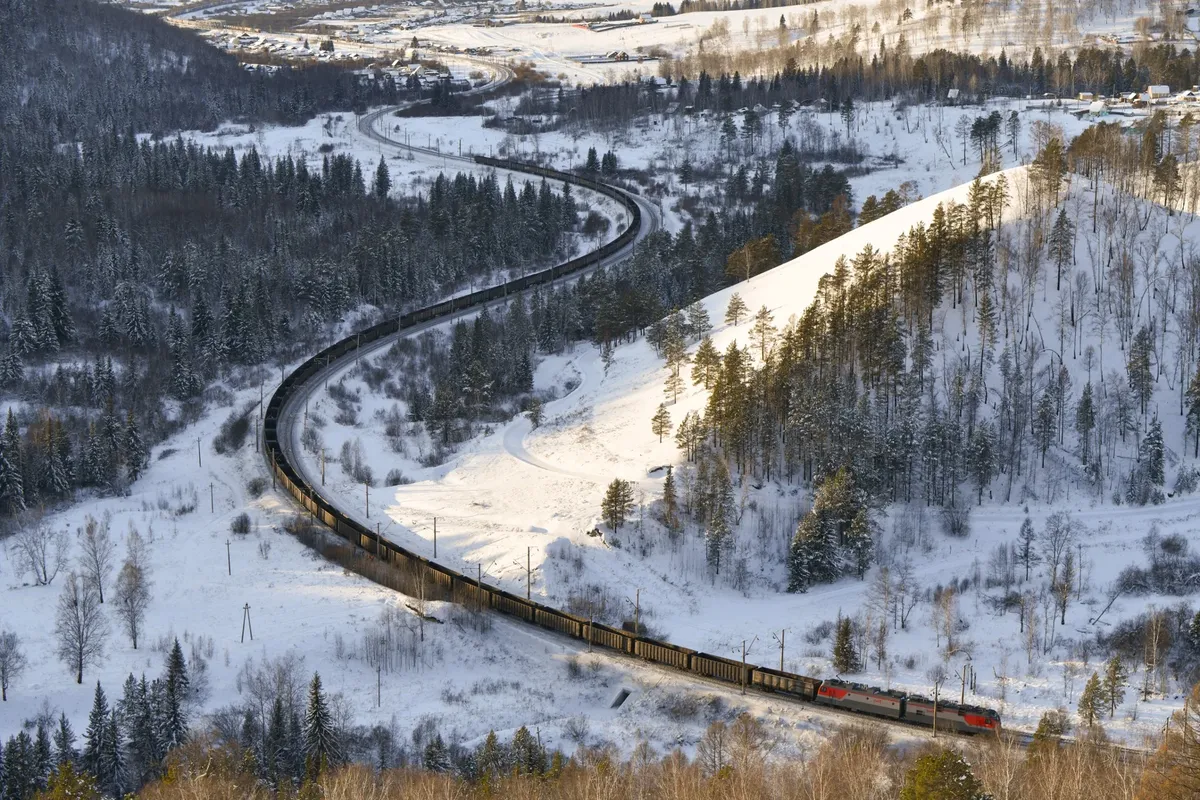
This is from a 1918 poem. Yes, Lenin wanted to take the Belkomur to Pomorye. After all, the Trans-Siberian Railway was on fire, the Civil Line was running along the entire line, and the cities needed the resource of Siberia, the bread of the country. But the Council of People's Commissars did not fulfill its concession plans, the justification for which it requested “within two weeks” from the People's Commissariats of Finance, Agriculture, Justice and Military Affairs, as well as the All-Russian Council of Trade Unions. The People's Commissariat of Warfare was also instructed to “give, within two weeks, a detailed conclusion on this project from a military and strategic point of view.”
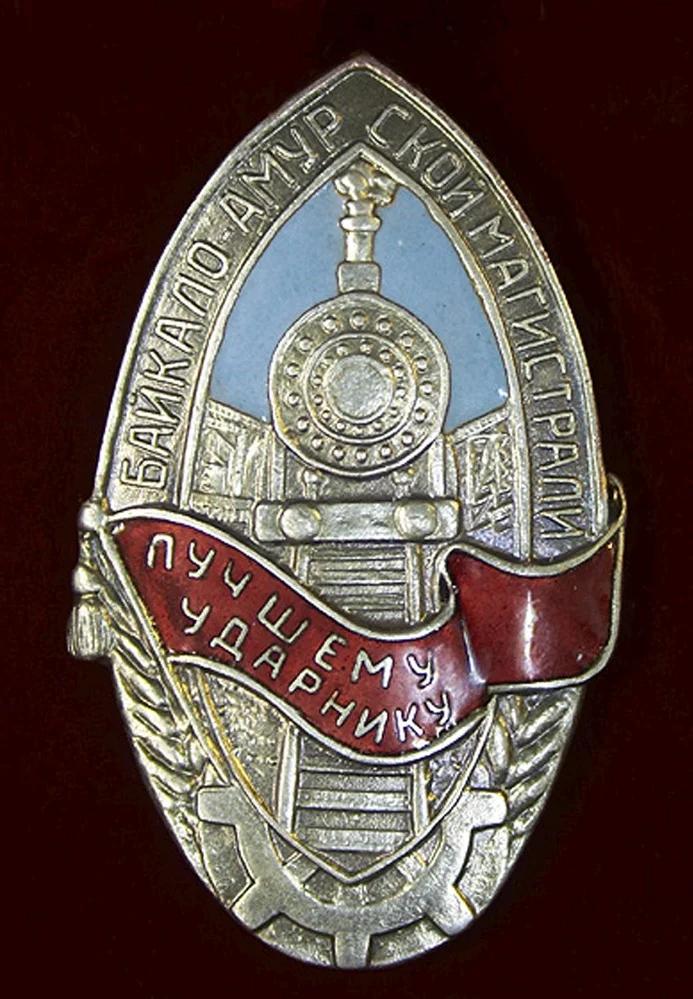
It was not possible to find a document signed by People's Commissar Trotsky on the Internet. But this conclusion lies somewhere. Secret. And also secret was the return of the Council of People's Commissars - no longer Lenin's, but Stalin's - to the project, and no longer to the VSP, but to the construction of only the extreme, eastern fragment of the route. On October 27, 1932, the Council of People's Commissars prepared secret resolution No. 1650/340c “On the construction of the Baikal-Amur Mainline”, BAM.
This abbreviation soon became associated with another word - BAMlag. It was not the camp workers, but the railway workers who did the tracing, determining the route starting in 1926 and actually started the Baikal-Amur Mainline, but it was the “Trans-Baikal Komsomol members” who started the stalled construction site, as they sarcastically deciphered another abbreviation - ZK. The officialdom called them path army men. BAMlag was one of the most terrible camps in the system of the Main Directorate of Corrective Labor Camps.
In the popular imagination, the construction of the post-war Transpolar Highway, a series of numbered “five hundred cheerful” roads 501-503, is depicted as the most terrible horror; there the climate, the names “Chum” and “Kharp”, “Labytnangi” and “Cape Kamenny” add color. But the supply there was - by the standards of the era and the situation - tolerable, and the post-war people were motivated by more than just the handle of a revolver. It was no longer possible to treat him roughly.
In the early 1930s, the lot of the Bama putarmy soldiers was different. The “Middle Soviet man” of the 1930s - Zoshchenko’s hero, shaken out of the NEP of the 1920s by the authorities and who had not yet proven his spiritual strength to himself or everyone in the 1940s, unable to resist - did not deserve, according to the authorities’ concepts, even what it was obliged to give him. Power at BAMlag was personified and exercised by the OGPU.
OGPU - United State Political Administration under the Council of People's Commissars. The OGPU and the NKVD are routinely considered successive in relation to each other, only belonging to different periods. Organizational shells of one entity, its masks. But in 1923–1934, the OGPU and the NKVD were coexisting, if not parallel, organizations. Larger and smaller “nesting dolls”, both transparent: the smaller one shone through the larger one, but did not glow. The OGPU was successor to the Cheka, abolished on February 6, 1922: the former received its powers from the latter.
The Cheka in Russia also does not yet need to be deciphered; no one remembers the All-Russian Extraordinary Commission for Combating Counter-Revolution and Sabotage, but the fact that in 1922 the Chekists became “former” has been forgotten. In 1934, the OGPU became part of the NKVD, “merged” alchemically. But 12 years, 1922–1934 (of which the last five were a time of pure ruthlessness, which included dispossession and the massive deployment of camps) was the time of the GPE. The Chekists and NKVD members were not forgotten, but the GPE members, who opened a wide portal to hell at the turn of the 1920s and 1930s, slipped past memory.
BAMlag, entrusted by the Council of People's Commissars of the OGPU under him, is the practical source of the Great Northern Route. What began with the artist’s paintings, what continued in the tsarist government Interdepartmental Presences, what sparked at the meetings of the Petrograd Soviet, the beginning of “realizovyvatsa” (with a Stalinist accent) under the code of the OGPU. Sufferers of BAMlag. Remember.
After the construction stalled under the leadership of the OGPU (later the NKVD), and the rails of the road, laid in fragments in case of war with Japan, were useful in the war with Germany (they were removed in 1941 and taken to the west, where in 1942 the Volzhskaya Rokada, an element of defense logistics and part of the defense of Stalingrad, was built) BAM fell silent for 30 years. The wounds needed to be healed. Think it over.
The capitalist, imperialist Russian Empire was experiencing a railway boom on the eve of its end. Without railways, empires are impossible. But the Union of Soviet Socialist Republics was not a capitalist country: for it, the construction of railways from the first year became a matter of “tribute to the capitalists.” It didn’t work out with the foreign ones, we had to forge our own from the OGPU cadres: at the same BAMlag, starting in 1933, for five years Naftaliy Frenkel, a talented businessman in the 1900–1910s, a Solovetsky inmate in the 1920s, a prisoner-rationalizer, then an ideologist (Solzhenitsyn’s expression) of the production significance of the GULAG of the OGPU of the USSR, was in charge.
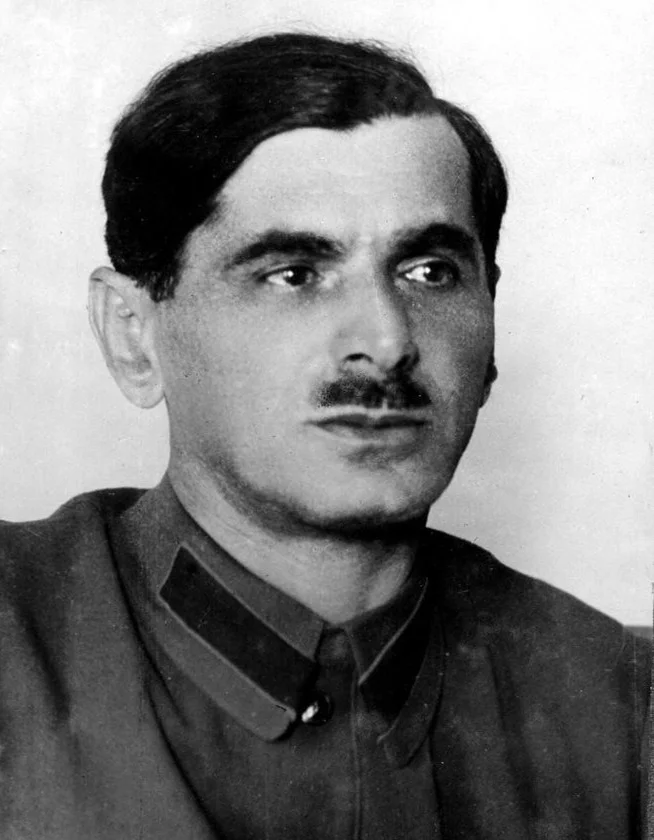
Naftaliy Aronovich - at the origins of the BAM, and the real, in the coordinates of the 20th century, the Great Northern Route. After all, BAM turned out to be the first arm of the VSP movement. In GPE capitalism, the limit of what is possible is low. Its pathos is entirely mobilizational. BAM in the 1970s was the last attempt to look for some kind of socialist imperialism in the field of railways. But it wasn’t the socialists who had to finish building the road anyway. BAM began end-to-end and full-fledged movement - through a complex 15-kilometer tunnel inside the North-Muysky ridge, which was built over more than a quarter of a century (completed only in 2003).
***
Belkomur did not take place even in a truncated form - without crossing the Urals.
About the Barents Mur - the path to the same Priob (but not to the geographical concept and not to the field, but to the final northern station of the Sverdlovsk railway) and further, to the deep-water, ice-free port of Indiga (it is also yet to be built on the Barents Sea, at Cape Svyatoy Nos) - they talked and fell silent, to start again, of course.
Sevsib is something that is forgotten only to be remembered, as one of the project’s long-term advocates, corresponding member of the Russian Academy of Sciences Viktor Suslov, head of the laboratory for modeling and analysis of economic processes at the Novosibirsk Institute of Economics and Organization of Industrial Production, said.
Sevsib as an idea does not want to die, even when all the strategies are in vain.
And people who have devoted thirty years or more to the project are not ready to consider it condemned. They are like priests, saving the fire not “for the sake of something”, not “until better times”, but because it is their business: regional scientists, Siberian scientists, economists, railway engineers, country logistics specialists - custodians and disseminators of knowledge that Russia needs a New Path.
Russia’s transport strategy for the period until 2030, adopted in November 2008, repeats simple facts from chapter to chapter: “the length of public railway sections with capacity restrictions” is too large (then there were 6.5 thousand kilometers); “the formation of a supporting network of roads in the regions of the North, Siberia and the Far East has not been completed”, “6 constituent entities of the Russian Federation do not have railway connections with other regions of the country” (including the Nenets Autonomous Okrug, where the port of Indiga and the highway to it should be), “the needs of the country’s defense... are not taken into account enough” (the only through road through Siberia is near the border with China), the future lies in “the transition to a polycentric model of spatial development Russia." That is, there should be many nodes and interchanges.
The world, quite simply, ceases to be anthropomorphic, human-like. Modern reality is either God, who is everywhere and nowhere in particular, a great mind that does not lose us all over the globe, remembers our PIN code, or the simplest. A drop of life, with receptors and intelligence spread over the entire surface of the body.
Over the course of the 20th century, people have better understood the world, space, and environment - and they are trying to mold their little world in accordance with newly discovered circumstances. And Russia is following the same path. She is dragged to the same place as everyone else. Boasting of her real and phantom pains, she just can’t suffer any kind of plot. Go through some painful space. A tunnel full of horrors.
The current refusal of Sevsib is about narrowness. And not just about the fact that in the last four years, funds comparable to those that were at the beginning of the largest construction projects have been thrown into the fire.
***
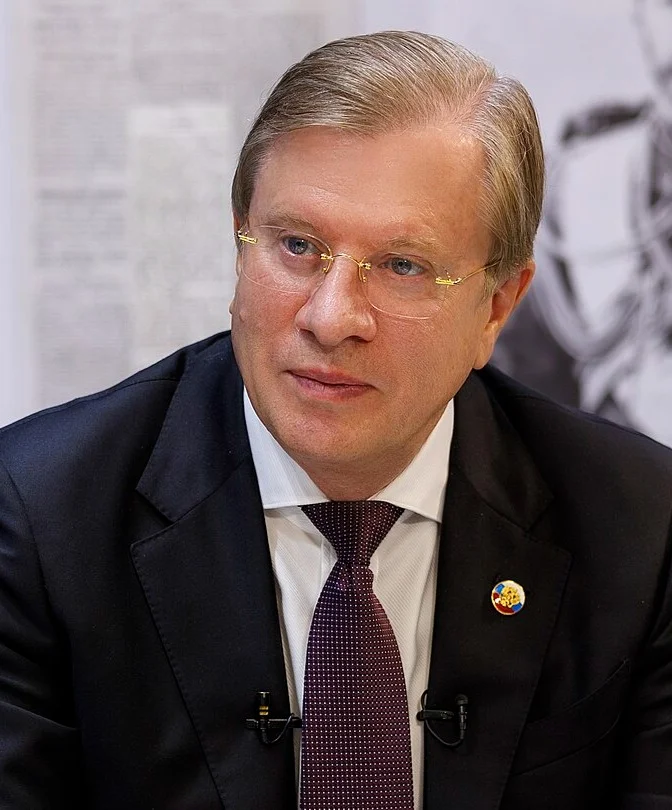
There is no consensus on how much Sevsib costs (approximately 2,000 kilometers). Deputy Prime Minister Vitaly Savelyev named 50 trillion rubles. President of the capital's National Research Center "Transportation and Infrastructure" and a traveler by training, Pavel Ivankin, believes that even 50 trillion of all expenses cannot be added up. As Catherine II said, “construction is a devilish work”: you can never meet the budget, expenses only increase.
Chairman of the Interregional Association “Siberian Agreement” Gennady Guselnikov mentioned 8 trillion rubles as the price for future construction. Professor of the Siberian State University of Transport, Doctor of Technical Sciences Valery Vorobyov, argued with calculations why this is exactly 8 trillion rubles.
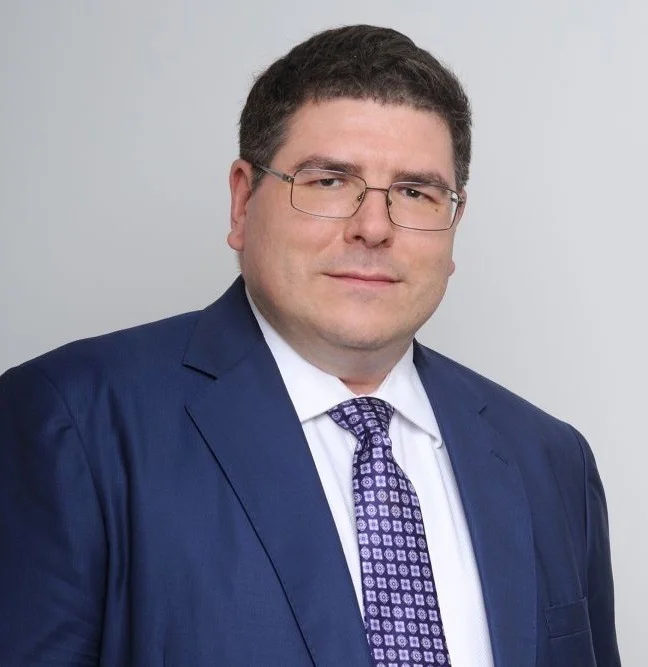
The chief researcher at the Novosibirsk Institute of Economics and Organization of Industrial Production of the Siberian Branch of the Russian Academy of Sciences, Doctor of Economic Sciences Vladimir Malov, believes that two thousand kilometers of the Sevsib along the route that this institute has long advocated can be built for 1.4 trillion rubles.
The difficulty of determining the cost is not only in the length of the road, the diversity of the landscape (Sevsib, in any route, passes through swamps, forest-tundra and hills), but also in
that his route, as always happens when planning such fateful roads that can change the lives of millions of people, is a subject of debate. Discussion. Until the end. And the end is still very far away in the case of this project.
It's still a long way from even starting.
“I don’t think that the very first approaches to construction can begin before 2030,” says Pavel Ivankin. The explanation for this opinion is simple: two or three years of peace are needed at least for the economy to come to its senses, “get back on a peaceful footing,” and wake up together with society, but peace is still a long way off. And he's not getting any closer. But still, one day it’s inevitable.
So Sevsib is inevitable. But in what version?
***
One of the options for Sevsib, discussed by Professor Vorobyov and the chairman of the “Siberian Agreement” Guselnikov, does not go through the Urals to the Barents Sea: it goes to the Arctic Ocean at the port of Sabetta. This is the Gulf of Ob, the Kara Sea. Part of the route has already been built - an approximately 500-kilometer road to Bovanenkovo, a departmental highway of Gazprom. The station is named after the Bovanenkovskoye oil and gas condensate field.
Professor Vorobiev rightly calls this route the Sabetta-Tashtagol transport corridor. Это уже не совсем Севсиб, и другая идеология у этого проекта: не столько инструмента «комплексного развития территорий», а корпоративной дороги добывающих компаний. Да, дорога доступна будет всем (кто доберется), но она по мысли — не для всех.
Севсиб задуман как путь, стыкующийся с БАМом, как телескопическое продолжение трудно давшейся и постоянно модернизируемой дороги.
Упомянутый выше Институт экономики и организации промышленного производства (институтом некогда руководили академики Абел Аганбегян и Александр Гранберг) давно защищает маршрут «Усть-Илимск —Лесосибирск — Белый Яр — Сургут —Ханты-Мансийск» —и дальше, по тому или иному варианту (через Ивдель/Полуночное или Приобье), выход за Урал. К порту на океане. Сибири нужен выход на северо-запад. «Если бы состоялся поворот на Запад, а не на Восток, дорога сразу стала бы нужна» — роняет замечание президент Национального исследовательского центра «Перевозки и инфраструктура» Павел Иванкин.
В 1914 году — отсекание европейского рынка: в континентальной Европе перекрыли каналы поставок сельскохозяйственной продукции Сибири в Нидерланды и Британию через пункты пропуска Вержболово (теперь в Литве) и Виндаву (теперь Вентспилс в Латвии). И местный бизнес впервые задумался о том, чтобы выскочить на нужные рынки через Енисей, Котлас и Архангельск. Чтобы не отдать рынок финскому кооперативу Valio и новозеландскому маслу Anchor. Конкуренция с ними была заботой всесибирского кооператива — Союза Сибирских маслодельных артелей. Головные офисы были в Лондоне и в Кургане.
Это в Зауралье помнят. А в стране забыли. Потому что рынки пришлось отдать. А крестьянству (не сразу, но постепенно — вернуться в то ничтожество, из которого его наполовину выдернули многие факторы, но не последним была дорога. Движение. Скорость.
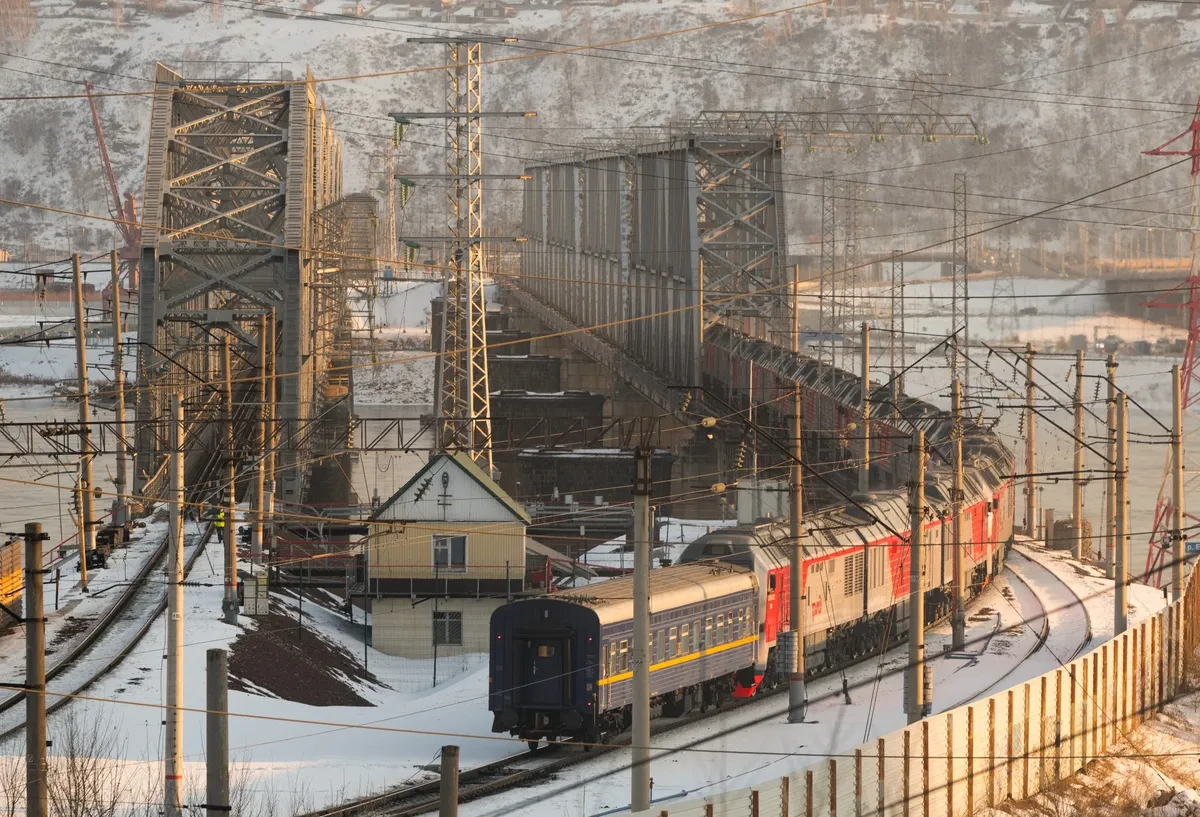
В процитированной Транспортной стратегии до 2030 года неустанно педалируется необходимость опережающими темпами развивать транспортную сеть и транспортную мобильность людей. Но очевиден локус приложения этой логики — «прогресс вслед за транспортом».
«Мы занимаемся вещами, которые себя опережают; четверть населения страны — в Москве, мы расширяем москвоцентричность, вытягиваем из регионов население, — говорит президент Национального исследовательского центра «Перевозки и инфраструктура» Павел Иванкин. — Идея — ВСМ до Твери, новая дорога между Петербургом и Москвой; мы туда отвлекаем очень мощный финансовый ресурс. Как мы можем развивать в этих условиях Северный широтный ход, Северный морской путь? Освоение Сибири и Арктики — эти задачи ставят перед нами вопросы, а ответы на эти вопросы никому не интересны, а некоторые очень опасны».
Но в достройке Великого Северного пути — оправдание века. Не оправдание зла, «что творилось на моей земле», как пела группа «Воскресение», а принятие ответственности за всё. За правду и неправду. И здесь близко, горячо — вопрос самоопределения. Тот, что про будущее.
Будущее выглядит сурово.
***
Ничто не будет страховать ледокольное движение в человеческом, коммуникативном и логистическом аспекте, если не будет Севсиба. Без него любое обживание Арктики — химера. 28% площади страны располагается в арктических областях, а живет там 2,5 миллиона граждан России. Малонаселенность нашей Арктики не уникальна: и в других странах люди не рвутся в снега. Арктические русские составляют половину населения всей мировой арктической зоны. Все пропорционально: на долю России приходится и более половины побережья Северного Ледовитого океана.
Но что-то в ойкумене изменилось.
Мы привыкли к тому, что Арктика — территория мира. Что северяне помогают друг другу. Что «истинный Север» — не слова, а все арктические страны связаны решением быть человеком в этом непрощающем климате.
Но все чаще на ум приходит не рисованная история.
Во Вторую мировую войну германские подлодки, пока не проиграли в 1944-м противоборство с боевыми охранениями союзных конвоев, двигались в Северном Ледовитом океане довольно свободно и иногда проникали вплоть до устья Енисея. В 1941 году они топили суда британцев, доставлявших в СССР помощь по ленд-лизу. Эти действия направляло специально созданное в рейхе командование адмирала Арктики. В 1942-м германский военный флот планировал операцию «3емля чудес», чтобы разорвать коммуникации в Карском море. В 1943-м «кригсмаринэ» ставили мины в восточной части Баренцева моря и в Карском.
Гигантский северный фасад страны, обращенный к самому маленькому океану на Земле, сближающему арктические страны, смотрится тревожно в контексте современности. Даже без гренландской темы президента США.
И особо в контексте того, что в Арктику «хотят» не только страны «прибрежной пятерки», которые там есть потому, что живут они там (Дания благодаря Гренландии, Канада, Норвегия, Россия, США, которым Аляска дает выход на лед). И не только страны — члены Арктического совета: кроме перечисленных, это также Исландия, Финляндия и Швеция. Арктика в моде.
«Мы с севера не прикрыты», — сообщила директор Центра междисциплинарных исследований Арктики Высшей школы экономики Ирина Стрельникова в интервью журналу «Россия в глобальной политике».
***
Там куски и фрагменты железных дорог вплоть до линии Екатеринбург — Тюмень — Омск. Она при царе построена, и по ней Николая II и императрицу Александру Федоровну с великой княжной Марией Николаевной и свитой под конвоем провезли в апреле 1918 из Тюмени в Екатеринбург.
Сначала загадочный комиссар Яковлев повез «груз» (так, кодом, Москва и Уралоблсовет в телеграммах называли царя) прочь от Екатеринбурга. На восток, в монархический Омск. Царь воспрял, когда увидел названия станций Вагай, Маслянская, Называевская; он знал всю дорогу, посвятив ей четверть века, больше половины жизни. Это было его главное законченное дело. От первой тачки земли на полотно дороги во Владивостоке до моста через Амур, названного в честь наследника Алексеевским и открытого в октябре 1916-го. До отречения было четыре месяца, до гибели — неполные два года.
После окрика Москвы литерный шестивагонный поезд № 42 развернули и направили в Екатеринбург. На Екатеринбурге-Пассажирском, главном вокзале, сойти не удалось: Уралоблсовет пригнал темную толпу, собравшуюся поговорить с царем про империалистическую. Поезд пришлось отогнать на товарную станцию. Теперь это Екатеринбург-Сортировочная. Оттуда строитель Транссиба отправился в свой последний недолгий — верст пять — путь на авто к дому инженера Ипатьева.
Сейчас дистанция между Екатеринбургом и Омском — среди самых загруженных «узких мест» Транссиба. Работает на максимуме пропускной способности.
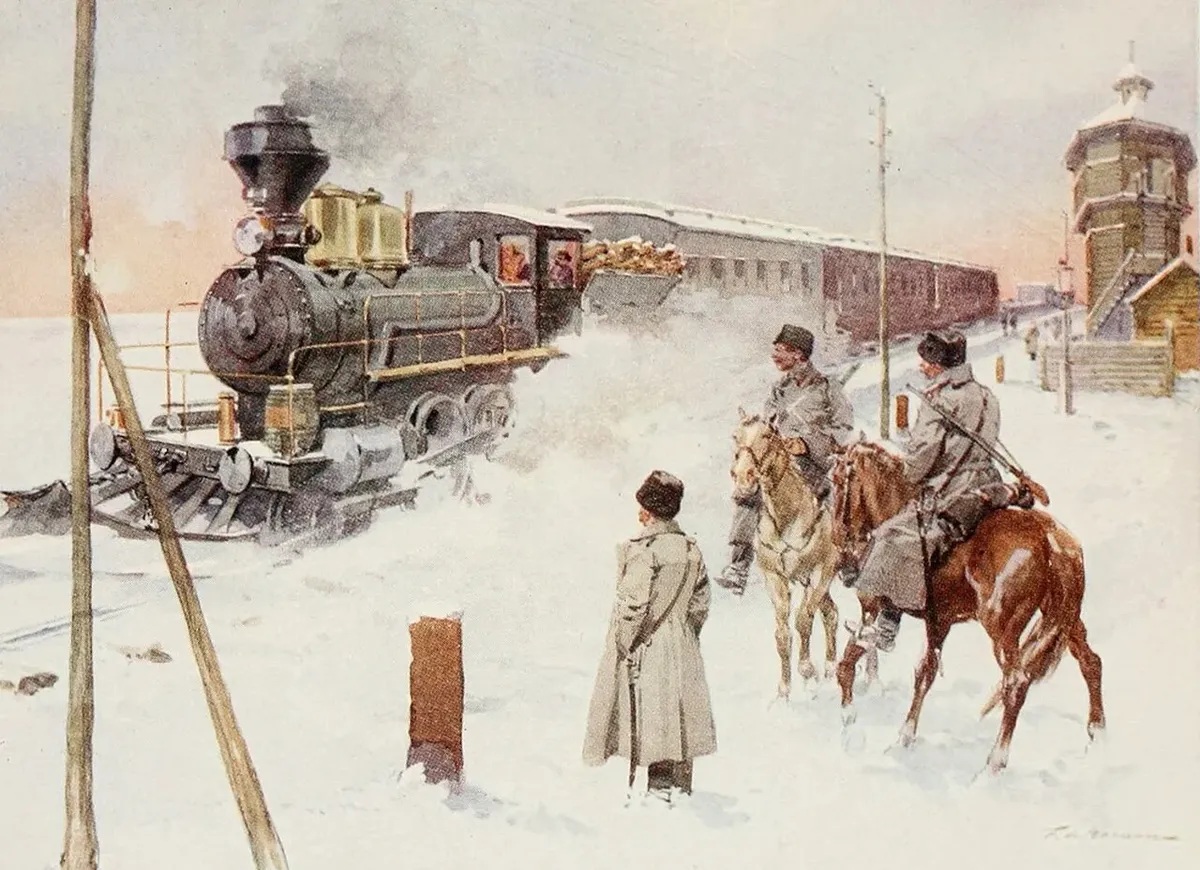
Западная Сибирь со всем ее неслыханным богатством вся стиснута в 17 градусов северной широты непрерывной суши — она вся здесь, между довольно близкими по российским меркам границей и океаном. Точка хрупкости с одной желдорлинией, построенной царем. Если точно, то отцом биолога Н.В. Тимофеева-Ресовского. Астроном по образованию и страсти, Тимофеев-старший в Средней Азии вдруг пережил момент прозрения: не до звезд человечеству, когда оно тонет в бездорожье.
Цивилизация начинается с дорог.
Севсиб неизбежен.