Translated material
Goodbye A23a!
For 40 years it was the largest iceberg in the world. Now it's cracked and melted
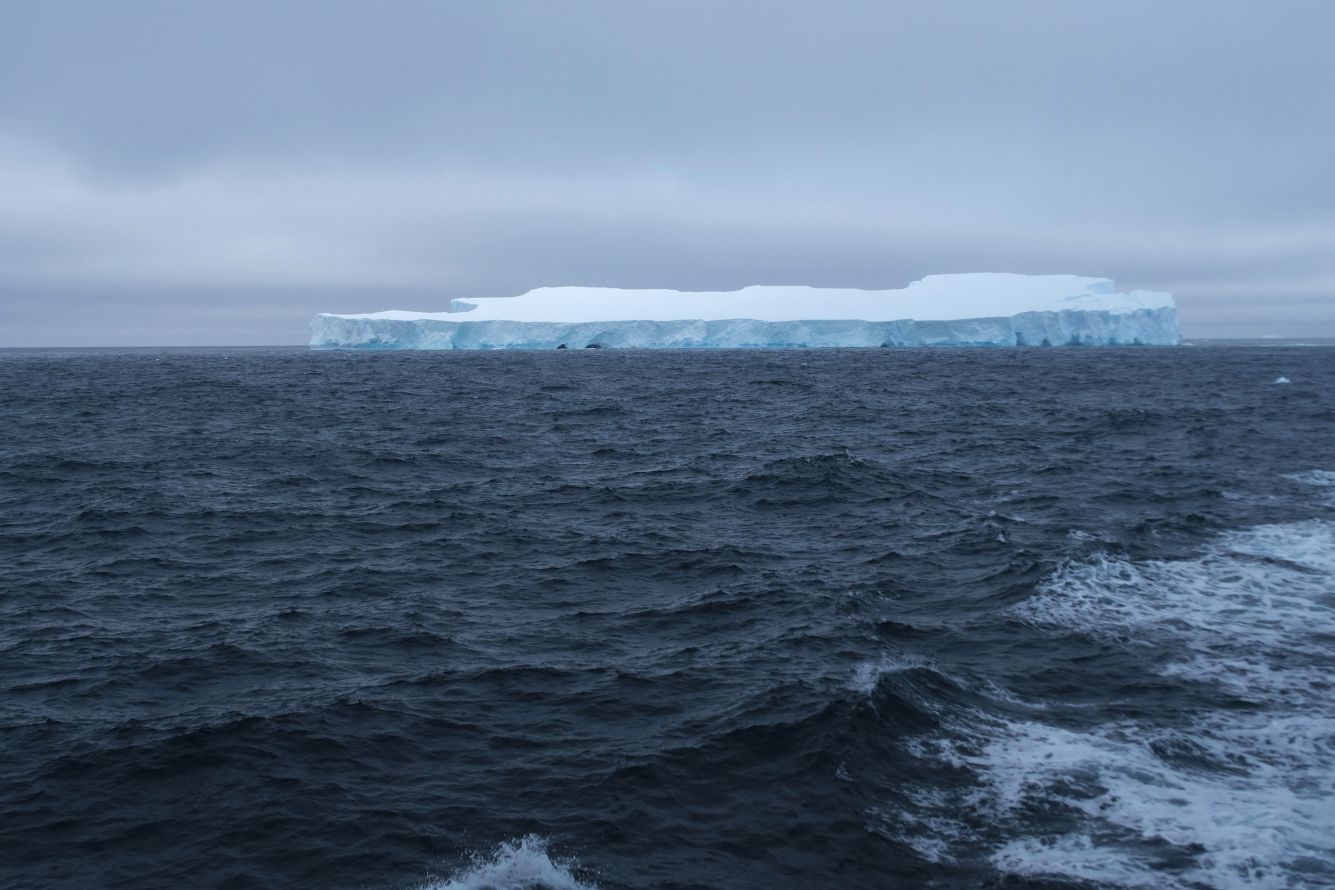
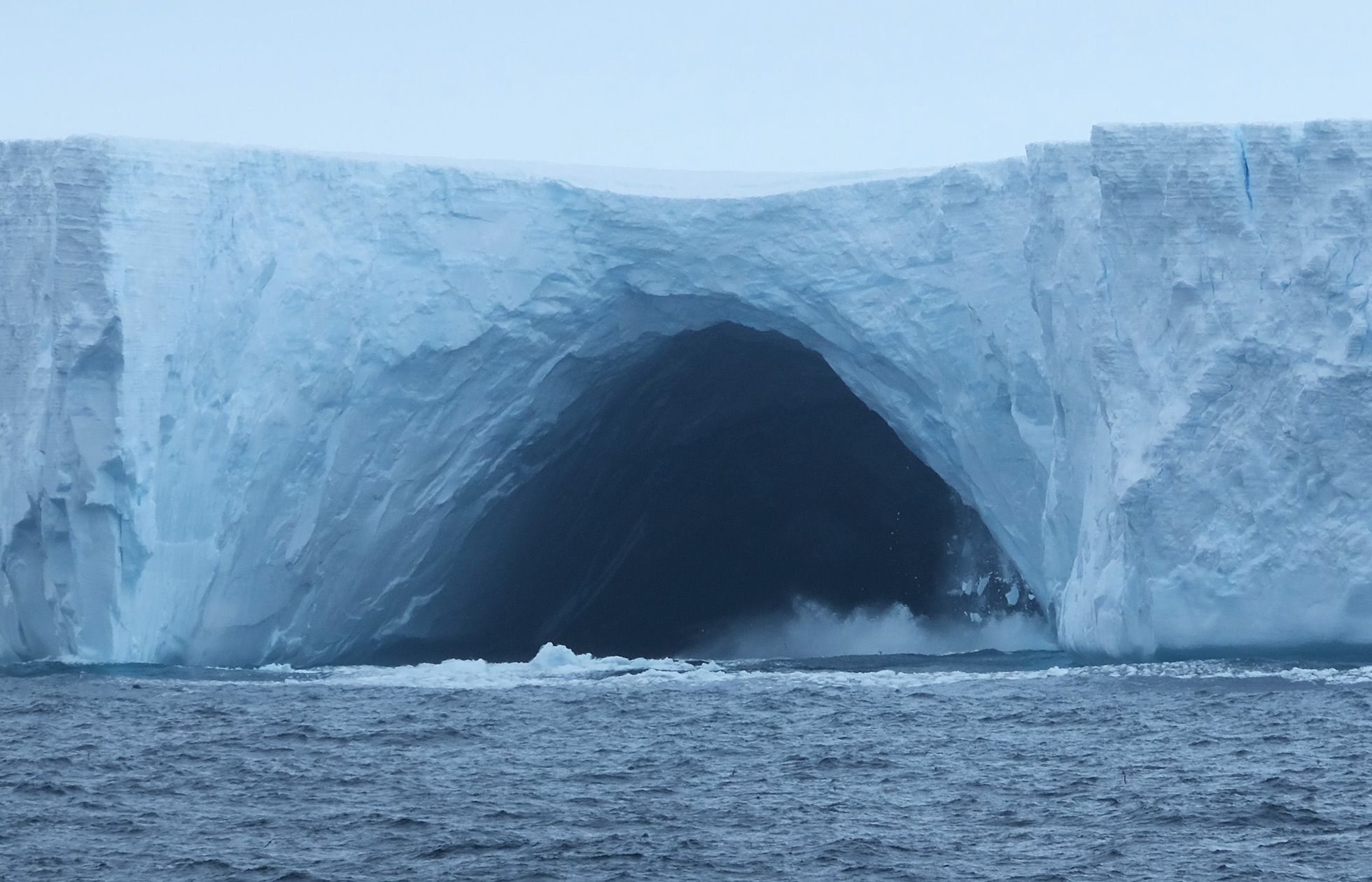
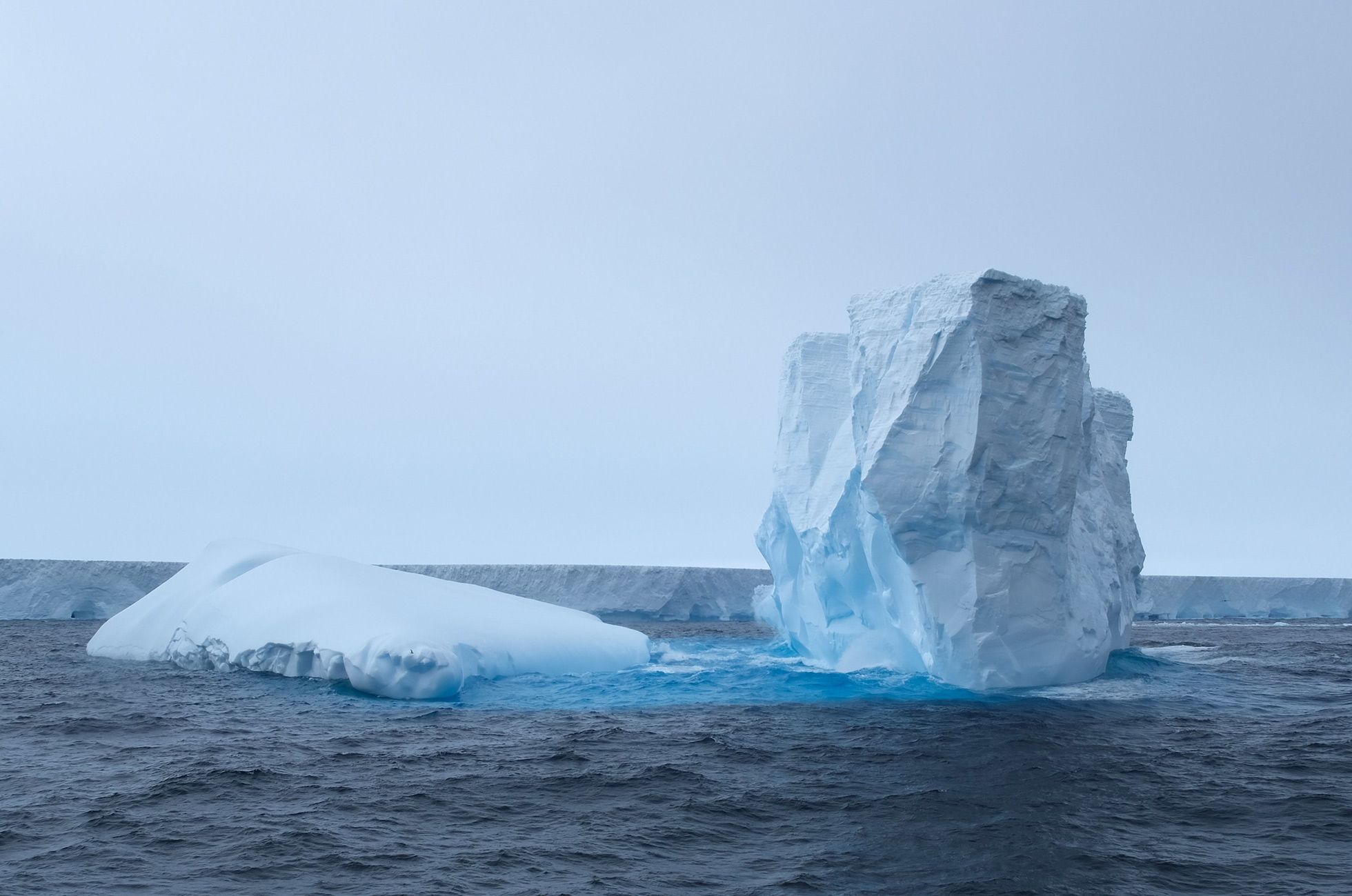
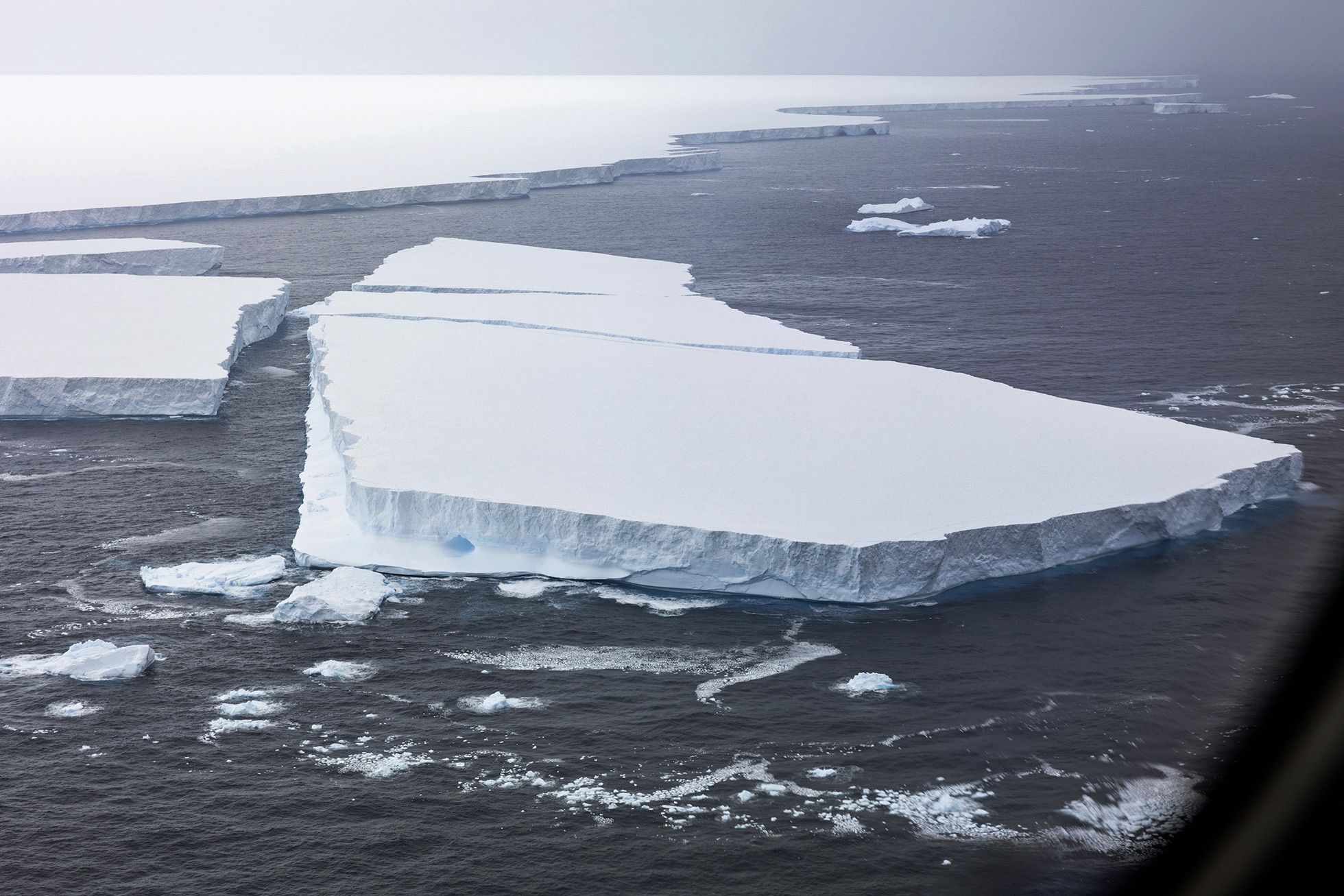
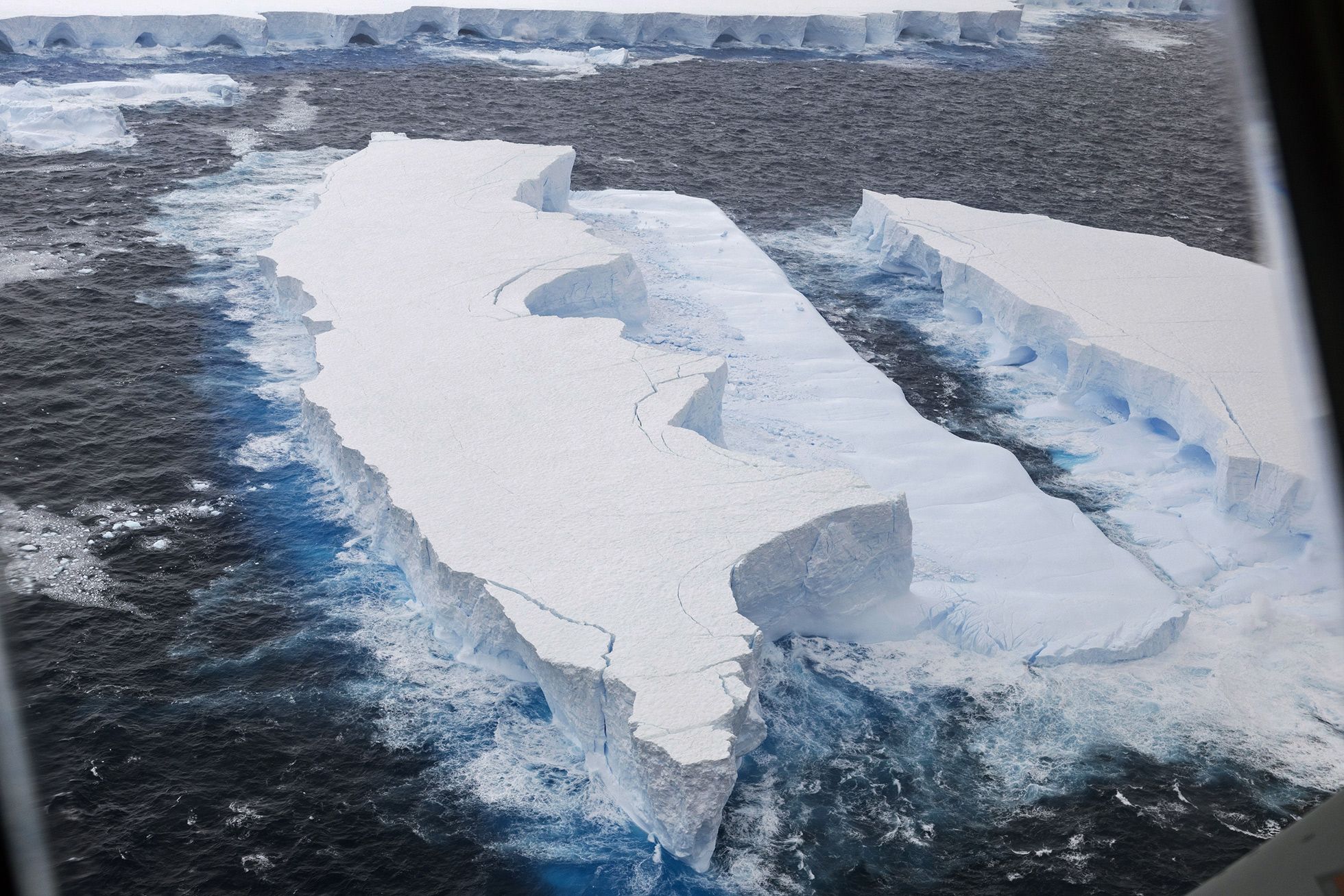
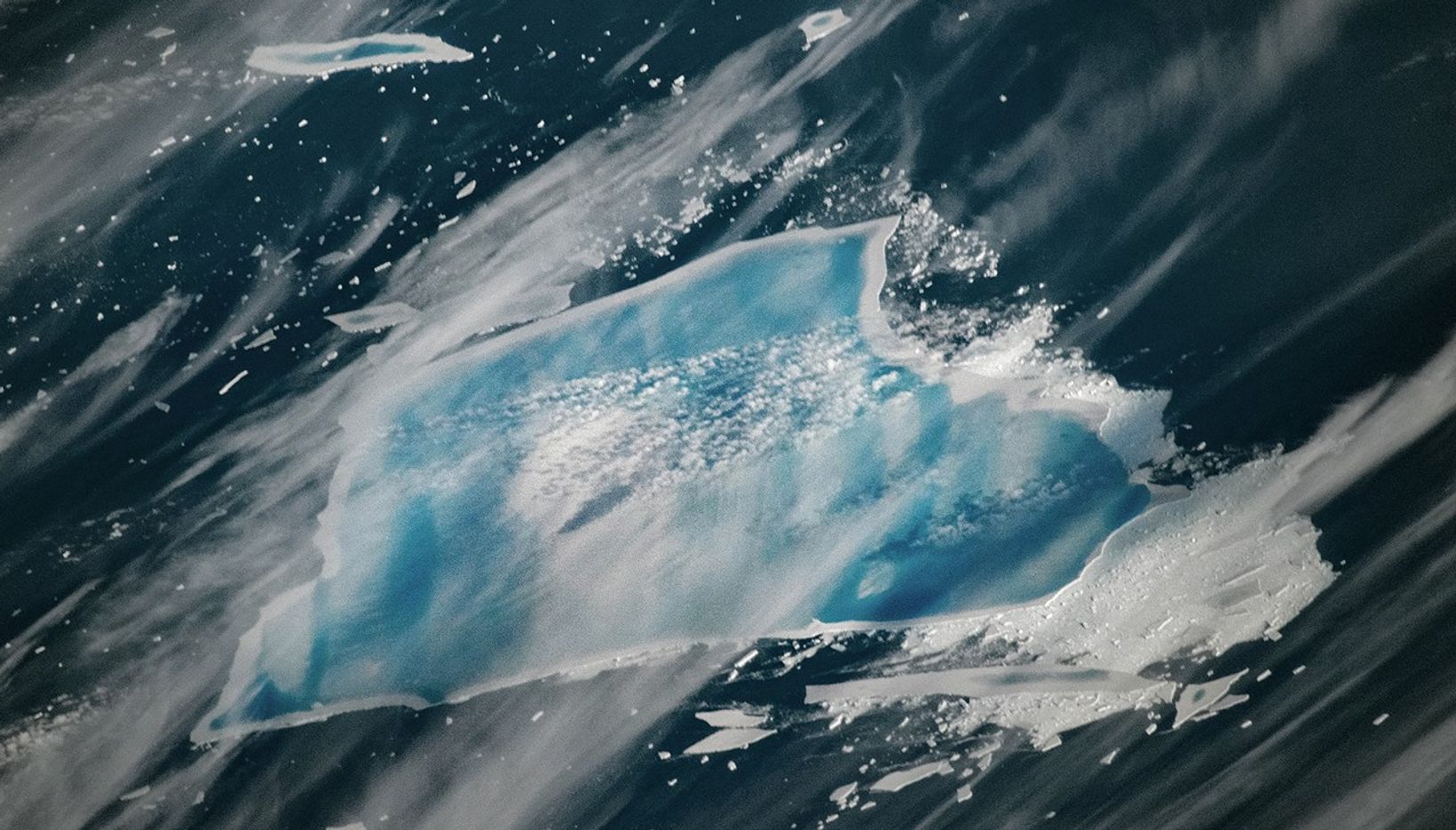
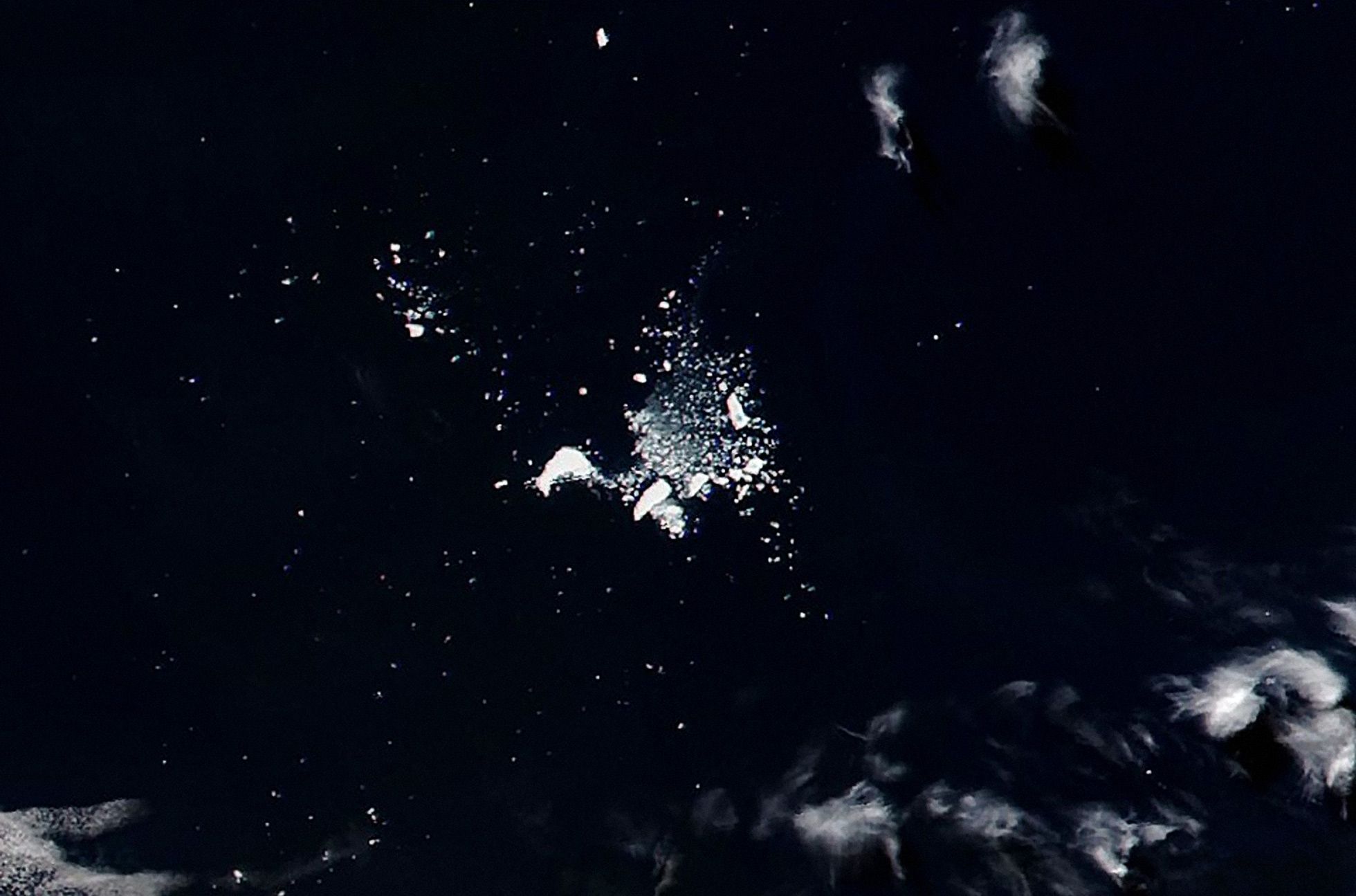
A23a is one of the largest long-lived icebergs that scientists have been able to track. It broke away from Antarctica back in 1986. Its area was 4170 square kilometers - this is approximately the area of Moscow and St. Petersburg combined. Due to its enormous size and weight, A23a ran aground in the Weddell Sea off the coast of western Antarctica and remained motionless for more than three decades. In 2020, the iceberg began to move and drifted in the Southern Ocean for several years. By September 2025, after the separation of several large fragments, A23a ceased to be considered the largest iceberg in the world, and by April 2026 it finally broke into pieces. See what he was like before completing his 40-year journey.