
Translated material
Radev 2.0. Will “Progressive Bulgaria” turn towards the Kremlin?
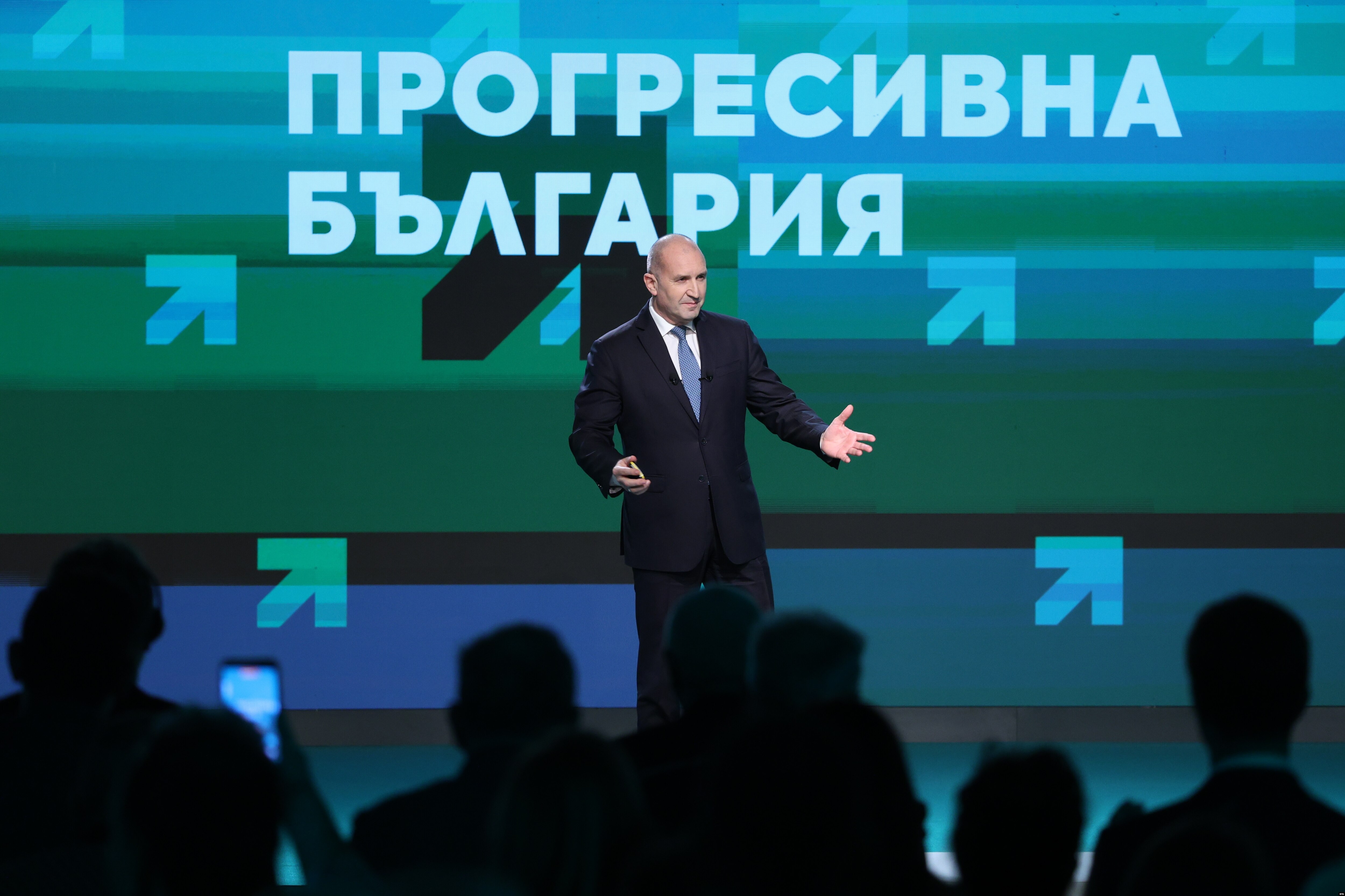
The landslide victory in Sunday's parliamentary elections in Bulgaria by the new Progressive Bulgaria party led by ex-president Rumen Radev has raised many questions about the country's future direction. Radev is often called a pro-Russian politician. Some analysts even predict that he will play the role of “the second Viktor Orban” – the future leader of the Eurosceptic and pro-Kremlin wing in European politics. How justified are these fears?
Hope and mistrust
Progressive Bulgaria, which appeared on the political scene just a few months ago, won about 44% of the vote and will not need coalition partners to form a new government. The main rivals lagged far behind: the GERB party (Citizens for the European Development of Bulgaria) of ex-Prime Minister Boyko Borisov, who was repeatedly suspected of corruption, received just over 13% of the votes, the reformist pro-European coalition “Continue Change - Democratic Bulgaria” of another former head of government, Nikolai Denkov, gained about 12.5%. Radical nationalists did not succeed either: the “Renaissance” of the most pro-Russian politician in Bulgaria, Kostadin Kostadinov, barely overcame the 4 percent barrier.
Rumen Radev, who had previously resigned as president to participate in the parliamentary elections, called the convincing victory of his political force on April 19 “a victory of hope over mistrust” and assured that Bulgaria “will make every effort to continue its European path.” “A strong Bulgaria and a strong Europe require critical thinking and pragmatism. Europe has become a victim of its own desire to be a moral leader in a world with new rules,” the politician added.
Rumen Radev is 62 years old. He is a former military pilot, major general. He studied at military schools in Bulgaria and the USA. In 2016, he was nominated for the post of president of the country by two parties - the socialists and the Alternative for Bulgarian Revival. He was elected in the second round, defeating the candidate of the ruling GERB party. He managed to repeat this success five years later, when he ran for a second term.
Europe has become a victim of the desire to be a moral leader in a world with new rules
As president, Radev was remembered for his difficult relations with the heads of most successive governments. He also took advantage of the features of the Bulgarian constitution, which allows the president to form a transitional cabinet in the event of a government resignation. As government crises have recurred frequently in Bulgaria over the past 10 years, the president's political influence has grown.
Its popularity also grew, mainly due to two factors. Firstly, Radev sharply criticized the oligarchization of Bulgarian politics and the penetration of mafia elements into it during the reign of the GERB party and its long-term leader Boyko Borisov. Secondly, he skillfully played on the sentiments of the pro-Russian part of the electorate, declaring the need for dialogue with Moscow and recalling the economic benefits of importing cheap energy resources from Russia. At the same time, unlike Viktor Orban, Rumen Radev never entered into open confrontation with Brussels, always speaking in the spirit that the future of Bulgaria lies in Europe, but the European Union should take Bulgarian interests into greater account.
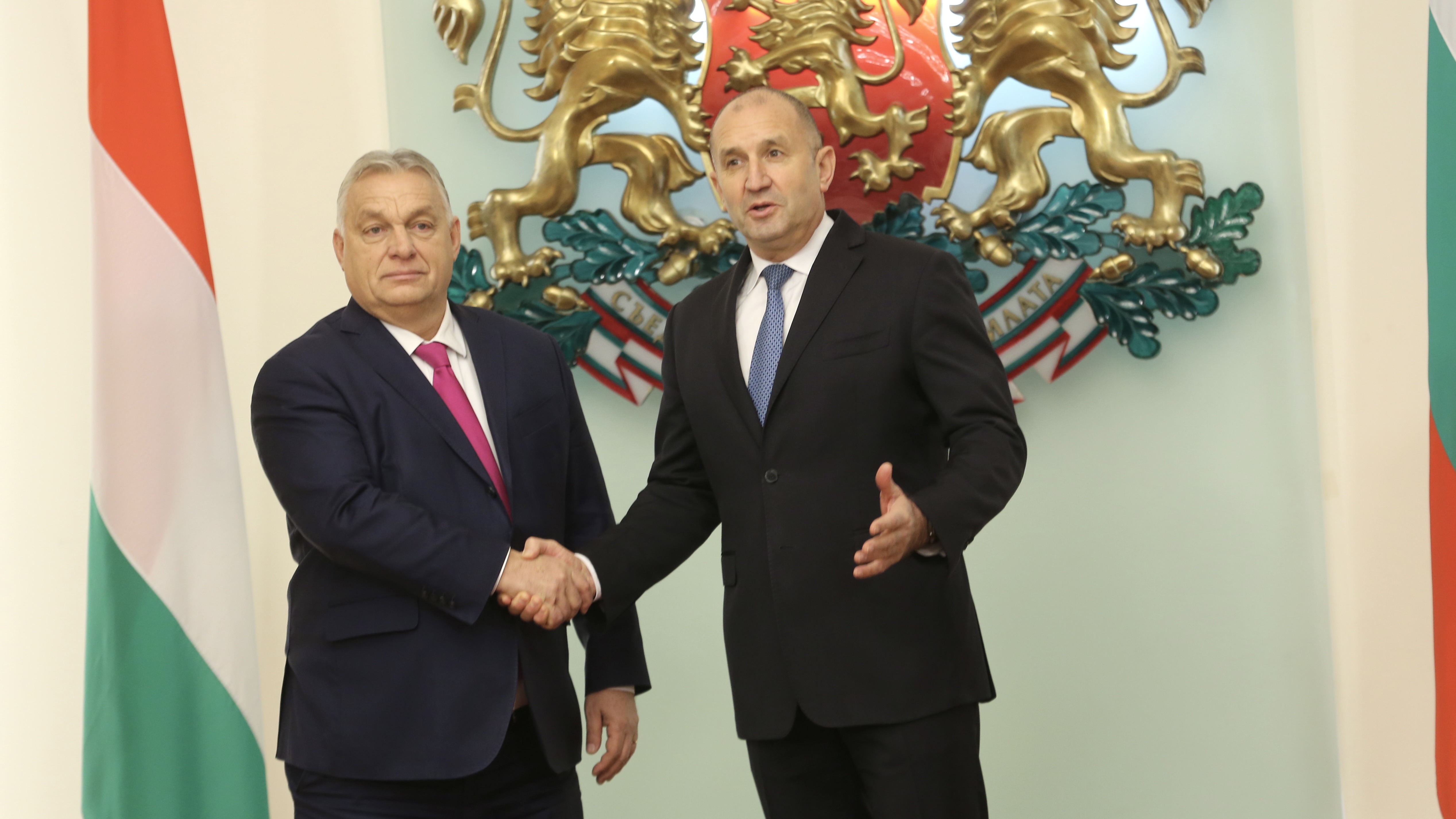
The French newspaper Le Monde recalls that the election winner called for “pragmatic relations with Russia based on mutual respect.” In addition, he criticized the 10-year defense agreement signed in March between Bulgaria and Ukraine, opposed the transfer of Bulgarian weapons to Kiev, but assured that he would not use his country’s veto power to block EU decisions. The latter, warns German Marshall Fund analyst Dimitar Keranov , may change.
“Bulgaria will not leave NATO or the EU, but I think that even if Radev does not initially block aid to Ukraine as actively as the Viktor Orban regime did, we should not exclude the possibility that over time we will see favorable rhetoric towards Russia, more hostile towards Ukraine and, ultimately, a certain blocking [of pro-Ukrainian decisions],” Keranov warns.
My views are completely pro-Bulgarian and pro-European
Radev himself, however, rejects suspicions of his pro-Kremlin orientation. “I don’t see any pro-Russian position in myself. My views are completely pro-Bulgarian and pro-European,” he says . He later explained his 2021 statement that Crimea was Russian as a “recognition of geopolitical reality,” adding that the annexation of Crimea in 2014 was a violation of international law. And the former president and future prime minister explained the criticism of Bulgaria’s entry into the eurozone at the beginning of this year by concern about a possible surge in inflation.
"Defective democracy" and the limits of what is permitted
Dimitar Keranov calls Bulgaria a “defective democracy” with failed decommunization. He warns of his country's vulnerability to Russian influence and disinformation. "Bulgaria did not go through the process of decommunization after 1989 in the same way as happened, for example, in the Czech Republic or in the former GDR. Bulgaria, unfortunately, was a very loyal Soviet satellite and was heavily influenced by propaganda from Moscow. Such propaganda and disinformation obviously continued into the democratic period."
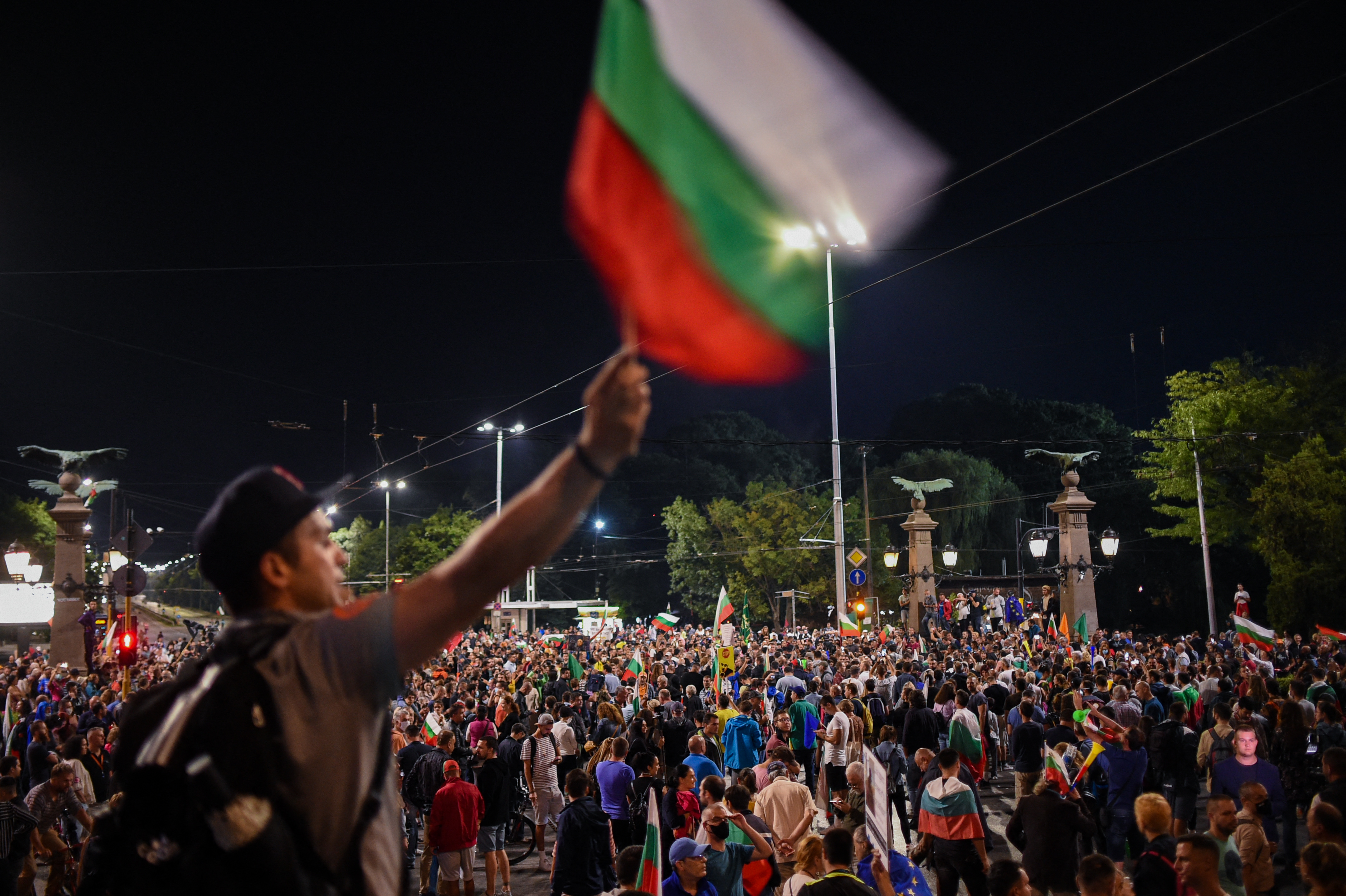
That is why, the analyst adds, many people in Bulgaria have a positive attitude towards Russia. In addition to this, Keranov considers “institutional decline” in his country to be an alarming signal for the EU. "We have a judicial system that does not prosecute violators, and regulators that do not regulate. And now all this has ended up in the hands of one person - Rumen Radev, who has a parliamentary majority. This is a real vulnerability."
The expert explains that in Bulgaria, as in other Balkan countries, there is actually no traditional division of political forces into centrists, right and left, as in Western Europe. First of all, the system relies on “strong figures”: Aleksandar Vucic in Serbia can serve as an example. Radev could become the same “Vucic” in Bulgaria.
“When a system is built around a “strong hand”, and its owner is a pro-Russian politician, then, of course, we should not exclude the possibility that first there will be testing of the boundaries of what is permitted, then a rhetorical shift, and then time will tell whether this shift will turn into something more serious. Viktor Orban also did not become the Orban we know now right away,” warns Keranov.
Few ideas
At the same time, the analyst points to the presence in Bulgaria of such a “fuse” as a strong civil society. It is based primarily on young people familiar with life in the West. “If Radev’s government tries to move too far away from Bulgaria’s established commitments within NATO and the EU, this will certainly cause protests in the streets,” Keranov said.
That is why the new government is unlikely to decide to stop selling ammunition to Ukraine - Bulgaria plays a significant role in their production. A significant portion of the 155mm shells entering Ukraine are produced at the VSW plant in Sopot, east of Sofia.
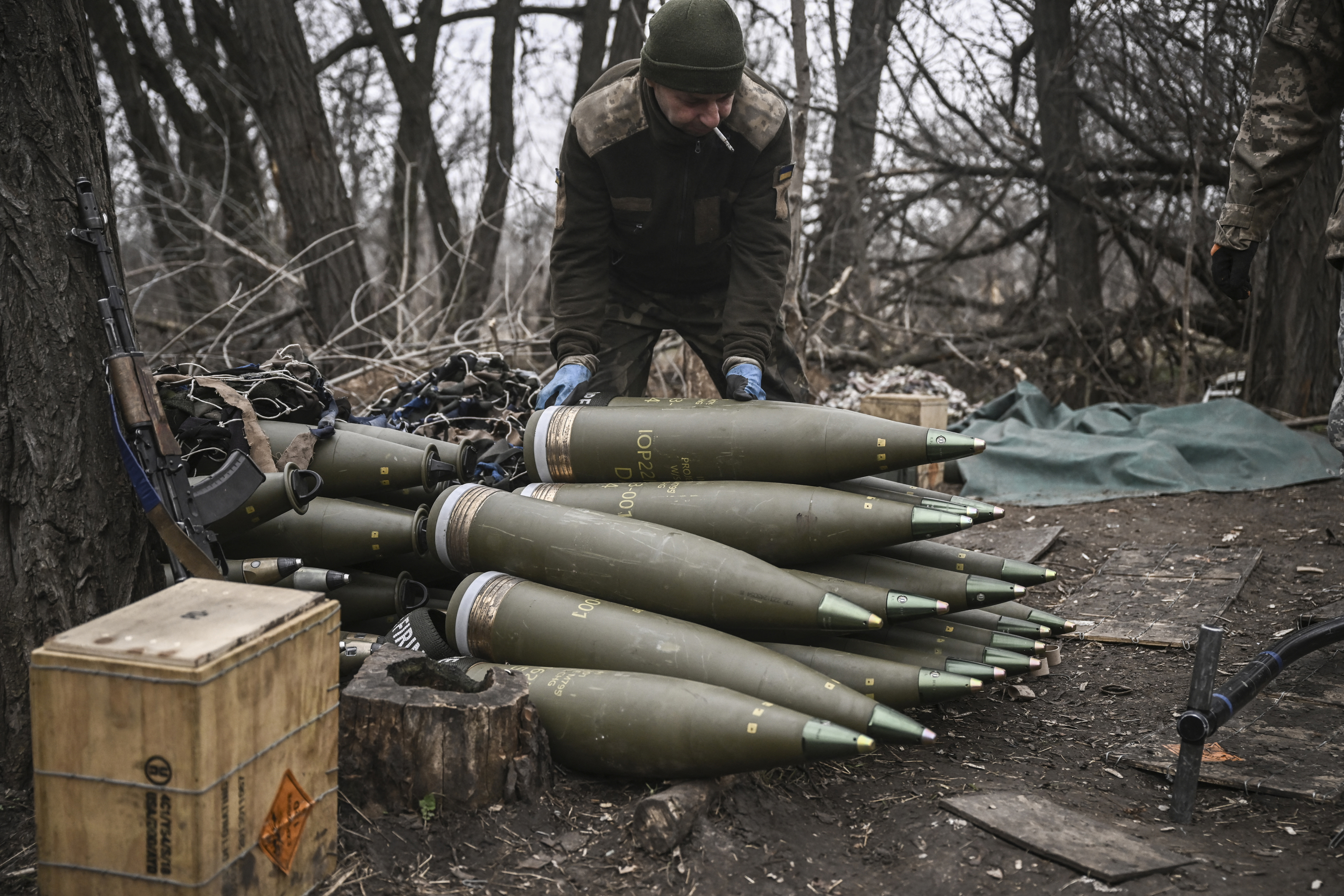
In October last year, the German arms concern Rheinmetall announced the creation of a joint venture with VSW, capable of producing 100 thousand shells per year. The head of Rheinmetall, Armin Papperger, visited Bulgaria and was received with all honor by President Radev. As the BBC notes , as head of the new government, Radev will likely "take a position similar to the approach of Slovak Prime Minister Robert Fico: critical of providing military assistance to Ukraine at the state level, but without any restrictions on private firms."
The main challenge for the country is the economic and demographic crises
It is also considered unlikely that Bulgaria will return to importing gas and oil from Russia, the share of which in the country’s domestic market has decreased significantly after 2022.
Bulgaria joined the EU 19 years ago, but since its entry into the eurozone this year, the cost of living in the country has risen significantly, Reuters notes . The agency recalls the fall of the previous government amid protests against the new budget, which included higher taxes and increased social security contributions.
"The main challenges for the country are the economic and demographic crises," Tihomir Bezlov, a senior researcher at the Center for Democracy Research in Sofia, told Reuters. "The election winners seem to have few ideas for solving any of these problems."
Radev 2.0. Will “Progressive Bulgaria” turn towards the Kremlin?