
Translated material
"The authorities are afraid of books." What is the reason for the searches at the Eksmo publishing house?
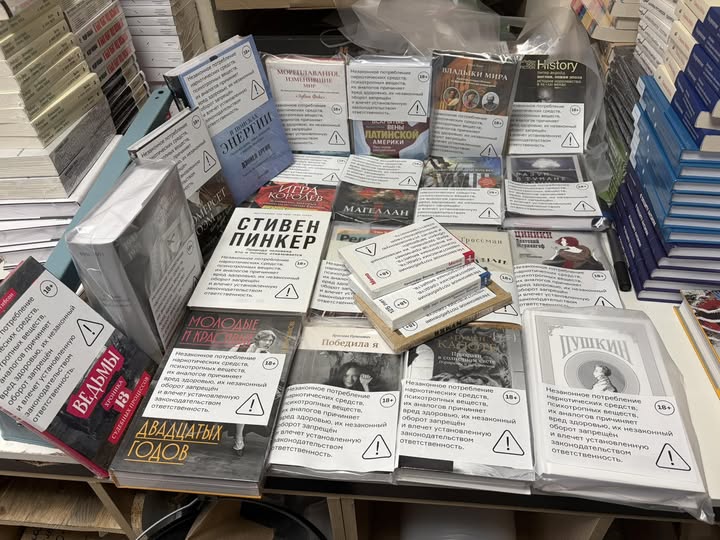
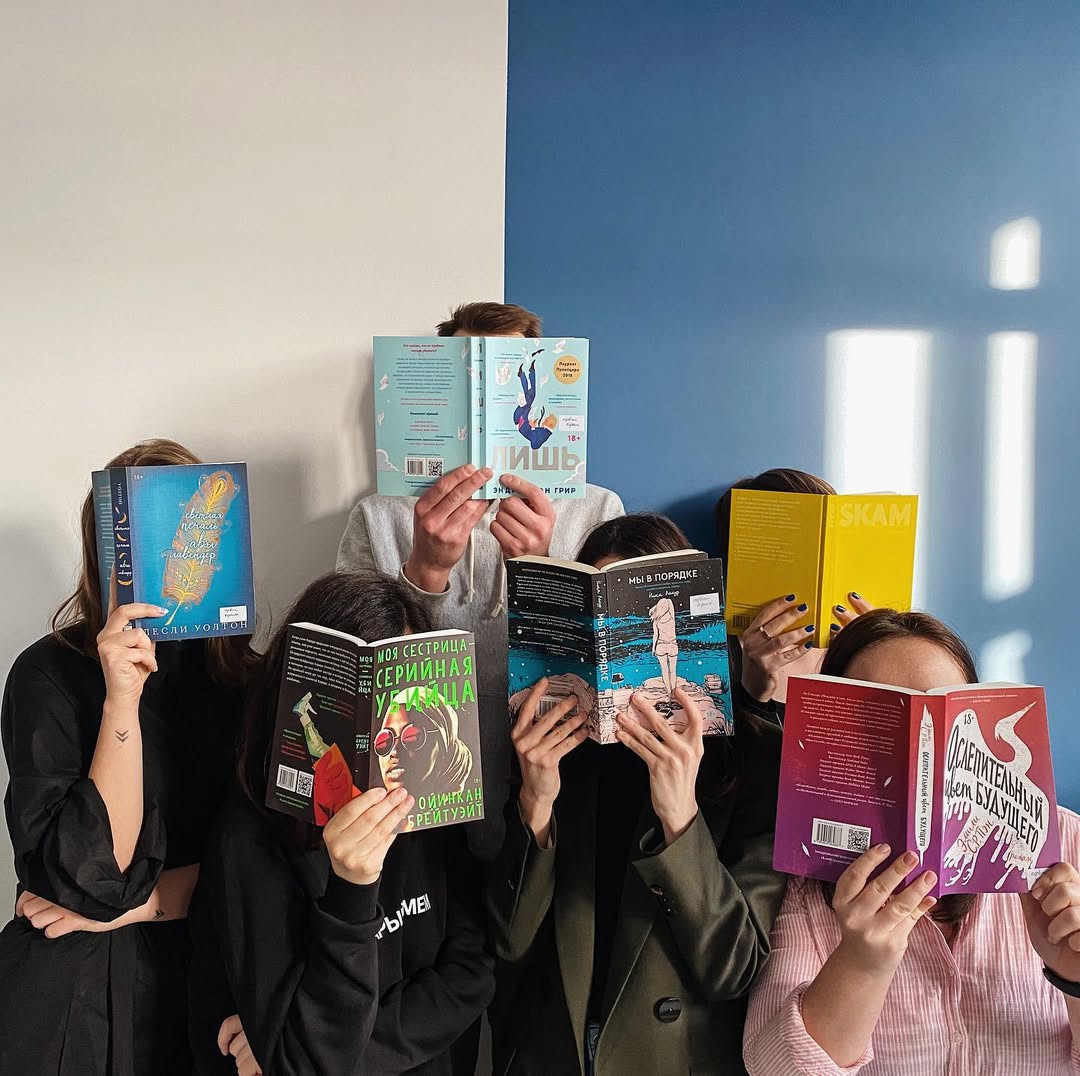
The general director of the Eksmo publishing house, Evgeny Kapiev, and three other employees detained on Tuesday in Moscow are being interrogated in a criminal case on extremism, which was opened in May 2025. This was reported by the Eksmo publishing house and explained that the case concerned several titles of books with signs of “LGBT propaganda” published by the Popcorn Books publishing house before it joined Eksmo.
The publisher says that "several dozen of these books were not reflected in warehouse balances and were sold for some time during the closure of Popcorn Books." This was the accusation made by law enforcement agencies against his former employees. They noted that after the law banning propaganda of “non-traditional relationships” came into force, Evgeny Kapyev issued orders and regulations regulating publishing policy.
Eksmo called the information about foreign funding of the publishing house false, noting that its beneficiaries are Russian individuals, including the president and controlling shareholder of the Eksmo-AST publishing group, Oleg Novikov. They also emphasized that no investigative actions or seizures of books were carried out at the publishing house’s office on Sorge Street in Moscow on April 21.
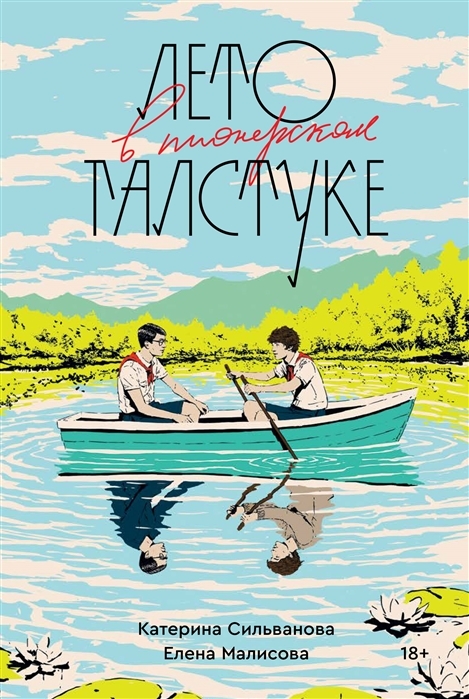
Russian media reported about searches at Eksmo on April 21. The television company REN TV claims that the publishing house's managers have developed a "scheme for distributing LGBT literature among minors." In particular, we can talk about the novel “Summer in a Pioneer Tie.” In 2021, it was published by Popcorn Books, which later came under the control of Eksmo.
The novel by Elena Malisova and Katerina Silvanova, dedicated to homosexual relationships, was banned in Russia, and its authors were recognized as “foreign agents.” In May 2025, three employees of publishing houses associated with Eksmo, including Popcorn Books and Individuum, were detained in the case of so-called LGBT propaganda. The suspects were charged in the case of organizing the activities of an extremist organization, which was previously recognized as a non-existent “international LGBT movement.”
Eksmo is the largest Russian book publishing and trading company, its gross profit in 2024 reached 8.22 billion rubles. In 2025, the publishing house's total revenue increased by more than 18%, taking into account sales of paper and digital books, as well as third-party assortment. General Director Evgeny Kapyev previously spoke about this in an interview with Kommersant. According to him, Eksmo began “to work directly with foreign services, expanding its presence on global platforms.”
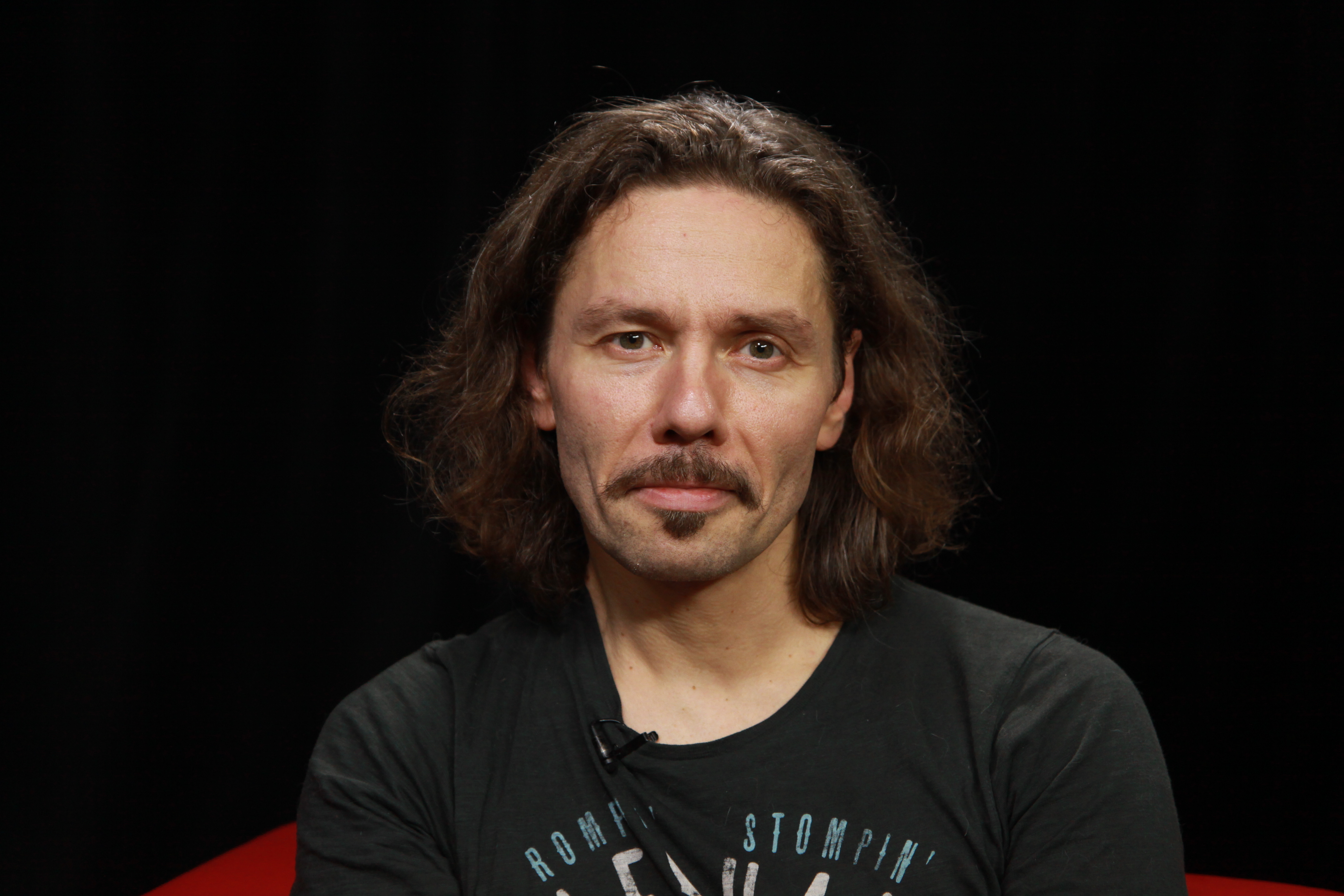
The editor-in-chief of the independent publishing house Vidim Books, Alexander Gavrilov, spoke to Radio Liberty about the reasons for the searches and new arrests at the Eksmo publishing house:
The publishing house Popcorn Books released the novel “Summer in a Pioneer Tie,” after which they began to exert enormous force pressure
– The official version is that Evgeny Kapyev, being the general director of the Eksmo publishing house, created a scheme for distributing LGBT literature in Russia. As we remember, the publishing house Popcorn Books published the novel “Summer in a Pioneer Tie,” after which they began to exert enormous forceful pressure. The famous propagandist Zakhar Prilepin also took an active part in this. After this, the publishing house Popcorn Books was bought by the Eksmo-AST holding, and Popcorn Books became part of Eksmo. But it was still impossible to publish this book in Russia. And then, as in the case of many other books, cases and business problems, Eksmo created a publishing house specifically for Popcorn Books in the territory of the single customs space.
This is an element of intimidation of the holding, which should take a much more servile and less independent position
There these books were printed and then sold to Russia through the trade channels of the Eksmo-AST holding. They have their own huge trading power. This is all happening because of one book. In general, since the beginning of the war, Eksmo has taken a rather bold position. On the one hand, they publish all sorts of Z-trash, like Alexander Prokhanov’s book “Lemner”. On the other hand, they publish many bold books that clearly make it clear what is happening now inside Russia. But they came to them for an idiotic reason in connection with the long-out-of-sale book “Summer in a Pioneer Tie.”
From a formal point of view, the reasons for the searches at the Eksmo publishing house and the detention of Evgeniy Kapyev are clear. At the same time, I am absolutely sure that this is an element of intimidation both of the holding itself, which, according to the authorities, should take a much more servile and less independent position, and of all other market participants. The authorities are trying to make sure that business does not look for workarounds, stops doing its job, looks into the mouth of the state and, at the first whistle, runs to carry out orders from above. “I see that the state is consistently taking hostages, and the arrest of Evgeniy Kapyev is a serious move in this chess game,” Alexander Gavrilov is sure.
The founder of the Freedom Letters publishing house , Georgy Urushadze, believes that behind the searches at the Eksmo publishing house may be the desire of structures close to the authorities to take away the successful business they like:
I think they came not for the general director, but for the entire publishing house
– Eksmo Publishing House is a giant, and in some areas of business it is almost a monopolist. I think they came not for the general director, but for the publishing house as a whole. It seems that this is the taking of property, and not the protection of the younger generation from the “pernicious influence of LGBT people.” "Eksmo" is a structure that depended on its main shareholder Oleg Novikov, and not on some conditional FSB officers or oligarchs. This is a tasty morsel, because some people think that by owning a publishing house, they can do something ideologically correct, properly educate the younger generation, and so on. But this is not just a publishing house, it is also a printing house and a bookselling network. Therefore, from all sides, Eksmo is an attractive object for weaning and bringing under control. Unfortunately, this will not bring anything good.

God forbid there is something in the book that is not prohibited now, but in a month it will be prohibited
Of course, other publishers were angry with Eksmo, because a monopoly is always bad. Other publishing houses seemed very small in comparison, but Eksmo could dictate its terms to the market and directly influence something. But it is wrong to deal with them in this way. Other publishers will now become even more afraid, and the number of books produced will decrease. Now the publishing houses will blow the water. God forbid there is something in the book that is not prohibited now, but in a month it will be prohibited. And publishing is an expensive process: you need to invest, buy the rights, translate, if it’s a translated book, layout and proofread. This is quite a lot of money, and the fines are also large. Therefore, all this is a rather difficult story. Publishers will think that they can come to anyone for any reason.
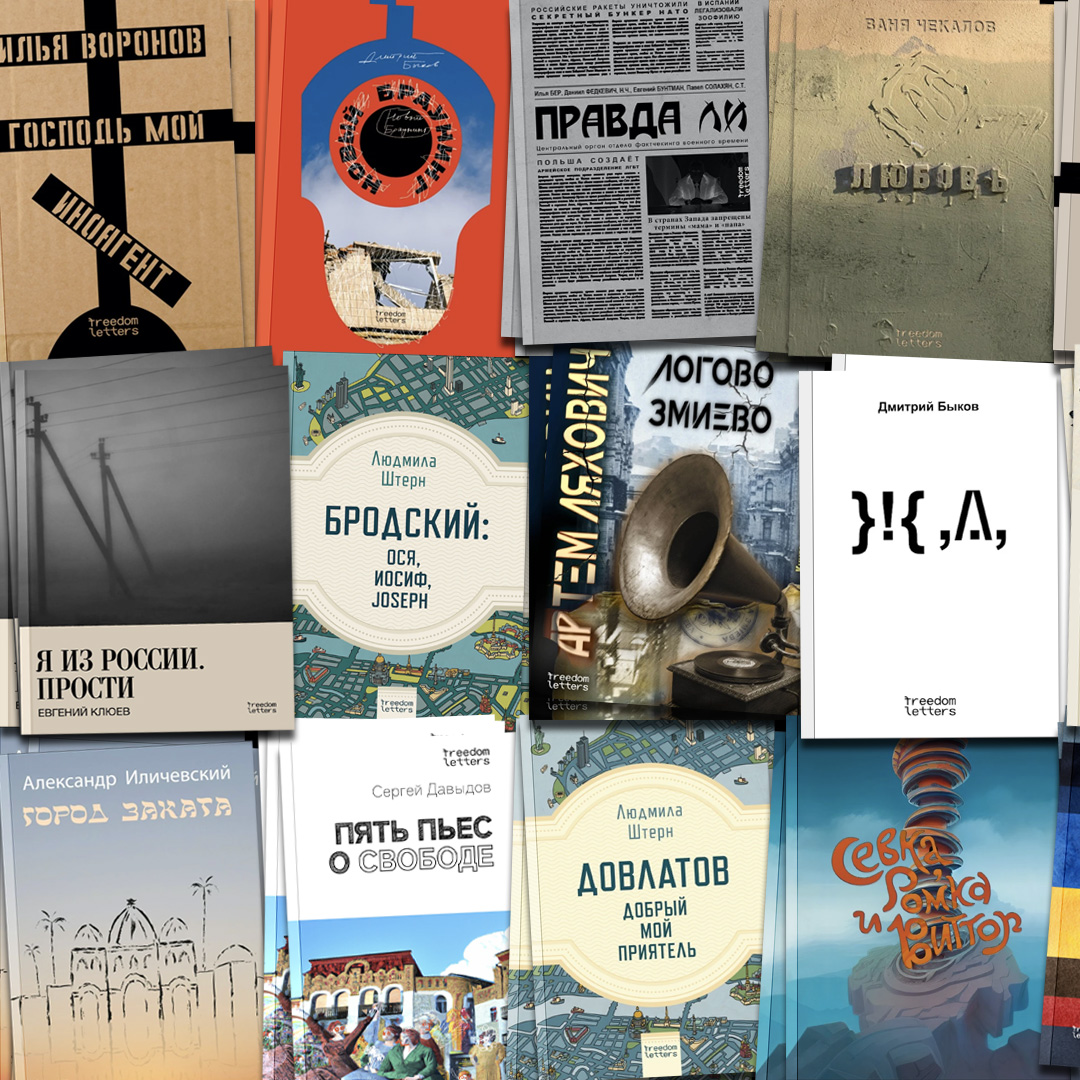
If previously books were the last free media, and you could print anything you wanted, now they are at the center of prohibition measures, and this is very sad. The Russian government has great respect for writers, and this is manifested in the fact that it is extremely afraid of them - it designates them as foreign agents, extremists and terrorists. For example, in Russia, copies of the books “Springfield” by Sergei Davydov and “Mouse” by Ivan Filippov, published by our publishing house, were destroyed . The authorities are afraid of books, and this speaks of their weakness. She struggles with the books, but nothing works. For example, all our books are available in Russia.
Nowadays they read a lot about how Nazi Germany lived and compare it with the current situation in Russia
Since the start of the war in Ukraine, the book market has suffered greatly not only from censorship and fear of criminal prosecution, but also from rising prices, rising taxes, and a decrease in the purchasing power of the population. On the other hand, the public is now actively reading books, for example, George Orwell is back in fashion. It's been a year since 1984 has had record circulation. People look for solace and some meaning in books. Nowadays they read a lot about how Nazi Germany lived and compare it with the current situation in Russia. In a sense, this is also a comforting read, because Nazi Germany has long sunk into oblivion, and there is hope that this regime, which is so afraid of books and writers, will also not last long, says publisher Giorgi Urushadze.
"The authorities are afraid of books." What is the reason for the searches at the Eksmo publishing house?