
Translated material
40 years ago there was an accident at the Chernobyl nuclear power plant. Many liquidators were resettled from Pripyat to Kyiv - for example, to high-rise buildings on Balzac Street
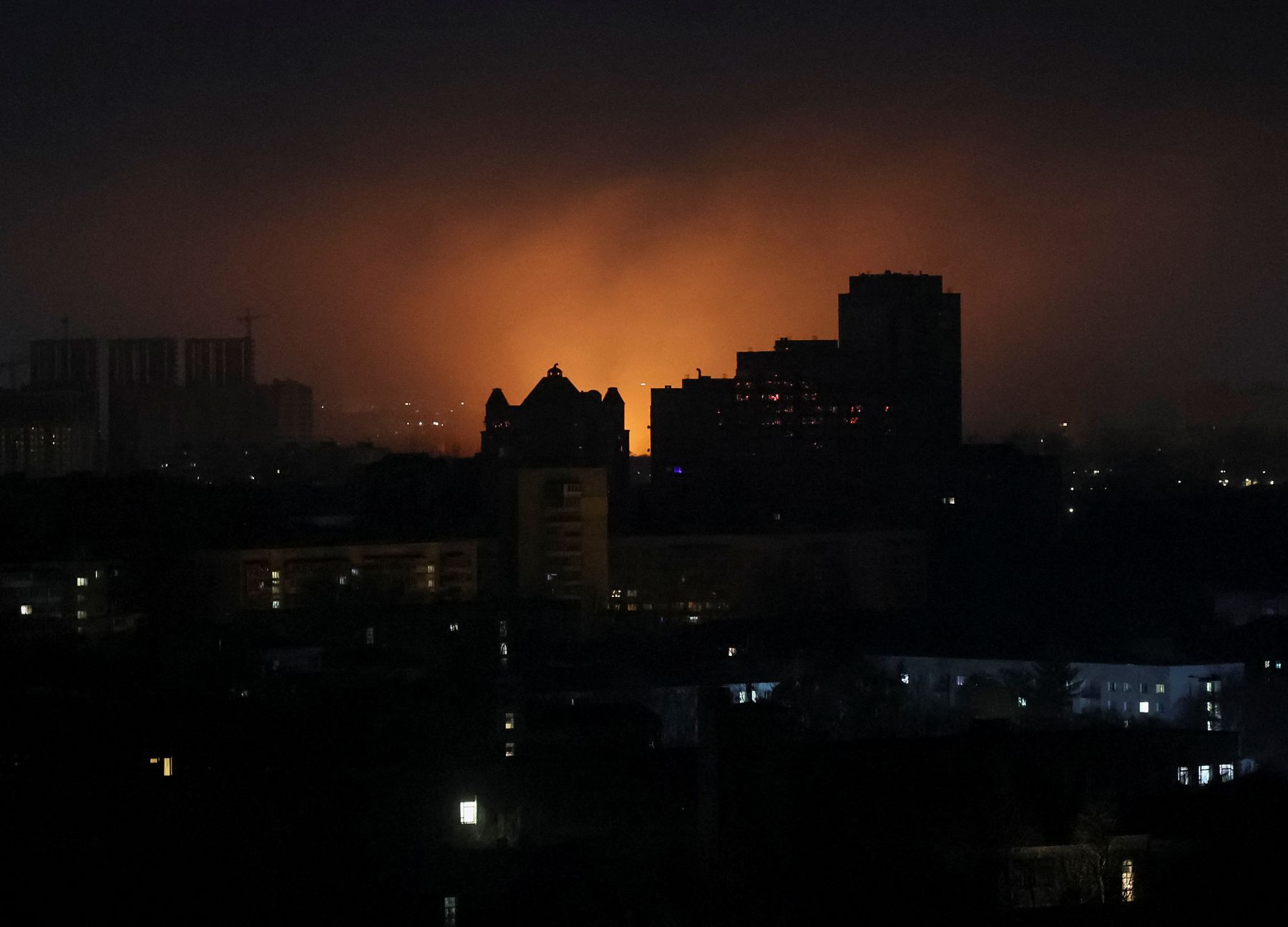
Six months ago, the Russian “Shahed” got into one of them. "Ukrainian Truth" tells how they live in this house today
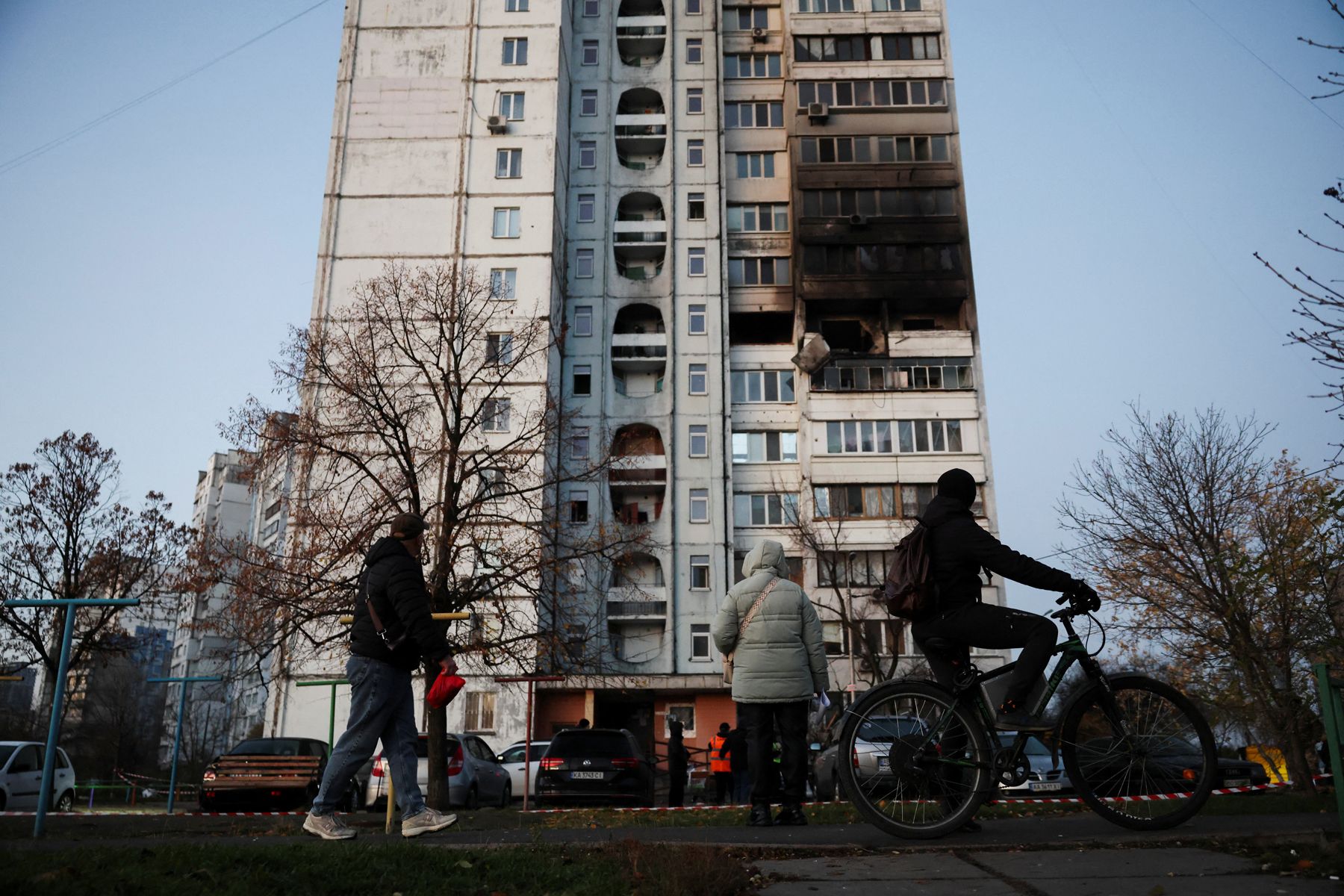
40 years ago - on the night of April 26, 1986 - a nuclear reactor exploded at the Chernobyl nuclear power plant near the city of Pripyat. As a result of the explosion itself, two people died - the operator of the main circulation pumps Valery Khodemchuk and an employee of the commissioning enterprise Vladimir Shashenok. The total number of deaths due to radiation after the accident is estimated at 4 thousand people . The affected residents of Pripyat were given housing, including in Kyiv in Troyeshchina. In particular, Valery Khodemchuk’s widow, Natalya, moved to one of these “Chernobyl” high-rises. On November 14, 2025, she died during the shelling of the city - a Russian “Shahed” hit the house. “Ukrainskaya Pravda” on the eve of the anniversary of the Chernobyl disaster talks about the residents of this house, their memories and destinies against the backdrop of the war between Russia and Ukraine. "Medusa" retells this material.
Natalya Khodymchuk is the widow of the first person killed in the Chernobyl disaster, Valery Khodymchuk. In November 2025, the Russian “Shahed” hit the house where she lived in Kiev - Natalya received 45% burns to her body and died. She was 73 years old.
The house where Natalya lived is one of the so-called “Chernobyl” candles on Balzac Street. 40 years ago, almost 16 thousand people moved here from Pripyat. Ukrayinska Pravda journalists Rustem Khalilov and Mikhail Krigel spoke with some residents of the Chernobyl house.
Fourth floor. Apartment Samoilenko
Albina Samoilenko, who lives on the fourth floor of a high-rise building, remembers many good things about Pripyat. It was a “city of the future”: a sports complex, a music school, shops where the word “shortage” was not known, a Ukrainian-style pub with waiters in embroidered shirts, white sand on the banks of the Pripyat River. And the apartment is a large four-room, with new furniture.
At the time of the accident, Samoilenko was on shift - she worked in the decontamination workshop. I didn’t hear the explosions, but I guessed what happened after work, when I was driving past the fourth block. Albina knew that her husband, a dosimetrist, was probably already there, but did not understand the scale of what had happened. On the way home, I stopped at the store to buy groceries for the First of May.
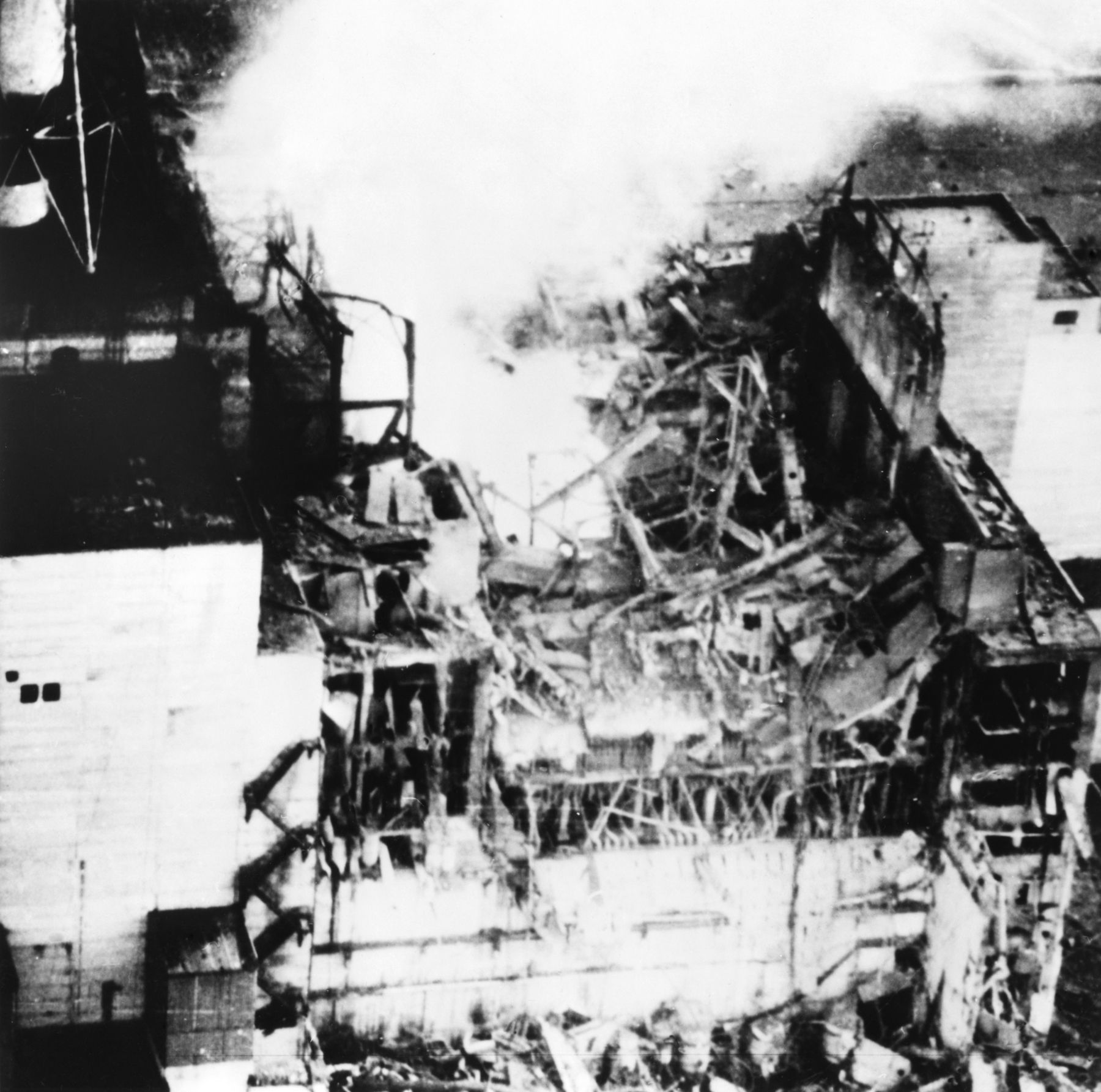
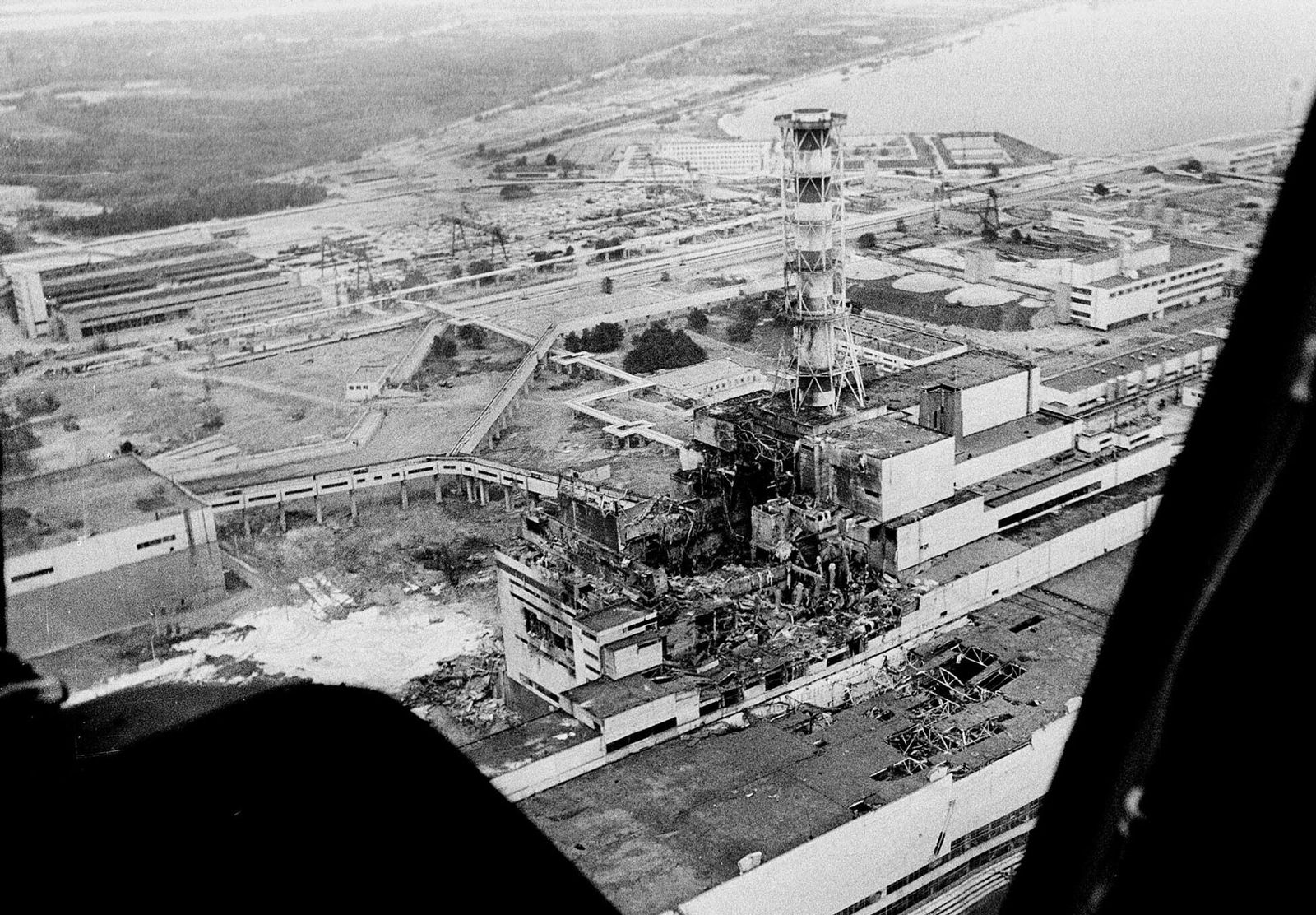
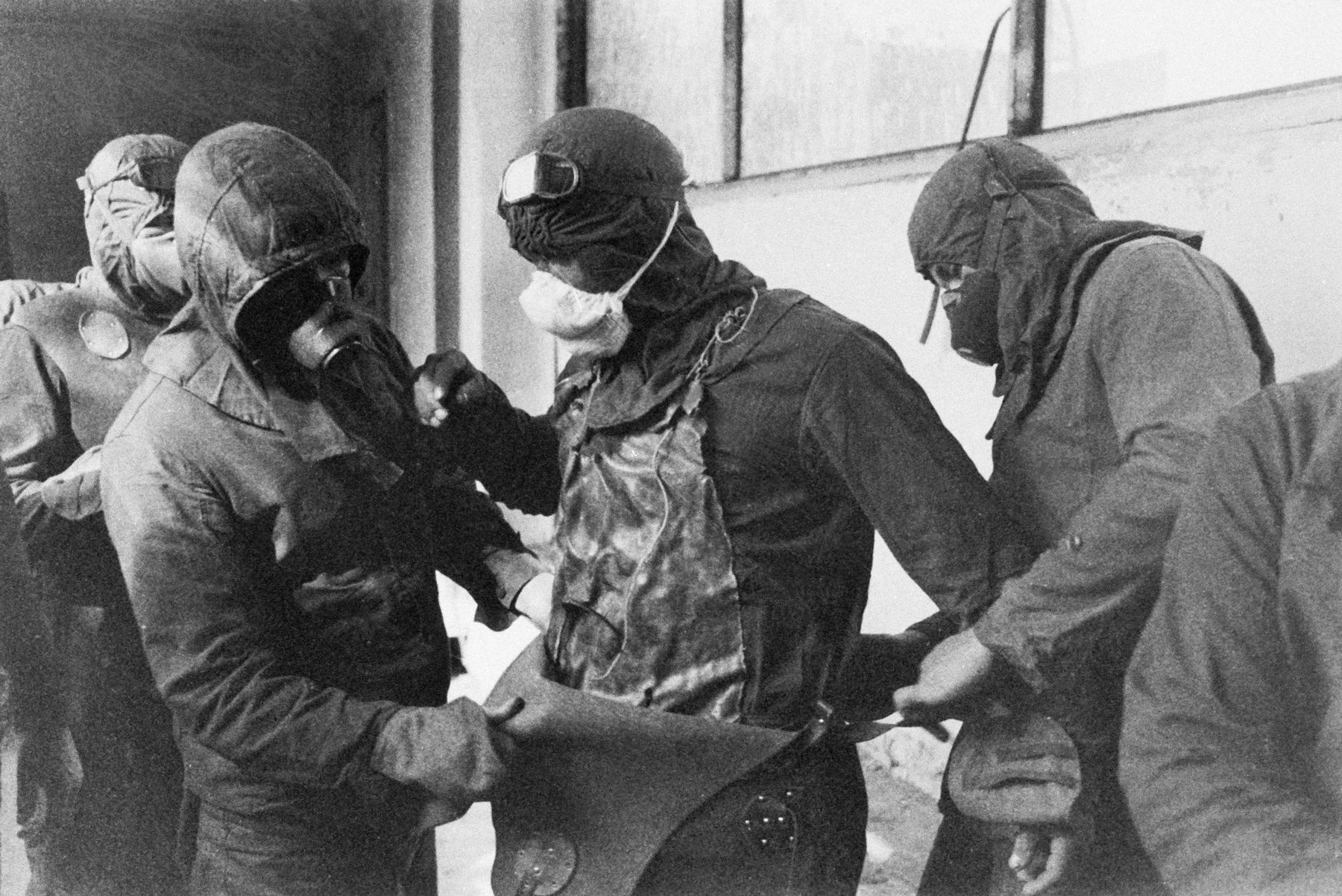
The next night, she returned to work, but the station employees were told to pack up and leave town. They told us to take tracksuits and food for three days in case we had to sleep in tents. It was possible to take seven bags of personal belongings - porcelain figurines brought from Pripyat are still kept in her apartment, Ukrayinska Pravda correspondents write. All things were checked with a dosimeter.
Housing in Kyiv was found quickly - the Samoilenko family moved into a new apartment on August 2 of the same year. The secret turned out to be simple, the house on Balzac Street was taken away from other people, Albina says in an interview with Ukrayinska Pravda. It was a cooperative building, built with money from future residents. They were waiting for the house to be renovated “excellently,” and at that time people who came from Pripyat moved in there. Samoilenko says:
Therefore, of course, we were not greeted with bread and salt. It was the same story in the neighboring house - they cut the door and broke the windows. We got along fine here. But two years later, housing was built for these people [who invested in construction].
The four-room apartment had bare walls and unpolished parquet flooring. The first night we spent on the floor, sleeping on the Pravda newspaper. Albina’s husband checked the belongings of those entering with a dosimeter, sitting on a bench at the entrance. He said that it was necessary to throw it away - many had to get rid of carpets.
In Pripyat, Albina Samoilenko received a radiation dose of 84 rem , her husband received 170 (the norm is from 0.5 to 1). Both were treated for a long time, including at the Sixth Clinical Hospital in Moscow, where victims of Chernobyl were taken. Albina talks about her current life:
We have a free travel certificate. In the minibus you show it and hear: “Are you still alive, Chernobyl victims?” That's why I don't use this ID. I'd rather pay.
In 2010, Albina’s husband died of lung cancer. According to her, in the house “everyone’s men fell apart,” and many developed cancer. On the fourth floor, all the men had already died.
Ninth floor. Apartment Ananenko
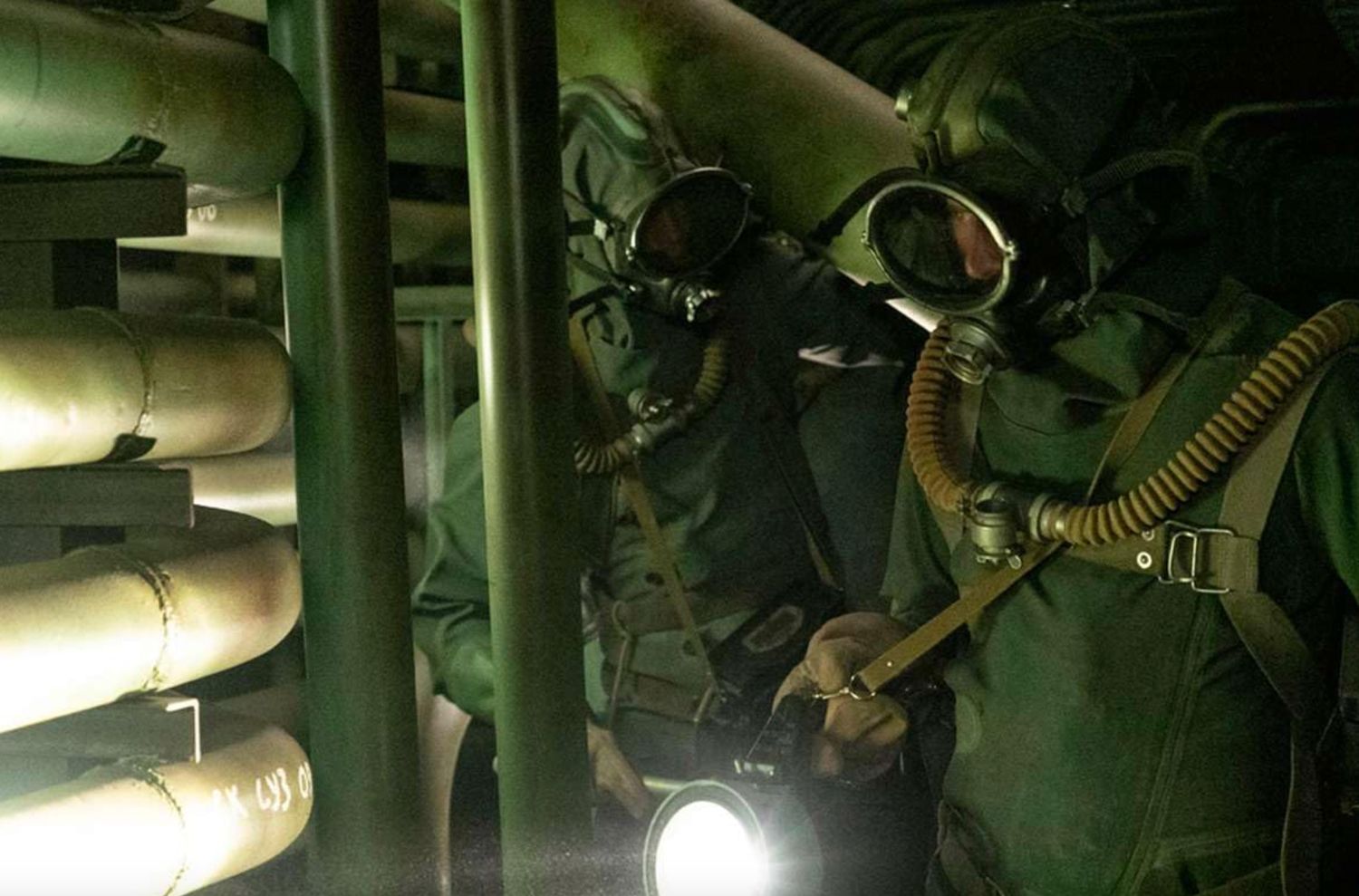
In the HBO series Chernobyl, there is a scene where three divers are sent to certain death - they have to drain the water from the pool under the destroyed reactor to prevent another explosion. Among them is a young man with a red beard named Ananenko. He survived and today lives in a house on Balzac Street.
Alexei Ananenko's wife Valentina recalls:
When the series came out, teachers from the school next to us were teaching some kind of lesson about Chernobyl. And they talked about three divers who died after this operation. And our neighbor boy says: “No, this man lives next to us.”
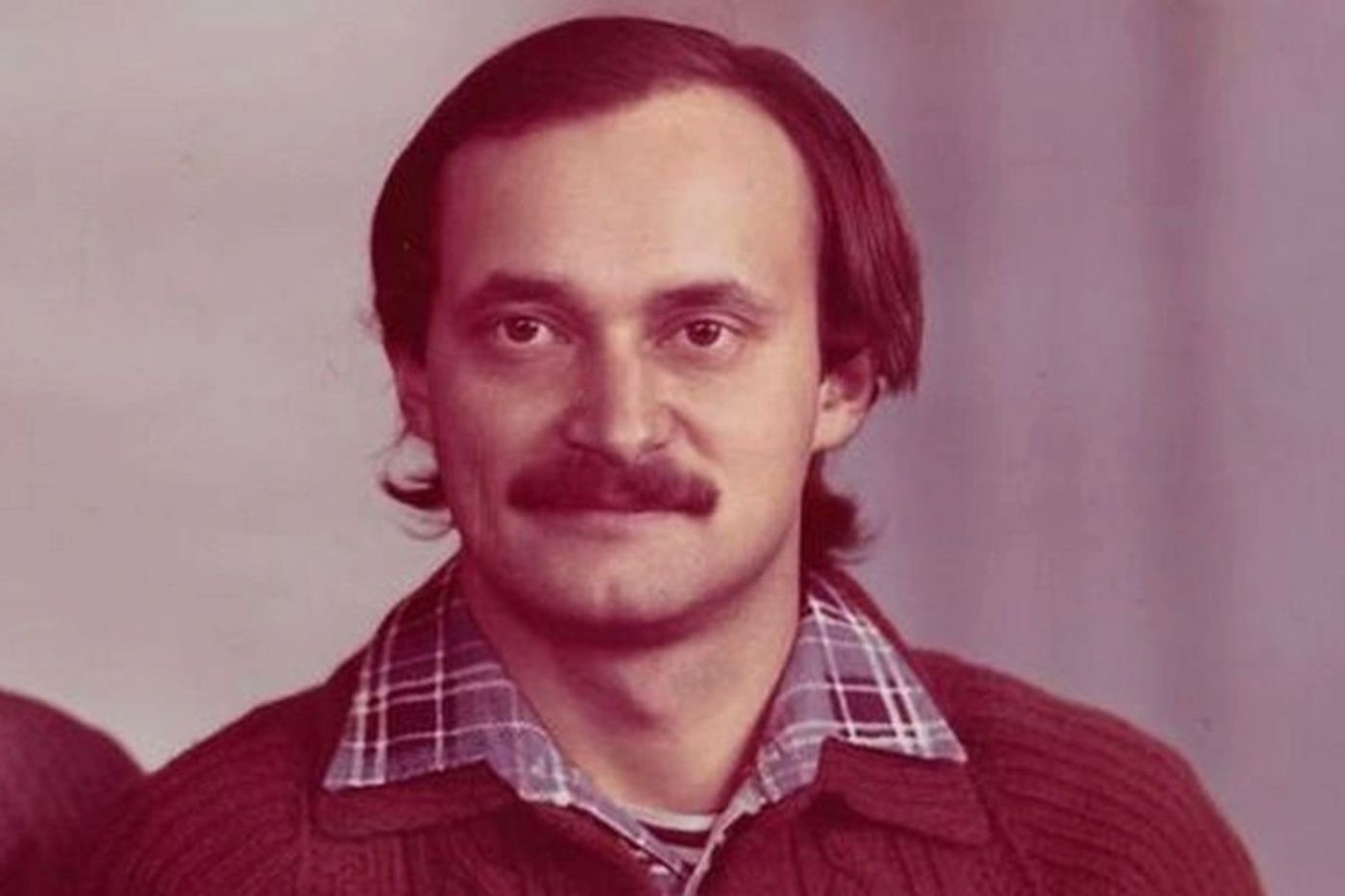
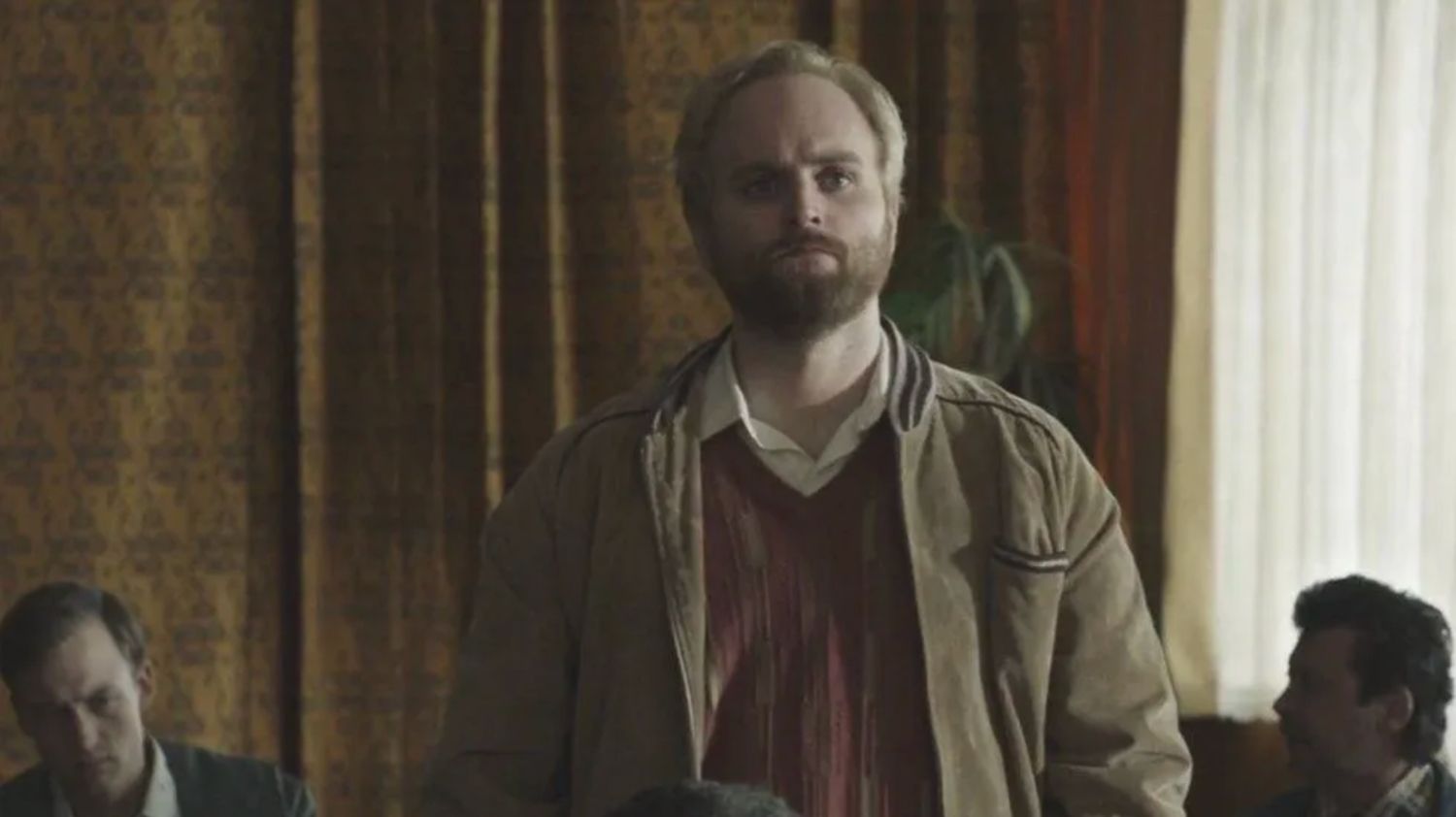
Alexey was born in Russia, graduated from college in 1983, and chose Pripyat for his future place of work: good salary, magical nature. After the accident, he worked at the Chernobyl Nuclear Power Plant on a rotational basis for three more years; at the age of 29 he was fired for health reasons - due to heart problems. He got a job as an engineer in Kyiv.
Valentina was born in the Kharkov region, worked as a knitter at a knitting factory in Kyiv. She and Alexei got married six years after the disaster - at the same time she moved to his apartment on Balzac. Two rooms, 28 square meters, in which he, she and his mother lived. The mother-in-law, according to Valentina, was worried that Alexey would not get married for a long time (he was 32 on his wedding day) - he was afraid, did not know what would happen to him tomorrow.
Alexey and Valentina have seen the series “Chernobyl”, they tell Ukrayinskaya Pravda, - according to Ananenko, there are mistakes there. Instead of scuba gear, they only had “Petal” respirators; after completing the task, no one treated them to vodka. And yet, it was largely thanks to the series, according to the family, that Alexey received the star of Hero of Ukraine - in June 2019, Vladimir Zelensky signed a decree on the award. Valentina concludes:
I think only because Alexey’s last name was in the film. Perhaps it's fate.
In 2017, Alexey was hit by a car at a pedestrian crossing, he received a traumatic brain injury and spent 36 days in a coma. Energoatom allocated him 70 thousand hryvnia for treatment, but this money was only enough for two weeks in the hospital.
At the beginning of Russia's full-scale invasion of Ukraine, Alexey and Valentina first left for Slovakia, but then returned. During shelling, they do not go to the shelter, which is located 300 meters from the house. Alexey sits with the dog in the corridor, Valentina remains in the room. In November 2025, when Shahed arrived, “it was loud,” says Valentina:
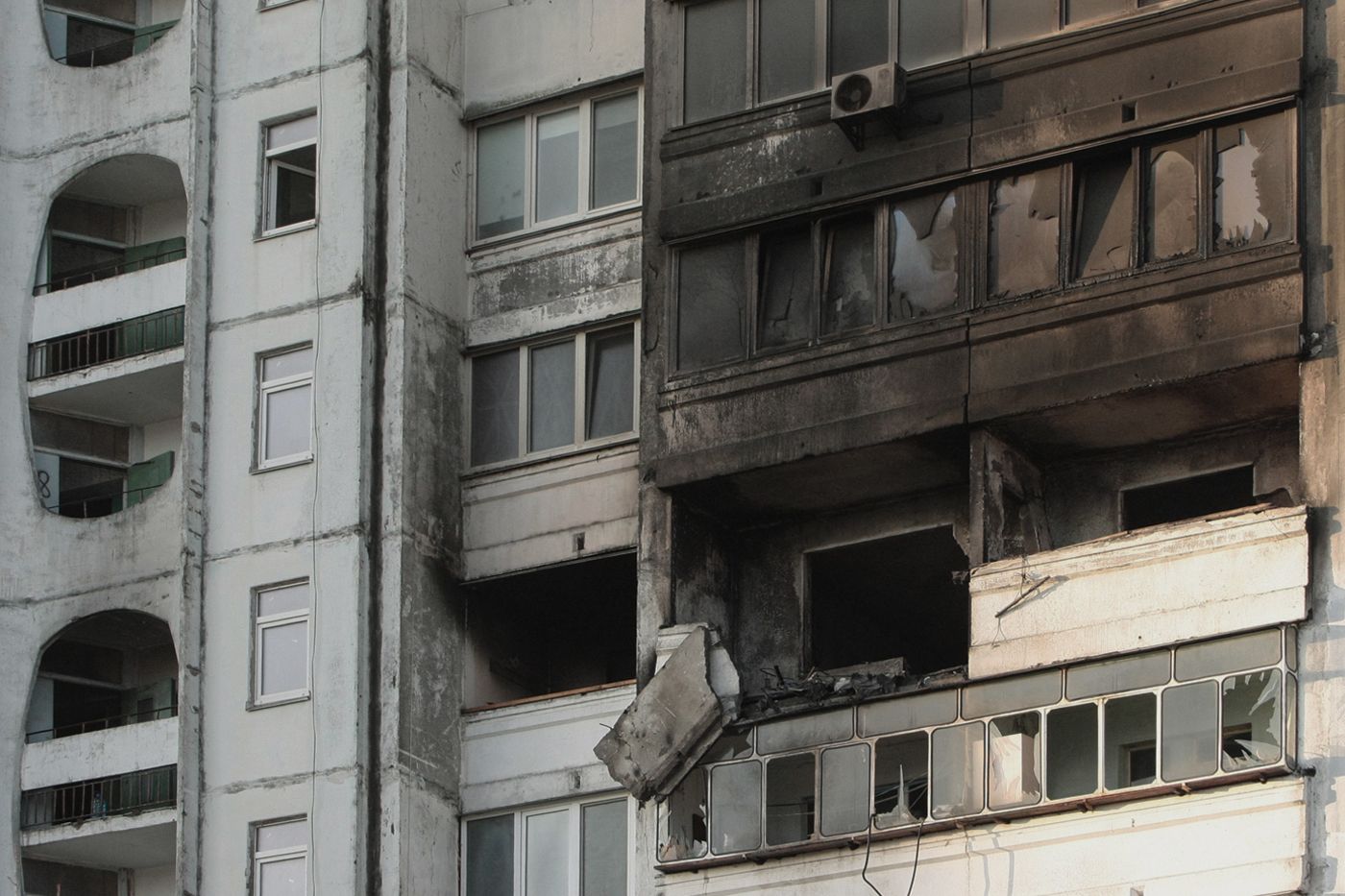
First, “Shahed” arrived, then the frost hit, then the heating was turned off. It seems that only at the beginning of May there should be a tender and they will begin to restore those two completely burned apartments. It's very scary on the seventh floor. Everything there is black, no one even cleaned anything.
Despite her fatigue, Valentina radiates peace. She says that every morning she knows why she wakes up - to do something for Alexey: “If I were alone, I probably wouldn’t do half of it.”
Seventh floor. Apartment Khodymchuk
In the series “Chernobyl” there is a scene dedicated to the first person killed in the accident. A man in a white coat is looking for Valery Khodemchuk, the operator of the main circulation pump of the 4th power unit. In one of the rooms he meets a disoriented colleague, who asks “Is this war?” Valery will never be found, only a shirt will be put in the coffin.
Forty years later, in another war, his wife, Natalya Khodymchuk , also died, into whose apartment “Shahed” ended up. She died the next day from her burns in hospital.
Today, the site of her apartment, writes Ukrayinska Pravda, is pitch black, the windows are boarded up to keep the cold out. Six months after the shelling, a thick burning smell remains on the stairs.
A few days before Natalya’s death, Albina Samoilenko met her from the fourth floor. According to her, the neighbor led an active life and was very sociable - for example, she gathered women around her who knitted woolen socks and belts for the front. The new batch was handed over just before the shelling. That day she wanted to go to the dacha, but changed her mind.
Natalya met Valery in Pripyat. He worked at a nuclear power plant, she was a saleswoman in a local canteen. They got married and in 1975 received a spacious apartment where they raised two children. Natalya recalled about their last meeting:
Valera was getting ready for the night shift; a film about arranged love was shown on TV. I hugged him and asked if he married me for love. He smiled and replied: “Of course, for love!”
The famous Ukrainian artist Maria Primachenko was Valery’s aunt. She dedicated a painting to her deceased nephew, which depicts a blue bird with outstretched wings. The picture is signed like this:
This bird is flying, looking for its man. And he is nowhere to be found. His body was scattered throughout Ukraine.