
Translated material
Alien War
After decades of conflict, Lebanon and Israel are negotiating peace again: what was it like before and what can we expect now?

The Second Lebanon War of 2006 began after Hezbollah attacked an Israeli military post. In the photo: the Israeli army fires at militant positions. DAVID GUTTENFELDER / AP / TASS
On April 23, 2026, another round of direct negotiations between Israel and Lebanon took place in Washington under the mediation of the United States. For the first time in decades, at this level, representatives of countries at war sat opposite each other and talked in concrete terms about how to bring peace closer.
Following the meeting, the administration of President Donald Trump announced that the parties had agreed to extend the ceasefire for another three weeks. The short-term truce, which initially took effect in mid-April, was intended to pave the way for discussions on a broader agreement, including border security, Hezbollah's presence and a possible long-term settlement. The new extension, US officials said, should give the parties time to work out more sustainable agreements despite remaining differences on key issues. For Lebanon, which has been raising a generation in the ruins of an endless war, these negotiations are a breath of hope. However, previous attempts did not justify this hope.
How the war started
Lebanon and Israel were not original enemies in the traditional sense - their enmity grew out of the broader Arab-Israeli conflict that erupted after the creation of Israel in 1948. A decisive turn occurred in the 1970s, when Palestinian armed groups, expelled from Jordan after internal conflict (remember Black September 1970), moved to Lebanon and settled in its south. From there they began to attack Israel, and the Israeli army launched retaliatory strikes on Lebanese territory.
Against this background, a civil war broke out in Lebanon itself in 1975 - a conflict no longer between Israel and the Palestinians, but within the country: between Christian parties and militias, on the one hand, and a coalition of Muslim and leftist groups, including Palestinians, on the other. Palestinian armed groups became part of this internal conflict, supporting one of the sides, which further dragged Lebanon into someone else's war and at the same time turned it into its own. The state was cracking at the seams, the army was split, and the south of the country was virtually out of Beirut's control.
Under these conditions, Israel sent in troops in 1982 to oust Palestinian forces and gained a foothold in the south for many years. During the same period, Hezbollah began to form - a Shiite armed movement created with the support of Iran, which, after the 1979 revolution, began to actively expand its influence in the region and build that very “Shiite arch”, through which it was going to put pressure on the “little Satan”, that is, on Israel.
Tehran sent money, weapons and trainers to Lebanon, helping to build an organization that combined religious ideology and armed struggle. For part of the Shiite population of the south, caught between Israeli attacks and the lack of protection from the official army, Hezbollah has become an ersatz state. Soon it turned into a key player - political and military, essentially forming a “state within a state.”
And from that moment on, the conflict became direct: Israel is fighting Hezbollah on Lebanese territory, and Lebanon itself remains the arena of this protracted war.
Ghost of a Torn World
Even now, as negotiations continue and appear promising, in southern Lebanon, Israeli drones still buzz over mangled olive groves and the Litani River flows murky water, disturbed by collapsed bridges.
And yet here, with the mediation of the United States, the parties agreed to begin direct negotiations. Negotiations are fragile, fraught with difficult conditions and clouded by the memory of every previous failure. But they are coming. And in villages that remain empty, some residents dare to hope that this time the guns might actually be silenced.
To understand why this hope seems so uncertain, we need to go back to the last major attempt at a settlement.
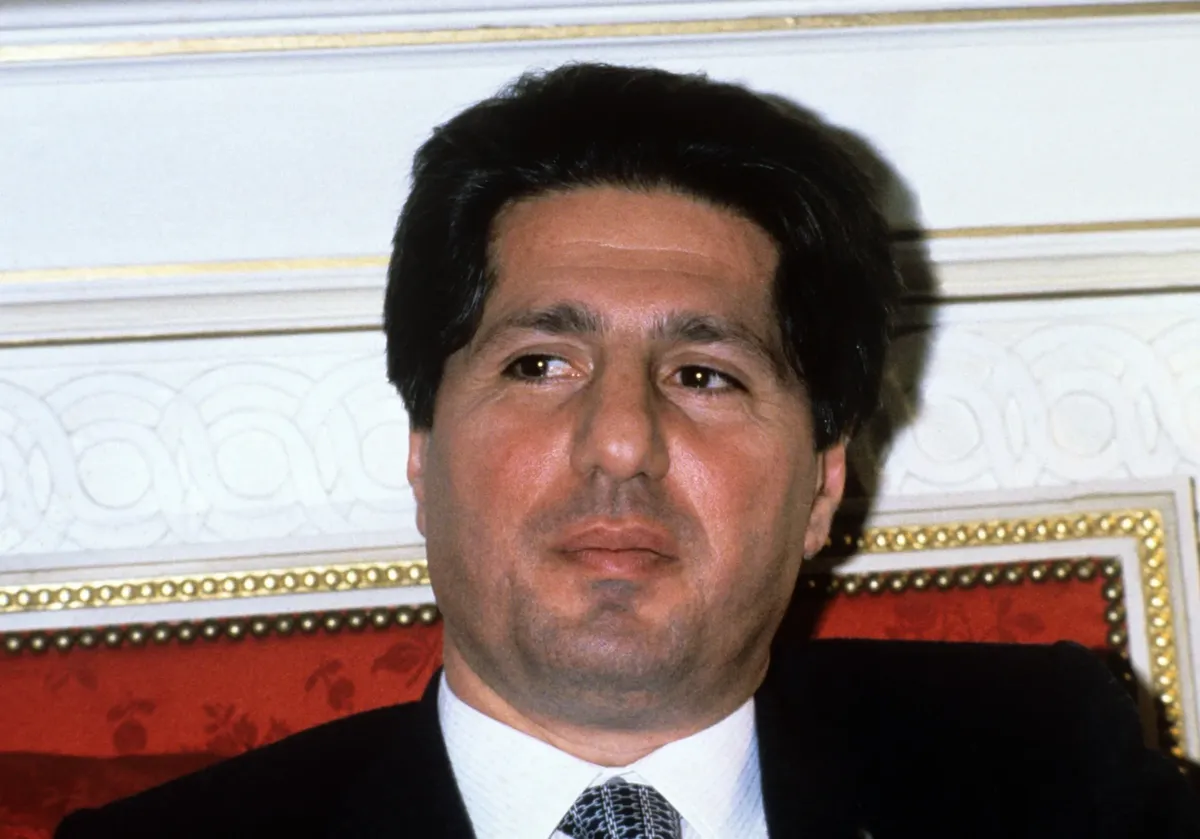
In 1983, Amin Gemayel, a Christian politician and president of Lebanon who came to power after the assassination of his brother Bashir Gemayel, who was elected president but died in a terrorist attack before taking office, signed the so-called May 17 Agreement with Israel. This agreement was supposed to be a breakthrough: according to it, Israeli troops would be withdrawn from Beirut and large parts of Lebanon in exchange for the normalization of relations and the creation of a security zone in the south. The United States welcomed this agreement; the Gemayel government, based on Christian forces, believed that this would restore sovereignty.
But the agreement lasted barely a year. Nabih Berri, leader of the Shiite Amal movement, speaking outside parliament, called it “a document of humiliation and shame.” He insisted that the agreement was concluded under pressure from the United States and Israel and actually legitimizes their military presence in the south of the country; that this is an imposed compromise. There was also a point related to Lebanese internal politics: in the context of the civil war, the agreement was perceived by the Shiites as a unilateral step by the Christian leadership, capable of further splitting the country. By opposing it, Berry sought not only to disrupt it, but also to strengthen the positions of those forces that were betting on continuing the war and rapprochement with Syria.
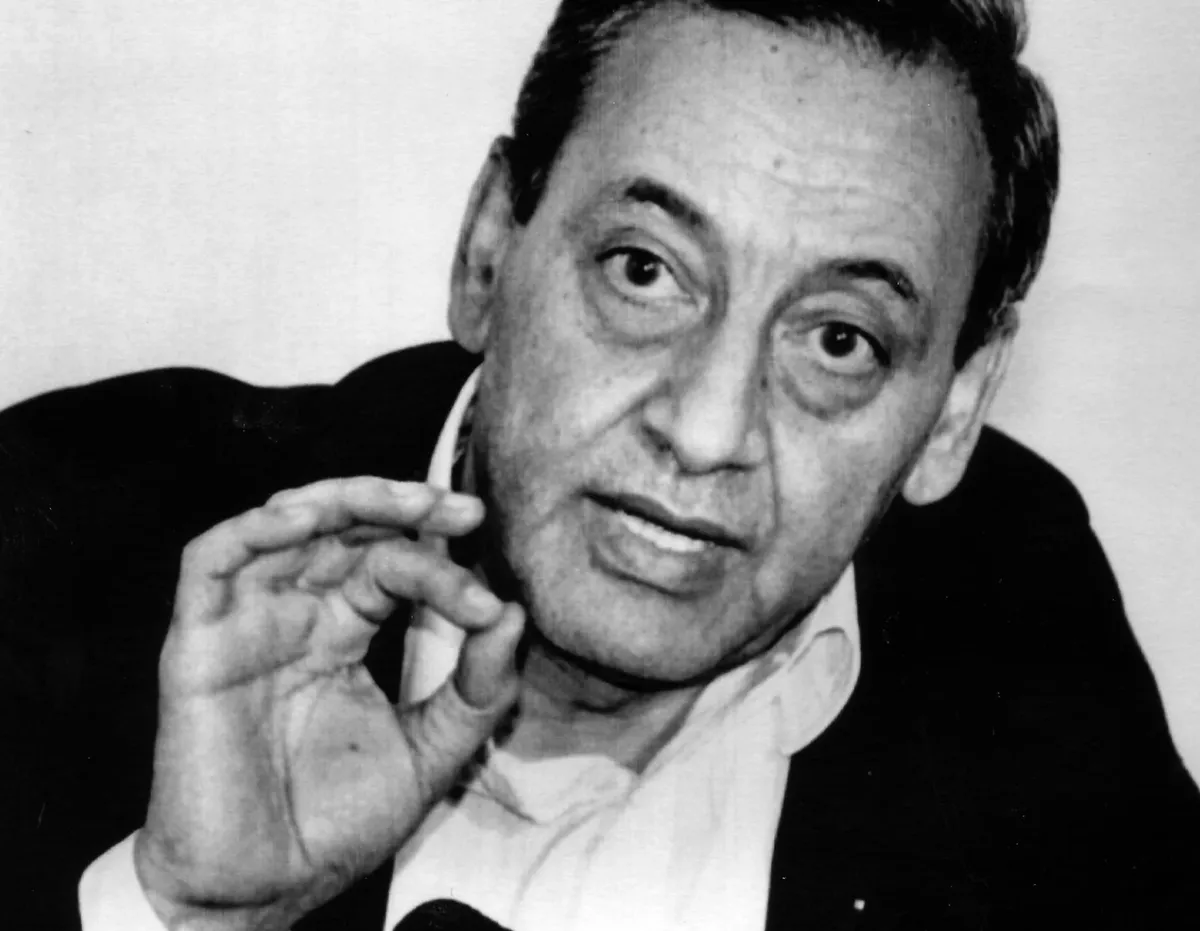
Walid Jumblatt's Druze fighters and the growing Hezbollah joined the Syrian-backed coalition, the National Salvation Front. They did not limit themselves to protests: they attacked army positions, provoked clashes in the Chouf Mountains and the Bekaa Valley, and unleashed a wave of political and armed violence that disrupted the ratification of the peace agreement with Israel.
In 1984, Gemayel was forced to cancel the agreement. It was Syrian pressure, not Israeli intransigence, that killed this peace attempt. The South remained a battleground.
In the ashes of this failure, Hezbollah gained the aura of the only force capable of resisting both Israel and its local allies.
Nowadays, these ghosts are returning.
The war is back
Shortly after the Hamas attack on Israel on October 7, 2023, and the outbreak of the Gaza War, Hezbollah effectively opened a second front in the north, launching attacks from Lebanon in support of Hamas. Israel responded with airstrikes and artillery. By 2024, this had escalated into the heaviest border fighting since the 2006 war, when a “second Lebanese war” occurred after a Hezbollah attack on an Israeli military post with the capture of two soldiers.
Here it is now: villages and infrastructure have been destroyed, hundreds of thousands of people on both sides of the border are forced to leave their homes.
And yet, even in these difficult conditions, a short-term truce was reached in 2024 - with the mediation of the United States and France and relying on UN Security Council Resolution 1701, adopted after the 2006 war and formally regulating the regime on the border. The agreement implied a return to its terms: Israel was to withdraw beyond the Blue Line, drawn by the UN in 2000 and serving as the de facto border between the countries. Hezbollah, for its part, had to withdraw fighters and heavy weapons north of the Litani River, about 20-30 kilometers from the border. The Lebanese Army is to occupy the vacated positions with the support of UN peacekeepers in order to restore state control over the south of the country and prevent the return of armed groups there.
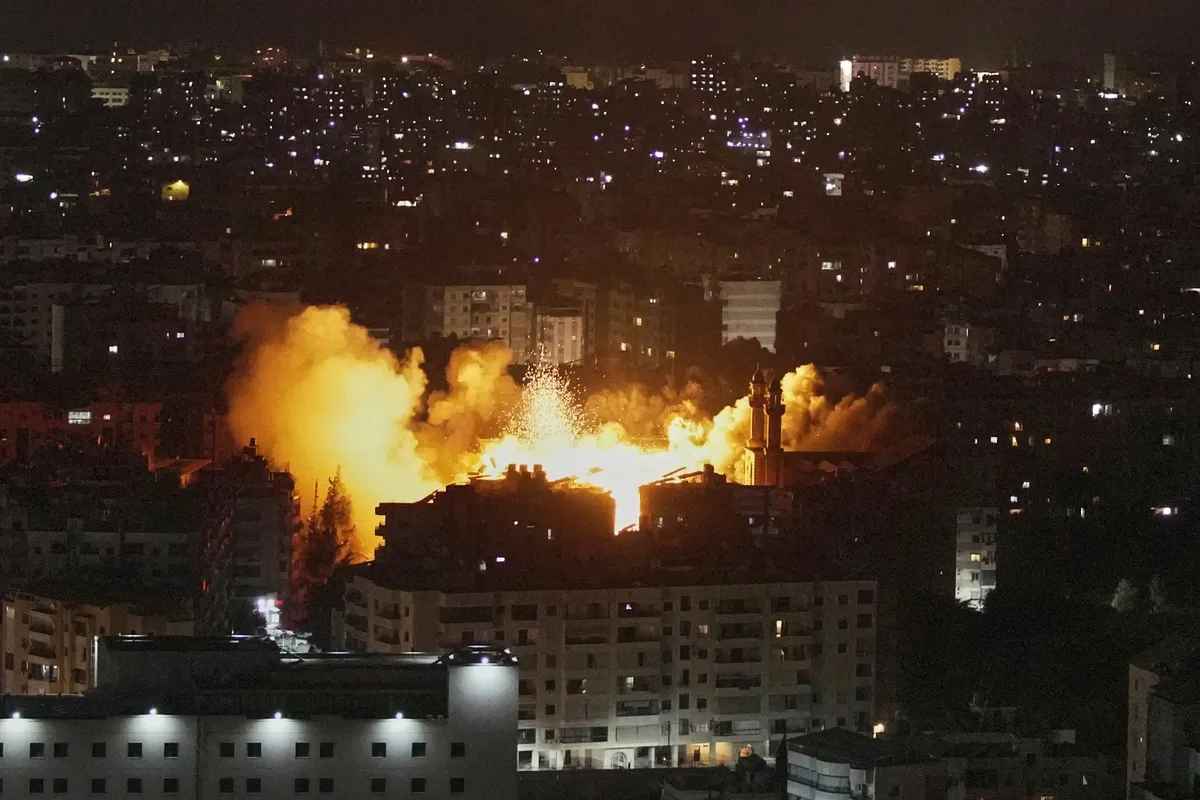
It worked, albeit shaky, for a few weeks. Then the implementation of the agreements collapsed. Israel has maintained several strategic positions and buffer zones inside Lebanon, citing the ongoing threat from Hezbollah. In turn, Hezbollah insisted that Israeli abuses justified its own presence. By early 2025, the truce was already coming apart at the seams.
The current spring escalation against the backdrop of the Iranian campaign - Israeli ground operations, destruction of bridges, targeted strikes - has again turned southern Lebanon into a battlefield.
Entire villages, barely recovered from previous wars, are again lying in ruins. More than a million Lebanese - every fifth in the country! — became displaced persons.
Those who have left are staying with relatives, or in overcrowded schools, or other inadequate shelters, often without water or electricity. Those who remain live under the constant drone of drones, with interruptions in the supply of food and medicine, and dependent on rare humanitarian convoys. In the Christian communities of Rmeisha, Ain Ebele, Debele and Alma al-Shaabe, families refused to comply with Israeli evacuation orders. They gather in church courtyards, ring bells at sunset and repeat at spontaneous village gatherings that this war is not theirs. Priests say residents consider themselves neutrals—first and foremost, Lebanese, caught between two fires.
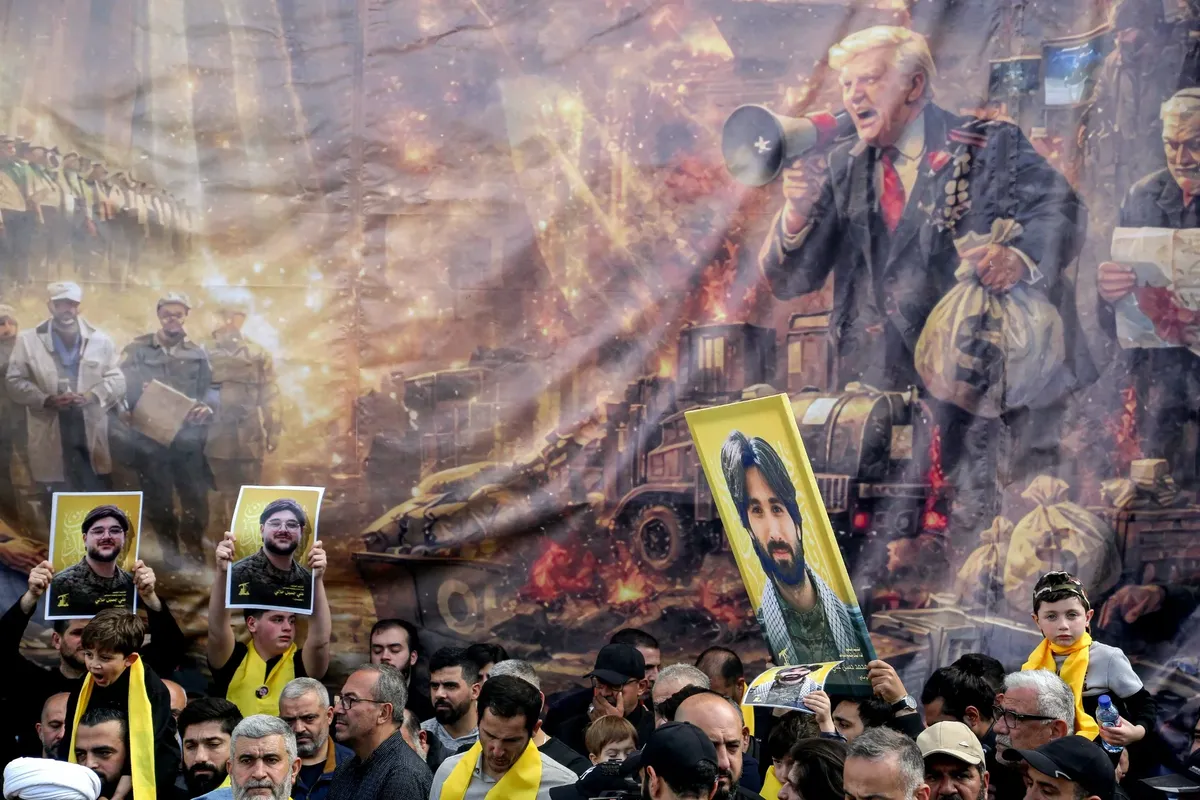
Hospitals in the south are stretched to breaking point or closing due to fuel shortages and the threat of strikes; roads are destroyed and aid delivery is often impossible. The Lebanese state, weakened by a long-term economic crisis, cannot cope with the scale of the disaster: the main burden falls on local initiatives, international organizations and church structures.
Humanitarian aid arrives irregularly; Residents of some settlements claim that if at an early stage access was blocked by Hezbollah forces, then later Israeli restrictions almost completely paralyzed the ability to deliver goods - we are not talking about a total blockade, but about a system of permits, inspections and the risk of strikes, which is why most convoys simply do not reach.
Into this vacuum entered (from the Israeli side) Samaritan's Purse, an American Christian humanitarian organization led by Franklin Graham, an evangelical preacher and son of famous American religious leader Billy Graham. Its teams deliver food, medicine and fuel to these held villages through pre-agreed humanitarian corridors and in coordination with local communities - typically in small quantities and accompanied by local security forces to reduce the risk of attacks or confiscations. As one local mayor of a border village put it, it is “the only hand stretched across the front lines right now.”
In general, the fate of the residents of border areas, who actually live on the battlefield and interact with all sides, is very difficult. Many remember the example of the South Lebanese Army (SLA).
How much does peace cost?
Created in the late 1970s with Israeli support, the SLA—originally the Free Lebanon Army—was a proxy force composed mainly of local residents: estimated to be about 70% Shia, as well as Christians and Druze. Many joined not for ideological reasons, but because Palestinian fedayeen—PAL militants operating from camps and bases in Lebanon—and then Hezbollah were turning their villages into springboards for attacks on Israel, inviting retaliatory attacks. The SLA's mission was simple: create a security belt protecting northern Israel. This army served in this role for two decades, and its members paid for the relative peace of their homes with a well-established reputation as collaborators.
When Israel unilaterally withdrew its troops in May 2000, the SLA disintegrated within hours. The positions were abandoned, thousands of fighters and their families fled to Israel. Those who remained faced arrests and trials for treason. These events became a symbol of victory for Hezbollah and a warning to anyone who relied on Israeli protection.
But this story is not forgotten in Washington. The current truce framework does not include maintaining Israeli positions, but Israel is pushing for long-term security guarantees, possibly with a limited military presence until Hezbollah infrastructure south of the Litani is dismantled. Lebanon demands the full restoration of sovereignty. The gap in conditions remains significant.
Hezbollah is weaker today than ever. Its leadership suffered heavy losses, supplies were disrupted. In Lebanese society it is increasingly heard: “Iran gave them up.”
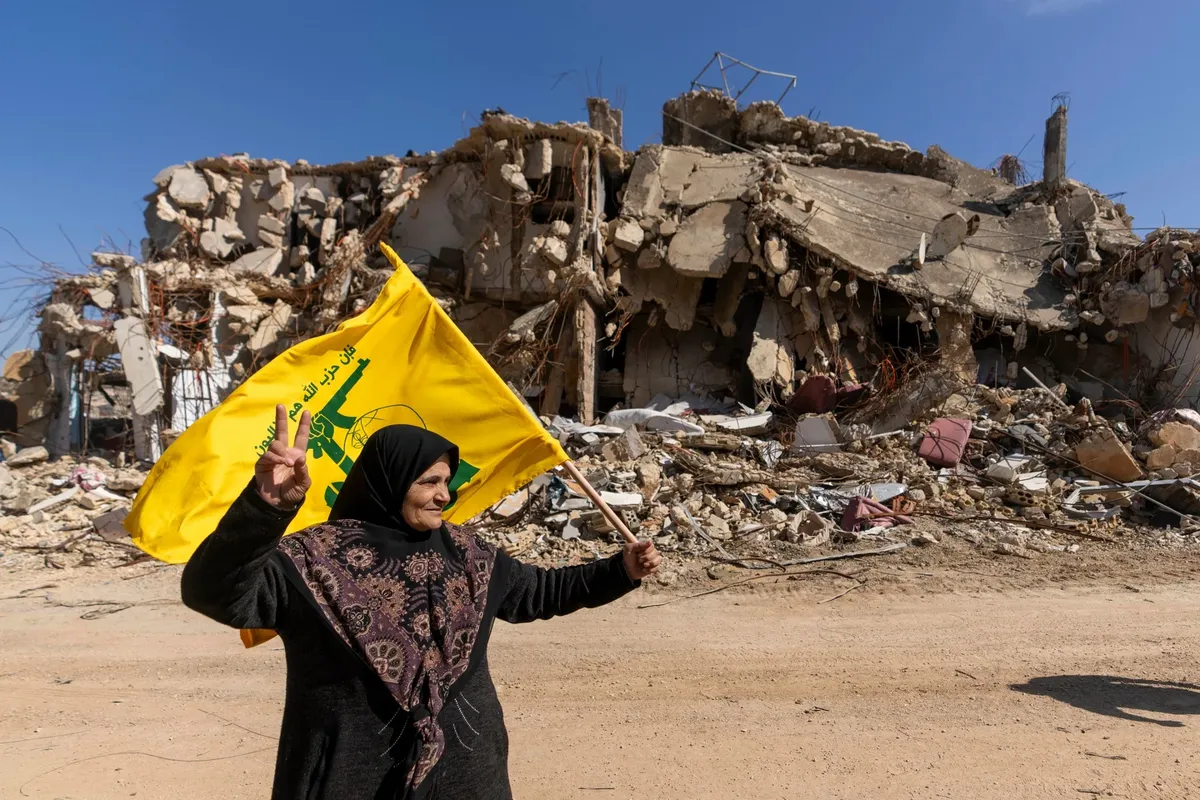
Whether this is fair or not is not so important; perception shapes policy. Without Iranian support, Hezbollah's influence is noticeably reduced.
The most likely scenario in the current situation would be a phased agreement: the withdrawal of Israeli forces from most of the south in exchange for the deployment of the Lebanese army and the gradual disarmament of Hezbollah's southern infrastructure. The organization itself can be preserved as a political force, but will cease to be the actual army of the south.
Control over implementation, according to the mediators, can be strengthened through existing mechanisms - primarily the UN mission (UNIFIL), operating in southern Lebanon since 2006 - with a more active role of the United States and France, which act as guarantors of the negotiation process. This is not about a new control format, but about an attempt to revive and strengthen one that formally already exists, but for a long time worked only nominally.
Christian villages, if the agreements are respected, will be able to count on more regular assistance without political conditions. Ordinary Southerners who simply want to work their land may no longer face the choice between cooperation and exile.
But history warns. The May 17 agreement failed not because of the text, but because Lebanon's internal forces, backed by Damascus and Tehran, prevented the state from monopolizing power.
Today the context has changed: Syria is weakened and fragmented, Iran is distracted by its own crises, Hezbollah has suffered serious losses. And, importantly, Nabih Berri - still the leader of the Shiite Amal movement and long-time speaker of the Lebanese parliament - is now, judging by his position, less interested in disrupting the agreement than in using it. The weakening of Hezbollah gives it an incredible chance to strengthen its own influence in the Shiite community and take control of the Shiite initiative within the state, while counting on obvious political dividends.
The Lebanese state, under its current leadership, talks about sovereignty with a seriousness rarely seen before. Whether this will be enough is an open question.
Bells in Christian villages ring every evening. Negotiations in Washington continue. Lebanon is anxiously awaiting the end of a conflict that has lasted for almost half a century.