
Translated material
WSJ: Disagreements intensified in Iran due to negotiations with the United States
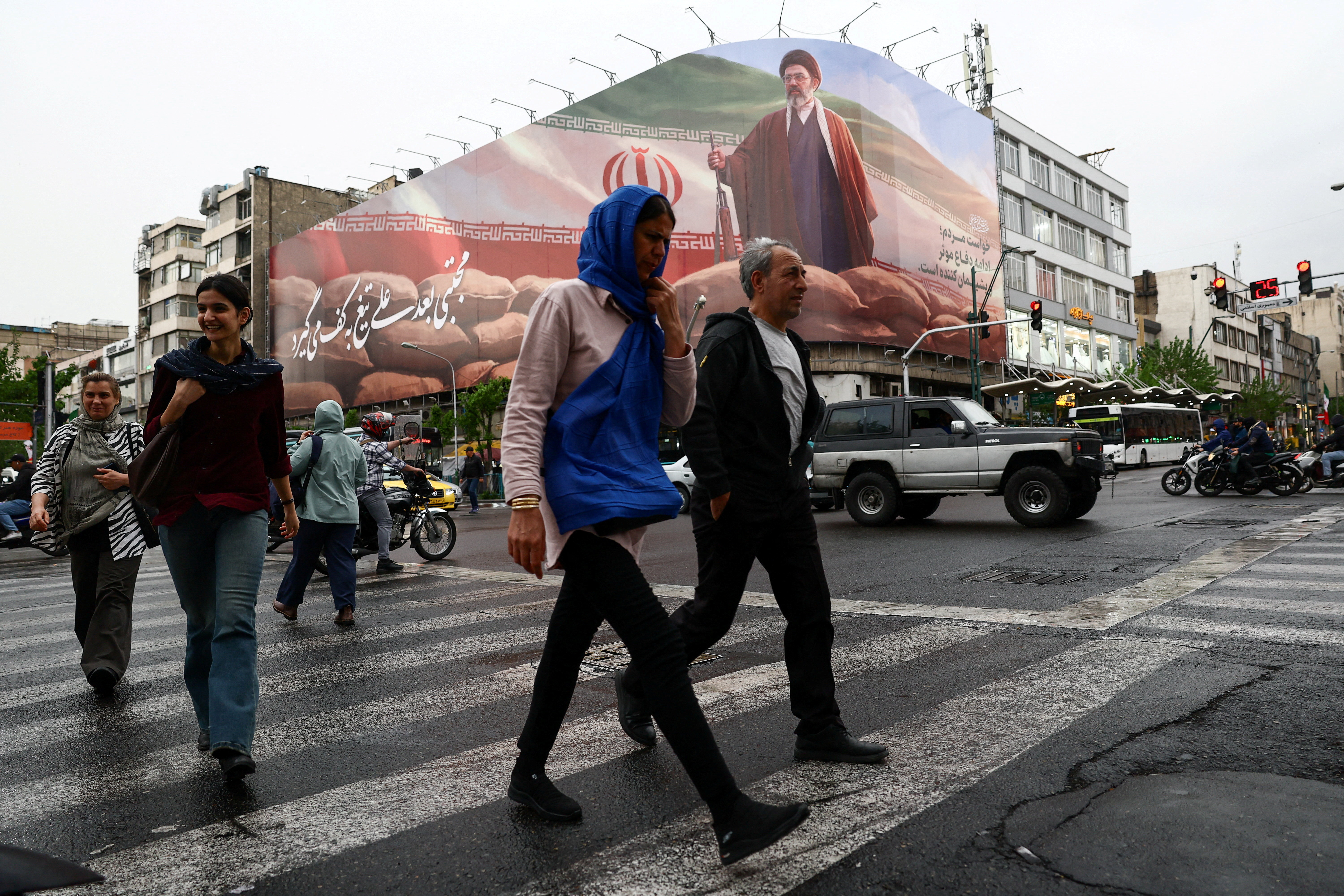
There are growing disagreements in Iran's leadership circles over possible concessions for the sake of a deal with the United States and ending the war. This was reported by The Wall Street Journal (WSJ), citing sources and analysts.
According to the publication, friction became noticeable during negotiations in early April, but escalated this week. The mediators note that the Iranian side has become evasive in answering key questions.
If during the active phase of the conflict the authorities demonstrated unity, then against the backdrop of the truce, the issue of lifting sanctions came to the fore, which requires difficult compromises. This, according to the WSJ, increased internal contradictions.
The main conflict is between hardliners in the Islamic Revolutionary Guard Corps (IRGC) and civilian officials focused on economic recovery. Representatives of the IRGC are allegedly putting pressure on the negotiators and demanding that they not make concessions.
In particular, Speaker of Parliament Mohammad-Bagher Ghalibaf and Foreign Minister Abbas Araghchi are criticized for their willingness to discuss the nuclear program.
Analysts believe that it is internal differences that make negotiations with the United States difficult. In their opinion, the situation is aggravated by the absence of a strong supreme leader capable of consolidating power.
Formally, Mojtaba Khamenei remains the supreme leader, but he has not appeared in public since his appointment. The Iranian Foreign Ministry claims that this is due to the military situation, and not to his state of health.
More Radio Liberty news:
WSJ: Disagreements intensified in Iran due to negotiations with the United States