
Translated material
“Strong smell of oil. It's hard to breathe"
For the first time, the oil terminal in the port of Tuapse caught fire on the night of April 16 - it was attacked by Ukrainian drones. The fire was extinguished only on the fourth day.
After the first wave of attacks, oil products spilled into the Tuapse River and into the Black Sea near the port. To prevent the spread of pollution, city authorities installed booms and special devices for collecting oil products.
A new attack on the night of April 20 also caused a fire. It was stewed for almost five days. On April 24, amid heavy rains, oil products “overflowed” through the barriers and ended up in the water area and on the seashore.
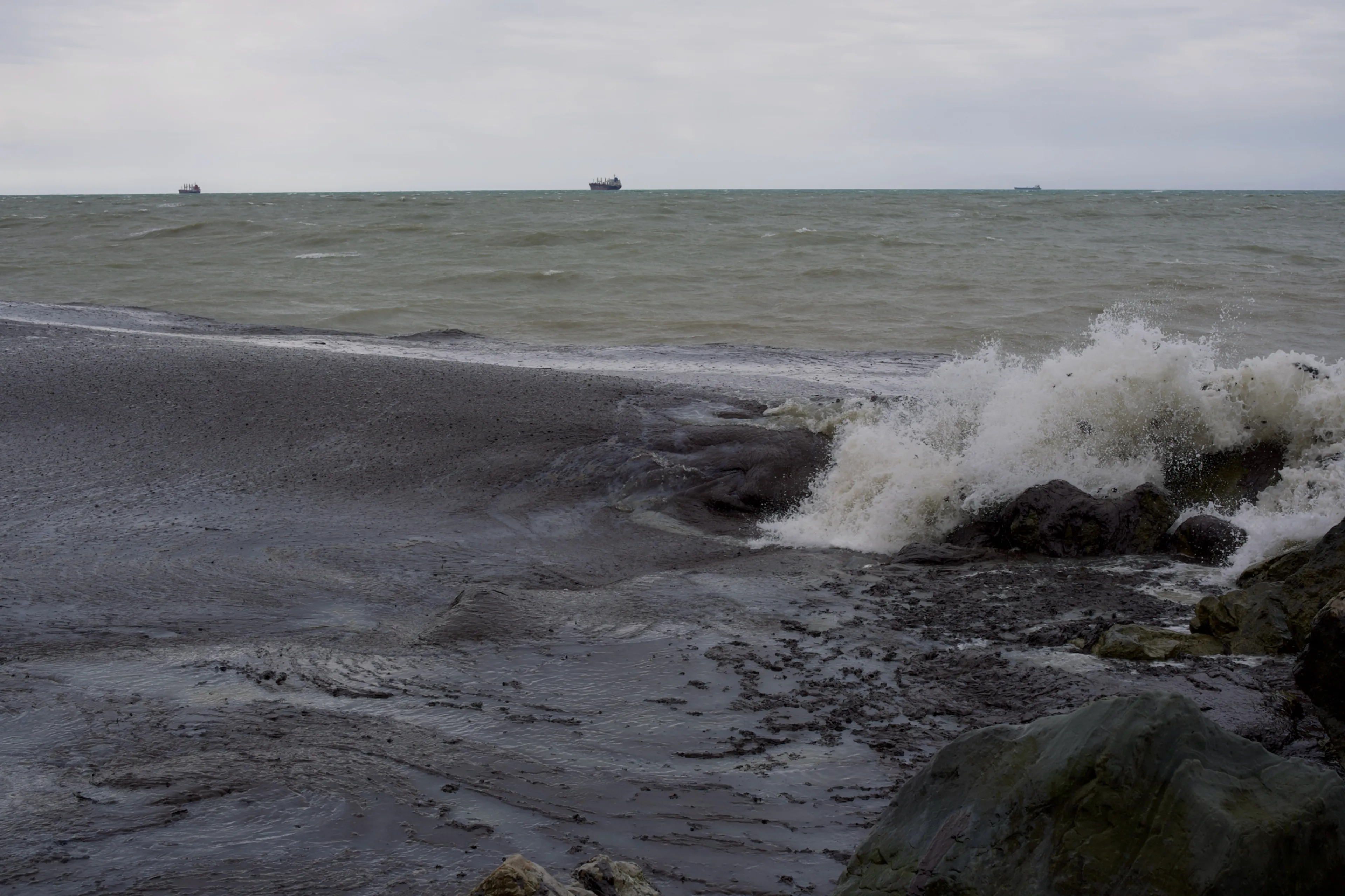
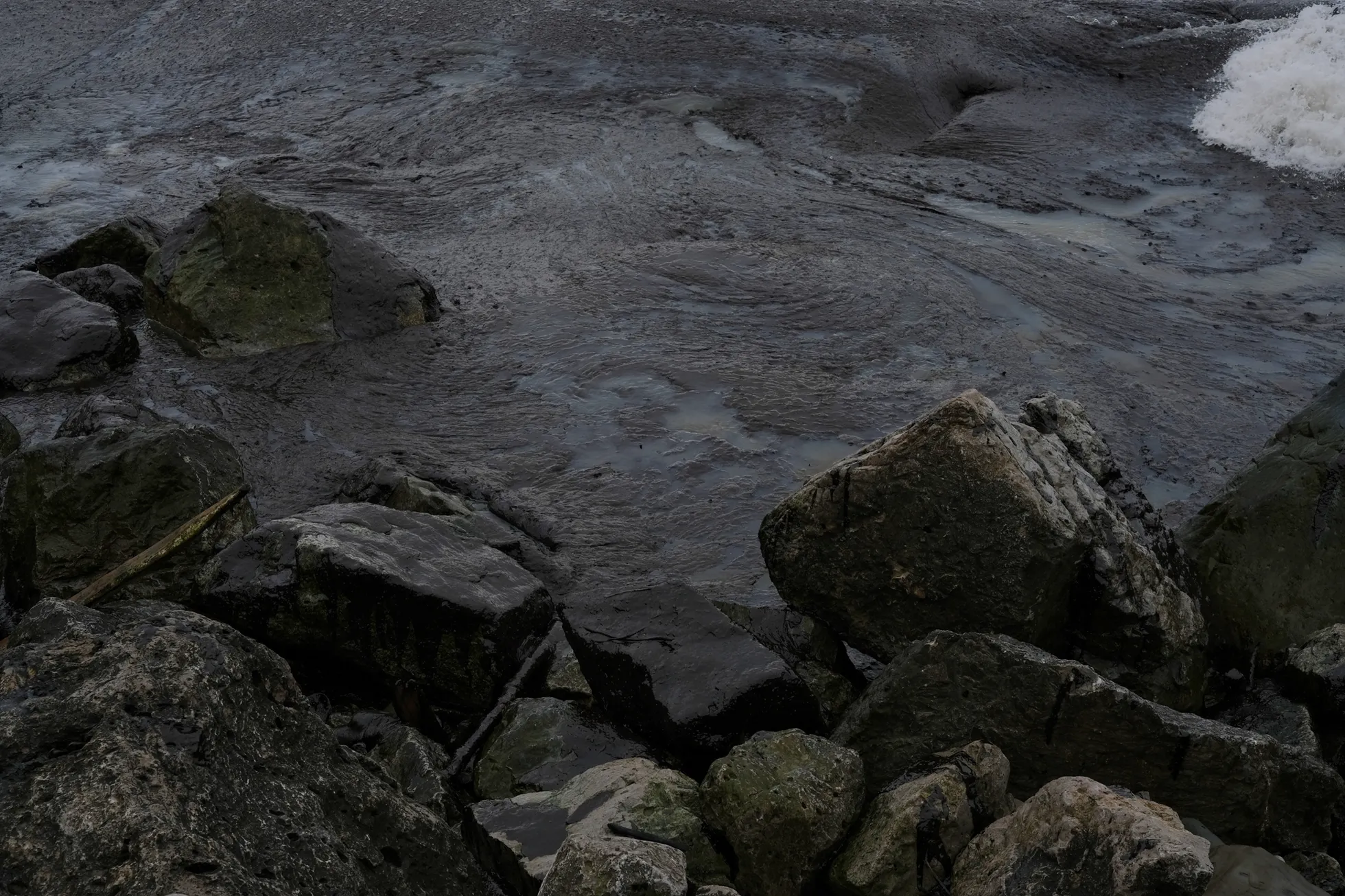
Smoke from such fires contains toxic gases, chemical fumes, tiny oil droplets and suspended soot particles that are dangerous if inhaled, Greenpeace warned .
The regional operational headquarters stated that, as of the evening of April 21, Rospotrebnadzor discovered that permissible concentrations of benzene, xylene and soot in the air were “two to three times” higher - in the Grozneft, Sortirovka and Zvezdny microdistricts, as well as in part of the Central District. Residents were advised not to open windows.
After this, official data on air quality was no longer published, although the Governor of the Krasnodar Territory, Veniamin Kondratyev, reported in his Telegram channel that “Rospotrebnadzor regularly takes air samples for the content of harmful substances.”
Tuapse residents and tourists complain in local groups that the authorities do not provide accurate information about what is happening and tell each other about the situation in the settlements around Tuapse.
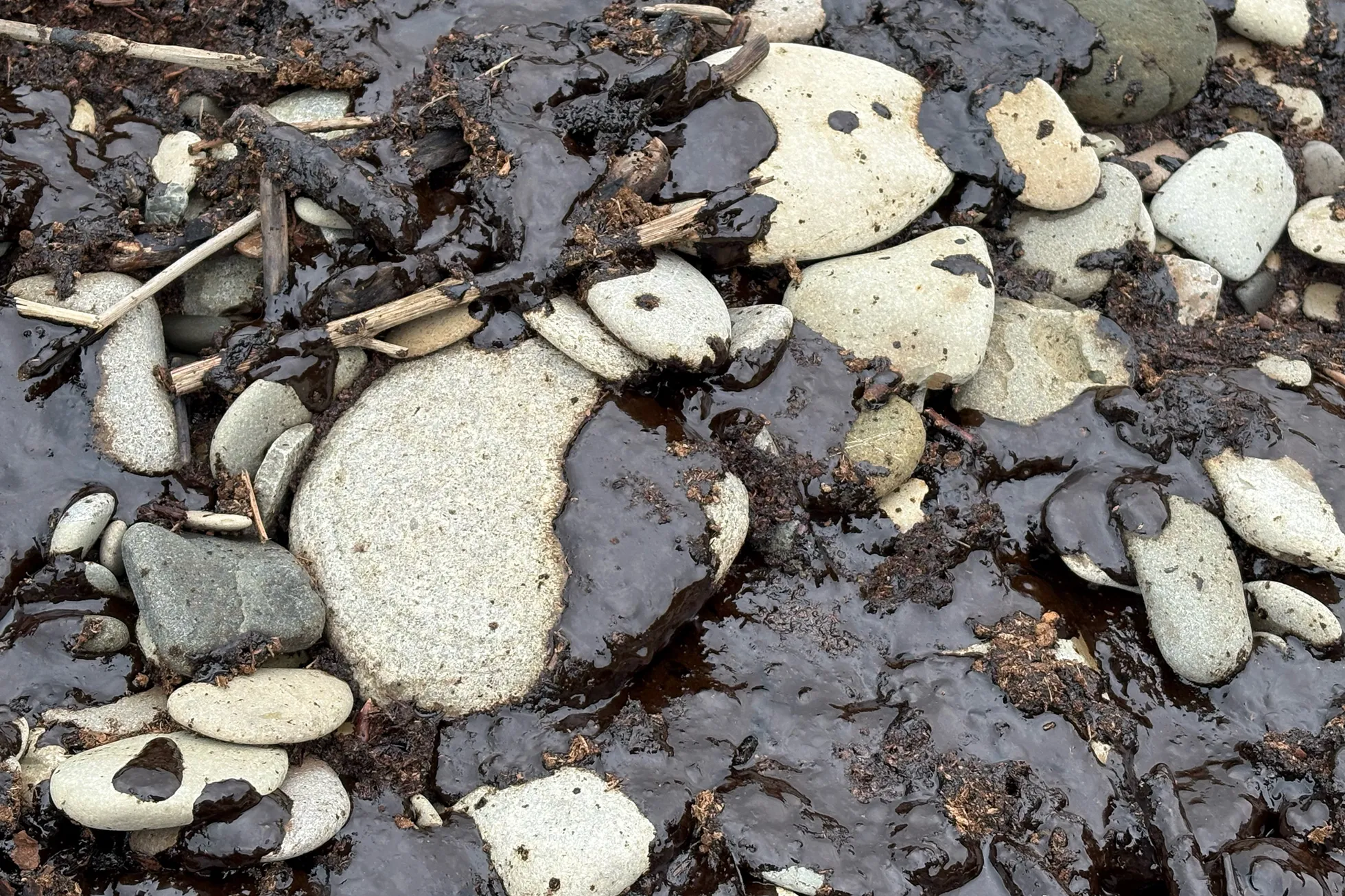
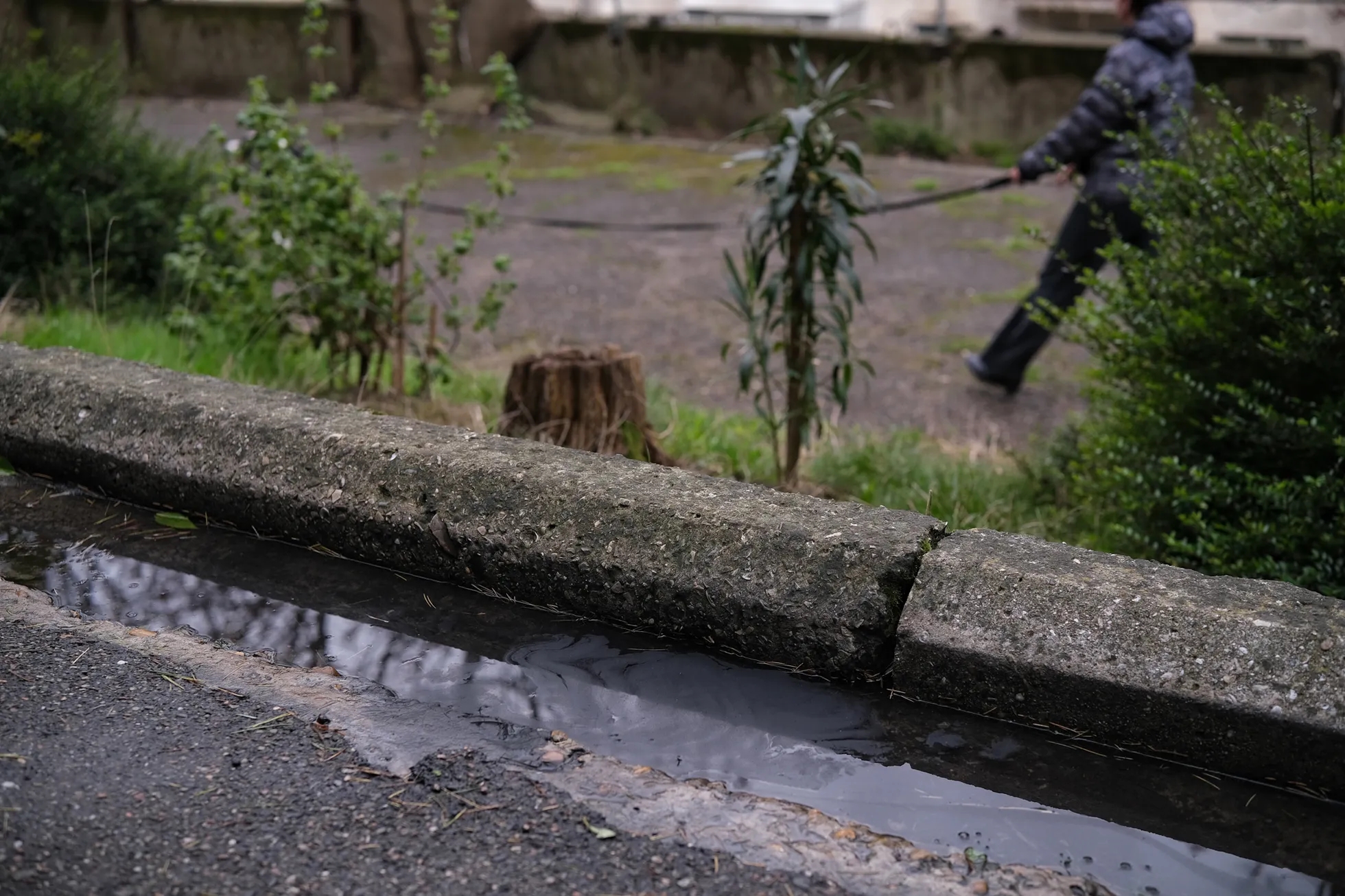
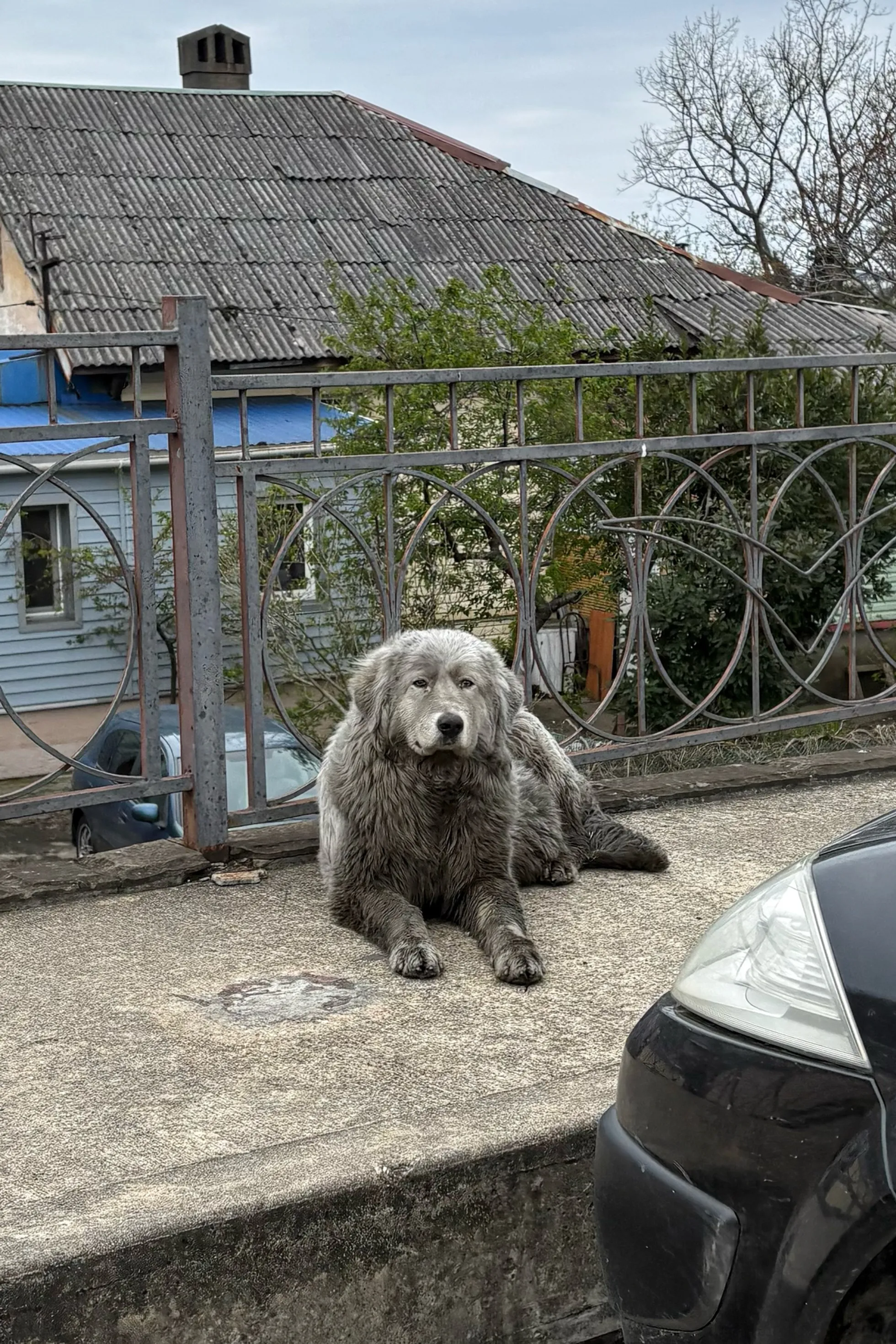
They continue to publish photographs of black puddles with impurities of oil combustion products, and photographs of pets stained with soot.
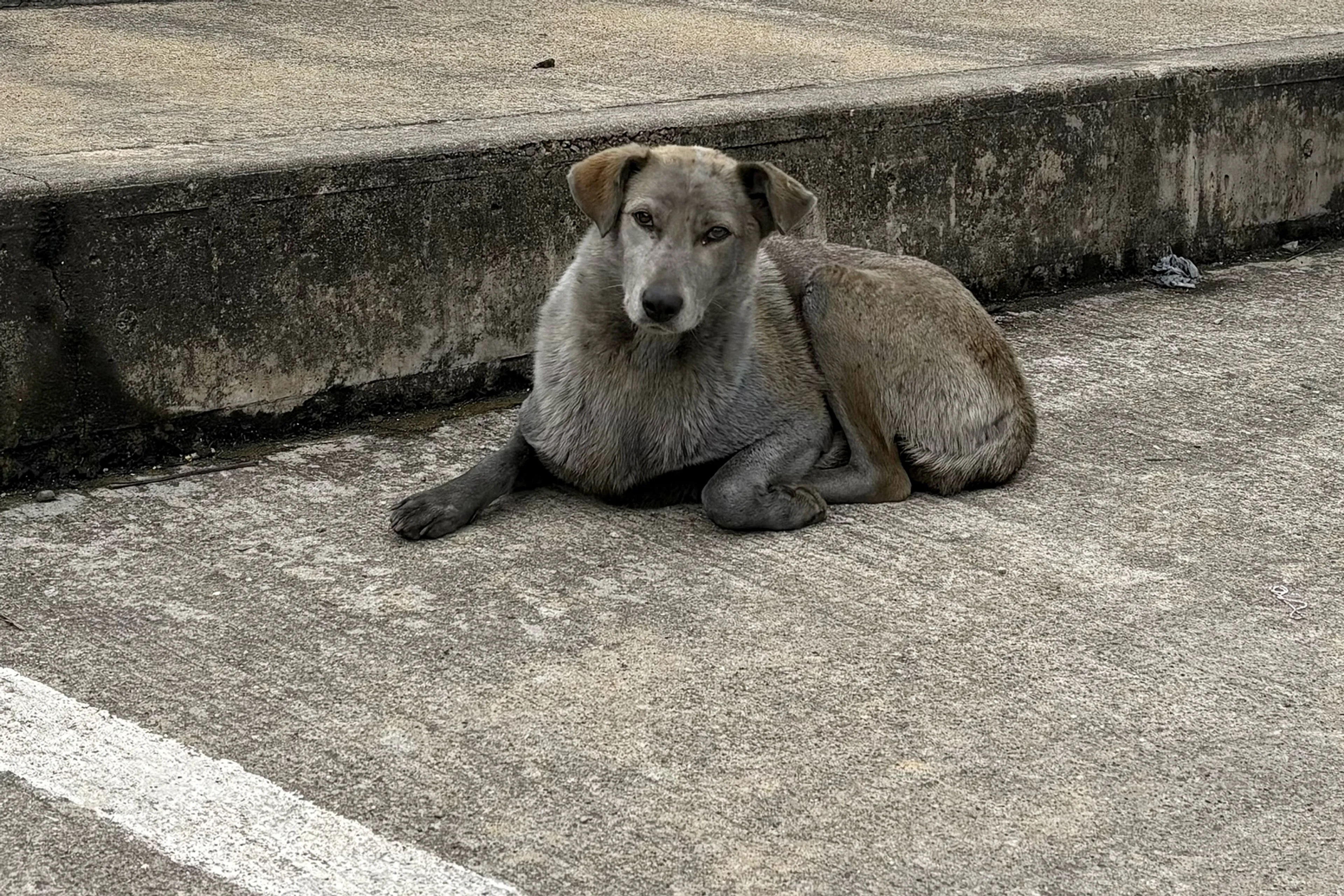

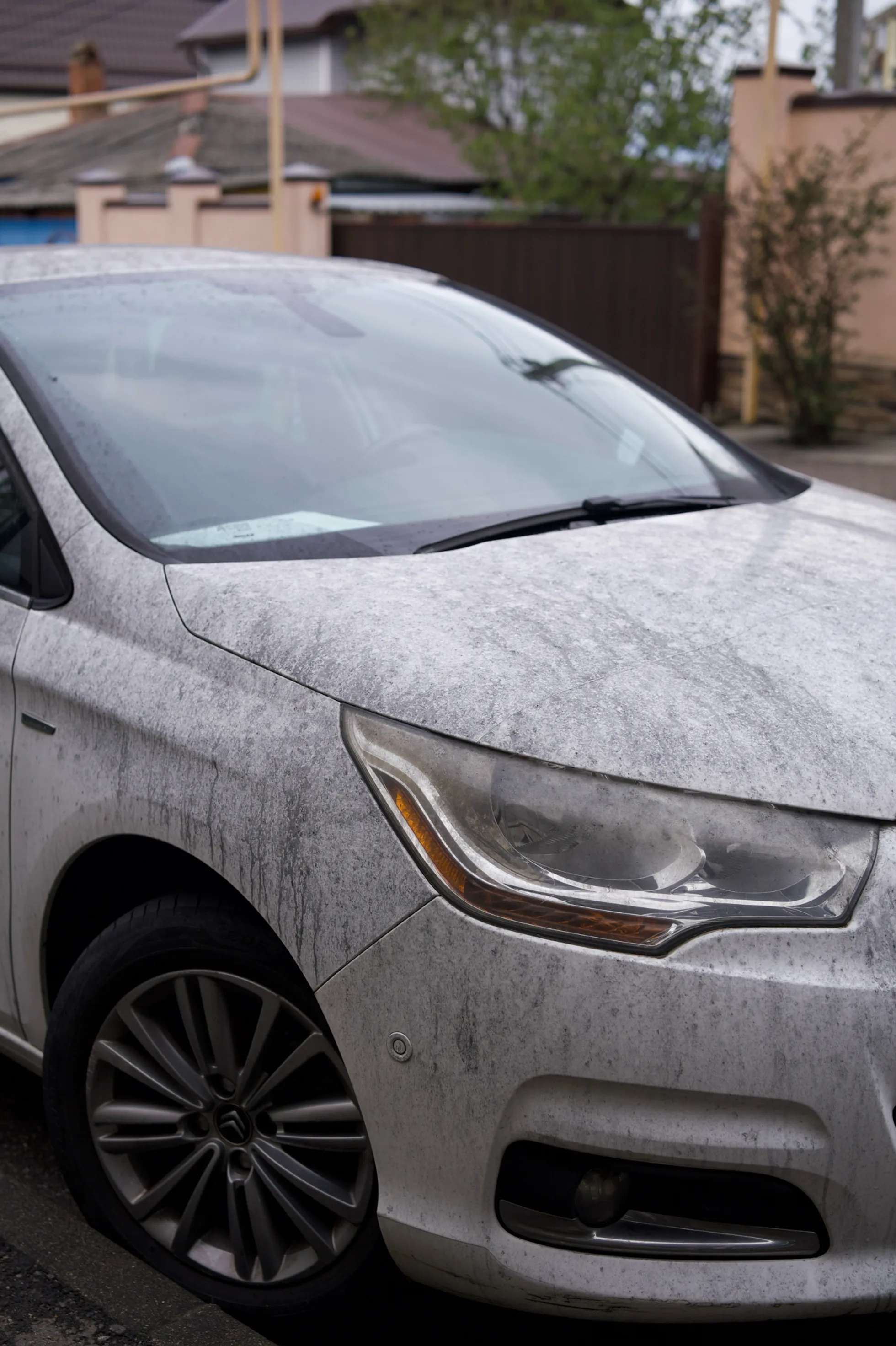
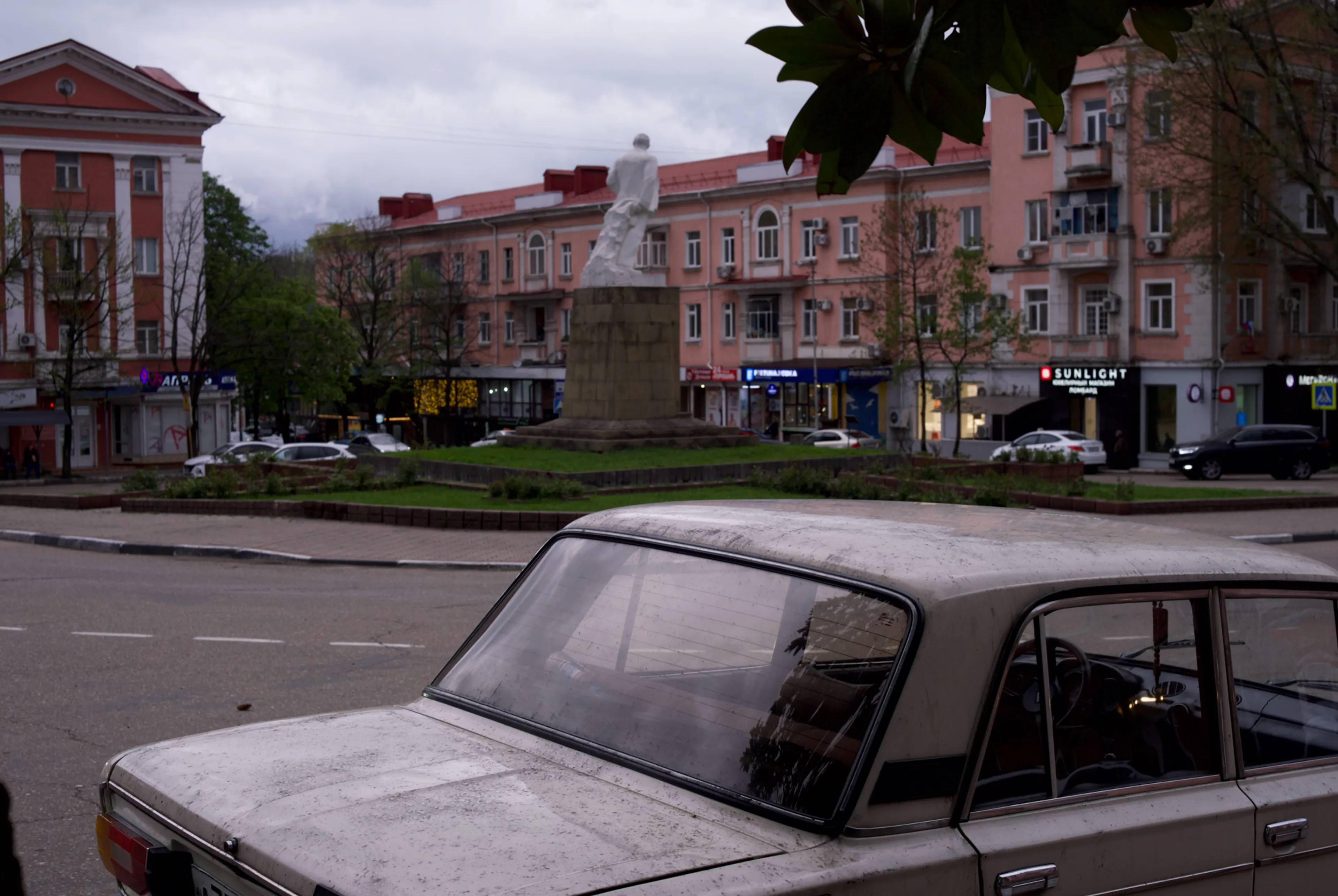
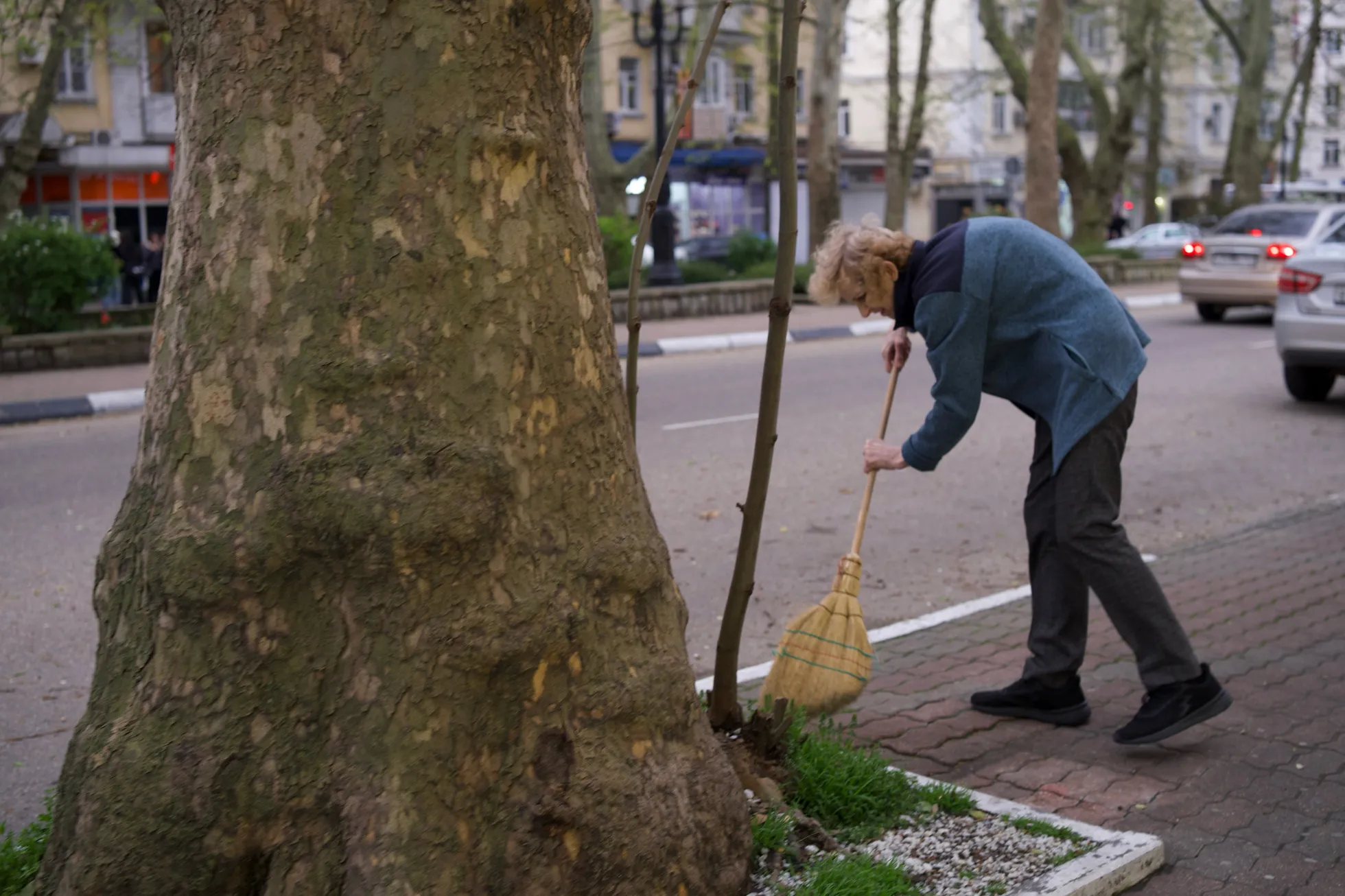
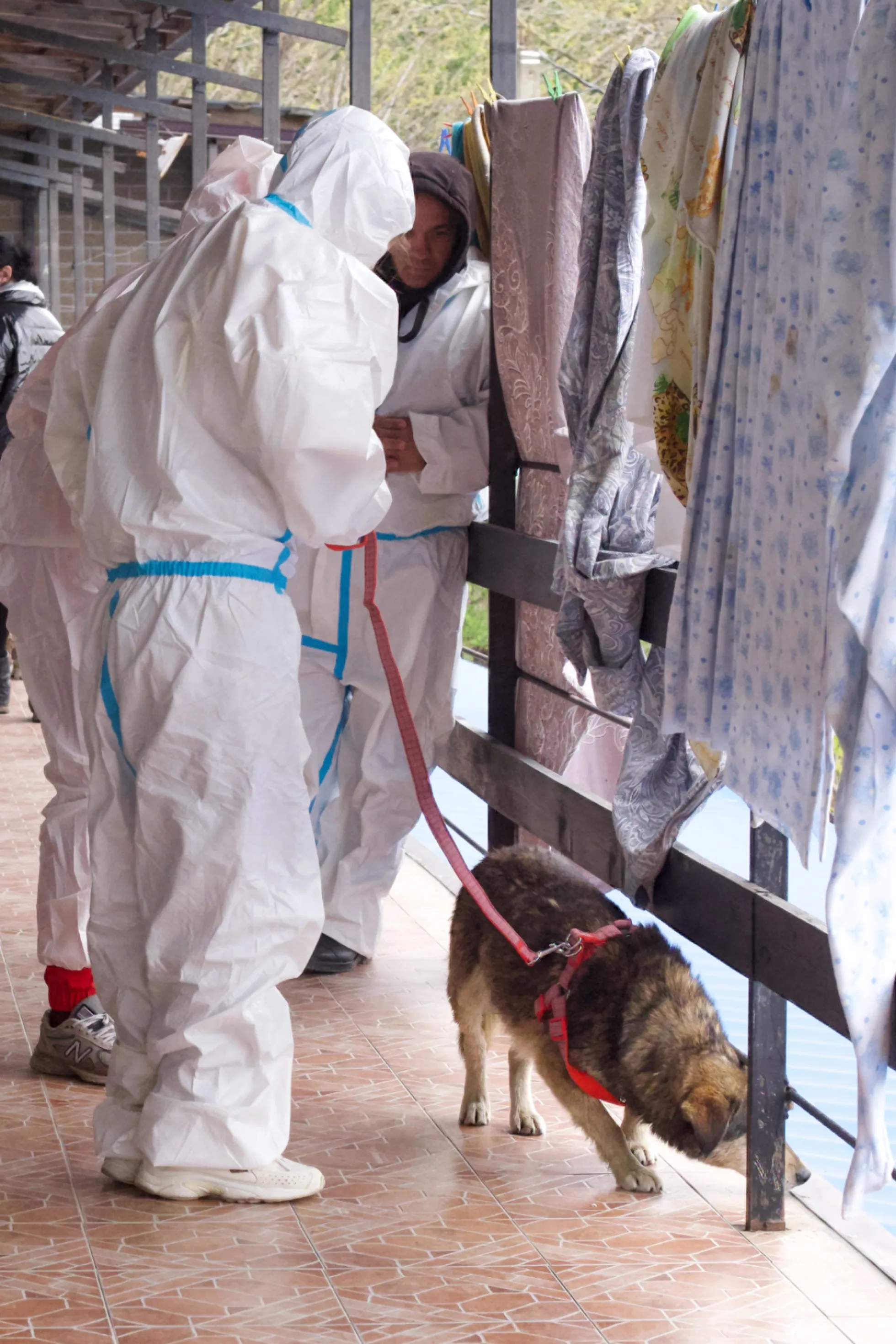
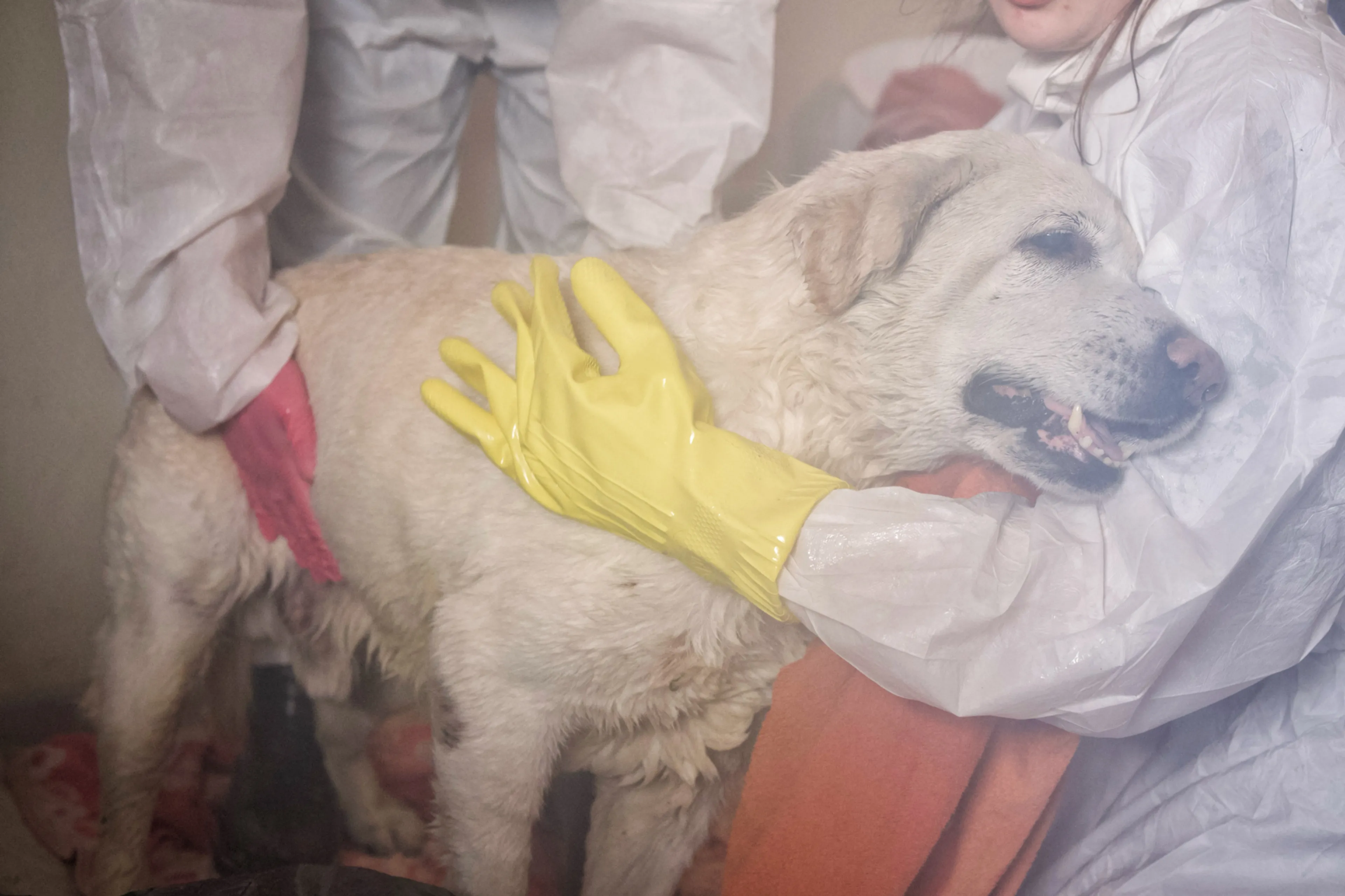
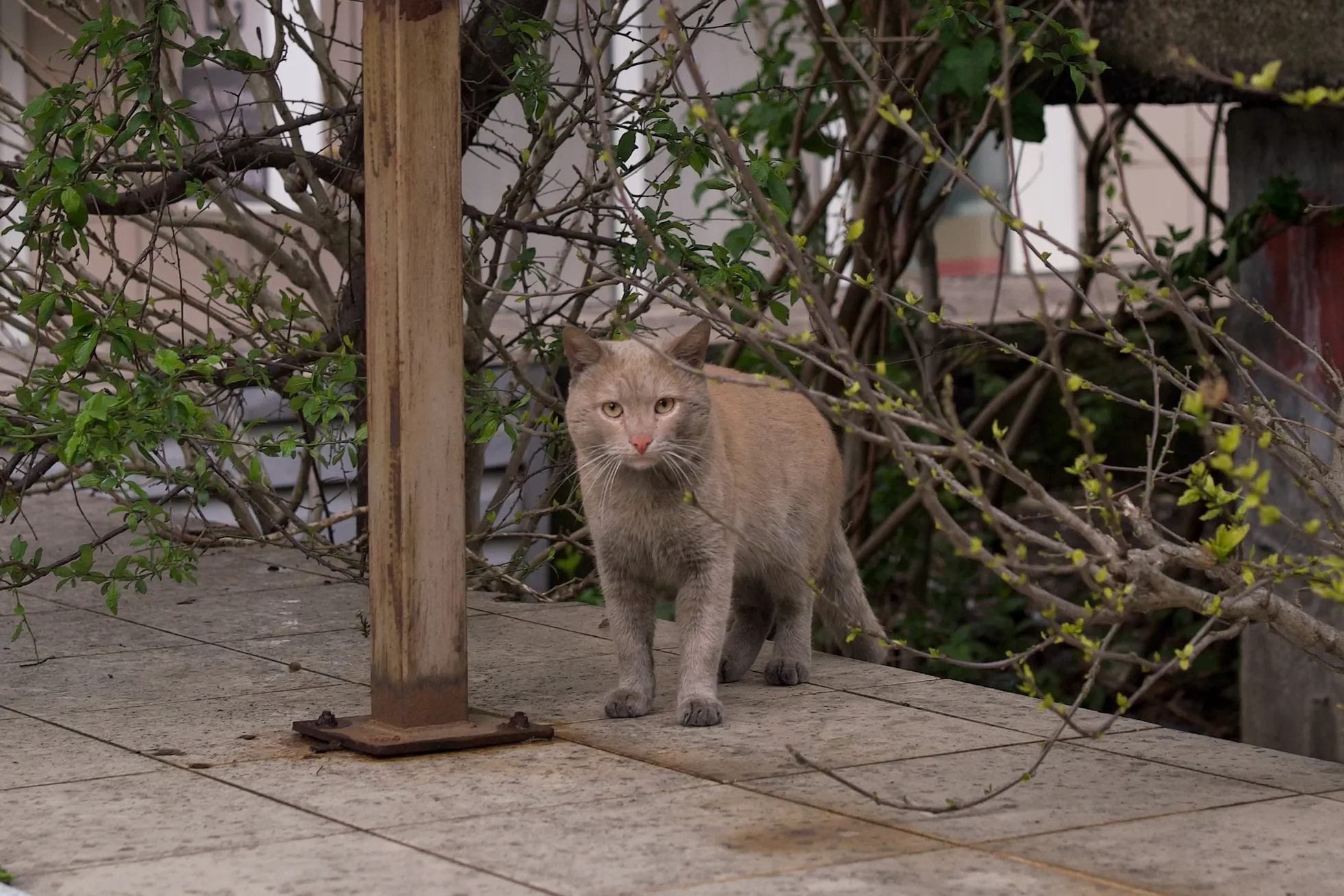
Volunteers came to the aid of homeless animals: they wash stray dogs, cats and birds. “Almost all the animals on the street are covered in fuel oil... This is a disaster,” said the Chance for Life volunteer movement, which helps homeless animals. Volunteers of the organization “Be near. Help for Homeless Animals” announces in advance the places where street cats and dogs will be washed in local groups. They offer Tuapse residents to bring animals that need help.

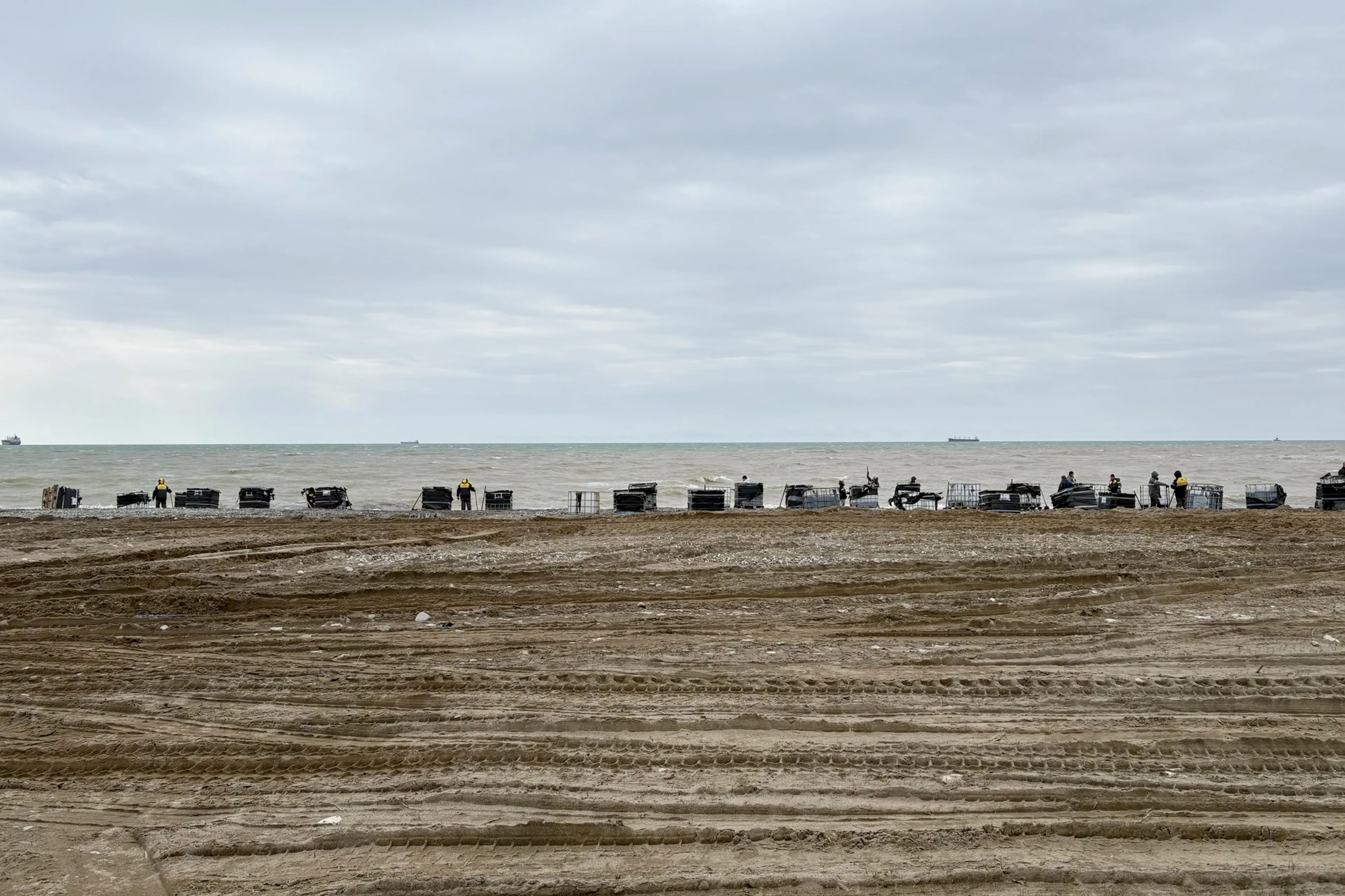
City services are cleaning up oil pollution from beaches around the clock, reports the Krasnodar operational headquarters. According to the authorities, by April 26, more than 2.5 thousand cubic meters of contaminated soil had already been removed, and 132 people and 26 pieces of equipment were involved in eliminating the disaster.
City residents help city services clean the beaches. One of the Rosneft employees (they are involved in cleaning the Central Beach in Tuapse) told reporters from the NeMoskva publication that there are not enough people and equipment on the beach:
Here you need to lift deep layers of pebbles, everything seeps inside. It takes a long time to do it manually, and besides, the sea constantly throws new fuel oil ashore. You need to do this with an excavator.
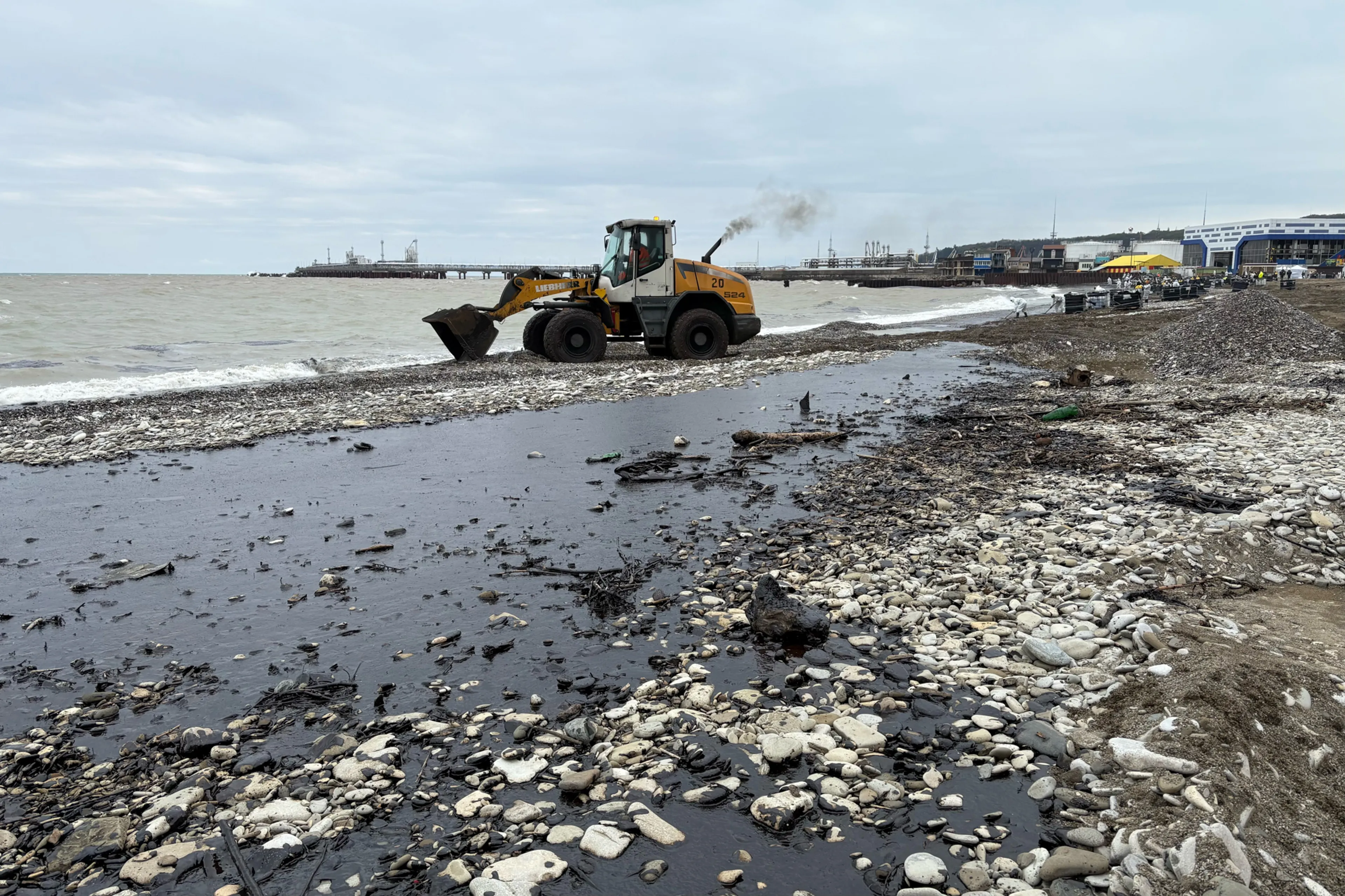
Earlier, environmentalists who monitored the situation in the city told Important Stories that the Tuapse administration filled the city beach with fresh pebbles when cleaning up fuel oil. Thus, the authorities did not remove some of the traces of fuel oil, but only hid it.
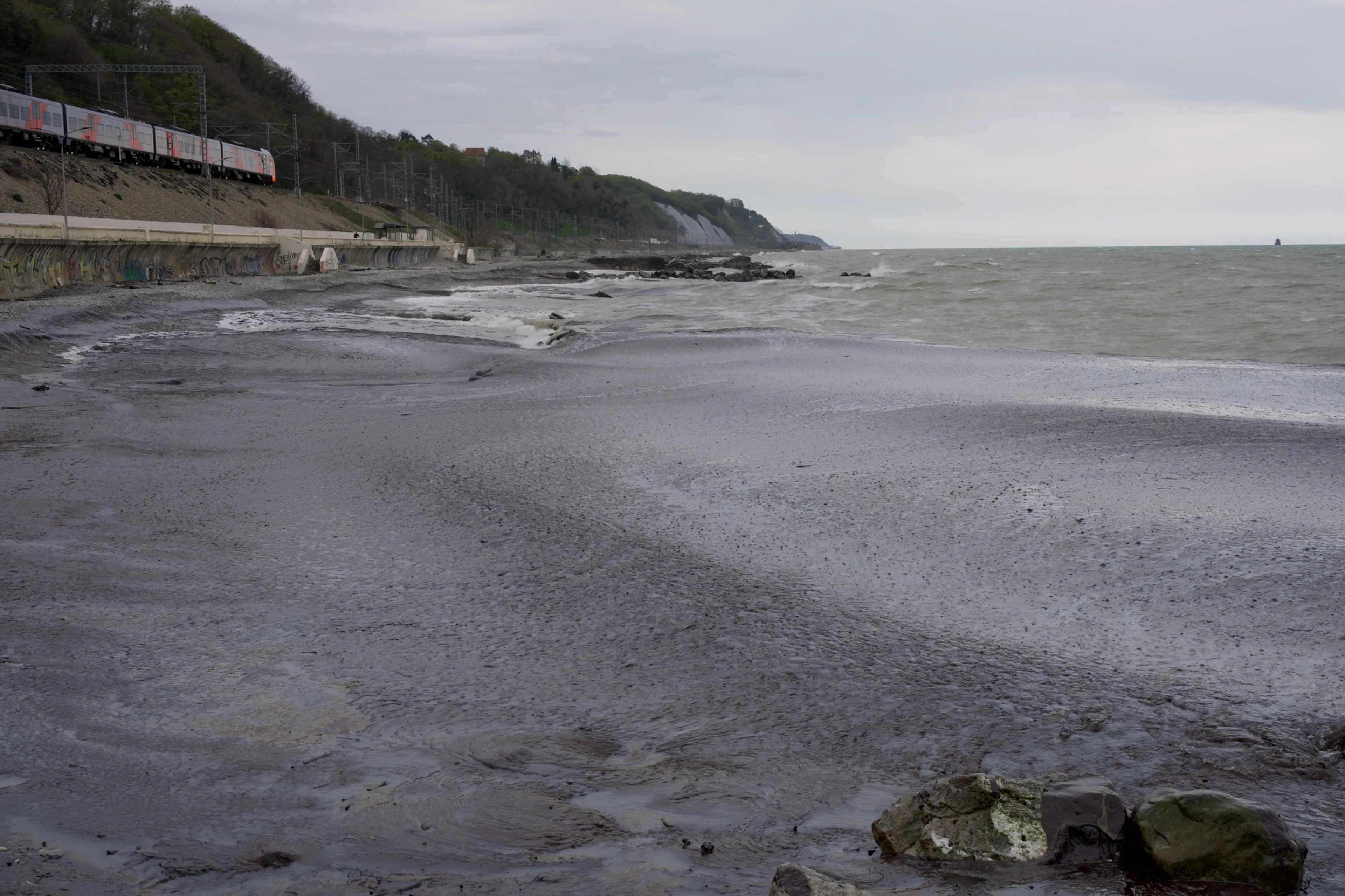
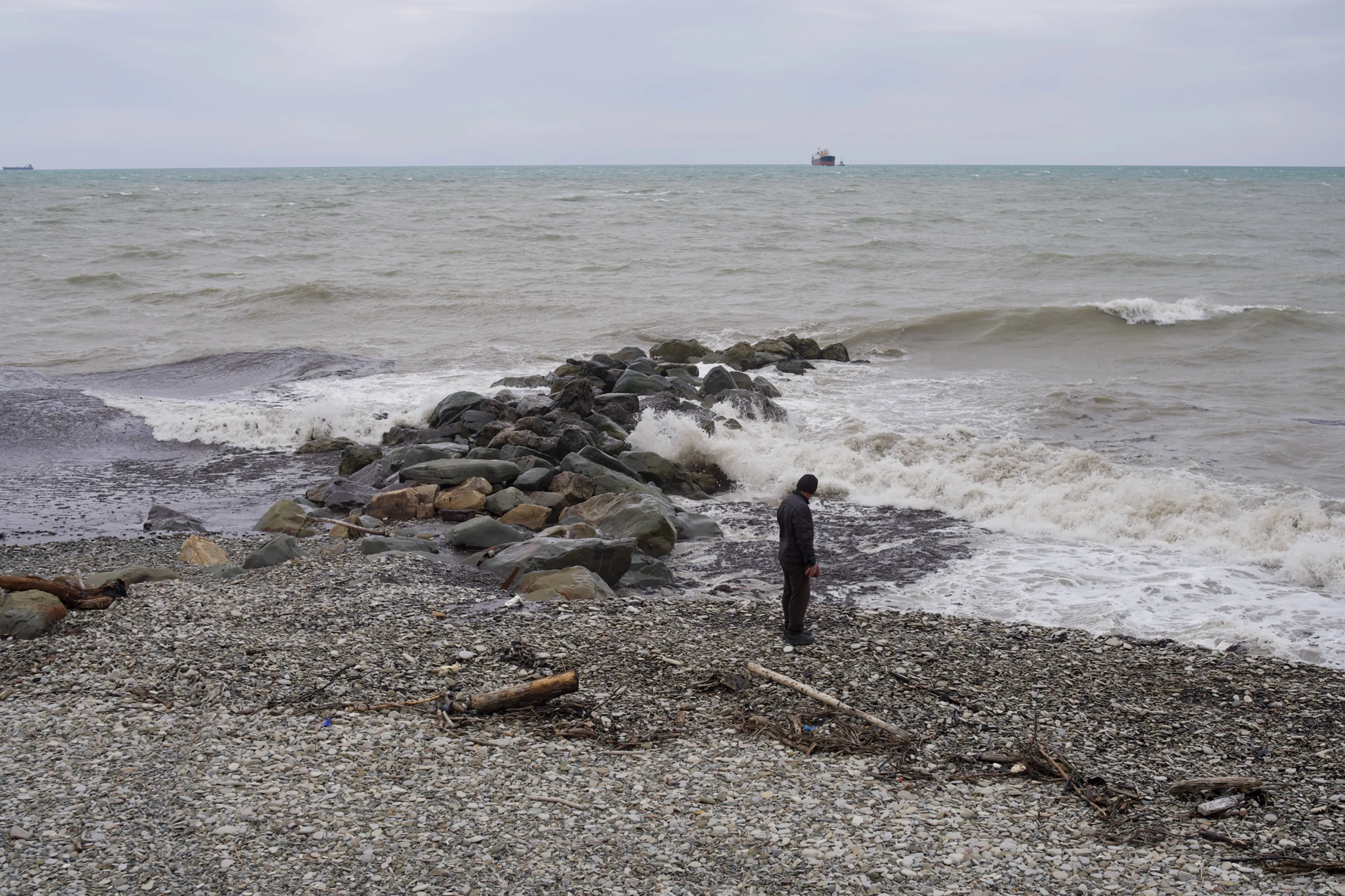
The NeMoskva publication notes that oil is removed only on the Central Beach. In other sections of the shore, where oil also appeared, cleaning is not being carried out. A correspondent for the publication reports from the spot: “The stones on the beach are also covered with black slurry; it is full of oil-contaminated lumps of algae and logs thrown ashore.”
A Bereg correspondent reports that there is a strong smell of oil in the city and it is difficult to breathe.
"Shore"