
Translated material
Emptiness that has become memory
40 years ago, life in the Chernobyl exclusion zone stopped. Photographer Maxim Dondyuk has long been collecting the “Chernobyl Archive” - photographs, negatives and letters left during the evacuation from the time when these places were still alive
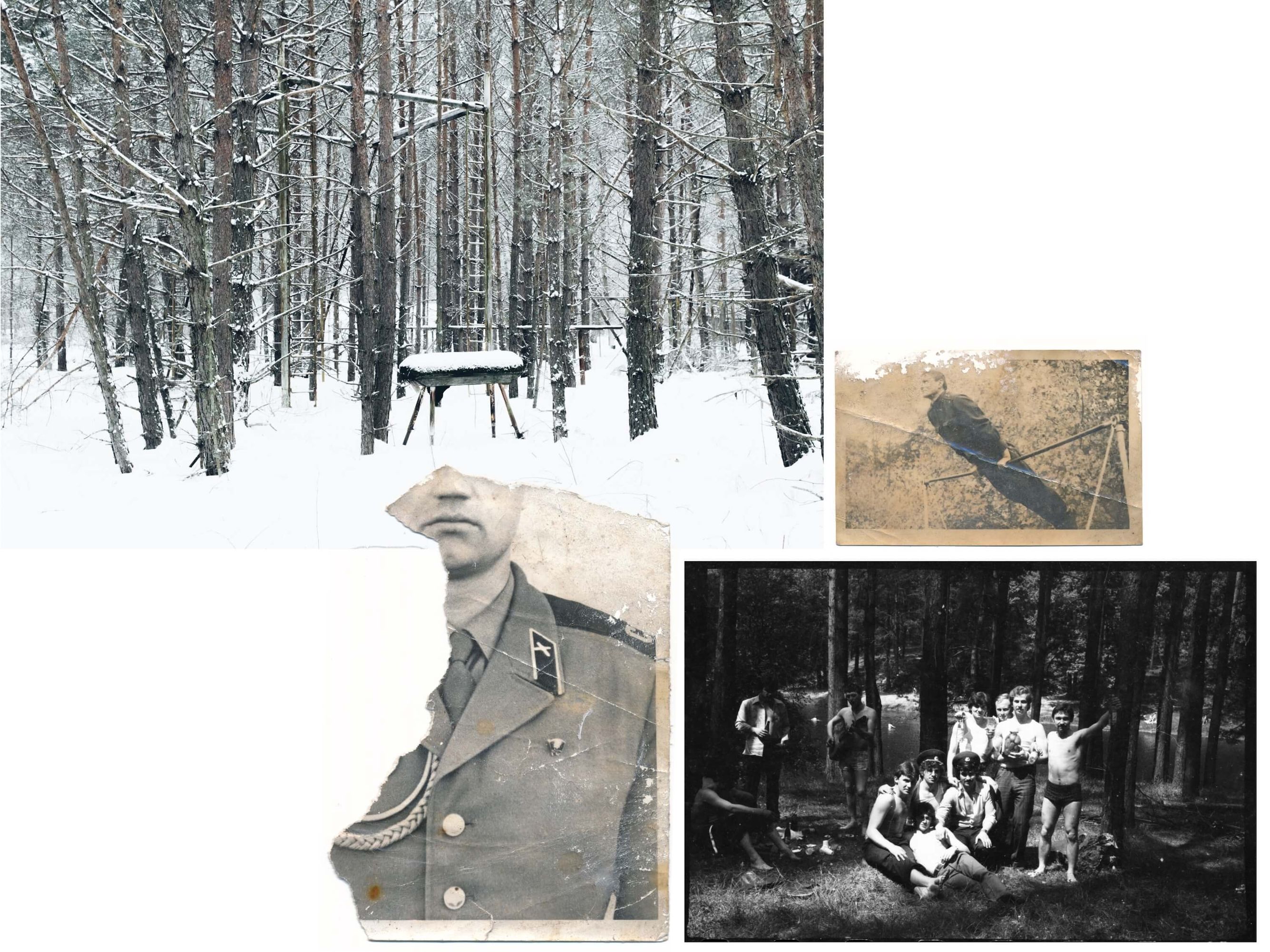
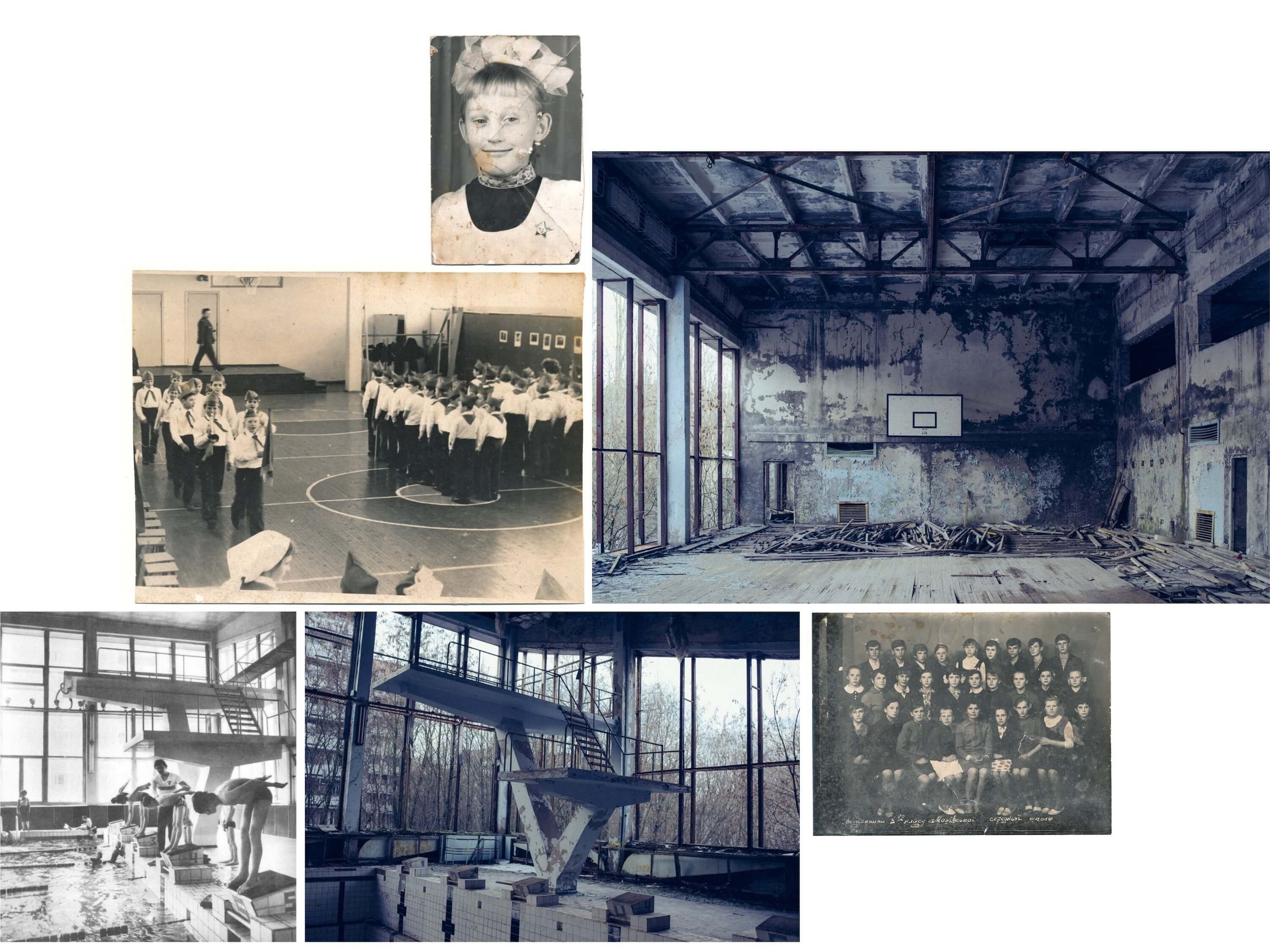
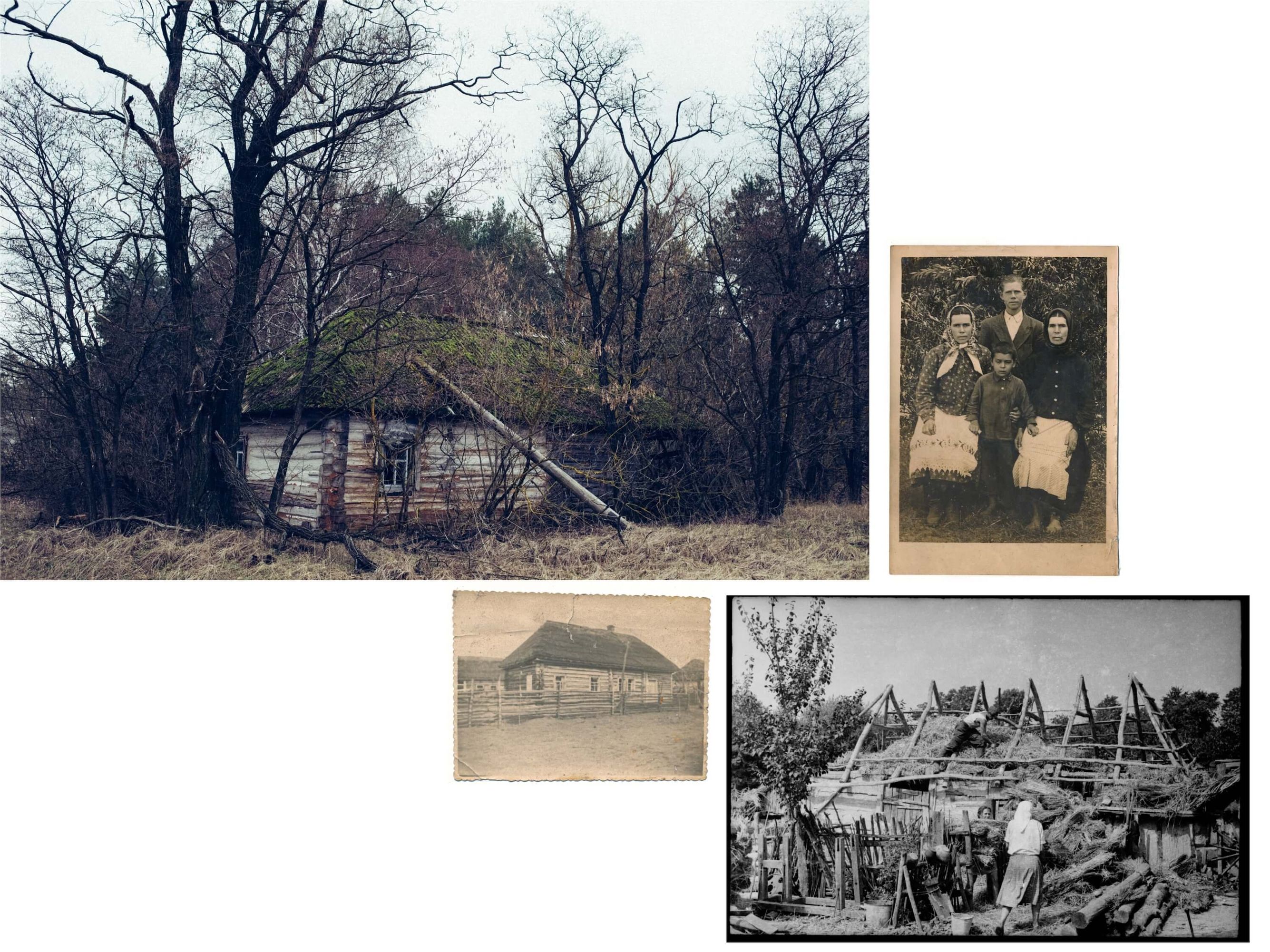
Ukrainian artist and photographer Maxim Dondyuk has been working on the Chornobyl Archive project since 2016. Together with his wife Irina Dondyuk, they visited more than 20 settlements in the exclusion zone. The artist’s research is devoted not only to what the places that survived the disaster became, but also to how a space of memory was formed in this place, consisting of abandoned houses and things left in them. For his project, Dondyuk collects and digitizes family photographs, negatives and letters abandoned in the Chernobyl exclusion zone, and considers them as fragments of collective memory. The photographer shows that the archive itself in this project is not just a repository of information, but a living form: over time, not only the disintegrating negatives change, but also the very meaning of the found images, since their perception is closely connected with the ongoing transformation of Chernobyl itself and Ukraine.
Find out more about the work of Maxim Dondyuk
An artist working in the genre of documentary photography, which he uses as a research tool. Lives and works between Ukraine, France and Asia.
An important place in Dondyuk's work is occupied by archives and the study of how found visual materials bear the imprint of trauma, how an image can survive violence, accumulate memory and acquire new meanings after historical upheavals.
Early in his career, Dondyuk worked in news photojournalism while developing long-term documentary projects.
Dondyuk’s main projects are the book and project “ Culture of Confrontation ” (2013–2014) about the Ukrainian Revolution; " White Series " (2017–2024) about the traces of violence etched into the landscape; “Chernobyl Archive” (2016—present).
In 2022, Maxim Dondyuk was awarded the W. Eugene Smith Grant in Humanistic Photography. His exhibitions have been held at the Museum of Modern Art Paris, Somerset House (London), MAXXI (Rome), the International Museum of the Red Cross and Red Crescent (Geneva), Lucie House (Budapest) and LʼArsenal (Bastia).
In 2025, the photographer became a fellow at the Institute for Ideas and Imagination in Paris. There he continues to work on the “Chernobyl Archive”.
The word “Chernobyl” has been imprinted in my memory since childhood. My younger brother was born a year after the disaster. He spent much of his early years in hospitals. As a child, I didn’t fully understand why this was happening, but I remember the atmosphere of constant anxiety around him. For me, this was my first personal encounter with the consequences of an accident.
When I first entered the Chernobyl exclusion zone, I did not know what I was looking for or why I was going there. But I needed privacy and silence. This deserted area became a refuge for me from the chaos of the war that unfolded immediately after the revolution of 2013-2014.
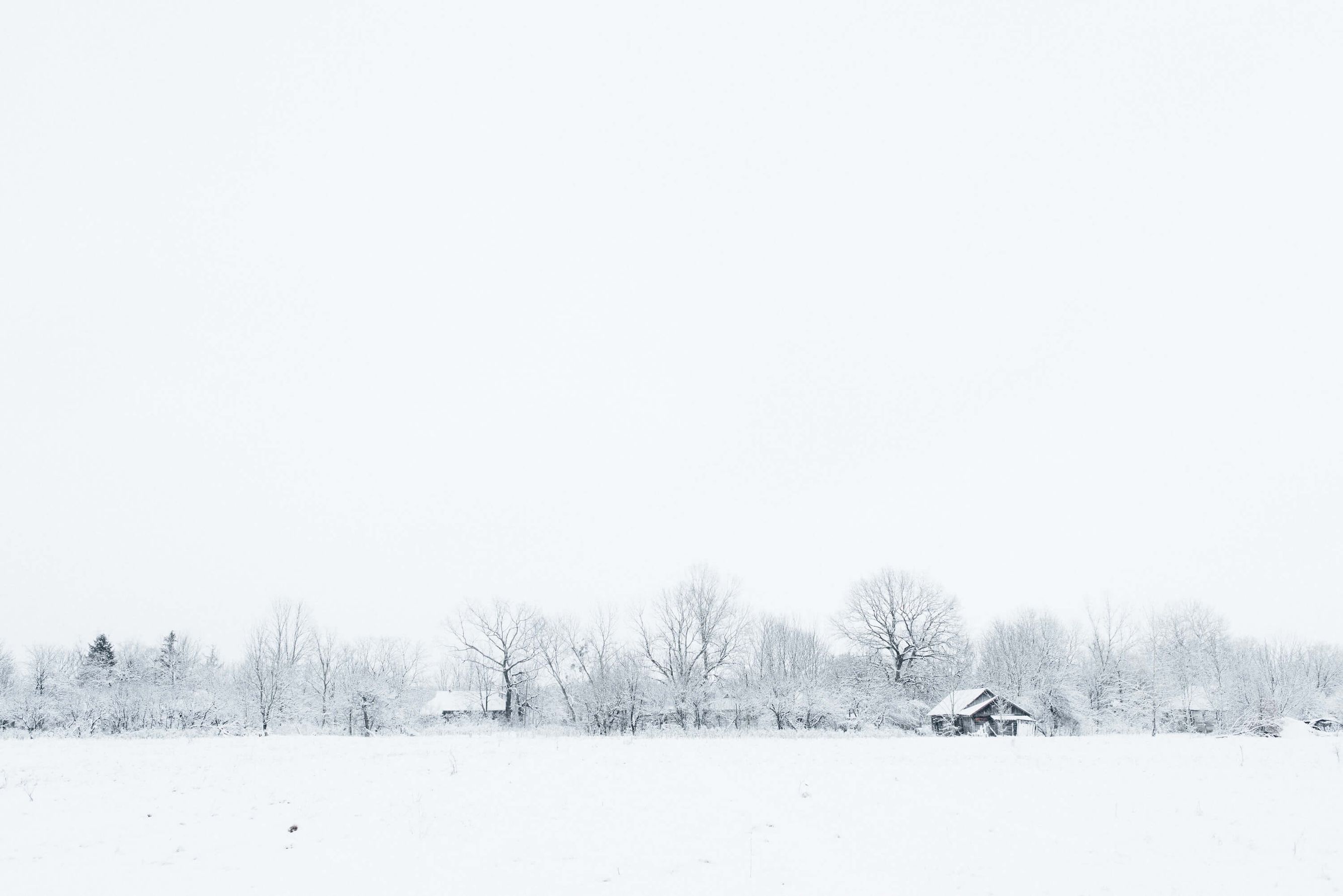
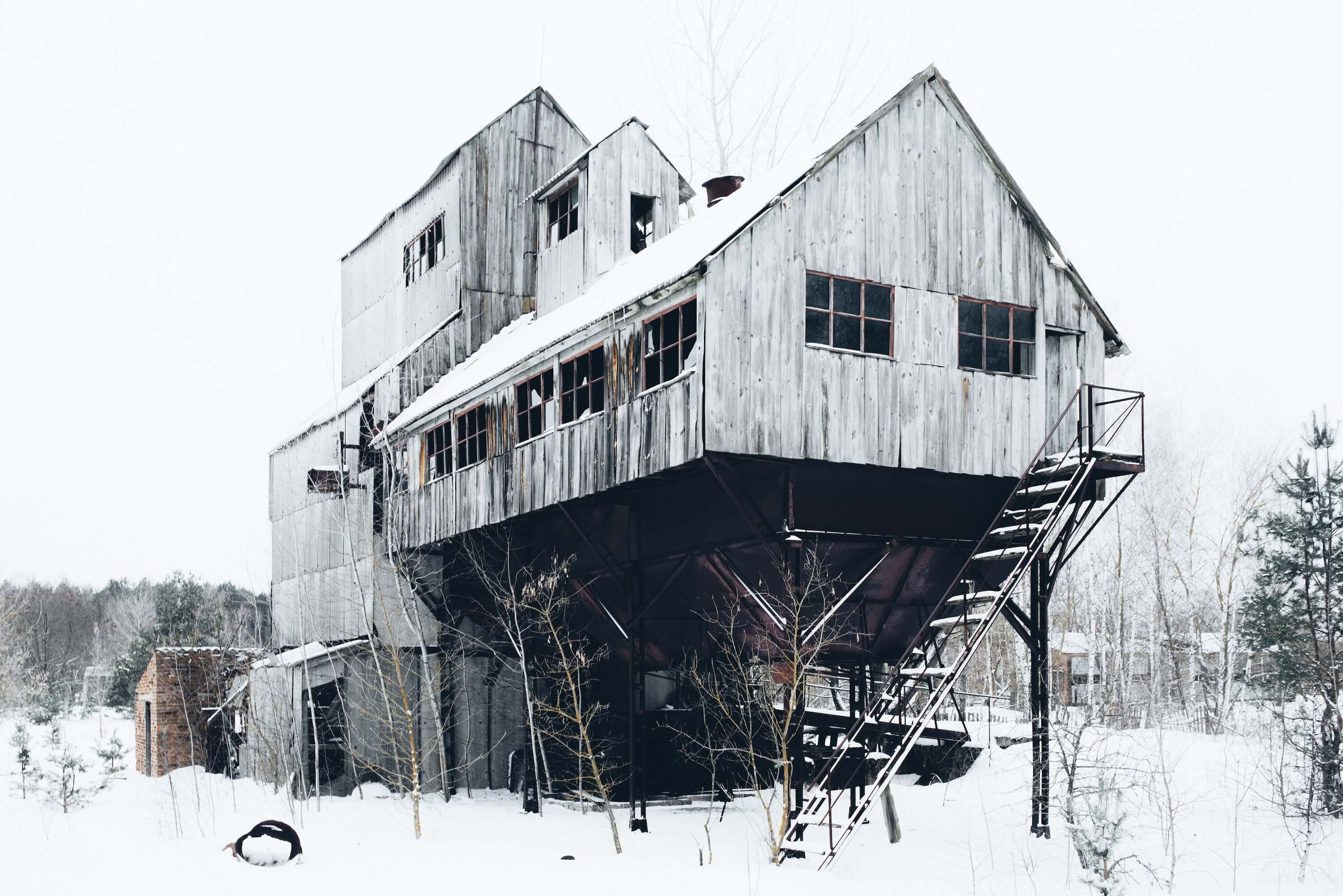
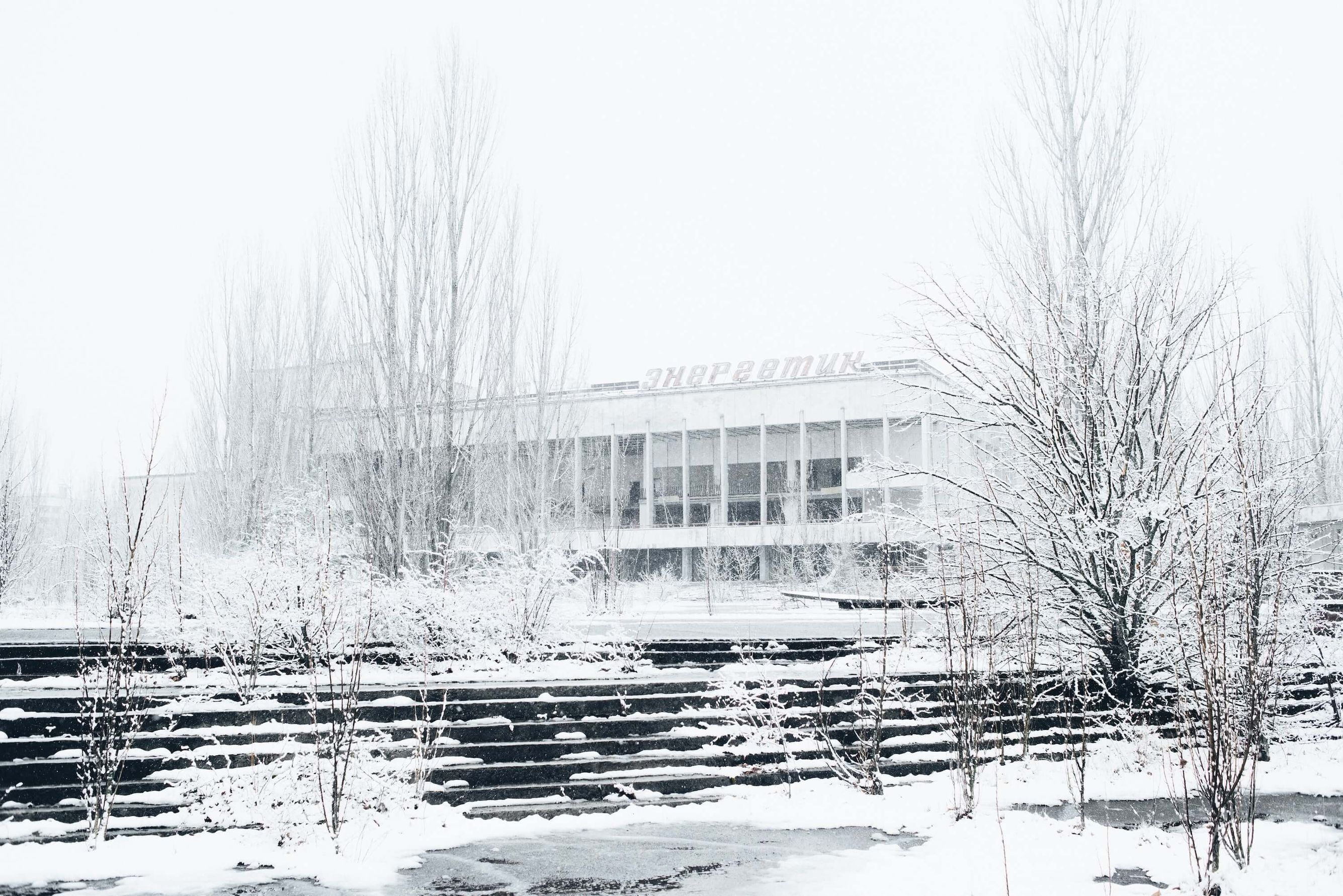
I began exploring post-apocalyptic landscapes where nature had taken over, erasing traces of human presence. Spending more and more time in the zone, I began to look not at events, but at the emptiness and what remains after people leave. I began to experience emptiness as a form of memory and rethought my approach to documentary practice. I began to work more slowly, more calmly, paying more attention to what remains after the events.
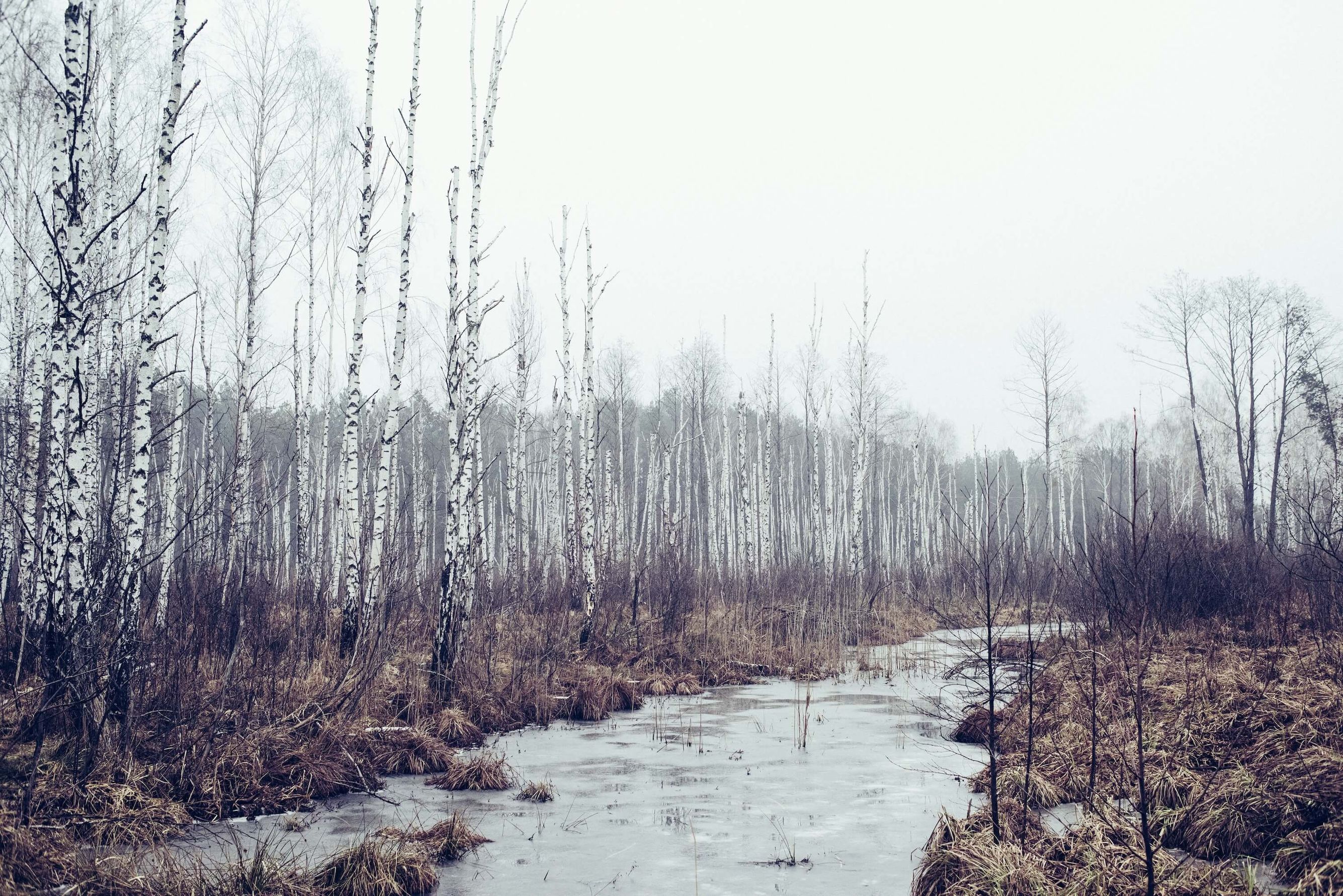
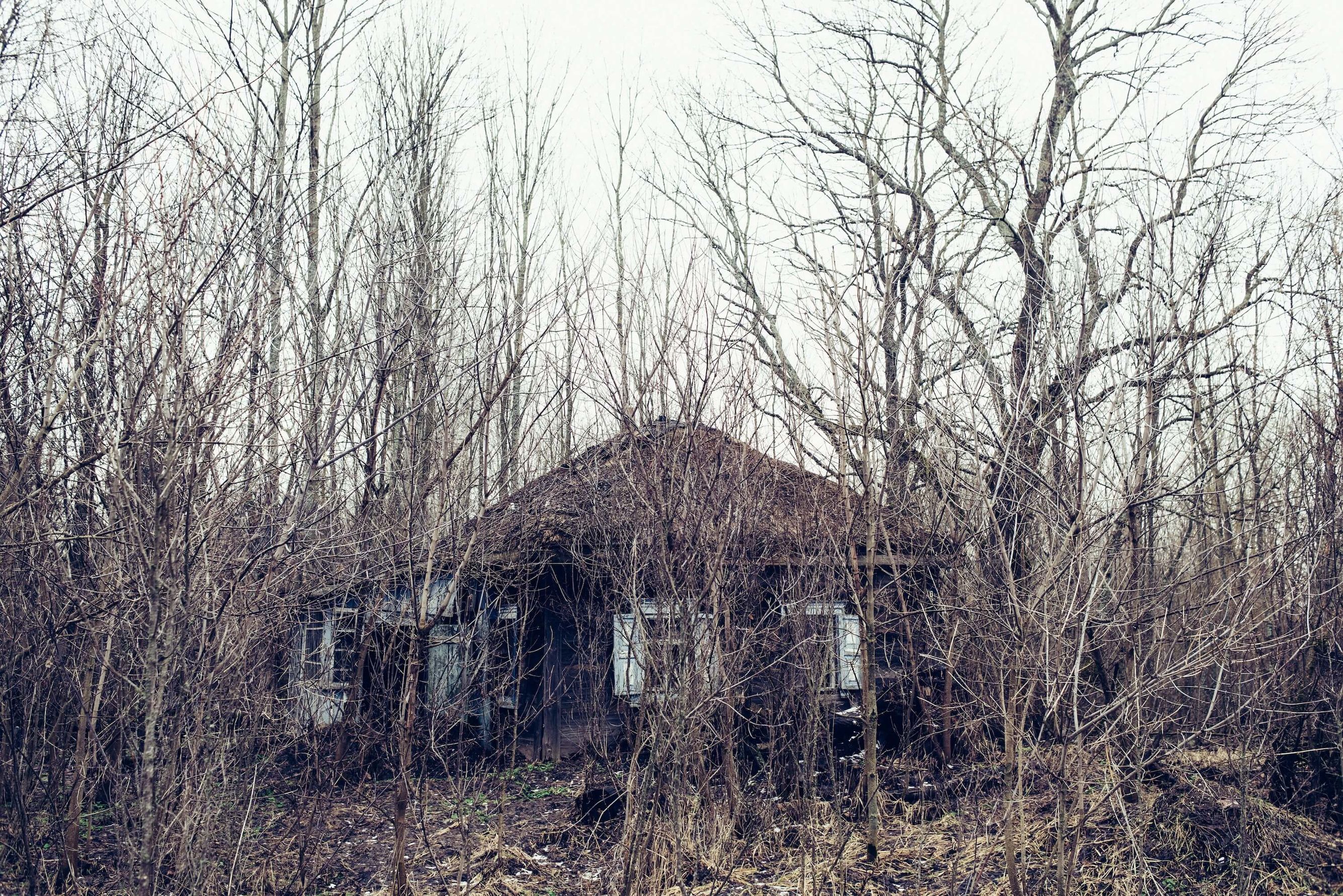
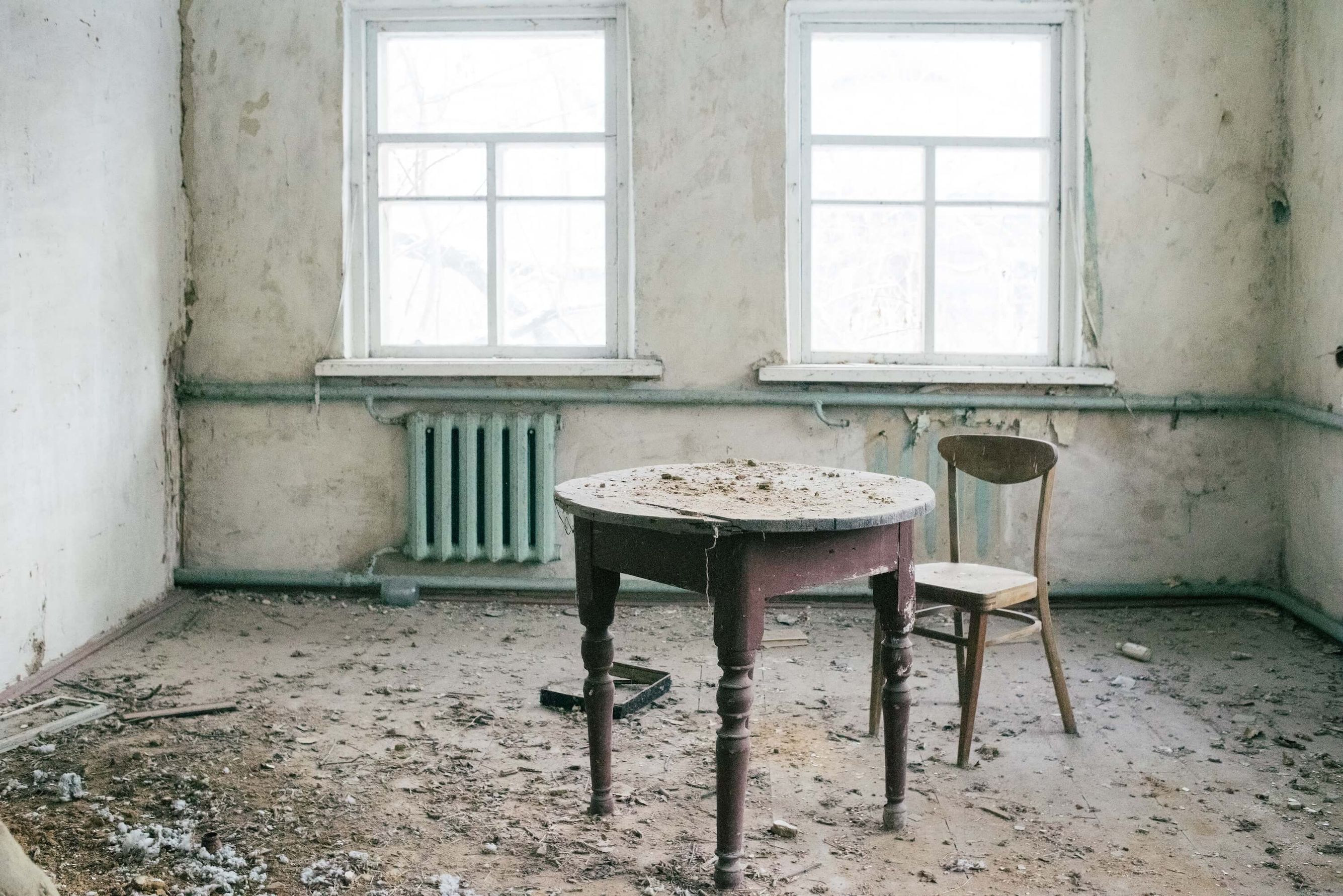
Over time, the project became a way of connecting with the past, with what existed long before the nuclear power plant. Exploring abandoned villages, I found letters, family photographs and films - fragments of lives that no one had time to take. The project became not just documenting a place, but working with what was left. The collection, preservation and re-interpretation of what was found played an important role in this project.
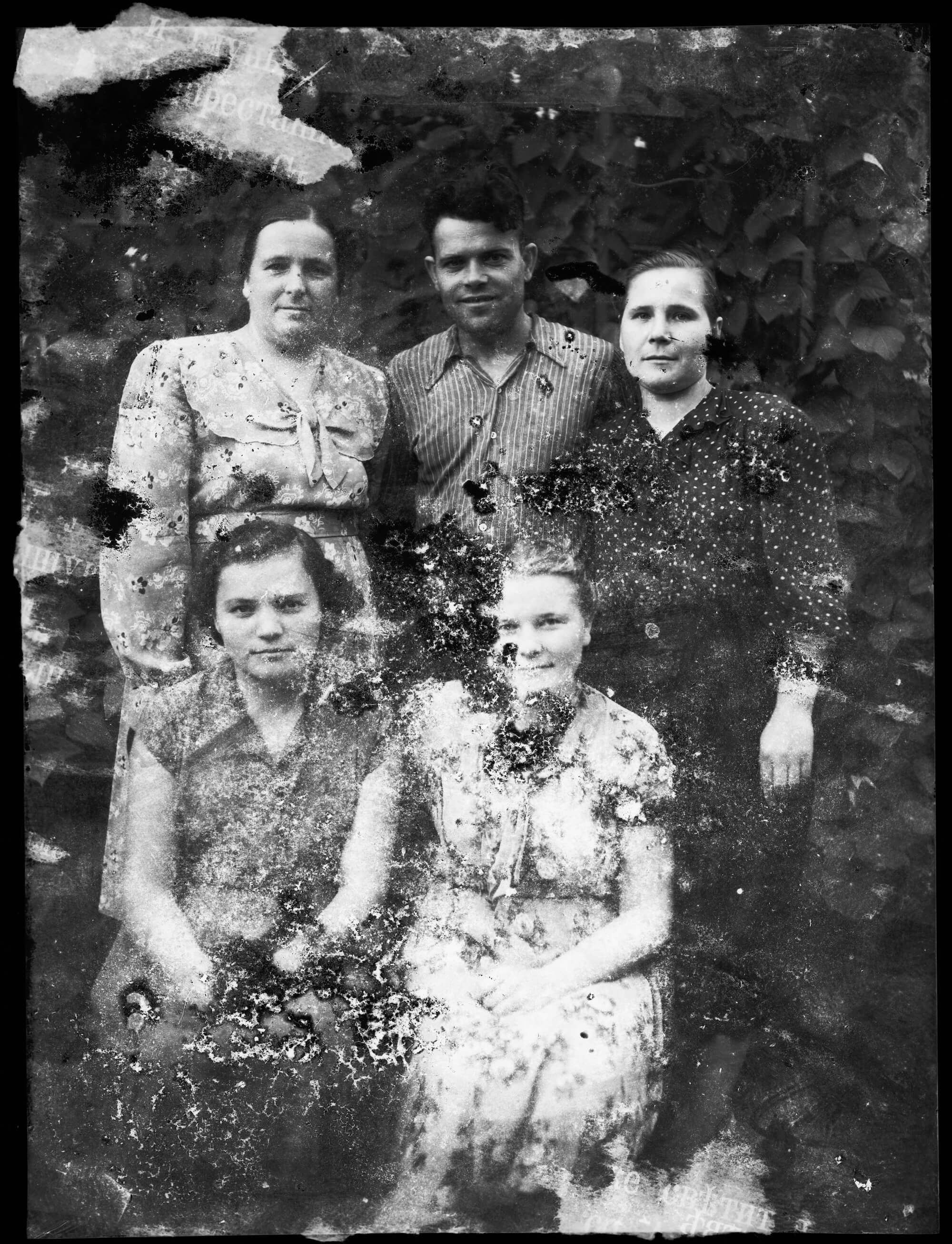
When these photographs were taken, no one knew what would happen next. These were just snapshots of life: family, home, holiday. But I found them after the Chernobyl disaster. And now they carry within them the knowledge of what happened later. That is why we look at them differently: a second layer appears that did not exist before. This is how time changes the meaning and weight of photographs, and this process is endless.
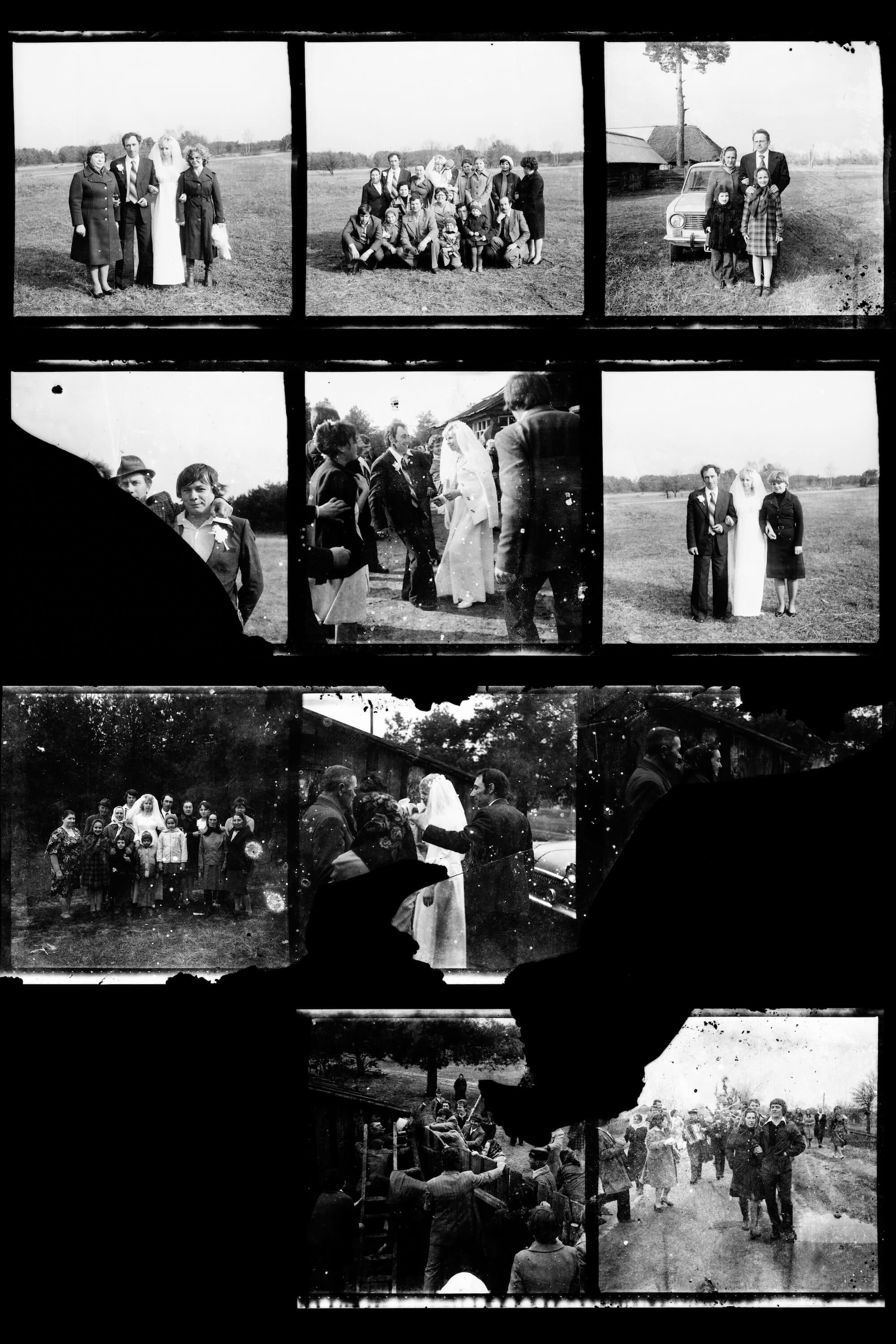
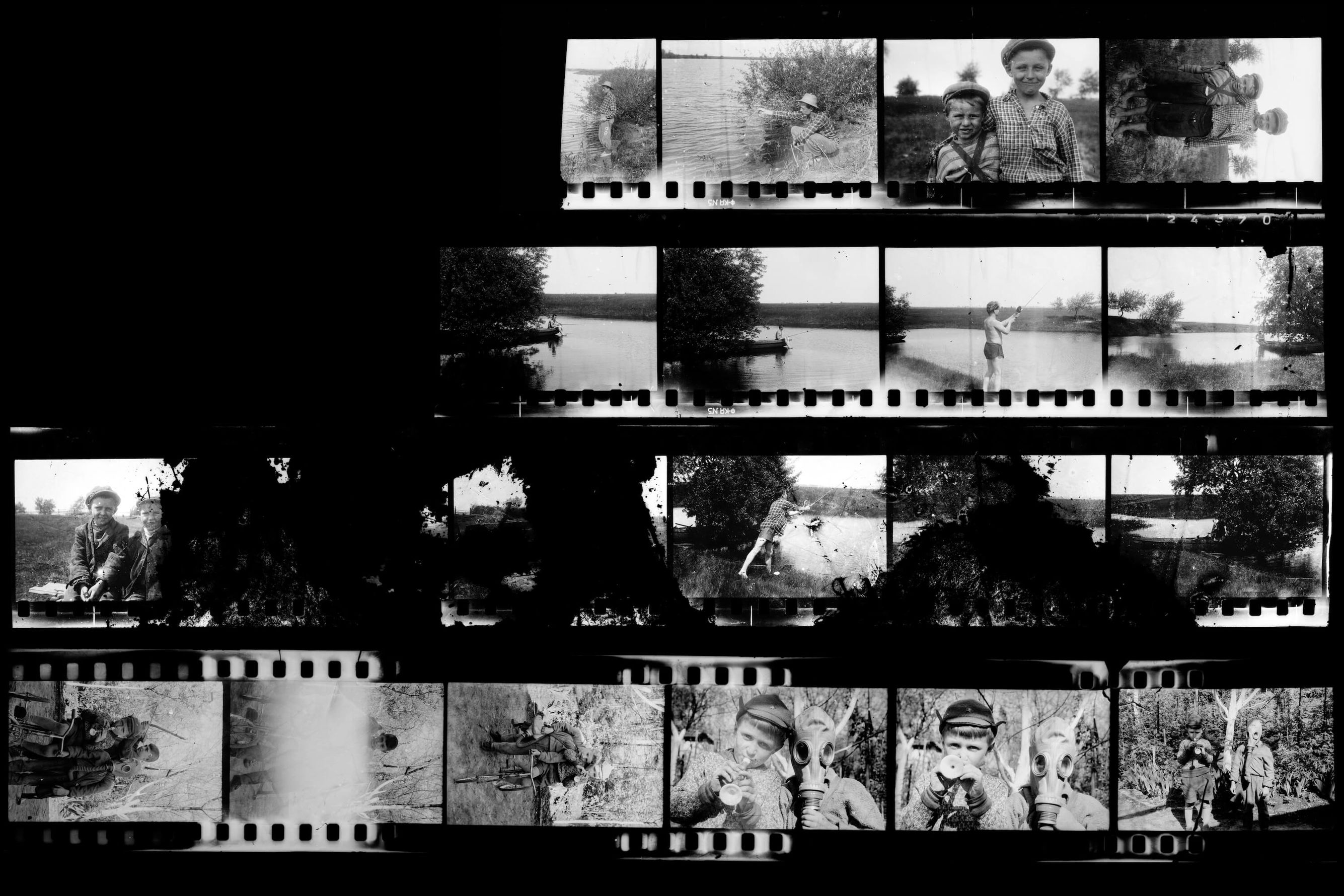
The found archive became a bridge between the past and the present. He brings back what disappears first: everyday life, family memories, traditions and rituals. It takes Chernobyl out of the usual image of ruins and shows people's lives before the disaster. This is not an illustration of a disaster, but an independent layer of history.
I also realized that the Chernobyl archive reveals something that was not always visible before. Ukrainian identity manifests itself through these photographs and letters - in everyday life, in holidays, in language, in gestures. I don’t think people at that time realized that this was an act of preserving Ukrainian culture. But today all this can be dearchived and re-read.
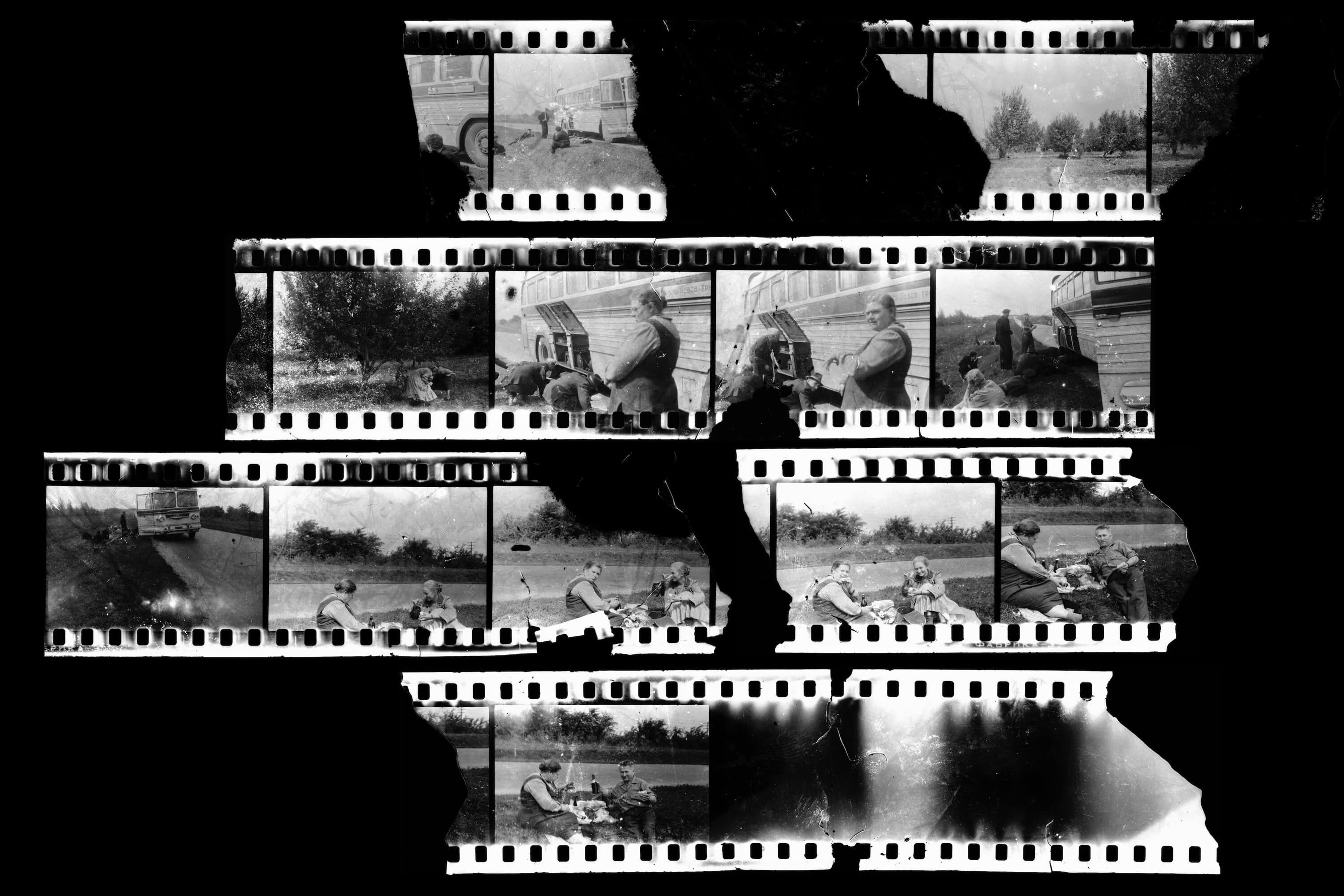
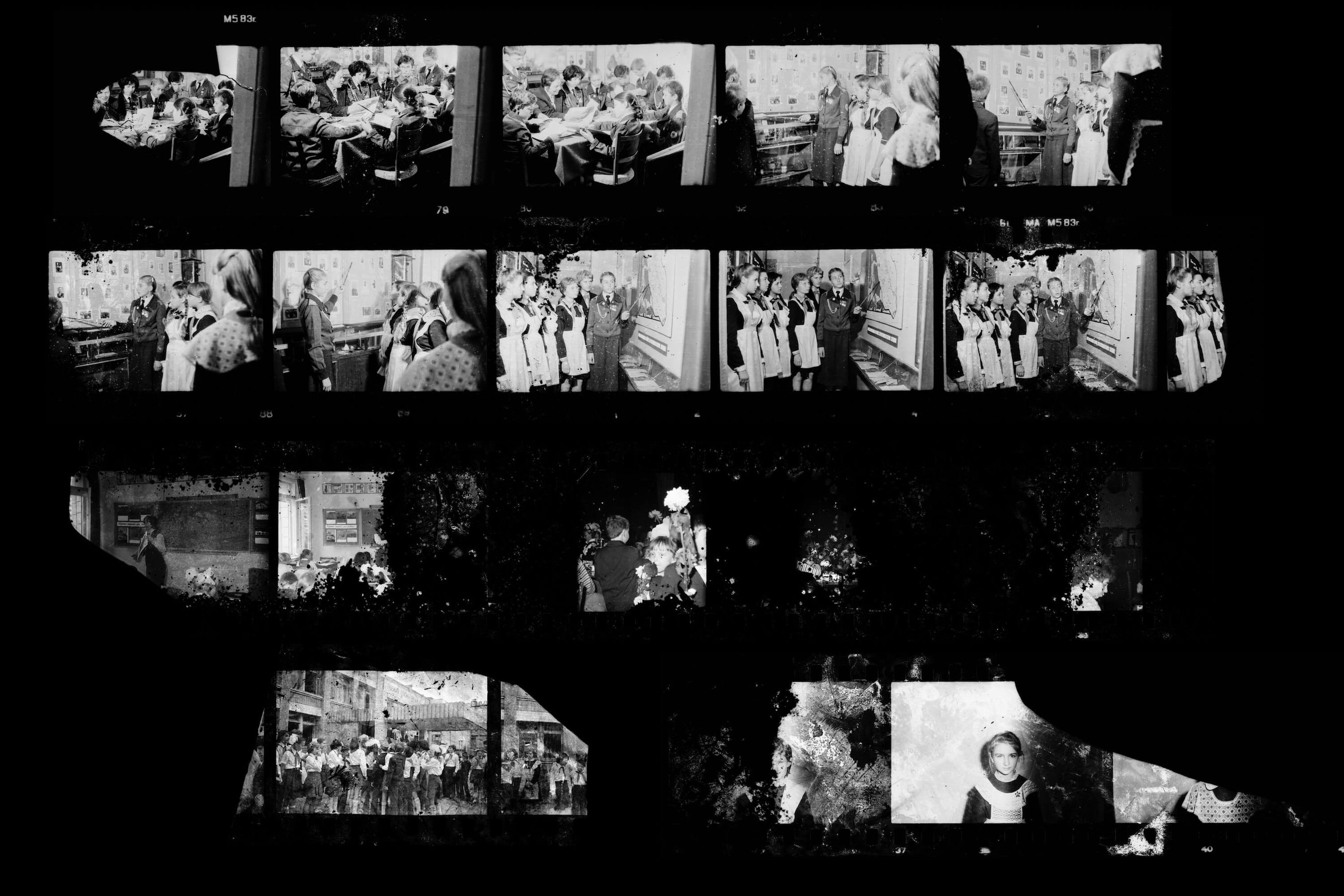
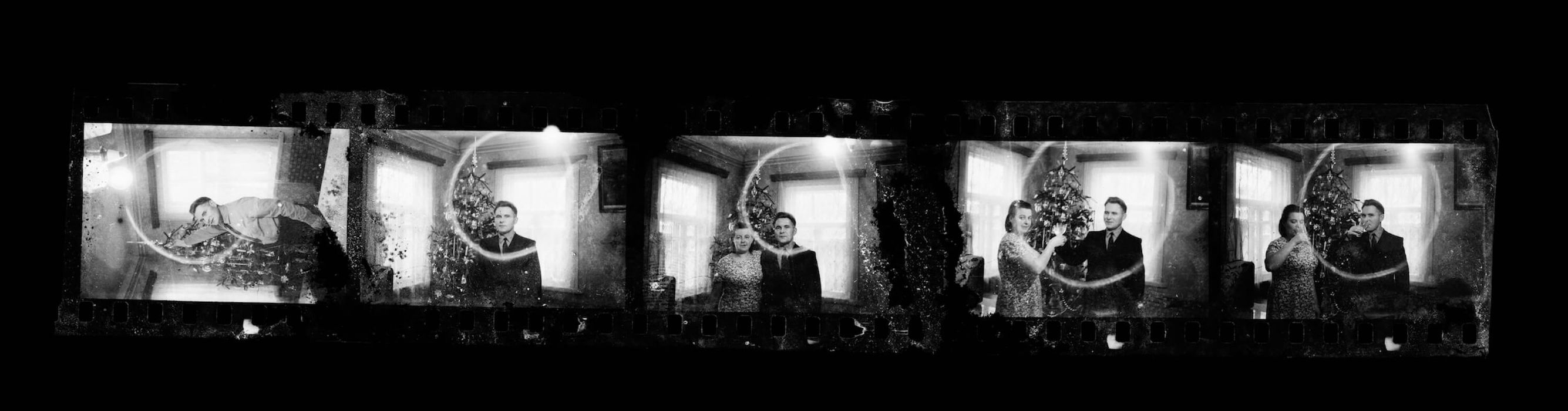
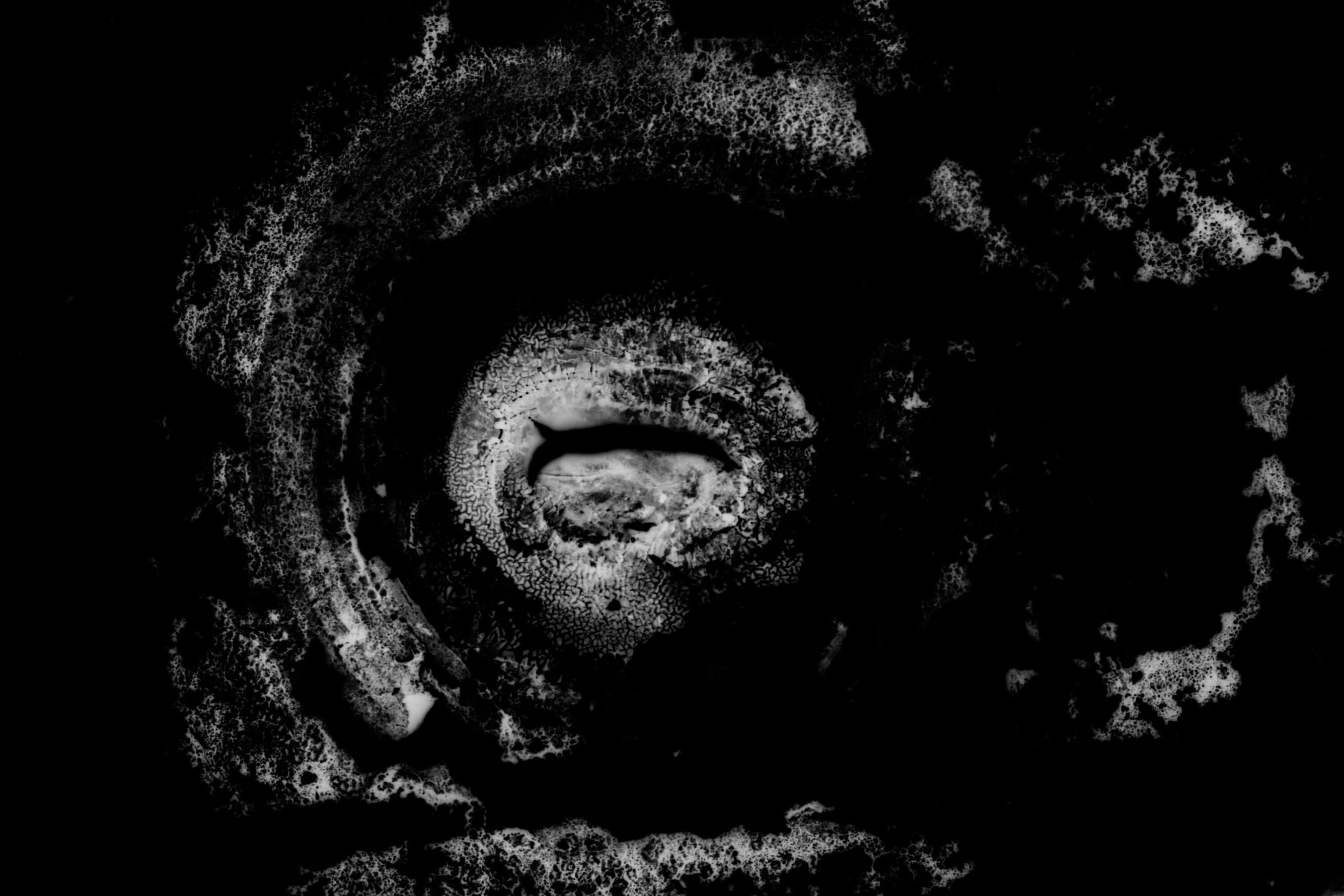
There is something about Chernobyl that cannot be ignored: decay. Some negatives have changed so much over these decades that they are no longer documents in the usual sense of the word. Decay doesn't just erase the image, it transforms it. And then you are faced not with a fact, but with an absence, with something that can no longer be completely restored.
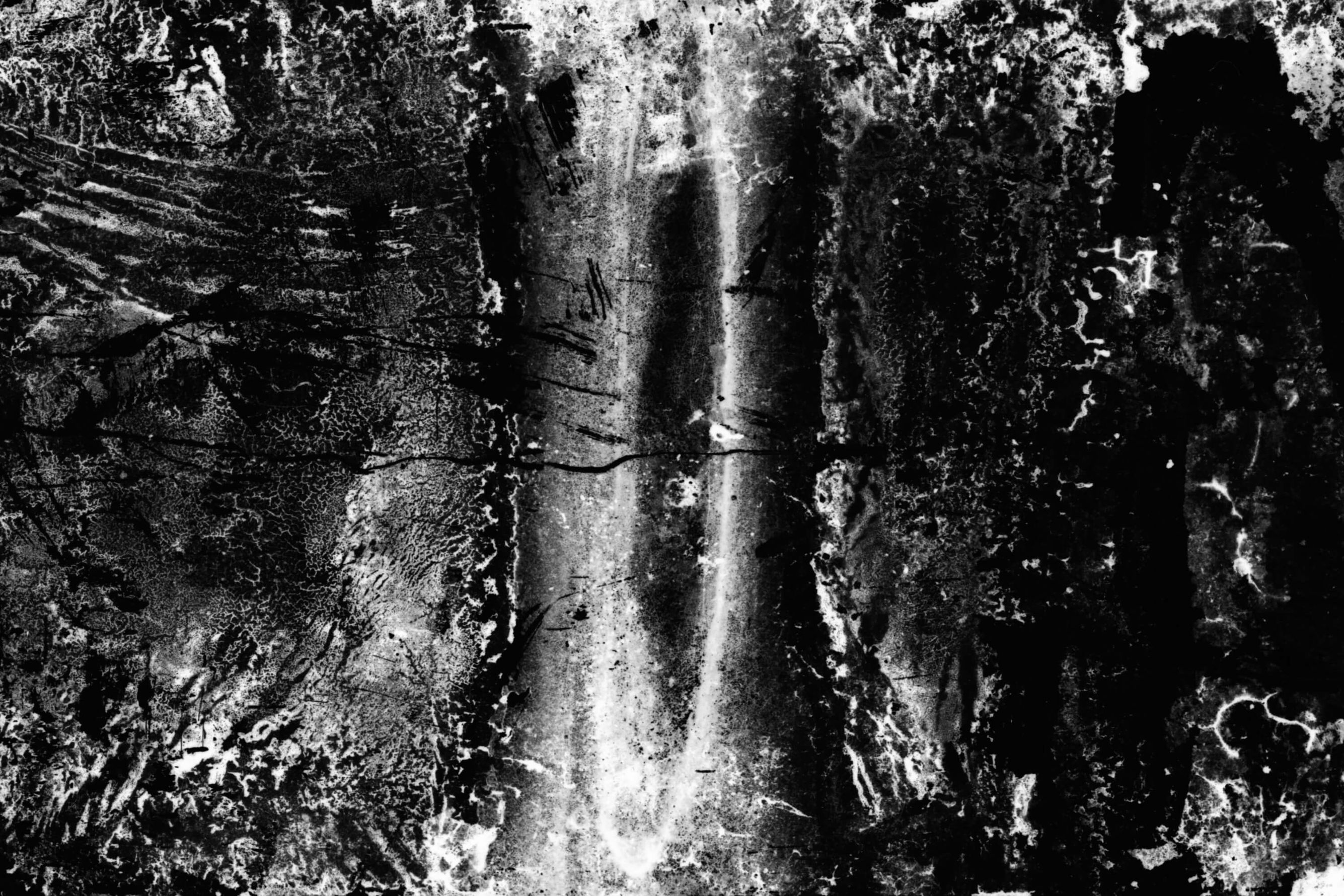
These negatives were once ordinary photographs. The silver in the emulsion fixed the light and the image seemed stable. Decades passed and the material began to change. The emulsion reacted with time, radiation, moisture, and temperature. And the image became different, as if the life that was photographed had also gone through decay, loss, disappearance. Now we see an almost abstract surface, but inside there are still traces: a silhouette, a gesture, an object, a fragment of space.
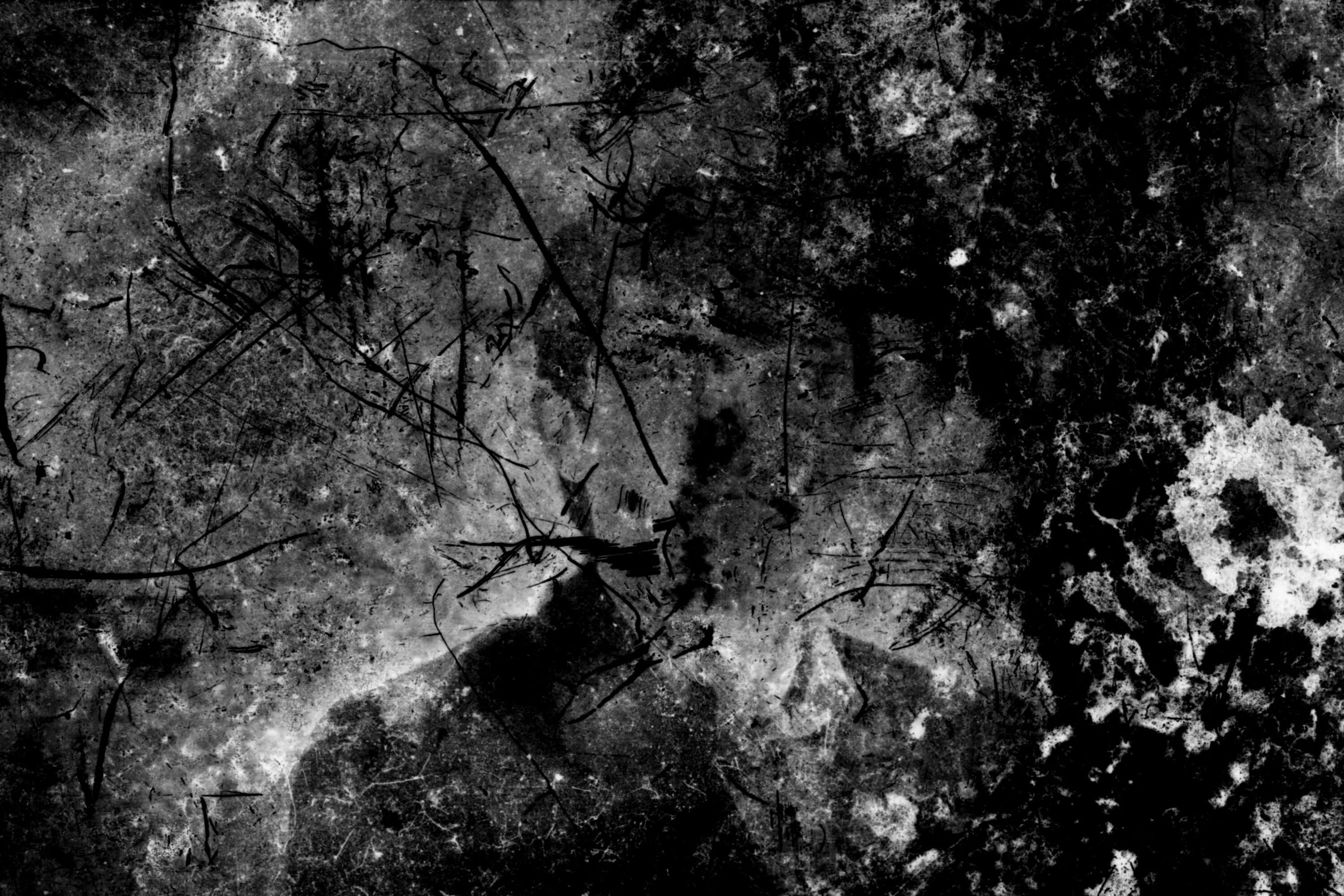
What moves me most is this shift: when photography ceases to be just a document and becomes a visible product of time. Negativity becomes an artifact of duration. Radioactive decay and natural processes transform the archive from a repository of the past into a space where time continues to operate within the material.
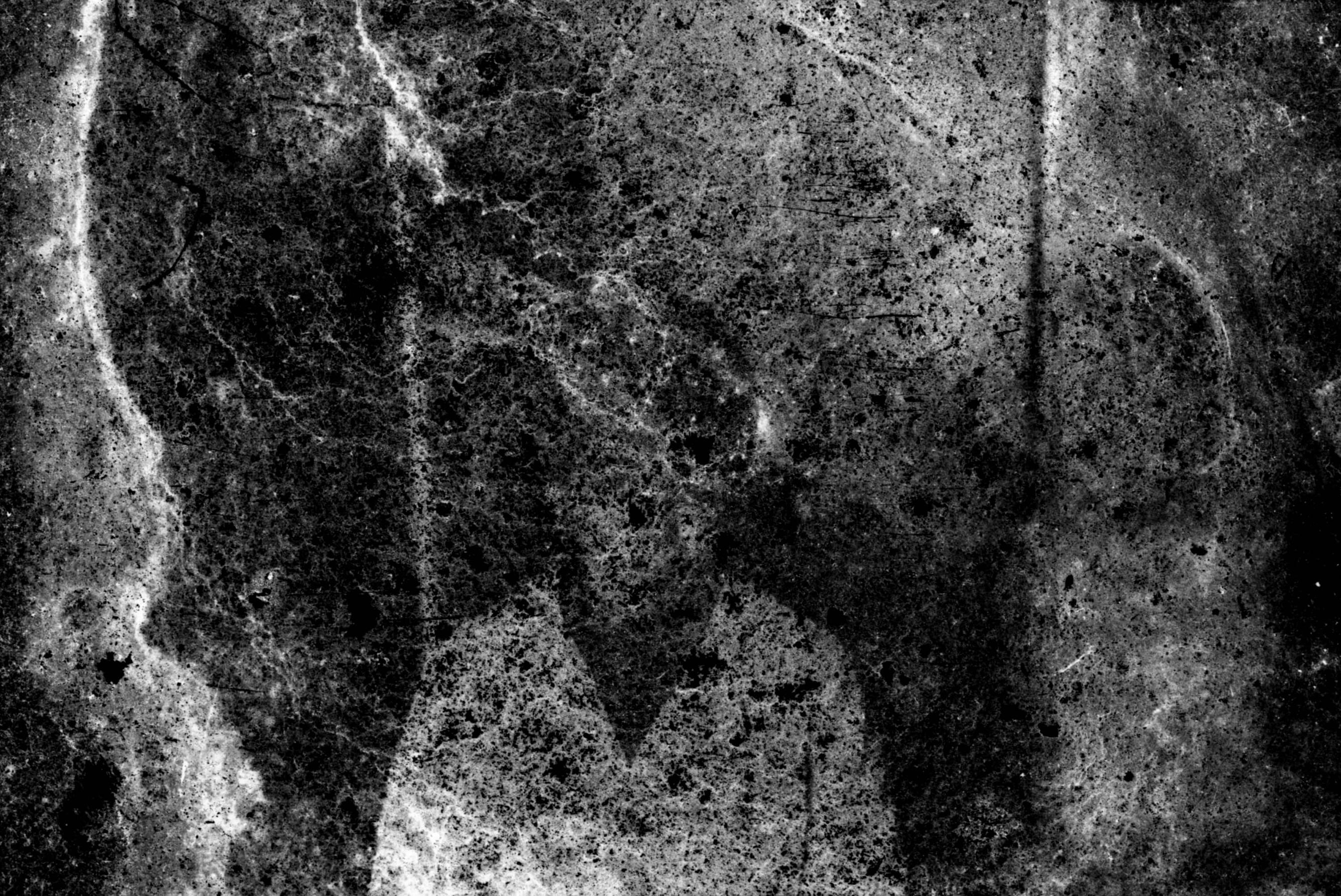
Today, the world seems to have endless memories stored in the cloud. But not so long ago, memory existed in a single copy. One photo. One negative. One album. If a house burns down or people leave forever, it is not the archive that disappears in some abstract sense. This one copy of life disappears. After surviving the war, I realized how important memory is. In my darkest moments, all I had left was the memory of my loved ones.
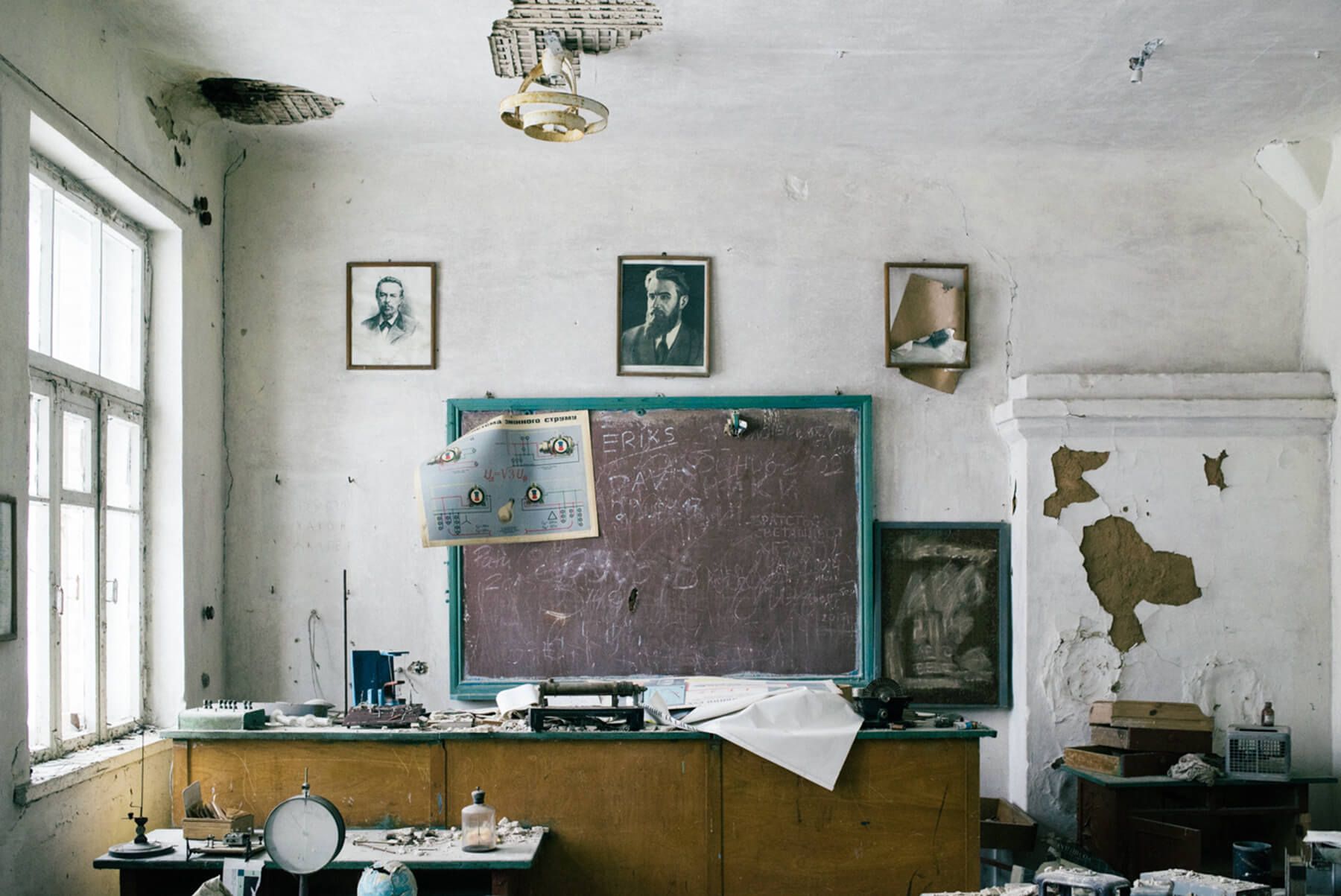
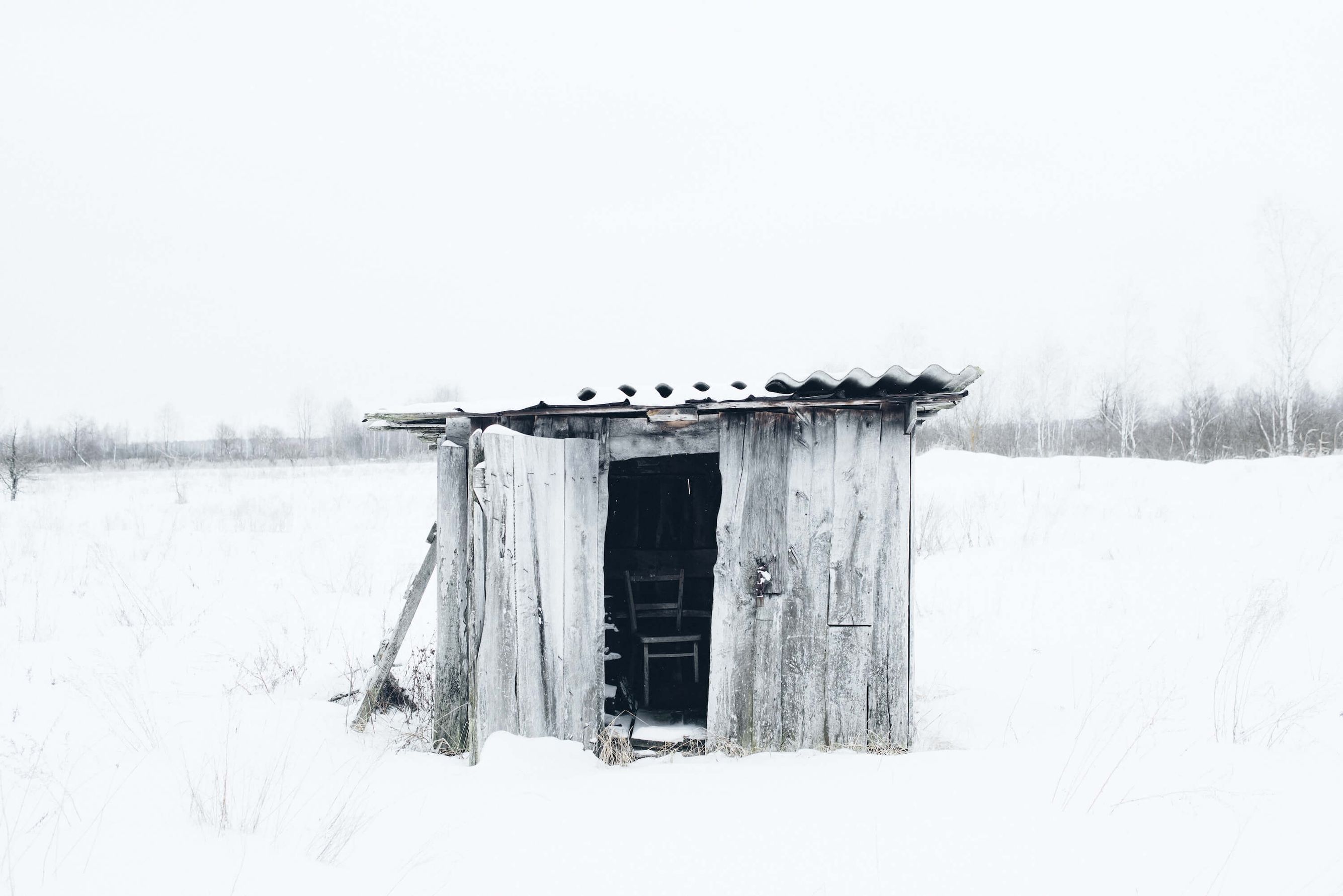
Chernobyl is often called a dead land, but everything there feels different. When people left this territory, nature began to reclaim it. Everything that was created by man quickly disappeared without constant presence and care. The villages were overgrown with bushes and trees, the roads disappeared into the grass, the houses again became part of the forest and field.
Over time, the number of wild animals in the zone increased. I constantly met moose, deer, wild boars, rabbits, and wolves. The animals were often not afraid of me at all: sometimes I went into a ruined house - a white owl sat calmly there and looked at me. For nature, Chernobyl has become something of a reserve of human absence.
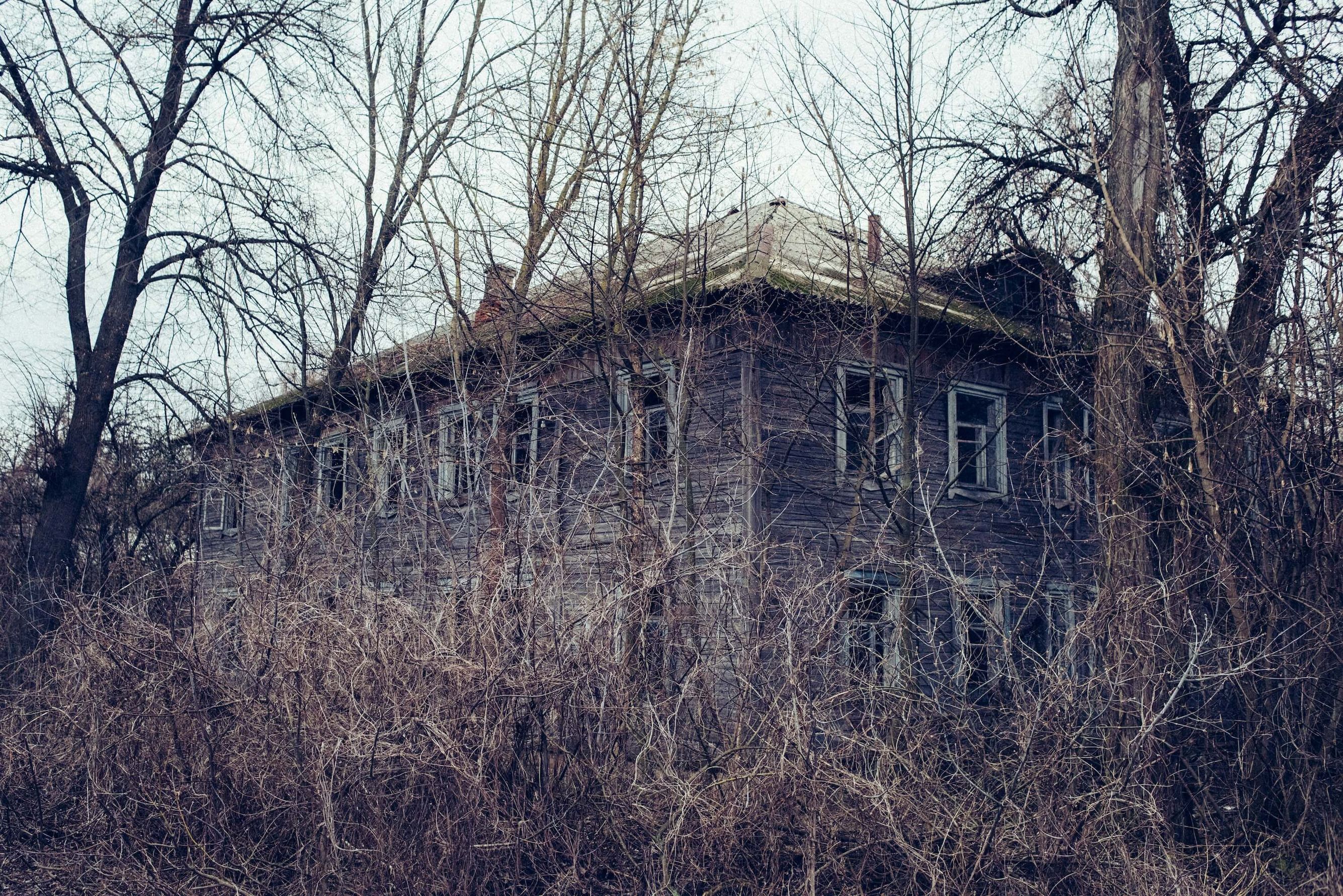
The days spent in the Chernobyl zone gave me an incomparable experience: I simultaneously felt the scale of human error that led to the disaster and the power of nature reclaiming space.
At times it was reminiscent of Tarkovsky’s Stalker, where danger is not always visible, but permeates everything around. Dosimeter in hand, like a stalker searching for hidden artifacts, I search for the memories of those who once lived in these now abandoned places.
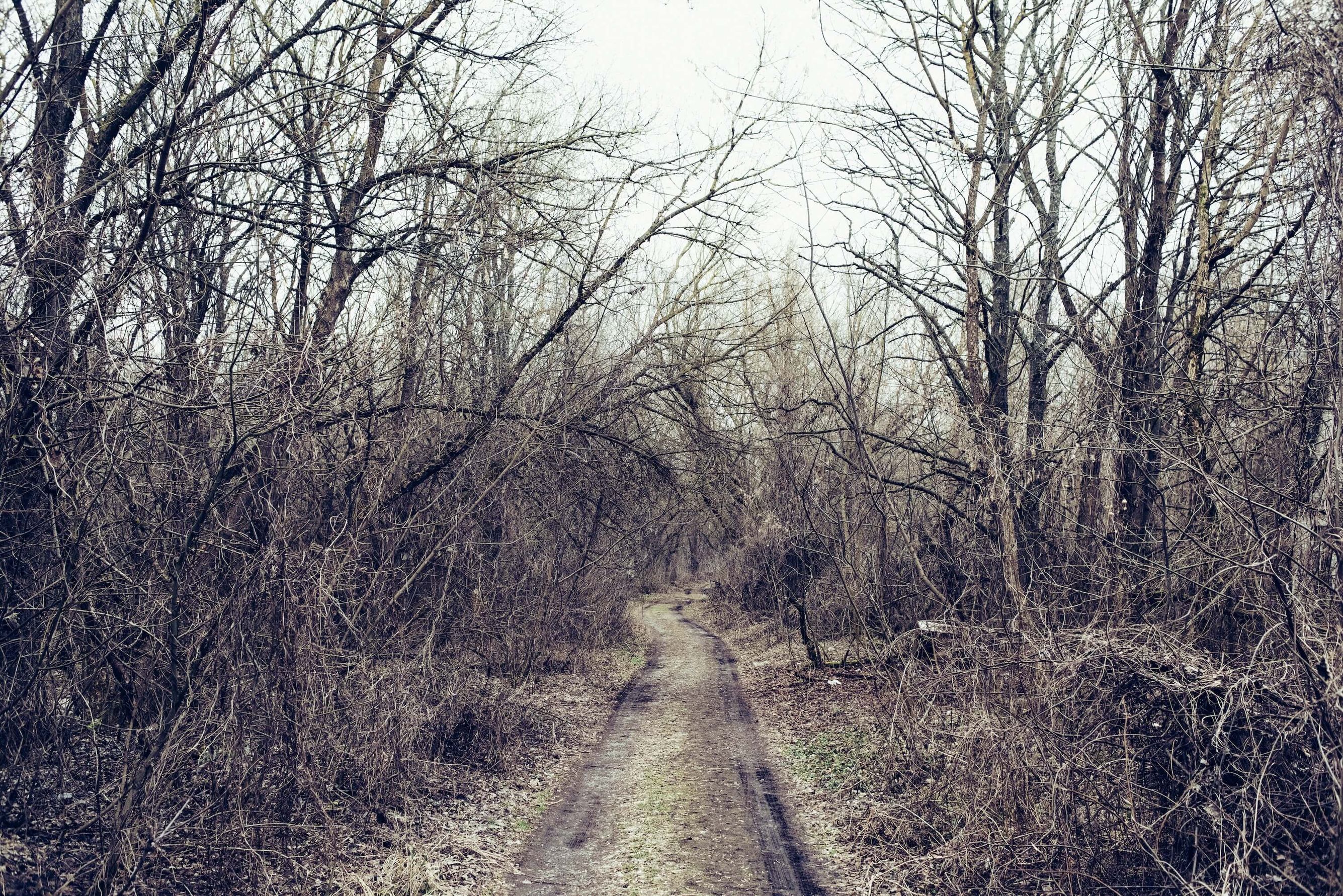
I am working on this project with my wife Irina. From 2016 to 2022, we made dozens of expeditions to the exclusion zone, walked hundreds of kilometers and explored more than 20 abandoned villages, house by house.
The artifacts we found had been rotting for decades under layers of rubble and dirt, on floors and under broken furniture, some damaged by time, weather and radiation, others remarkably well preserved.
Today the archive includes more than 400 rolls of film and more than 20 thousand artifacts - photographs, letters and documents. Each one is digitized and has a GPS tag, linking it to the specific house where it was found. Each house is assigned an identifier. This is how a detailed visual map of the lost world is gradually formed: the object remains associated with the place where it was found.
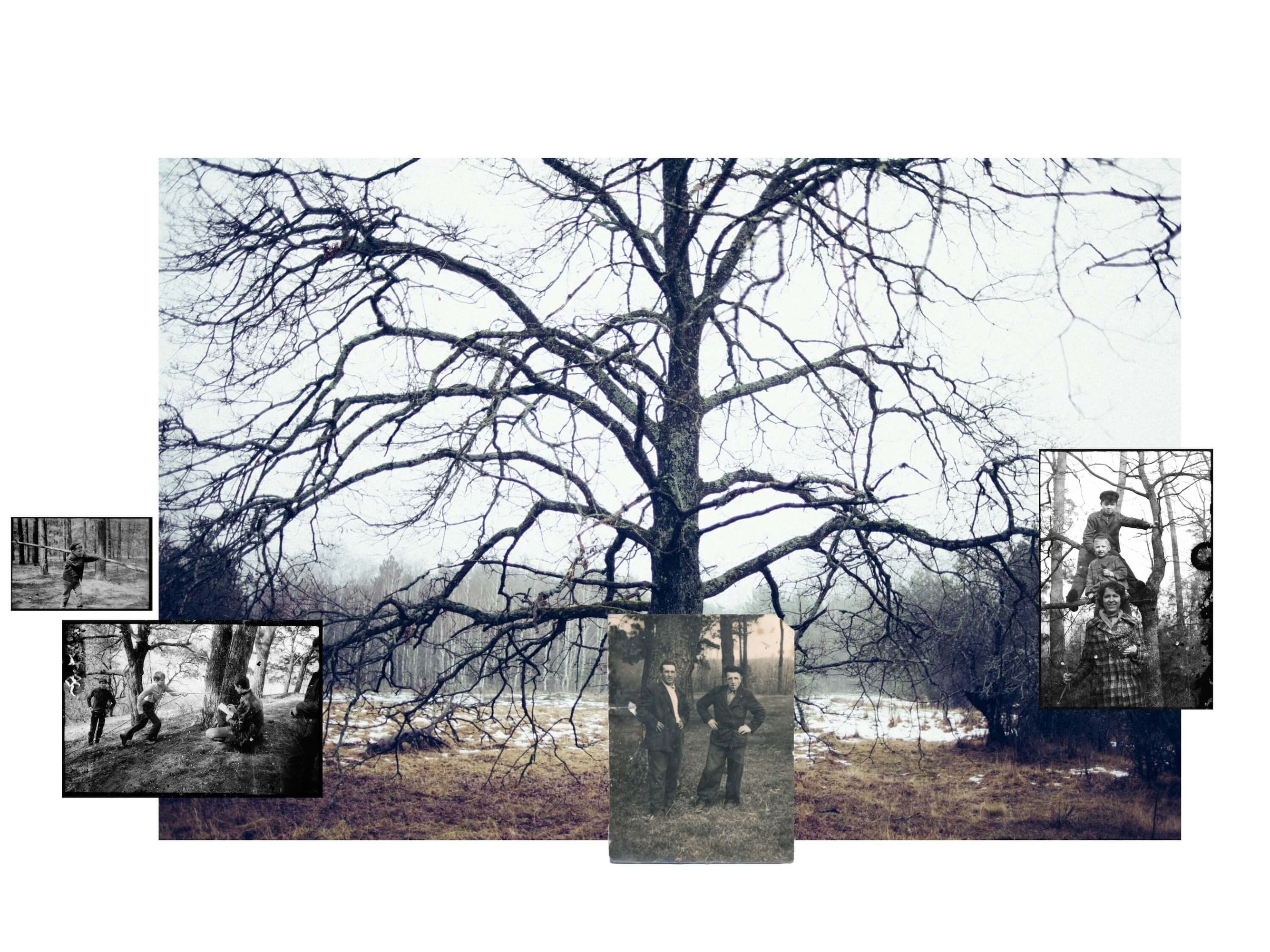
As I delved deeper into the villages, the project began to expand not only through the materials I found, but also through the people I met—former residents of the zone, scientists, people whose personal stories gradually deepened my understanding of the place. Some of them shared with me film negatives and cassette recordings that preserved fragments of the life of self-settlers who remained in the zone after the disaster.
All these details, found, donated, accidentally preserved, gradually form the project into a multi-layered space of memory, where the personal, collective and found are intertwined.
The Russian invasion of Ukraine interrupted my work on the Chernobyl project. As a result, I was forced to transport the materials to Europe, where I am now continuing the process of scanning and rethinking what I collected as part of a fellowship from the Columbia Institute for Ideas and Imagination.
During the war, my hometown was occupied. My house was destroyed, and so were my family photographs. My parents quickly fled, leaving everything behind. When this happened, the archive that I found in Chernobyl no longer seemed foreign to me. I realized that disaster and war have a similar mechanism. People are suddenly torn out of their own lives, without giving them the opportunity to complete anything and return.
The text between the photographs are quotes from Maxim Dondyuk’s speech at the Columbia Institute for Ideas and Imagination in Paris, where he presented his project in February 2026. In 2025, Dondyuk became a fellow of the institute, where he continues to work on the “Chernobyl Archive”
Portrait of Maxim Dondyuk: Serhii Anishchenko