
Translated material
Georgian conclave
The procedure for electing a new Catholicos-Patriarch starts in Georgia. The SVR made an alarming statement about the candidates. Novaya studied possible candidates

Funeral service for Catholicos-Patriarch of All Georgia Ilia II in Tbilisi. Photo: Mikhail Egikov / TASS
SVR was wrong again
The meeting of the synod of the Georgian Orthodox Church, which must approve a “short list” of three candidates for the chair of Catholicos-Patriarch of All Georgia, begins on April 28 in Tbilisi. The post of primate of one of the oldest Orthodox churches in the world has remained vacant since March 17, when Patriarch Ilia II, who led the church for almost 50 years, died at the age of 94 - a record period in the entire history of Georgia.
As Novaya wrote , the head of the church traditionally enjoys enormous authority in Georgia, and Ilia II added weight to his unsinkability under all regimes. It is obvious that the patriarch with such a flexible and multi-vector position left a difficult legacy.
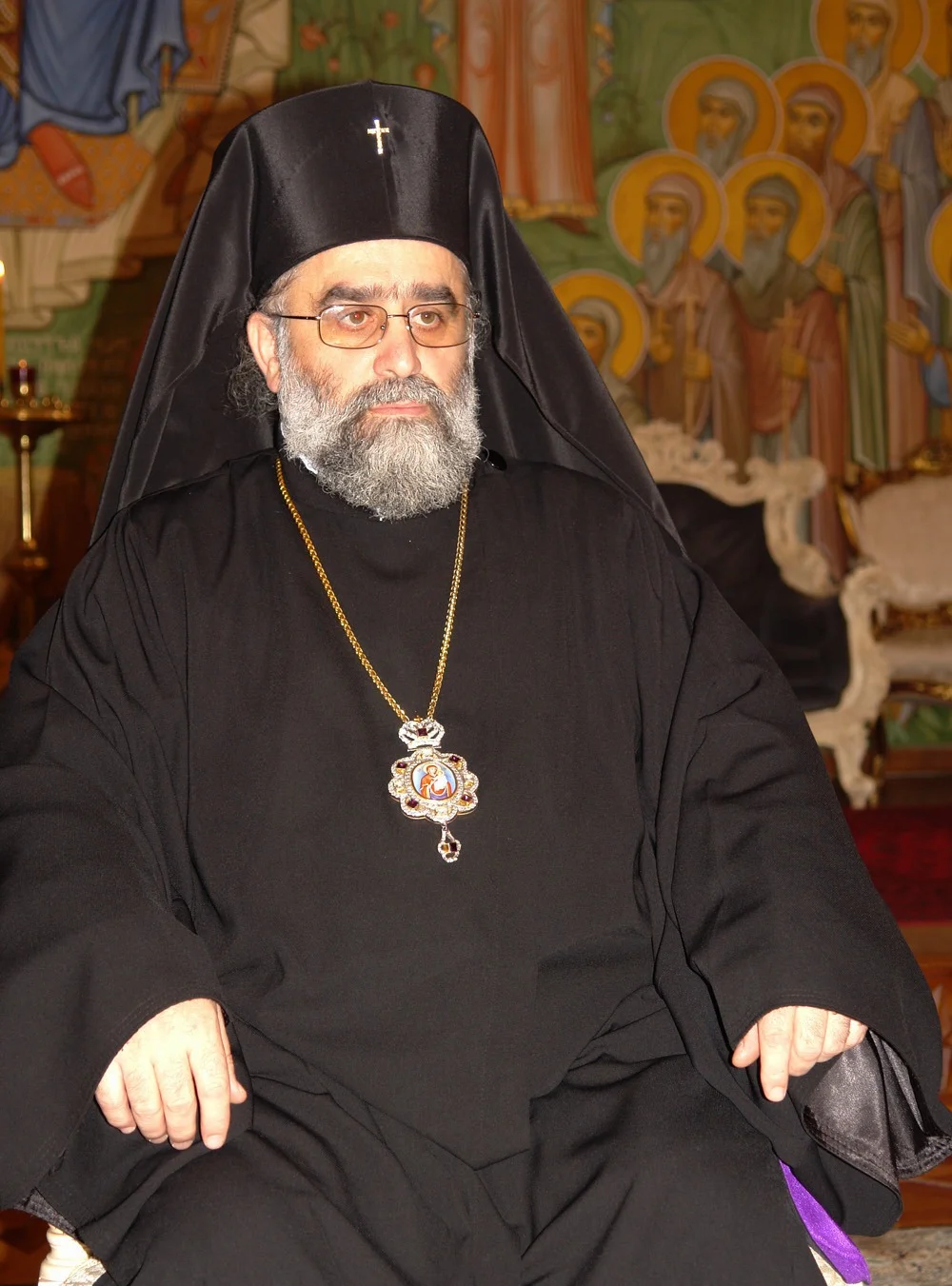
The Russian Foreign Intelligence Service signals the real prospect of “spiritual loss of Georgia” in its next “religious” press release . The knights of the cloak and dagger continue to be irritated by Patriarch Bartholomew of Constantinople, the first honorable hierarch of world Orthodoxy, whom the Foreign Intelligence Service identified back in January as the “Antichrist” and “the devil in the flesh.” To the bewilderment of the intelligence officers, “Bartholomew continues to persistently pursue the treacherous line of splitting world Orthodoxy.” According to the SVR, Constantinople is allegedly promoting Metropolitan of Western Europe Abraham (Garmelia) and Metropolitan Gregory (Berbichashvili) of Poti and Khobi to the throne of the Georgian Patriarch.
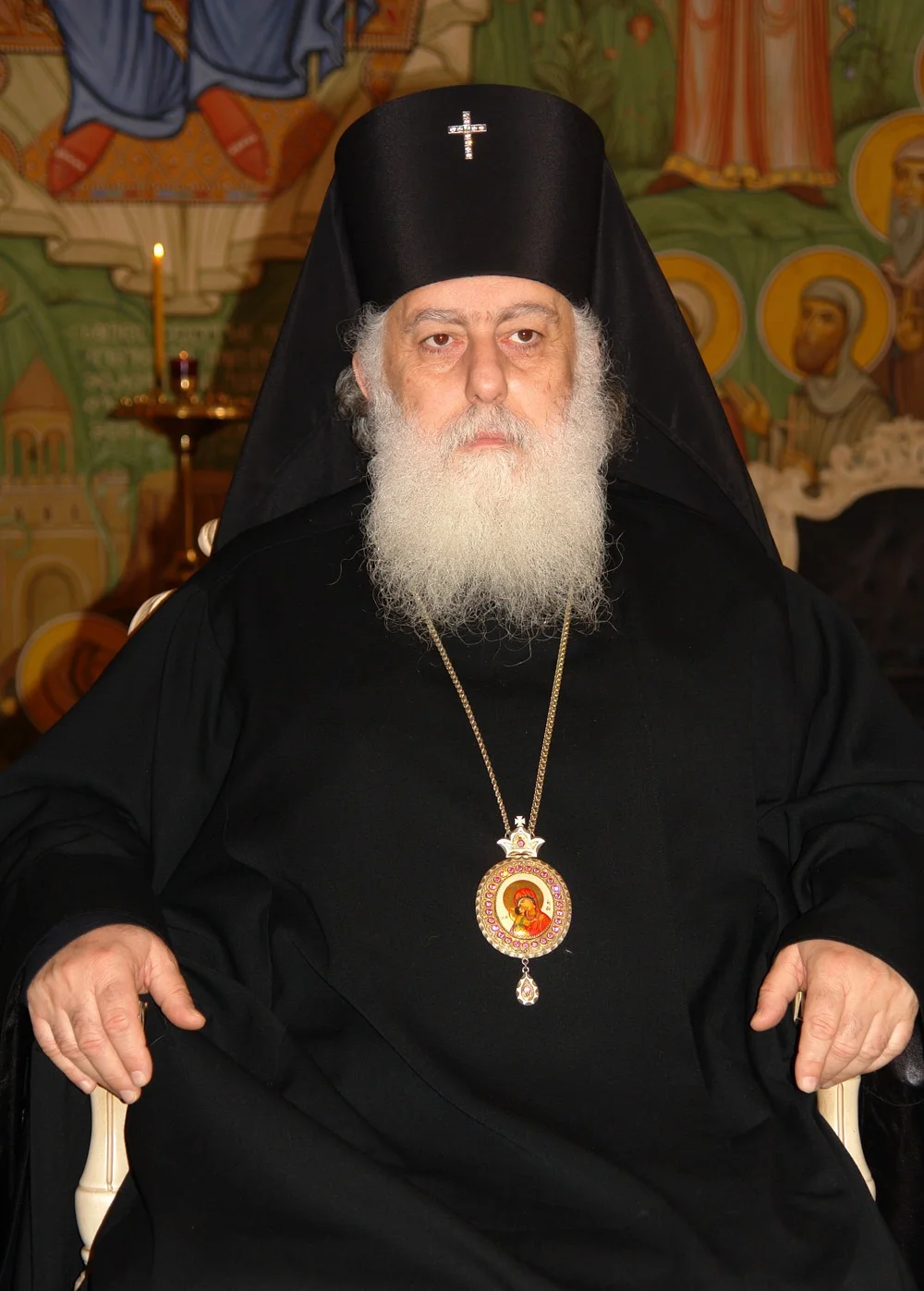
Russian intelligence, however, makes a rather serious mistake by not familiarizing itself with the statute of the GOC, according to which a candidate for patriarch cannot be older than 70 years. Metropolitan Abraham is seventy-seven, and Metropolitan Gregory will soon turn seventy.
The Georgian Church is one of the most ancient in the Orthodox world, but it received its Tomos of autocephaly from Constantinople only in 1990 - as part of a course towards isolation from Moscow. According to this Tomos, the Georgian Church recognizes the special powers of the Patriarch of Constantinople and, in particular, his right to give advice on issues of organizing church life. Therefore, if Bartholomew proposed to nominate any candidates for the throne of the Georgian Patriarchate, this would not contradict the rules of the GOC itself. In any case, neither Constantinople nor Moscow directly participate in the election procedure.
The first attempt to launch this procedure at a synod meeting in Tbilisi on April 3 was unsuccessful, which in itself indicates the complexity of the church-political configuration in Georgia. The meeting participants tried to make changes to the current church charter of 1995, which contains the same age restrictions for candidates for the patriarchate (no older than 70 and no younger than 40 years). But there weren’t enough votes, so the elections will be held according to the current charter.
HELP "NEW"
The Primate of the Georgian Orthodox Church (GOC) bears the title “His Holiness and Beatitude Catholicos-Patriarch of All Georgia, Archbishop of Mtskheta and Tbilisi, Metropolitan of Pitsunda, Sukhumi and Abkhazia.” The latter part was added to the title after the 2008 Russian-Georgian war. The reign of the first head of the GOC, Bishop John of Mtskheta, is dated by medieval sources to the mid-4th century. In the first centuries of its history, the GOC was canonically dependent on the Armenian Church, but after its separation from Byzantine Orthodoxy it gradually became dependent on the Antiochian Patriarchate. In the 11th century, the GOC was headed by Catholicos-patriarchs, which meant the actual proclamation of autocephaly. After the inclusion of Georgia into the Russian Empire in 1811, the St. Petersburg Synod abolished the autocephaly of the GOC and subordinated its dioceses to itself, but at the Mtskheta Council in March 1917, autocephaly was restored. In the 1920s–1930s, the GOC was part of the alliance of renovationist (“red”) churches of the USSR, but in 1943, after the restoration of the structures of the Russian Orthodox Church on the initiative of Stalin, it was recognized by the Moscow Patriarchate. Art. 9 of the Constitution of Georgia establishes a special status for the GOC, and in 2002 a “concordat” was signed between this church and the government. Catholicos-Patriarch Ilia II headed the GOC from 1977 to 2026; at the beginning of his reign there were only 34 registered churches in Georgia; today the GOC has 550 parishes, 170 monasteries and more than a thousand clergy. According to the 2014 census, more than 83% of Georgians call themselves parishioners of the GOC.
Nominees
According to the charter of the GOC, an extended meeting of the synod for the purpose of electing a patriarch should take place no earlier than 40 and no later than 90 days after the death of the primate. Today, 29 hierarchs meet the criteria that the church charter defines for candidates. From this list, the synod must select three who receive the largest number of votes. Candidates are discussed at an enlarged meeting with the participation of clergy and laity - an analogue of the Local Council in the Russian Orthodox Church. At the same time, the final choice remains with the Holy Synod, consisting of 39 bishops. After the enlarged meeting, the synod no longer has the right to change the list of candidates, and the one who receives at least 20 votes of the synod members is considered elected. If none of the three gets that much, a second round of voting is held, where the winner is determined by a simple majority.
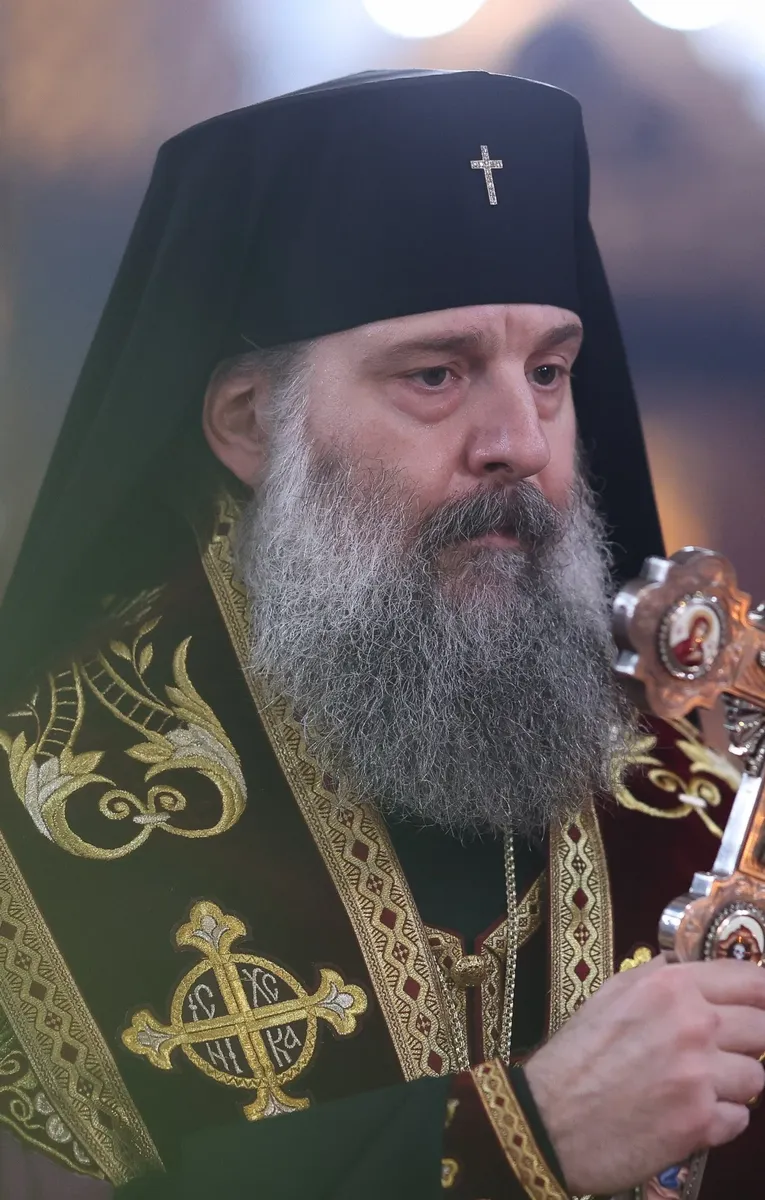
The most obvious candidate for the patriarchate, as Novaya already wrote , is the 57-year-old Metropolitan of Senaki and Chkhorotskui Shio (Mudzhiri) , whom Ilia II appointed as his locum tenens, that is, successor, back in 2017. For the Georgian church community, this decision was unexpected, since Shio was not considered influential at that time and had too noticeable a Russian background: he studied at the Moscow Theological Academy and the conservative St. Tikhon's University in Moscow, and was the rector of the Moscow Church of the Great Martyr George in Gruzini. He defended his master's and candidate's theses at the same St. Tikhon's University under the scientific supervision of its rector, Archpriest Vladimir Vorobyov, a very influential cleric of the Russian Orthodox Church. On the eve of Shio’s appointment, the then “Minister of Foreign Affairs” of the Russian Orthodox Church, Hilarion (Alfeev), visited Tbilisi and had some secret negotiations with the Catholicos-Patriarch.
Shio’s appointment as locum tenens took place in the context of a high-profile scandal involving the attempt (or its staging) to poison Ilia II, and in 2023, the Georgian Ministry of Internal Affairs began an investigation into the attempted poisoning of Shio himself.
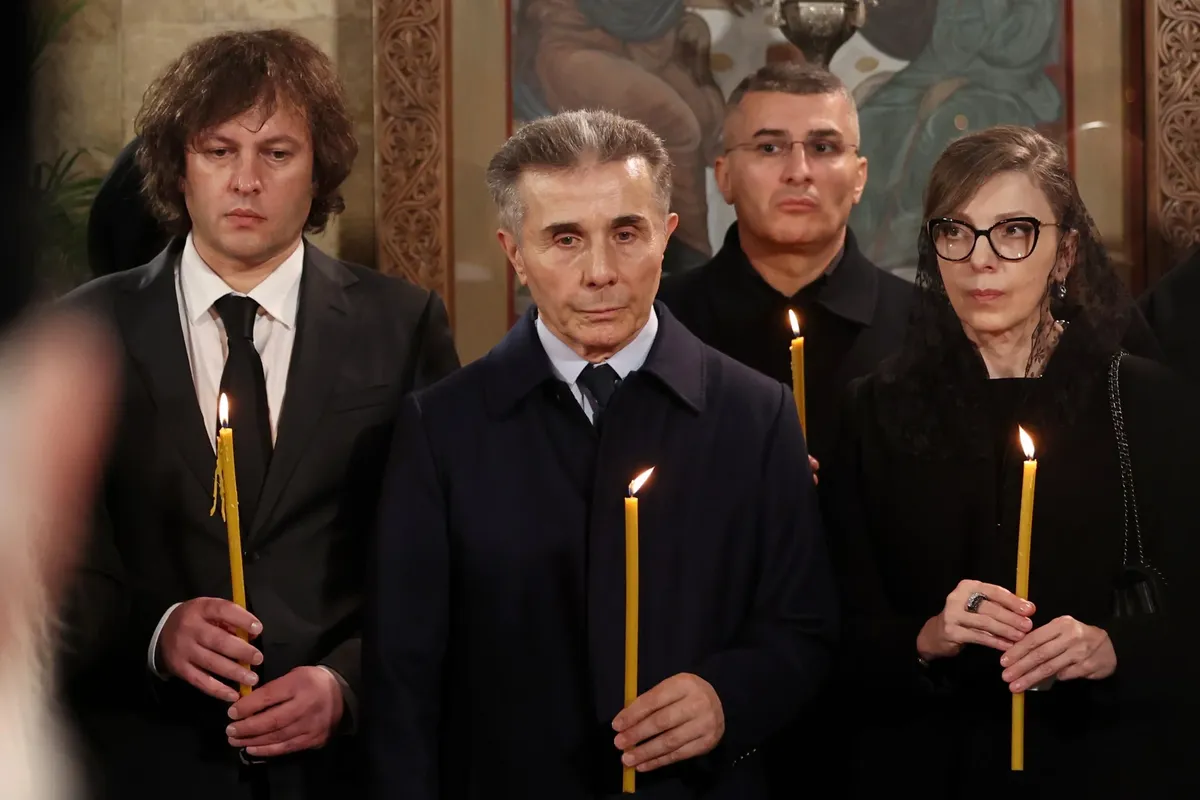
It is this “Moscow trail” that weakens Shio’s seemingly obvious chances. Despite the fact that Georgia is now governed by the seemingly pro-Moscow oligarch Bidzina Ivanishvili’s Georgian Dream party, the events of autumn-winter 2024 , which accompanied the dramatic parliamentary elections for Georgia, showed that the GOC is very far from the “pro-Moscow consensus”. Then many hierarchs and clergy of the GOC supported the opposition, which claimed massive falsification of the voting results and sought their cancellation. Mass riots occurred in Tbilisi, the police and special forces used the harshest methods against the protesters. And a rumor spread in the church that it was Metropolitan Shio who ordered the doors of the Kashveti Church on Rustaveli Avenue, which was ready to shelter demonstrators fleeing from the police, to be closed . In his careful sermons in December 2024, Shio condemned the “involvement of minors” in politics, which in those conditions sounded like criticism of the opposition. The GOC church media system, which is managed by a locum tenens, has also always been extremely loyal to Ivanishvili and the Georgian Dream. Shio’s position remains unclear regarding the Abkhaz and Tskhinvali issues - the most sensitive ones for Georgian society. In a word, too close ties with the Russian Orthodox Church and a “pro-Moscow” position in the current Georgian church realities are likely to weaken the candidate’s position.
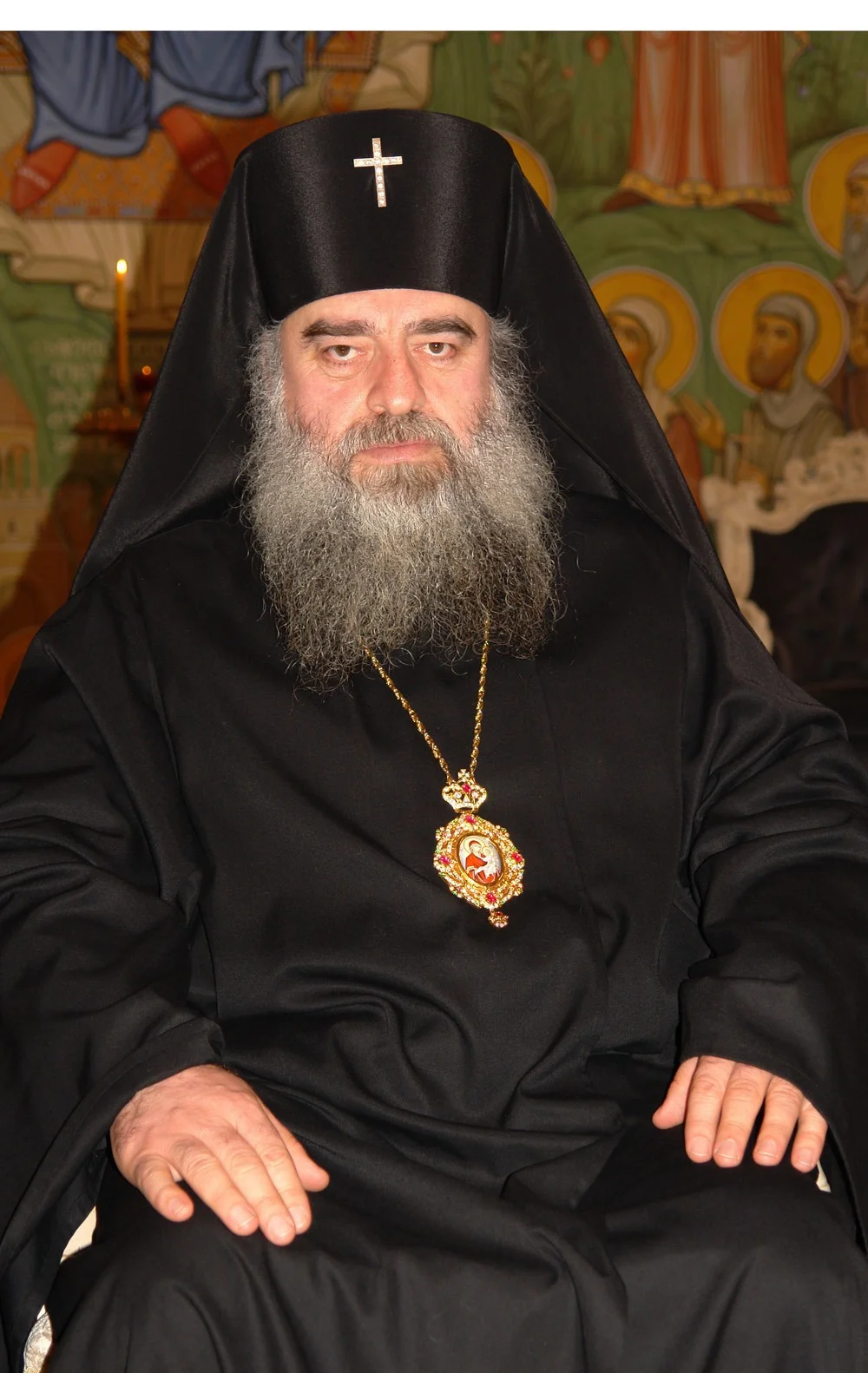
Shio’s opposition “from the right,” that is, from national fundamentalist positions, is personified by the 65-year-old Metropolitan Job of Urbnis and Ruis (Akiashvili) and the 58-year-old Metropolitan of Gori and Aten Andrei (Gvazava) . The Urbnis diocese has a reputation as a stronghold of the conservative monastic opposition in Georgia - it was through the forces of this diocese that in the late 90s the GOC withdrew from all ecumenical organizations and almost condemned ecumenism (rapprochement with other Christian denominations) as heresy. Metropolitan Job very harshly criticizes the authorities and shares a number of conspiracy theories. Andrey (Gvazava) looks more educated and reserved - he is a candidate of theology from the already mentioned St. Tikhon's University.
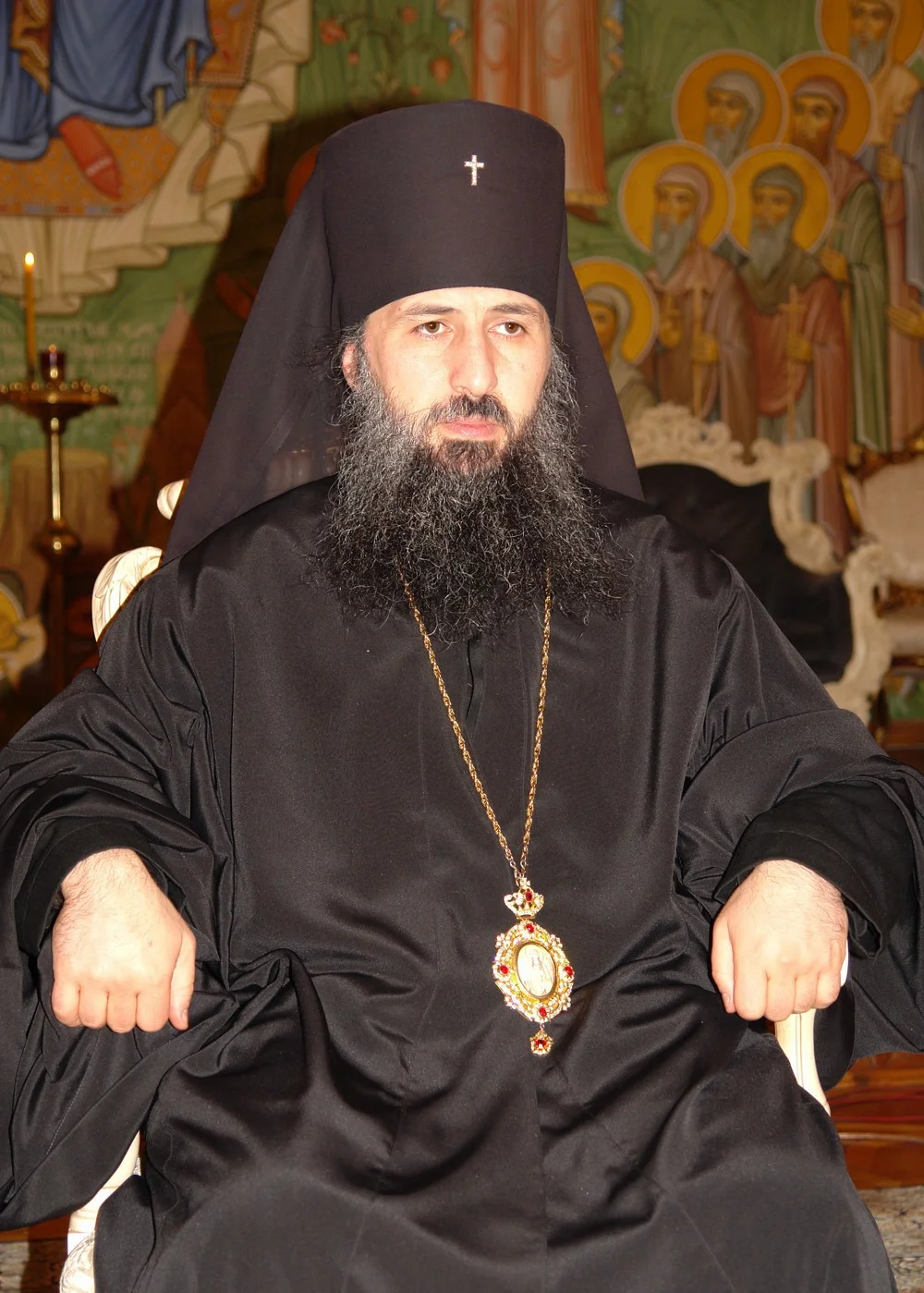
If we talk about the opposite - conventionally “pro-Western” - party in the episcopate of the Georgian Orthodox Church, then the sources of the “New” in the Georgian Patriarchate (unlike the sources of the SVR) unanimously name as a candidate for the patriarchate a graduate of the Roman Oriental Institute, who ruled the British diocese, and the former secretary of Ilia II, the 54-year-old Archbishop of Dmanisi and Agarak-Tashir Zinon (Iarajuli) .
An indicator of Zinon’s position is his attitude towards the Orthodox Church of Ukraine (OCU), to which Constantinople granted autocephaly in 2018 and which the Russian Orthodox Church considers a schism.
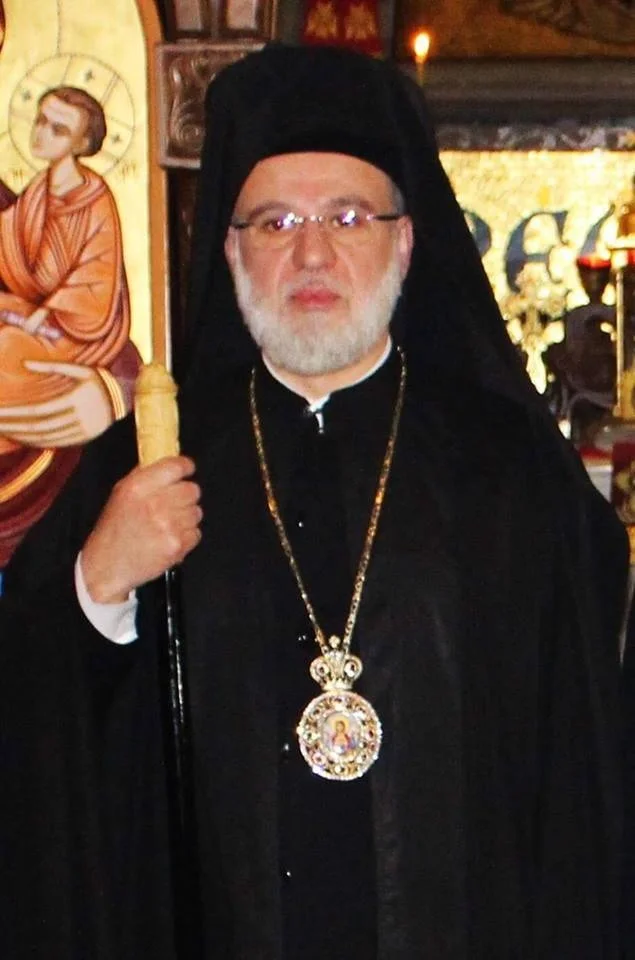
In his letter to the Patriarch of Alexandria in 2022, Zinon harshly condemned the “imperialist ideology” of the Moscow Patriarchate and its constant incursions into the canonical territory of other local churches, including the Georgian and Alexandrian. On the part of the locum tenens Shio, Zinon experienced distrust and oppression, which gave him the aura of a “confessor of church freedom.”
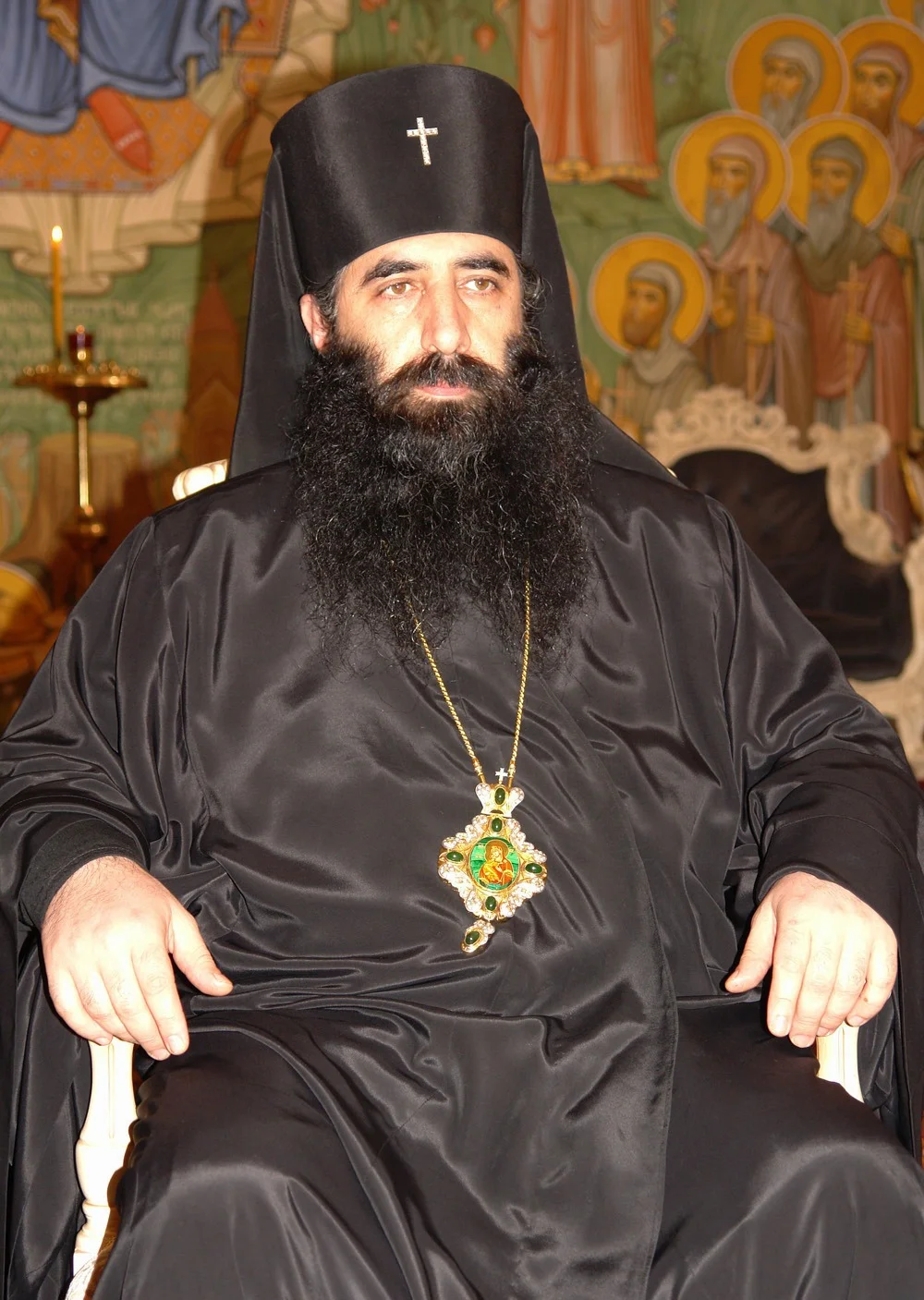
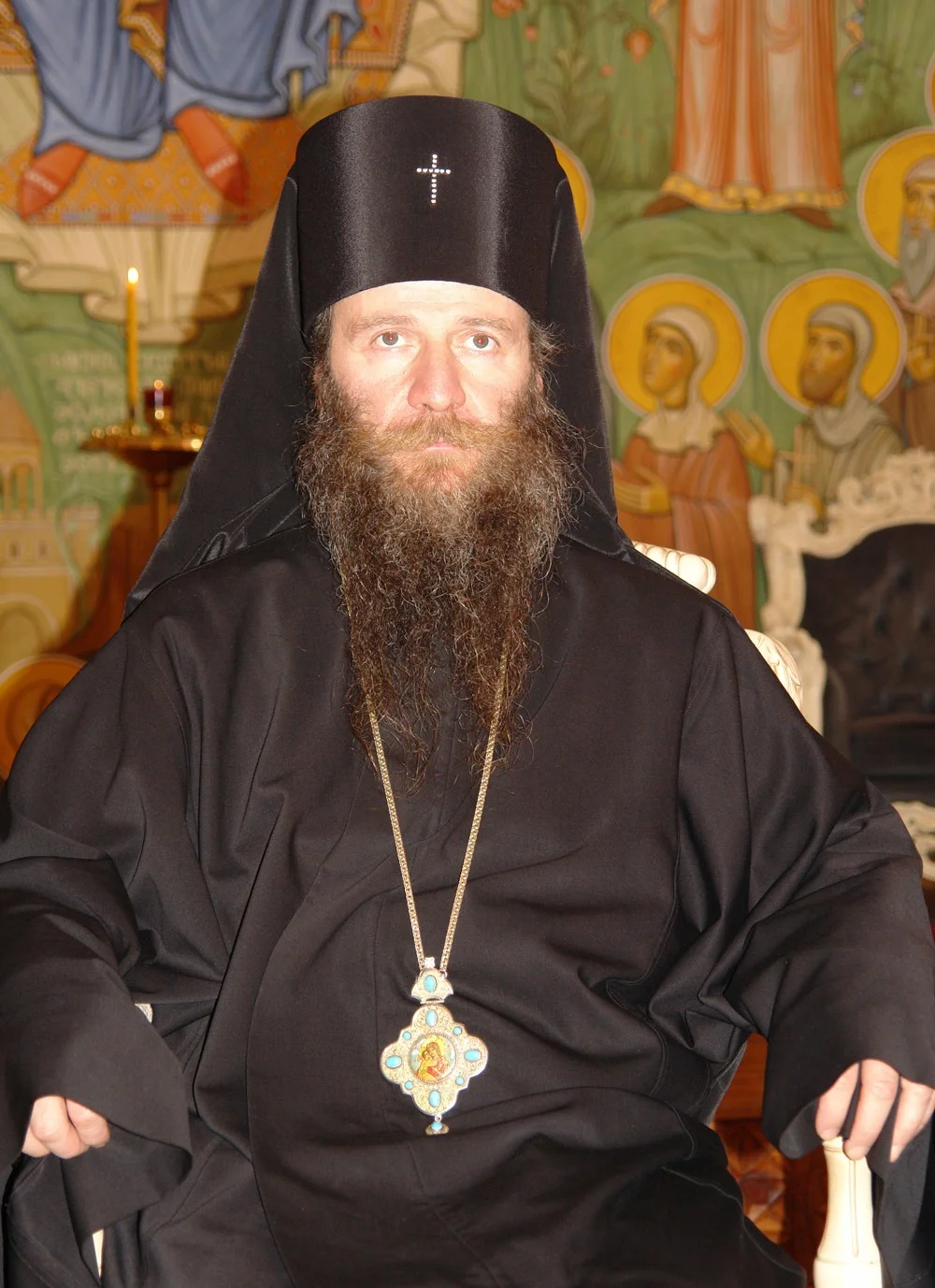
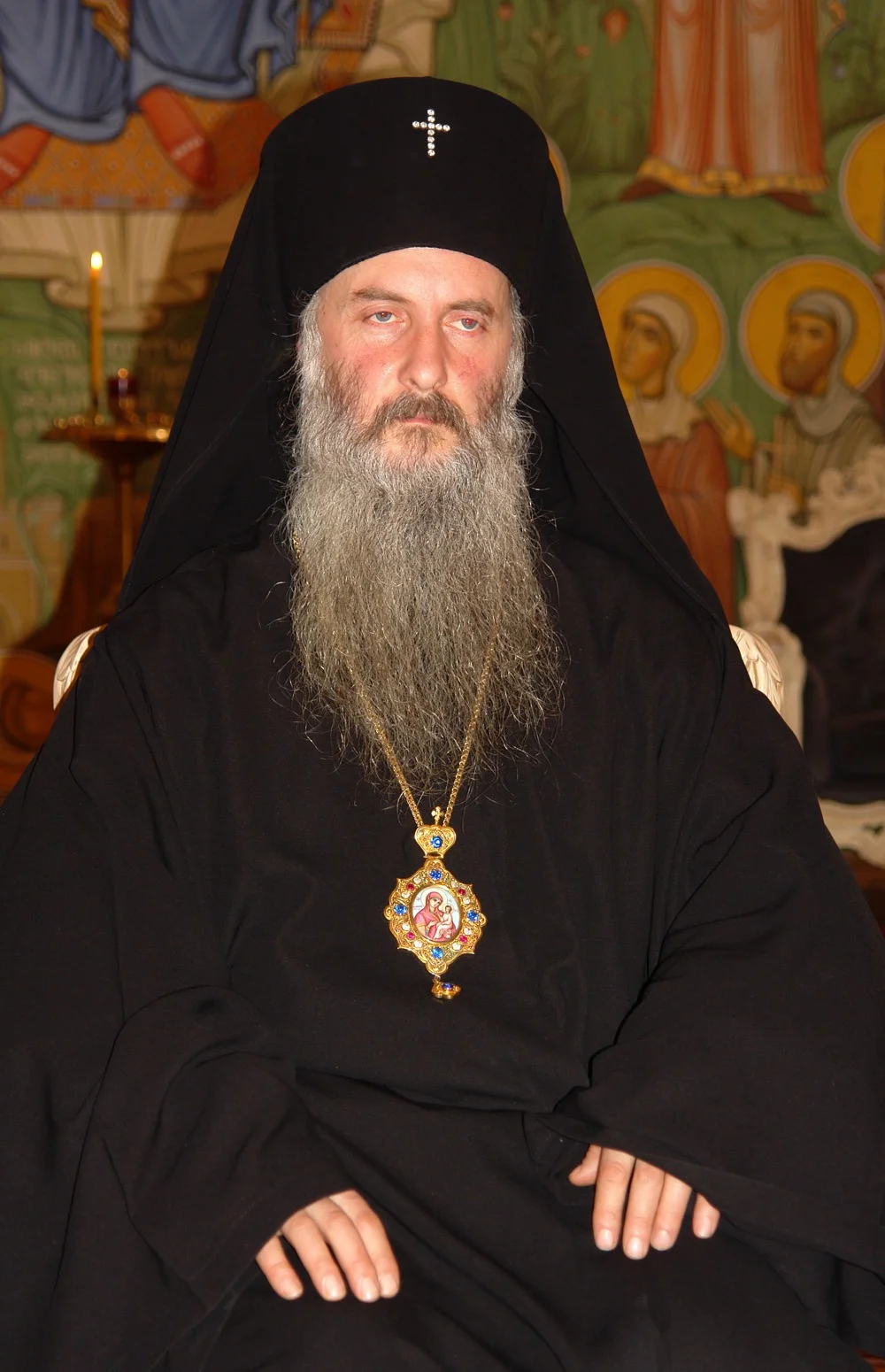
Among the likely candidates, a group of “neutral” hierarchs stands out, united by the slogan “The Church is beyond politics.” This group includes the former favorite of Ilia II, 59-year-old Metropolitan of Akhaltsikhe, Tao-Klarjet and Laz Theodore (Chuadze) and the manager of the farmlands of the GOC, 66-year-old Metropolitan of Alaverdi David (Makharadze) . But the only truly charismatic leader in this group seems to be the 65-year-old Metropolitan of Nikoza and Tskhinvali Isaiah (Chanturia) , expelled by the war from his diocese in South Ossetia. In 2008, he became famous for taking Georgians in the Tskhinvali region from shelling in his own car, after which he returned to his war-torn monastery in the border village of Nikozi. Isaiah is a professional animation director, and at the monastery he created a children's art school, on the basis of which the annual international animation film festival began to be held in Nikozi. The Metropolitan’s film “Thanksgiving” received prizes at several international festivals. Perhaps the choice of Isaiah to the patriarchal throne would be the optimal compromise, taking into account the interests of all groups within the GOC.
* * *
No matter who becomes the new Georgian Patriarch, the GOC in the foreseeable future will not be able to maintain the socio-political positions that it had under Ilia II, who served - for all his shortcomings - as a visible symbol of national unity, the unofficial monarch of all Georgia. The rather tough Ivanishvili regime, which controls the country’s political system, is interested in the church “knowing its place,” and the unofficial monarch being the richest man in Georgia. However, it is precisely in this new configuration, when political opposition is suppressed and freedom of speech is curtailed, with the support of the Patriarchate of Constantinople and the multi-million Georgian diaspora in the West, the GOC has a unique chance to become the main proclaimer of humanitarian values and the sovereign rights of the Georgian people.
By the evening of April 28, the press service of the Georgian Patriarchate published the names of three candidates for the patriarchal throne, elected by the synod. The names have been submitted for consideration at an extended meeting, the date of which has not yet been set. The candidates were: the locum tenens of the patriarchal throne, Metropolitan Shio, the conservative Metropolitan Job of Urbnis and Ruis, and Metropolitan Gregory of Poti and Khobi, mentioned in the SVR statement as one of the “candidates of Constantinople.” Thus, all three conditional parties in the episcopate of the GOC will be represented at the final stage of the elections. The most likely candidate remains Metropolitan Shio, who received 20 votes from synod members. An extended meeting, which will name the new Catholicos-Patriarch of All Georgia, will be held in Tbilisi Sameba Cathedral no later than May 17.