
Translated material
"This is a disaster - so many losses." How the Yakut village of Andryushkino is dying out
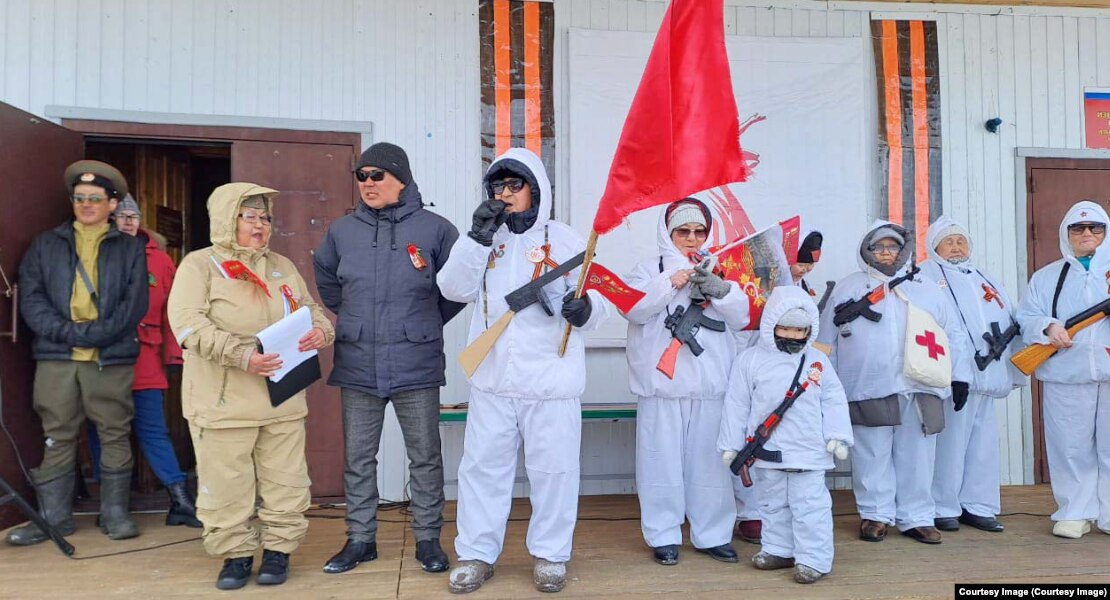
In April, the head of the remote Yakut village of Andryushkino in the Nizhnekolymsky ulus, Sergei Tretyakov, told deputies of the Yakut parliament that 72 people from this village had left for the war, at least 22 of them had already died.
In total, Tretyakov said, the village is home to 839 people, of which 581 are representatives of indigenous peoples. About half of the total number of residents are men, and even fewer are able-bodied. A third of those who went to war have already died. Among the dead were many Yukaghirs, Evenks and Yakuts.
“We are doing everything to preserve ourselves as a people,” the head of the village said. And then he unexpectedly announced that in order not to lose the men still remaining in Andryushkino, it was necessary to close the rural alcohol market.
“This is a disaster, so many losses”
Law No. 2938-Z No. 551-VII on the ban on retail sales of alcohol in Andryushkino was published on April 14, it will come into force on September 1, 2026.
– An exception is if alcohol is sold in public catering. [Officials] called this a measure to combat alcoholism and “improve the social situation,” says local resident Svetlana (we do not name the names of the interlocutors for reasons of their safety - SR) . “But a ban on selling in village stores—I don’t think it will work.” What are we buying there at these crazy prices? There, delivery is only on the winter road (temporary road on a frozen river - SR) . Helicopter – a couple of times a month in the summer, only for urgent matters. We lived on caught fish and berries, and that’s how we live. We only take salt and matches there. And local drunks take alcohol from shift workers. There is a problem, however. The drinking here is terrible. If one of the “small” (nations) drinks, he will not stop himself, there is such a moment. Hence there are many conflicts, assaults, including fatal ones. And there is no one to work in the village. In fact, every third working man was taken (to the war), because for 700-800 residents, 300 men could work. When they sobered up. And it is unlikely that the ban on four rural stores will have any impact. They can do great business under the counter. Who will check them here? Two thousand kilometers along the winter road to Yakutsk from us. That's more than 40 hours!
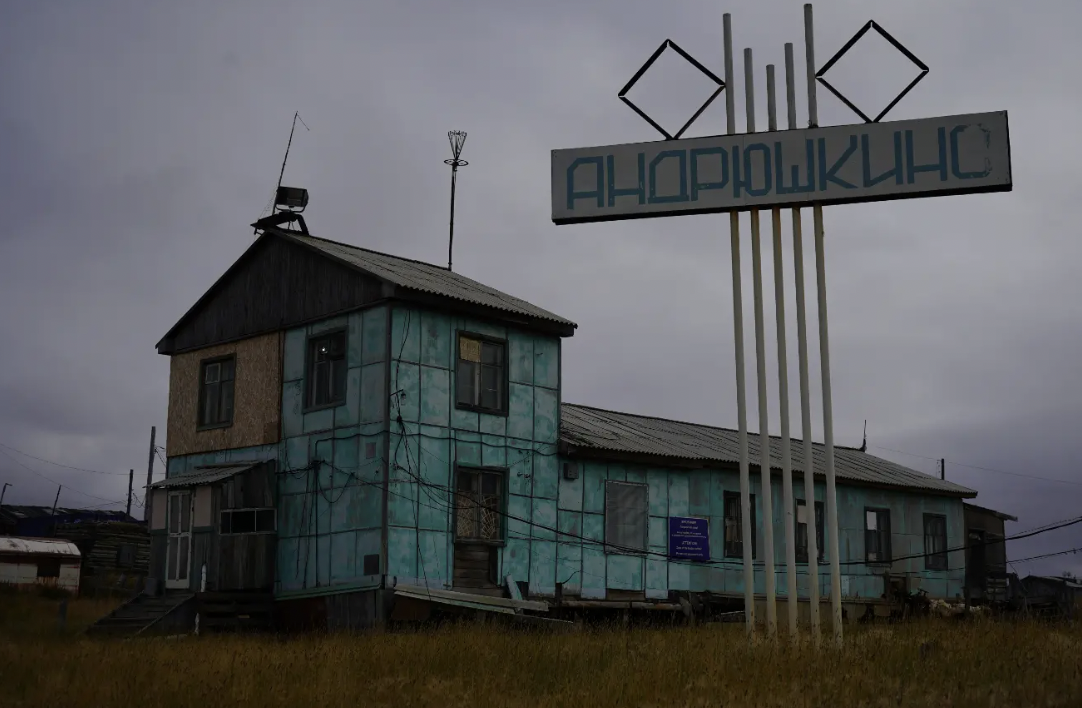
Andryushkino is considered one of the most inaccessible places in Russia. The Arctic village on the right bank of the Alazeya River can only be reached by winter road or by helicopter.
The speech of the village head amazed many in the village.
– I watched this broadcast (speeches by the head of the village Sergei Tretyakov at a meeting of the Yakut parliament - SR) . Firstly, he got it wrong - there are not 839 of us here, but much fewer, maybe 700. With the dead, even less. But what especially struck me was that after Tretyakov’s speech, not one of the deputies asked a single question! Men die in war - let's close the liquor store?! Why did such a huge percentage of men from one village end up in the war?! And how many of them are representatives of indigenous peoples, who are actually endangered. If not Yukaghir, then Evenk. Not an Evenk, but a Yakut,” local resident Irina is indignant.
According to locals, even before the war the village tried to revive the study of languages and traditions of local indigenous peoples. And there were even some successes in this matter.
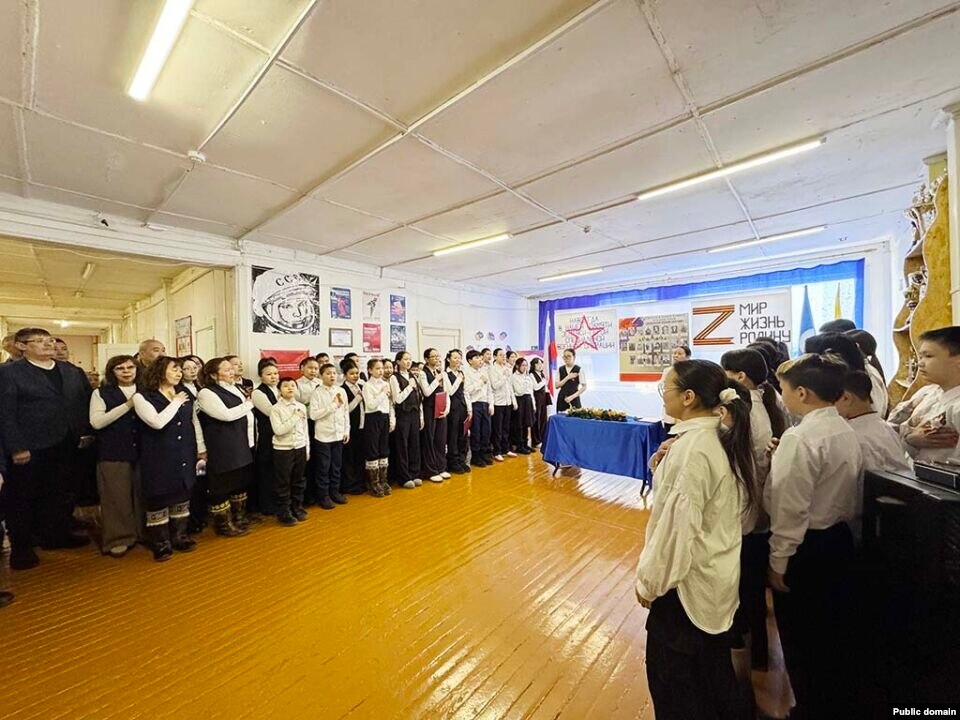
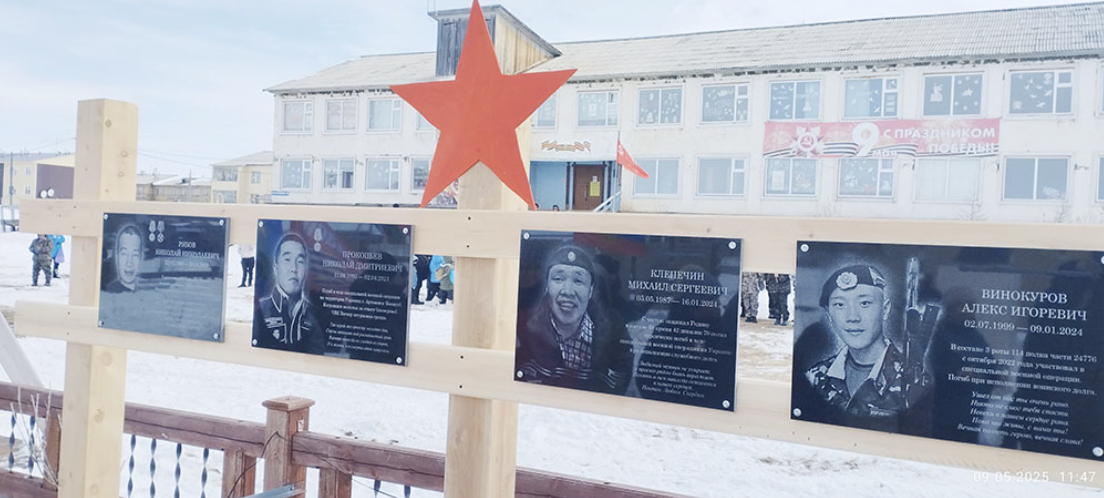
– Our elder Daria Nikolaevna (Daria Nikolaevna Kurilova, indigenous peoples call their most respected, experienced and knowledgeable representatives of the traditions elders - SR) began conducting classes in the Yukaghir language at home. She developed both speaking and writing skills. Her children recited by heart the poems of her grandfather Nikolai Kurilov in their native language. We learned the round dance of the Yukaghirs “Iewlidie”. Only work was done on thematic dictionaries of the Evens and Yukaghirs, and a primer of the Yukaghir language was worked out. By the way, we have a multi-ethnic school, the only one in Russia,” says Nadezhda , who worked as a teacher in the Nizhnekolymsky region for several years before retirement. – What’s the result? Who did you raise? To the death of children. They themselves complained that the language was disappearing (in 2022, the number of speakers of the Yukaghir language was estimated in the range from 100 to 30 people - SR) . How can he survive if the carriers are killed?! The great-grandson of that same famous writer Kurilov and cousin-nephew of Daria Nikolaevna, Alexei Kurilov, died that year. The “hero’s desk” with him and other “heroes” was opened this March, and everyone calmed down. And the fact that the school where this desk is in has been in disrepair for ten years now, and its graduates are dying one after another - no one cares. A third have already died on this "SVO". List of 22 people!
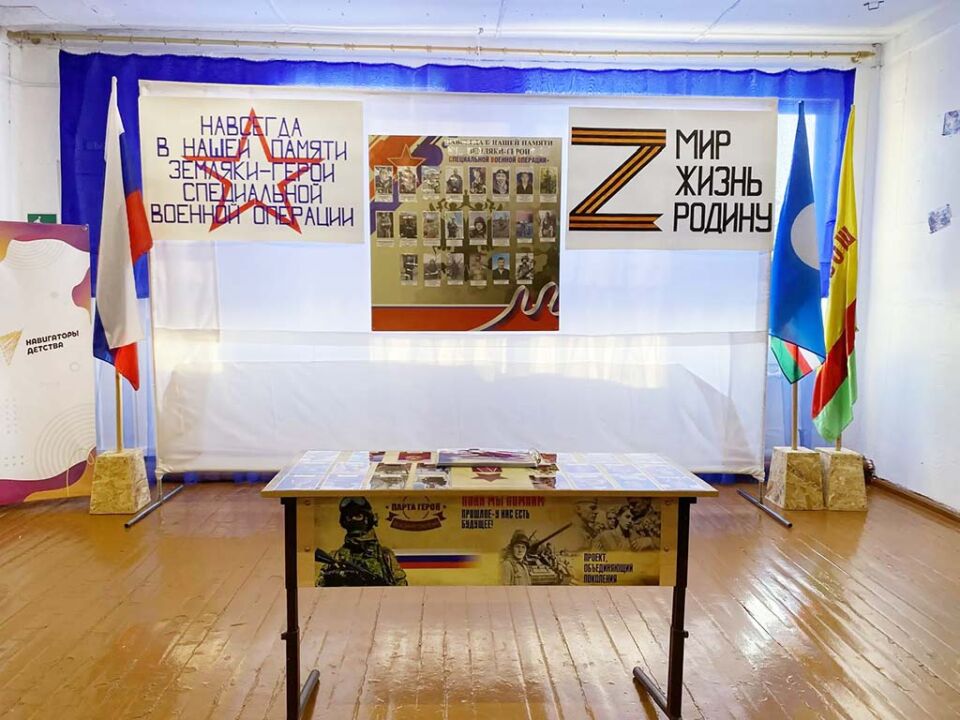
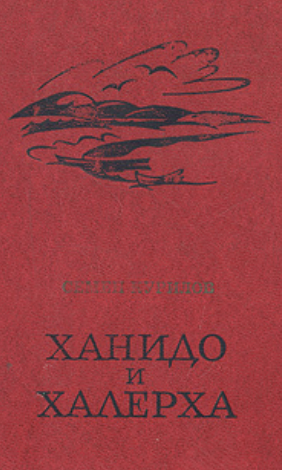
Alexey, the grandson of the “great Yukaghir”, author of the novel about the life of the inhabitants of the Kolyma tundra Nikolai Kurilov, was mobilized in 2022.
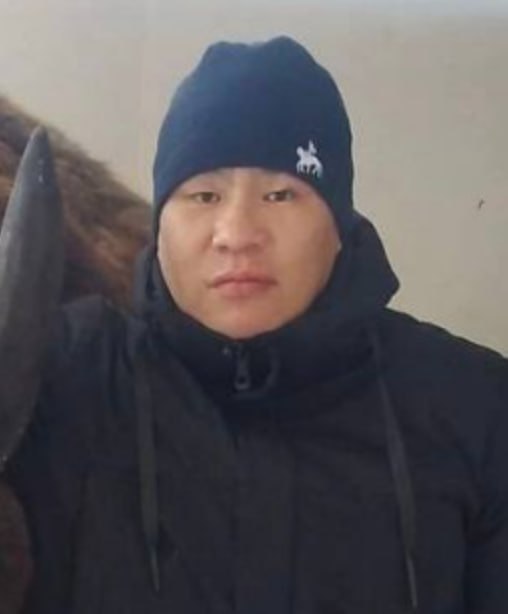
– They gave me the call sign “Kuril”. I remember Alexey really didn’t want to go - his mother was old, he loved her very much, he knew that he wouldn’t survive. The girl stayed here; she didn’t have time to officially start a family. As a result, he didn’t leave his children,” says his classmate Andrei . – Hereditary Yukaghir. Yes, [the people] are slowly being mowed down. There are three Russians in the whole village. And everyone complains - there are almost no reindeer herders left, where young people look, they don’t want to maintain the tradition. But young people, one might think, were left with a choice.
Most of the dead were from Andryushkino, according to interlocutors, Yukaghirs, the oldest people of Yakutia.
“You are blind, too, Yukaghirs. The whole family has already died, cousins and uncles. Misha Sleptsov is generally a local hero: he saved children from the ice hole, they were drowning. He was very dissatisfied that the Russians in the company gave him the call sign “Blind,” says Andrei. “Valera and Kolya Sleptsov are almost the same age, one was born in 85, the other was born in 86. They were blown up together with another boy from Andryushkino - Khristenko Gavrila. And the youngest of the family [among the dead] - Oleg [Sleptsov], he was only 35 years old. They gave the call sign "Sobol", and there were no such legends before: in Yakut, the northern lights sound like "Yukaghir light". there were so many that the light of their fires illuminated the whole sky. Now there are about one and a half thousand of us Yukaghirs left in all of Russia. This is a disaster!”
The great-grandfather of the deceased Sleptsov cousins was a reindeer herder. During the war, he drove reindeer for the local state farm.
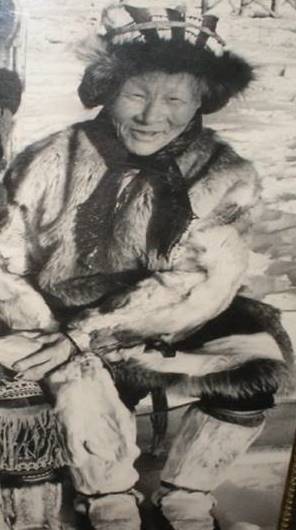
– Innokenty Gavrilovich [Sleptsov] was born in 1917, on the Indigirka River. He lived all his life in Andryushkino. I didn’t leave here until the 40s,” says Irina, who once worked at the local library. – He was fluent in Yukaghir, Chukchi, Even, Yakut and, of course, Russian. And during that war he was forced to participate in driving reindeer, which were taken from the indigenous people for the Omolon state farm. They didn’t let me go to fight because I was the son of a “kulak,” but they sent me to the ferry camp. In 1943, he drove a herd of deer from Yakutia to Omolon without any food or any supplies. The authorities told him: “If you survive, it’s good, if not, it’s your business. If you lose even one deer, you’ll be shot.” During all three stages, he moved 9 thousand heads. Including part of the former own herd of his family - great-great-grandmother, Pelageya Egorovna Sleptsova. Which was dispossessed before this. He was accompanied and guarded by people with rifles. The guys who are still there [in the war in Ukraine] say that this is roughly how they are driven into assaults: if you don’t survive, it’s your business, but you can’t turn back - “people with rifles.”
Statistics on indigenous peoples of the North, Siberia and the Far East (IMNS) in the war in Ukraine are not highlighted in separate official reports, but data from independent investigators and human rights organizations indicate an abnormally high proportion of losses among these ethnic groups. Researchers note that the intensity of mobilization in areas inhabited by indigenous minorities is several times higher than the average for Russia.
An analysis of mobilization data in various regions of Russia shows sharp differences in conscription rates between ethnic Russian population groups and ethnic minorities . For example, in Yakutia, 1.66% of the male population was mobilized in 2022, compared to just 0.27% in the predominantly Russian Novosibirsk region. The most active recruitment took place in areas inhabited by indigenous peoples who are on the verge of extinction, including the Abyisky, Anabarsky and Verkhnekolymsky districts.
In the Khabarovsk Territory, for every 10 thousand residents, 34 people were mobilized among ethnic Russians, while among indigenous minorities (Nanais, Nivkhs, Udege, Evenks) this figure was 95 people per 10 thousand.
Tuva and Buryatia, being national-state entities within Russia, maintain the highest mortality rates per capita in the Russian Federation - 476 and 400 confirmed deaths in the war in Ukraine per 100 thousand people, respectively.
"Men die in war - let's close the liquor store." How they “rescue” an endangered people in a Yakut village