
Translated material
Source: Trump is dissatisfied with the new proposal from the Iranian side
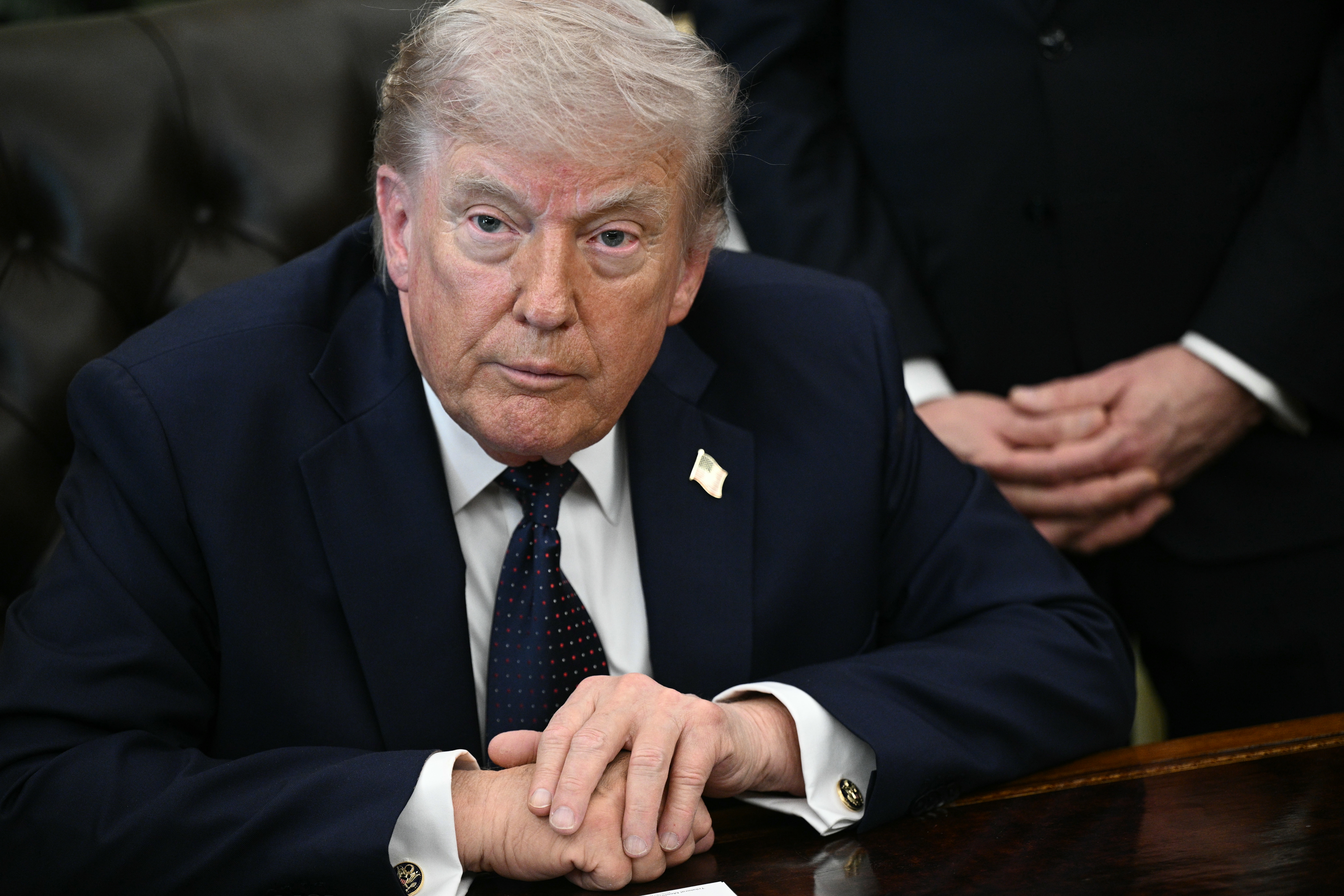
US President Donald Trump expressed extreme dissatisfaction with Tehran's latest proposal to end the war. This reaction is mainly due to the fact that the transferred initiative does not address the complex aspects of the Iranian nuclear program, a senior American official said in an interview with our media corporation.
According to Radio Free Europe's interlocutor, the position of the current American administration remains unchanged: any diplomatic breakthrough must include strict controls and restrictions on uranium enrichment.
Earlier on April 27, White House press secretary Caroline Levitt confirmed that Donald Trump had discussed with his top security advisers a new Iranian proposal to resolve the military conflict, which is currently subject to a temporary ceasefire.
Tehran itself has not yet confirmed the existence of the new plan, which was reported by Axios. It cited three sources, including a US administration official. The publication wrote that Iran proposed a new option to end the conflict, which involves the United States lifting the blockade of the Iranian coast in the Strait of Hormuz and postponing negotiations on Tehran’s nuclear program to a later stage.
Meanwhile, US Secretary of State Marco Rubio told Fox News on Monday that the nuclear issue is central to resolving current tensions. So Rubio commented on reports that Tehran is trying to delay discussions of its nuclear program. “The nuclear issue is the reason we are in this situation in the first place,” Rubio said.
In the conversation, Marco Rubio also said that the existence of radical leadership in Iran is already a cause for concern, but the broader problem is the desire of the Iranian authorities to expand their influence beyond the country's borders. Rubio pointed out the potential consequences if Tehran's goals were combined with nuclear weapons. “They are striving not just for dominance in Iran, they are striving for dominance in the region,” the secretary of state emphasized.
Tehran categorically denies accusations that it is trying to develop nuclear weapons. At the same time, the Iranian authorities do not agree to demands not to enrich uranium above the levels necessary for civilian nuclear purposes.
Iranian Foreign Minister Abbas Araghchi, who is visiting Russia this week, expressed gratitude to Moscow for what he called “support and solidarity” during the Islamic Republic’s war with Israel and the United States and the worsening situation in the Middle East.
“Glad to have the opportunity to engage with Russia at the highest level as the region is in a state of major change,” Araghchi wrote on Platform X. He added that recent events “confirmed the depth and strength of the strategic partnership” between Iran and Russia. Araghchi accompanied his post with photographs of Russian President Vladimir Putin and Russian Foreign Minister Sergei Lavrov.
- At the moment, a truce continues to operate in the war, extended by US President Donald Trump without specifying a specific date for its completion. On April 26, in an interview with Fox News, Trump indicated that he wanted to continue the blockade of Iran, according to Axios, "hoping that this will force Tehran to concede over the next few weeks."
- On April 11, US-Iranian talks took place in the Pakistani capital Islamabad, following which US Vice President J.D. Vance said that they were “substantive”, but Iran did not agree to key US demands regarding its nuclear program and the opening of the Strait of Hormuz. The subsequently planned second round of negotiations has not yet taken place.
More Radio Liberty news :
Source: Trump is dissatisfied with the new proposal from the Iranian side