
Translated material
The United Arab Emirates announced its withdrawal from OPEC and OPEC+ from May 1
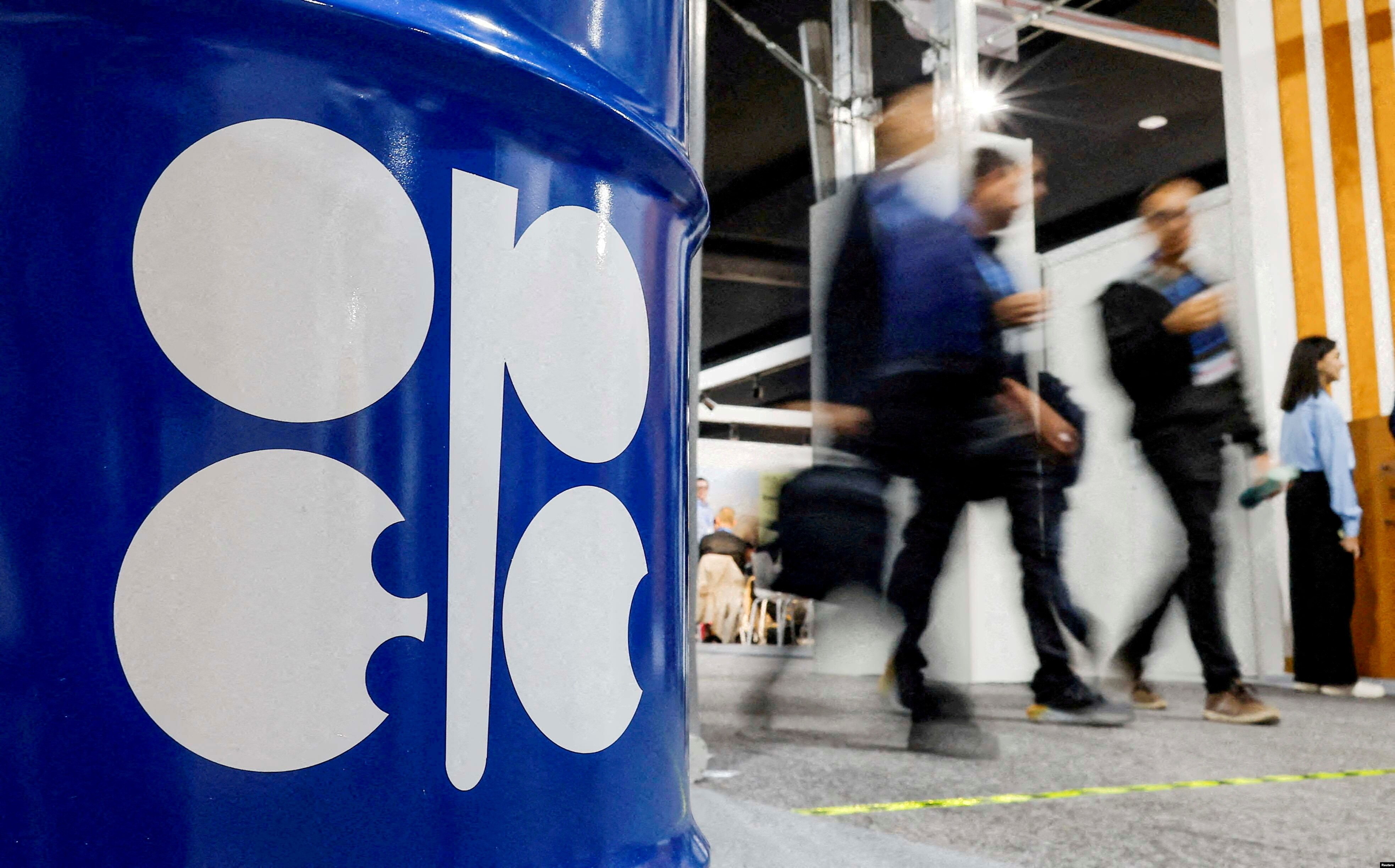
The United Arab Emirates (UAE) will withdraw from the Organization of Petroleum Exporting Countries OPEC and the OPEC+ format from May 1.
The UAE statement said the decision is in line with the country's long-term strategy and aims to develop the energy sector, including increasing investment in production. The authorities also emphasized that they intend to maintain their status as a reliable supplier of energy resources.
The exit is explained by a revision of production policy and taking into account national interests, as well as the situation in energy markets, including “turmoil in the Persian Gulf and the Strait of Hormuz.”
The UAE has been a member of OPEC since its formation in 1970, and the emirate of Abu Dhabi since 1967.
According to OPEC data, the Arab Emirates' oil production quota in 2024 was about 13.5%. After exit, the country plans to gradually increase production depending on demand and market conditions.
OPEC was created in 1960 and brings together 12 of the largest oil exporters, including Algeria, Venezuela, Iran, Saudi Arabia and others, to coordinate production and influence prices.
The expanded OPEC+ format includes independent producers, including Russia, Azerbaijan and Kazakhstan. OPEC+ provides about half of global oil production.
The United Arab Emirates announced its withdrawal from OPEC and OPEC+ from May 1