
Translated material
“We buy it ourselves so we don’t die.” Russian diabetics risk their lives
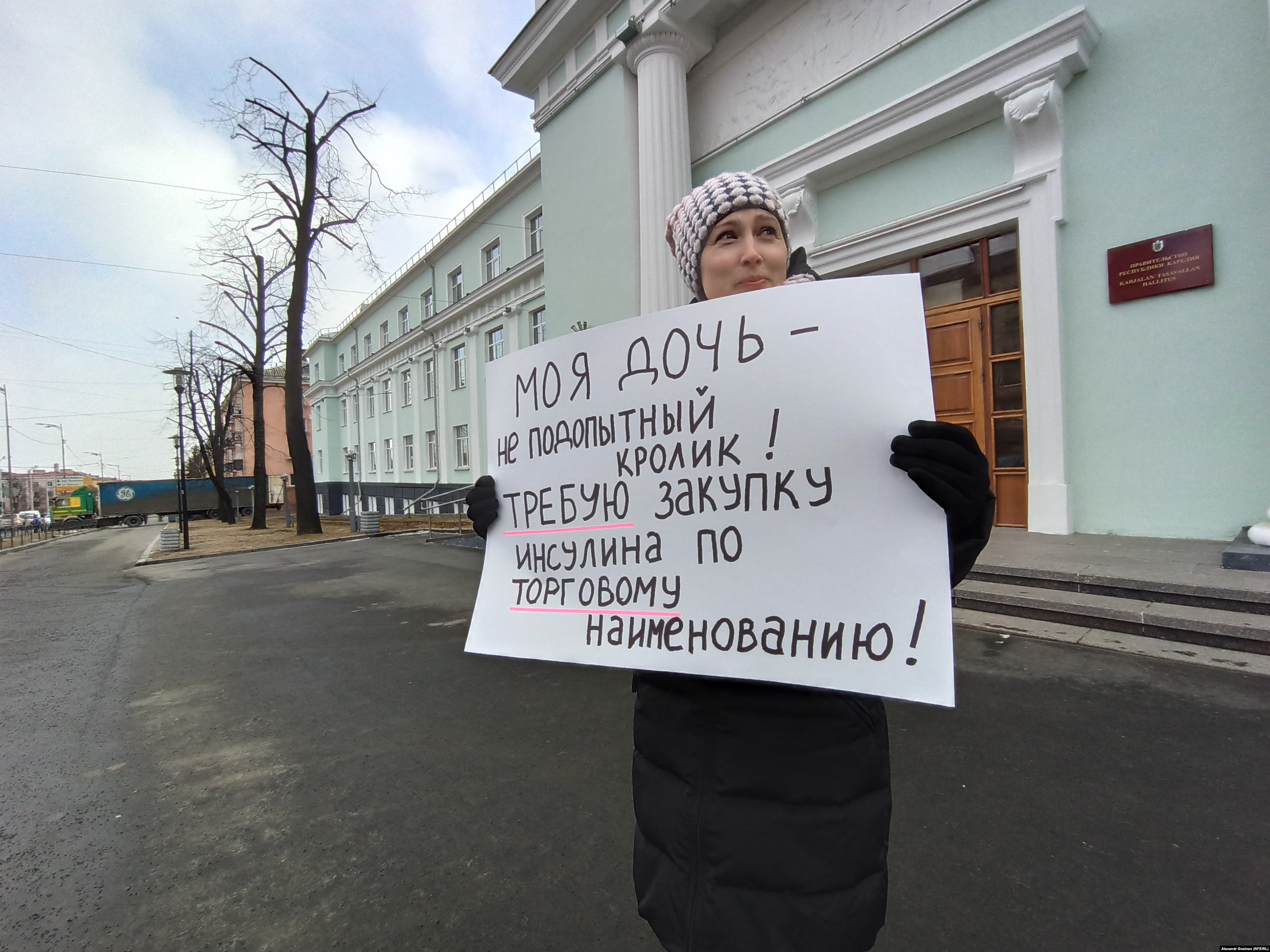
Russian diabetics, including children, are forcibly transferred to domestic insulin. It doesn't suit many of them. To save themselves, people ask their friends to bring medicine from abroad. Often in such situations, mutual aid chats helped them out. One of them, at the request of Roskvonadzor, was removed from the Vkontakte social network in April.
The total shortage of free imported insulin for Russian diabetics is the result of a law that actually prohibits government purchases of foreign drugs in the presence of Russian analogues. Western companies (for example, Eli Lilly and Novo Nordisk) are either significantly reducing their presence on the Russian market due to sanctions and logistics, or cannot compete at the price dictated by the state. As a result, forced import substitution occurs. Patients are being transferred to domestic biosimilars in order, as officials say, to ensure “medicinal sovereignty” and not depend on supplies from abroad. Biosimilars are highly similar copies of biological drugs, which include insulin. However, it is impossible to create a 100% copy of a living structure. Therefore, the drug is not called a generic, but a biosimilar (similar). It is close to the original, but has microscopic differences in the protein structure. When changing biosimilar insulin, the body may react differently due to those same micro-differences.
"It's like we're pouring water"
Insulin-dependent 28-year-old Lyudmila from Volgograd (we are changing the names of our interlocutors for security reasons) is worried not only about herself. Her nephew, who is only 9 years old, is also a diabetic of the first group. Since February 2026, the endocrinologist switched both him and Lyudmila to Russian insulin aspart “RinFast”. Before this, they took insulin aspart "Fiasp" from a Danish manufacturer ( insulin aspart is an analogue of human short-acting insulin) .
– And with this Danish drug we felt great. And after transferring to Russian, my nephew could not bring his sugar level below 30 ( mmol/l, a critically high indicator requiring hospitalization - S R) when the norm was up to 8! He almost fell into a coma (hyperglycemic coma) . I contacted all my friends and acquaintances abroad and brought him a drug from the Danish Novo Nordisk (it appears in Russian pharmacies irregularly) . Now this is how we live - we constantly shop whenever possible - wherever possible: Europe, Kazakhstan, Türkiye. They refuse to give us a prescription for free Danish insulin. What choice do we have? Risking the life of a child?! “He won’t live a day without it,” says Lyudmila .
According to her, the endocrinologist at the clinic where Lyudmila and her nephew are attached said that Russian analogues of insulin aspart “cannot fail to work.”
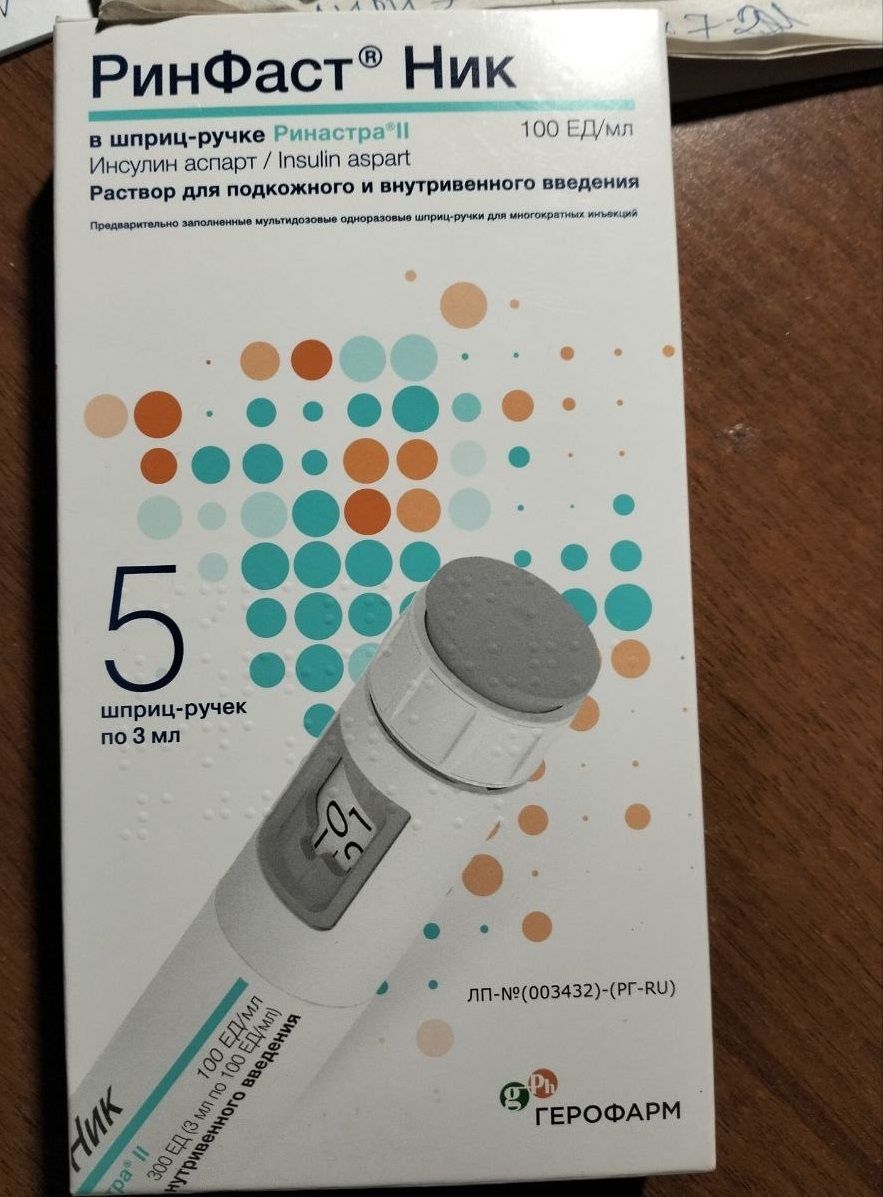
However, such a reaction, when the body does not take an analogue of a vital drug, is by no means uncommon. Lyudmila herself was also unable to switch to RinFast and buys imported insulin.
“The fact is that any person, especially if he was initially on a specific insulin, may not even be suitable for a 100% analogue,” says lawyer Valeria from Samara. “We ourselves don’t understand how it works.” My daughter was immediately on rosinsulin, but it didn’t work for other children or turned out to be weak. As a lawyer, I help parents of other children sue and know firsthand about such cases. The parents were in shock at first - it was just like they were pouring water. Zero effect. Logically, yes, they must be 100% identical, otherwise they simply would not be registered. But in practice, we see children with sugars flying upward.
Another interlocutor has Siberia. Realities: out of three children, two are insulin-dependent diabetics from an early age. And everyone has a completely different reaction to Russian insulin.
– The middle one is from the age of five, the youngest – from the age of three. The eldest was immediately suitable only for Humalog (insulin lispro produced by the French-American Eli Lilly) , the youngest was successfully put on rosinsulin lispro - "RinLiz" (insulin lispro - an analogue of short-acting human insulin) . We became tense three years ago, when in March 2023 Eli Lilly announced that it had transferred the rights to import drugs and sell them in Russia to the Swiss Swixx BioPharma. And she notified about the termination of supplies. We fought with doctors, including in the courts. It was difficult to secure the purchase. And now they tell us that everything will not be given out for free. Even for children! – Marina from Novosibirsk is indignant. – But we tried all types of Russian lispro – Pharmasintez’s “Buzheton” didn’t work either. Apparently, everything is good only for those who were originally in Russian. And not everyone does. There are children whose allergies began at the age of puberty - 12-14 - they had to change to a foreign one. And they are in the same critical situation. If you don’t buy it yourself, you’ll die!
Lawyers note that according to the law, patients who are not suitable for a life-saving drug must contact Roszdravnadzor and register “adverse reactions.”
– You register unwanted reactions or lack of effectiveness through a doctor, then he or you yourself fill out a form on the Roszdravnadzor website, then your medical organization (for example, a district clinic) conducts a medical commission, transmits the data to the Ministry of Health, and the Ministry of Health individually purchases the drug by trade name. According to the decision of the medical commission based on vital indications. This issue is resolved through the chief physician,” explains Alla, a pharmacist at the Novosibirsk pharmacy chain. – The doctor is obliged to regulate any complaints about the medicine. As a pharmacist, this is not the first time I have heard such stories from diabetics and other chronic patients. But the problem is that people don't document it. Of course, not the main problem, but still.
The patients themselves and their parents say that they have sent complaints more than once. But it didn't help.
– Since January, when it became known about the forced transfer, we began to write complaints. Then we were told that we would record an “adverse reaction” during hospitalization. Well, with another coma they called an ambulance. I’m not going to repeat this a second time, risking my daughter’s health and life,” says Marina. – Were there any answers to our complaints? No! Officially, the Ministry of Health did not violate anything, they simply did not purchase it, since there is an “analog” in the country. And the fact that it is not suitable for everyone - when did this worry them? They look at numbers and benefits, not at what doesn't work for people.
Lyudmila from Volgograd says that under her posts about the lack of opportunity to get vital medicine for free, not only diabetics write their stories.
– The girl wrote, asthmatic. It's a similar story with her asthma medication. Imported "Ventolin" is no longer imported into Russia, and the Russian analogue "Salbutamol" does not suit her: it makes her choke even more. Now her friends bring her Ventolin from wherever possible - from Kazakhstan, Turkey and even Thailand. “Like my nephew and I,” says Lyudmila. - So it turns out, if you want to live, buy it yourself. One package of five syringe pens, which will last us for a couple of days, costs around two thousand. Count our expenses. With one hand, the authorities put people who pay taxes in this situation of “survive on your own,” and with the other, they take away the last opportunities to earn money. I’m talking about blocking the Internet, without which I, as an entrepreneur, simply cannot make money. They just took us into a trap. And not everyone can say this widely. Under some posts by diabetics, people directly write: “I want to like, but I’m scared.” We just have to wait until they introduce criminal liability for buying medicines from Europe. Like for sponsoring enemy countries.
Problems with consumables and monitoring
At the same time, diabetics are constantly faced with refusal to issue consumables - needles for pumps that monitor blood sugar levels, test strips for glucometers. The Ministry of Health should provide all this free of charge to every patient.
– Not everyone knows yet, but the regulations stipulate 120-150 test strips per month to monitor sugar levels 4 times a day. Glucometers are free; if they break, you get a new one. Who has a pump - a set of needles, all consumables. But in the end, somewhere a diabetic will receive a hundred test strips per quarter and is already happy and buys more himself. Many people take the pump themselves, but this is a guarantee of a normal life for an insulin dependent person. I’m already silent about the blockages that prevent parents from remotely monitoring their children’s sugar. As a result, either they quit their jobs, or the child switches to home schooling,” says lawyer Svetlana from Samara, whose school-aged daughter has group 1 diabetes.
If Svetlana encountered this problem only this year, then many diabetics in a number of Russian regions have been forced to literally knock out consumables for about two years now.
“My son has diabetes, we have come to terms with the fact that we buy everything ourselves,” says Alena from the Moscow region. – This is about 50 thousand a month! Only for consumables so that everything functions and my son lives without anyone. Now he has started first grade, he has glucose level monitoring installed, I planned that I would remotely see what his sugar level was and act according to the situation. But due to internet blocking I can't receive data! I don’t ask for anything from the state; we earn everything ourselves. I just need to see what my baby's sugar level is! It is a mockery that we were deprived not only of benefits, but even of basic communications.
The mother of a diabetic schoolchild, Veronica from Novosibirsk, says that her struggle, which lasted almost a year, led to the fact that consumable medical materials were finally given to the family for free. But they don't fit.
– They give out 6 mm needles, but we use 4 mm. Test strips for the cheapest glucose meters that are not suitable for children. Children need the most accurate ones; for example, Accu-Chek or OneTouch strips are quite expensive. And cheap ones give very approximate data. We use OneTouch, but they give us a cheap "Satellite". And everyone knows the dubious quality of "Satellite", but please - only this one is free. Children! – Veronica is indignant. – The insulins we use are not issued. But now it is impossible to buy them in Russia. We used the French "Humalog", now we have switched to "Fiasp", which at least sometimes can be found in the pharmacy.
Against the backdrop of the forced replacement of imported insulin and a shortage of consumables, mutual aid chats became extremely popular among diabetics, where patients united and shared vital medications with each other free of charge. Roskomnadzor closed one of these chats in April.
– On VKontakte there was a mutual help section for people with diabetes. In the community "Nyura Sharikova. Diabetes" there was a thread "I'll give away insulin." At the request of Roskomnadzor, the social network simply deleted it! We were simply robbed,” says the mother of a diabetic son, Marina from Novosibirsk. – There were over 32 thousand of us there. In this section, users could transfer and exchange test strips, glucometers, insulin needles, as well as find insulin and glucose monitoring systems absolutely free of charge. Sometimes the parcel will be delayed, you could intercept insulin to last a week. This was revenue. Even if the need had passed and I had not used it for the last few months, it was calm - you just knew where yours were. How did he bother them?!
The creator of the public contacted the VKontakte administration and received the following response:
“The discussion was deleted at the request of Roskomnadzor based on the decision of the Federal Service for Surveillance in Healthcare dated March 18, 2026 No. 2026-03-18-5875-PL. To clarify the situation, please contact the department from which the material was blocked. I will say right away that we cannot restore content that was deleted at the request of a government agency.”
Diabetes mellitus in Russia by 2025 has been diagnosed in approximately 6 million Russians, of which almost 67 thousand are children, Kommersant writes , citing a speech in the State Duma by Ekaterina Karakulina, director of the department of medical care and sanatorium and resort affairs of the Ministry of Health of the Russian Federation. According to her, about half a million new patients are added every year. Thus, in 2024, 465 thousand cases of diabetes mellitus among adults and more than 8.5 thousand cases among children were identified in Russia.
“We buy it ourselves so we don’t die.” How Russian diabetics risk their lives due to forced import substitution