
Translated material
Wheel of Fortune. Nikola Krastev - about what awaits Bulgaria
The victory of former President Rumen Radev in the recent snap parliamentary elections in Bulgaria exceeded the most optimistic forecasts. His political association, Progressive Bulgaria, received almost 45 percent of the votes and 130 parliamentary mandates out of 240. Thus, the new prime minister has secured an absolute majority and will be able to govern without coalition partners.
This hasn't happened for 30 years
This has not happened in Bulgaria since 1997, when, in a fit of despair, people tired of lawlessness and rising prices took to the streets, blocked the work of parliament and, with even more convincing results, brought to power the “Unification of Democratic Forces” led by Ivan Kostov .
Bulgaria, however, sometimes plays host to the most fantastic political scenarios. Already four years later, Kostov's coalition suffered a complete fiasco in the elections and thus created a loophole for the former Tsar of Bulgaria Simeon II to come to power. During his reign, the Saxe-Coburg-Gotha-turned-prime minister managed to privatize former monarchy properties worth hundreds of millions of euros. Why isn't it fantastic?
The sharp changes in political fortunes in Bulgaria should serve as a warning to the new prime minister, who promised to deal with corruption and nepotism in the country, as well as take a more pragmatic position in relation to Russia and the war in Ukraine.
Western media, almost without exception, call Radev either a pro-Russian politician or directly a “protege of the Kremlin” in Bulgaria. After Radev’s victory in the parliamentary elections, the famous Bulgarian political scientist Martin Vladimirov called him a “Trojan horse” for Moscow in Brussels. Radev is sometimes compared to former Hungarian Prime Minister Viktor Orban, who exactly a week before Radev's landslide victory was defeated in his country's elections while trying to secure the premiership for the seventh time.
Comparisons between Radev and Orban arise from his rhetoric about “pragmatism” in relations with the European Union and a softer line in relations with Moscow. However, Radev is not Orban, neither in terms of the scale of power, nor in strategy, nor in behavior in the EU. Rumen Radev operates in a different environment, since Bulgaria is much more dependent on European funding, and Bulgarian politicians traditionally avoid open conflicts with Brussels. Radev himself has repeatedly stated that Bulgaria will “continue its European path”, and this was clearly stated in his election campaign.
Russian, English... But above all Bulgarian?
Radev, 62, is a former military pilot and Air Force general, and he speaks really good Russian. However, he speaks even better English and trained twice at the prestigious Maxwell Air Force Academy in Alabama, from which, by the way, he graduated with honors. As a military pilot, Radev flew both the Soviet MiG-29 and the American F-18 Hornet. He earned considerable respect among pilots for his courage and skill in performing aerobatic maneuvers such as the Pugachev cobra or the bell .
There are no traces of Radev’s long stay in Russia, although his level of proficiency in the Russian language suggests that Radev is familiar with the Russian way of life and culture firsthand. He often mentions in his public speeches that bilateral relations between Russia and Bulgaria are based on the “deep historical, cultural and spiritual ties” of the two Slavic countries. In 2023, when the capital municipality decided to demolish the monument to the Soviet Army in the center of Sofia, President Radev harshly criticized it. According to him, the destruction of the monument was a politically motivated step and an attack on historical memory. The monument was nevertheless demolished, and the bronze figures of a Soviet soldier, a Bulgarian mother and child, and a worker were sawn into pieces. Attempts have been made to demolish the monument to the Soviet soldier ("Alyosha") above Plovdiv, but for now, long-grey supporters of the former Bulgarian Communist Party are still resisting the idea.
The Kremlin connections attributed to Radev were actively discussed in the Bulgarian media during his first presidential campaign in 2016. Reports have emerged that Radev’s name is allegedly included in the US State Department report “The Main Pillars of the Russian Disinformation and Propaganda Ecosystem” (2020). In fact, as it turned out, Radev is not mentioned in the document.
In 2018 and 2019, Radev met with Vladimir Putin in Sochi and St. Petersburg. The 140th anniversary of Bulgaria's independence (as a result of the Russo-Turkish War of 1877-78 ) and the possibility of resuming more active economic cooperation, particularly in the field of energy, were discussed. After the meeting at the St. Petersburg Economic Forum in June 2019, the paths of Radev and Putin no longer crossed.
Success is not guaranteed
At the start of his parliamentary campaign, Radev had already served as president of Bulgaria for nine years. (He resigned earlier this year to contest the premiership.) While in the cases of other, less well-known political leaders, voters could attribute their miscalculations and disappointments to ignorance or naivety, there is nothing of the kind in the case of Rumen Radev. So the new prime minister cannot count on a long-term advance of trust from those who voted for him.
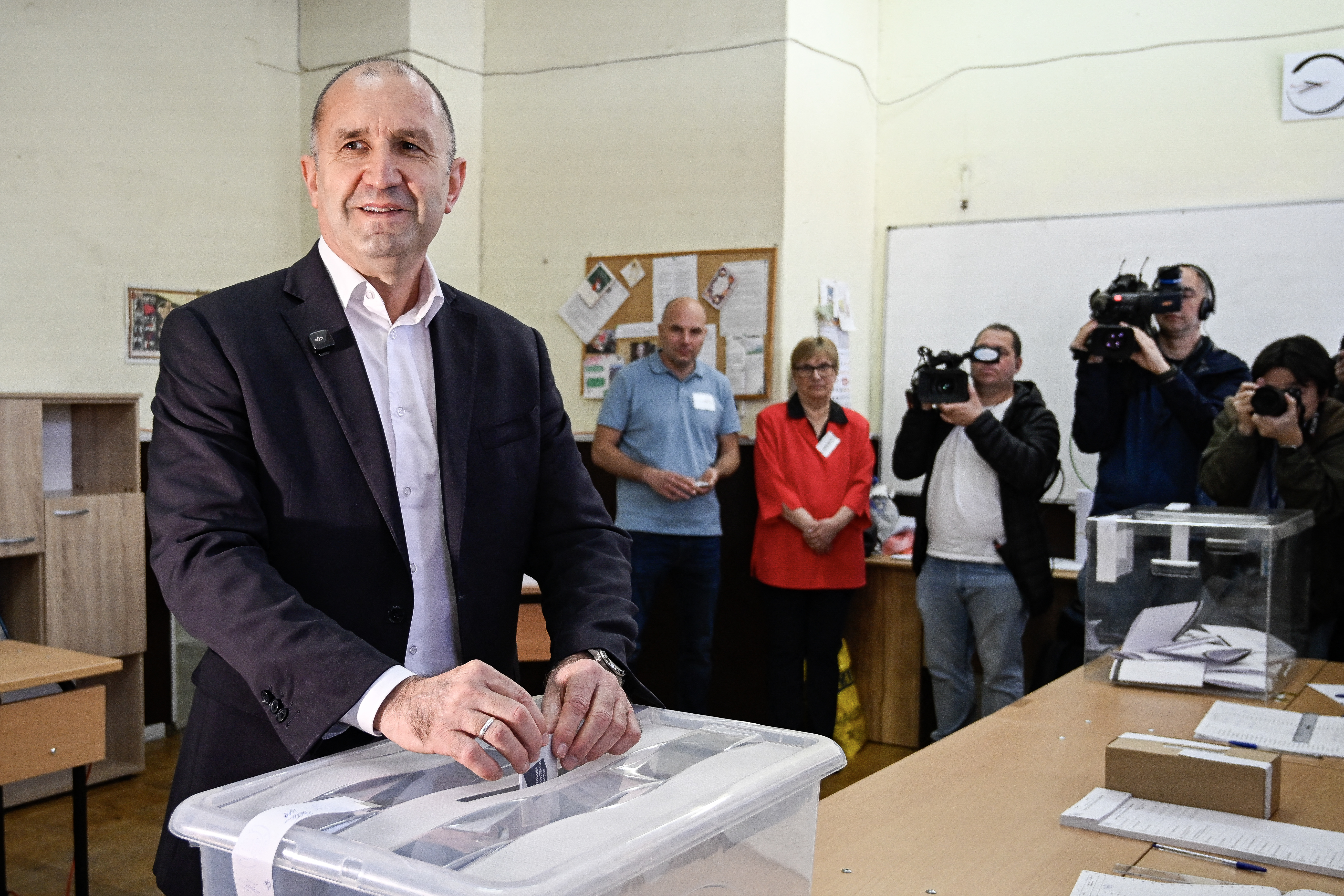
During the election campaign, Radev promised to root out the mafia and drive out the oligarchs, who he said were undermining the foundations of the least developed and perhaps most corrupt of the EU states. On January 1 of this year, Bulgaria joined the eurozone. Radev's position on the issue of transition to the euro was ambiguous and changed over time, but in general it can be called skeptical, emphasizing the risks rather than the benefits of the euro. Radev repeatedly warned that the introduction of a new currency would lead to a massive rise in prices and a decrease in the purchasing power of the population. Some critics blame him for the fact that the transition cabinets he appointed after the political crisis of 2021 slowed down preparations for the introduction of the euro, delayed key decisions, and demanded unreasonable assessments and checks.
Despite the obviously reassuring data from the National Statistical Institute of Bulgaria on the price situation in the country in the first quarter after the introduction of the euro, there has been a jump in food prices and an even sharper jump in prices in the service sector. Fitness services and paid parking, for example, immediately doubled in price. Labels with prices in levs were simply changed to the same numbers, but in euros (one euro = two levs).
In Brussels, Radev’s position in connection with the war in Ukraine is also causing concern. Rumen Radev has repeatedly opposed the supply of weapons to Kyiv. In his opinion, increasing military assistance to Ukraine prolongs the conflict, and Europe risks being drawn into a protracted war without a clear exit strategy. Radev categorically excludes Bulgarian participation in military operations in Ukraine and emphasizes that his priority is national security. This position generally reflects the sentiments of a significant part of Bulgarian society. Radev openly expresses support for a diplomatic settlement of the war in Ukraine, since all military and economic instruments to resolve this conflict, in his opinion, have been exhausted.
After the convincing victory of the Progressive Bulgaria party, the prime minister for the first time in almost 30 years had the chance to govern the country without regard to coalitions. Radev now has about six months to consolidate his power while he controls parliament, the government, and - through his loyal deputy Iliana Yotova - the presidency. His plan is to assemble a cabinet of ministers as quickly as possible and literally build a party structure on the fly. To do this, he is reportedly ready to attract people from other parties. The main factors playing into Radev’s hands are high support among young voters aged 18 to 30, people’s fatigue from ongoing political crises and a weak, fragmented opposition. Experienced political strategists also help Radev.
But “Progressive Bulgaria” also has a serious problem - the lack of trained personnel to govern the state. Despite the high level of trust after the elections, the former president and future prime minister will face resistance within the system. The success of his course is not yet guaranteed.
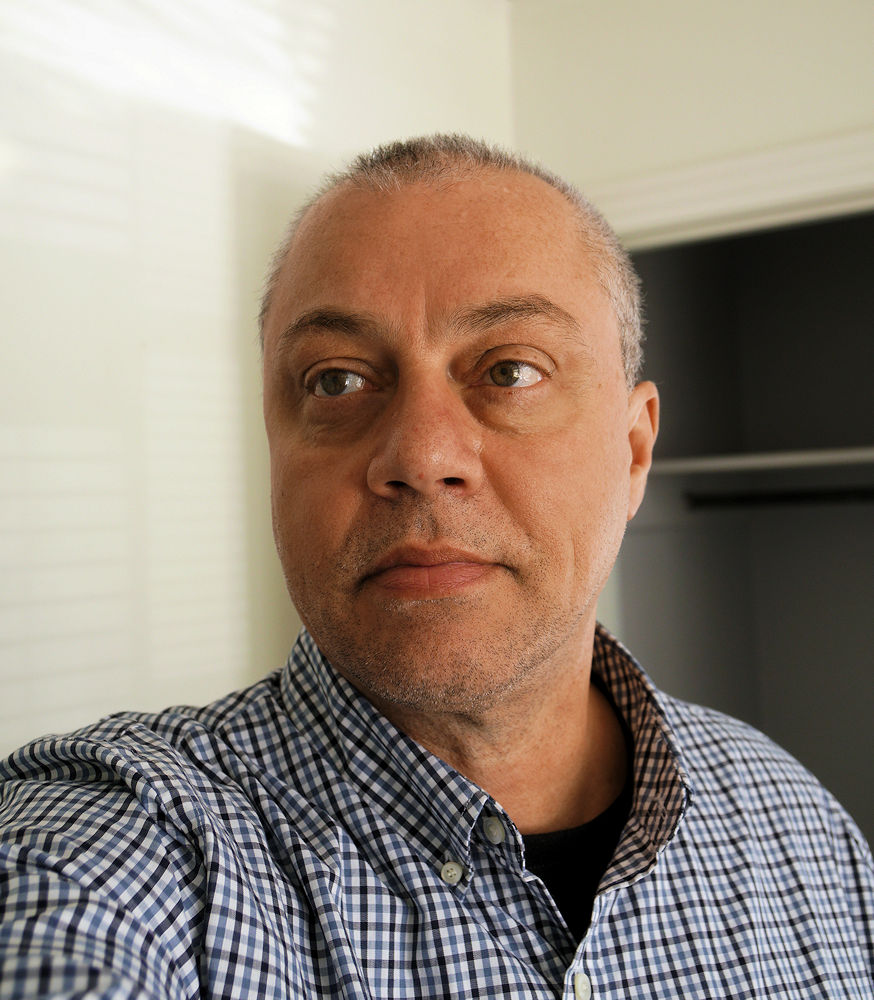
Nikola Krastev – Bulgarian journalist
Opinions expressed in the "Author's Rights" section may not reflect the views of the editors.
Wheel of Fortune. Nikola Krastev - about what awaits Bulgaria
Share
Share
-

Nikola Krastev
Bulgarian journalist, lives in the USA