
Translated material
Can it still bite? Is Trump right to call Iran "toothless"?
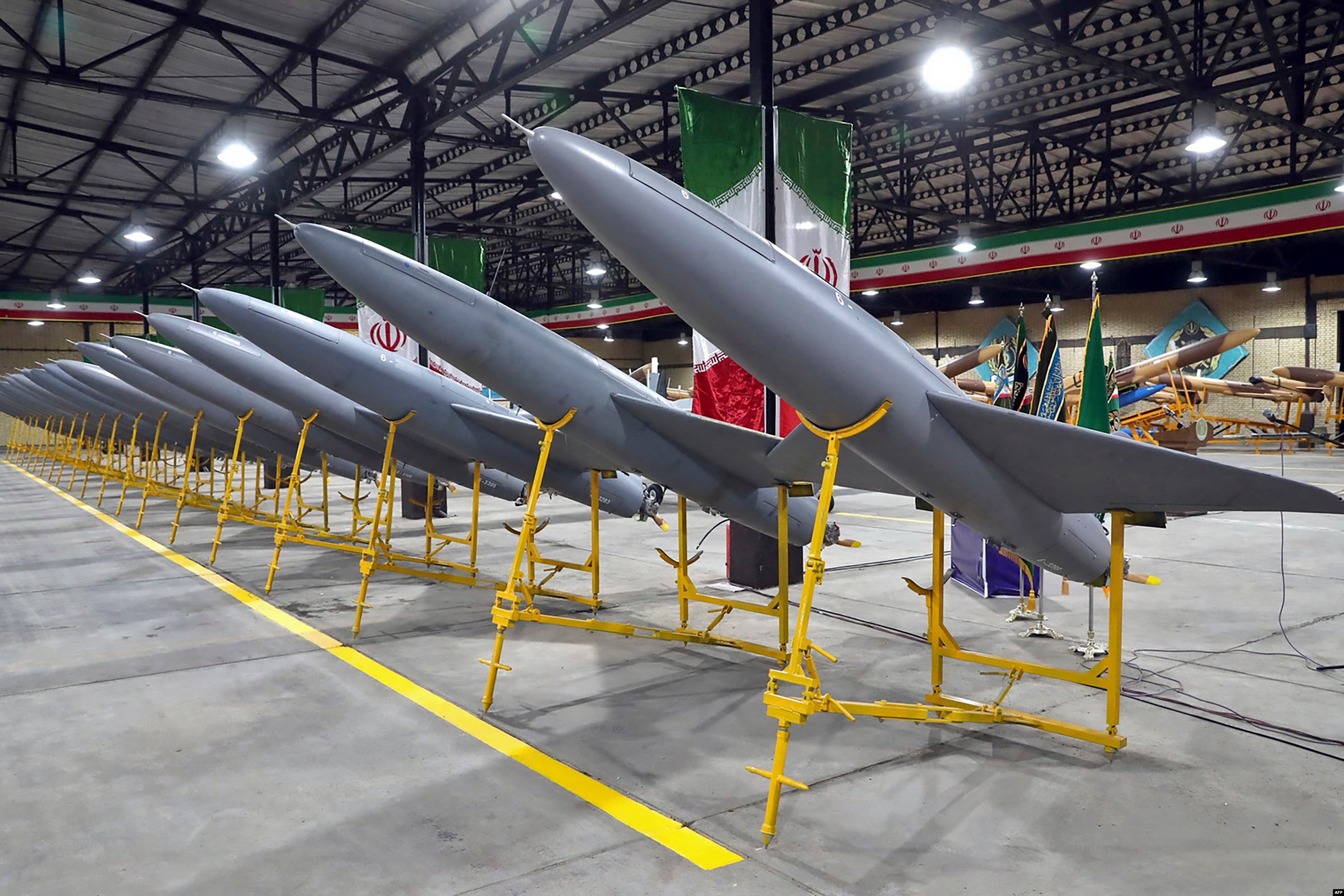
Donald Trump often repeats that the United States has almost completely destroyed Iran's military potential and calls it a “toothless enemy . ” But the stubbornness with which Iranian leaders refuse to bow to pressure from Washington on key issues and the ongoing blockade of the Strait of Hormuz may indicate otherwise. The Iranian armed forces obviously retain sufficient power - and are still capable of painfully “biting” both the American military and their neighbors.
The Pentagon says the number of air and sea attacks carried out by Iran in late March and early April, before the current truce took effect, was down 90 percent from the early days of the war. The Israeli military simultaneously claims that it has disabled at least 70 percent of Iranian missile launchers.
However, there is ample evidence that Iran retains significant military capabilities and capabilities for asymmetric and hybrid warfare. That is, large and still fully combat-ready ground forces, and naval “mosquito forces” and, most importantly, enough missiles and drones to continue to destabilize the Middle East and continue to block the Strait of Hormuz, which is strategically important for the world economy. Once again pushed to the wall by the United States and Israel, Iran will again be ready to inflict very painful blows on its opponents and their allies, as the American Institute for the Study of War (ISW) writes , for example.
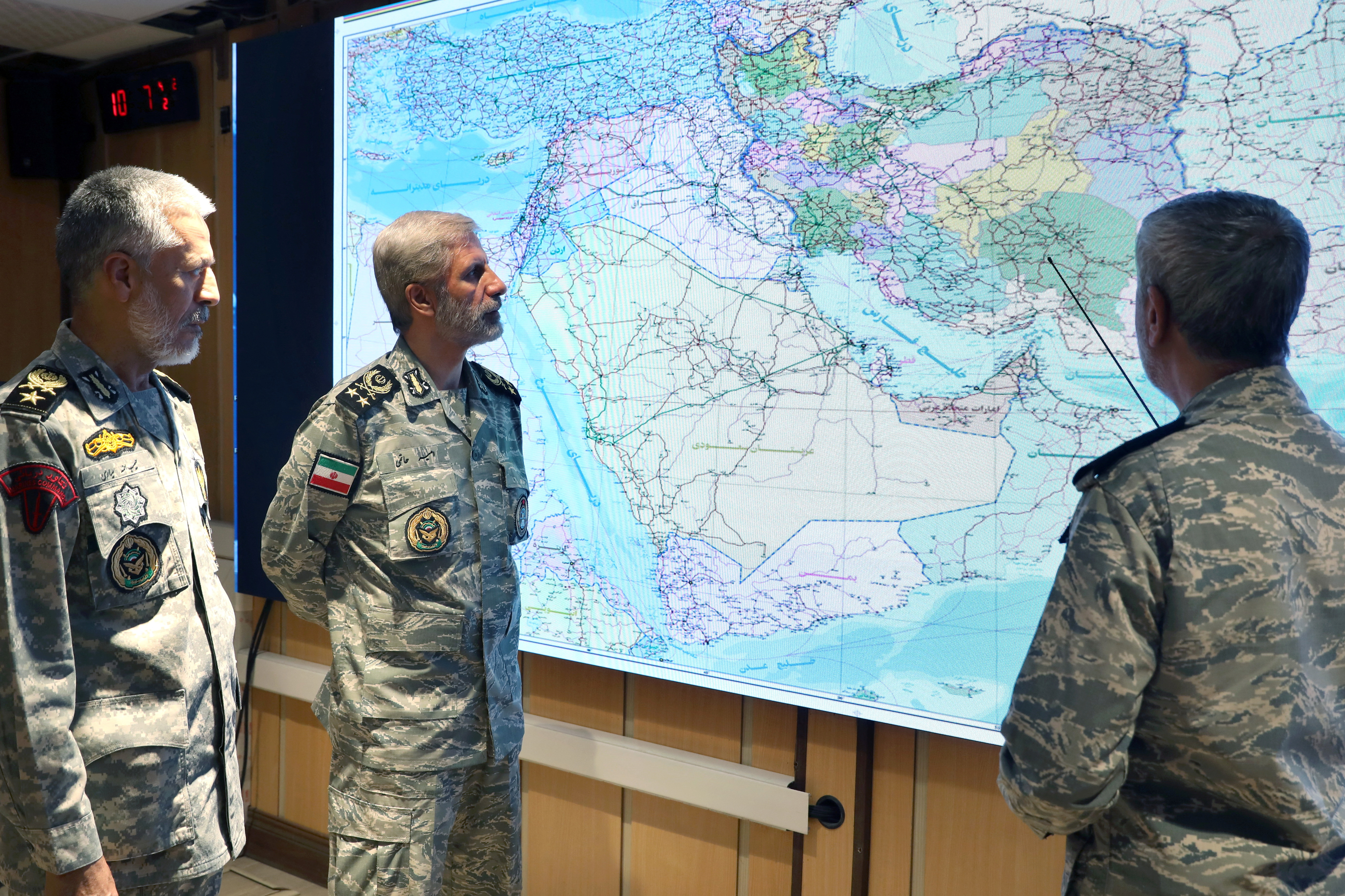
Tehran's ability to mount an armed response during the current war reflects the rapid recovery of its armed forces after a previous 12-day armed conflict with Israel and the United States in June last year. As some analysts note, Washington likely underestimated both the speed with which Iran began to rebuild its capabilities and what it has been using in recent months to prepare for the next conflict.
Iran's ground forces remain one of the largest in the Middle East at the end of April, with about 610,000 active personnel, according to multiple publicly available data and intelligence sources cited by Western media. The land component of the Iranian Armed Forces is divided between two parallel structures:
Regular Army ("Artesh" ):
Approximately 350 thousand people, the main task is classic territorial defense.
Islamic Revolutionary Guard Corps (IRGC):
From 125 to 190 thousand people. These are elite forces with their own air force, navy, etc., and are responsible for offensive operations, managing proxy forces and modern weapons systems. Also subordinate to the IRGC are Basij reservists, whose mobilization resource is estimated at 350 thousand trained volunteers. Moreover, the total number of these reservists can reach one and a half million.
The Iranian ground forces' weapons fleet is a mixture of Western and Soviet equipment with modern local developments. All of these vehicles are significantly outdated and cannot be compared with American military equipment - however, their number is still very large:
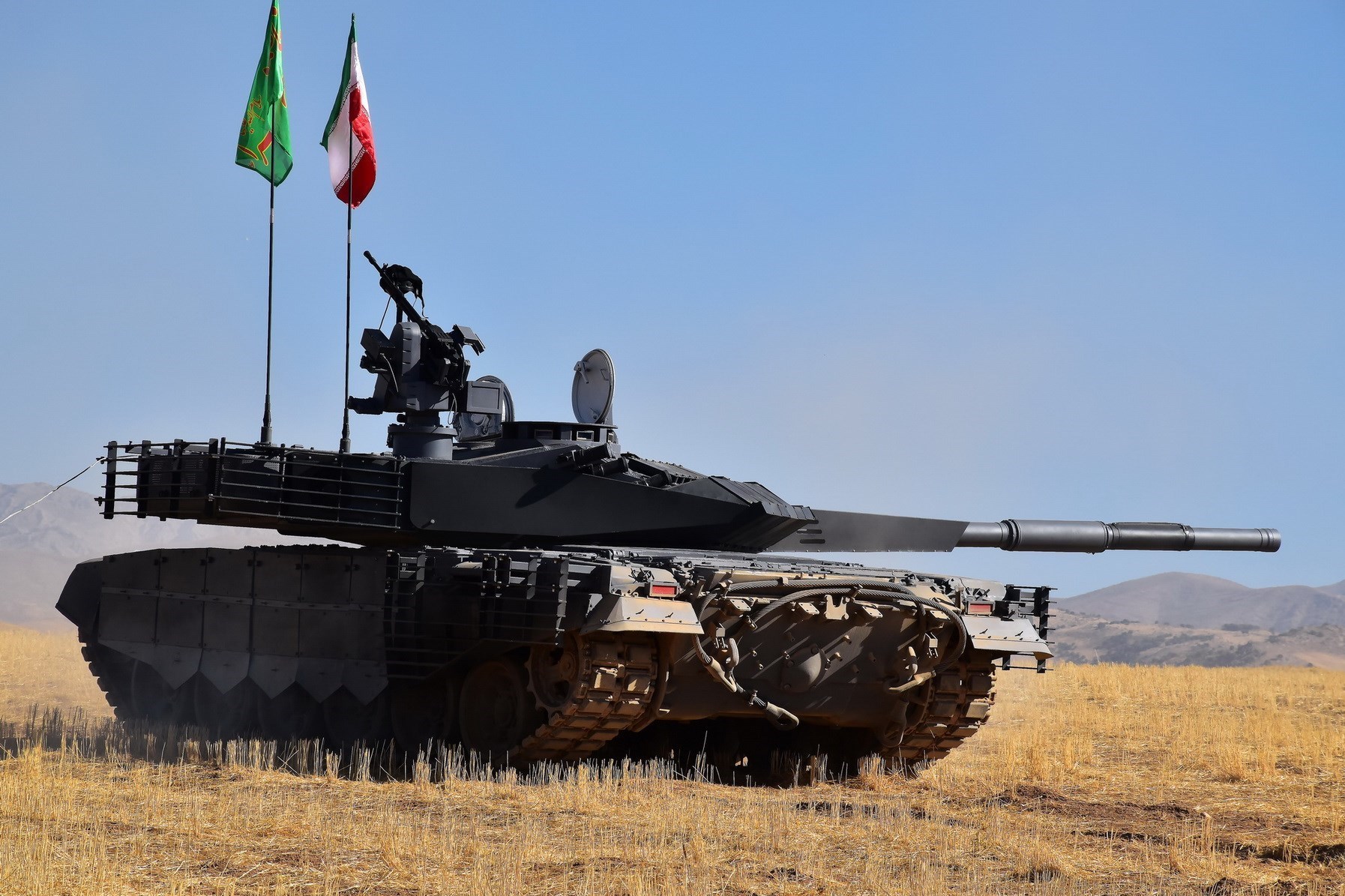
- Tanks: about 1500–2000 units. The basis is T-72 and Iranian Zulfiqar, about 250 units. The most modern model is Iran's own Karrar tank, of which about 100 units were produced. Visually and in terms of characteristics, it strongly resembles the Russian T-90MS tank.
- Artillery: Iran has a powerful artillery fist, including up to 7 thousand systems, including numerous MLRS and towed guns.
- Armored vehicles: more than 65 thousand armored vehicles of various classes (infantry fighting vehicles, armored personnel carriers, and so on).
As military expert Emil Hokayem of the International Institute for Strategic Studies (IISS) notes, after truly devastating American and Israeli air strikes, Iran is certainly limited in its ability to conduct rapid offensive operations beyond its borders due to obsolescence of equipment and the enemy’s complete dominance in the skies. But its ground forces remain dangerous. The Iranian army can show significant effectiveness in a protracted war of attrition on its own territory. The country's terrain and history of guerrilla warfare make a full-scale ground invasion of Iran, even for a superior rival like the United States, extremely risky.
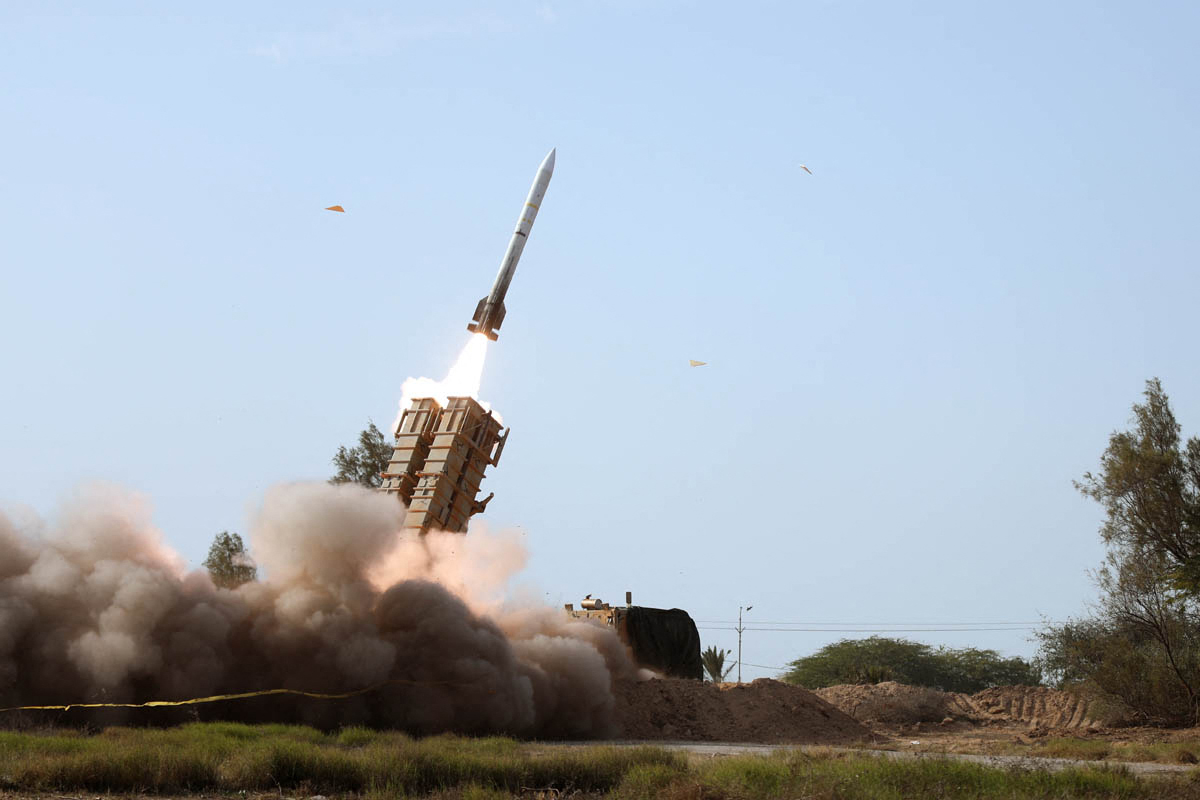
Given the enemy's air superiority, the Iranian military, judging by available data, is relying on mobile missile launchers, of which it may have over 1,550 units left, and the massive use of drones. Analysts emphasize that Iran's ground forces have maintained access to tunnels leading to its underground "missile cities" and drone storage depots. In addition, the Iranians clearly have secret missile bases that have so far managed to evade detection by the US and Israeli intelligence services.
Perhaps the White House and the Pentagon have begun to realize this - Donald Trump recently instructed his aides to prepare for a long naval blockade of Iran. According to The Wall Street Journal, citing American officials, at recent meetings Trump decided to continue to put increasing pressure on the Iranian economy and its oil exports by blocking Iranian ports. According to people close to the American president, Trump assessed the option of resuming air strikes and, moreover, any large-scale ground invasion of Iran as much more risky measures.
The president himself said on April 28 that Tehran allegedly asks Washington to unblock the Strait of Hormuz as soon as possible. "Iran just told us they are in a state of 'collapse'. They want us to 'open the Strait of Hormuz' ASAP while they try to sort out the situation with their leadership (and I believe they will!)," Trump wrote on Truth Social.
The last negotiations between the United States and Iran took place on April 11 in the capital of Pakistan. According to their results, the Vice President of the United States , J.D. Vance, said that they were “substantial.” However, according to Vance, Tehran did not agree to satisfy any of Washington’s key demands - neither regarding its nuclear program, nor regarding the prospects for opening the Strait of Hormuz, which the IRGC Navy continues to block. The planned second round of negotiations has not yet taken place, and while the truce continues to operate between the United States and Iran, extended by Trump without specifying a specific date for its completion.
The US-Israeli air war against Iran, which began on February 28, has been very effective in many ways - many members of Iran's top leadership have been killed, hundreds of military installations have been destroyed, and the Iranian air force has virtually ceased to exist, along with all of its major surface ships. However, it is still extremely premature to talk about Iran being “toothless” in military terms, independent Western analysts believe. This is the view , for example, of Farzin Nadimi , a security expert at the Washington Institute for Near East Policy who specializes in Iran and the Persian Gulf:
“From the point of view of the image of this war for the United States, the sunken ships and the completely destroyed Iranian air force are, of course, a beautiful indicator of the victories won. But we all understand that the main indicator of success for Tehran itself remains its ability to continue to launch ballistic missiles and drones at Israel, American bases and the Gulf countries. And we know that the Iranians are still capable of doing this.”
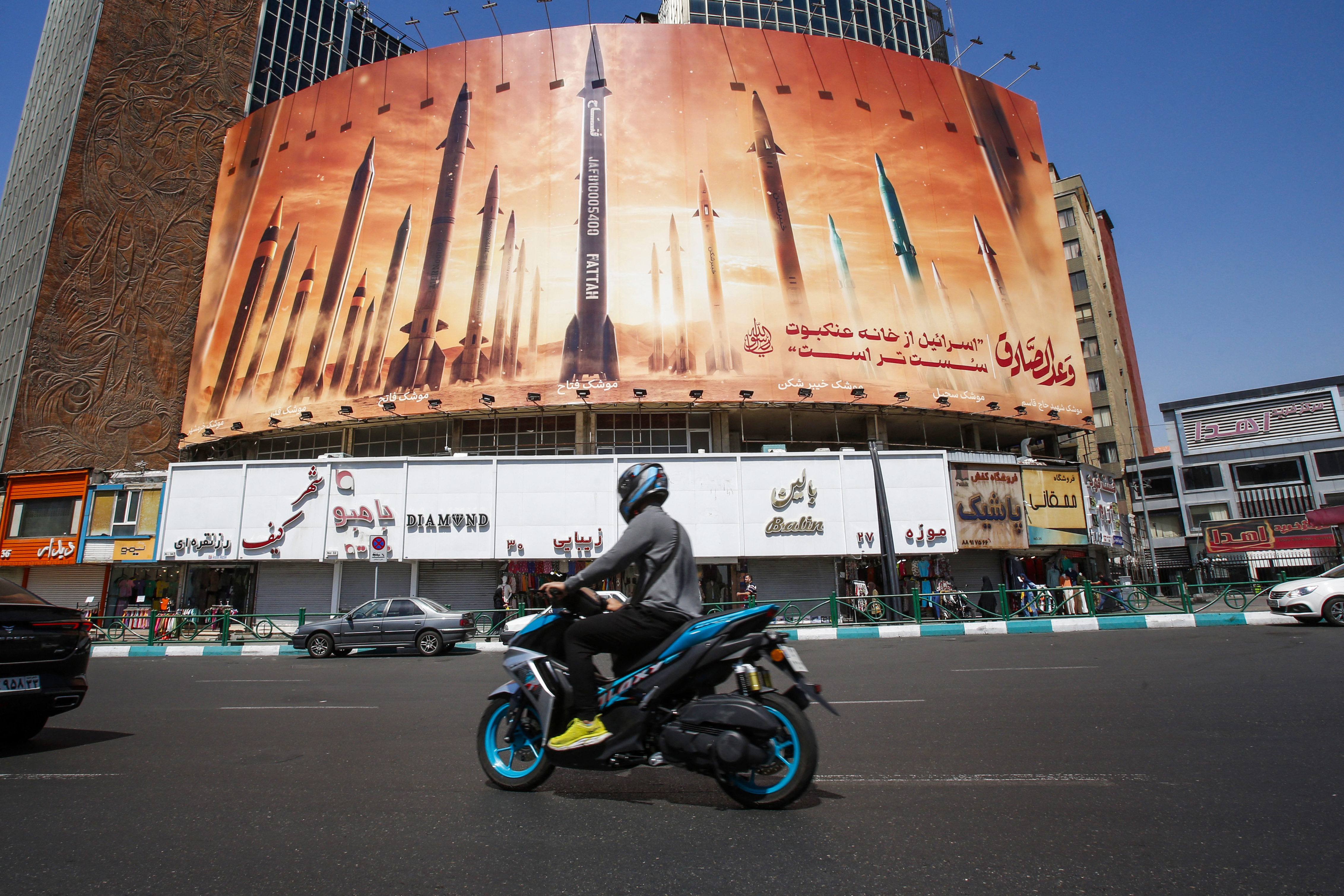
Fabian Hinz , an IISS expert specializing in satellite imagery and OSINT analysis of missile programs, assesses the state of the Iranian arsenal after the US and Israeli strikes in his latest publications. In his opinion, Iran has retained about 60 percent of its launchers and 70 percent of its missile reserves. The expert pays special attention to the fact that Iran is clearly using the current ceasefire to restore its strength, removing launchers from deep underground shelters.
Fabian Hinz and Farzin Nadimi together call the Iranian missile arsenal still the largest in the Middle East: Tehran could, according to them, have more than 3 thousand ballistic missiles left. In addition, the Iranians have significantly increased the survivability of their missile forces by creating a network of dozens of fortified underground bases, those same “missile cities.” According to both analysts, Tehran will soon continue to increase the capabilities of its medium-range missiles capable of reaching Israel and southern Europe. The goal is to ensure the viability of its containment strategy.
Iran also likely still has many thousands of Shahed-type drones. However, it is impossible to accurately calculate this because US and Israeli intelligence on Iranian capabilities is limited.
As The New York Times notes, cautious skepticism is beginning to be heard even in the words of the American generals directly responsible for conducting Operation Epic Fury against Iran. They are choosing their language more carefully when assessing Tehran's remaining military potential in public speeches. For example, Admiral Charles Bradford Cooper , head of U.S. Central Command ( CENTCOM ), which is responsible for commanding U.S. forces in the Middle East, East Africa, and South and Central Asia, said in mid-April that the U.S. and Israeli strikes had "reduced the number of Iranian drone and missile launches by 90 percent." However, this is not the same as saying that these strikes “destroyed 90 percent of Iranian drones and missiles,” the NYT emphasizes.
Kelly Grieco , a senior fellow at the Stimson Center, an international affairs think tank in Washington, tells NYT that the number of strikes may not be as important as how effectively Iran uses its arsenal. Grieco analyzed open-source data on Iranian missile launches and (though she cautions that the numbers may be inaccurate) found that the rate at which Iranian missiles hit targets has steadily increased as the fighting has progressed, more than doubling since March 10. “Iran is skillfully adapting to the situation. There are signs that we do not have a defeated and toothless enemy - but one that is constantly learning and can cause enough damage to realize its strategic plans,” notes Kelly Grieco.
Pentagon analysts may have mistaken Iran's decline in military activity in April for a decline in its capabilities, analysts say . In their opinion, Iran could, for example, on some days launch fewer missiles and drones not because they were destroyed, but because the Iranian military simply redeployed them. The Iranians could only slow the pace of their attacks as they studied new intelligence when making target selection decisions.
Can it still bite? Is Trump right to call Iran "toothless"?