Translated material
The City and Its Pocket Ghosts
St. Petersburg, like a living organism, is permeated with sensors. Its pavements absorb data, its infrastructure emits digital steam, and its networks of cameras record every movement. Against this background, a street photographer with a camera seems anachronistic. But it is precisely his conscious gaze through the lens that causes instant resistance in the passer-by - that same “internal stop valve.”
The paradox of digital surveillance: A person calmly delegates his digital shadow - routes, preferences, connections - to algorithms and thousands of “soulless insect cameras”. The smartphone in your pocket knows more about him than your loved ones. However, the human gaze directed at him, mediated by the camera, activates instinctive defense. This is not a fear of exposure (the data is already open), but a protest against the loss of co-authorship in the moment.
The photographer as a digital alchemist: His tool is not a retort with reagents, but a lens and a sensor. Alchemy consists of extracting a fragment of the continuous flow of urban life and instantly transmuting it into an autonomous digital artifact - a “pocket ghost” of reality. This artifact (frame) is no longer part of the context (rain, smell, rush), but an independent unit of information launched into the network. He begins to live his life in other people’s feeds, screens, contexts, torn off from the original “fabric of existence.”
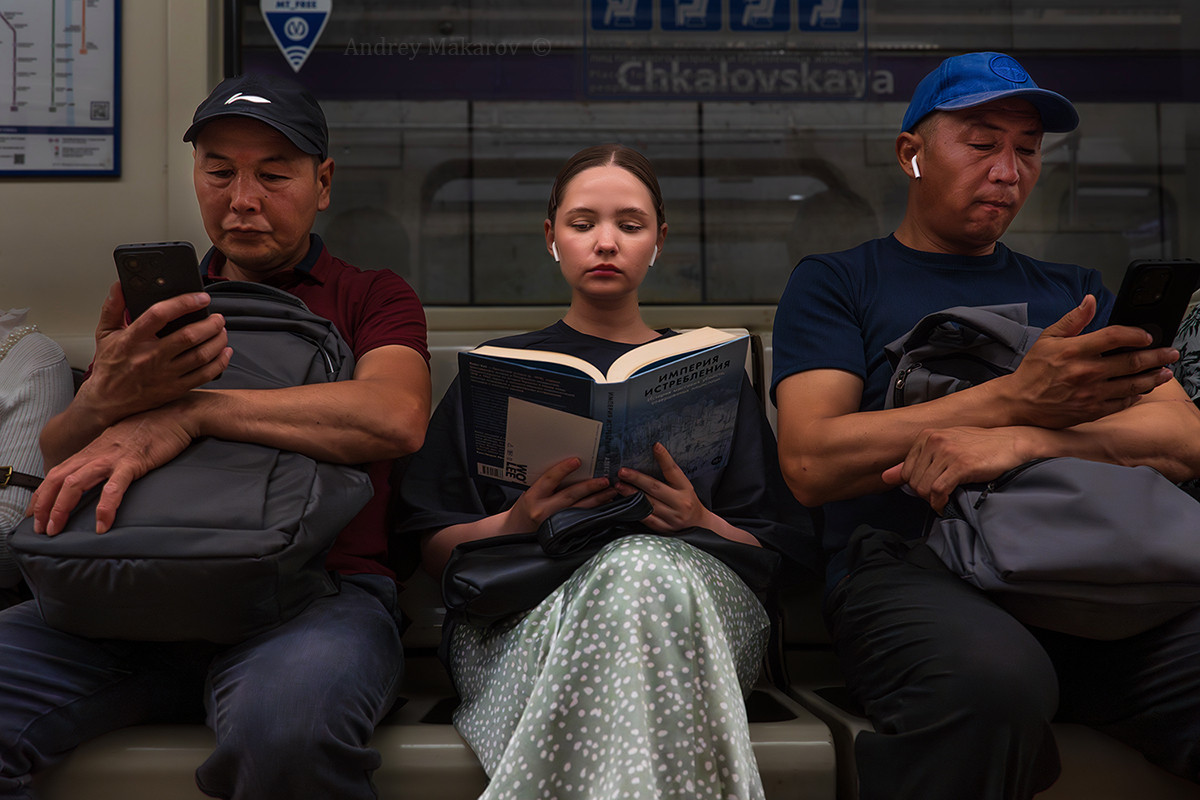
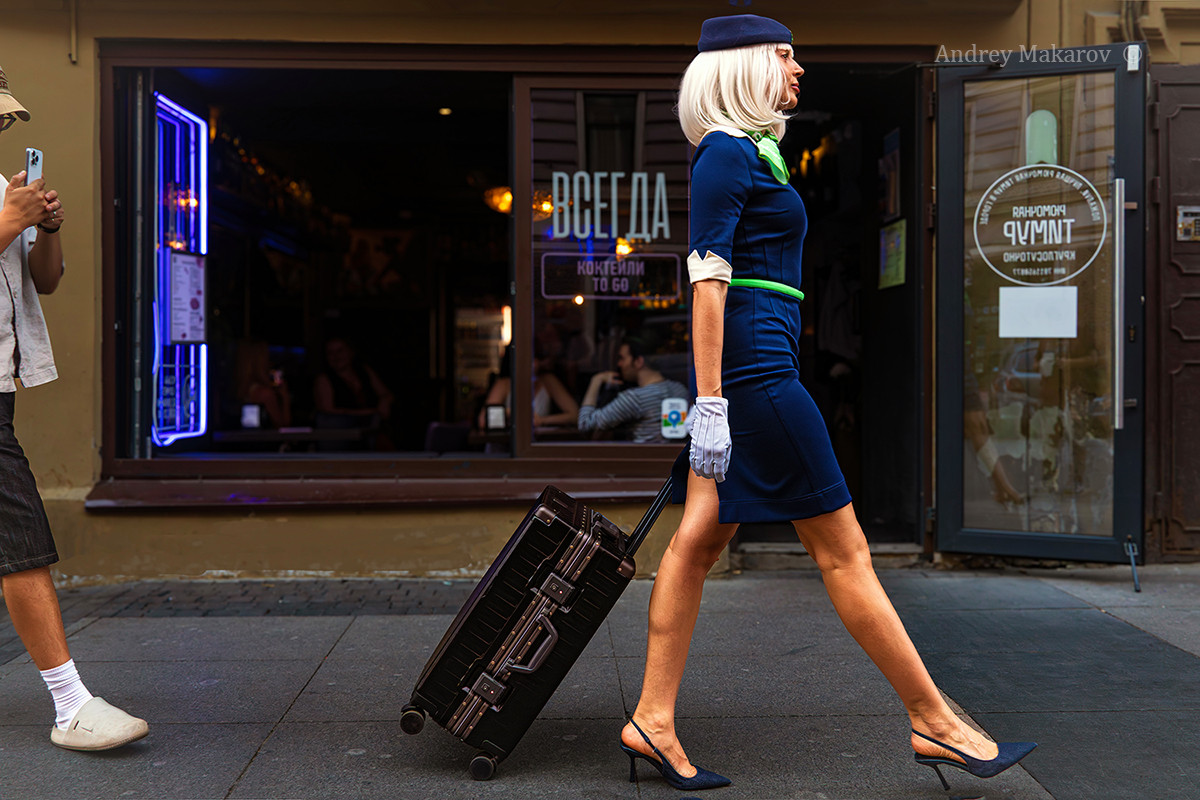
The city as a system and an accomplice: St. Petersburg, with its architecture and rhythm, provides an endless stream of visual data. Sometimes he seems to “throw” perfectly composed scenes at the photographer, as if part of an algorithm.
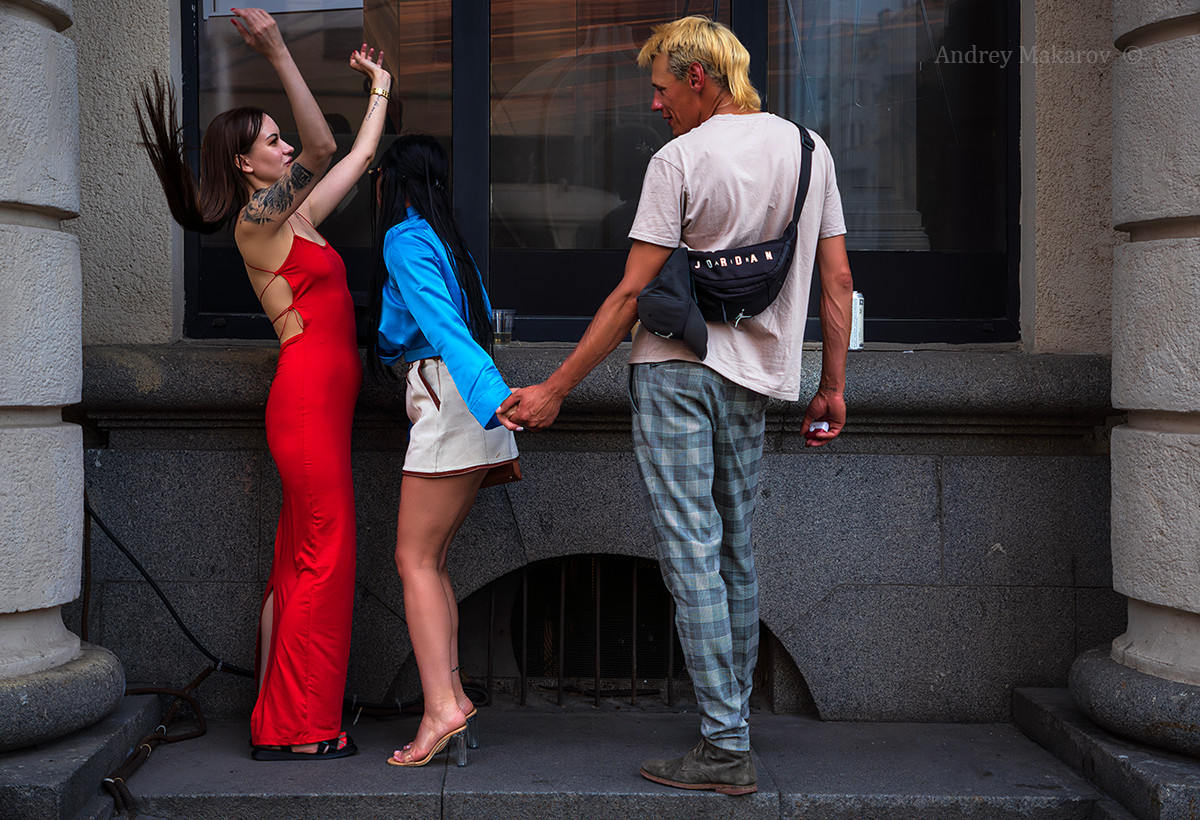
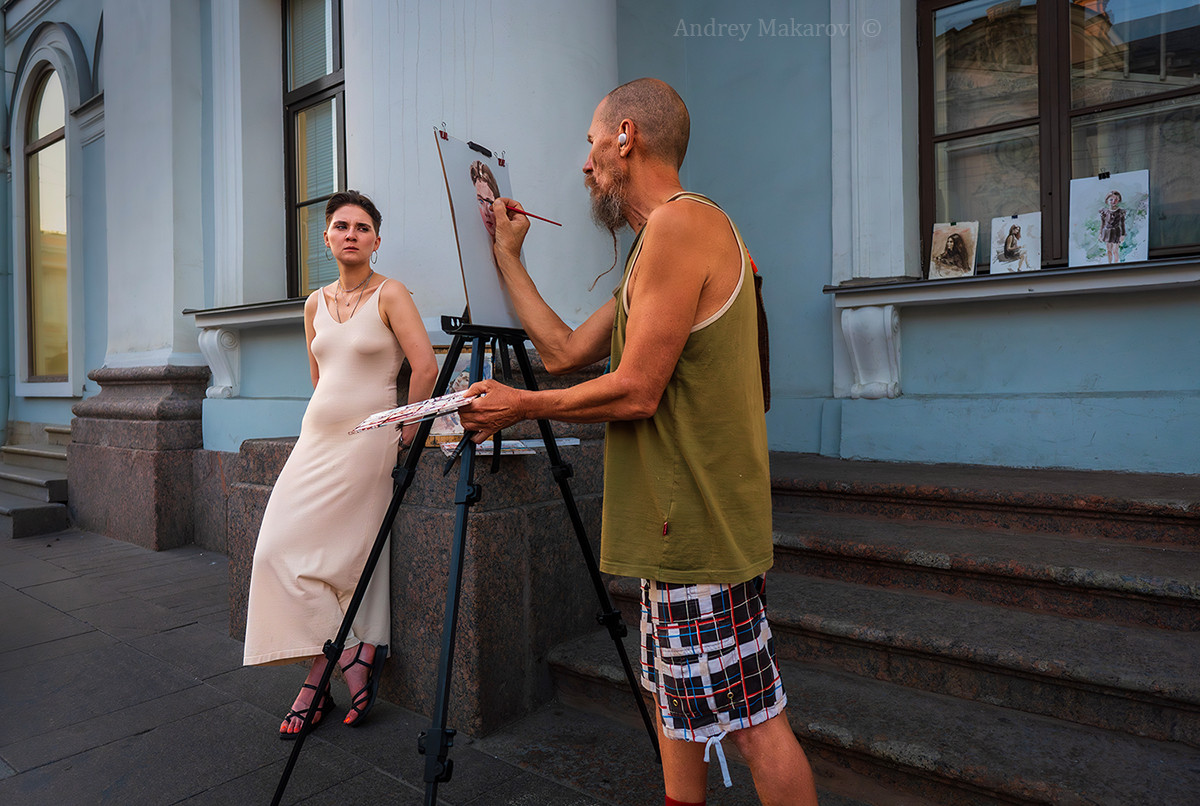
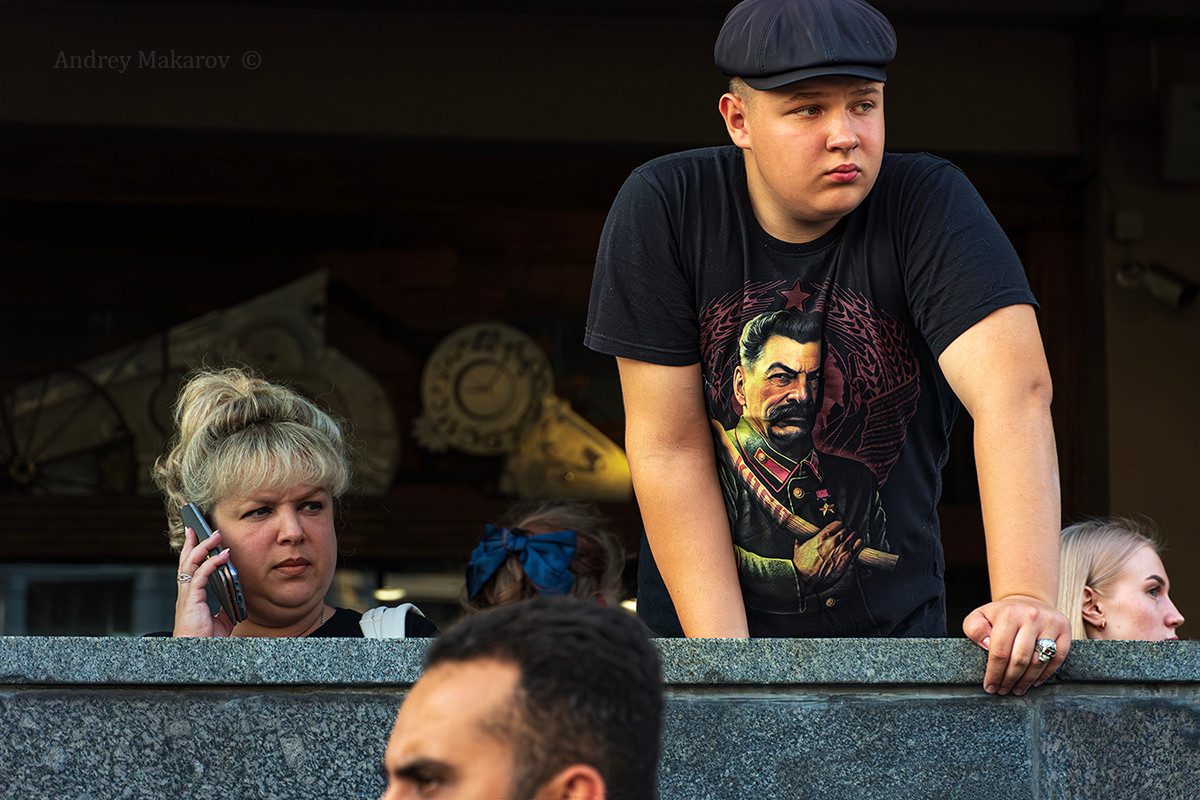
When you look at the photographs of successful photographers, it seems as if they are dragging around an invisible camera obscura with a group of artists from a pocket youth theater - this is exactly how the city sets up the scenery. Each frame is an attempt to lasso the ephemeral, to put it in a cage of pixels.

But he also resists and escapes. A passerby pirouettes away from the camera, pulls up his hood, or casts a reproachful glance does not protect privacy (there is none). He instinctively defends the right to control his own momentary self in public space. He does not want to be turned into “a pixel in someone else’s collage,” deprived of context and authorship over his own moment.
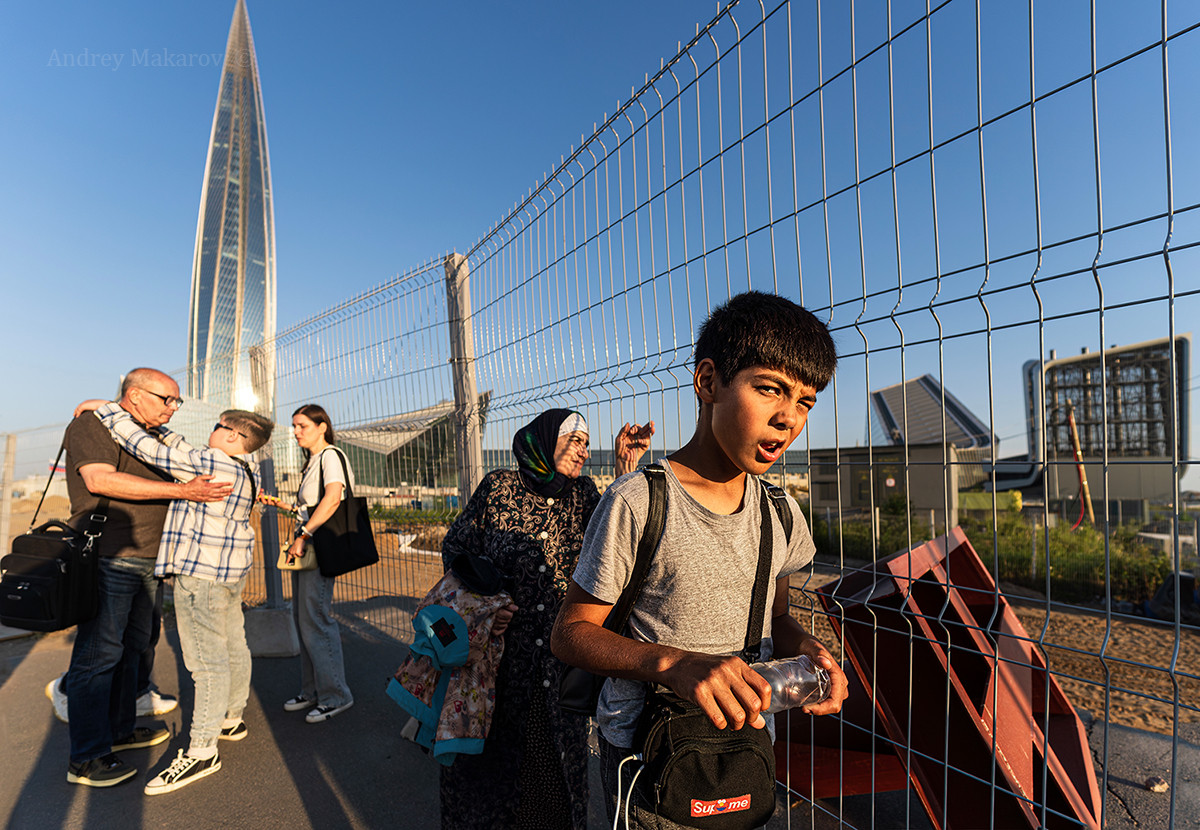
The irony of the modern demiurge: The photographer, this flâneur with an “optical weapon,” creates micro-universes of data. But the final fate of the “ghost” is beyond his control. Launched online, it lives according to the laws of algorithms, social networks, and reposts. The city, this granite giant, only ironically observes: “Whose is this ghost now?” The most acute paradox is that the attempt to capture the soul of the city only splits off a fragment of it, which instantly eludes the creator, taking a particle of the elusive St. Petersburg essence into an endless digital journey