Translated material
Istanbul – hypertext of reality
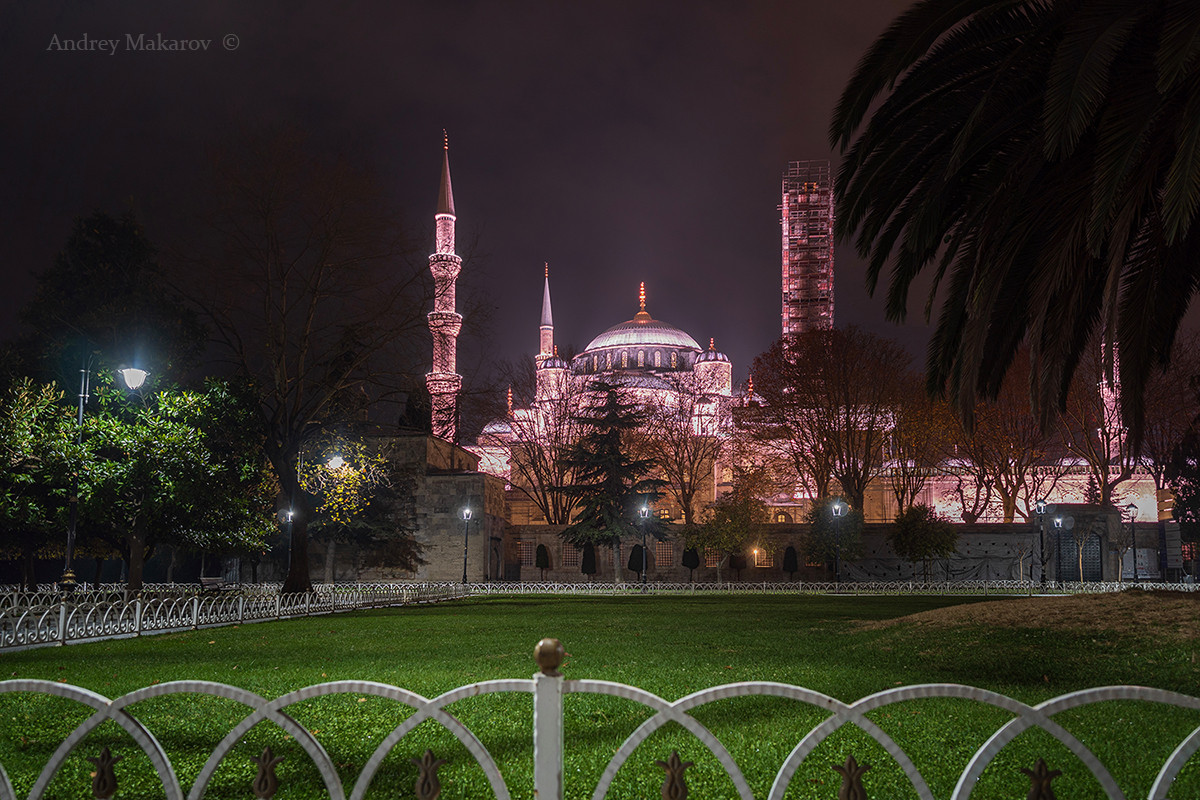
Modern Turkish screens are shrouded in the haze of the Ottoman syndrome - phantom series, where sultans cut Janissary knots with the scimitar of drama, and harems flicker like holograms of lost luster. Intrigues, conspiracies, executions, war and politics, love. Everything is as it should be in pseudo-historical films, where every camera turn is a milestone. But in real life, the true “turning point” lies not in battles or diplomatic intrigue, but in a seemingly modest event that occurred in 1777, when pastry chef Ali Muhiddin Haji Bekir sealed the decline of the empire in a sugar wrapper of Turkish delight. From this moment on, sweet entropy begins to consume Porto, like a bonbonniere from which Suvorov pulled Izmail, and Ushakov pulled Corfu, like the cherry on the layer cake of war and politics.
Ali Muhiddin Haji Bekir is just creating Turkish delight, but these pink cubes turned out to be chronophages: they devoured the Porte's time, turning imperial steel into caramel fragility.
The Russians and the Ottomans are twin brothers in the mirror of Gumilyov’s ethnic theory, born from one passionary impulse, two competitive codes launched simultaneously into the historical and geographical system of Eurasia. Their empires collapsed in unison, leaving behind a patchwork of republics and phantom pains of greatness.
Now for the Turks, the sultanate is their “era of balls and cadets”: where instead of French rolls there is Turkish delight, instead of cadets there are janissaries, and imperial chic dissolves in the taste of cardamom.
Liberals as memes of collapse
The Young Turks 1876-1908 are an imperfect case of how liberal reforms become a prologue to dictatorship. Their “constitutional zigzags” are a copy-paste of ours from 1905-1917, and the parliament is a phantom (like the Duma of Nicholas II). Their reforms are simulacra, with the content replaced by labels) and the final tragedy of the collapse is the Armenian genocide of 1915 (Turkish analogue of the White and Red Terrors)
The Young Turks, those “neurons of reform” in the agonizing brain of the empire, tried to reflash the Ottoman code, but their programs were stuck in an endless download. 1908: the overthrow of Abdul Hamid II is not a revolution, but a change of screensaver on the screen of a dying monitor.
Their reforms turned out to be an illusion: under the carpet of “progress” the dust of genocides and the web of Entente treaties accumulated. The liberalism of the Young Turks was an attempt to paint European integration on top of a fresco of theocracy, but the colors blurred, revealing the bloody pattern of 1915.
Kemal - Architect of the Matrix
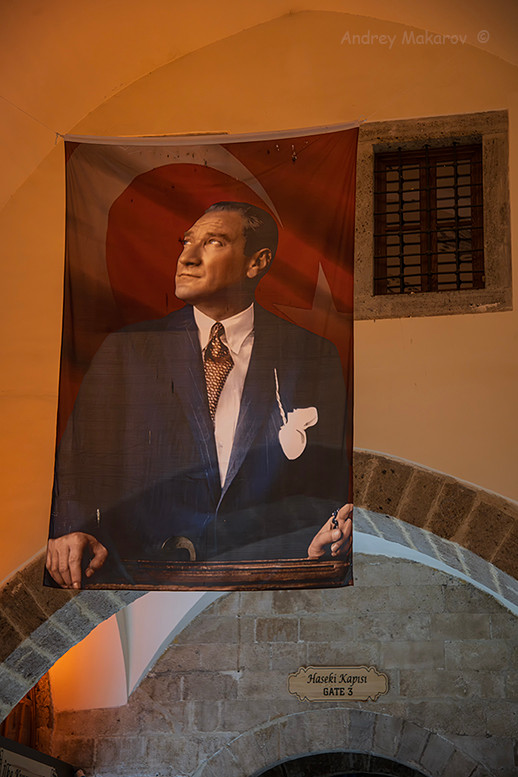
Ataturk, who came later, did not build a state; he designed reality.
His methods are pure Baudrillard:
Similarities of traditions - (fezes as a “national costume” à la Russian kokoshniks of the 1880s)
Cultural reset - (Latin instead of Arabic - even cooler than the decree signed by Lunacharsky)
Gender cheating - (women's suffrage in 1934 - earlier than in France!) His alliance with the Bolsheviks is not brotherhood, but quantum entanglement: two systems observing each other through the prism of civil war
The historical pendulum of the Ottoman Empire froze at the point of singularity when Mustafa Kemal - the alchemist of national reengineering - fired the sultanate into the dust from the barrel of European modernity. Atatürk, I repeat, did not reform, he constructed a reality: the caliphate dissolved like a cryptogram in the acid bath of the secular code, women’s fingers squeezed the ballots before Parisians had time to burn their bras, and the Turkish language, polished to grammatical minimalism, became a mirror for the narcissism of the new nation.
His revolution was a Leninist project, but without Marxist software - a pure upgrade of civilization on top of the outdated operating system of Islam. The Bolsheviks, as if in a mirror, saw in Kemal a reflection of their own ambitions. Frunze broadcast military algorithms across the Anatolian steppes, rubles dripped into the budgetary arteries of Ankara, creating a symbiosis of the red and the crescent - a geopolitical centaur devouring the wreckage of the Treaty of Sèvres.
The Bolsheviks, like pirates leaking counterfeit software of the revolution, dropped weapons and gold on Kemal, and Frunze became his beta tester in battles with the Entente. Their alliance is a quantum entanglement of anti-imperialism: two synchronous revolutions connected through the black hole of history. Situational alliance? Undoubtedly. But at its core pulsed a common firmware: an anti-colonial virus that breached the firewalls of imperial metropolises.
Ataturk is a great reformer, in modern language, he is more of a hacker who hacked the Ottoman BIOS. He formatted the caliphate, installed a secular driver on top of the Sharia code, reflashed the language, removing Arabic viruses, along with the Arabic script. His Türkiye is a revolutionary project on a new OS: the same factories, the same gender updates, but without the Marxist manifesto in the startup.
Demons of Expansion
Modern Türkiye plays Civilization VII with cheats enabled:
Erdogan's Islam - mod for the Ottoman interface
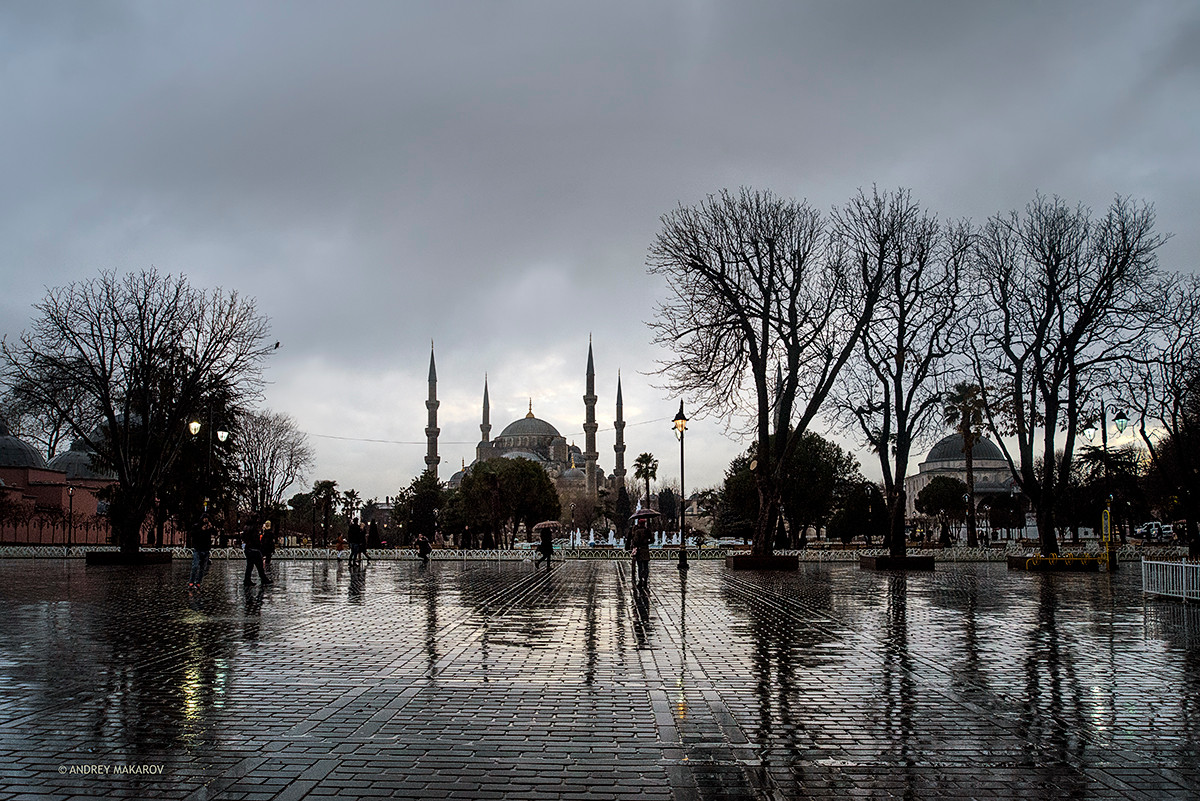
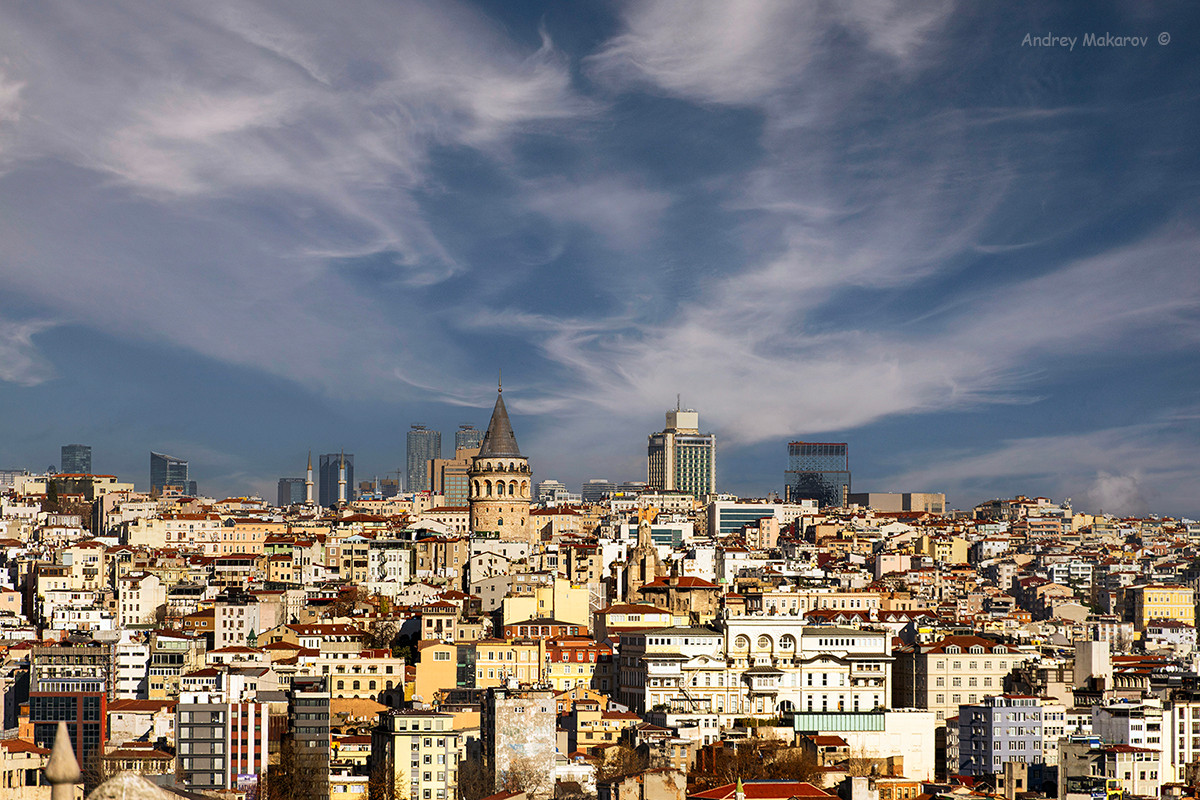
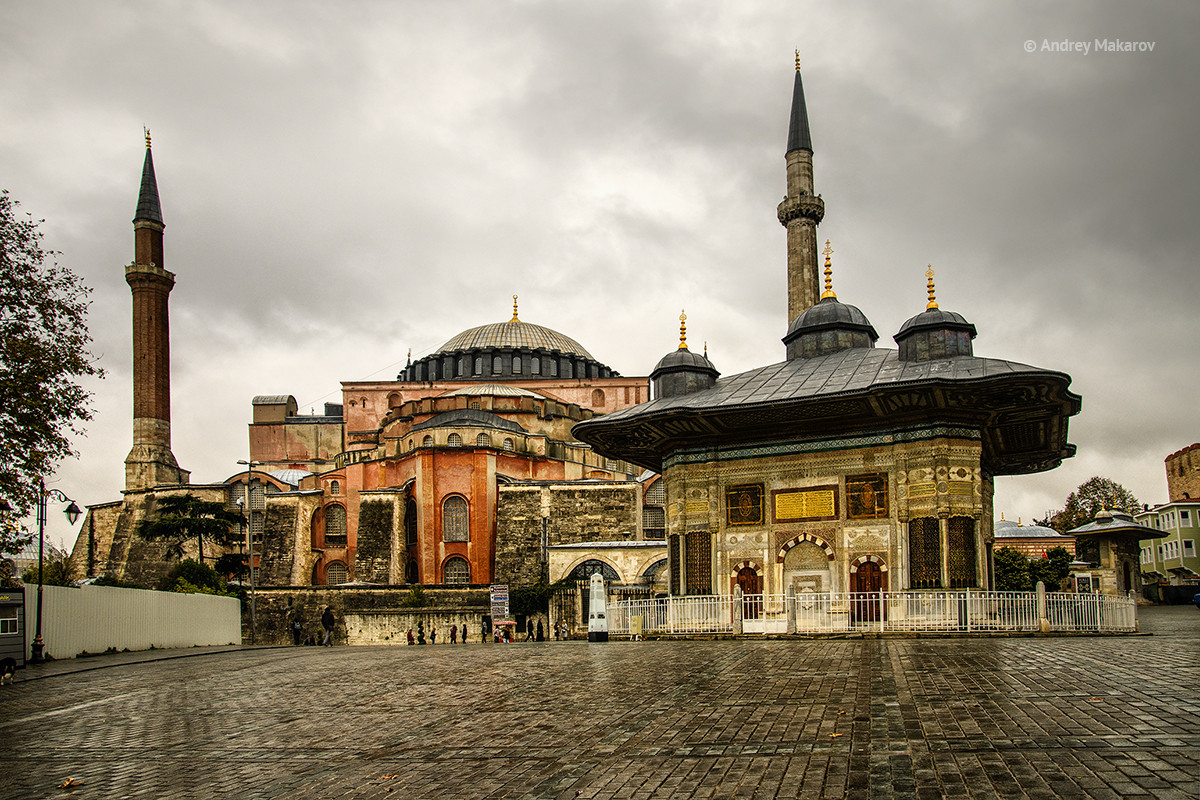
Istanbul is a palimpsest capital where Byzantine ruins serve as AR markers for tourists
But their main secret is in the formula “Islam × capitalism²”. This is not Saudi Arabia - this is Islamic Discord, where hijabs stream religious services and muezzins have brand managers.
Pan-Turkism is an NFT nation: digital art of ethnicity displayed on the blockchain from the Balkans to the Sayans. Pan-Turkism - multiplayer mode from Altai to Bosporus
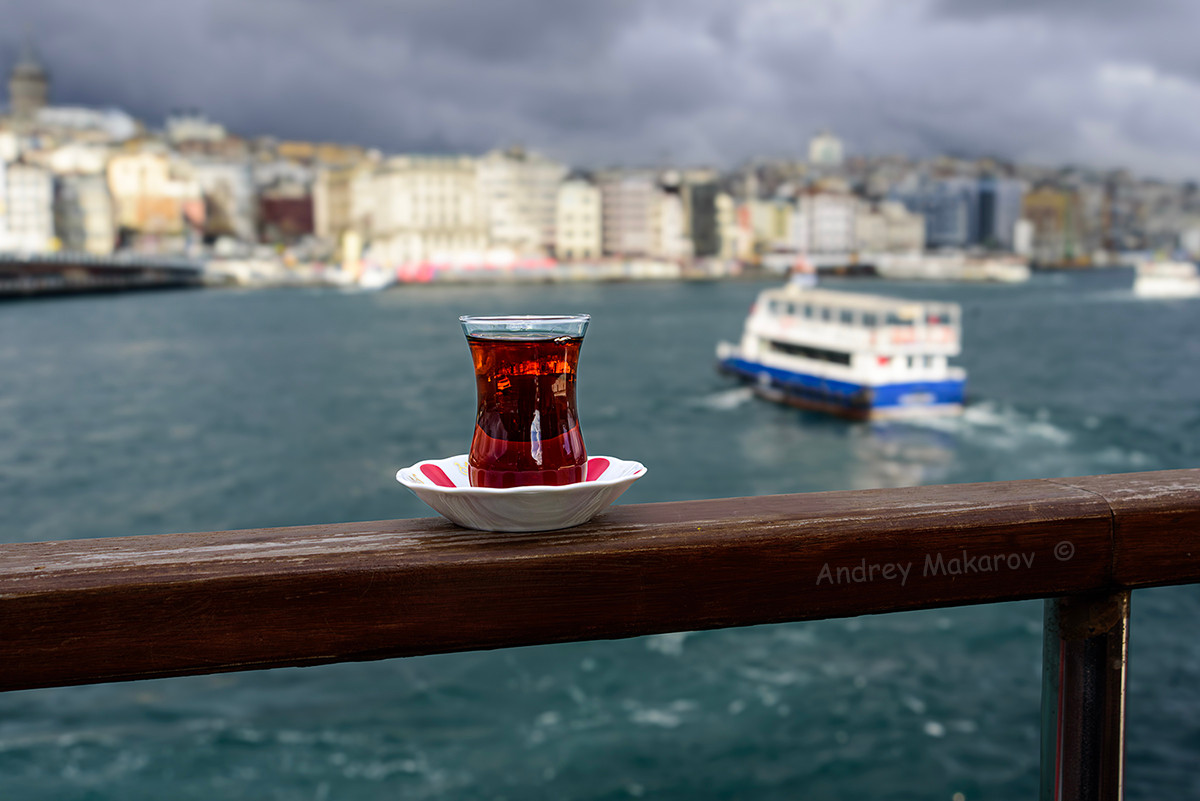
Neo-Ottomanism is a DLC for the old imperial game, where Erdogan upgrades the skills of the Sultan in the NATO lobby. Türkiye today is a hybrid organism: an Islamic chip in the motherboard of secularism, a Wi-Fi mosque and a neural network in the service of imperial ambitions.
Pan-Turkism and Neo-Ottomanism are two demons caused by Turkish political occultism.
The first is the dream of a digital archipelago from the Bosphorus to Altai, where ethnic code replaces citizenship.
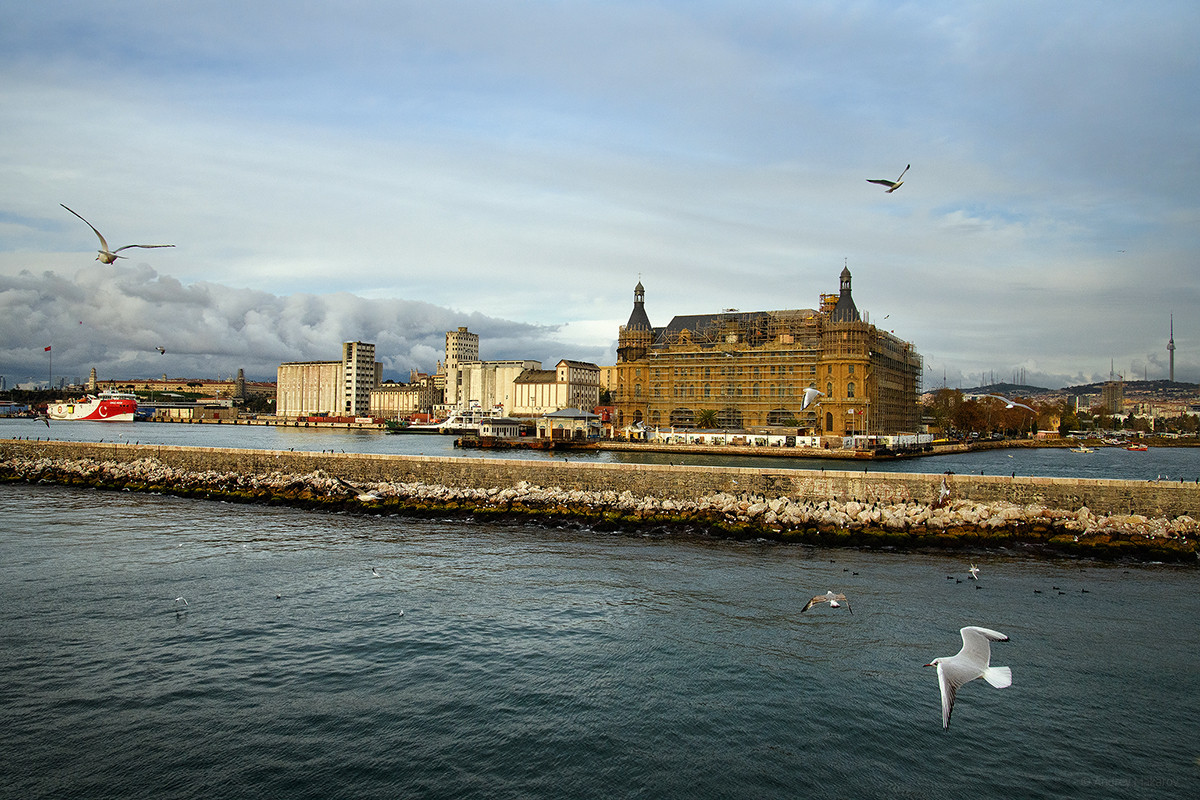
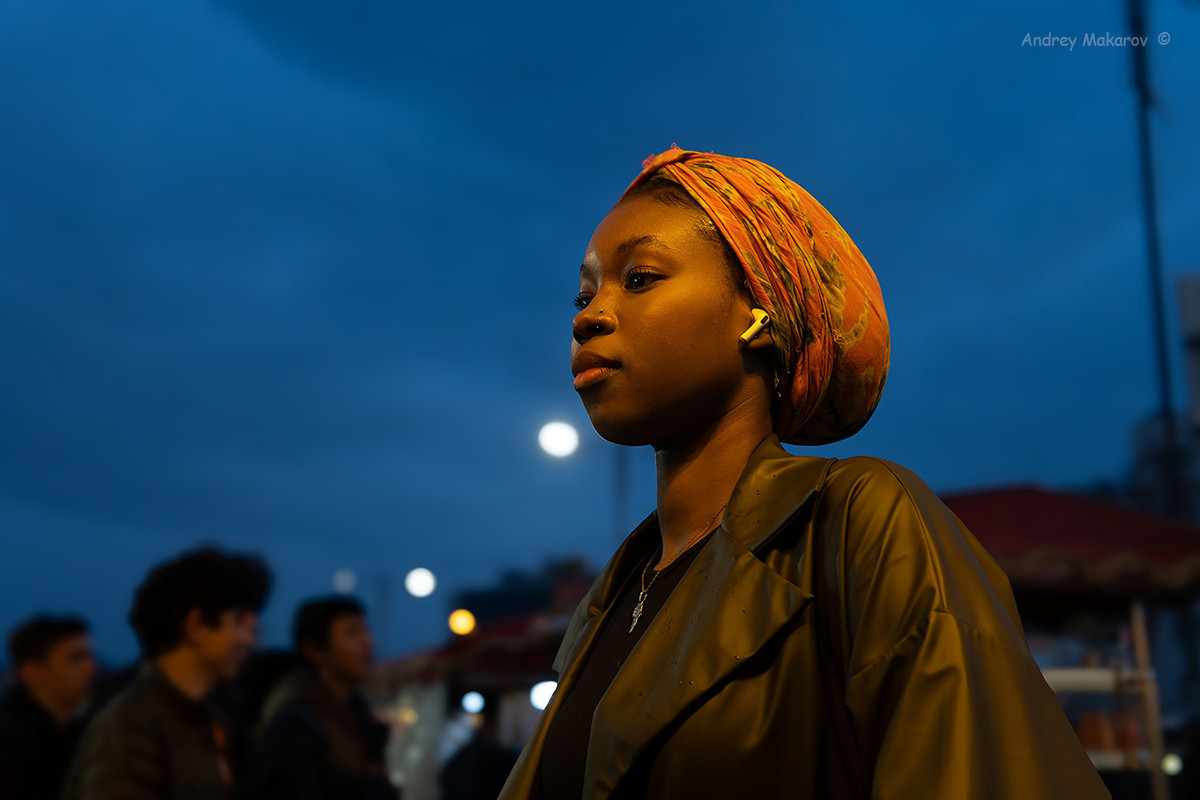
The second is a hologram of imperial grandeur projected onto the ruins of Byzantine churches. Today Erdogan tries on both masks, balancing between the shamanism of tradition and political reality shows. The Turk is a quantum superposition: a dervish dancing to the rhythm of techno on the ruins of Troy; a burgher in a halal suit from Zara, deconstructing the Koran through the prism of Habermas. Their identity is a palimpsest, where the pixels of globalization appear over the cuneiform writings of the Hittites.
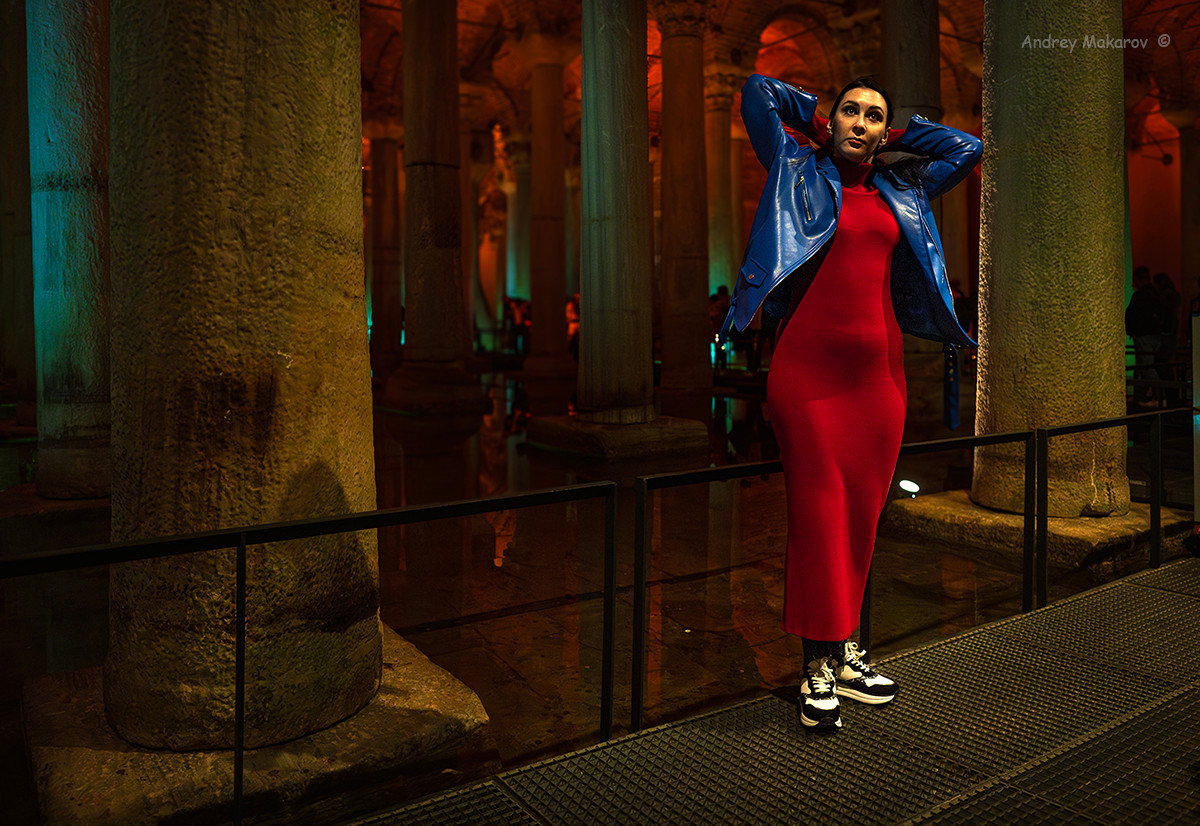
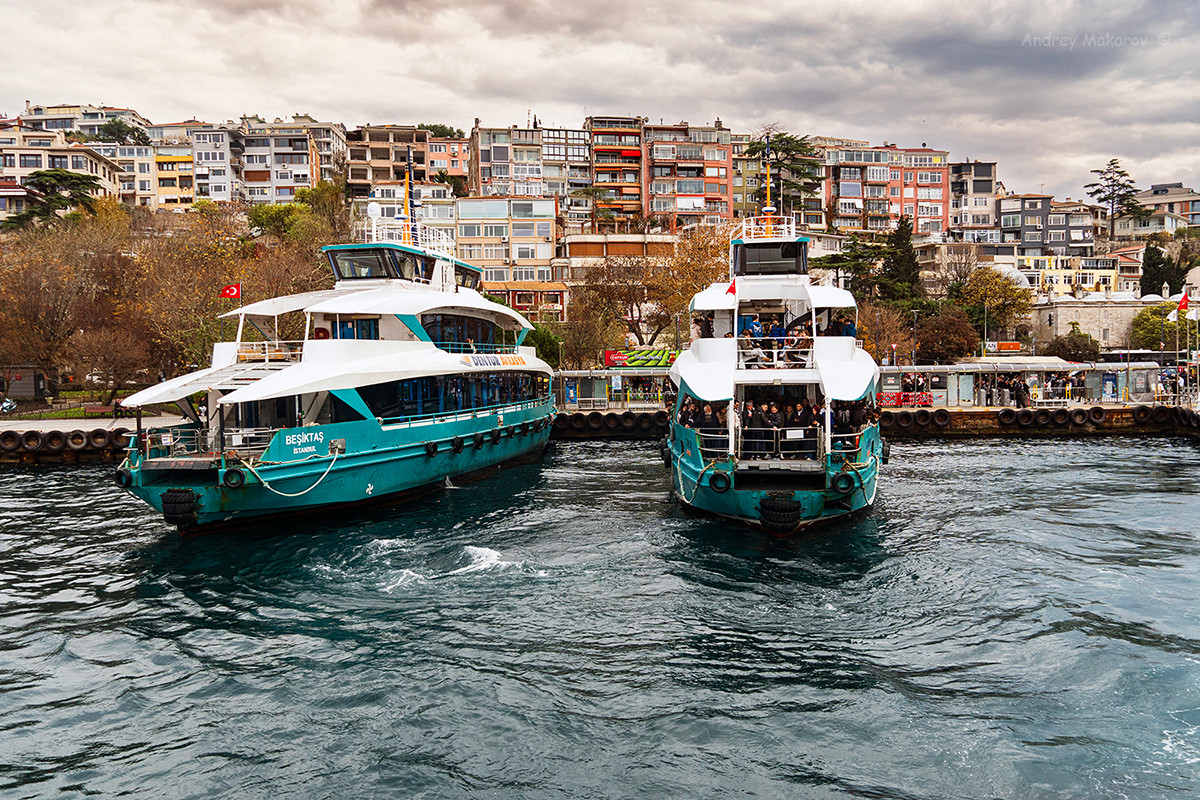
Walking around Istanbul, you understand: history is not a line, but a fractal. Byzantine cisterns become crypto-farms, Genoese towers become NFT galleries, and in the cafes of Taksim, descendants of the Janissaries discuss Elon Musk between verses of the Koran.
The Turks have learned to quantize time: their past is a superposition of the sultanate and the republic, the present is the interference of Islam and TikTok, the future is a dream of a neural network that was fed all the volumes of the “History of the Ottoman State”
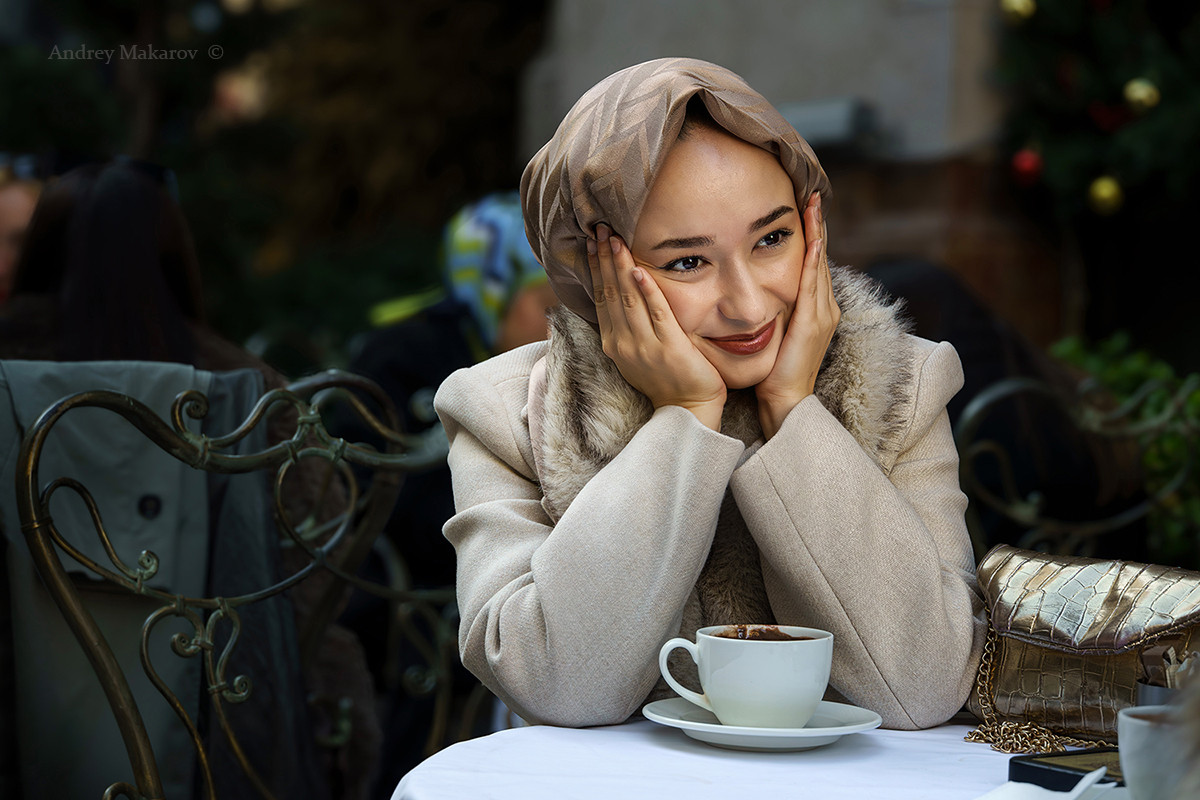
Istanbul is a city where Byzantine mosaics meet TikTok pixels and holograms of dervishes float in coffee cups. This is a meta-universe for anthropologists digging for artifacts in the layers of time. Here, every stone is a hyperlink, leading either to the siege of Vienna or to the Bitcoin coffee shops of Taksim. The Turks, these centaurs of modernity and tradition, teach: history is not linear, history is a tornado, spinning Turkish delight, scimitars and Altai tanks into a single whirlwind of meanings
Istanbul is an interface city. Here, Byzantine mosaics flicker through the holograms of neon advertising, and in the coffee foam, postmodern pashas read their destinies based on cryptocurrency patterns. This is a laboratory of anthropological paradoxes, where every stone whispers: “You exist only as much as you are ready to become a mirror for other people’s projections.”