
Translated material
“The Mitki don’t want to defeat anyone.”
A unique subculture created 40 years ago has become relevant and inspiring again today.
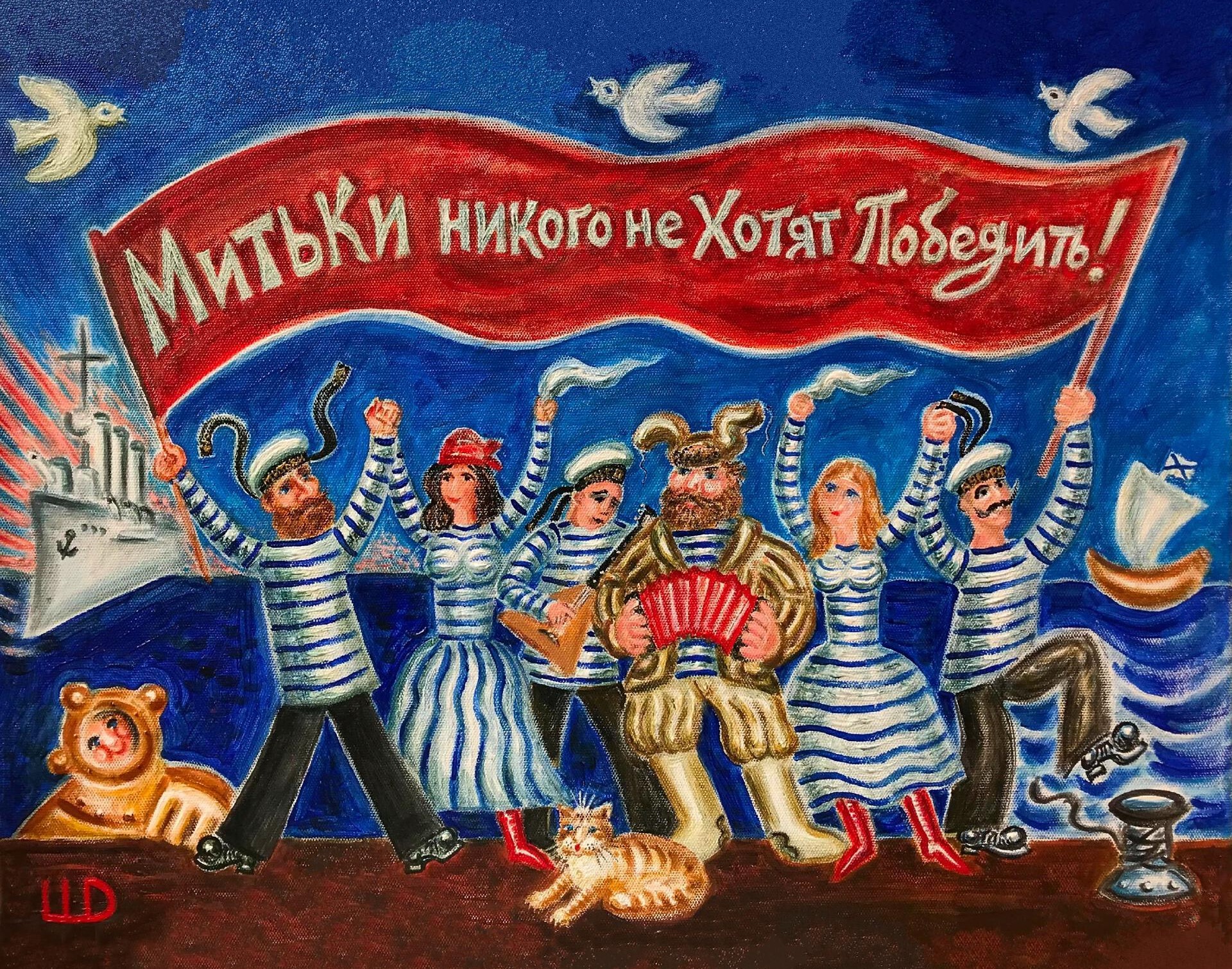
Victory is the main word in today's Russia. Russian identity has been built around it in recent decades. And the celebration of Victory Day has long gone beyond the memory of the Great Patriotic War and its victims and turned into a state cult. The desire to win, the desire to win is the most important state bond of the Russian Federation. On the eve of Victory Day, “Devil” wants to remind you of the legendary Mitki movement, whose main slogan is “Mitki don’t want to defeat anyone!”In January 2023, the Moscow Museum of Decorative Arts hosted the Postcard exhibition dedicated to the 65th anniversary of the Decorative Arts magazine. For this combined exhibition they asked to send a painting by Dmitry Shagin, one of the founders of the legendary art group “Mitki”. He drew and sent:
“I drew how people celebrate the vest holiday, there are these brothers and sisters in vests, a red cat, they play the accordion and sing. And on top is a banner with the inscription: “The Mitkas don’t want to defeat anyone!” This is our historical inscription, dating back to the mid-1980s, and it has been in many places, and even a cartoon with that name was filmed,” Shagin told Business FM.
They took the painting to the exhibition with gratitude, and even printed a postcard with it. But just before the opening of the exhibition, the painting was put away in a back room, and the inscription on the printed postcard was simply painted over with red paint.
The museum management explained that “the painting was not approved due to the incorrect content of the slogan.”
Not wanting to defeat anyone in today's Russia is dangerous anti-state sedition. Like the entire ideology of this amazing movement that arose 40 years ago, in the mid-80s.
***
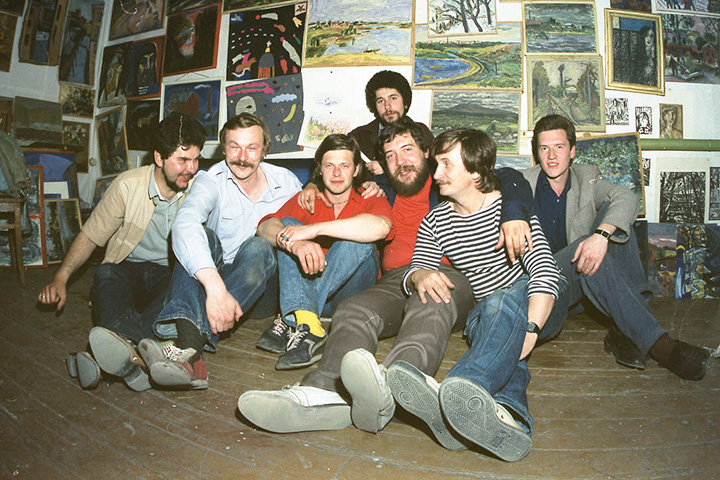
Below are the beginnings of the vocabulary and rules of conduct for a new mass youth movement like hippies or punks... The Mitki movement promises to be more organic than the previous named movements: it is almost impossible to imitate a Mitka without being one (first paragraph of the book “Mitki” by Vladimir Shinkarev , 1984 )
Imagine the late Soviet Union. It's a long, long time ago. The state, which forcefully imposes its ideology and its view of the world on everyone, determines what people watch, what they read and what they listen to. What you can draw and what you can’t; what you can write and what you can’t. The ideology of this state, tied to the heroism of the past and the traditional values of the builders of communism. The elderly leaders of this state, who, despite all the loud statements about peace, have just started a war in a neighboring state.
And at this very time, a group of young artists was forming in Leningrad. They live their lives, drink, talk, work in boiler rooms and paint some of their own paintings, not at all similar to those ordered by the party and government (that is, without any hope of exhibiting and selling them at all).
One of them was Vladimir Shinkarev, then just a beginning artist, but already a well-known writer in samizdat. And it occurs to him to describe this life in the form of a comic manifesto of a new mass youth movement. The result is the book "Mitki", in which he describes the artist Dmitry Shagin as a classic example of this movement.
Alexander Florensky draws pictures for this book, and it goes to the people. Not to the printing house - that was impossible then, but literally to the people. They made three or four copies, and then people somehow reprinted them and passed them on to each other.
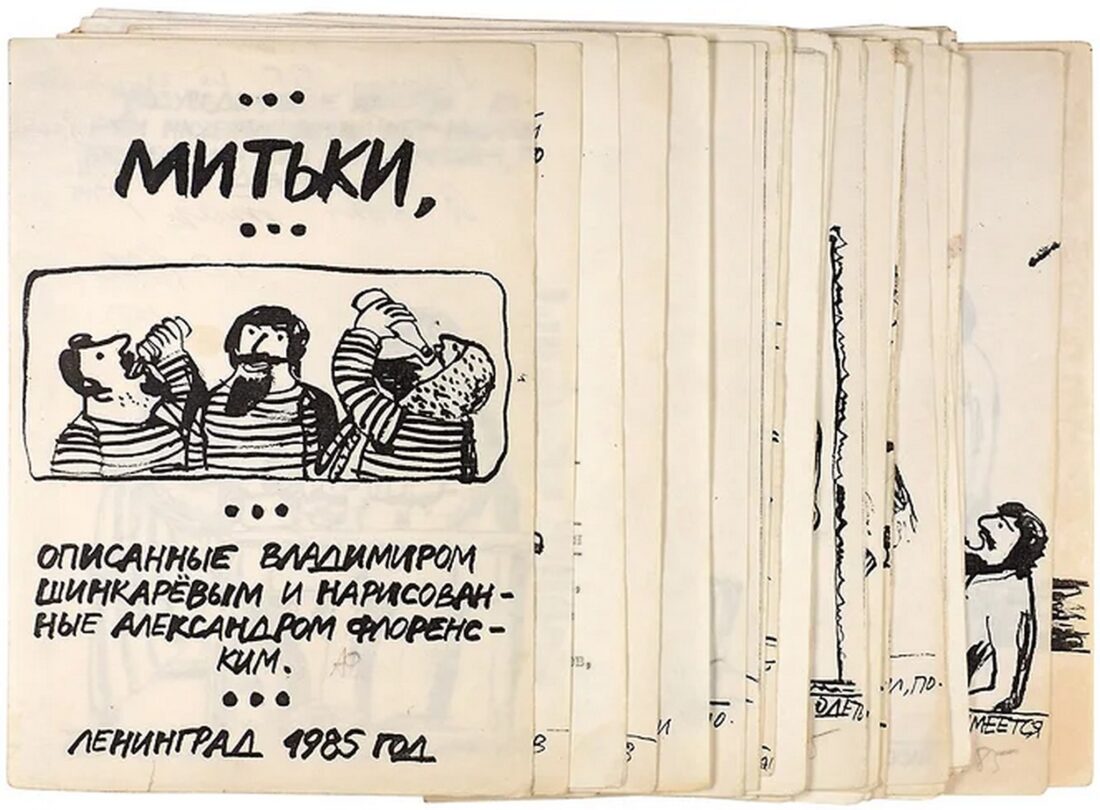
A full-fledged book was published only in 1990 at the height of perestroika, but by that time the Mitki movement had already turned into a massive and powerful subculture.
***
Theoretically, Mitek is a highly moral person, his worldview gravitates toward the formula: “Orthodoxy, autocracy, nationality,” but in practice he is so frivolous that he may seem devoid of many moral principles. However, Mitek never resorts to violence, does not deliberately harm people, and is absolutely not aggressive. ( Vladimir Shinkarev “Mitki”. 1984 )
The attractiveness of the Mitka image was determined by the combination of extreme goodwill and carnivalism, incredible for that time.
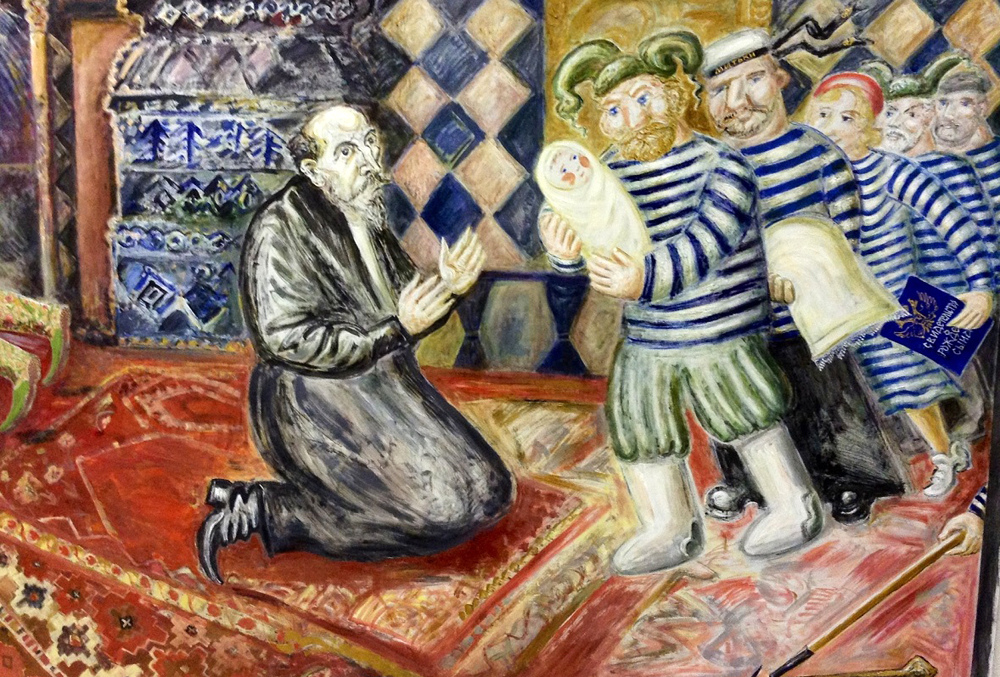
The Soviet world, filled with pathos and based on the heroism of struggle and confrontation, turned the Mitkovo world inside out. For Mitka, the world is populated by brothers and sisters, without any exception, without any “you are not my brother.” Even to the offender, Mitek “kindly, but sadly” says: “How are you, brother?”
But this is precisely carnival good nature, and not Buddhist enlightenment - Mitek may well lament behind his back that he was “eaten with shit.”
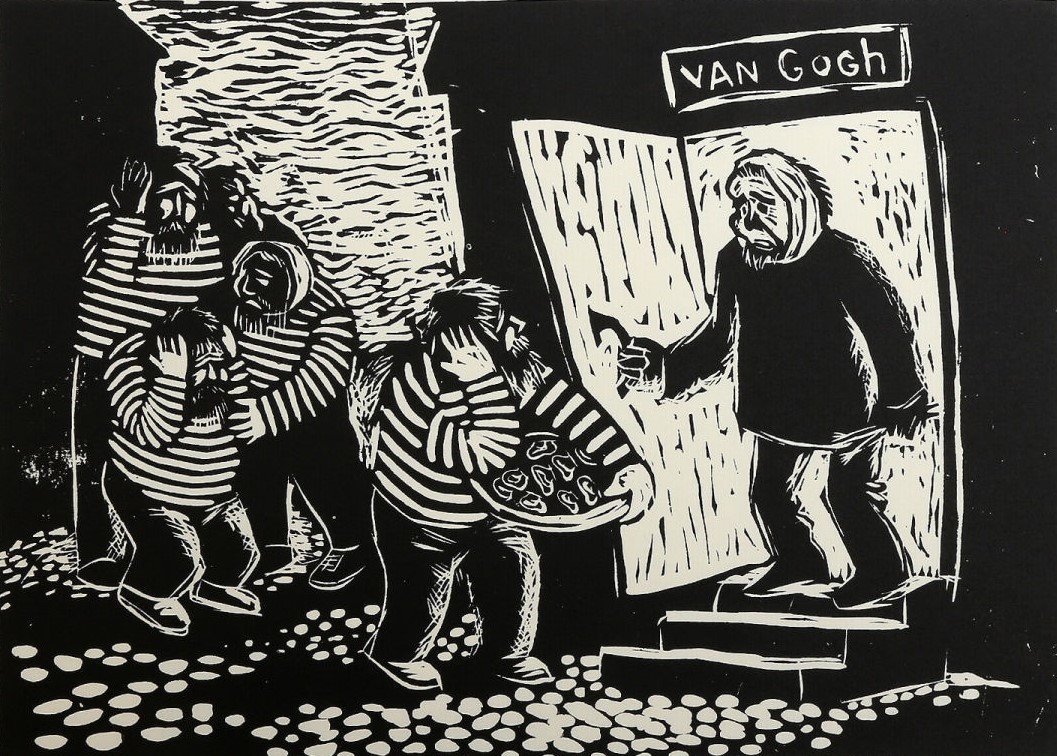
Actually, the main message that people read when faced with the Mitki movement: good nature and peacefulness are cool and cool. And the pathos of struggle and confrontation, and even more so aggression, is sad crap.
***
An ocean liner is sailing. When the captain saw a drowning woman overboard, the American was the first to rush to save her, but drowned before swimming ten meters. The Frenchman followed him, but did not swim five meters. Mitek decided to save the third woman, but drowned immediately (Mitki’s favorite joke)
This anecdote became the plot of the cartoon “ Mitki Don’t Want to Defeat Anyone, or Mitkimayer,” drawn in 1992 by Alexander and Olga Florensky. Shocked by Mitka's heroism, millionaire Mayer went to his cabin and found a book by Vladimir Shinkarev there, which turned his life upside down - he went to Russia, got a job in a boiler room and became Mitka.
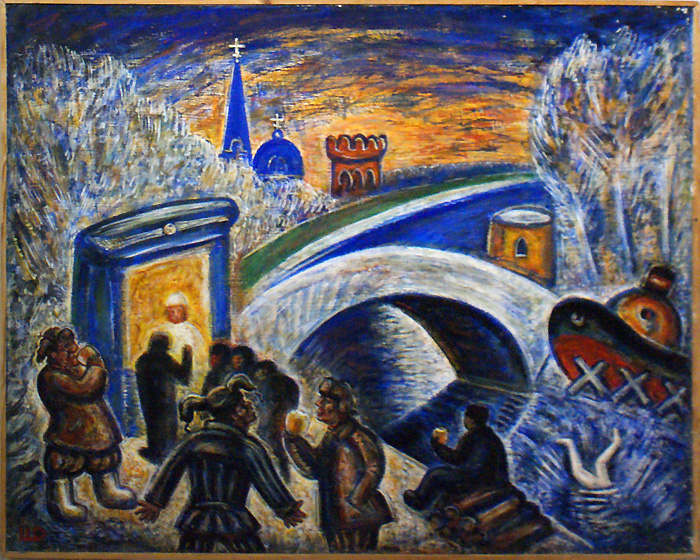
The classic structure of the joke, where the Russian was supposed to emerge victorious and put the American and the French to shame, is inverted. Mitek does not save the girl, but drowns immediately. But this is true heroism, and complete failure is victory.
In the classic version, the slogan “The Mitki don’t want to defeat anyone” sounds like this: “The Mitki will win because they don’t want to defeat anyone... They will always be in the shit, a loser... (whispers). And with this they will conquer the world."
And here, of course, one reads a reference to the Gospel Beatitudes (“Blessed are the poor in spirit, for theirs is the Kingdom of Heaven,” “Blessed are the meek, for they will inherit the earth,” “Blessed are the peacemakers, for they will be called sons of God”).
***
And the Mitkas were very good artists. The group of Leningrad artists that formed in the mid-80s was united, but very diverse. However, the leading roles there were played by very talented artists. And they, realizing the image of the Mitki in painting, added expressiveness and multidimensionality to it.
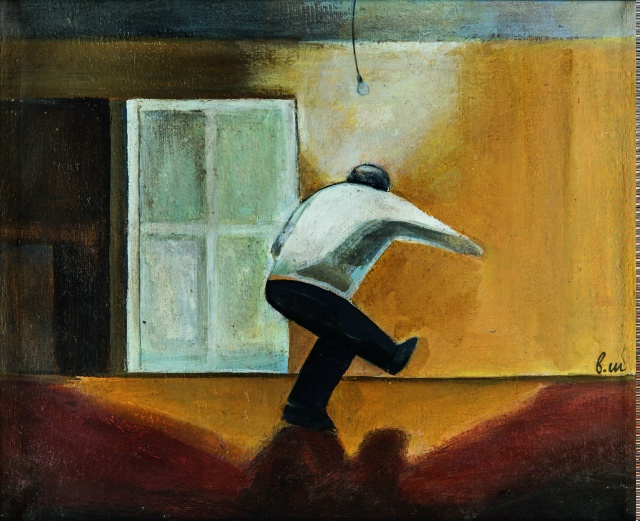
And even when the Mitkovo subculture became cramped for the artistic development of Vladimir Shinkarev, Alexander Florensky, his wife Olga Florenskaya and other artists, the influence of the Mitkovo spirit of openness and goodwill on their painting did not go away. Their wonderful paintings, which they painted and are painting, are permeated with this spirit.
***
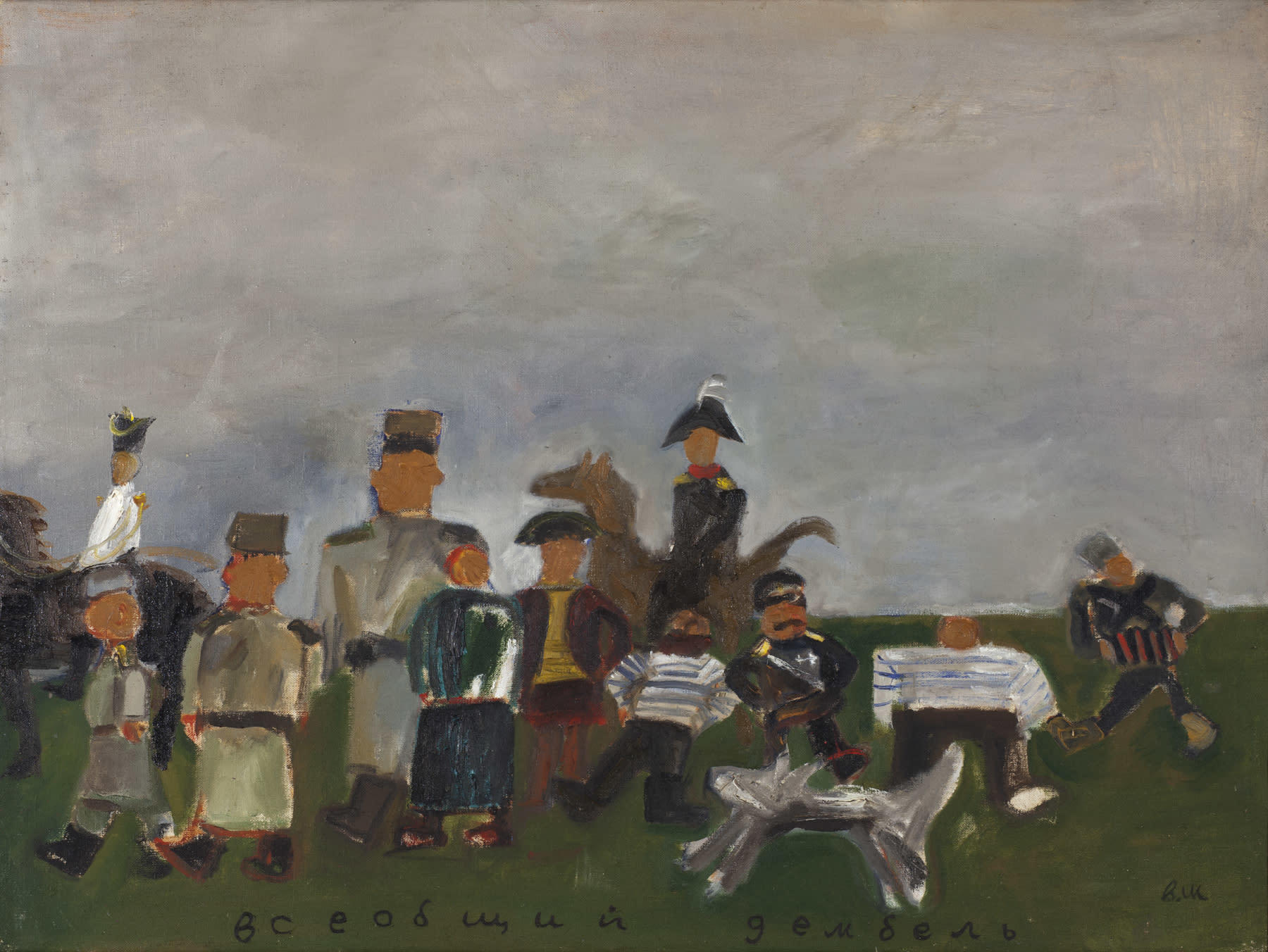
On April 19, 2026, Vladimir Shinkarev died. Many believe that he not so much described as invented the Mitki, created this world and this subculture.
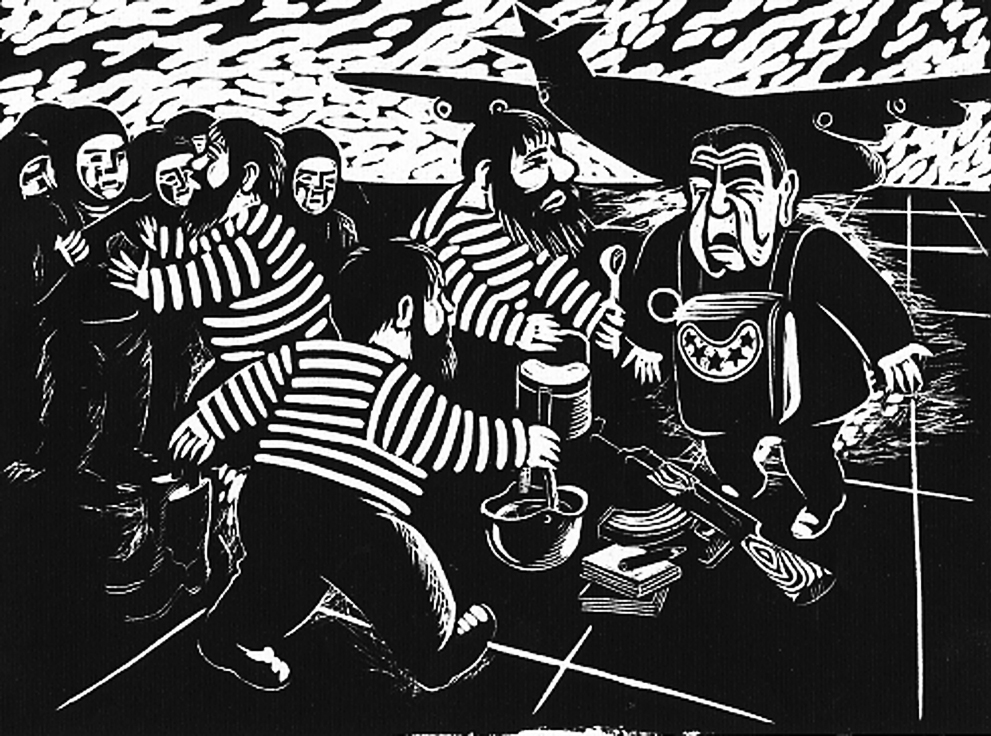
He himself stopped participating in any way in the Mitki movement since 2007, and began to distance himself from the late 90s. He had his own artistic problems and he solved them brilliantly. But he still valued his works from the Mitkovo period and was very upset when his 1989 painting “General Dembolism ,” in which soldiers from various wars in Russian history are leaving the war home, was not accepted for his personal exhibition in Moscow.
The other day, after the death of Vladimir Shinkarev, his large exhibition opened in Nizhny Novgorod. It won't have this picture on it either. Probably due to “incorrect content ” .