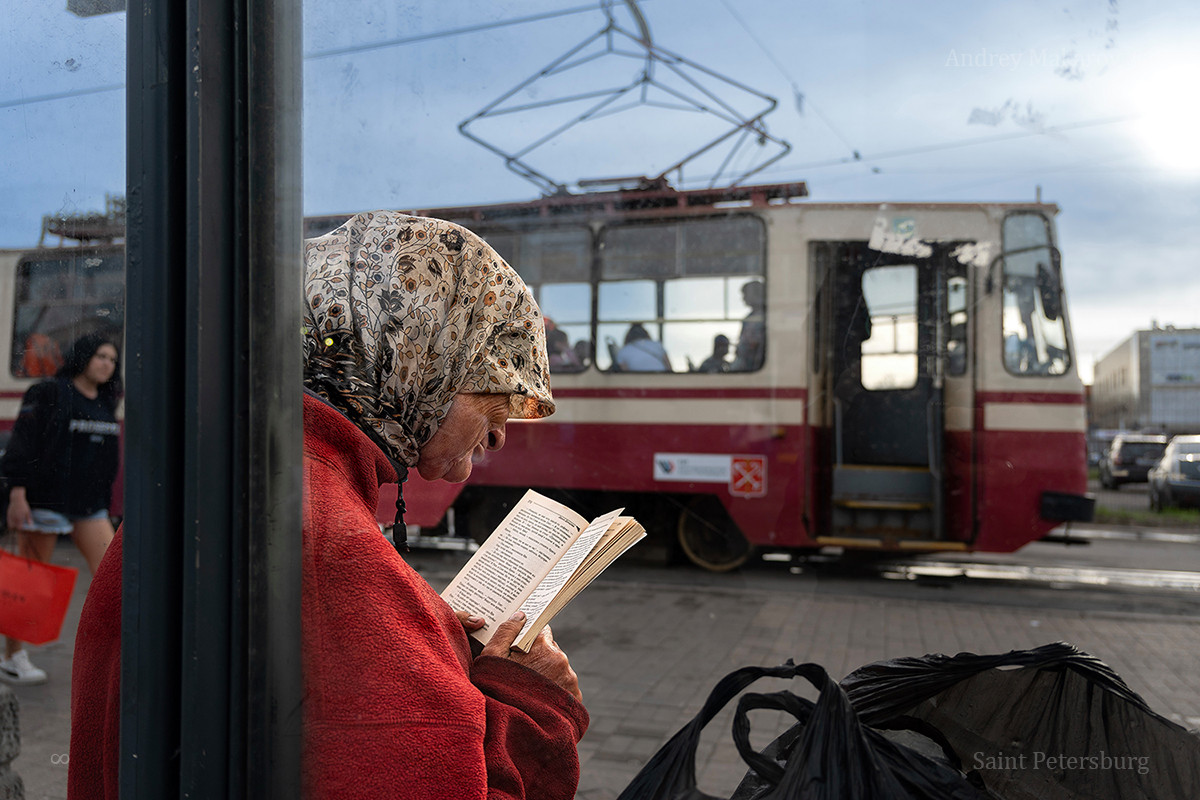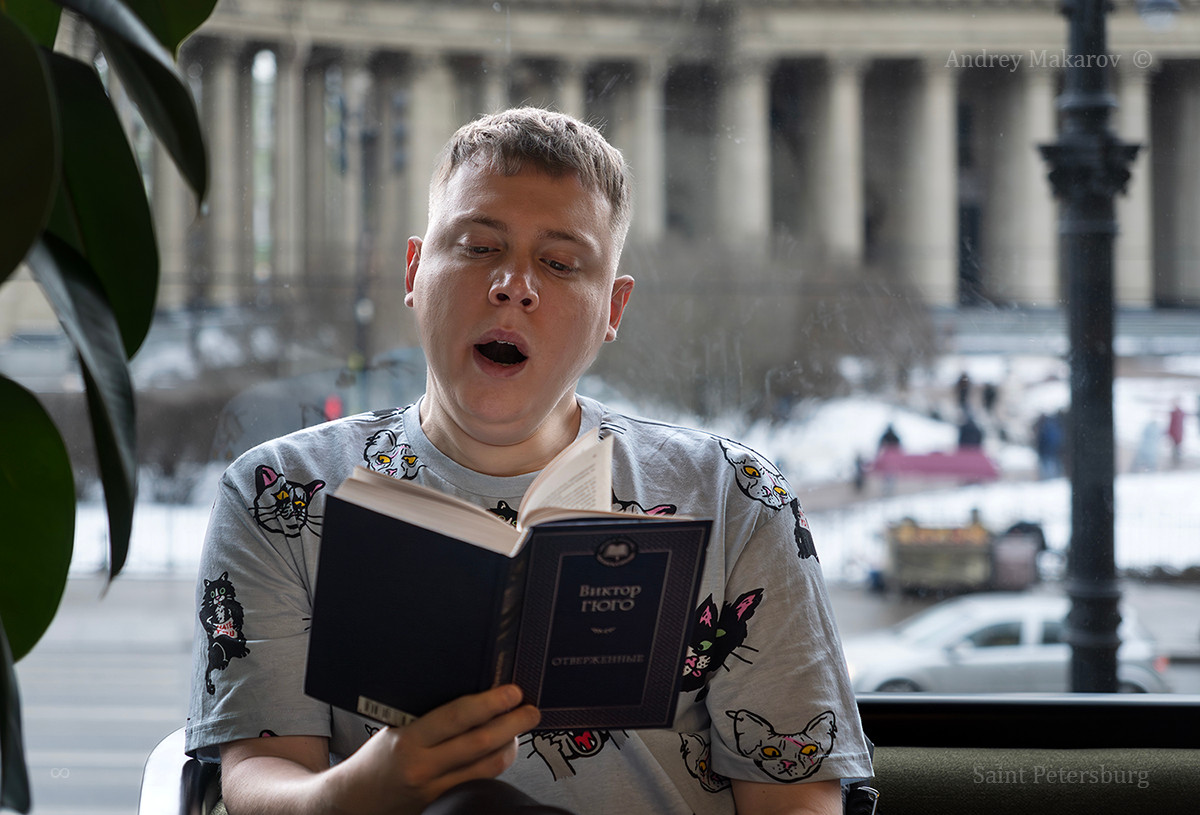
Translated material
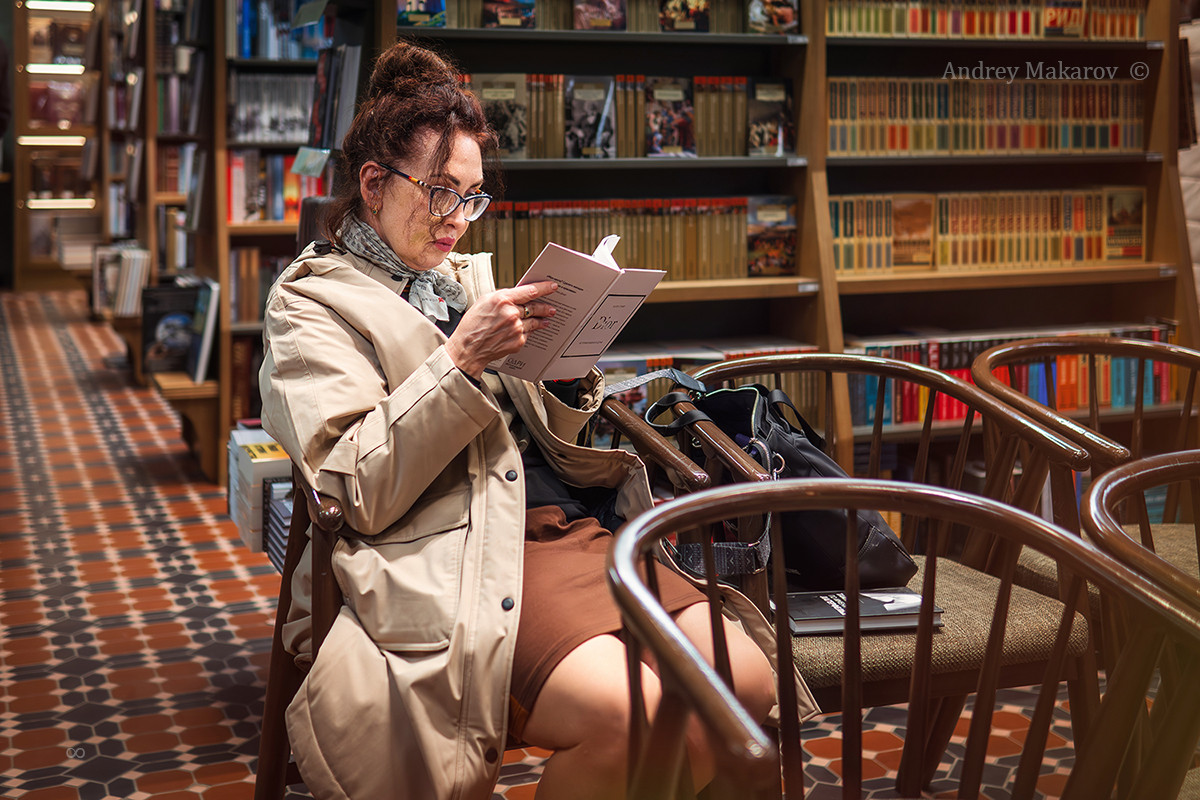
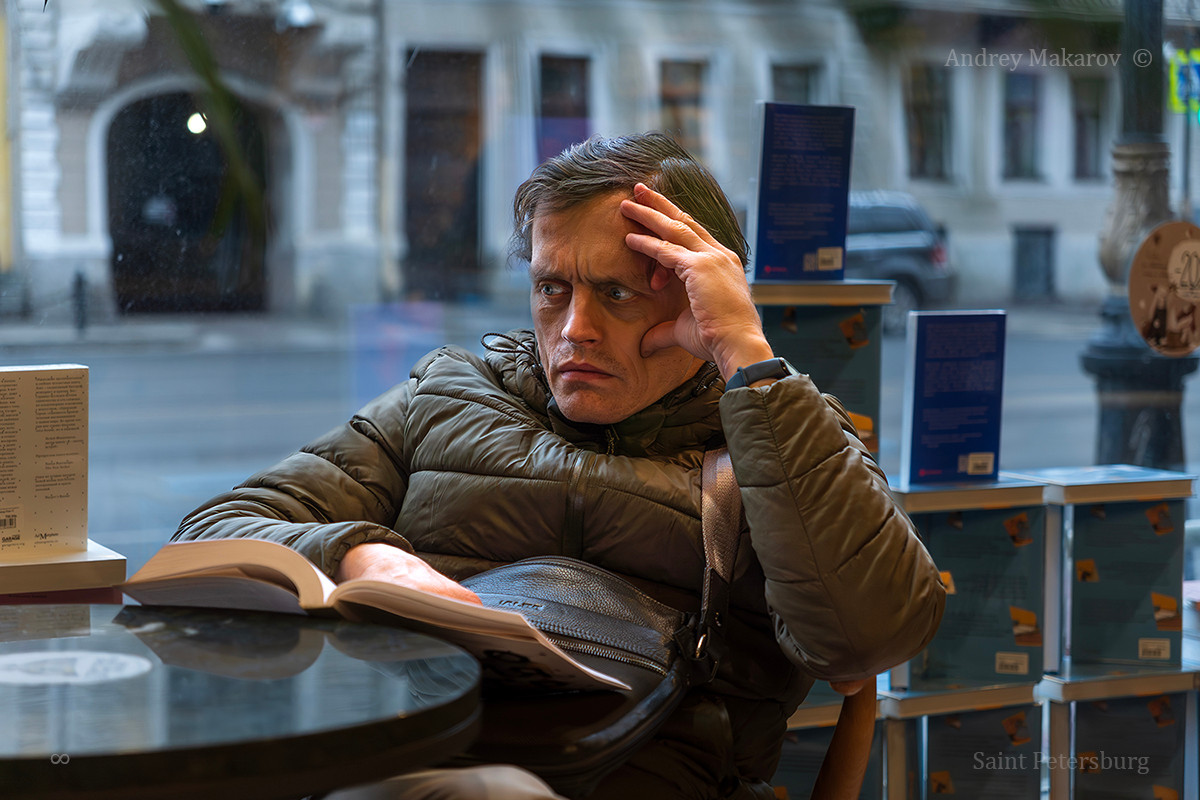
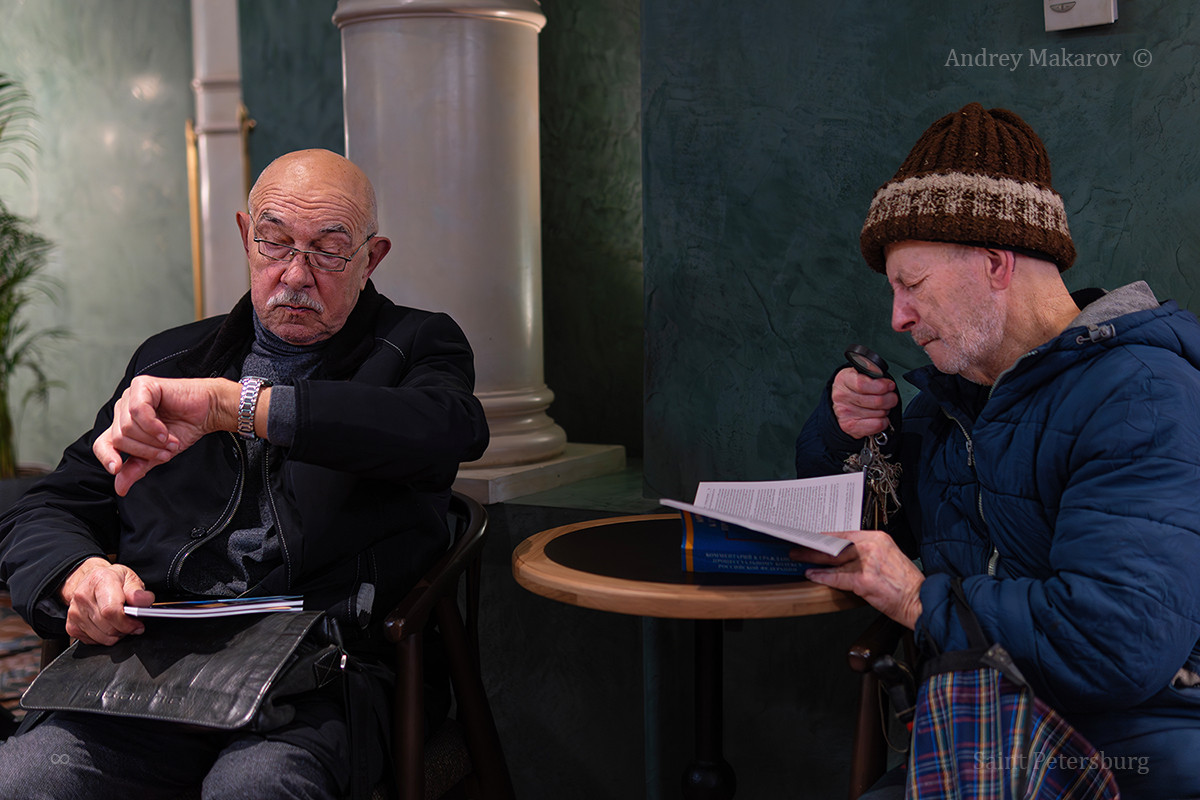
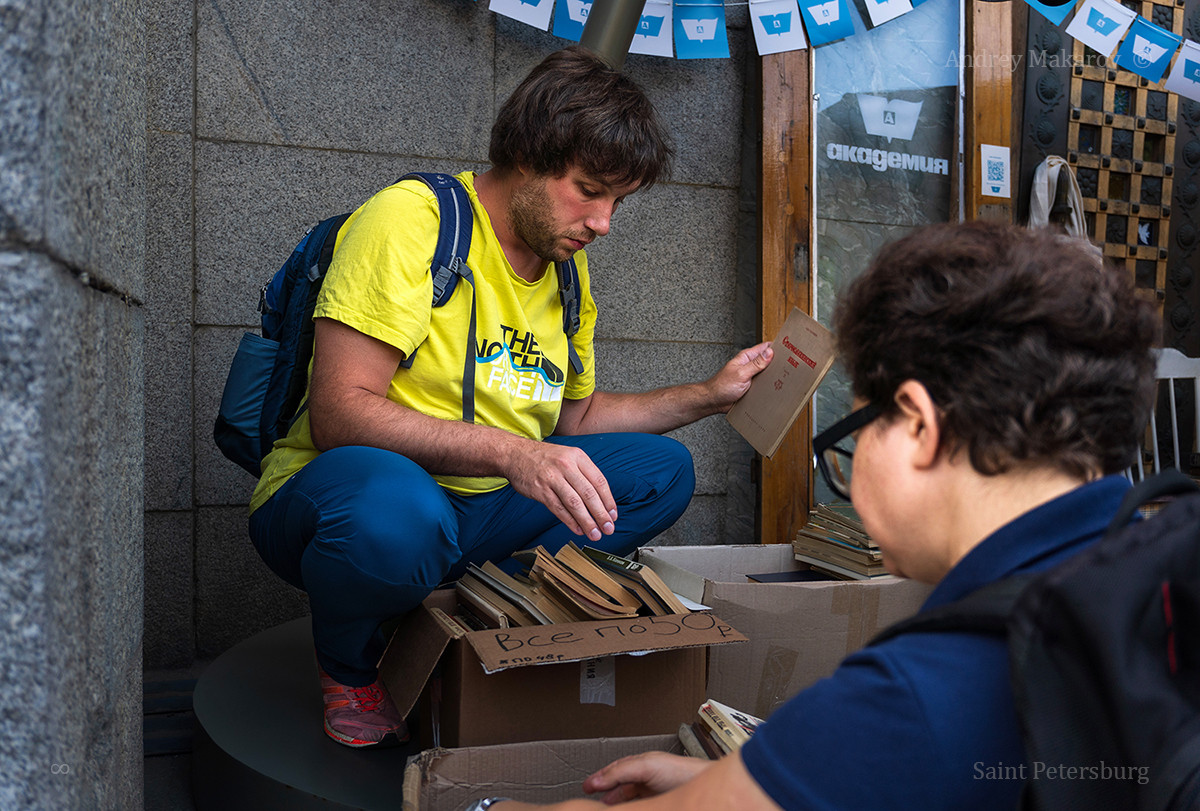
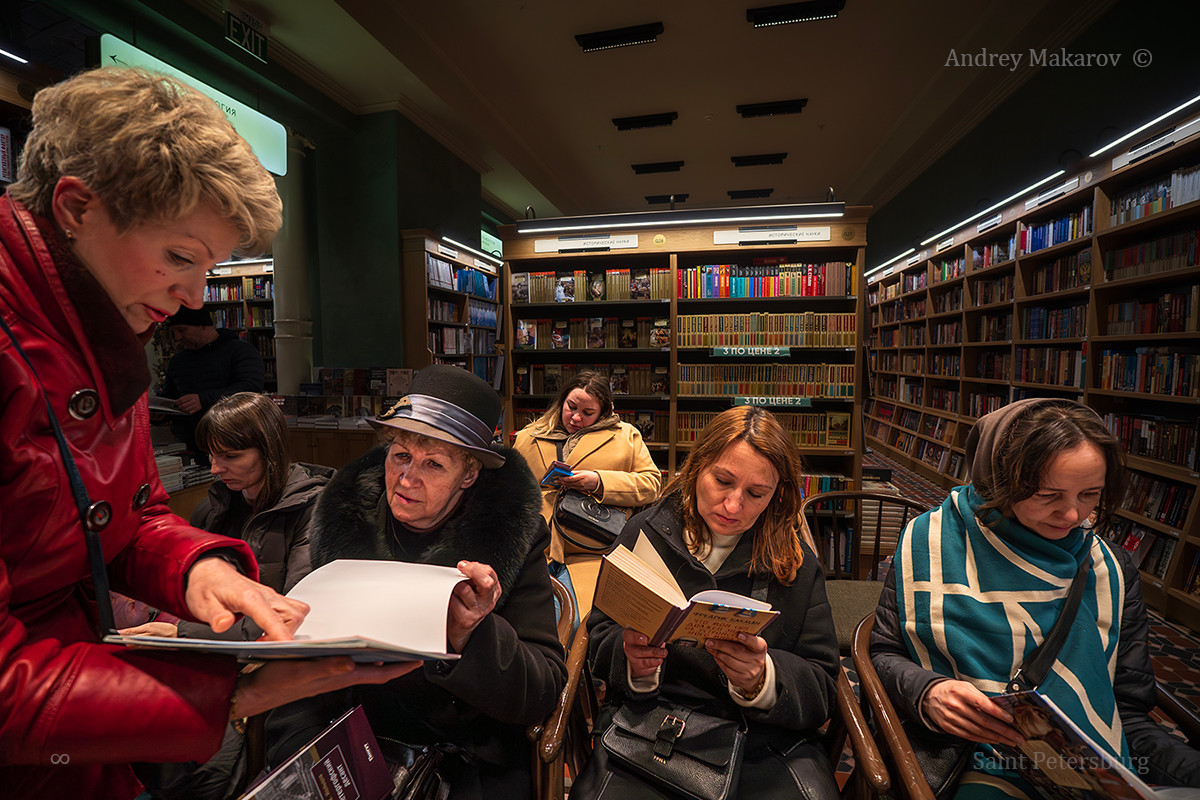
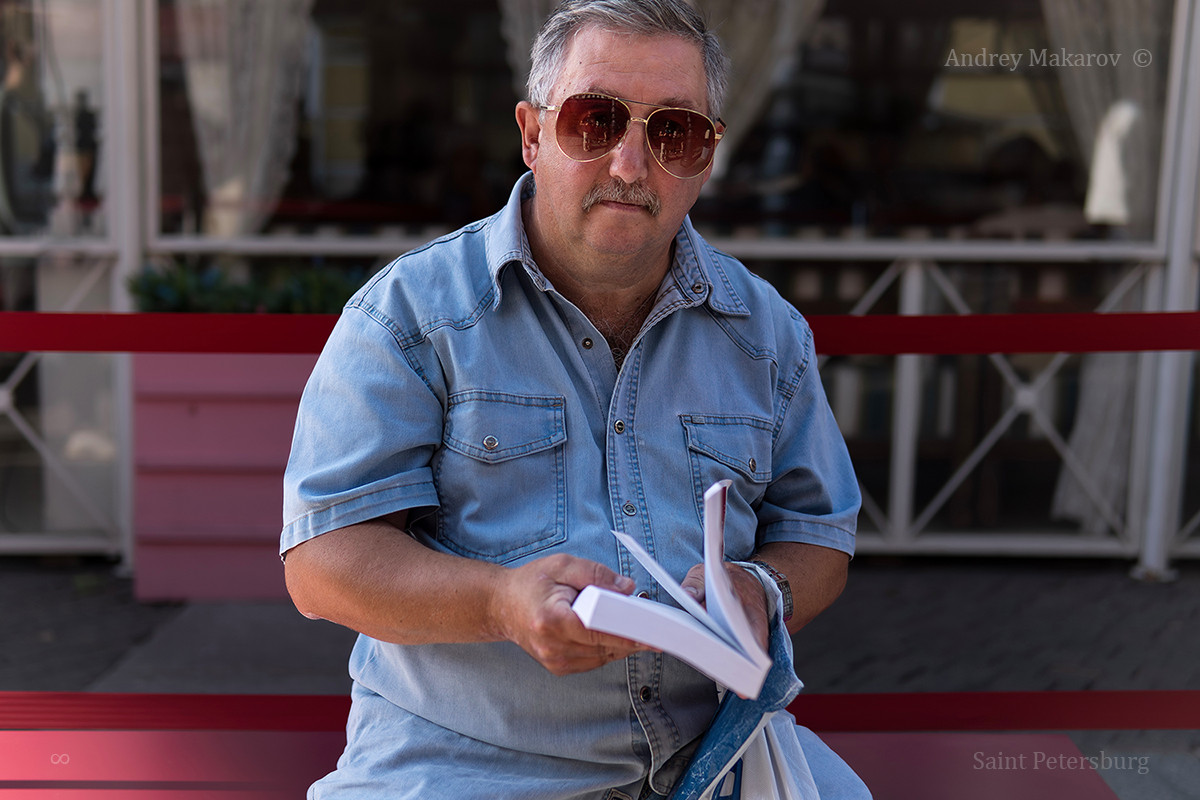
The city reads books
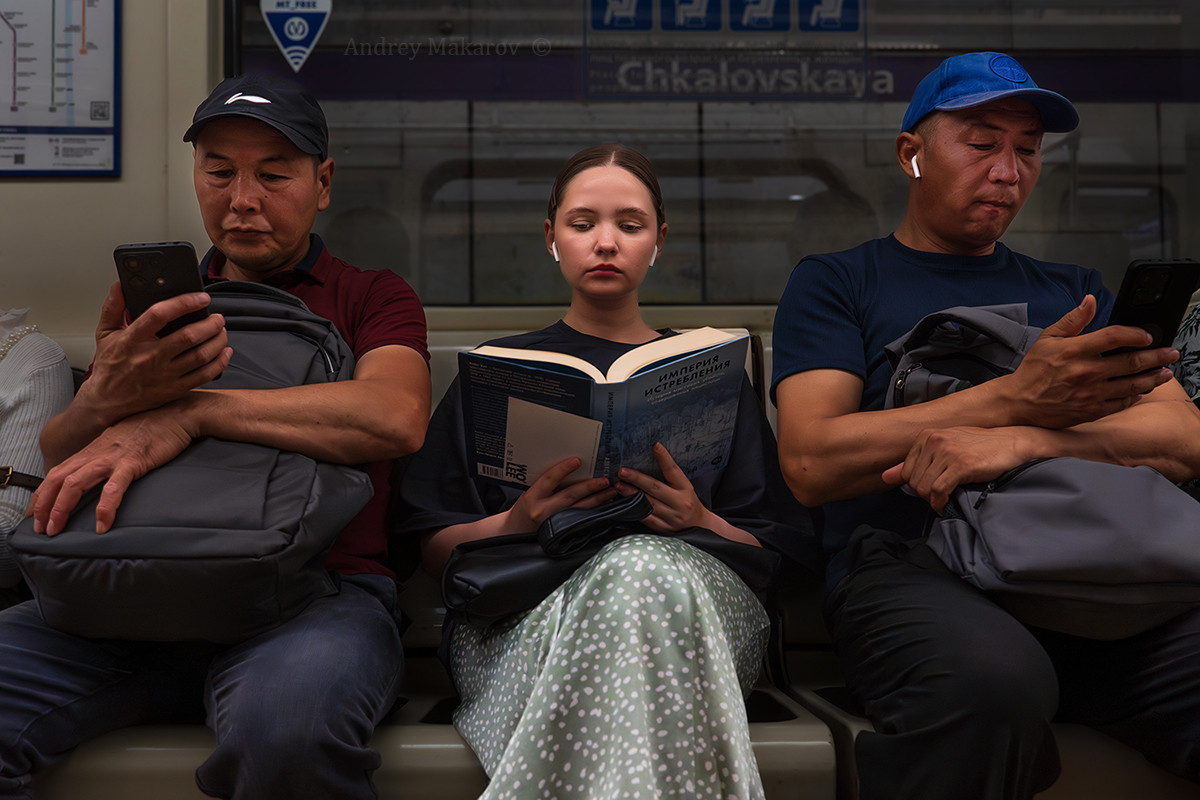
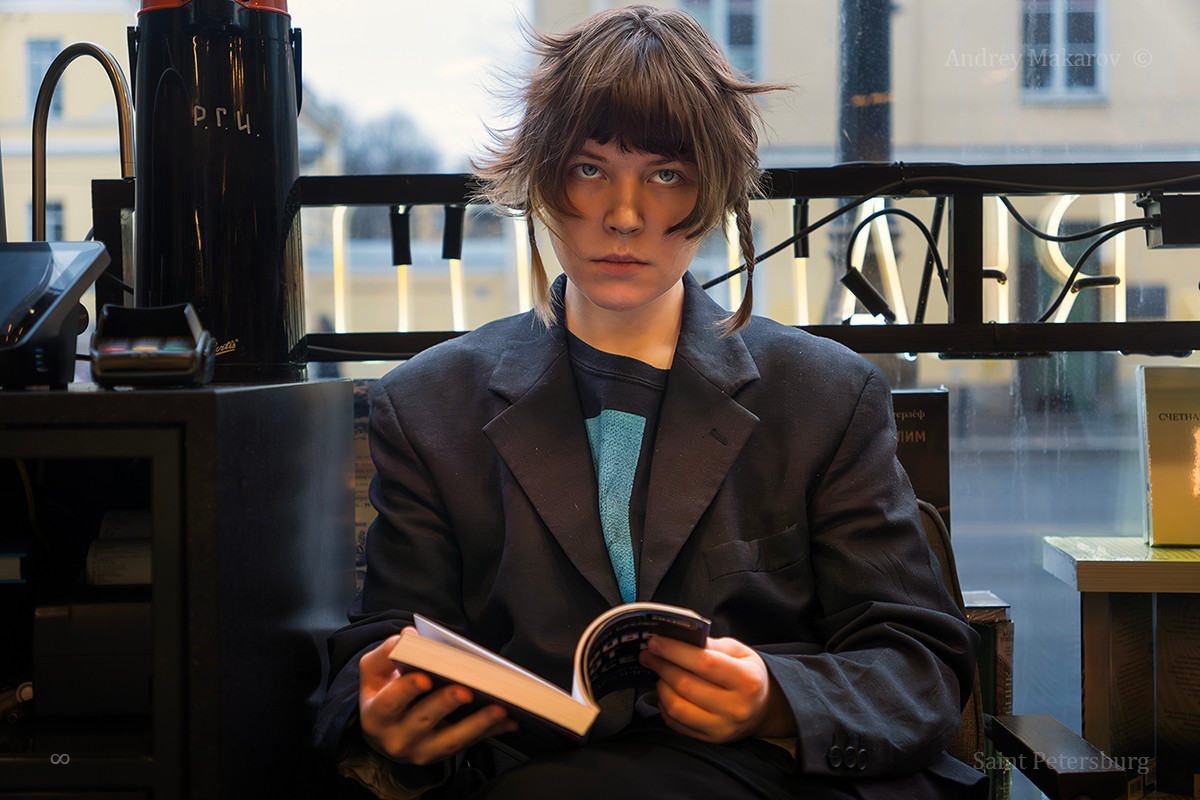
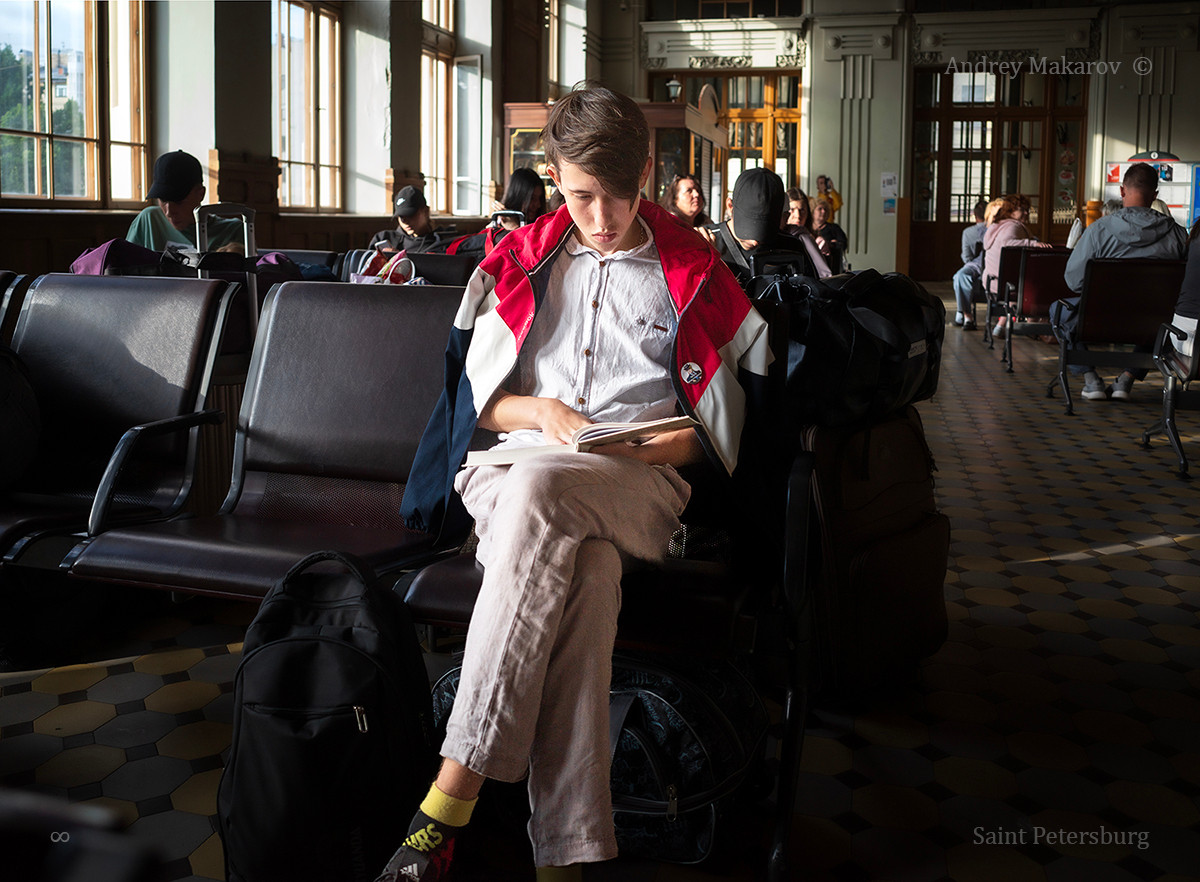
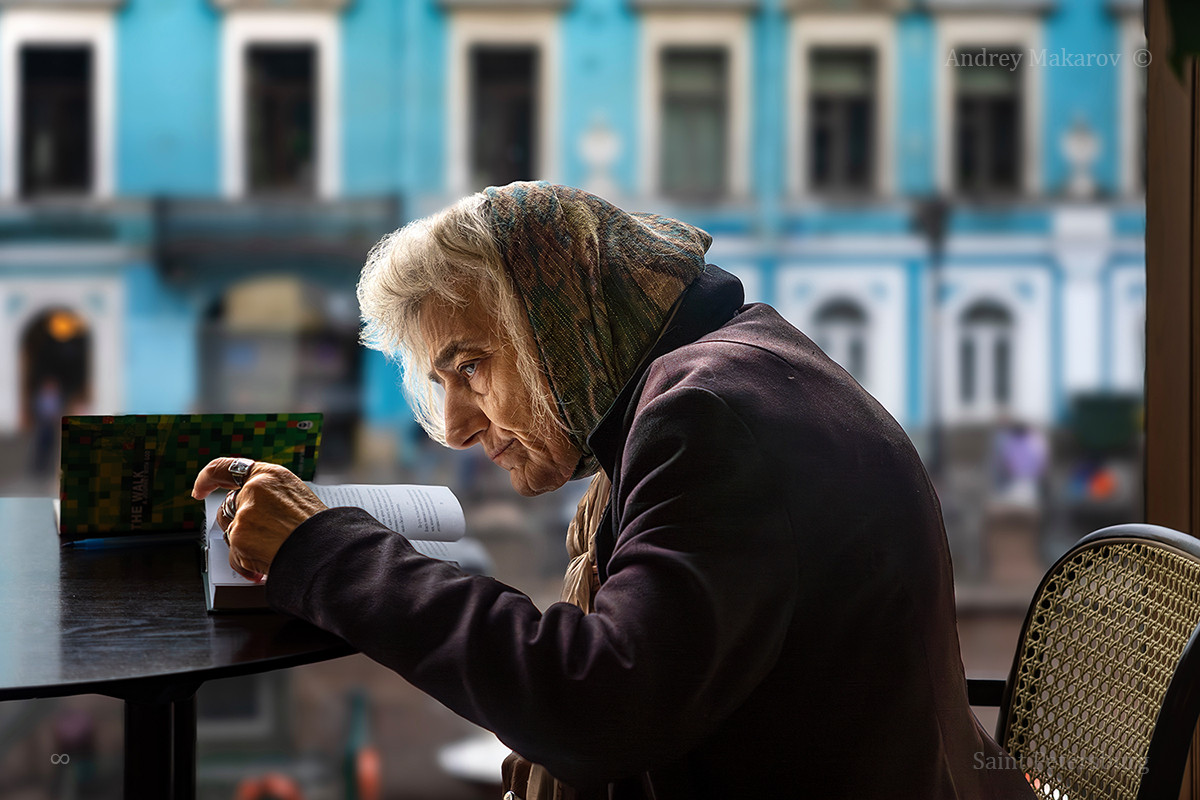
In St. Petersburg, books are still read. It's an ontological gesture on top of nostalgia. The smartphone offers a flow, a slide, an endless scrolling of the feed, where one message displaces another with the same inexorability with which the water in the Neva washes away the ripples from falling raindrops. The book is resistance to entropy. She stands in the thickness of the fluid. In it, time is captured by the binding, like an insect in amber.
The smartphone is a tool of the present. His domain is now. A book is a duration machine. Entering it requires effort: putting down the phone, turning off notifications, immersing yourself. The price of entry is almost self-inflicted violence in a world of total accessibility. This gesture is salvation from the dictatorship of the news feed, where yesterday dissolves into oblivion, and tomorrow still wanders in the fog.
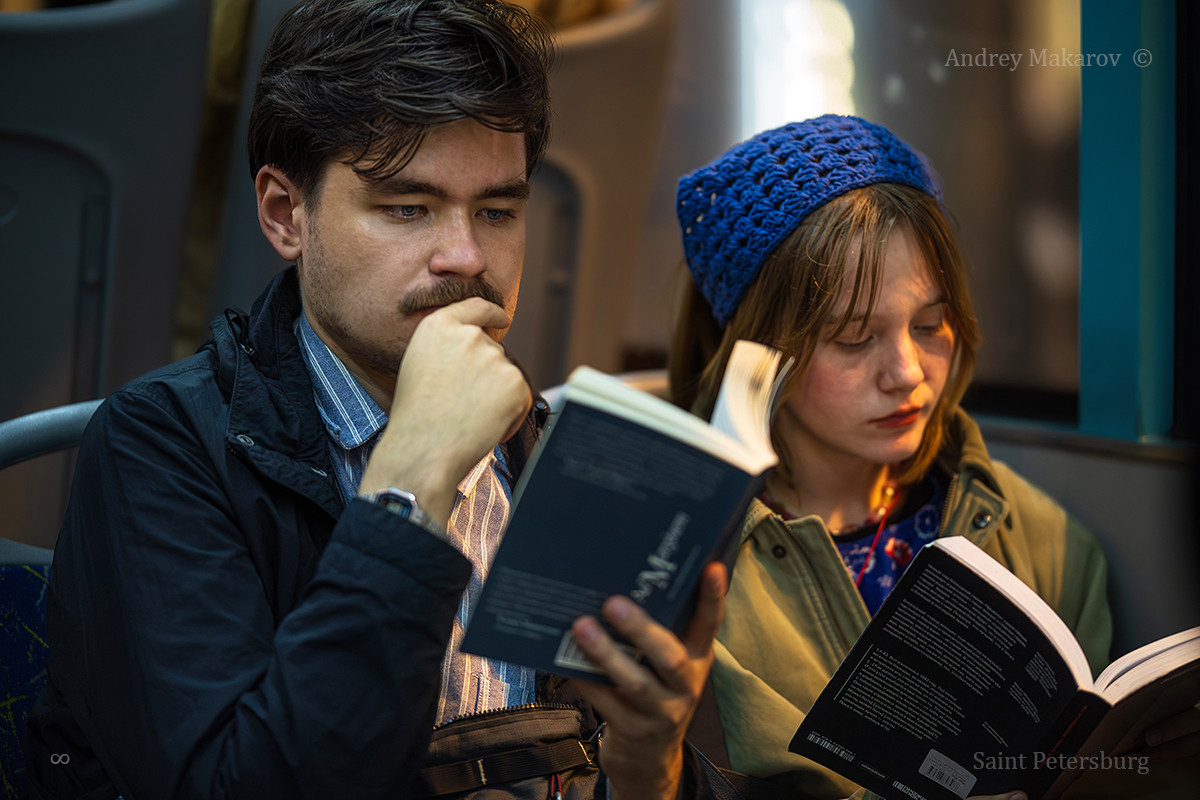
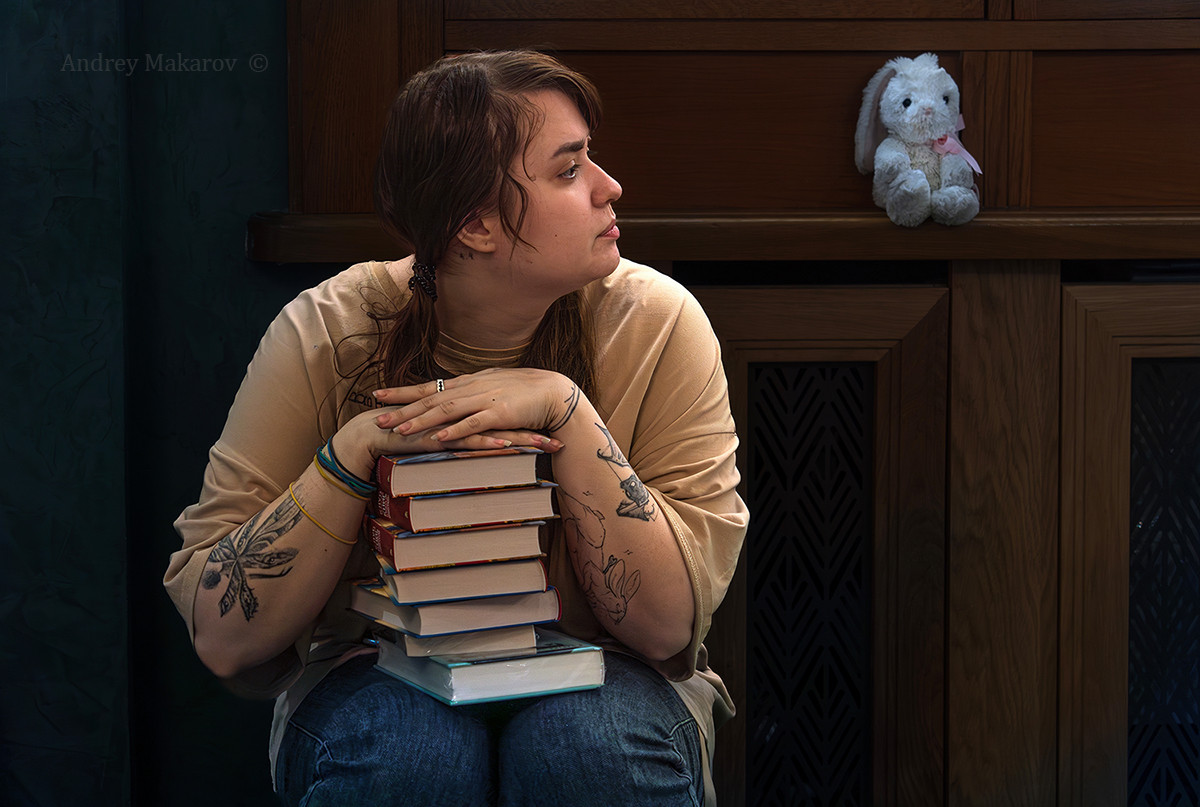
What will archaeologists get? The servers will cool down, the bits will crumble into unreadable dust. The books will remain. They are held in existence not by paper, but by thinghood. Weight, smell, texture, tactile metaphysics. They can be touched, put on a shelf, forgotten and found years later.
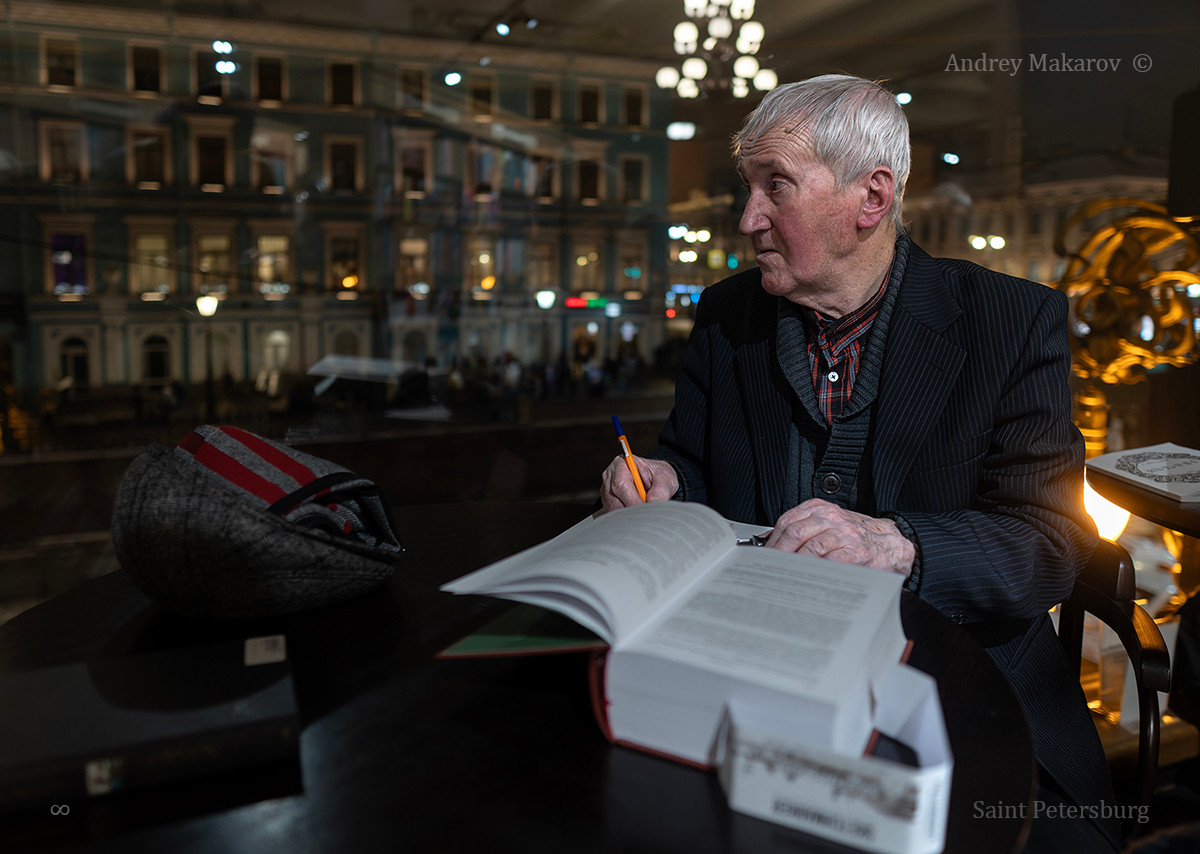
The book is a claim to presence on top of any trace evidence. In a world tending to become information noise, the book remains an event. Even undiscovered, it reshapes the space around itself.
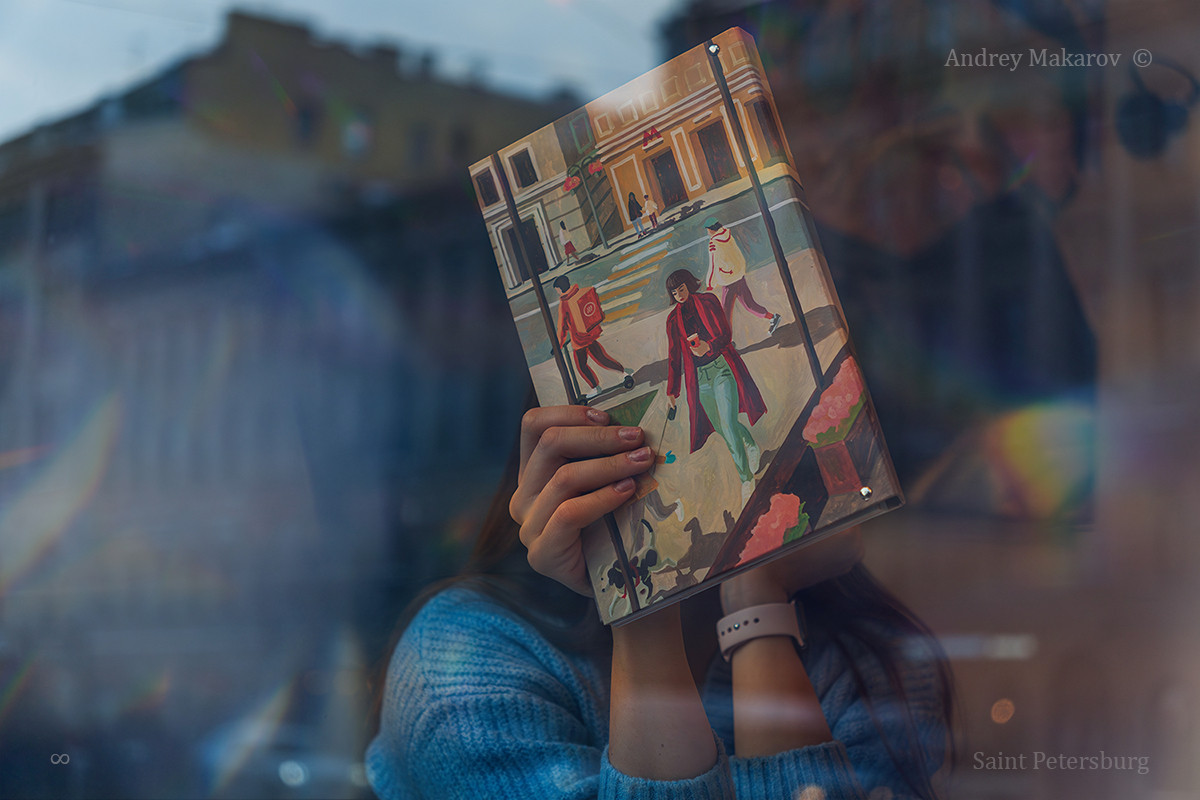
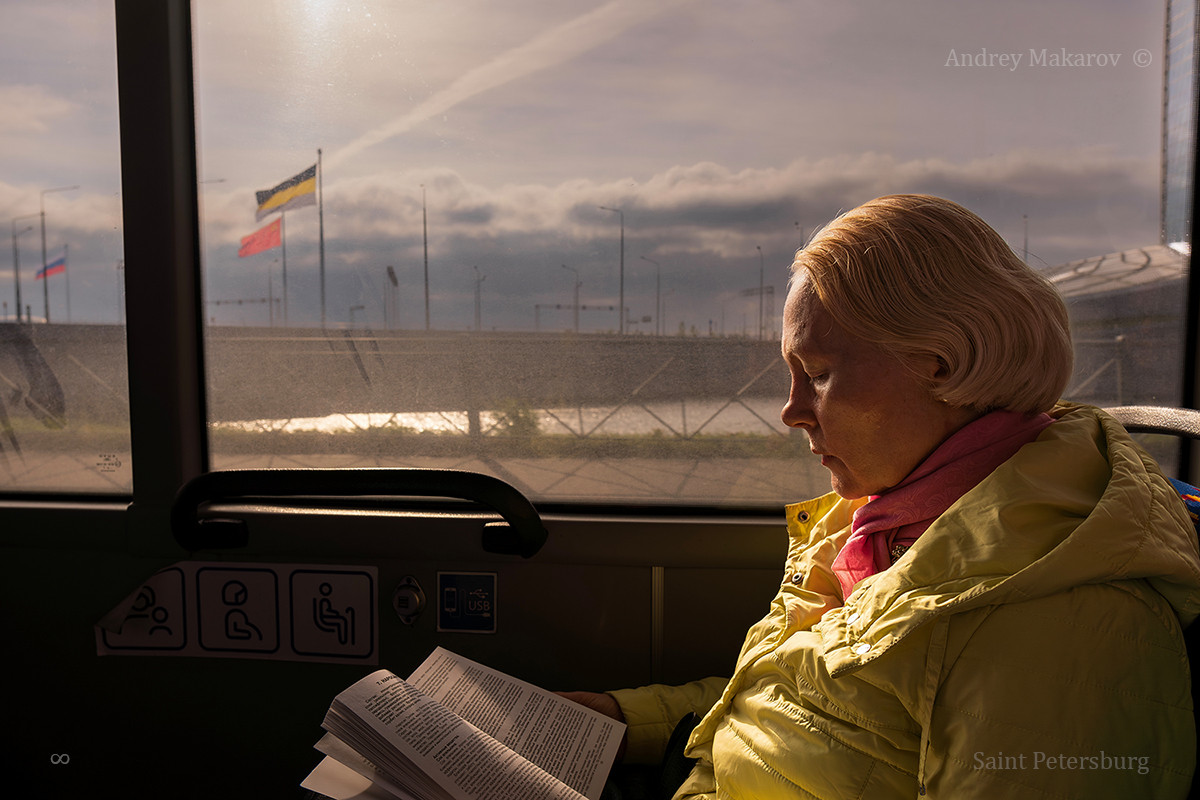
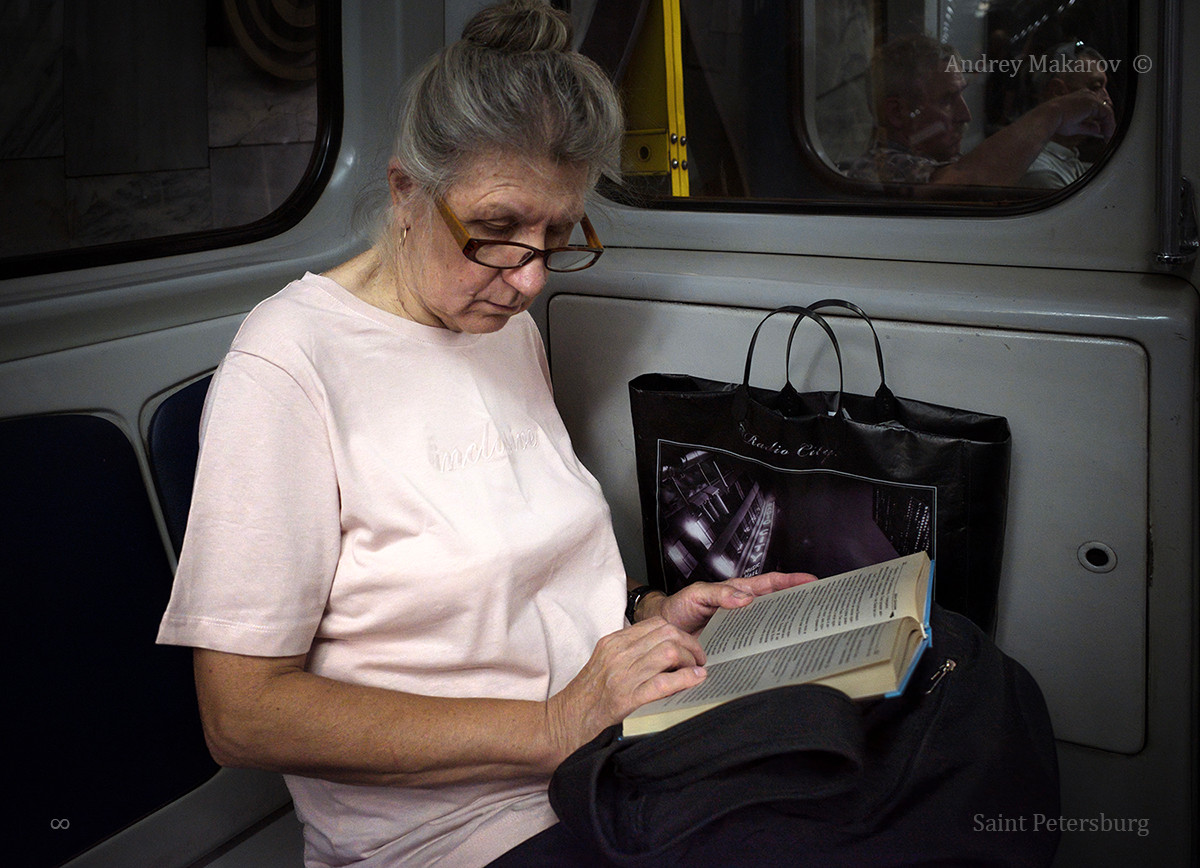
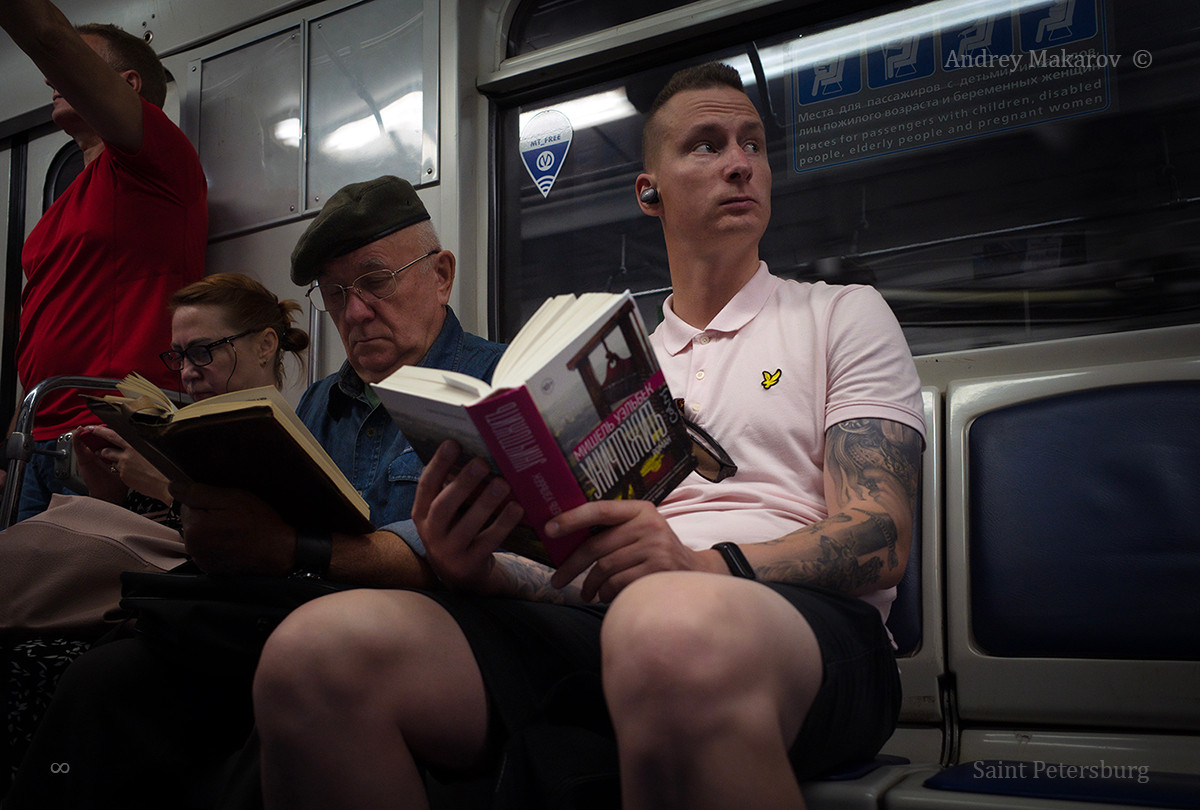
In St. Petersburg this can be heard especially acutely. The city itself is a text inscribed on the damp, precarious soil over the swamp. Books here are a way to stay in reality, which is sinking under the water. A person reading on the subway with a volume is a fighter with entropy in the guise of a passenger. In his hands is stopped time in a paper shell.

The Golden Age of humanity may indeed have remained in legends. The books are the same legends, only bound and placed on a shelf on top of the bustle. Waiting
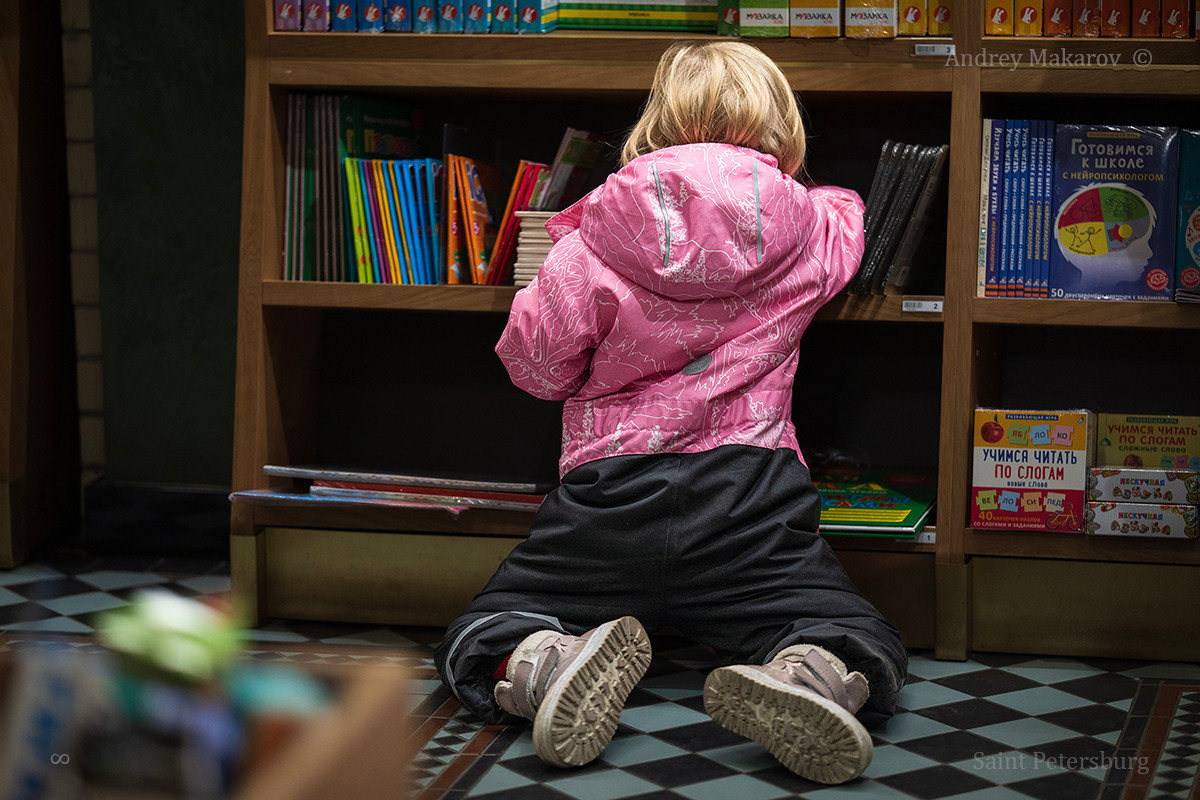
What is the situation with reading books in other cities?