
Translated material
Storm in Cannes
Opening of the film festival. Palm to Peter Jackson and Electric Kiss. Report by Larisa Malyukova

Still from the film “Electric Kiss”
The pre-festival city lives its quiet resort life, more like calm. There are runners on the embankment. In bars, during the ritual Heure de l'aperitif, mostly local Cannes are chatting with a glass of spritz, wine or beer, reading Nice Matin.
But one day everything changes. The city is filled with noisy waves of accredited journalists, buyers, distributors, cinephiles and those who want to show themselves off - preferably next to the stars. The population of Cannes is growing from a modest 70.6 thousand to 200 thousand. Vanity fair and big cinema get along well together. They even wander along the same paths. Mostly red.
The ceremony is hosted by Eye Haïdara (Hey Aidara), a dark-skinned French actress, nominated for the Lumiere and Cesar awards (a film with her participation, “The House of Women,” was recently released, and soon we are waiting for the spy thriller “Mata”). The presenter's monologue about cinema in a duet with a violin is artistic and witty.
The culmination of the opening is the presentation of an Honorary Palme d'Or for his career to Peter Jackson, creator of the Hobbits and Lord of the Rings universe. The audience greets Sir Peter Jackson with a long standing ovation. Elijah Wood - the eternal Frodo - says that it’s not even a matter of skill, but of the special atmosphere and on the set: “With Peter, electricity comes into the room, which charges everyone. But with all the effects and innovations, warmth comes first in his paintings.” Pure truth, including the wonderful film The Beatles: Get Back, fragments from which graced the ceremony.
Love electricity?
The theme of electricity was developed by the opening film. Cannes never forgets to promote French cinema, even if there is no film worthy of opening, they will still show French. Last year, the show opened with the culinary musical “Recipe for Happiness” by Amelie Bonnin. And here we go again.
The film of the current opening is “Electric Kiss” by Pierre Salvadori (“Family”, “Tender Target”) based on a script he wrote together with Benjamin Charby and Benoit Graffin.
This is the 11th feature film by the prolific 34-year-old director, who, however, has not made any special breakthroughs.
The genre is a mix of picaresque comedy, sentimental drama and parable. "Electric Venus" takes us back to the "crazy twenties."
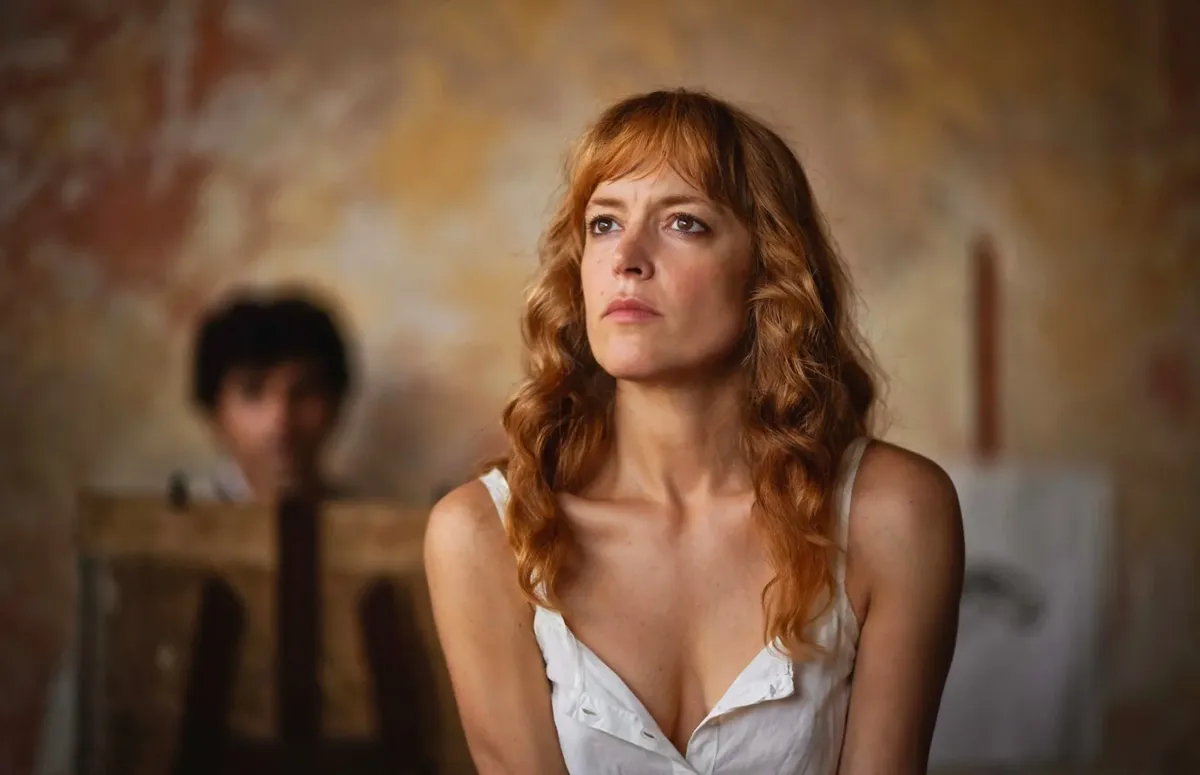
Avant-garde artist Antoine Bastro (Pio Marmay), having experienced the loss of his beloved wife Irene, is unable to work, or even live. Alcohol in large quantities does not help. This is where spiritualism comes to his aid, with which the twenties are still bewitched (at least in Paris, at least in Berlin). Bastro needs to talk to his suddenly deceased Irene at any cost (Russian viewers, of course, will remember “Bar “One Call” with the telephone operator-medium Danila Kozlovsky), especially since he blames himself for her death. The artist comes to the medium, but at that very moment a certain Suzanne (Anais Demoustier), an actress in a traveling show, accidentally ends up in the medium's trailer to profit from food. At first, out of fear of being caught red-handed, she pretends to be a clairvoyant. And then Antoine’s art dealer persuades her to continue the game in order to return the artist - the source of his income - to painting. Thus begins a series of fictitious sessions, thanks to which... the artist regains inspiration. And maybe not only inspiration...
The popularity of spiritualism in Paris in the 1920s (and indeed in Europe in general) was not just a fashion, but a symptom of the era: a society that had experienced unprecedented trauma was looking for forms of consolation and restoration of broken ties. The First World War claimed tens of millions of lives, the Spanish Flu pandemic added at least another 50 million victims.
In Paris, as throughout Europe, almost every family has lost loved ones. People were “starving for contact” with the dead, and spiritualism promised “super-connection.” Offered the illusion of control over the chaos of death.
And for creative people it was also a hope to rise above the inert reality. That’s why they went to see mediums, like therapists or psychologists, for “appointments.”
Regarding electricity... Suzanne participates in the magic show "Electric Venus". Each of the spectators can receive a Venus-Suzanne kiss filled with passion and electricity for a small amount - for this, behind the stage, the driver turns a low-speed wheel that generates current, and during the long-awaited kiss, Suzanne and the daredevil are pounded by discharges of low-traumatic electricity.
Mystification twists the spring of love intrigue, pretense and deception unexpectedly awaken sincere feelings. And why not think about the fact that any relationship is, to some extent, mutual manipulation. As the chief poet minted in gold: “But pretend! This look can express everything so wonderfully! Ah, it’s not difficult to deceive me!.. I’m glad to be deceived myself!”
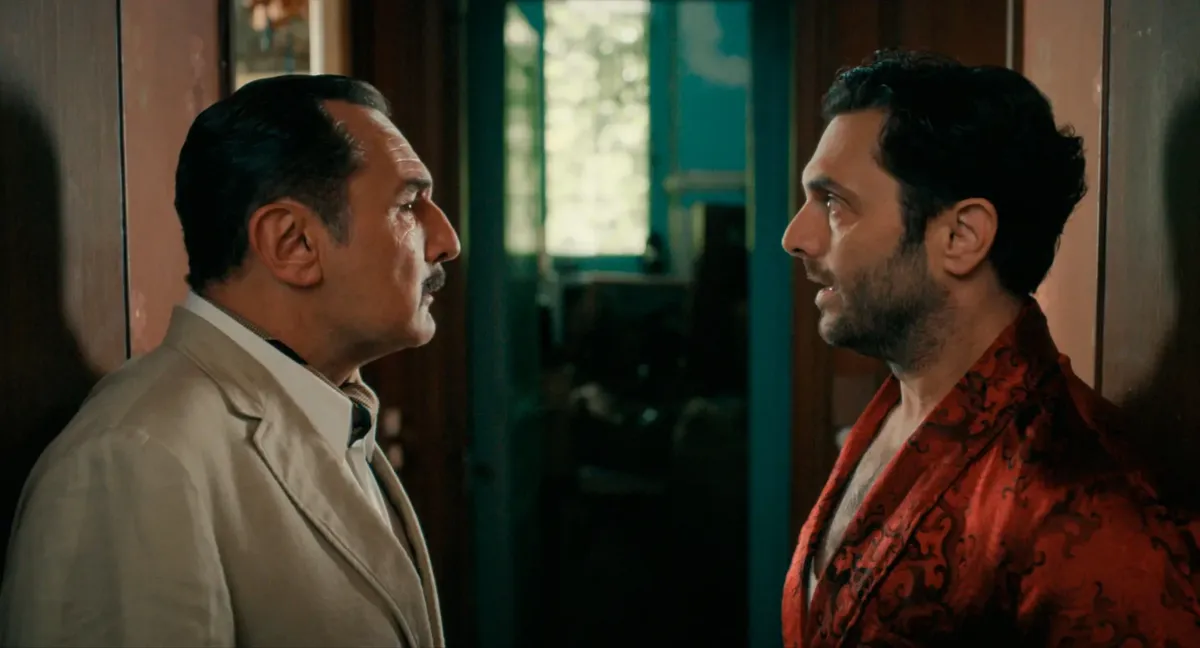
A lie as a trigger creates chaos of situations jumping on each other (for the director, comedy is organized chaos). Lies and manipulation turn into means of saving a “drowning man.” The deceivers change places with the deceived. Salvadori is clearly guided by the comedies of Lubitsch and Wilder. And first of all - the sitcom “The Philadelphia Story” by George Cukor with the participation of Katharine Hepburn, Cary Grant and James Stewart. Models worthy of imitation. But for some reason Salvadori produces a drawn-out and unfunny vaudeville. What his painting lacks is electricity.
But the acting team includes the favorites of France Pio Marmai (“Separation”), Anaïs Demoustier (“The Count of Monte Cristo”; “Love Came Together”, “November”), Gilles Lellouche (“Beating Hearts”, “Fortress”), Vimala Pons and Gustave Kervern. Therefore, there will probably be good fees in France. Moreover, the Cannes Film Festival itself is promoting the film. Both the opening ceremony and The Electric Kiss were broadcast live in numerous cinemas in France. The National Federation of French Cinemas is concerned about this. In 2025, more than 780 cinemas in 700 locations in France connected to Cannes. An instructive lesson for other festivals that are not so consistently concerned with the fate of national cinema.