Date
Author
Отдел расследований «Новой газеты Европа
Source

Preserved copy
Translated material
Is there “schematosis” in FBK? We studied in detail the legal structure of the fund to understand what of the accusations of former director Ivan Zhdanov can and cannot be confirmed
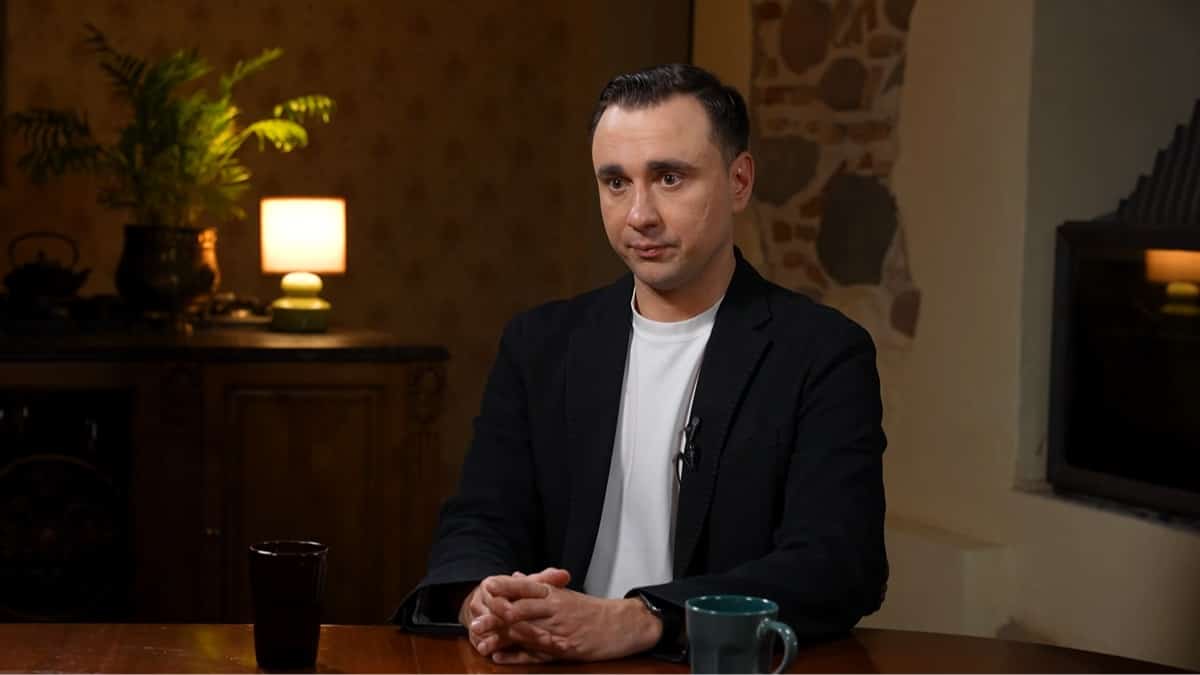
We studied in detail the legal structure of the fund to understand what of the accusations of former director Ivan Zhdanov can and cannot be confirmed
The former director of the Anti-Corruption Foundation, Ivan Zhdanov, who left the organization in September last year, accused the fund’s management of abuses in financial management. According to Zhdanov, the management of FBK uses numerous legal shortcuts, employs “dead souls” and uses donations from donors for its own needs. For the first time, financial fraud in the fund, which was created to fight corruption, was so openly stated by a person who worked inside the system for many years. Novaya Gazeta Europe tried to figure out what is known and what is unknown about how the legal structure of FBK is structured, where donations go, and whether there is enough data to suspect the main opposition organization of financial manipulation.
What Zhdanov says:
“It seems to me that I don’t even know the whole structure, but there are five legal entities. There is an American legal entity that collects donations. Donations come there. There are legal entities in the center. Some institutional donors come there, maybe some grants, something else. And there is a final bottom in this structure, there is a final Anti-corruption Foundation Europe, which houses the main staff.”
What can be confirmed based on public data:
In the register of legal entities of Lithuania, you can find two main legal entities that are directly related to the activities of FBK:
Anti-corruption Foundation Europe
Posterum
These are two non-profit organizations with the same functions: they are both created to “support and promote the fight against corruption and money laundering, and to facilitate the detection and investigation of these criminal acts; carry out educational activities to prevent these crimes.” The description of the activities of both organizations in the annual reports repeats each other verbatim.
Both companies are registered and managed through a professional intermediary, Baltijos finansai, which provides accounting, company registration, tax and legal advice to small and medium-sized Lithuanian businesses.
The Sota publication in its long-standing publication mentioned at least five more legal entities that are allegedly associated with FBK - by address, directors or telephone numbers, including commercial companies that are involved in the automotive business. But there is no public evidence that these numerous structures are actually related to FBK - it is logical to assume that these are other clients of Baltijos finansai.
In addition to two legal entities registered in Lithuania, Novaya Gazeta Europe managed to discover legal entities in the Netherlands in which Yulia Navalnaya and Maria Pevchikh act as directors. Judging by the name, they are associated with the publishing part of FBK's activities: Stichting Raven Publishing and Black Forest Publishing BV
Two more companies are registered in the USA - Anti Corruption Foundation USA in Boston (this is a dormant legal entity; no money passed through it in 2024) and Anti Corruption Foundation Inc in New York. As Leonid Volkov himself explained in an interview with the Dozhd TV channel, FBK receives its main income through this company. According to him, it is easier to receive donations through an American organization - in American banks, compliance is simpler than in European ones.
Ivan Zhdanov served on the governing bodies of two American legal entities and until September 2025 was a director at the Lithuanian Anti-corruption Foundation Europe.
Conclusion : talking about an extensive network of legal entities would be rather an exaggeration. In fact, three NPOs are involved in the operational activities of FBK: one is registered in the USA, two in Lithuania.
However, it is not entirely clear why there are two Lithuanian legal entities with overlapping functions that transfer money to each other.
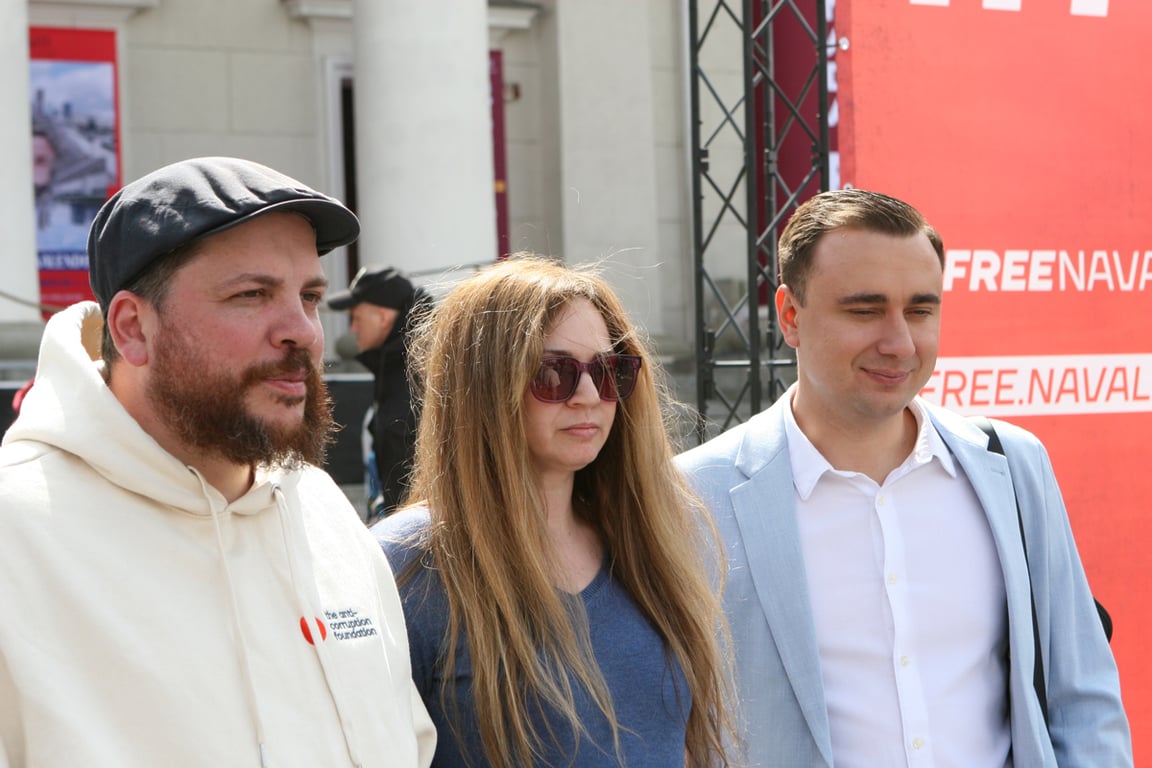
What Zhdanov says:
— And at what stage is what is lost?
- At the stage of this intermediary, he is not needed at all. But since he [Volkov] is in charge of finances, money is still shed this way. Some of the money may go towards some personal stories that are not directly related to FBK.
What can be confirmed based on public data:
In his interview with Dozhd, Leonid Volkov explained that financial flows are arranged quite simply: an American legal entity receives donations and transfers them to the European FBK, where the main employees are employed. This is not entirely true.
Most of the employees are employed by the Anti-corruption Foundation Europe; as of May 2026, 40 people work there (the company's staff has been steadily decreasing since April 2024 - then the company employed 73 people). But the American legal entity does not transfer money directly to this organization.
The financial reports of the “European FBK” contain very little information; for example, the company does not disclose its donors, even the largest ones, so information must be sought on third-party resources. Anti-corruption Foundation Europe is registered as a lobbyist in the European Union. The official website, where information about lobbyists is collected, states that
The main donors of the “European FBK” are Google, which transfers to them income from video monetization, and the Posterum fund, which transfers the vast majority of funds.
Interestingly, according to data from the website of EU lobbyists, the income of Anti-corruption Europe is even higher than according to the data that the company indicates in its annual report, available on the website of Lithuanian companies.
But traces of cash flows between the American legal entity FBK and the Posterum fund can be traced using open data. For example, a report from New York-based ACF Inc says that in 2024 the fund transferred $775 thousand in grants to Posterum (in 2023 this amount was higher - $1.225 million).
However, what Posterum receives in the form of grants from ACF is only part of the funding. According to Posterum's 2024 financial report, they received about $4 million more from some other sources. According to the most recent data, the Posterum fund employs four people with an average salary in 2025 of 3.9 thousand euros per month.
Another source of information about FBK’s finances is the annual report, which the Foundation publishes for donors on its website. It describes in detail the activities of the organization, and the last two pages are devoted to finances, but legal and organizational issues are not disclosed. From the annual report for 2024 it follows that FBK estimates its entire total income for the year at $6.3 million (that is, it does not reduce it solely to what the Anti-corruption Foundation Europe discloses in its reports), approximately three equal parts of the budget (30% each) are crowdfunding, donations from private large donors and from so-called institutional donors - this definition usually means large foundations, governmental or intergovernmental organizations. A little less than 10% of revenue comes from YouTube monetization.
Conclusion: As far as can be judged from open data, Posterum really, in some sense, acts as a laying company for the “European FBK,” as Zhdanov stated in an interview. She receives money from an American legal entity and transfers the funds to the Anti-Corruption Foundation Europe.
At the same time, Posterum also has its own organizational role - for example, the FBK merch store is now registered under this legal entity. And the American fund and donations received through Stripe are not the only or even the largest source of funding for Posterum.
It is difficult to say how much money “settles” in the Posterum “gasket”, because the data differs even in official sources. If you believe financial reports from the website of Lithuanian legal entities, the budget of the “European FBK” (that is, the legal entity Anti-Corruption Foundation Europe) is one million euros less than the budget of Posterum. But if you believe the website of European lobbyists, Posterum transfers almost all of its income to the “European FBK”.
One way or another, as far as can be judged from fragmentary information, in the report for its donors, FBK includes the income of Posterum, and the income of the “European FBK,” and the income of the American fund - and in a very truncated form, but it reports on all this money.
A certain lack of transparency in FBK reports is understandable. The organization is being persecuted in Russia, its leader Alexei Navalny was killed in prison, and dozens of supporters and donors in Russia are facing criminal prosecution.
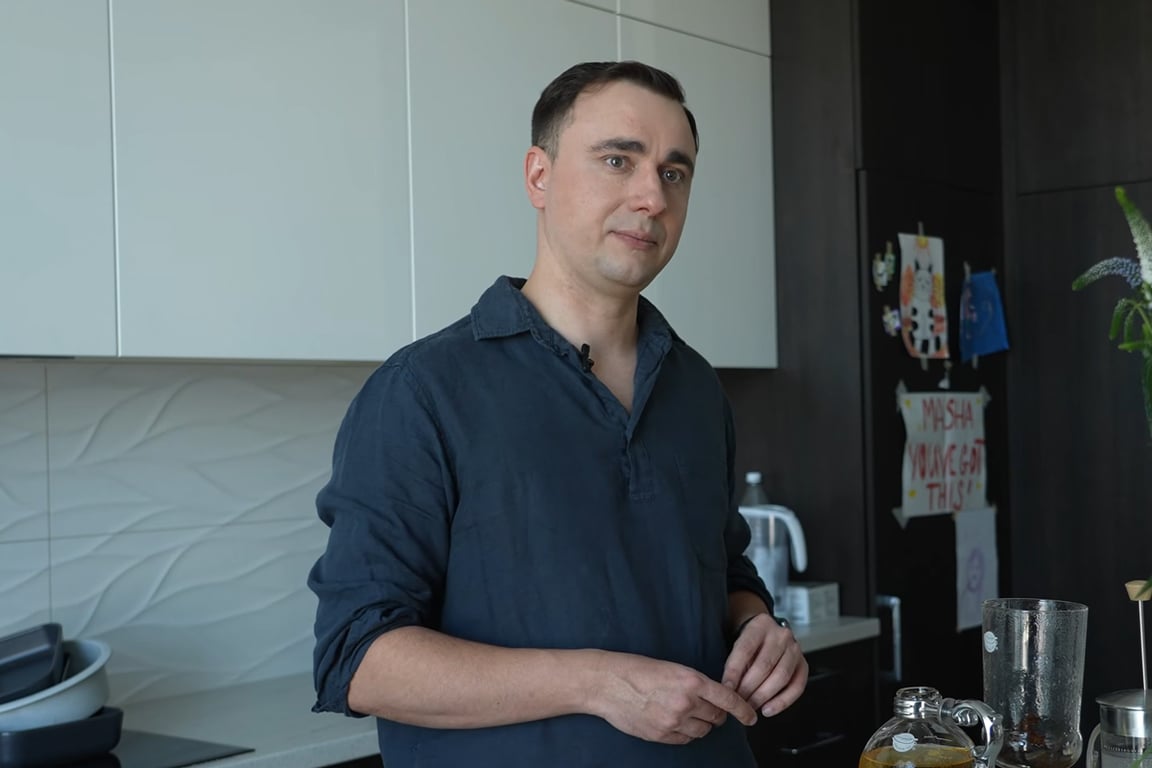
What Zhdanov says: “There may be some employees there who do not carry out the instructions of the FBK. <…> In general, it’s not clear who they are. I didn't know some of them at all. I don't know these people. Who are they? What are they? What are they doing there? I have no idea. I have said several times that this is unacceptable. <…> And this was corrected. I have not seen in what form it was corrected later. I saw a man disappear. <…> It is not on the payment slips.”
What can be confirmed based on public data:
In an interview, Zhdanov claims that he has financial documents on hand that confirm his words. He refused to share any of these documents with Novaya Gazeta Europe.
In his Telegram channel, in support of these words, Zhdanov published a screenshot of a letter discussing the employment and salary of Fyodor Krasheninnikov, a political scientist and public figure, a longtime associate of Leonid Volkov. Krasheninnikov previously publicly stated that he never worked for FBK and did not receive any money from the organization.
In the screenshot of the letter that Zhdanov posted, some information was deliberately erased. Based on what is visible in the picture, Leonid Volkov, from his work email on the fbk.info domain, informed a number of addressees (including Zhdanov himself) that “F. Kr" "us" (some organization registered in Vilnius) left and that it is necessary to pay him for June. However, it is not clear from the screenshot which year and which organization we are talking about. Nothing is said about whether Krasheninnikov was employed fictitiously. It is also unclear whether this letter from Volkov was a response to some kind of claim from Zhdanov.
Krasheninnikov himself confirmed to Novaya-Europa that he was employed by a Lithuanian legal entity, but not by FBK. He refused to name the name of the company he worked for:
“This was not FBK, and the rest has nothing to do with anyone,” Krasheninnikov said. “I always and everywhere worked legally, paid taxes, and was never registered anywhere.”
However, there are not many legal entities registered in Lithuania that would be associated with Leonid Volkov and at the same time with Ivan Zhdanov. Perhaps the explanation is that Leonid Volkov’s personal projects passed through the same legal entities in the early stages, as he told Dozhd about this. In order to figure out what really happened, there are not enough details in Zhdanov’s screenshots.
Conclusion: So far, Ivan Zhdanov has not provided convincing evidence of one of the most serious accusations against FBK and Volkov personally. Based on open data, it is impossible to judge whether “dead souls” were employed by FBK.
Novaya Gazeta Europe sent questions about the organizational structure of FBK to Leonid Volkov, but he did not answer them substantively.