
Translated material
Happy new year 6776!
How do Yezidis and Assyrians live in Armenia?

Aknalich village. Photo: Evgenia Yengibaryan
Armenia is considered to be a mono-ethnic country, where 98% of the three million population are Armenians. The remaining two percent are made up of 11 ethnic minorities that have their own public organizations, as well as representatives of other peoples who permanently live in Armenia and are full citizens of the republic.
According to the 2022 census data, 31,077 Yazidis, 14,074 Russians, 2,755 Assyrians, 1,663 Kurds, 1,005 Ukrainians, 365 Greeks, 223 Georgians live in Armenia, as well as hundreds of Indians and Persians, about 200 Poles, a hundred Germans, about a thousand Jews (including the wave emigrants 2022). By the way, contrary to the popular belief that there are no Muslims in Armenia, 515 people during the survey reported that they profess Islam.
In terms of monoethnicity, Armenia's neighbors are Japan, Poland, Albania, and Morocco. Perhaps someone will shrug their shoulders: “Only 2% of national minorities?” The answer is sadly simple. It is no secret that Armenia is not the most prosperous country, retaining its own citizens and attracting migrants like a magnet. As a result of the decline of the Soviet system, as well as the war and blockade, not all residents of Armenia were able to endure the hardships of life. The collapsed system deprived people of stability and work, plus the famine and cold of the 90s - these events significantly reduced the population of the republic. The Armenians themselves left their homeland; in search of a better life, they continued to leave in subsequent decades (however, they are still leaving). During that period, the country lost about a million Armenians. What can we say about representatives of other nations, especially if they had the opportunity to settle more prosperously in other countries or were offered conditions to move and live in states that were their historical homeland? Thus, in the early 90s, thousands of Greeks, whose ancestors had lived in Armenia since the 18th–19th centuries, left the country. Greece organized the repatriation of compatriots, mainly to Thessaloniki. Russians, Jews, and other residents of Armenia of non-Armenian nationality left en masse. But about 60 thousand still live side by side with Armenians today.
Perhaps this picture escapes the attention of guests of the country who are briefly acquainted with Armenia, but upon closer inspection, it is impossible not to notice how national minorities bring their own shapes and colors into the patterns and fabric of the figurative Armenian carpet. For example, many Russian tourists are taken to the Lori village of Fioletovo to get acquainted with the local Russian Molokans (one and a half to two centuries ago the tsar exiled them to the outskirts of the empire as harmful sectarians) and their way of life, frozen in antiquity. However, unique ethnographic stories are also present where tourist trails do not lie - in the communities of other ethnic groups inhabiting Armenia, the existence of which many are not even aware of or have barely heard anything about.
“The biological factor does not determine ethnic identity”
Being a diaspora people, Armenians themselves are national minorities in many countries of the world and therefore well understand the importance of preserving the identity, culture, language and traditions of other ethnic groups living next to them. Seats for representatives of national minorities are reserved in the Armenian parliament. The Republic has acceded to the Council of Europe Framework Convention for the Protection of National Minorities (1997) and the European Charter for Regional or Minority Languages (2002). Armenia recognized the special status of the five minority languages used in the country: Assyrian, Yazidi, Greek, Russian and Kurdish, undertaking the obligation to provide educational process, teaching aids, teacher training in these languages, translation in judicial proceedings, provision of medical services in the languages of these minorities, etc. It is noteworthy that
Five languages received special status, while in fact there are four of them: after all, the language of the Yezidis and Kurds is the same - Kurmanji, but due to the difference in ethnic identity, the Yezidis call their language Yazidi.
“The biological factor does not determine ethnic identity,” says ethnographer Hranush Kharatyan, former head of the Department of Religious and National Minority Affairs of the Armenian government. — As for the Yezidis and Kurds, there are two opinions: some believe that the Kurds are Yezidis who converted to Islam and identified themselves as Kurds, while others believe that, on the contrary, a group broke away from the Kurds and calls itself Yezidis. We have a family living in the Aragatsotn marz (region), where out of two siblings, one calls himself a Kurd, and the other a Yazidi, and the one who calls himself a Kurd also professes Yazidism.”
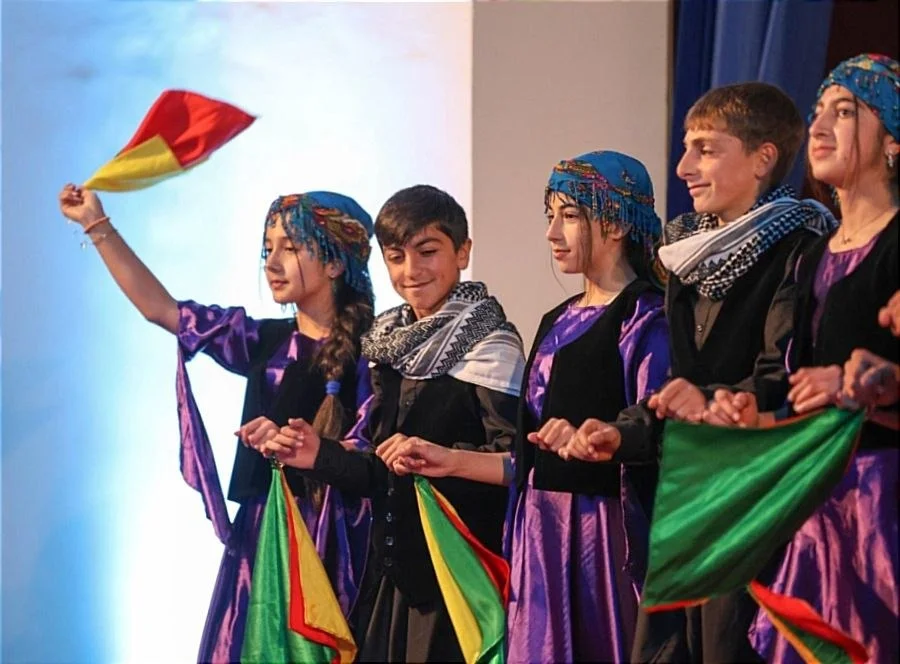
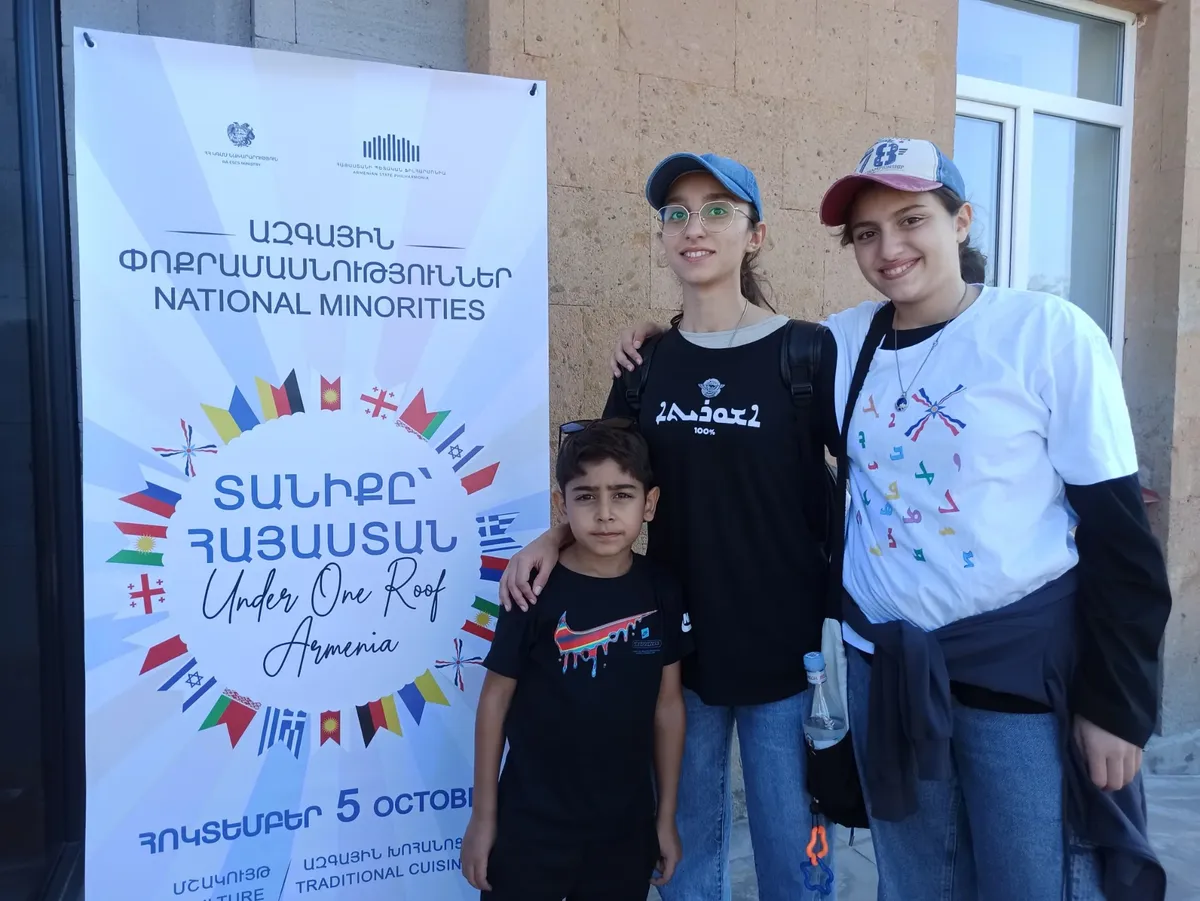
The Kurds appeared on the territory of Armenia a thousand years ago, when in the 10th–12th centuries the Sheddadids, a dynasty of Kurdish origin, ruled in Eastern Armenia, creating a number of small states. In the censuses of the 19th - early 20th centuries. they appeared as Muslims. Most Kurds left Armenia in the late 1980s following the Azerbaijanis, but majority does not mean all. In October 2025, in the cultural center of the city of Aparan, at a festive event called “Home - Armenia”, dedicated to the Day of National Minorities celebrated annually in the republic, a Kurdish folk group performed among representatives of 11 communities: teenagers danced national dances on stage, and after the concert, adults presented their traditional dishes in the foyer. It must be said that it was Kurdish cuisine that was distinguished by its originality and taste.
According to Hranush Kharatyan, the history of the emergence of national minorities not only in Armenia, but throughout the world has its own patterns. These are either peoples who found themselves divided when drawing borders that did not take into account ethnicity, or the result of wars of conquest, or migration processes - labor migrants, as well as refugee migrants, when an ethnic group is persecuted in a certain country and forced to flee to another country. Another form of the emergence of national minorities is when the empire populated the national outskirts that were part of it with its main ethnic group, creating a stronghold in the form of it at its borders. For example, since tsarist times, and later during the Soviet period, Russians appeared in Georgia, Armenia and other now independent republics, in which those Russians who remained have now become a national minority. During the Soviet era, the center sent specialists and workers from industrial enterprises, party functionaries, teachers, etc. here. And in tsarist Russia, undesirables were exiled here - Old Believers, Molokans, Doukhobors, who settled on the territory of Armenia since the 1830s.
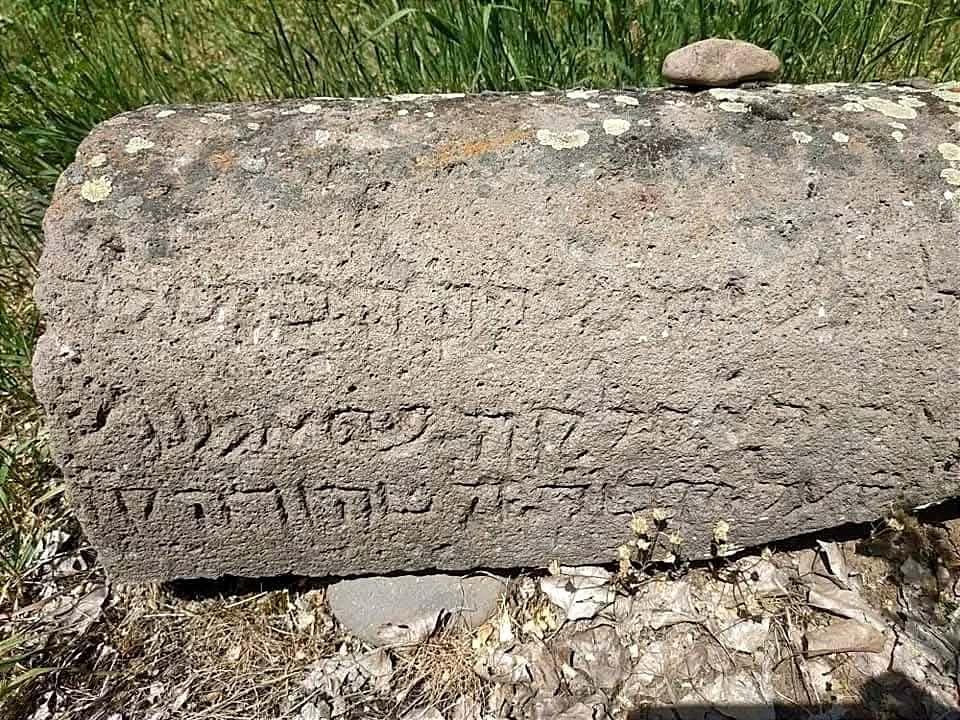
The national minorities of Armenia are the ethnic groups that moved here since the 19th century and during the Soviet era. Although, of course, each group has its own story. For example, according to the early medieval historian Movses Khorenatsi, in the 1st century. BC King Tigran II the Great “settled 10 thousand captive Jews in Armavir and in the avan of Vardges on the banks of the Kasakh River.” Many Jews appeared on the territory of Armenia in the first centuries of Christianity. A medieval Jewish cemetery of the 13th–14th centuries is known near the village of Yeghegis, Vayots Dzor region, but how the Jews appeared there and where they disappeared has not yet been explored. At the beginning of the twentieth century, they began to settle in Armenia again, fleeing discrimination and persecution. During Soviet times, there were more Jews; they came to work and stayed. In the late 80s, most left for Israel.
The Pontic Greeks, miners and coppersmiths from Trebizond, appeared in Armenia mainly at the end of the 18th century and later, in the first half of the 19th century, already on the initiative of the authorities of the Russian Empire, as copper mining specialists. They settled in Lori, in northern Armenia, in the area of the modern town of Alaverdi, where there are many deposits, and later another wave arrived in the vicinity of modern Kapan, where mining master Kharlampiy Kundurov founded two copper smelters. During Soviet times, the Greeks of the Lori region continued to work as miners until the closure of mines and the shutdown of enterprises, although many moved to the capital and other cities, becoming, in Soviet clerical parlance, the working intelligentsia. Despite the fact that the Armenian Greeks, as they admit, are highly susceptible to the process of assimilation, today they are very active in community activities, preserving their identity, working with youth and ties with the “big homeland” - Greece.
By the way, representatives of the Greek community cite the number of Greeks in Armenia as 2.5 times higher than official data. In the community of another minority - the Assyrian - they confirm that the census does not take into account, for example, the identity of half-breeds, Armenians on their father's side. A representative of the Yazidi community, in which there are practically no half-breeds, also voices a figure that is several thousand higher than the data from the 2022 census.
“The Lord began to create the universe on Friday”
Yazidis are the largest ethnic minority in Armenia. Their numbers make them the country's most visible minority, but in public life they remain an autonomous, rather closed group. The first Yazidi groups appeared in Armenia from the Ottoman Empire at the end of the 19th century, during the massacre of Abdul Hamid. The main part came to Armenia as a result of the genocide of 1915, which affected not only Armenians and other Christian peoples - Greeks and Assyrians, but also Yazidis. The Yazidi leader Jangir Agha, together with the Armenian military leader Andranik, transported the Yazidis and Armenians from the territory of Ottoman Turkey, thereby saving their lives.
In tsarist times, without understanding the unique and mysterious religion of the Yazidis, they began to be unfairly called thistle-worshippers. This people also suffered during the years of Soviet power: authoritative, influential Yezidis were exiled, torn away from their communities, and the term “Yezidi” was simply prohibited; these people were called Kurds against their will. They began to be officially called Yazidis only in independent Armenia, from the beginning of the 1990s.
The Yezidis of Armenia mainly live in the villages of the Armavir and Aragatsotn marzes, but also in some cities. The basis of their identity is Yezidism, or Shafradinism (“good faith”) - a closed religious system into which it is impossible to move into or from which it is impossible to leave without breaking with the community. It is a religion based on specific spiritual concepts, with the belief in one God - the creator of the Universe - and the veneration of seven angels, led by an angel named Malak Tavus, who is depicted as a peacock.
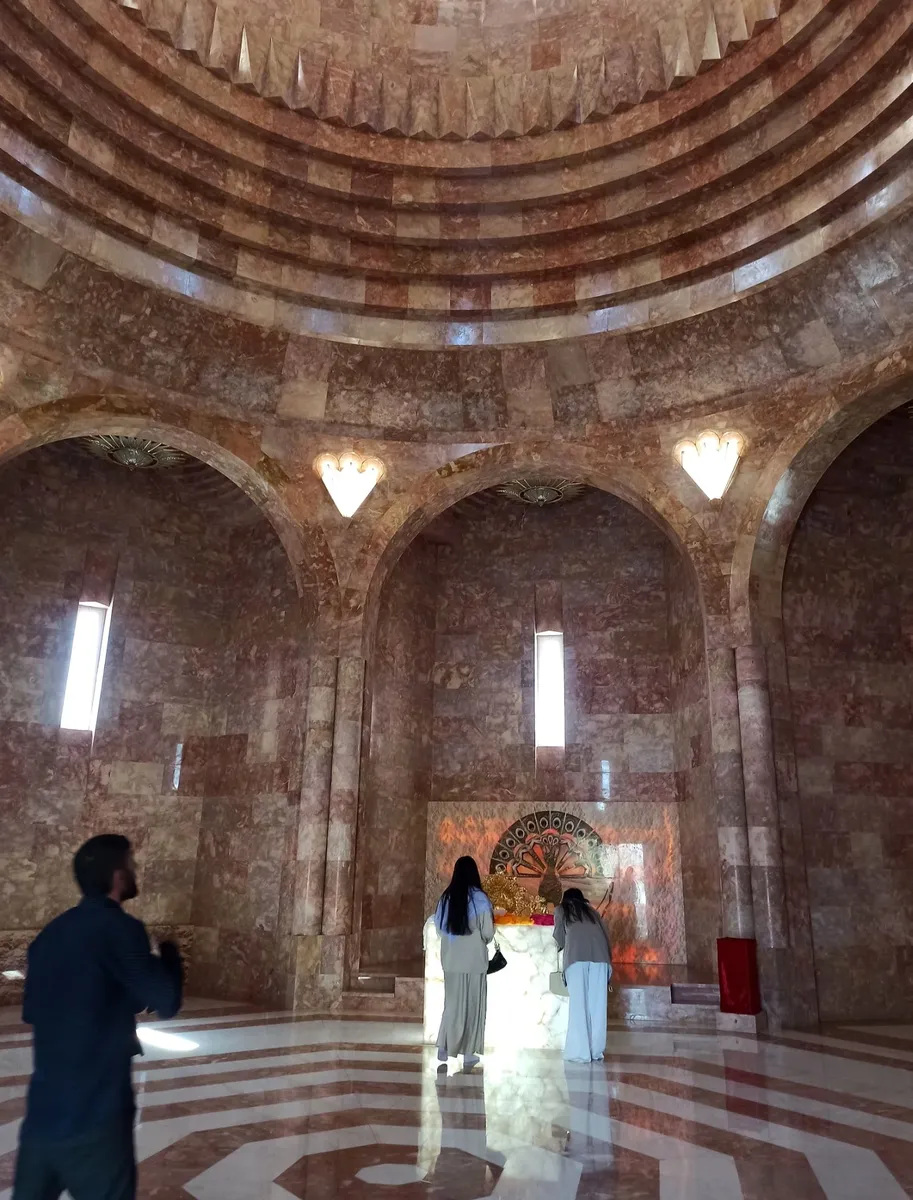
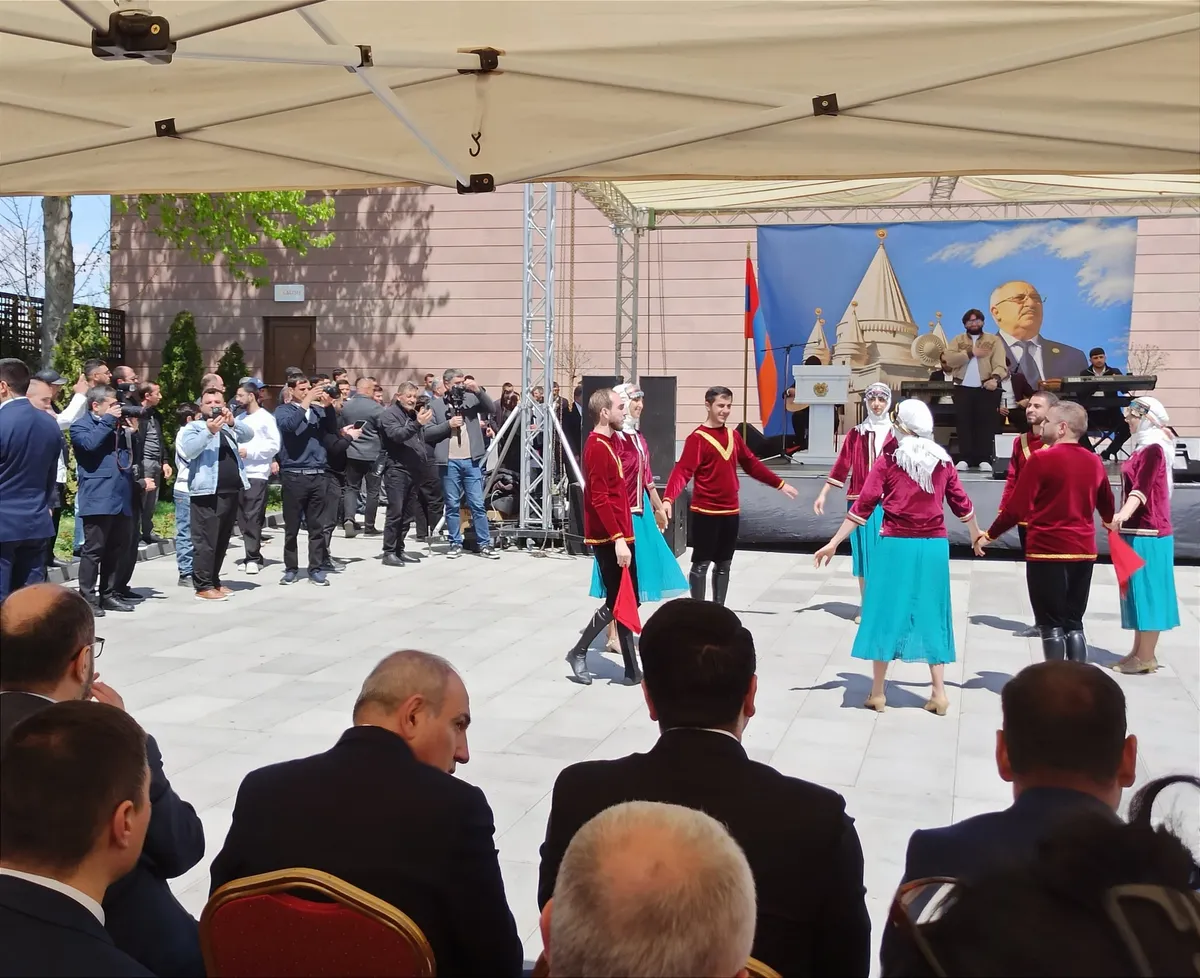
Over the past 10–15 years, the Yezidis of Armenia have acquired at least three temples: one in the Aragatsotn village of Rya Taza and two in the village of Aknalich, 35 km from Yerevan, and in the latter, the largest Yazidi temple in the world was built in 2019. It was worth going there to see how these people celebrate their spring New Year - Sarsal. The holiday, which dates back to the ancient cults of Mesopotamia, is celebrated on the first Wednesday of April (Charshama Sor, which means “Red Wednesday”) according to the Eastern (Julian) calendar adopted by the Yezidi Spiritual Council - this year it fell on April 15. The night before on Tuesday, the picture could have resembled Christian Easter - baskets and dishes with colored eggs, flowers, festively dressed people. However, there is a special symbolism here: boiled eggs refer to the freezing of the earth, the shell after boiling symbolizes the melting of ice from the surface of the earth, and the coloring of the eggs is a reference to the flowers that bloomed with the arrival of the royal peacock, because spring is the beginning of life. The Yazidis say that an angel descends to earth and decorates it with flowers and greenery. And Wednesday for them is a sacred day on which they cannot work and must devote it to spiritual life. “Our Lord began to create the universe on Friday, on Saturday he began to sew the robe, arranging everything in order, and finished his work on Wednesday,” say the Yazidis.
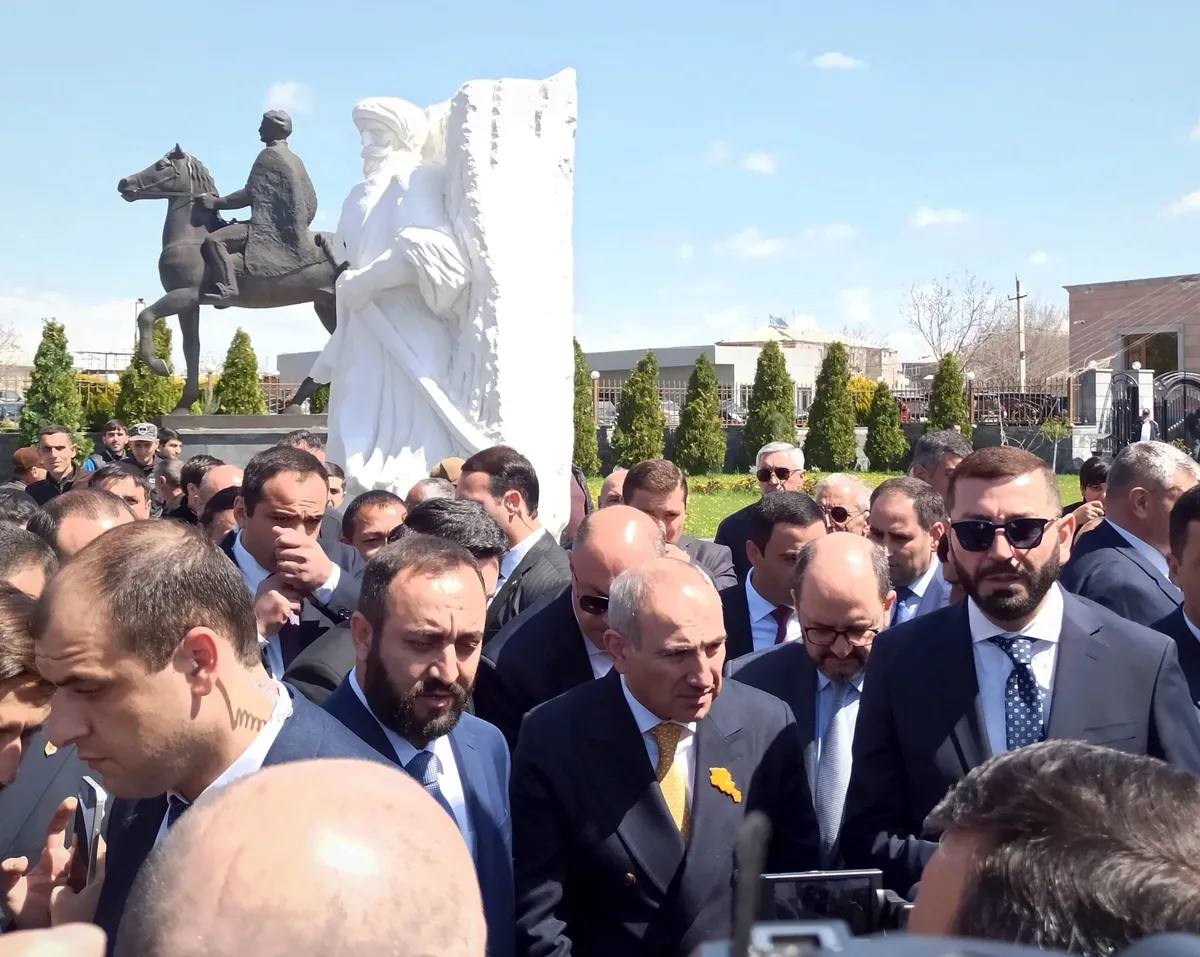
On the day of Charshama Sor, thousands of Yezidis, including from abroad, gathered in the village of Aknalich. From the road you can immediately see the temple of Quba Mere Diwane, dedicated to Malak Tavus and the Seven Angels. Each dome - the main one, and the seven others, symbolizing Angels, is decorated with a golden Sun. On the way to the temple there is an alley of statues erected in memory of heroes and prominent figures of the Yazidi and Armenian peoples. One of the monuments is an Armenian cross intertwined with a Yazidi sun and the figure of a peacock, a symbol of the closeness of two peoples and the harmony of two cultures.
The excitement was added by the arrival of the Prime Minister of Armenia to Aknalich, who, during his congratulatory speech, repeated twice that he was the first head of the Armenian state to visit the shrine of Quba Mere Divan and personally congratulate the Yazidi people on their holiday.
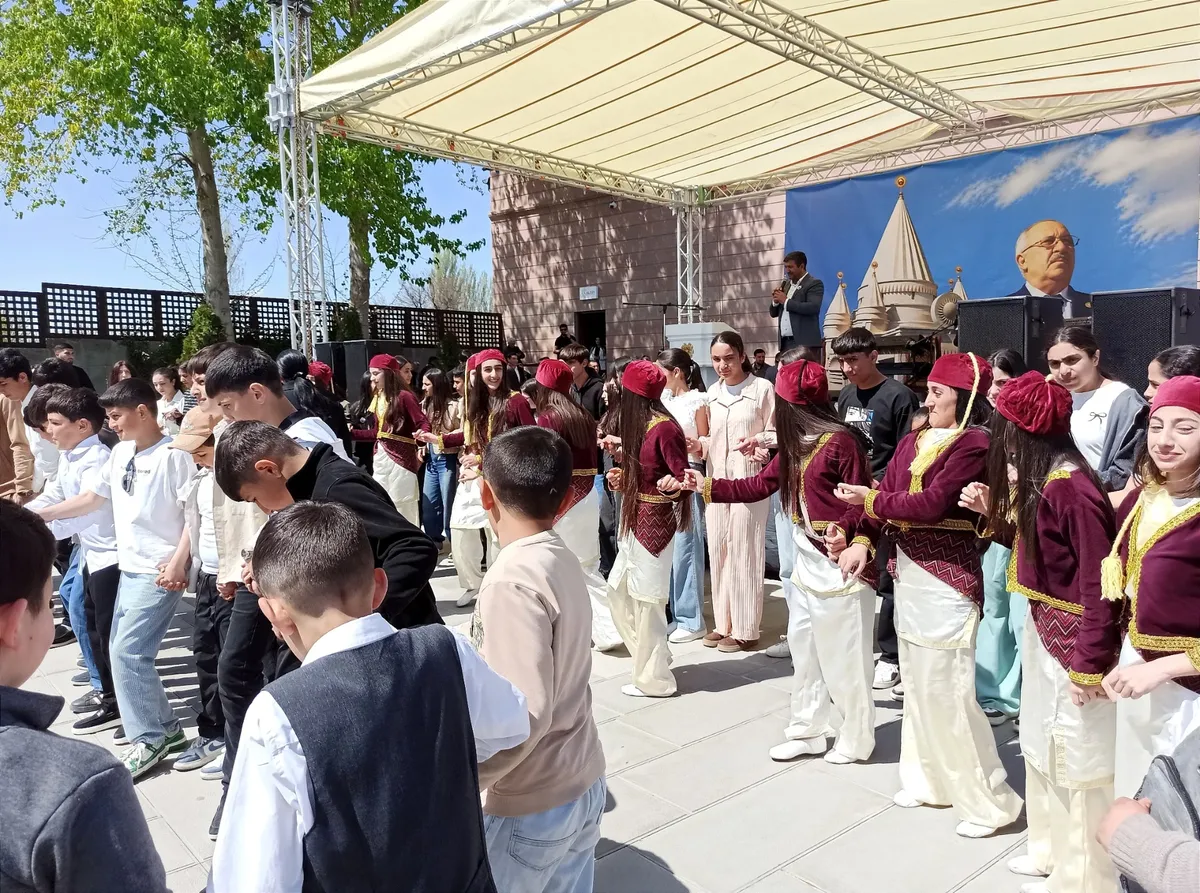
And of course, there was a concert and folk festivals. Groups of other national minorities came to congratulate the fraternal community - for example, a dance group of girls from the Greek community of the city of Gyumri performed not only their national dance, but later also the Yazidi dance, in Yazidi costumes. Assyrian high school girls from the village of Nor Artagers also came, also dancing. This village, which is also located in the Armavir region, was founded by the Assyrians almost two centuries ago and was called Shahriyar. Nowadays there are few Assyrians there - they have dispersed in all directions, and those who remained in this village now live together with the Yezidis and Armenians.
“I am attached to this people”
If in the village of Nor Artagers, as well as in several other villages densely populated by Assyrians, there are few of them, then in the Ararat village of Verin Dvin there are 1860 of them. But how did they end up in the Armenian villages? Explanations and an excursion into history are appropriate here.
So, the Assyrians: one of the most historically deep and interesting communities, a Christian people who speak northeastern Neo-Aramaic languages and associate their identity with the heritage of ancient Assyria - the first empire in world history. They once lived in the mountainous regions of the region, between lakes Van, Urmia and the city of Mosul on the Turkish-Iranian border. But the tragic events of the early 20th century forced a significant part of this population to leave their historical lands. The first Assyrians came to Armenia after the signing of the Turkmanchay Peace Treaty, concluded in 1828 between the Russian Empire and Persia. They moved from the north of Iran, from the vicinity of Lake Urmia. In the Middle Ages, the Assyrians came to the area from what is now Iraq and other areas that were once home to Assyria. They came to Armenia along with the Armenians who were forcibly resettled at the beginning of the 17th century by Shah Abbas to the territory of Iran. The next wave was at the end of the 19th century, but the most massive exodus was associated with the events of the Assyrian genocide, when people were fleeing persecution and violence.
In the 19th century, the Assyrians founded several villages on the territory of Armenia - Shahriyar, renamed Nor Artagers, present-day Dimitrov, and Upper (Verin) Dvin in the Ararat Valley, the village of Arzni in the modern Kotayk region. The largest of them is Verin Dvin, located near the ruins of the ancient Armenian capital of the city of Dvin. It was interesting to go there on the day of Ha b-Nisan, that is, April 1, the Assyrian New Year.
There were few people in the village that day - after a long period of bad weather, it finally got warmer, the sun came out, and everyone went to their plots. The blooming apricot trees dazzled in my eyes, and my breathing became faster to be saturated with the aroma of this miracle of the Ararat Valley.
The fact that this was not an ordinary Armenian village became clear immediately upon entering it. People speak to each other in a completely incomprehensible language, in front of the village administration building there is a “copy” of the gate of the goddess Ishtar, on the tuff wall at the entrance to the village council, a sign under the coat of arms of Armenia contains strange writing, and inside it looks like museum exhibits, behind the glass there are dresses of kings with patterns on the fabric that send back to distant childhood with pictures from a textbook on the history of the Ancient World.
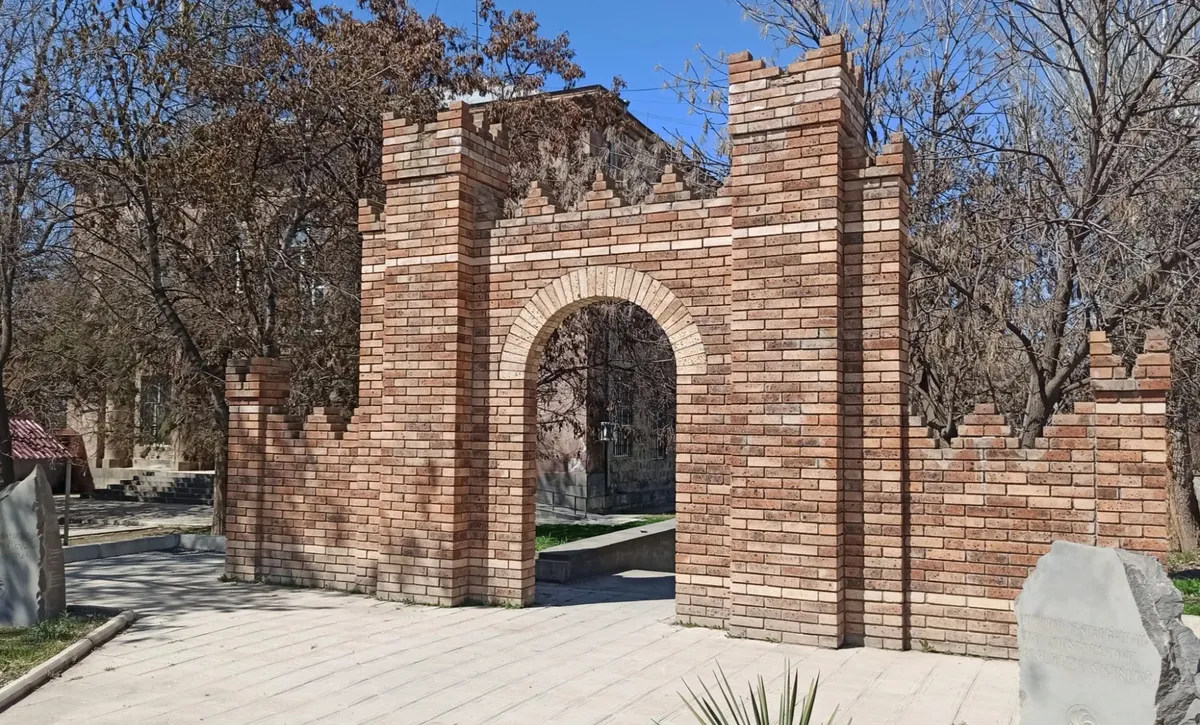
The secretary of the head of the village administration, Milena Tamrazova, before leaving for her second job - at the school where she teaches history - warmly invites you into her office.
“Yes, Verin Dvina has the largest community, here 80% of the population are Assyrians, and the number is not falling, but, on the contrary, is even growing slightly. Are there not enough people? So everyone is in their own areas! The time has come for agricultural work. We grow tomatoes, because the Ararat Valley has the most delicious tomatoes, and our Assyrians know how to grow them properly. Almost everyone has apricots, peaches, and strawberries. It has become fashionable to grow strawberries - it is both profitable and easy. Each family has its own allotment. There are no problems with selling the harvest - they buy everything very well from us. It is difficult to work on the land, but the land feeds us. The flow of emigration to Russia stopped a long time ago, and now almost no one is leaving. A lot of people left in the 90s, the golden core being the intelligentsia, educated people. It was hard then. We also left, studied there, my husband worked a little, but still decided to return,” shares Milena.
“Do you know that besides these four there was another Assyrian village in Armenia? I'll tell you his story. Once upon a time, before the beginning of the 19th century, Assyrians lived in the village of Bingol in the area of Lake Van. There was a very beautiful girl in the village, and the son of a noble Turk wanted to take her as his wife. After being refused, he became possessed and threatened to destroy everyone in the village. So people had to leave their village and cross the Araks River. Twenty families came to Armenia, rose above the village of Garni and founded the settlement of Gyolaisor (“Lake of the Assyrians”) near a mountain lake, which lasted until the 1960s. Due to difficult conditions, people descended and settled in more comfortable villages in the Ararat Valley, mainly in Verin Dvina. My husband has Bingol roots. They have a different dialect."
The dialect of the Assyrian inhabitants of Verin Dvina is Urmian. The older generation mostly knew only the spoken language, but not the written one. Now all children can read and write. The school teaches Assyrian language and literature, although on the basis of Russian, not Armenian.
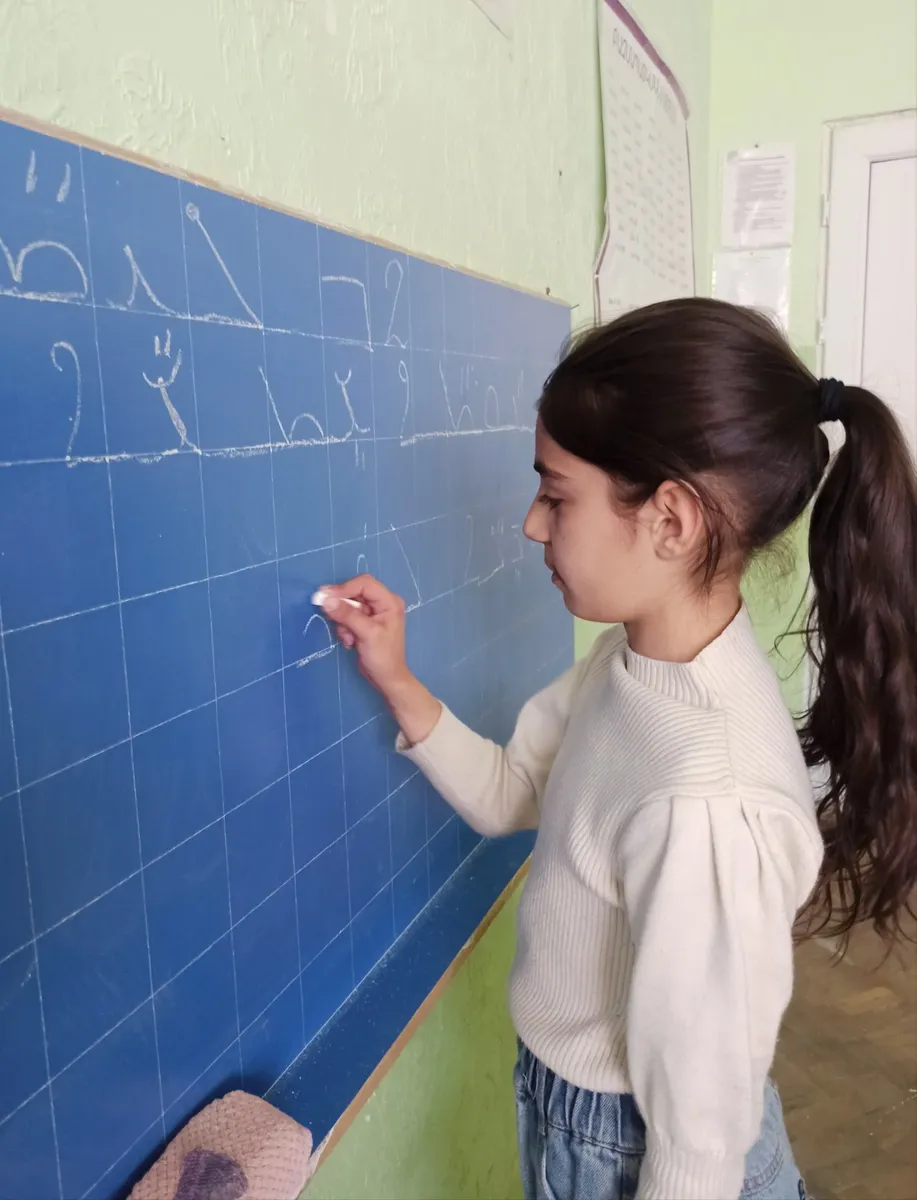
“You know, we have all been Russian speakers for a long time; in Soviet times we studied in Russian schools. Probably got used to it. Our Assyrian children now go to the Russian sector of the Armenian school, but they are fluent in three languages - Armenian, Russian and Assyrian. In our family, we speak three languages at home, although I speak mostly Assyrian with my children. With my son, whose Armenian is weaker than Assyrian, I speak Armenian - we live in Armenia and are obliged to speak our state language perfectly. And local Armenians speak purely Assyrian. We live side by side, our children grow up together and master our language. Once, talking with a family in Assyrian, I was sure that they were Assyrians, but it turned out that they were Armenians. We have a lot of mixed families. My grandmother is Armenian. We are very close and we are Christians,” says Milena, although she acknowledges the threat of assimilation.
One of the Armenians who speaks Assyrian and who has also dedicated her life to the education of Assyrian children is former school director, retired chemistry and biology teacher Olga Bagdasaryan, whose grandson is half Assyrian and participates in all activities for the study of Assyrian culture. “In 1994, we went to Iran and brought back 250 textbooks, which our children now use to study. The Armenian government re-issues textbooks, teachers are certified by the Ministry of Education - everything is at a serious state level. We cooperate with the Department of Oriental Studies of the Academy of Sciences, with the Matenadaran. In the 90s, a center for Armenian-Assyrian-Russian culture was opened, and on its basis a creative team was created - a dance ensemble. In general, Armenia is the only country in the world where the language and literature of a national minority is taught in public schools, from grades 1 to 12 three times a week. In other countries, schools for Assyrian children are either Sunday or Saturday,” says Mrs. Olga and continues: “Sometimes they ask me: you are Armenian, your mother is Russian, why do you care so zealously about the Assyrians, promote Assyrian education and culture?” Why do you need this? I answer that this is my mission. I know this people, I am very close to them, attached to them, life turned out in such a way that I became the director of a school in an Assyrian village, so my mission is to serve this people. I am very grateful to the residents of this village for their love and respect. Soon we will have a museum of Assyrian culture - the cultural center is providing space. We want to revive the ensemble of modern Assyrian song. We also have a very good church choir!”
“We can preserve everything that is important to us”
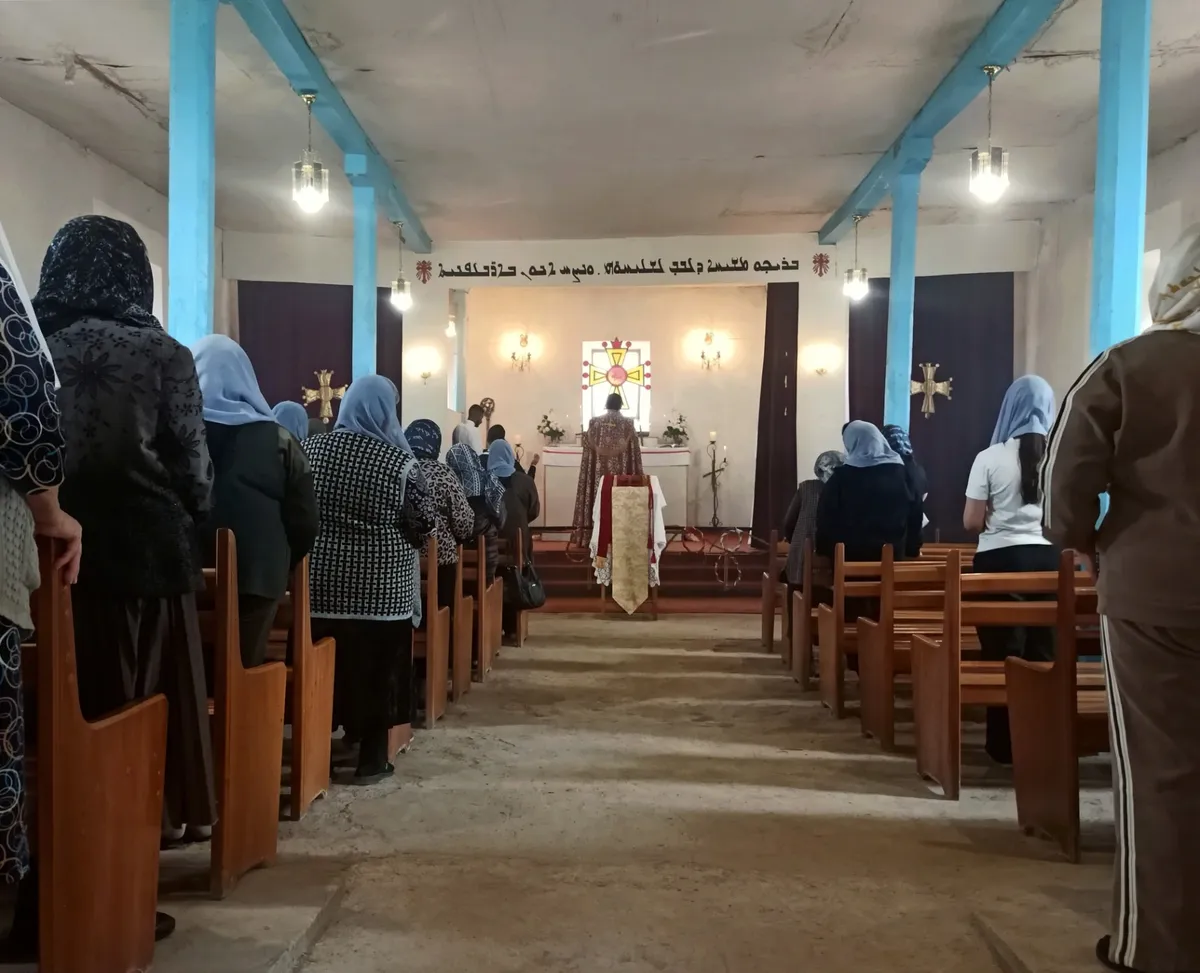
The Assyrians of the village of Verin Dvin belong to the Assyrian Church of the East (the full name is the Holy Apostolic Cathedral Assyrian Church of the East). On the outskirts of the village there is a remarkable church, which in appearance, both externally and internally, differs from both the Armenian and the Russian Orthodox. The Verindvin church is called Mar Tuma - the Church of St. Thomas the Apostle. It turned out that, having entered the Russian Empire, the Assyrians, lacking their own church in Armenia, adopted Russian Orthodoxy, but after the collapse of the Union, with Armenia gaining independence, they revived their church.
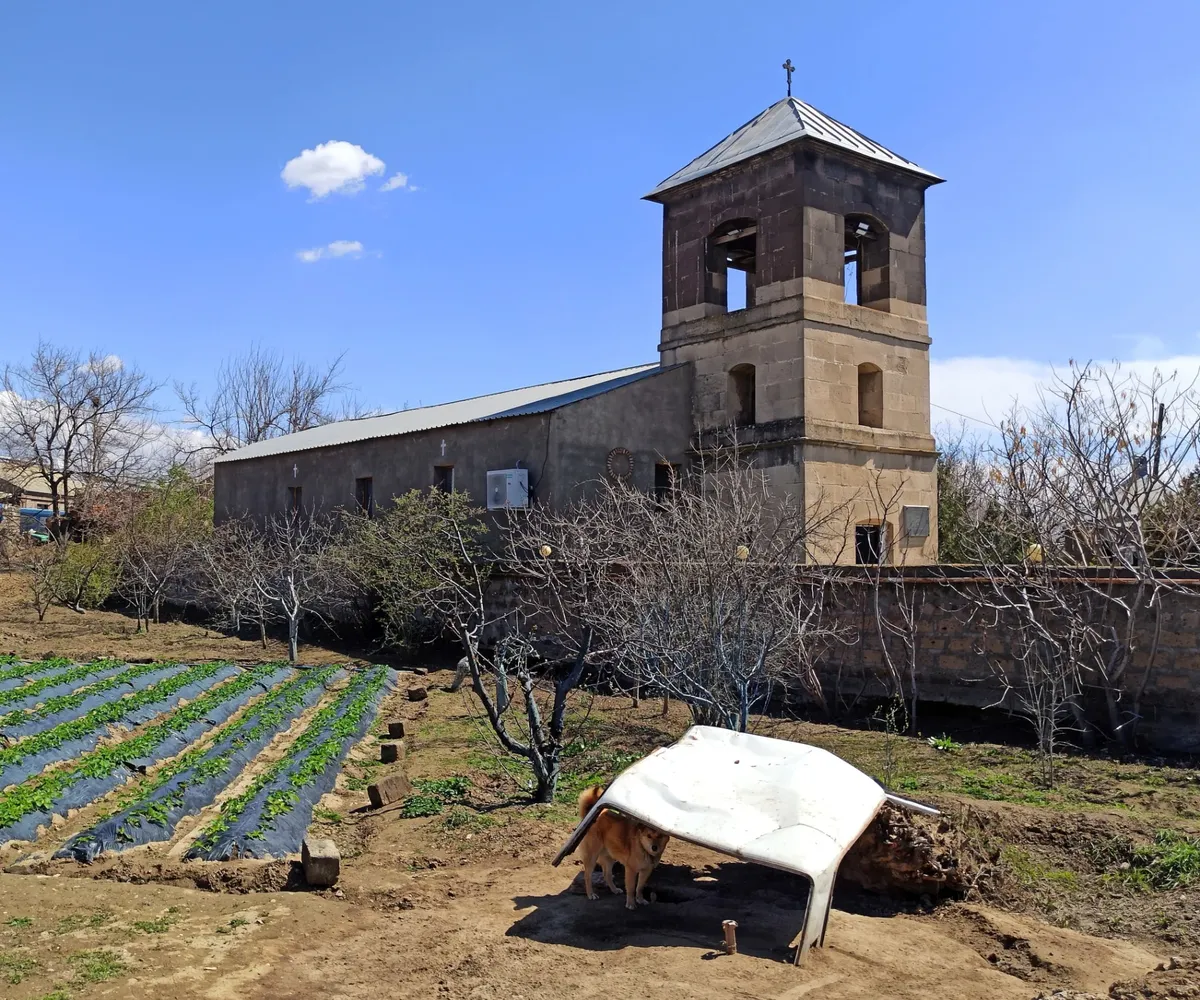
On that day, Father Nicodemus served the liturgy. He studied at the seminary in Iraq, then at the Faculty of Theology of Yerevan State University, graduated from graduate school, teaches Assyrian culture, language, and theology in communities, including online for Assyrians from other countries. The unusual cross topped with a crown caught my attention. “If you look closely, you will see nine circles on the wings of the cross,” explains the priest. - Nine is the number of angelic ranks, as well as the number of the hierarchy of priests in the Assyrian church, and the crown is Christ, who is above everything. But there is no icon painting in our church tradition; it is not developed.”
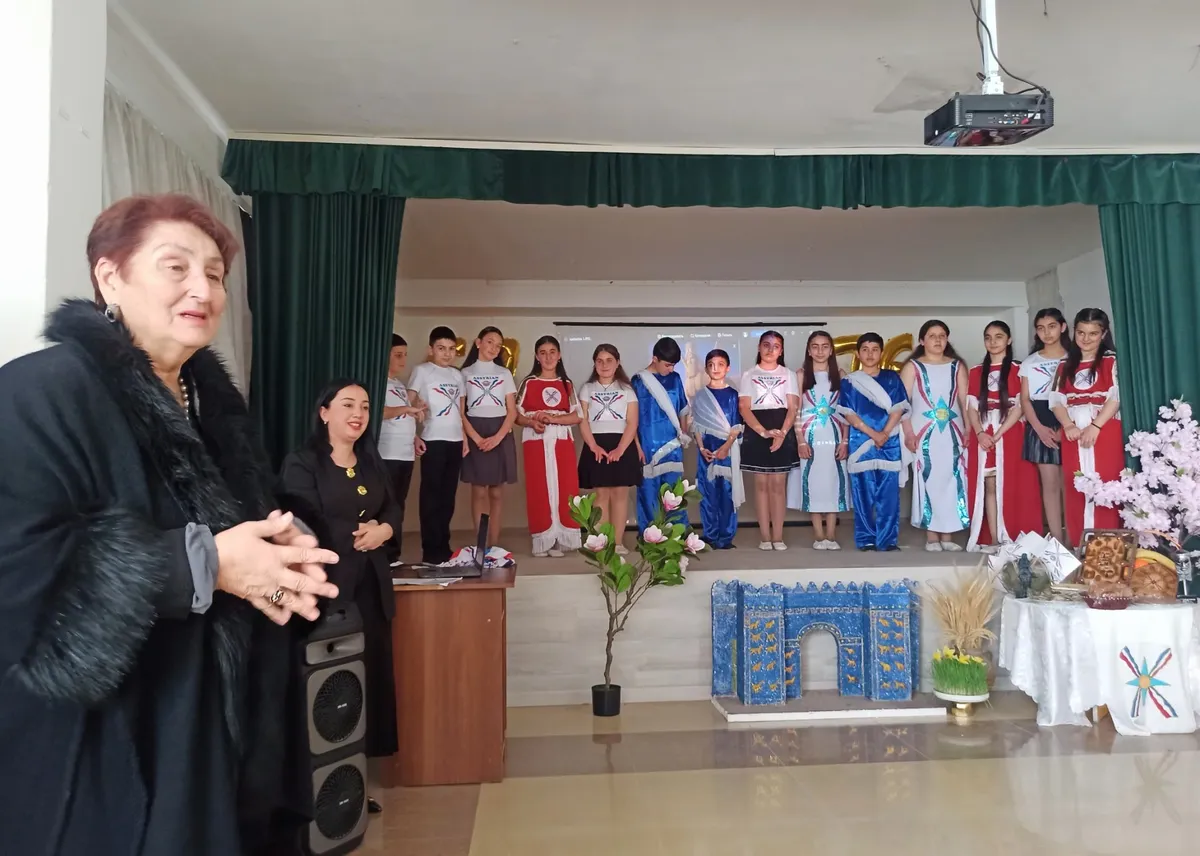
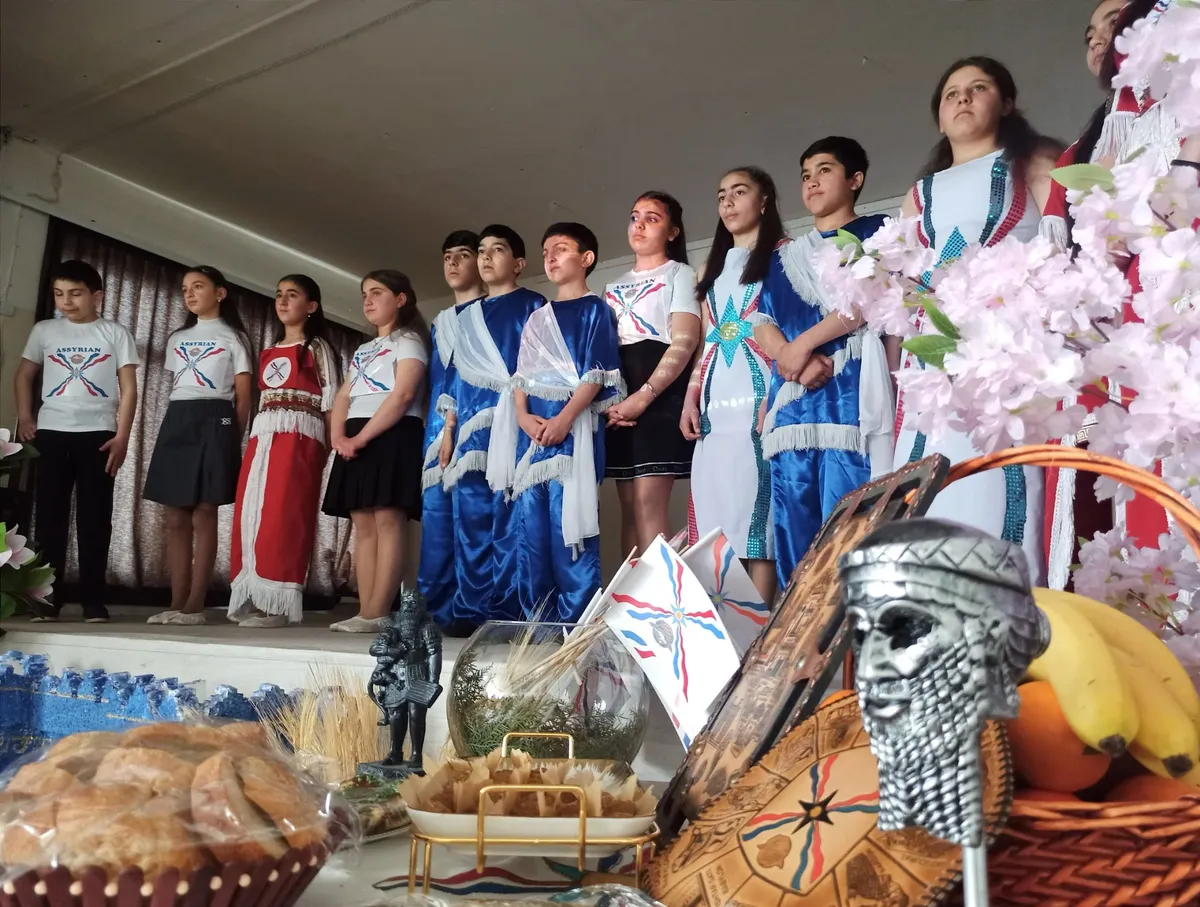
What about New Year? This year it was celebrated with a festive event at a school in the village of Dvin. The fact is that the Verindvin school is now being rebuilt, and children go to study in the second shift at a school in a neighboring village. The head of the rural community, Lyudmila Petrova, an Assyrian with a deceptively Russian name and the only female leader of the community in the Ararat region, came to the event in advance. “We are grateful to the government of Armenia for the fact that we exist today, that we make independent decisions, and that we can preserve everything that is important for us to preserve,” Lyudmila sincerely shared. “They’re building a new school for us.” According to the plan, the builders should commission the new building at the end of the year, but they are trying very hard to finish the work earlier - by September, by the beginning of the school year.” She also shared the cherished dream of all the villagers - to pave 29 km of internal village roads.
At the appointed hour, middle and high school students put on national clothes, went behind the stage of the school hall full of guests and parents, and began to solemnly talk about Akita, that is, about the New Year. “Akitu was originally celebrated by the Sumerians, but was later adopted and developed by the Babylonians and Assyrians. The holiday symbolizes the victory of order over chaos and the renewal of nature. After the fall of the Assyrian Empire in the 7th century BC. and later, after the spread of Christianity, the ancient rituals were lost, but the Assyrian people maintained the tradition of celebrating the New Year as a symbol of national identity. The holiday was revived by Assyrian communities in the 20th century.”
Indeed, the tradition of modern celebration of the Assyrian New Year was formed relatively recently, in the 1960s, amid growing interest in the restoration of ancient cultural customs. At the same time, the holiday itself has much deeper roots. At the back of the stage there are large “golden” numbers: 6776. This is the number of years that have passed since the creation of the world according to the beliefs of the Yazidis. Thus, Mesopotamian influence spread to the traditions of completely different peoples - the Yazidis and Assyrians.
Ha b-Nisan is the main Assyrian holiday, it is customary to celebrate it for 12 days in a row - from March 21 to April 1. By the way, the Assyrians claim that April Fool's Day came from the Assyrian tradition. In ancient times, on New Year's Day, the king seated a jester in his place, and he himself dressed as a commoner and went among the people to listen to what people were saying about him. The jester ruled and it was fun. Well, quite plausible.
“What a powerful state we would live in now!”
To come from the street and visit an old Assyrian house was something I could never have dreamed of, but it happened. Beniamin Samvelovich Sorushev and his wife turned out to be an extremely hospitable host. The house, built in an ancient style, is more than a hundred years old, and although some parts of it have already been modernized with tuff and cement, inside and out it looks like a museum exhibit or a solid set for a historical film.
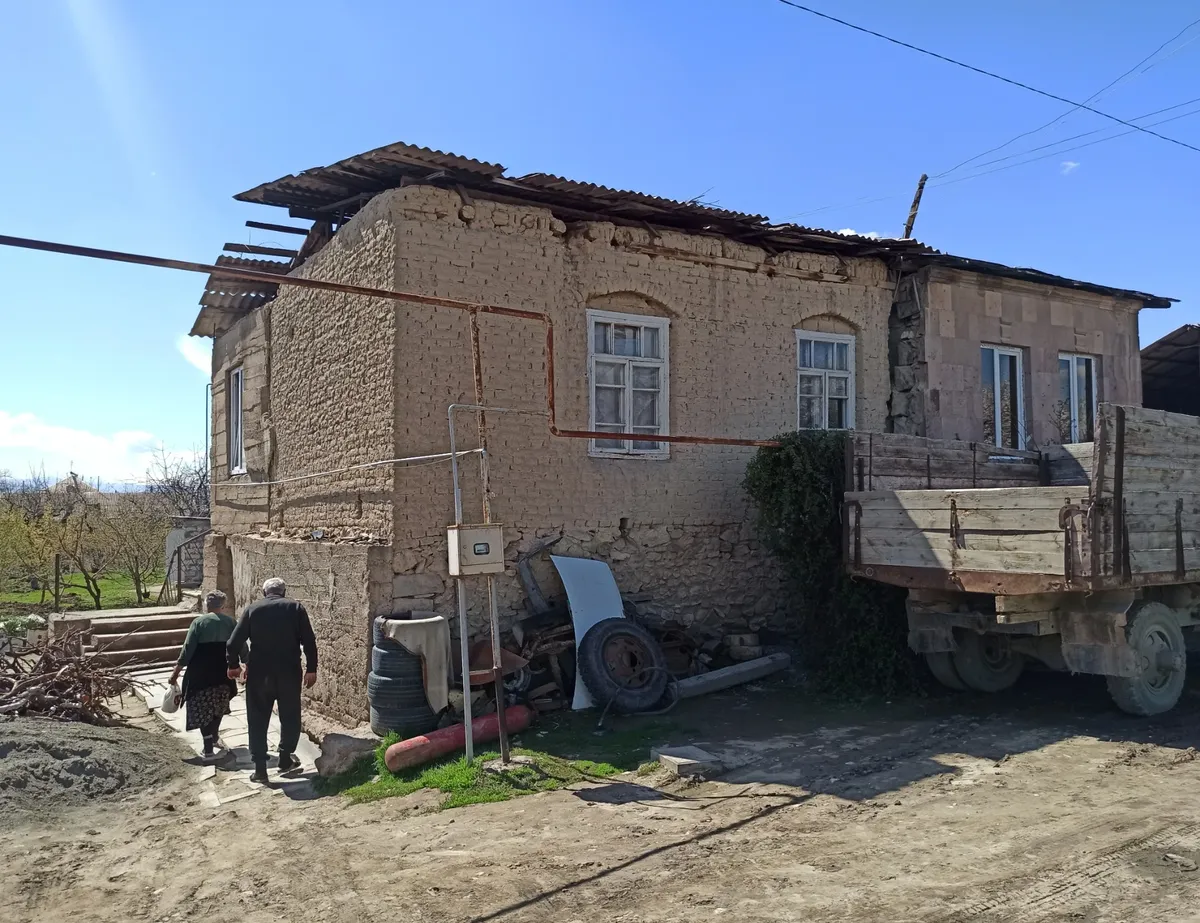
On the site there are dogwood, pear and walnut trees, strawberries, for which we had to sacrifice apricots. A dovecote, chickens, a cow with a calf, a pig - everything is there, everything requires a lot of work. The Sorushevs have five children, three of whom are abroad (the daughter married an Iranian Assyrian and went with him to America, and two sons “traditionally” in Russia: a typical situation for thousands of families in Armenia), and two work at home. Two granddaughters are growing up, half Armenian. When asked if you would go abroad to see your children, Benjamin exclaimed: “No way! How to leave the house? My grandfather built it! Let them come, and let me visit, if only for a short time. Come to my 70th birthday in May, you’ll see how they all gather!”
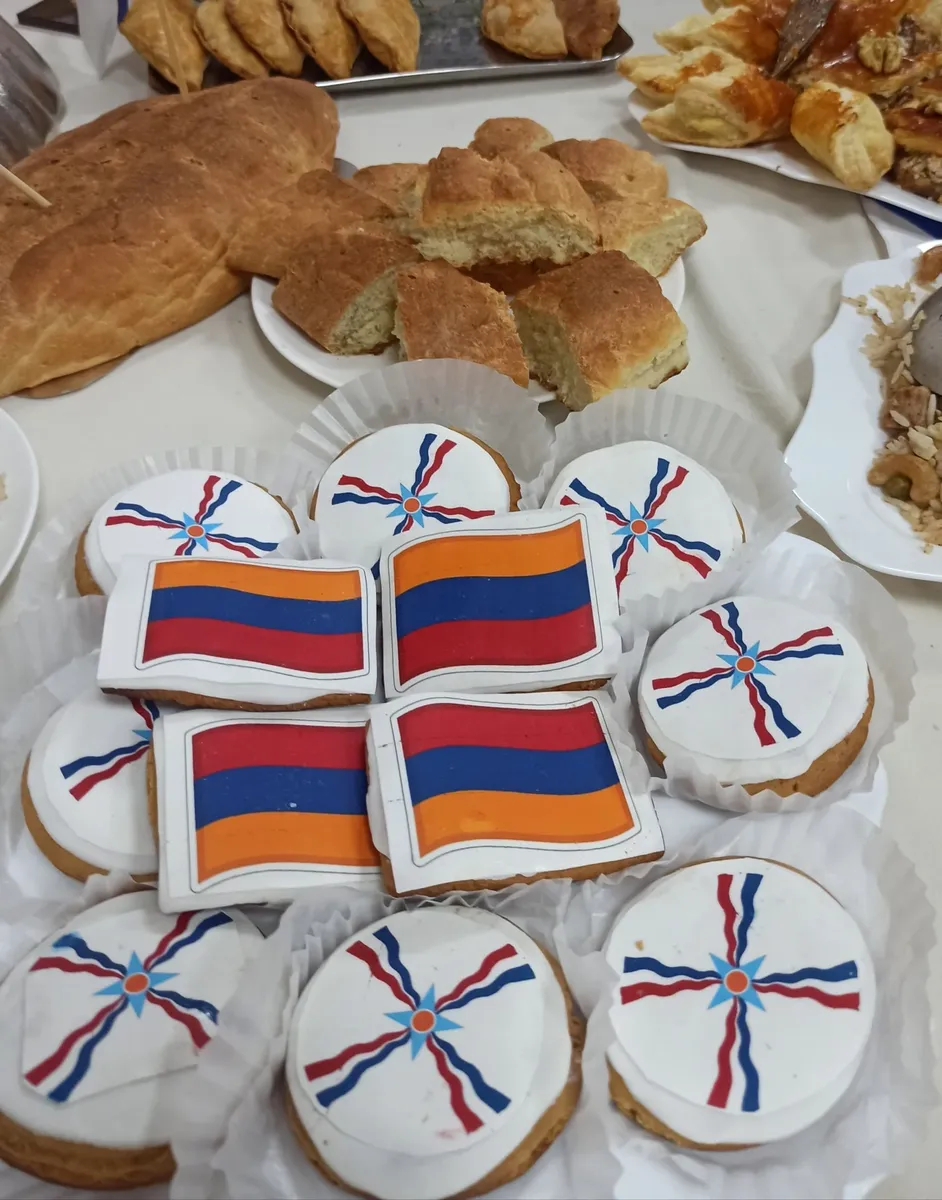
What is Assyrian cuisine like? It was not possible to find out, with a few exceptions: “He saved the Armenians, but we had a raging war. We say that this is our dish, but the Armenians dispute it,” smiles Milena Tamrazova. — It’s the same with baklava - everyone in the region calls this sweetness their own, but we know that it is Assyrian. Our halva looks the same as the Armenians, but it is different, we call it mrtukha, we cook it with milk and salt, while the Armenian halva is sweet. We definitely prepare mrtukha during the holidays.
History teacher Milena recalled that Assyria is the first large empire in history, the first military state, the first chariot, the first iron, the first library containing more than 20 thousand clay tablets with cuneiform writing (the library of King Ashurbanipal was found during excavations of Nineveh in the mid-19th century). In 612 BC. the last capital of Assyria, the city of Nineveh, could not withstand the onslaught of the Babylonians and Medes, and the state ceased to exist. Nineveh was completely destroyed: first burned, then flooded. The people dispersed throughout the region, founded communities... So they have been living without a state for 27 centuries, having survived tragedies, but managing to preserve their language, faith and sense of community. And I remember the cry of the soul of an unfamiliar Assyrian, who had forgotten that history does not know the subjunctive mood, from an interview with an Armenian TV channel: “Oh, if your Ara the Beautiful had not rejected our Shammuramat ( Assyrian queen of the 9th century BC, known as Semiramis, or Shamiram - E.E. ), in what a powerful state we would all live!”
Evgenia Yengibaryan