
Translated material
Are Russians ready for protests?
Protest potential is growing in Russia, and Putin’s rating has begun to rise at VTsIOM
The Russian Foreign Intelligence Service stated that the Security Service of Ukraine is allegedly organizing work to “undermine the situation” in Russia under the guise of distributing patriotic content. The SVR says: since the end of April, through fake accounts registered in the names of public opinion leaders, the Kyiv authorities have been sending out offers to purchase Z-channels. The goal is allegedly to replace the content of these channels and spread “misinformation and discrediting the political leadership and the Russian Armed Forces.” At the same time, the Foreign Intelligence Service did not name any specific channels that received offers for sale or that had already been “bought.”
Against the backdrop of lockdowns, war fatigue and increasing attacks on the Russian rear, the mood in the country is beginning to change. The share of citizens who allow mass protests has already reached 20%, and this is the maximum value in two years, they say at the Levada Center. Sociologists note that now not only young people are ready to protest, but also older people, from small towns and those with worse conditions in life.
Since March of this year, for the first time in a long time, Putin’s rating began to decline. VTsIOM recorded a decline for several weeks in a row. Apparently, in order to save the president’s rating, pro-government sociologists decided to change their approach: they began to conduct not only telephone surveys, but also door-to-door surveys, that is, interviewing people in person. As a result, the level of trust in Vladimir Putin increased and amounted to 72.1% compared to 71% in the previous survey.
Let's talk about the mood in Russia, as well as how the Kremlin is saving the government's falling ratings with sociologist Nikolai Mitrokhin .
Russian military bloggers often criticize the country's military leadership for indecisiveness and inconsistent actions at the front. Lately they have not spared President Vladimir Putin either. Z-blogger Yegor Guzenko openly said that he had lost confidence in the president because he “failed to ensure the safety of our relatives in the deep rear.” True, after these words Guzenko was sent to the “assault”. The pro-war community also actively criticized Internet blocking. Now they are accused of “shaking the situation in the country.”
Protest potential is growing in Russia, and Putin’s rating has begun to rise at VTsIOM
by Radio Liberty Text copied width px height px The URL has been copied to your clipboard
No media source currently available
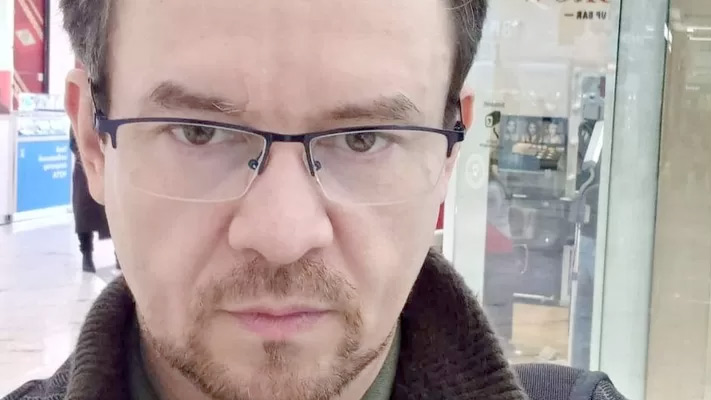
Why did the Russian foreign intelligence service decide to look for enemies within the Z-community, and what could these purges lead to, argues political scientist Denis Grekov :
Elites are concerned with their own interests and do not consider this Z-community as their own
- The fact is that initially Putin’s elites and the Z-community have different political identities. In fact, all the complaints of the military correspondents boil down to one simple thing: we thought that we had real fascism, but it is not real. In this sense, they are, of course, disappointed, because this regime is very corrupt. The elites are concerned with their own interests, do not share the pie with the military officers and do not consider this Z-community as their own. Naturally, they initially did not intend to do this. Therefore, military officers have a growing feeling that they have been used. On the other hand, this Z-community acted this way due to its, if you like, naivety. And she was quite sincerely engaged in self-organization.
And self-organization is exactly what the Putin regime absolutely does not need. Such fascist, and perhaps even totalitarian, structures require internal repression. They are inevitable there for a number of reasons. This is part of the structure itself and such an important psycho-economy of power relations. Therefore, it was initially clear that after all the opposition was silenced or expelled, then, of course, they would be next. Because they are alien to this system, and it is even afraid of them. On the other hand, the state security agencies, the foreign intelligence service, the Ministry of Internal Affairs, and many others need to eat something. Therefore, if there are no enemies, they need to be invented,” says Denis Grekov.
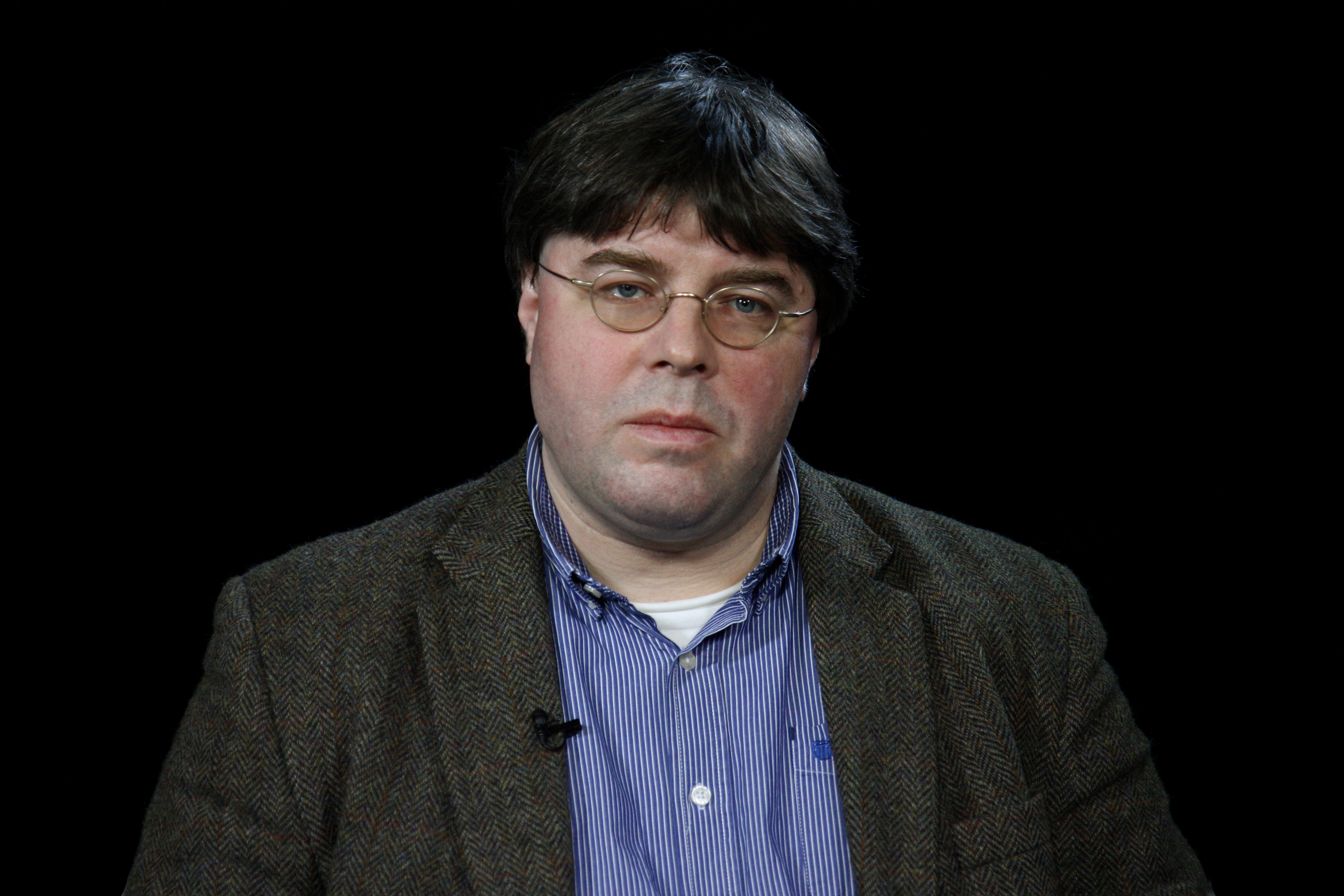
Why are pro-war bloggers who criticize the government dangerous for the current regime in Russia, and why the foreign intelligence service declares them enemies, says sociologist and military expert Nikolai Mitrokhin:
Military correspondents are deprived of their main food supply, that is, public access to Telegram
-In Russia there is a massive suppression of all people who disagree with the authorities. Anyone whose views differ from the format approved by the authorities is viewed as dubious characters. Very often a repressive phase immediately sets in. For a long time, military officers have been and are being tolerated solely because they more or less actually participate in the war and mobilize quite significant resources from society to help army units. They collect all these gifts for the front, organize fundraising, help update the fleet of copters at the front and develop new technologies. Military correspondents sometimes have more freedom, sometimes less. The first time they were pressed after the Prigozhin rebellion, the second time they were besieged after a case related to the death of two drone operators Ernest and Goodwin.
Now their indignation is also understandable. Military correspondents are being deprived of their main source of food, that is, public access to Telegram. They don’t know any other sources of raising funds both for the war and for their own existence, and at the moment they can’t come up with them, since the MAX messenger doesn’t work. Their level of criticality is spurred not only by Russia’s failures at the front or corruption within the government, but also by the fact that soon they will simply have nothing to eat. The report from the foreign intelligence service is a clear warning from the authorities that you guys have gone too far. Now we will consider you like this. It is very painful for the authorities that these pro-war bloggers criticize them.
The fate of Z-bloggers is unenviable: some will be intimidated, some will be arrested, some will simply be sent to die on the front line
They have a huge audience, at least 15 million people. In fact, they act as major opposition media for the most important politically active groups of citizens. These are the population of large cities, military personnel and generally people interested in politics. Support for the war in Russian society is falling. The same military correspondents have noted a sharp drop in fees to support the army and other initiatives starting around the beginning of 2025. At the same time, they talk about the fact that the number of people willing to join the army is decreasing, why we are continuing the war, and why we are recapturing the few ruins in Donbass. These theses meet with mass support even among their pro-war audience. I think the fate of Z-bloggers is unenviable: some will be intimidated, some will be arrested, like Igor Girkin. Someone who can be reached will simply be sent to the front line to die, Nikolai Mitrokhin is sure.
After a long decline in Russia, Vladimir Putin’s rating is growing again. According to the media, this happened after VTsIOM changed its survey methodology. Sociologists from the Levada Center record an increase in protest sentiment in the country: 20% of Russians consider mass protests against the falling standard of living possible. Nikolai Mitrokhin discusses how to treat these sociological data:
They began to turn off the Internet and deprive Russians of their favorite shows, the people’s mood is falling
-If we speak objectively, then ordinary people need “bread and circuses”, and this has not changed since Roman times. Over the past six months, the Russian economy has actually fallen by no less than 7-8%, and since the beginning of last year - by 15%. People's incomes are falling, people are losing their usual jobs. All this is happening against the backdrop of a lack of victories in the war. They began to turn off the Internet and deprive Russians of their favorite entertainment that they consumed. The people's mood is falling. As for social polls, I cannot take seriously either the VTsIOM polls, or the Levada Center polls, or the FOM data.
The sociology of mass polls shows that it is extremely far from reality. From my point of view, we need to look at some other factors, for example, at the actual number of protest incidents on the streets of Russian cities. But there are very few such incidents; there have been no local protests for a long time. That is, there may be protest potential, but there is often a very long distance from this potential to any real action, Nikolai Mitrokhin is sure.
Read Freedom on Telegram Make Freedom a priority source on Google  Install the Mobile application
Radio Liberty
Are Russians ready for protests?