
Translated material
Dozens of women suffered at his hands
At the end of 1994, young women began to disappear in Saransk. Six months later, the investigation turned to 24-year-old police sergeant Andrei Yurkin, an exemplary family man and athlete. He was detained along with two accomplices - one of whom was 16 years old. Yurkin was found guilty of a dozen rapes and five murders and sentenced to death. But after 15 years he was released and settled in Moscow. 30 years later, he continues to maintain that he is innocent. The story of the Mordovian killer is in the material “Cold” .
He was sentenced to death, but escaped punishment and lives in Moscow. "Cold" talked to him 
***
As Bakaeva told Kholod, she and Svetlana studied at the same school and lived not far from each other in Ruzaevka, a small town in Mordovia, 25 kilometers from Saransk. At that time, just over 52 thousand people lived there. Svetlana was a grade younger, and they hardly communicated during school, but became friends after graduation, in 1992. Then they both studied in Saransk: Yulia at the art school, and Svetlana at the pedagogical institute at the faculty of foreign languages.
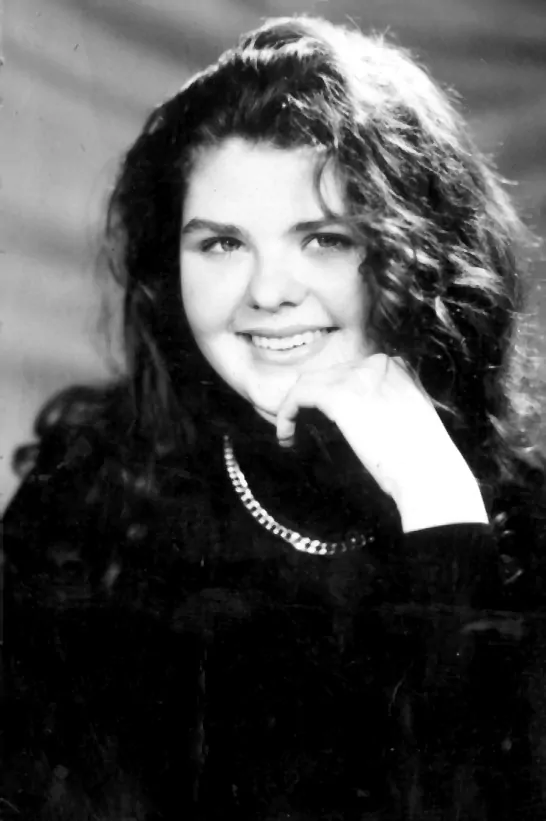
According to Yulia, Svetlana liked it in Mordovia and she did not mention that she wanted to leave there. She loved going to discos in the park and making new acquaintances. “Young people liked Sveta. But, in my opinion, she did not have a serious relationship - so that she would meet a person who she would also like <...>. She was an interesting girl, with a model appearance,” Bakaev described her friend in a conversation with Kholod.
In the 1990s, Saransk was turbulent: there were shootouts, people were robbed on the street. Julia said she felt safe only thanks to her stepfather, whom even the bandits in the city were afraid of. But Svetlana did not have such protection.
“It’s like she sank into the water”
On Saturday, December 24, 1994, at about four o’clock in the afternoon, Svetlana told her mother that she would quickly go to Saransk to visit a friend. She got there without incident, and then, after spending some time visiting, she went to the stop “ Pavlik Morozova Street”. According to Yulia, getting from Ruzaevka to the capital of the republic and back in those years was not easy: regular bus No. 117 ran relatively rarely on schedule and was sometimes so packed that it was impossible to leave. Therefore, many hitchhiked, and so did Svetlana.
“She is such a very simple person, very trusting <...> She wanted from these acquaintances that she would have friends. I remember my friend and I saying: “Eh, Svetka, don’t get into cars with strangers, it could all end badly.” And she answered: “When I get into the car, I always read a prayer to myself.” I then told her: “Look, otherwise prayer won’t help you,” Bakaeva told Kholod.
At the bus stop, two men drove up to Svetlana in a Moskvich and offered to take her and another fellow traveler who was standing next to her to Ruzaevka. She got into the car. No one saw her alive again.
When Svetlana did not return home, her mother sounded the alarm. They began to look for the girl, but she, as Colonel of the Mordovian Ministry of Internal Affairs Sergei Markin later recalled in a conversation with journalists, “seemed to have sunk into the water.”
Earrings torn out with meat
By that time, Svetlana Marochkina was not the first girl to disappear in Saransk recently. Shortly before this, on November 1, 1994, 24-year-old Natalya Yakushkina did not return home. That day she also went to visit her friend. Natalya left her and walked along Studencheskaya Street, where the Pedagogical University and several dormitories are located .
Then, just a month after Svetlana’s disappearance, on January 25, 1995, another pedagogical student, 21-year-old Elena Popazova from Ulyanovsk, disappeared. She came to Saransk to take the exam. All three girls disappeared in one part of the Leninsky district.
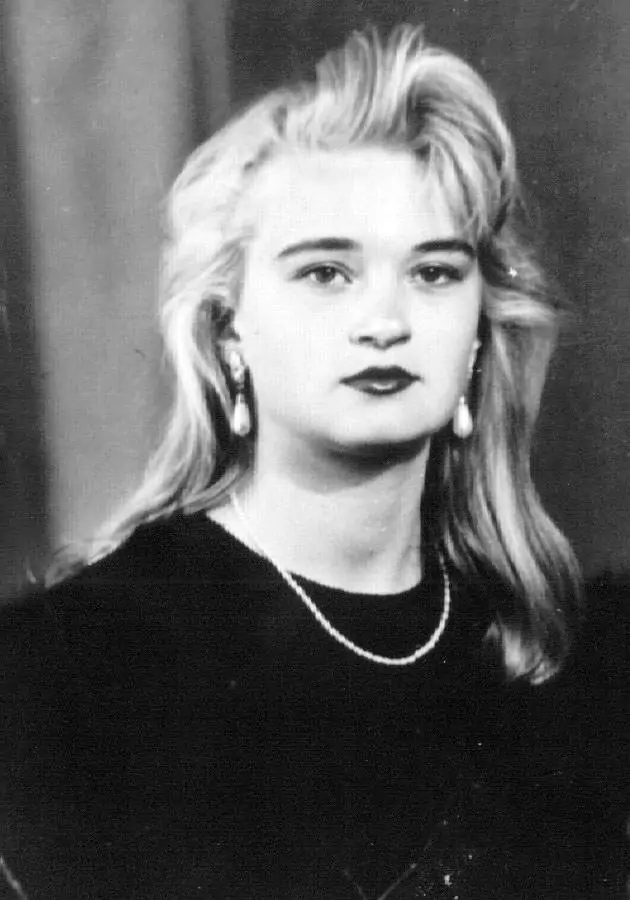
A month later, on February 23, 1995, 34-year-old Natalya Radaikina from the village of Dobrovolny , a few kilometers from Saransk, did not return home. She worked at the local Orbita enterprise, and that day she was leaving work with groceries - her husband and two small children were waiting for her at home.
“I decided that after work she went to visit her mother to take some medicine. And then the mother-in-law herself came running: “What happened? Where is the daughter?” We rushed to search. At about three in the morning we went to see a friend, Baba Lyuba, who was doing fortune-telling. She immediately said: look at the construction site. But she did not admit that Natasha was no longer alive. She felt sorry for us. But we already understood everything ourselves... Together with my brother, we climbed all the construction sites - it’s useless! We were getting ready to leave and... suddenly, we look, Natasha’s bag is lying, and clothes are visible next to it... The criminals only covered her body with a little snow... And they tore out the earrings from her ears with meat... Natasha was carrying bream in her bag,” Natalya Radaikina’s husband, Viktor, told reporters years later.
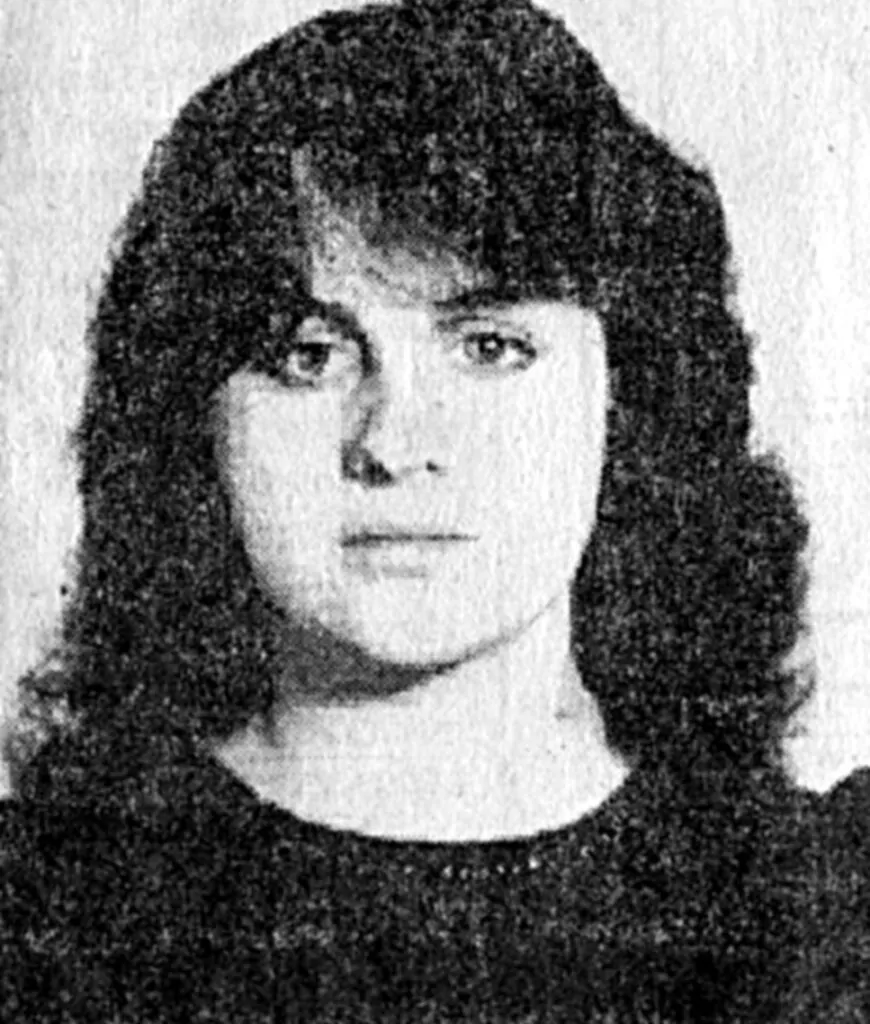
Just a few days later, on February 27, 1995, 21-year-old Galina Budnikova was found dead - she was without a jacket , and her skull was broken. As it became known later, she was waylaid near the Ogarev University dormitory on Ulyanov Street.
To find the criminal, police officers checked all the street robbers they knew. Other details of the investigation are unknown, but shortly after the last murder, law enforcement officers identified suspects from among those who frequently visited the crime scenes. Among them was 24-year-old police sergeant Andrei Yurkin and two of his acquaintances - 16-year-old Valery Lavrushkin and 34-year-old Alexander Kostin. They were detained on March 2, 1995.
In a conversation with Kholod, Andrei Yurkin claimed that he was not detained, but that he came to the police station on his own according to a summons. However, it is currently impossible to verify whether this is true.
Exemplary family man
Andrey Yurkin was born on May 26, 1970 in the village of Staroye Kachaevo in Mordovia - since 1993 he was renamed Tashto Kshumantsya . As journalists wrote, after school he served in the tank forces near Kazan. “When Andrei returned from the army, he amazed us with his physical fitness! So healthy and pumped up! And when the club celebrated February 23, he came in military uniform with black shoulder straps. These were in the tank forces. The girls immediately listed the “cool demobilizer” as an eligible bachelor,” one of his acquaintances recalled in a conversation with reporters.
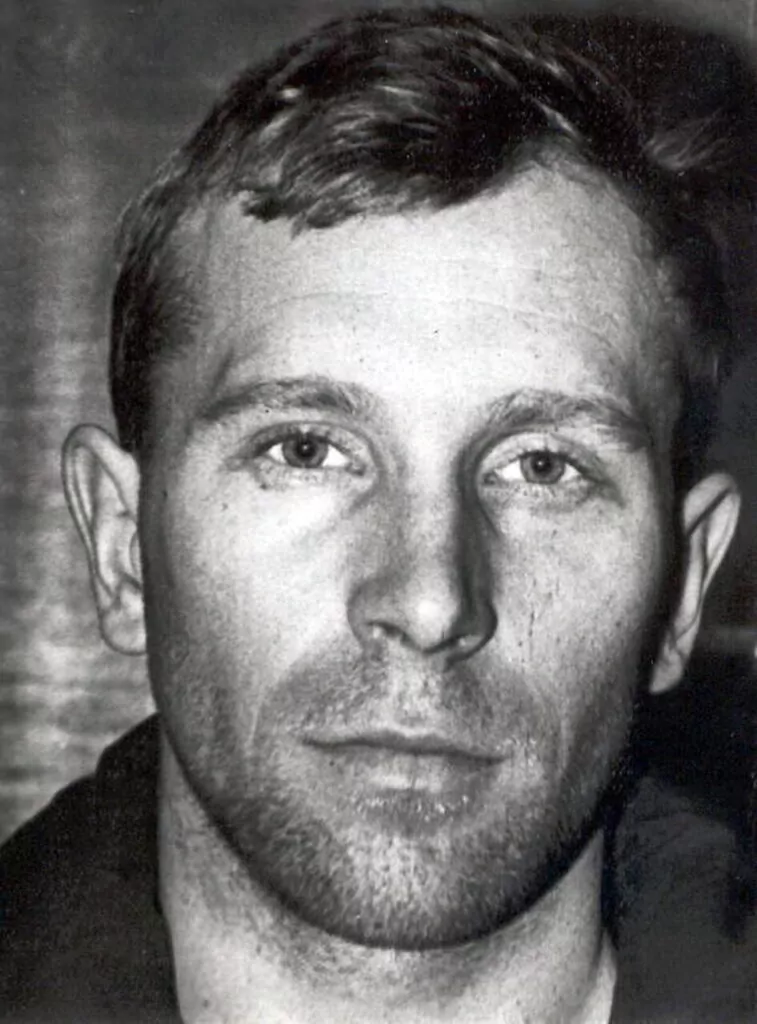
After some time, Yurkin married his former classmate, and they had a son. Around 1992, Yurkin got a job in the private security department in Saransk, and subsequently he received the rank of police sergeant. He and his family lived in a hostel on Transportnaya Street.
According to family neighbors, he always looked good and loved his wife and son very much. Yurkin was fond of sports and went to the gym in one of the local hostels. According to eyewitnesses, he had good results - lying down, he pressed a barbell of 120 kilograms.
“When taken to the cage through the patio, the defendant was “covered” so that neither a knife nor a bullet could enter his body,” the article said. According to media reports, he began attacking women in August 1994. He tore off their jewelry, took away their money and clothes, and raped some. One day one of them broke free and ran away. Then Yurkin called 16-year-old Valery Lavrushkin, whom he met in the gym, as his partner. From the conversations of the policemen at work, Yurkin found out what testimony the victims gave, what they remembered , and in accordance with this, he changed the clothes and mask in which he attacked in order to create the impression that different people were attacking.
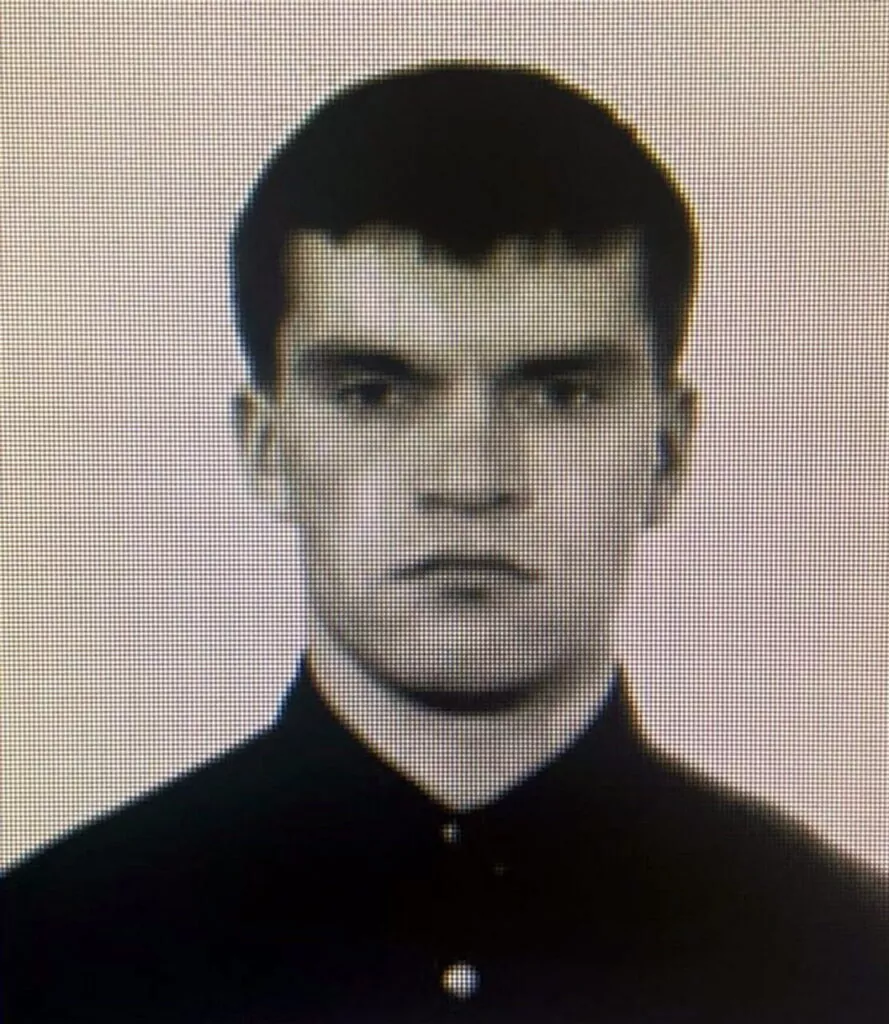
Together with Lavrushkin, they once robbed and beat a woman half to death, and raped and robbed others. They divided things and jewelry among themselves and then resold them. Yurkin allegedly gave part of the loot to his wife. Soon they were joined by Alexander Kostin from the same gym.
Killed every month
It is not known exactly how many attacks they committed, but the court subsequently considered 26 criminal episodes. As Kommersant wrote , after their arrest, Yurkin and Lavrushkin confessed to the last two murders. However, in the 1999 article they did not write about the third detainee - Kostin.
The bodies of Elena Popazova from Ulyanovsk and the first missing girl, Natalya Yakushkina, were found on March 7, 1995, five days after the suspects were detained. Most likely, the criminals themselves pointed out the places. In any case, in 2022, Colonel of the Mordovian Ministry of Internal Affairs Sergei Markin recalled in a conversation with journalists about the disappearance of Svetlana Marochkina and said that Yurkin showed investigators the burial place - an abandoned farm in the village of Monastyrskoye.
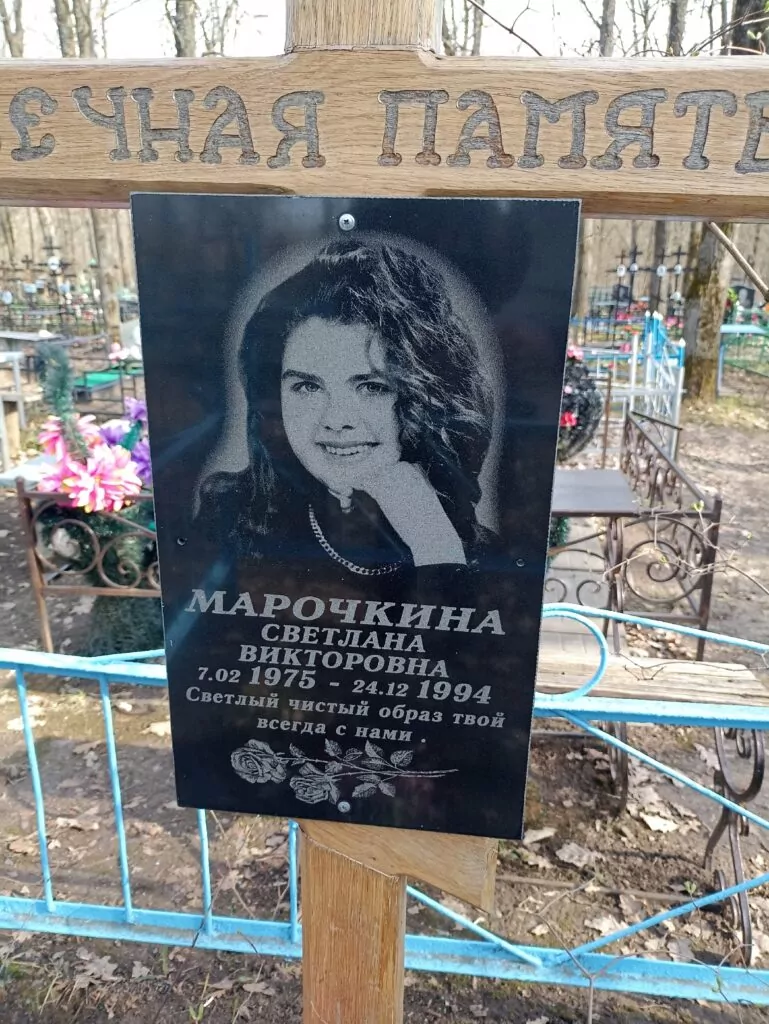
Marochkina was buried in the spring. According to her friend, Yulia Bakaeva, a lot of people came to say goodbye to her. “She was buried in a wedding dress, and the veil covered her face. Because during the time she lay there, her face was already black,” Bakaeva recalled in a conversation with Kholod.
After some time, it became known what happened to each of the victims. As Saransk journalists wrote , they committed the first murder because Yakushkina recognized Yurkin and said that she remembered him and his friends. Then they strangled her with a scarf, and dragged her body to the garages, covered it with snow, branches and garbage.
The second murder seemed less spontaneous. As Svetlana Marochkina’s friend Yulia Bakaeva told Kholod, one of the men got out of the car in advance and went to the bus stop to pretend that he was also waiting for the bus. “Sveta sees: she’s not standing alone, there seems to be a fellow traveler. She sat down. She couldn’t imagine that this was a conspiracy,” she explained.
The men met the third victim, Elena Popazova, on the street. According to Yurkin, they offered her a drink, and she agreed - it is still unknown whether she actually went with the men of her own free will. Together they entered the territory of the pedagogical institute building under construction, where Yurkin and Lavrushkin raped her, and then Yurkin strangled her. The killers took with them her fur coat, boots, watch and hat.
Yurkin and Lavrushkin also saw Natalya Radaikina on the street. They dragged her to a construction site, killed her, took milk from her bag and drank it. The bream that her husband Victor told reporters about was taken by the criminals with them. “The police later found scales from this fish at a pasta factory, where Yurkin at one time worked as a security guard,” Radaikin said.
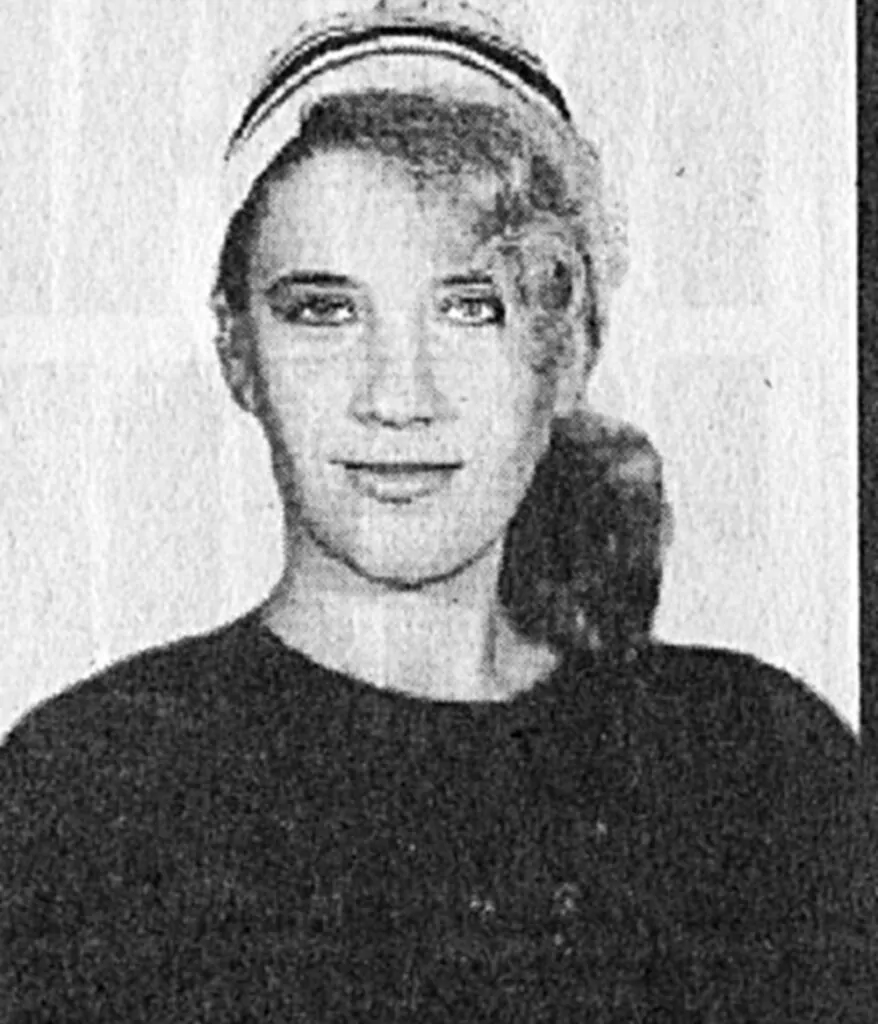
The last victim, Galina Budnikova, began to resist when the men attacked her on the street. Then Yurkin and Lavrushkin beat her and, grabbing her by the hair, hit her head several times on the corner of the house. Then the criminals helped each other hold Budnikova, so that it would be more convenient to rape her. After that, Yurkin strangled her. They took off her winter boots and leather jacket and left.
## Iron gaze
On December 6, 1995, the trial began. A journalist from the Saransk publication Stolitsa S, who came to the court hearing, wrote that enhanced security measures had to be applied there. Allegedly, relatives of Elena Popazova from the Ulyanovsk region vowed revenge on the killers. “When taken to the cage through the patio, the defendant was “covered” so that neither a knife nor a bullet could enter his body,” the article said.
Natalya Radaikina's husband admitted to journalists years later that he really thought about killing the criminals at that time. “When Yurkin was tried, I really wanted to shoot him! At that time I had a hunting “trunk” in my hands. If I had killed this maniac then, I would probably have left by now. But my older brother talked me out of this step,” he recalled.
In addition to the murders of five girls, the court found Yurkin guilty of more than 10 rapes and other crimes. Including robbery. He robbed and beat a girl named Alexandra P., who was returning from her dacha through the forest in the Saransk microdistrict of Svetotehstroy . He jumped out of the bushes with a mask on his face, hit her, robbed her and grabbed her, but she managed to break free and run away. Alexandra later identified Yurkin when the newspaper Stolitsa S published his photo.
On July 22, 1996, the Supreme Court of Mordovia sentenced Yurkin to death. As the media reported, upon hearing the verdict, he began to cry, burying his face in the shoulder of the guard who entered the cage. Lavrushkin received 10 years, and Kostin - 6. Journalists wrote that Yurkin did not admit guilt and after he was sentenced, he shouted: “I will come back and deal with everyone who “knocked me down” here!”

It is impossible to find out for sure why the court gave the death penalty to only one of the criminals - the case materials are not available. However, the book “Expert Psychological Research in Criminal Procedure” reveals the details of the psychological examination. It was established that Kostin and Lavrushkin did not have organizational abilities and could only be performers. And Yurkin was found to have an exaggerated desire for material well-being and success, satisfaction of sexual needs, independence in decision-making, leadership and initiative. Experts concluded that he could be the organizer and perpetrator of these crimes.
Judge Nikolai Volkov, who presided over the meeting, recalled Yurkin years later: “Having seen a huge number of murderers, I was most struck by his intense iron gaze.”
In the death cell
Later, already from prison, Yurkin sent a cassation appeal to Moscow, written in small handwriting on 44 pages. Journalists from the publication “Capital S” cited excerpts from there (Kholod cannot confirm the authenticity of these quotes) . Yurkin asked the judges to acquit him and recalled the case of the most famous Soviet maniac Chikatilo, in which an innocent man was sentenced to execution and shot. He placed all the blame on his accomplices and wrote that he had incriminated himself during torture.
“I am asking you not for a reduction in the sentence, but for an excuse: I have never been a murderer. As a sign of proof, if you want, I will commit suicide, but after that, acquit me! Dear court, believe in the cry of the soul and acquit,” he wrote.
Describing the crimes and his role in them, Yurkin presented himself as practically a hero. For example: “... gave Budnikova snow so that she could apply it to the wound. Lavrushkin wanted to hit again, she hid behind me.” Or: “Lavrushkin stayed with the girl. I thought: they haven’t been around for a long time. He returned and was stunned: he killed her. I began to untie the rope, but it was already dead.”
In 1999, the court actually commuted Yurkin’s execution to 15 years in prison, but not because of his complaint. The fact is that Russia joined the Council of Europe, and in April 1997 introduced a moratorium on the death penalty. Yurkin’s guilt remained proven, but according to the laws in force at the time he committed the crimes, the next most severe punishment after execution was not “life”, but 15 years in prison.
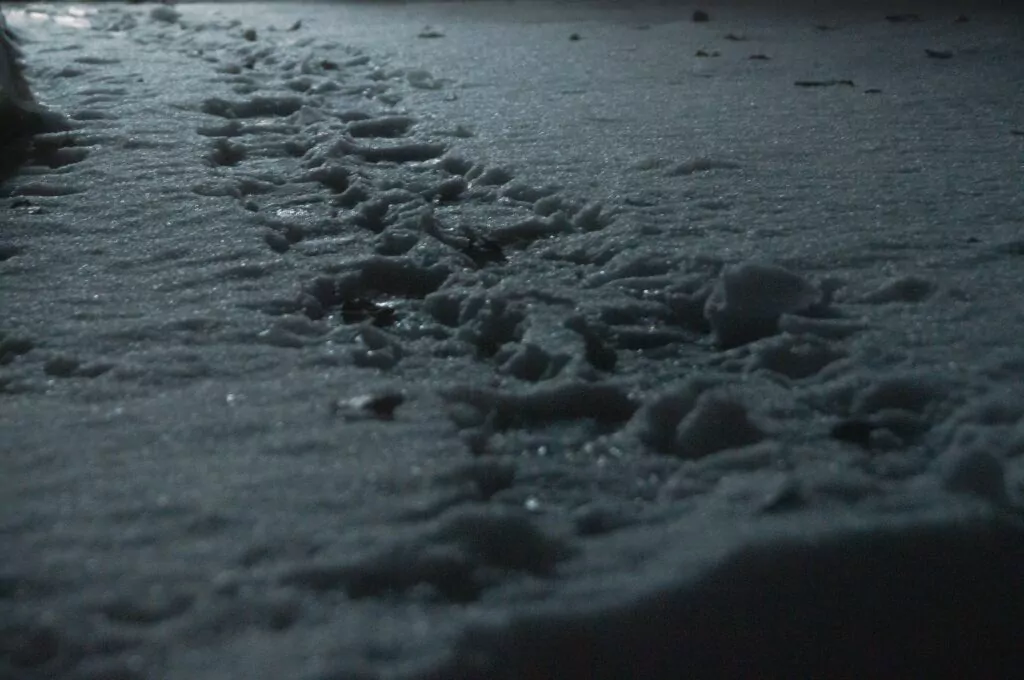
Soon after this, Yurkin was transferred to Chistopol, Tatarstan. Later - to the Ryazan region. Mordovian media wrote that Yurkin was engaged in physical education throughout his term because he wanted to be released in excellent physical shape. And also that the administration described him “extremely negatively.”
Hasn't changed a bit
In April 2009, Andrei Yurkin was released. “So many people have died, broken, and he is already breathing the air of freedom! Is this normal?! As a taxpayer, I gave my money for 15 years so that my wife’s killer would be given food and drink,” Natalya Radaikina’s widower Viktor reacted in a conversation with reporters at the time.
Having been freed, Yurkin returned to his native village of Staroye Kachaevo in Mordovia and settled with his father in a house on Rabochaya Street. His mother died two years before his release.
Journalists from the Saransk publication went there at that time and talked with local residents and the local police officer. The latter said that most often Yurkin sits at home and goes out “only when necessary.” The store saleswoman said that people in the village are not afraid of him: “All the locals calmly approach Yurkin and talk. And former classmates even came to his house to celebrate his return. We don’t think that Andrei Nikolaevich will smoke again. He's had enough! What does it look like now? Yes, he remained the same as he was 15 years ago: fit, athletic, not changed at all, except that he lost a little weight...”
The passport office employee said he was “a modest, very polite man with a quiet voice.” She added that if she didn’t know who he was, she wouldn’t have thought that in front of her was “that same maniac.”
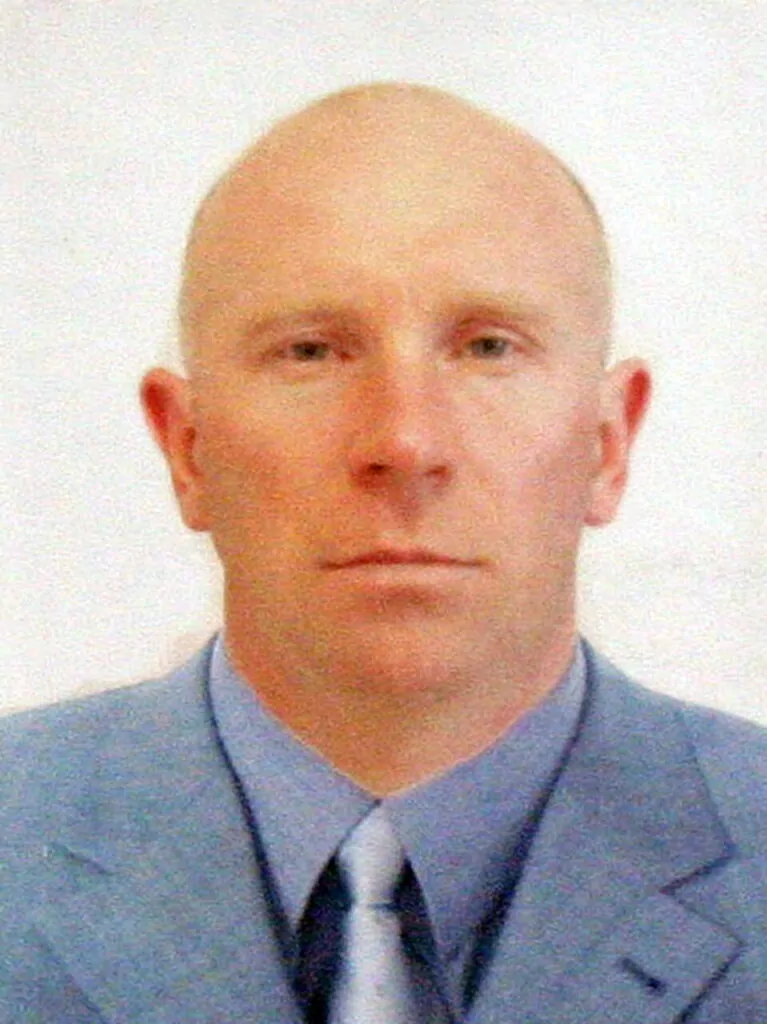
There, Yurkin registered with the department of internal affairs and the migration service. The head of the Bolsheignatovsky district police department was Ivan Bochkarev, whom Stolitsa S calls Yurkin’s classmate. He told Bochkarev that he was going to move from Mordovia to St. Petersburg or Moscow. In June 2009, he left for the capital.
Little is known about the fate of his accomplices. Valery Lavrushkin, who was 16 years old at the time of the crimes, was released in 2004 and became a cabinetmaker in a furniture company. Local media retold the story: supposedly many years later, the judge who was considering the case decided to order a kitchen set for himself, the head of the company introduced him to his best craftsman - it turned out to be Lavrushkin.
What happens to people who have committed serious crimes after they are released? According to Russian laws, if a convicted person has served his sentence in full, then his criminal legal obligations are considered fulfilled. An exception is if the sentence specified an additional punishment, for example, in the form of restriction of freedom. In this case, after release, the person is required to comply with certain measures for some time. For example, do not leave home at a certain time, do not go to public events and do not change your place of residence without the consent of supervisory authorities.
If a person has served this sentence as well, then he receives the right to free movement. But murderers and rapists, even with expunged or expunged criminal records, can never again work with children - teachers, coaches, social workers, and so on.
At the same time, the law prohibits only work - coming to an educational institution as an “honored guest” to talk about his biography; formally, nothing prevents such a person.
Alexander Kostin served his sentence in Mordovia, and then in a penal colony in the Kirov region. He was released in 2001, and nothing has been known about him since then.
Lost in the capital
Having moved to Moscow, Yurkin settled in the Preobrazhenskoye district in the east of the city, and, judging by media reports, took up private transportation. It contains a Mitsubishi Pajero car. For more than 16 years, Yurkin has not been prosecuted for any crimes. However, in March 2017, in the Nizhny Novgorod region, he received a fine as a pedestrian - perhaps he crossed the road in the wrong place.
“I once came across an article where a journalist mentioned that a person who once tasted blood, violence and murder can always return to this path. Just knowing his mistakes, he will be more sophisticated in covering his tracks. And this is really very scary... It’s much easier to get lost in a large city than to live and work in a small republic. Therefore, I don’t really envy those who live next door to him,” Yulia Bakaeva, a friend of one of Yurkin’s victims, said in a conversation with Kholod.
31 years later, Andrei Yurkin considers himself a victim of the system. In a conversation with Kholod, he said that investigators put him in jail to “get stars,” and he was only guilty of knowing about the crimes and hiding it. Most of all, Yurkin is outraged that journalists are still writing about him. “Yes, I’ve already served my sentence, that’s it, they continue, continue, continue, I don’t know, they don’t give me a quiet life anymore. And everyone else picks up and continues to do all this. For what?” he said.
According to him, all this is due to the fact that the sister of his accomplice, Alexandra Kostina, worked in the Saratov publication Stolitsa S, which covered this case. Kholod tried to contact the journalist who wrote materials about Yurkin in those years, but did not receive a response, so the publication cannot confirm or refute this statement.
“Well, I came out quietly. Friends helped, whoever I was there with. All the employees are there: former prosecutors, judges, investigators <…>. I still communicate with many people, I communicate with generals,” Yurkin said about his life.
***
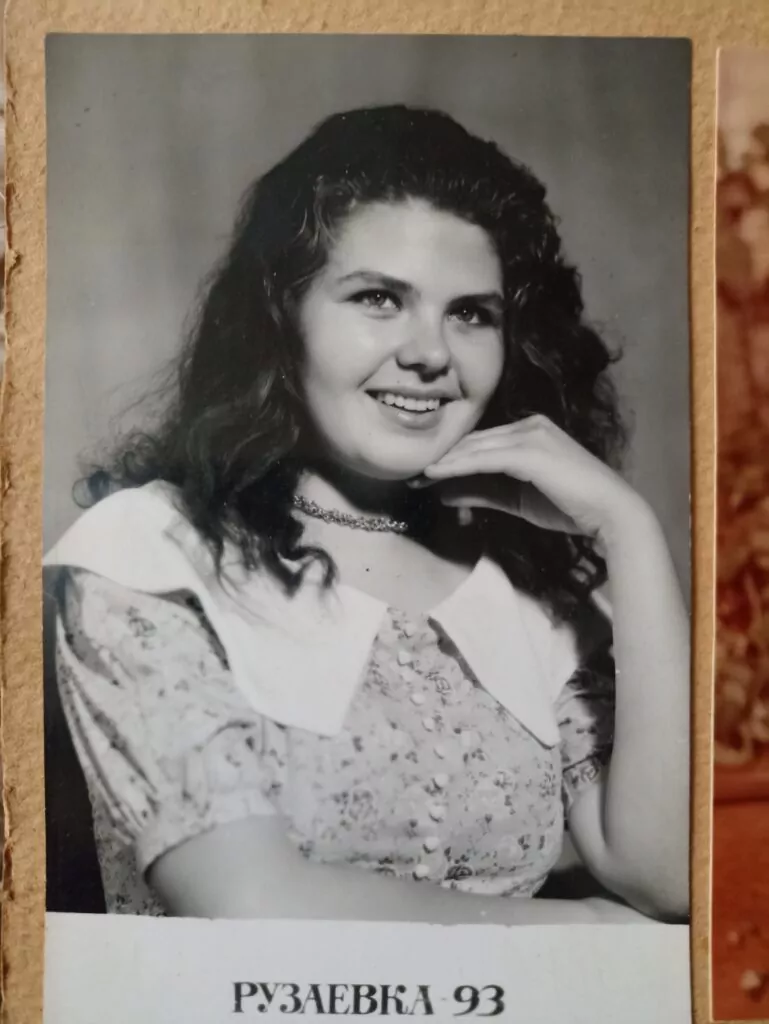
Even after 30 years, Svetlana Marochkina’s friend Yulia Bakaeva constantly remembers her and not so long ago visited her grave with her son. She kept in touch with her mother for many years, visiting the hospital where she worked until her retirement. According to her, Svetlana’s mother mourned her daughter all her life and asked never to tell her the name of the killer again.
The husband of another Yurkin victim, Viktor Radaikin, told reporters years later that he had never recovered from Natalya’s death. “When I lost my wife, with whom I lived for 15 years, something broke in me, emptiness filled my soul. I never married again... You know, all 40 days after the funeral Natasha knocked on my window. I’ll run out into the street, and there’s no one there! But he still appears in dreams. It seems that my wife and I are always together—it’s like we’re hugging in bed,” he said.
Author: Kholod editorial staff
Photo: Unsplash